
Artist
Uriah Heep
British prog/hard rock
London, United Kingdom · Formed 1970
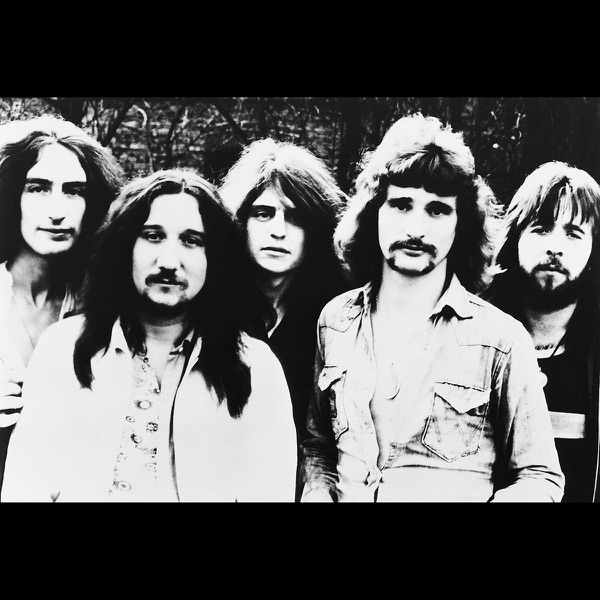
Uriah Heep is a music group from London, United Kingdom, active since 1970. Their discography on Gatefold includes 24 records.
67
Albums tracked
239
In collections
1970
Since
Biography
Gerry Bron was running Bronze Records and didn't just sign the band; he basically tried to engineer them into a wall of sound that could rival Deep Purple while keeping enough Hammond organ melody to keep the pop charts interested. They were the guys critics loved to hate—one reviewer famously promised to commit suicide if the band made it. They made it. David Byron’s four-octave range was a weapon, but the real engine was Ken Hensley’s ability to write massive, fantasy-drenched hooks that felt like they belonged on a van mural. By the mid-70s, the wheels started falling off as the lineup became a revolving door and the substance abuse went from rock-star cliché to career-threatening. They hit a wall when Byron was fired for his drinking in '76, and for a minute, they looked like another relic of the prog-rock era getting buried by punk. But Mick Box is a lifer who refused to let the name die, dragging the band through every trend from AOR to NWOBHM with a stubbornness that’s actually pretty fucking admirable.
Bio from The Clerk
The Arc of Uriah Heep
The pivots — what forced Uriah Heep to reinvent.
The Fantasy High Ground
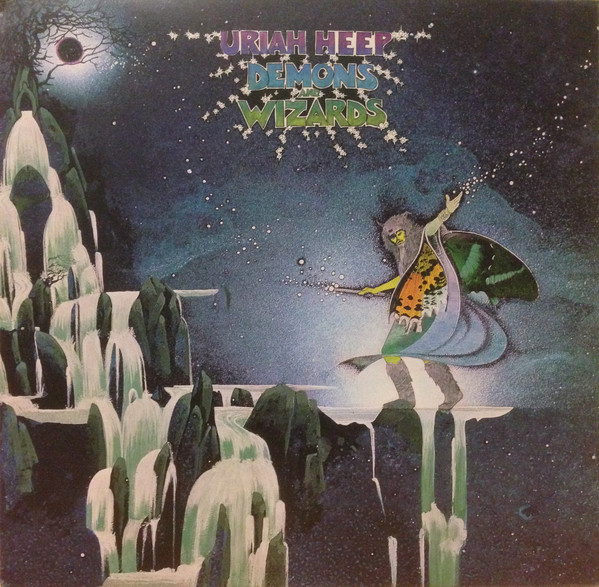
From 1970 to 1972, the band moved away from the bluesy sludge of their debut toward the high-concept wizardry of Demons and Wizards. Adding Lee Kerslake on drums and Gary Thain on bass created the definitive 'classic' lineup that actually had the technical chops to back up Hensley’s grandiose songwriting. You hear it in the tight, galloping rhythm section of Easy Livin’, which proved they could be heavy without being ponderous. This was the moment they found the sweet spot between Tolkien-esque mysticism and legitimate hard rock muscle.
The Byron Departure and the Lawton Pivot
The firing of David Byron in 1976 forced a total tonal shift when they brought in John Lawton from Lucifer’s Friend. Lawton didn't have Byron’s theatrical vibrato, so the band leaned harder into a more polished, straightforward hard rock sound on records like Firefly. The Hammond B3 still took up a lot of space, but the songs got shorter and the arrangements got cleaner to suit a different kind of singer. It was a play for the American market that kept them afloat while the rest of the prog world was drowning.
The 80s Heavy Metal Rebirth
By 1982, Mick Box was the only original member left and the band was effectively dead until he recruited a whole new crew for Abominog. They traded the fantasy artwork for a more aggressive, modern metal aesthetic and a production style that fit right in with the New Wave of British Heavy Metal. This era dropped the prog pretense for punchy, synth-heavy rockers that sounded closer to Rainbow or Whitesnake. It was a desperate reboot that actually worked, proving the Heep brand was more resilient than the individual players.
Influences
- Vanilla Fudge — Ken Hensley explicitly cited their heavy, slowed-down covers and massive organ sound as the blueprint for Heep’s early arrangements. You hear it in the way the Hammond organ isn't just a texture but the primary lead instrument. It’s that heavy psych-soul foundation before they added the high-fantasy lyrics.
- Deep Purple — They shared the same London circuits and a producer-driven rivalry, with Hensley often noting they were chasing that same blend of virtuosity and volume. The interplay between Box’s wah-heavy guitar and the keyboards is a direct response to the Blackmore/Lord dynamic. It's the essential British hard-rock arms race on wax.
- The Beach Boys — David Byron and Ken Hensley were vocal about using Brian Wilson’s multi-part harmony stacks as a template for their own 'choir of angels' backing vocals. Those soaring, lush vocal layers on tracks like July Morning are basically Pet Sounds logic applied to a Marshall stack. It’s what set them apart from the more gritty, blues-based bands of the era.
- Led Zeppelin — Mick Box watched Zeppelin’s rise and realized that the shift from folk-acoustic to heavy-electric was the only way to stay relevant in 1970. The light-and-shade dynamics on the Salisbury album are a direct nod to the structures Jimmy Page was popularized. They took the 'heavy blues' seed and watered it with British prog eccentricity.
- The Gods — This was Hensley and Mick Taylor’s pre-Heep band, acting as the literal laboratory for the songwriting that surfaced on the first two Heep records. They even had Greg Lake in the lineup for a minute, cementing the prog-rock DNA before the band even had a name. Most of the early Heep sound was just Hensley refining what he’d already started here.
Discography
Their records — most-collected first.
Demons And Wizards
1972

The Magician's Birthday
1972
Look At Yourself
1971

Salisbury
1971

...Very 'Eavy ...Very 'Umble
1970
Sweet Freedom
1973

Uriah Heep Live
1973

Wonderworld
1974

Return To Fantasy
1975
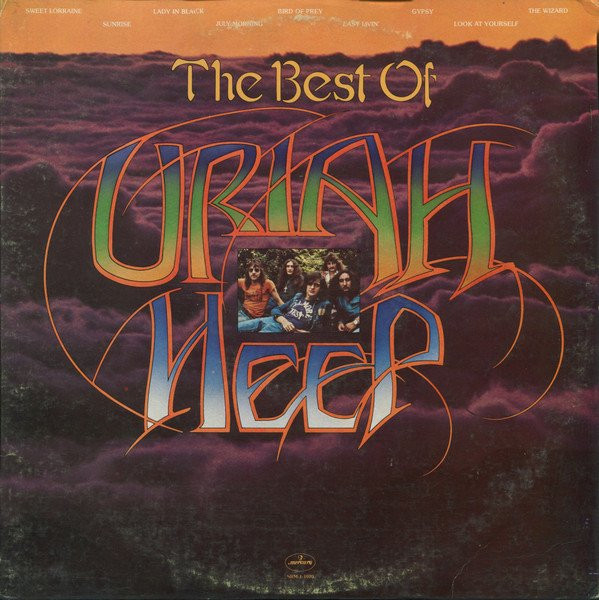
The Best Of Uriah Heep
1976

Fallen Angel
1978

The Best Of...
1975

Abominog
1982

Innocent Victim
1977
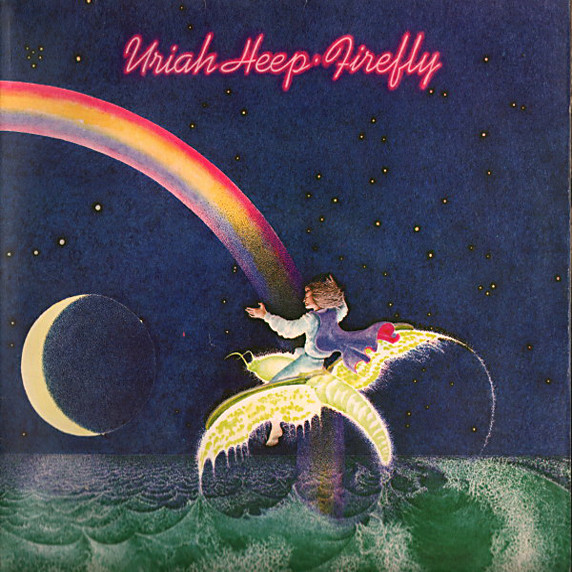
Firefly
1977
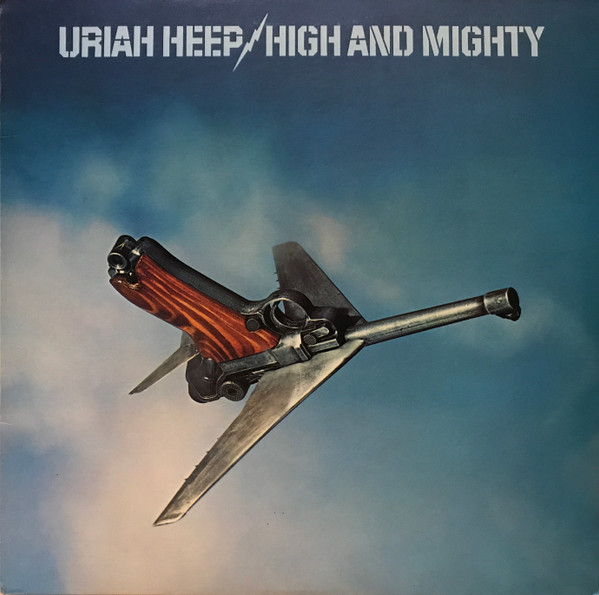
High And Mighty
1976

Live On The King Biscuit Flower Hour
1997
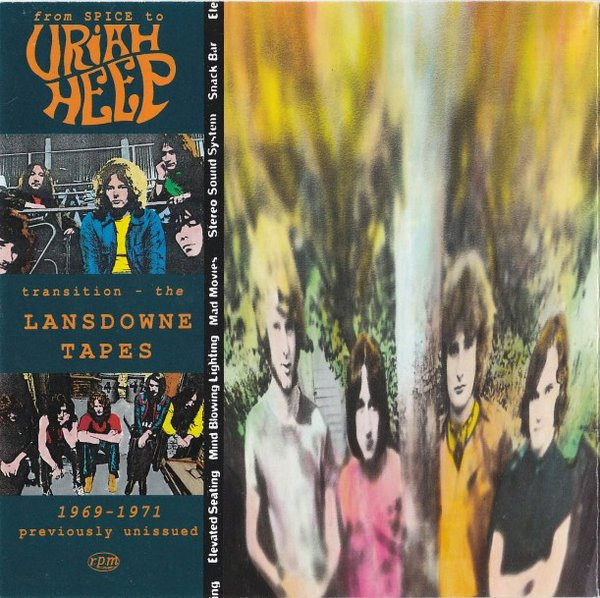
The Lansdowne Tapes
1993
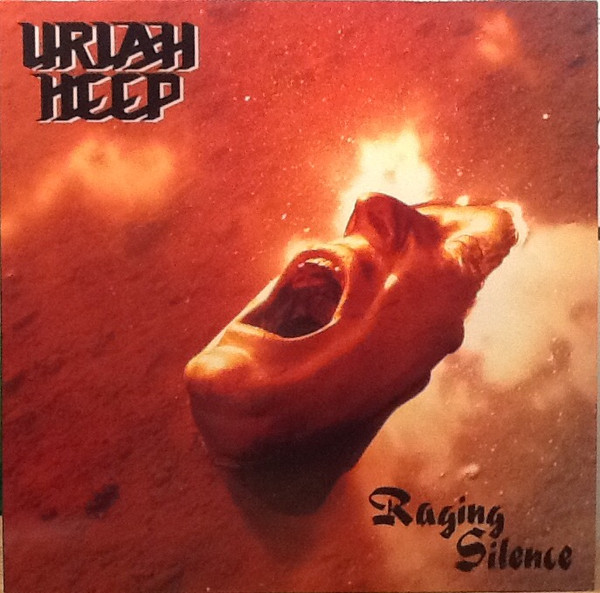
Raging Silence
1989

Poor Little Rich Girl
1985
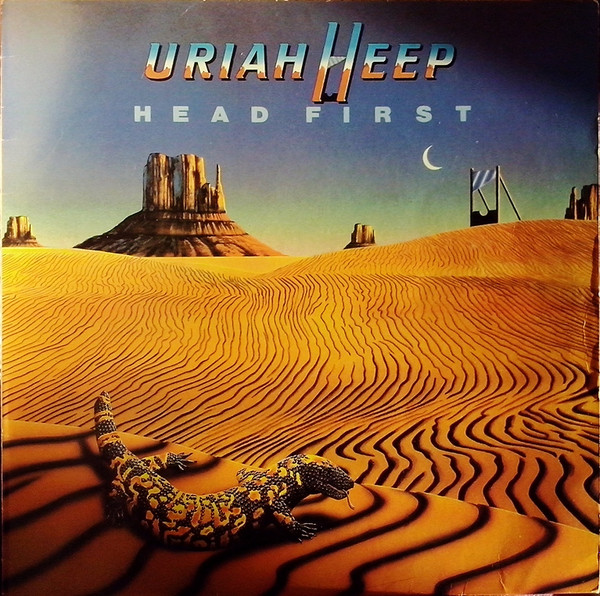
Head First
1983
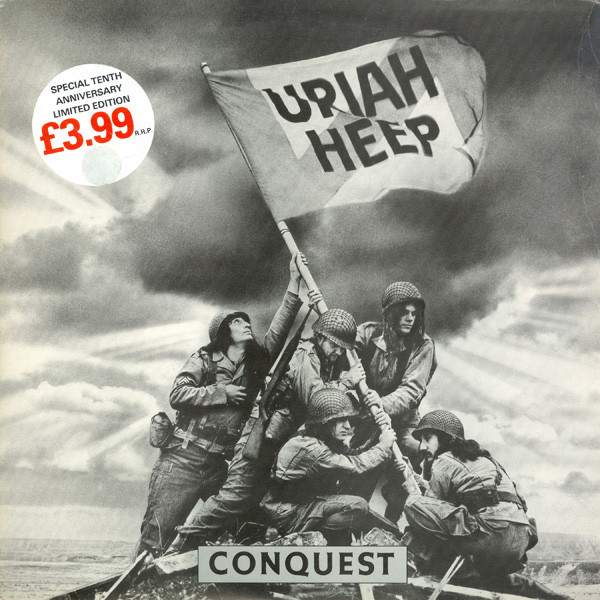
Conquest
1980
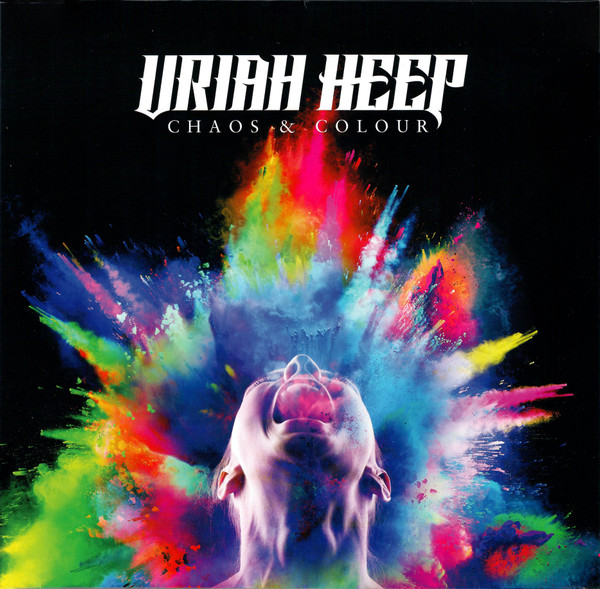
Chaos & Colour
2023
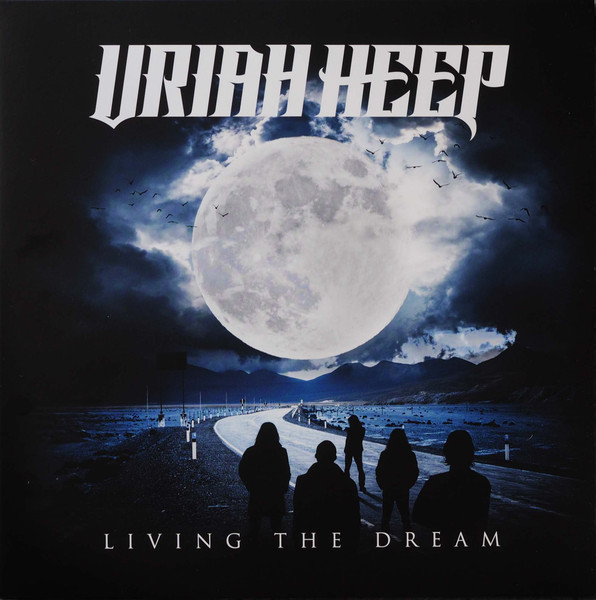
Living The Dream
2018
Related artists
Around the web
Follow every record they touch.
Start your shelf and Gatefold tracks Uriah Heep's new pressings, tour dates, and the whole discography — automatically.
Start your shelf →Free forever. Works with 10 records or 10,000.