
Artist
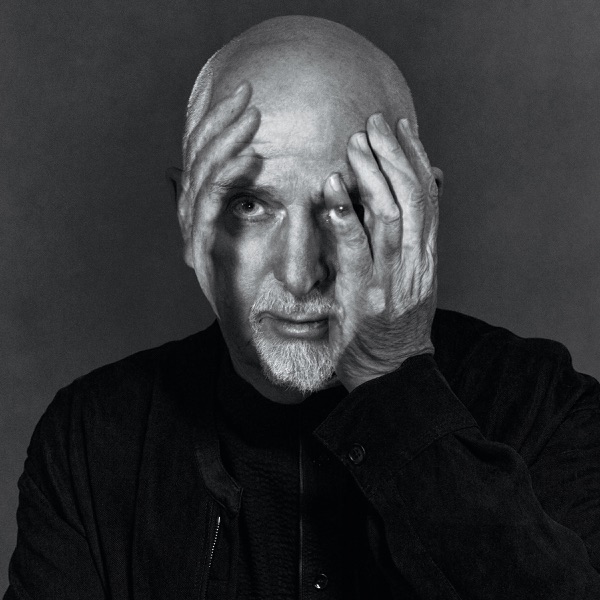
Peter Gabriel
formerly of Genesis
Chobham, United Kingdom · b. 1950
Peter Gabriel is a musician from Chobham, United Kingdom, active since 1950. Their discography on Gatefold includes 24 records. They also recorded with Genesis, Big Blue Ball and Peace Choir.
94
Albums tracked
1,820
In collections
1950
Since
Biography
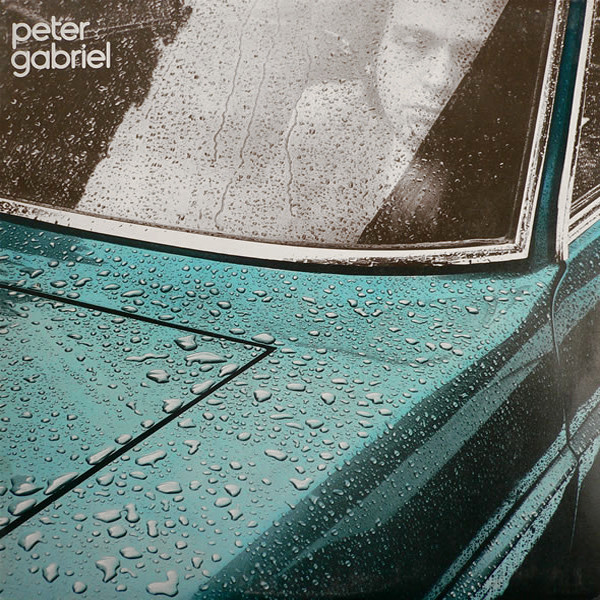
Gabriel quit Genesis because he was tired of being the guy in the flower mask and wanted to see if he could survive without the prog-rock safety net. He spent the late seventies naming every album 'Peter Gabriel' just to fuck with the labels and force people to look at the sleeve art. It was a hell of a gamble that started with him sitting in a rainy car on the cover of Car and ended with him becoming a tech-obsessed studio hermit. By the time he got to 'So', he was pivoting from a cult weirdo into a global pop star who used fairlight samplers and gated reverb like weapons. He’s the only guy who could spend a decade on a single record like 'Up' and still have people waiting around for the results. He treats the studio like a laboratory, and if the experiments don't work, he just keeps the tapes running until they do.
Bio from The Clerk
The Arc of Peter Gabriel
The pivots — what forced Peter Gabriel to reinvent.
The Numerical Identity Crisis
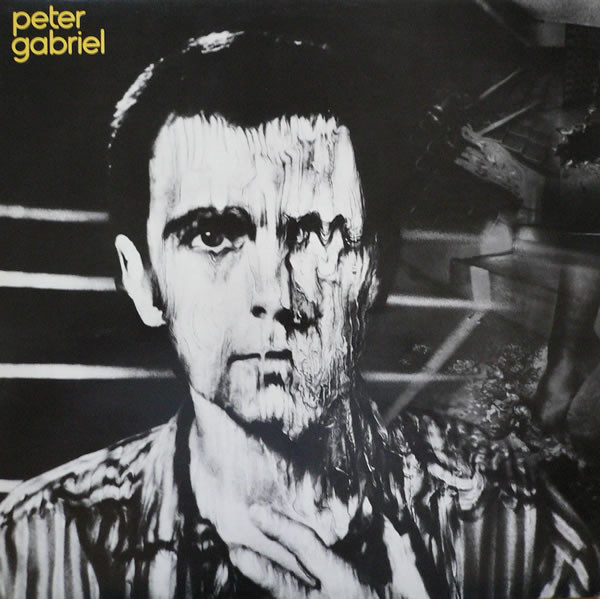
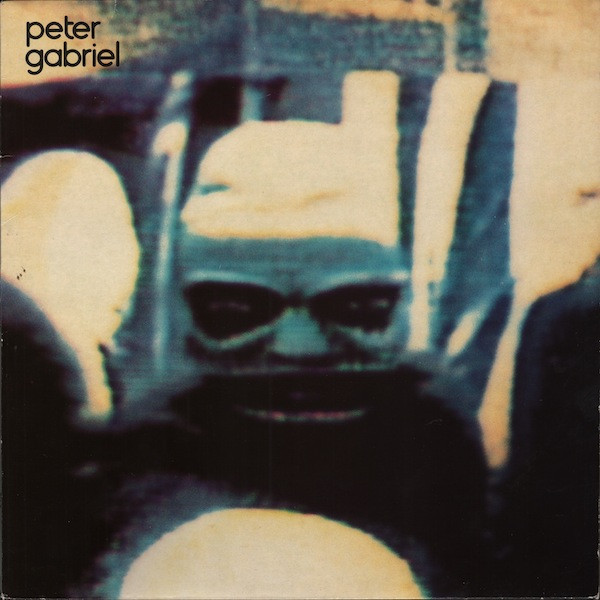
After walking away from the theatrical excess of Genesis, Gabriel stripped everything back by refusing to title his first four solo records. He brought in Bob Ezrin for the first one to get that heavy, wet 'Berlin' sound, then pivoted to Steve Lillywhite to invent the gated reverb drum sound that defined the eighties. You can hear him physically breaking away from prog tropes, trading twenty-minute flute solos for jagged, paranoid post-punk rhythms. It was a deliberate attempt to kill the 'frontman' persona and become a textured, experimental composer.
The Real World Explosion
In 1986, Daniel Lanois helped Gabriel translate his African rhythm obsessions into a format that could actually move units. The result was 'So', a record that swapped the dark, Fairlight-heavy paranoia of the fourth album for massive brass sections and accessible hooks. This wasn't just a grab for the charts; it was the birth of his Real World label and a massive shift toward global collaboration. He stopped being a British art-rocker and started acting as a bridge between high-tech western production and traditional world music.
The Slow-Motion Perfectionist
Following the massive success of the eighties, Gabriel retreated into his Real World studio complex in Wiltshire and stayed there for most of the next thirty years. He became obsessed with the minutiae of the mix, leading to ten-year gaps between studio albums like 'Us' and 'Up'. The music became denser, darker, and more industrial, ditching the bright pop sheen for heavy bass and claustrophobic textures. Every snare hit and vocal double-track was scrutinized until the records felt more like statues than songs.
Influences
- Otis Redding — Gabriel has cited the 'Live in Europe' album as the record that made him want to be a singer. You hear it in the raspy, soul-inflected grit of his delivery on tracks like 'Sledgehammer'. He's a white art-school kid trying to channel Stax-era intensity.
- The Beatles — He watched them play at the Hammersmith Odeon in 1963 and became obsessed with the studio-as-instrument approach of their later work. The psychedelic collage of 'Strawberry Fields Forever' is the direct ancestor of Gabriel's Fairlight sampling experiments. It gave him the license to treat pop as high art.
- The Who — He grew up on the aggressive, mod energy of Townshend’s songwriting and the concept of the rock opera. The early Genesis theatricality owes everything to 'Tommy', specifically the idea that a rock show could be a narrative play. He traded their power chords for flutes, but the ambition remained identical.
- James Brown — Gabriel's obsession with 'the groove' and rhythm-first composition comes directly from the Godfather of Soul. He often built tracks from the drums up, mimicking Brown's philosophy that every instrument in the band is actually a drum. Without 'Cold Sweat', you don't get the rhythmic backbone of the 'Security' album.
- The Yardbirds — The R&B-influenced experimentation of 'Shapes of Things' was a blueprint for Gabriel's early interest in merging blues scales with weird, atmospheric textures. He covered 'For Your Love' during his 'Scratch My Back' sessions as a nod to their influence. It’s the root of his fascination with distorted, moody British rock.
Peter Gabriel — solo
Their records — most-collected first.

So
1986
Peter Gabriel
1980
Peter Gabriel
1977
Peter Gabriel
1982
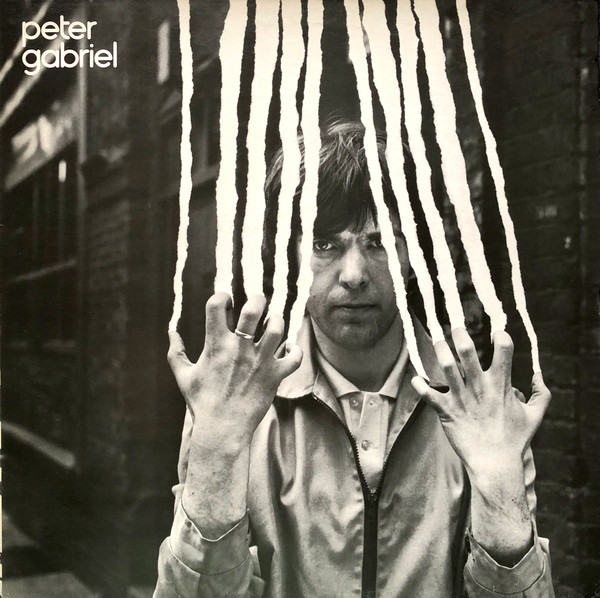
Peter Gabriel
1978
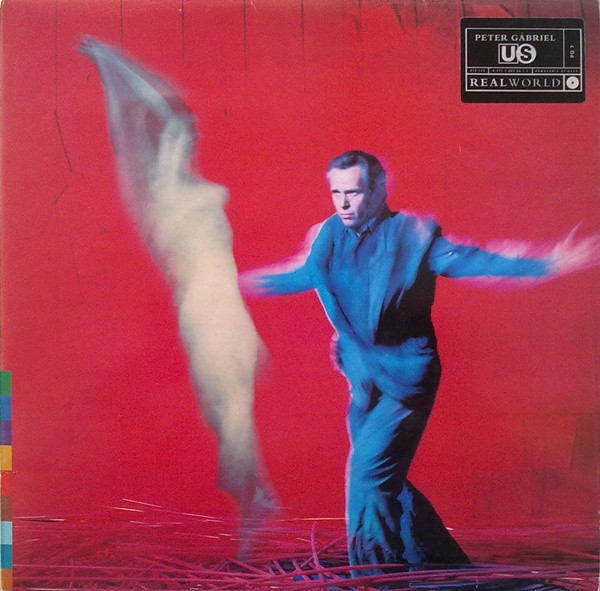
Us
1992
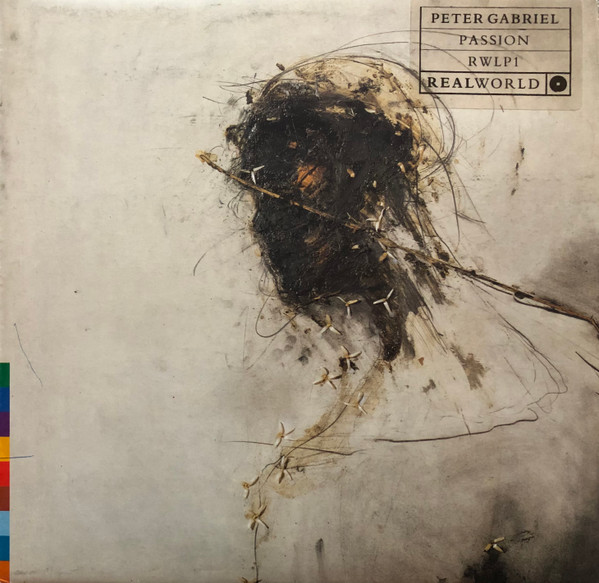
Passion (Music for The Last Temptation Of Christ)
1989

Shaking The Tree (Sixteen Golden Greats)
1990
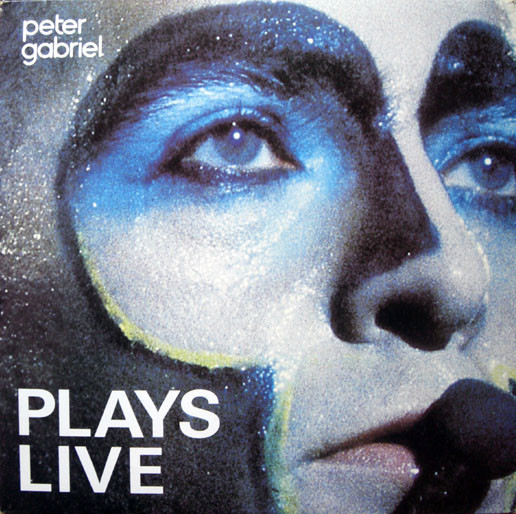
Plays Live
1983
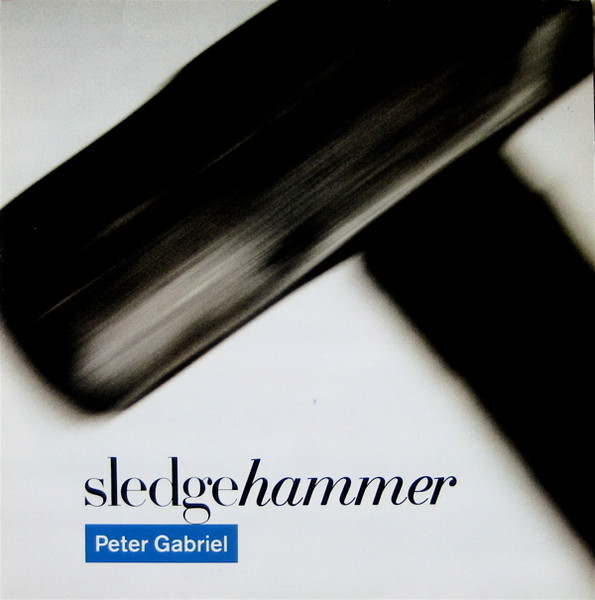
Sledgehammer
1986
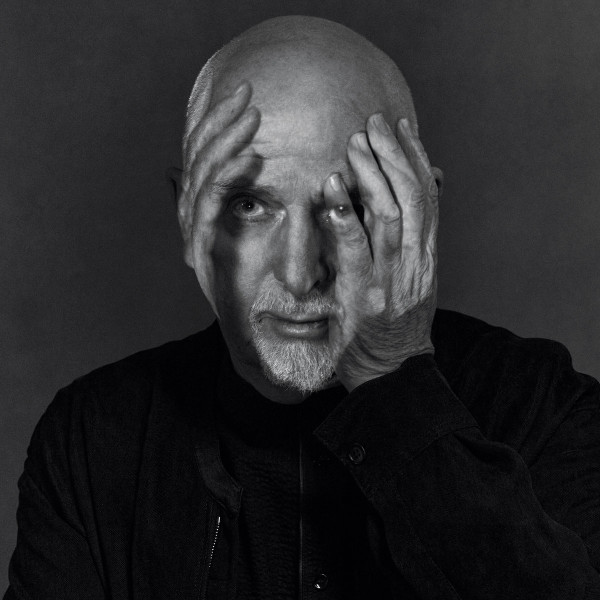
I/O
2023
Up
2002
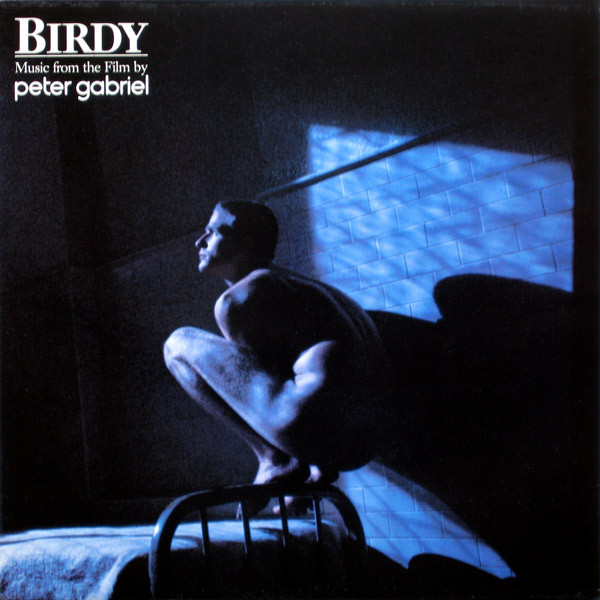
Birdy
1985
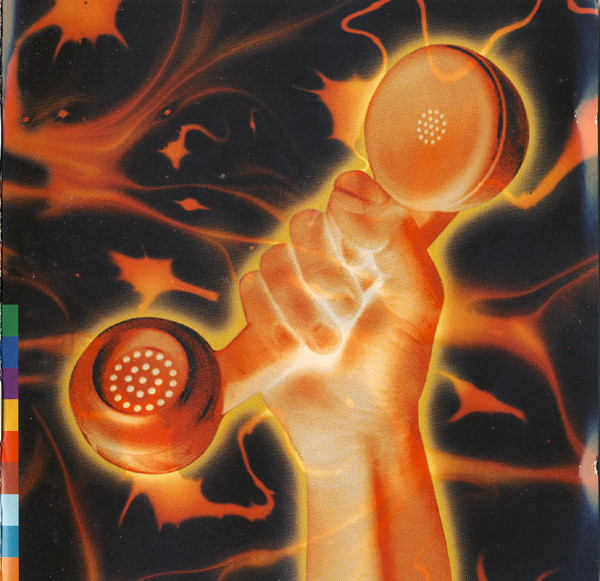
Secret World Live
1994

Hit
2003

OVO
2000
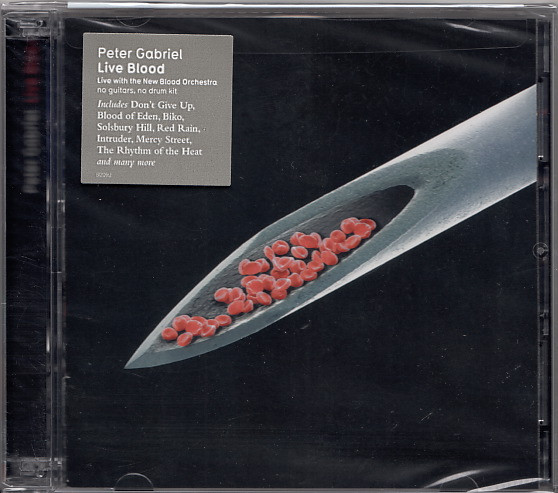
Live Blood
2012

Big Time
1987
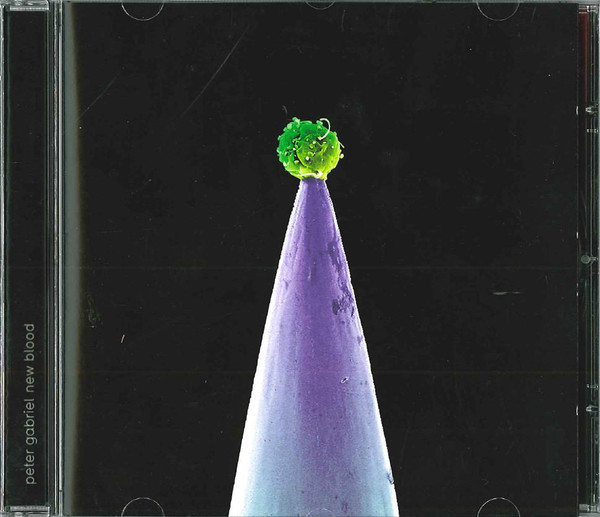
New Blood
2011
Scratch My Back
2010
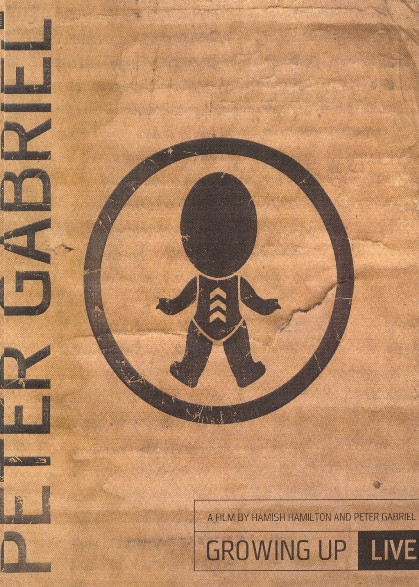
Growing Up Live
2003

Shock The Monkey
1982

Live In Athens 1987
2012

New Blood - Live In London
2011
Genesis
A project Peter Gabriel was part of. Former member.
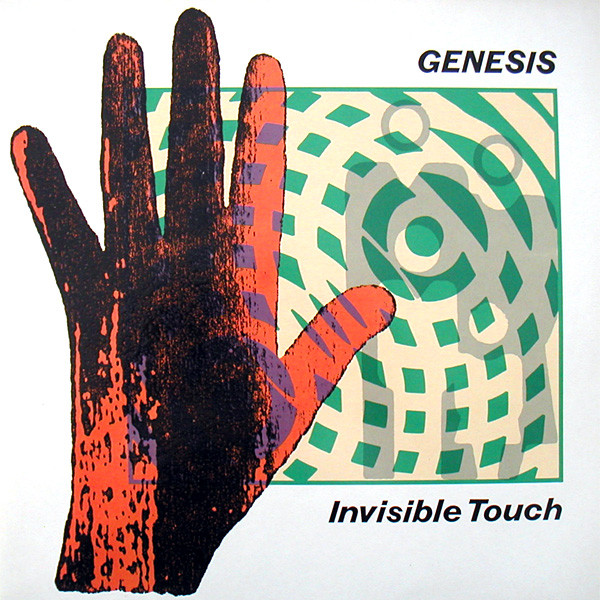
Invisible Touch
1986
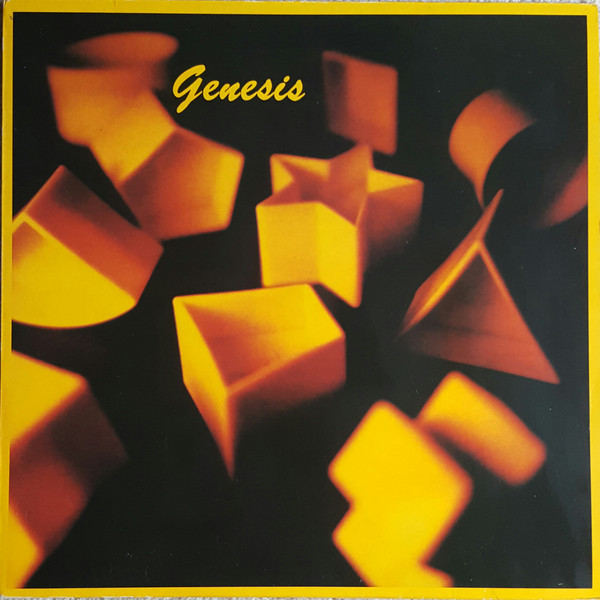
Genesis
1983
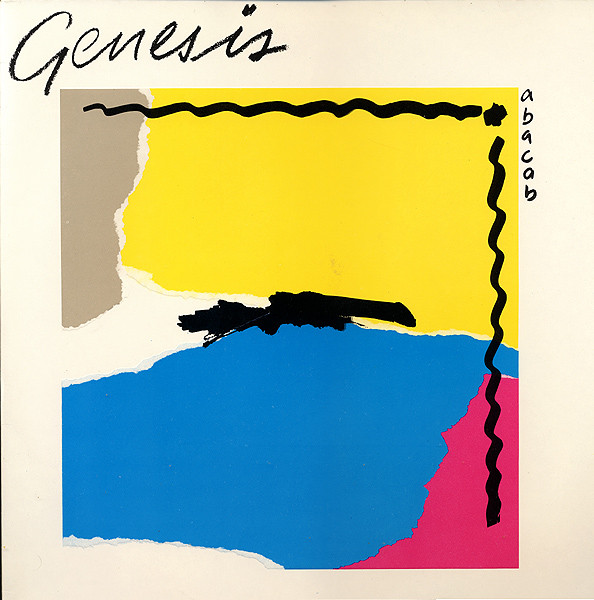
Abacab
1981
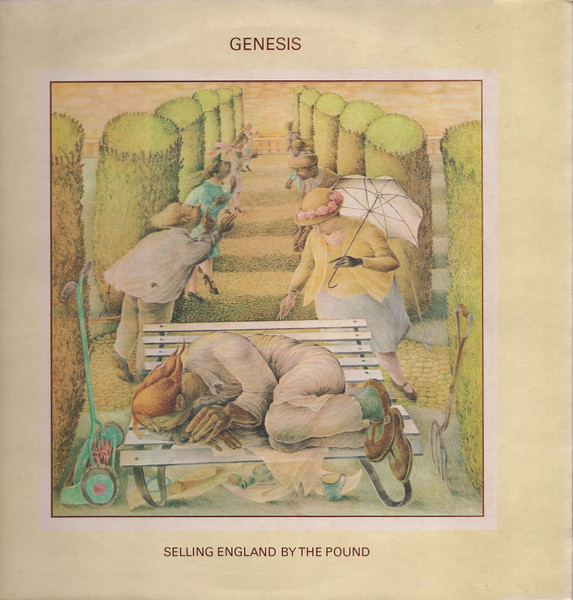
Selling England By The Pound
1973
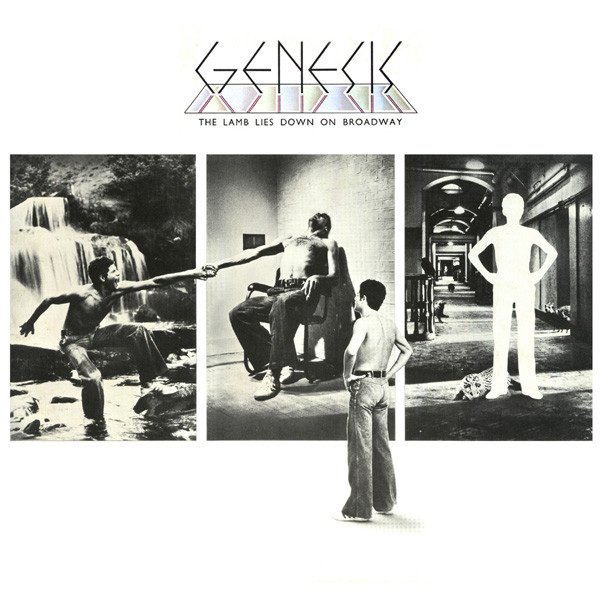
The Lamb Lies Down On Broadway
1974
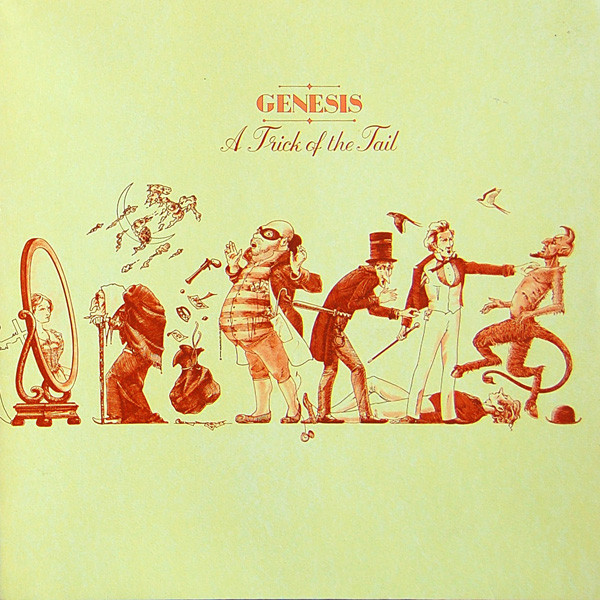
A Trick Of The Tail
1976
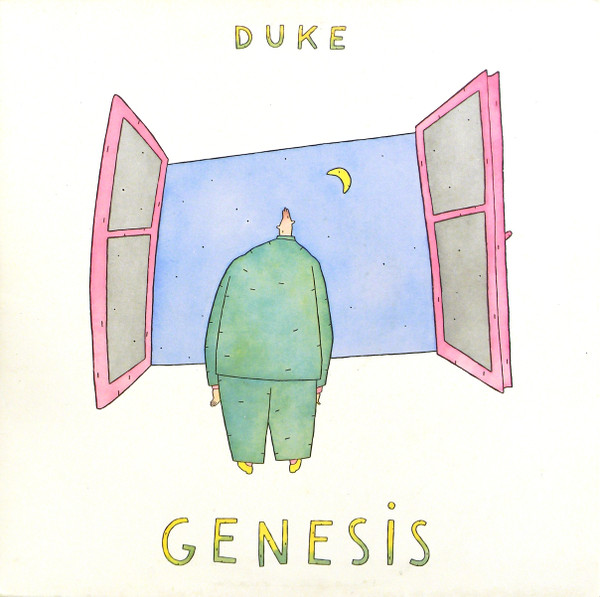
Duke
1980

Foxtrot
1972
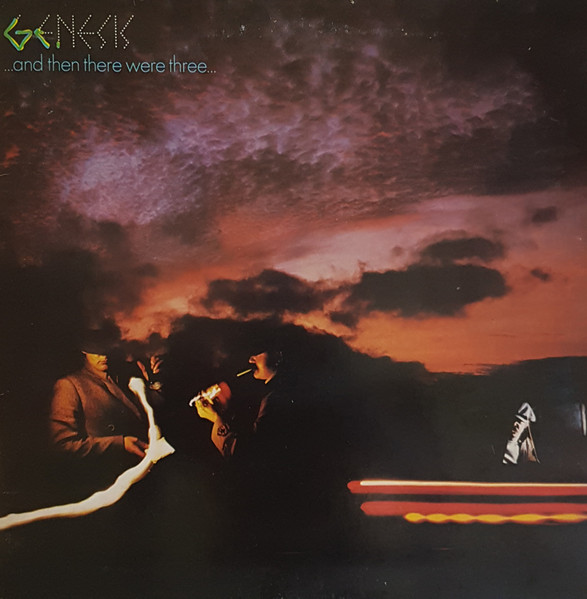
...And Then There Were Three...
1978
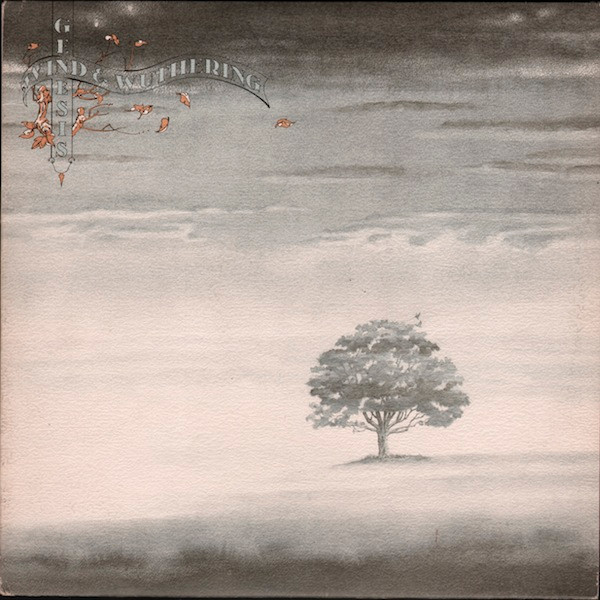
Wind & Wuthering
1976
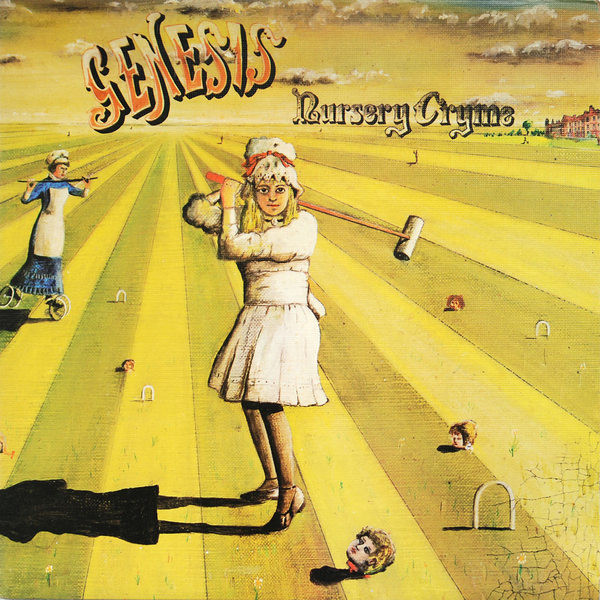
Nursery Cryme
1971
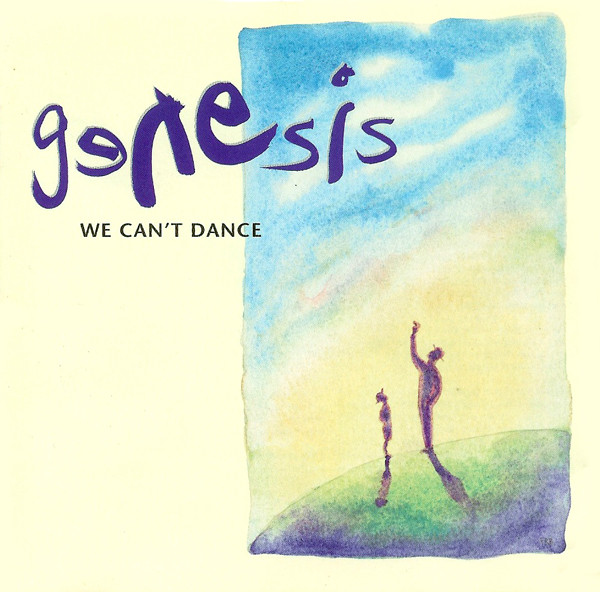
We Can't Dance
1991
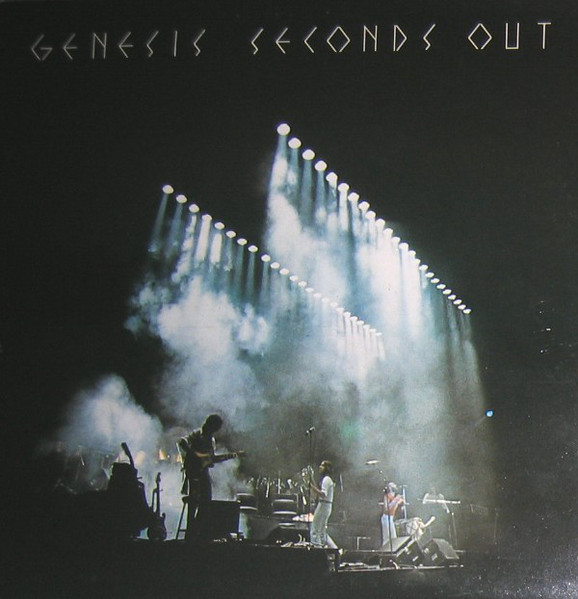
Seconds Out
1977
Three Sides Live
1982

Trespass
1970

Turn It On Again (The Hits)
1999

From Genesis To Revelation
1969
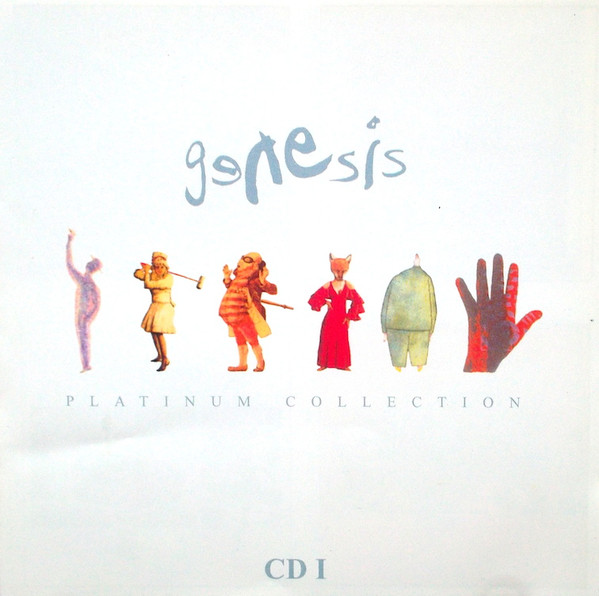
Platinum Collection
2004
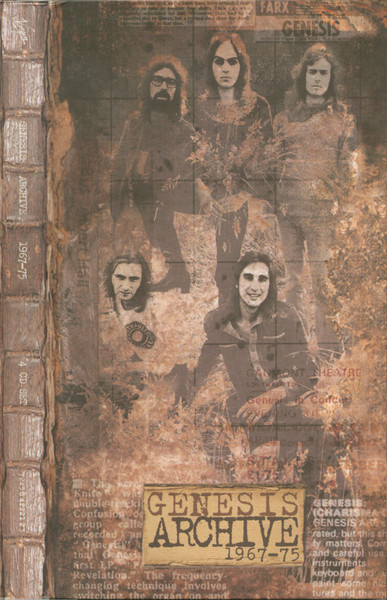
Archive 1967-75
1998

Spot The Pigeon
1977

BBC Broadcasts
2023
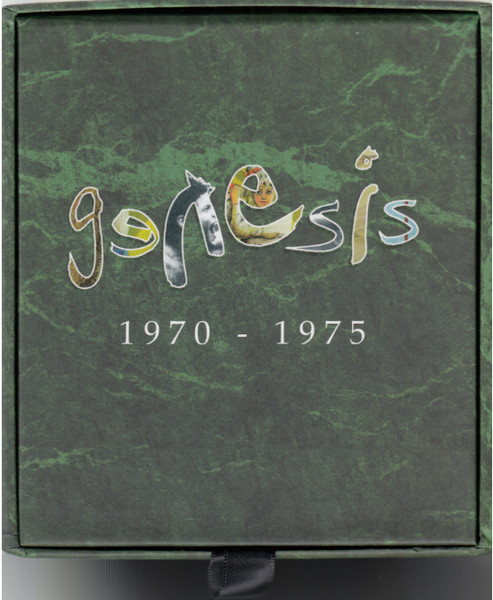
1970 - 1975
2008
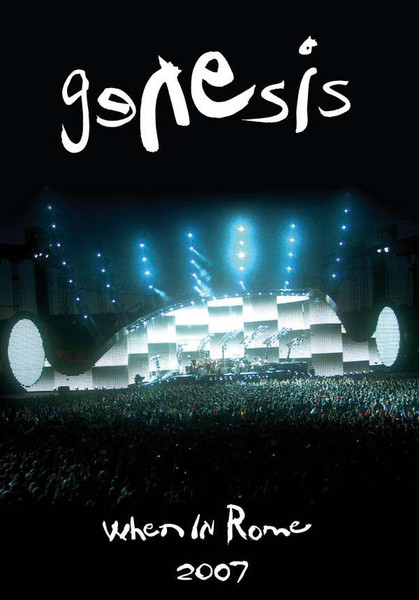
When In Rome 2007
2008

...Calling All Stations...
1997
Big Blue Ball
A project Peter Gabriel was part of. Former member.

Peace Choir
A project Peter Gabriel was part of. Former member.
Related artists
Around the web
Follow every record they touch.
Start your shelf and Gatefold tracks Peter Gabriel's new pressings, tour dates, and the whole discography — automatically.
Start your shelf →Free forever. Works with 10 records or 10,000.