
Artist
R.E.M.
Athens, United States
R.E.M. is a music group from Athens, United States. Their discography on Gatefold includes 24 records.

58
Albums tracked
1,678
In collections
—
Since
Biography
Mitch Easter and Don Dixon tracked Chronic Town and Murmur at Drive-In Studio, which was literally just Easter’s parents' garage in Winston-Salem. They didn't have the budget for a polished studio, so they leaned into the murk, keeping Michael Stipe’s vocals buried under layers of Peter Buck’s Rickenbacker jangle and Mike Mills’ melodic bass lines. It created this inscrutable, humid atmosphere that felt like a secret language. If the drums sounded dry as a bone, it’s because Easter was obsessed with keeping the artificial reverb off the kit to spite the slick 1980s production trends. They spent years as the biggest underground band in America before the Warner Bros. deal turned them into a stadium beast. By the time they hit Monster, they were trying to out-grunt the grunge kids with tremolo pedals and distortion, which felt a bit like a mid-life crisis on tape. Then Bill Berry quit after a brain aneurysm nearly killed him on stage in Switzerland. The heart of the band stopped beating right there. They kept going as a three-piece for over a decade, but without Berry’s rock-solid pocket and his vote in their democratic 'all-for-one' songwriting split, the records got polite, experimental, and eventually a little tired.
Bio from The Clerk
The Arc of R.E.M.
The pivots — what forced R.E.M. to reinvent.
The I.R.S. Years
Between '82 and '87, the band worked almost exclusively with Mitch Easter and Don Dixon to define the jangle-pop blueprint. They avoided guitar solos like the plague, focusing instead on Peter Buck’s arpeggiated chords and Michael Stipe’s mumbled, impressionistic lyrics about Southern gothic imagery. By Document, they brought in Scott Litt and cranked the snare drum, finally letting Stipe’s voice sit at the front of the mix for the first time.
The Mandolin Phase
Moving to Warner Bros. usually kills a band's soul, but they pivoted by ditching their primary instruments during the Out of Time and Automatic for the People sessions. Peter Buck got bored with the guitar and picked up a mandolin, which changed their entire harmonic structure from garage rock to something orchestral and funerary. These records are soaked in John P. Jones string arrangements and acoustic textures, proving they could conquer MTV without a single power chord.
The Post-Berry Decline
When Bill Berry retired to his farm in '97, the band refused to hire a permanent replacement and leaned into the drum machine coldness of Up. Working with Pat McCarthy instead of Scott Litt, they traded the organic Southern rock feel for a detached, electronic sound that polarized the fans who wanted another 'Losing My Religion.' It was a brave move into the avant-garde, but they spent the next ten years trying to find their footing again before finally pulling the plug in 2011.
Influences
- The Byrds — Peter Buck has explicitly cited Roger McGuinn’s 12-string Rickenbacker work as the foundation for his entire playing style. You hear it in the circular, shimmering riffs on 'Talk About the Passion' and 'Pretty Persuasion.' It’s the DNA of the folk-rock jangle updated for the post-punk era.
- Patti Smith — Stipe famously said that hearing Horses at a pizza parlor changed his life and gave him permission to be a frontman. Her influence is all over his early performance style—the stream-of-consciousness lyrics and the way he treats his voice like a rhythmic instrument rather than a lead. Without Smith, Stipe is just a shy kid with a sketchbook.
- Big Star — The band covered 'September Gurls' and 'I Am the Cosmos' during soundchecks and B-side sessions for years. Alex Chilton’s ability to mix power-pop hooks with devastating melancholy was the blueprint for R.E.M.’s mid-period songwriting. They basically worshipped at the altar of Third/Sister Lovers.
- The Velvet Underground — They covered 'Pale Blue Eyes' and 'There She Goes Again' on the Dead Letter Office compilation. They took the Velvets' art-school detached cool and applied it to the American South. You can hear Cale’s drone influence in the way Mike Mills holds down those pedal-point bass lines.
- Television — Tom Verlaine’s interlocking guitar parts with Richard Hell and Richard Lloyd provided the map for how Buck and Mills played off each other. The clean, sharp guitar tones on Marquee Moon are the direct ancestors of the staccato picking on 'Radio Free Europe.' It’s about the space between the notes as much as the notes themselves.
Discography
Their records — most-collected first.
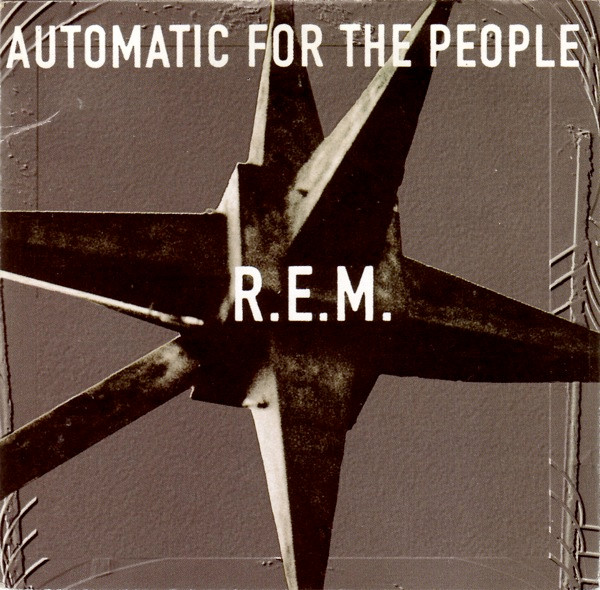
Automatic For The People
1992
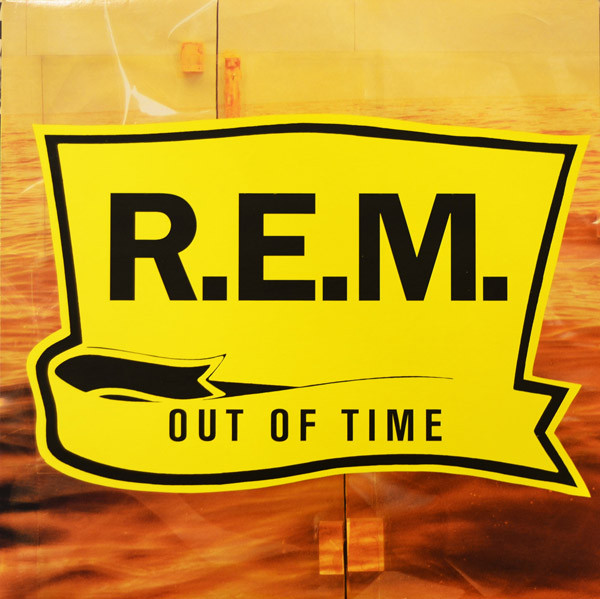
Out Of Time
1991
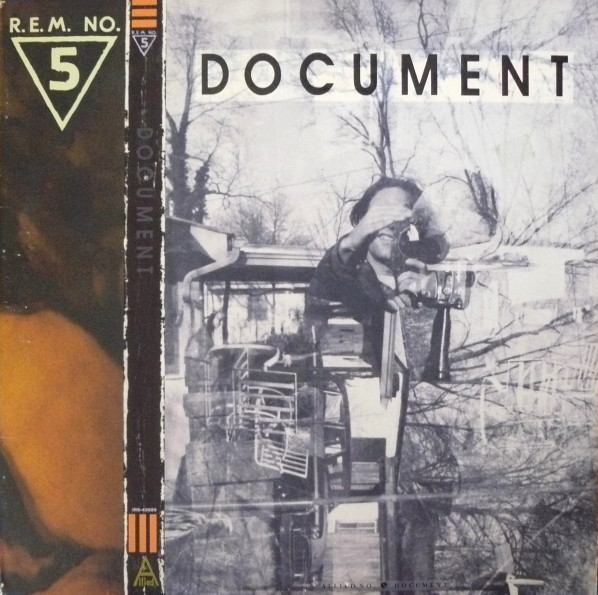
Document
1987
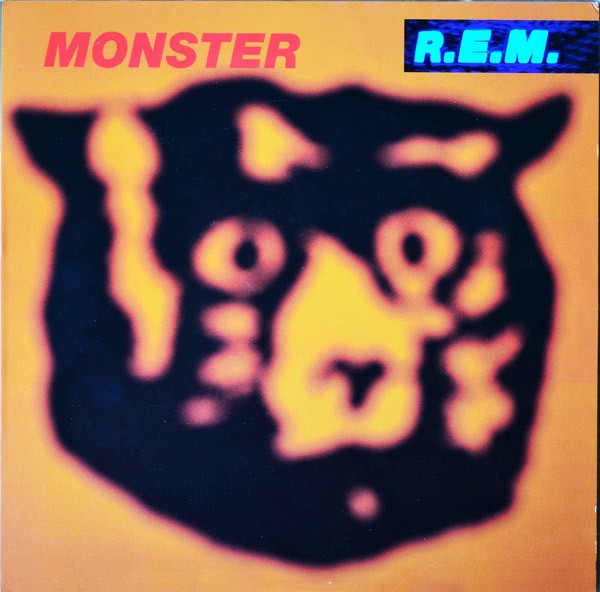
Monster
1994
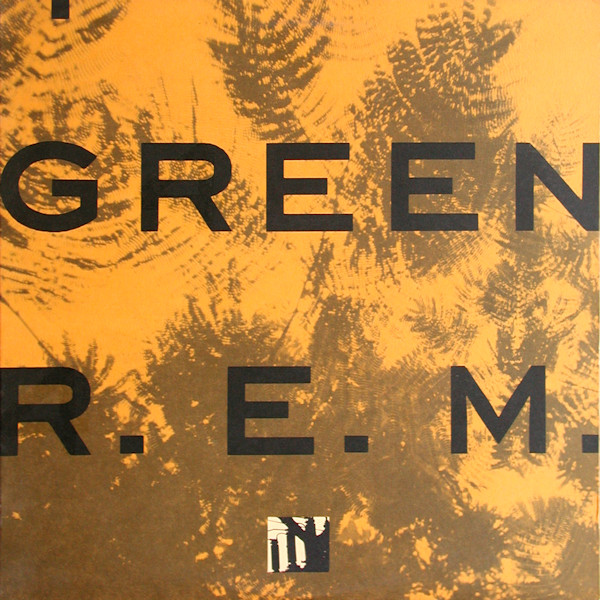
Green
1988
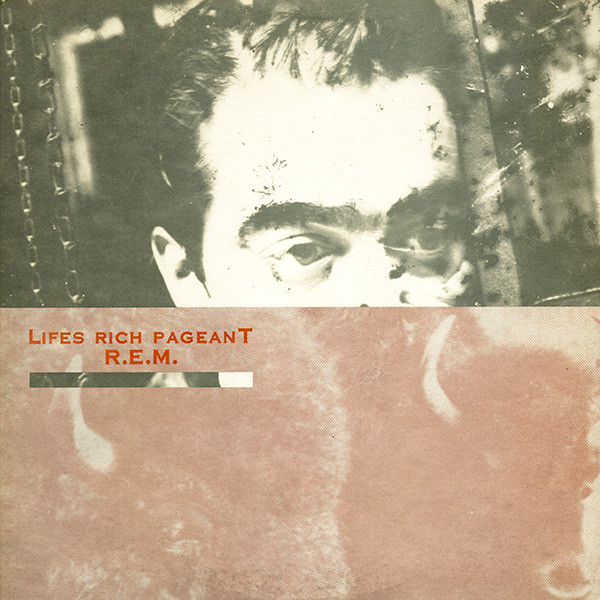
Lifes Rich Pageant
1986
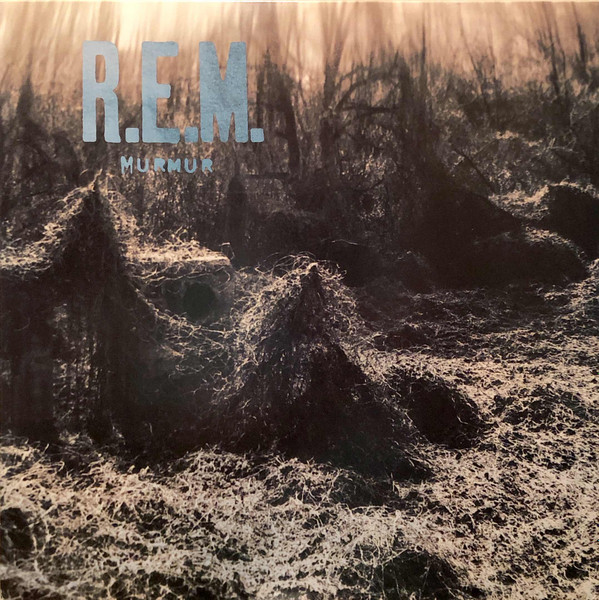
Murmur
1983
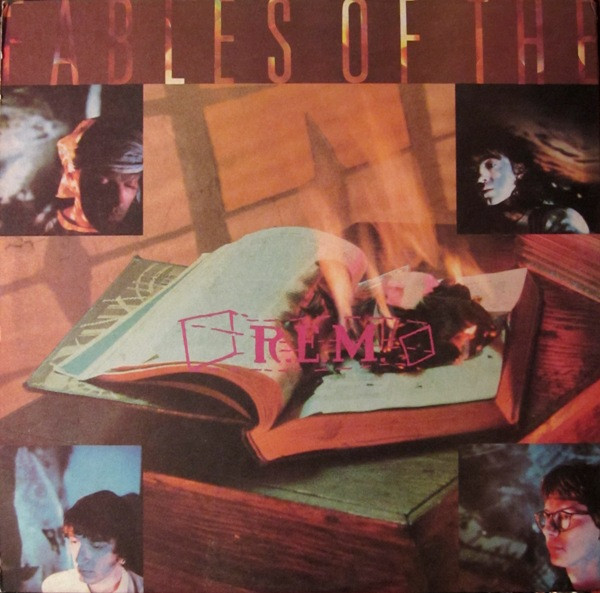
Fables Of The Reconstruction / Reconstruction Of The Fables
1985
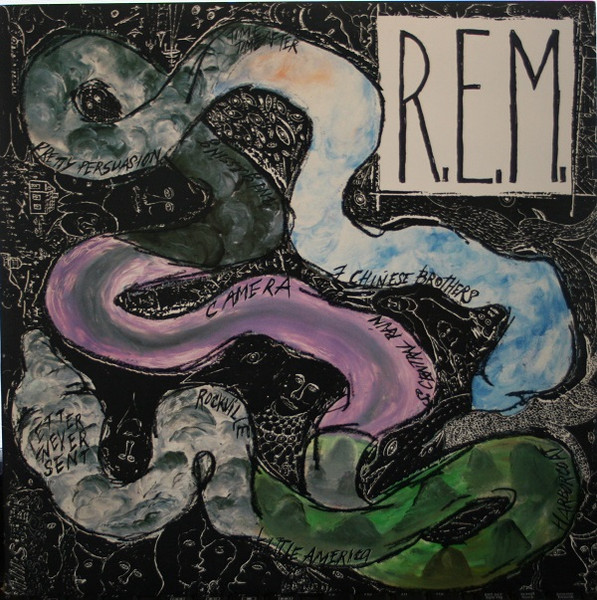
Reckoning
1984
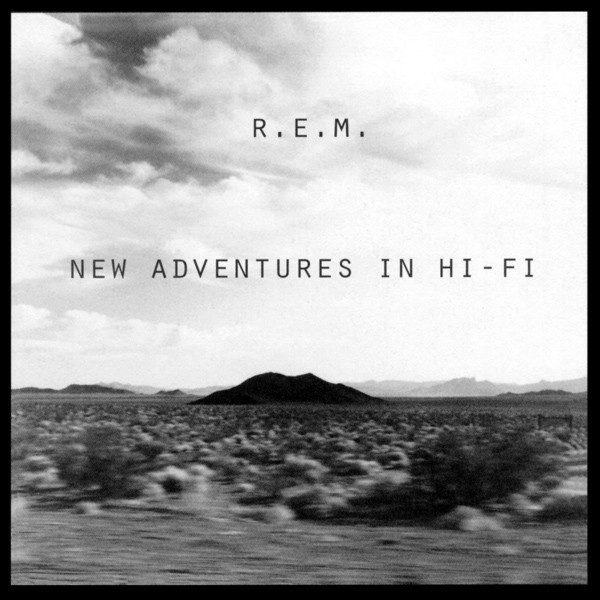
New Adventures In Hi-Fi
1996
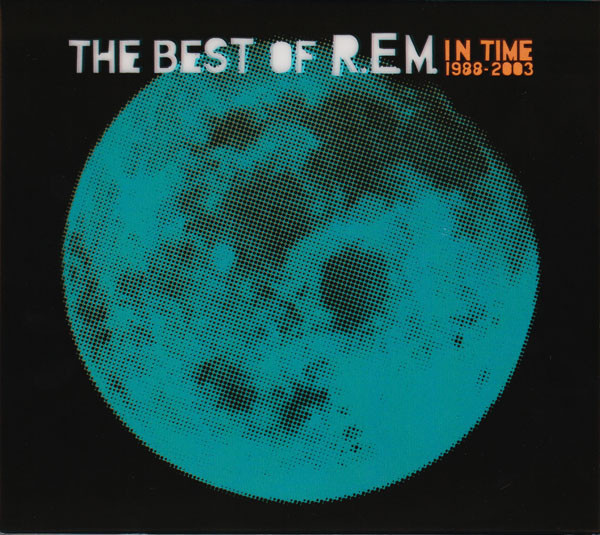
In Time: The Best Of R.E.M. 1988-2003
2003
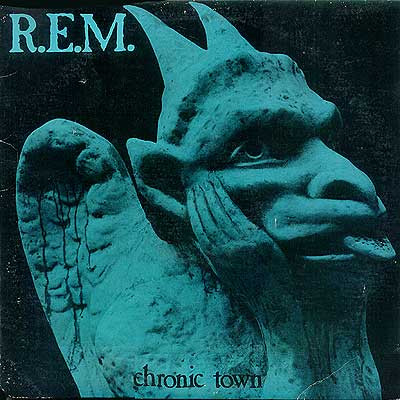
Chronic Town
1982
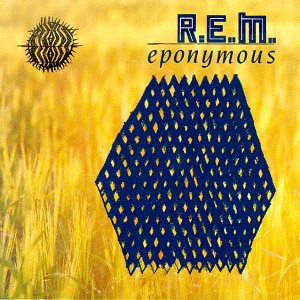
Eponymous
1988
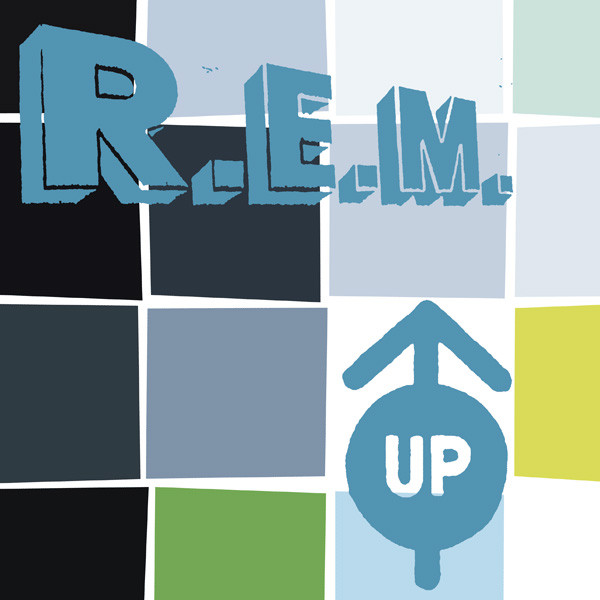
Up
1998
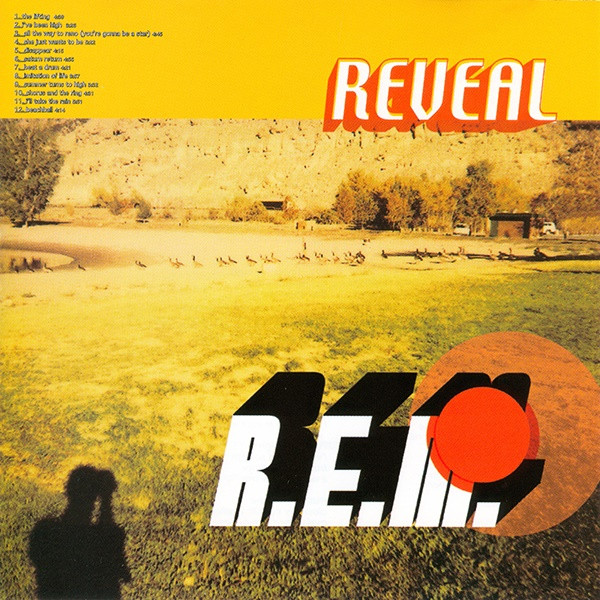
Reveal
2001
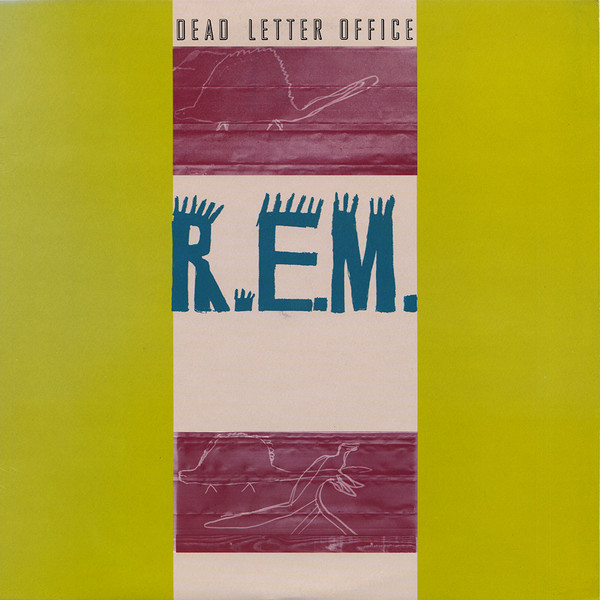
Dead Letter Office
1987
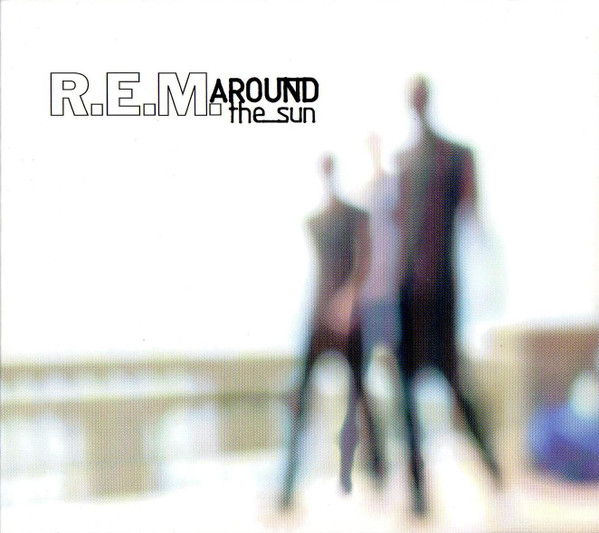
Around The Sun
2004
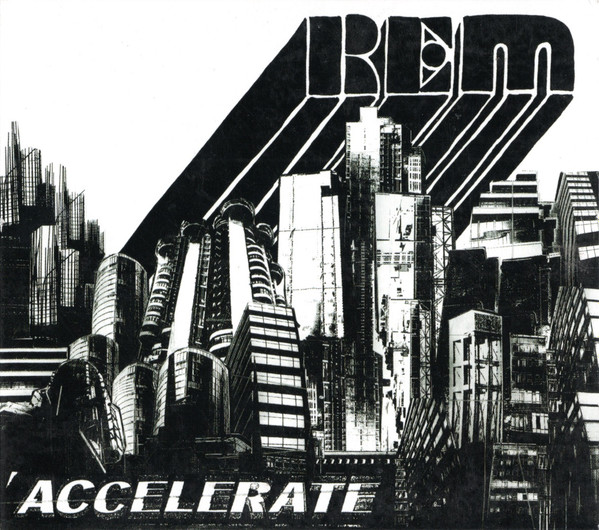
Accelerate
2008

Collapse Into Now
2011

The Best Of R.E.M.
1991

Unplugged 1991
2014
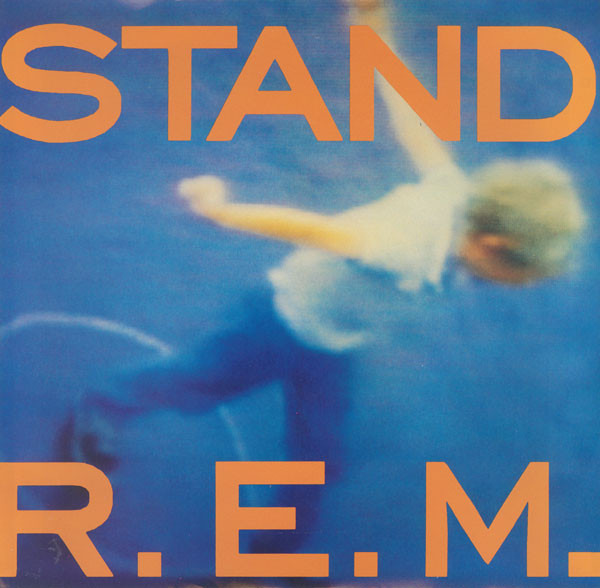
Stand
1988

Its The End Of The World As We Know It (And I Feel Fine)
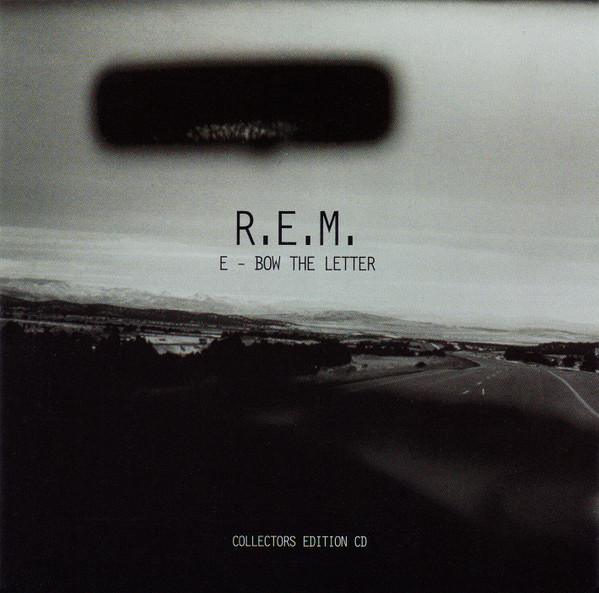
E-Bow The Letter
1996
Related artists
Frequent collaborators
Around the web
Follow every record they touch.
Start your shelf and Gatefold tracks R.E.M.'s new pressings, tour dates, and the whole discography — automatically.
Start your shelf →Free forever. Works with 10 records or 10,000.