
Artist
Phil Collins
London, United Kingdom · b. 1951
Phil Collins is a musician from London, United Kingdom, active since 1951. Their discography on Gatefold includes 24 records. They also recorded with Genesis, Brand X, Flaming Youth and The Phil Collins Big Band.

80
Albums tracked
1,677
In collections
1951
Since
Biography
Hugh Padgham locked the talkback mic on the console at Townhouse Studios in London during a 1979 session for Peter Gabriel's third solo record. The Solid State Logic board had an aggressive built-in compressor designed just to let the control room hear the musicians talking between takes. Phil Collins hit his drum kit while that mic was active, and the massive, gated-reverb explosion that defined the entire sound of the eighties was born entirely by accident. Before he was the guy dominating Top 40 radio with horn sections and divorce ballads, Collins was a monster behind the kit. He spent the seventies playing complex, hyper-technical jazz fusion with Brand X and holding down the rhythm for Genesis after Peter Gabriel split. The shift to a pop powerhouse wasn't a sudden stroke of genius. It was the result of a brutal divorce, a drum machine, and an obsessive need to fill empty space with noise. By the time he did the Disney soundtracks, the edge was completely gone. But the run of records he made in the early eighties remains some of the darkest, most rhythmically intense pop ever recorded. He was a studio rat who understood that a heavy snare hit could carry more emotional weight than a dozen guitar solos.
Bio from The Clerk
The Arc of Phil Collins
The pivots — what forced Phil Collins to reinvent.
The Fusion Years
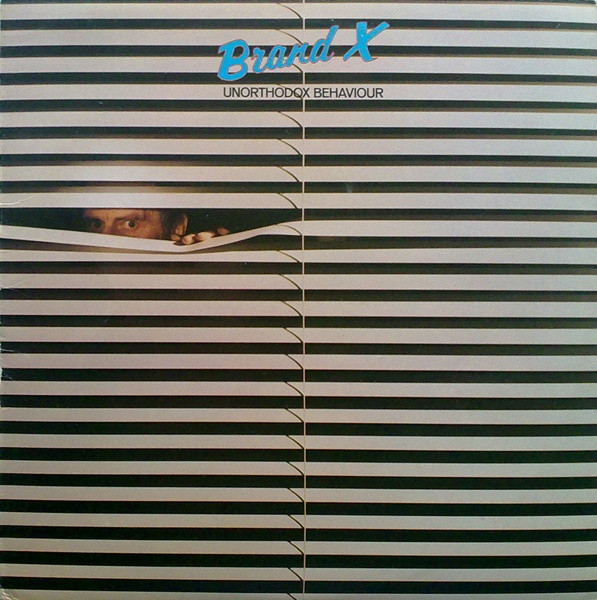
Phil spent the seventies split between progressive rock and the British jazz-fusion scene. He joined the instrumental outfit Brand X on the side, playing incredibly complex, syncopated patterns on records like Unorthodox Behaviour. This wasn't radio pop; it was a masterclass in polyrhythms and high-speed fusion that kept his chops razor-sharp. You can hear this technical complexity in his early Genesis drum parts, which kept the band anchored during their most experimental phases.
The Gated Drum Revolution
When Peter Gabriel left Genesis, Collins reluctantly took the mic, but his real breakthrough came behind the glass at Townhouse Studios. His first solo record, Face Value, was built on the wreckage of his first marriage and tracked with a Roland CR-78 drum machine. Padgham ran his acoustic drums through the SSL console's reverse talkback circuit, cutting the decay off instantly. The result was In the Air Tonight, a track that changed the sound of pop radio percussion overnight by turning silence into a weapon.
The Horn-Drenched Pop Juggernaut
By 1985, Collins abandoned the dark, insular bedroom recordings for a massive, horn-heavy pop sound. He brought in the Phenix Horns from Earth, Wind & Fire to inject high-energy soul into No Jacket Required. The production became slicker, the tempos sped up, and the synthesizers dominated the mix. It made him a global superstar, but it also pushed him into a hyper-commercial lane that turned off the old-school rock crowd.
Influences
- The Action — Collins was a regular at the Marquee Club in London, where he obsessively watched this Mod R&B band and their drummer, Reggie King. King's relentless, driving soul beat directly shaped Phil's aggressive, forward-leaning snare work. You can hear that Mod-soul energy in his eventual cover of the Supremes hit You Can't Hurry Love.
- The Beatles — Collins sat in the audience as an extra during the filming of A Hard Day's Night and frequently cited Ringo Starr as his primary drumming influence. He adapted Ringo's clean, song-first approach to fills and his distinct hi-hat technique. The locked-in, mid-tempo groove of Hold On My Heart stems straight from Ringo's steady work on Abbey Road.
- Earth, Wind & Fire — Collins fell in love with Maurice White's horn arrangements and hired their brass section, the Phenix Horns, for his solo records and Genesis tracks. You hear their sharp, syncopated punches all over Sussudio and No Reply At All. This partnership transformed his sound from moody art-rock into driving, arena-ready funk-pop.
- The Who — Collins studied Keith Moon's explosive, chaotic fills while growing up in the London scene. While Collins possessed a much tighter sense of time, he adopted Moon's dramatic, tom-heavy fills to build tension before a chorus. The famous drum break in In the Air Tonight is a direct descendant of Moon's theatrical style.
- Motown — As a kid, Collins played along to Detroit singles, studying the playing of legendary Funk Brothers drummer Benny Benjamin. Benjamin's driving pickup notes and tight snare cracks became the blueprint for Phil's upbeat solo material. This obsession culminated in his 2010 album Going Back, where he covered classic Motown tracks using some of the surviving Funk Brothers session players.
Phil Collins — solo
Their records — most-collected first.
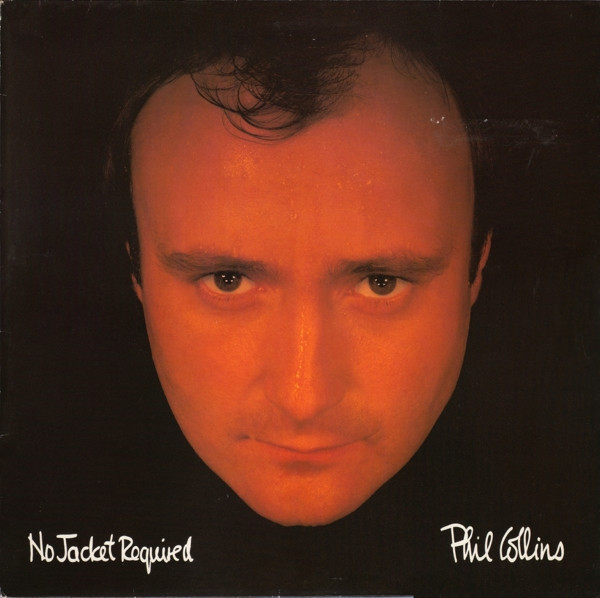
No Jacket Required
1985
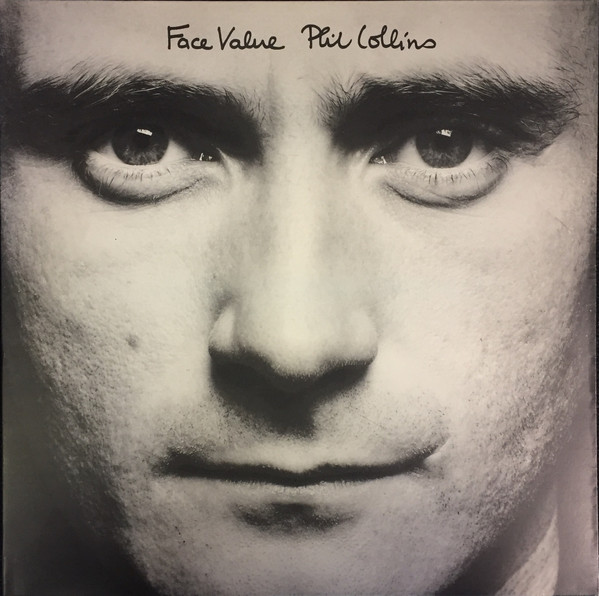
Face Value
1981
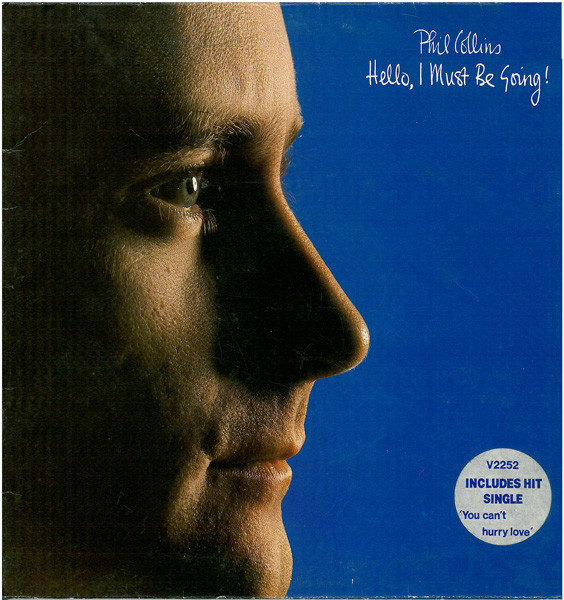
Hello, I Must Be Going!
1982
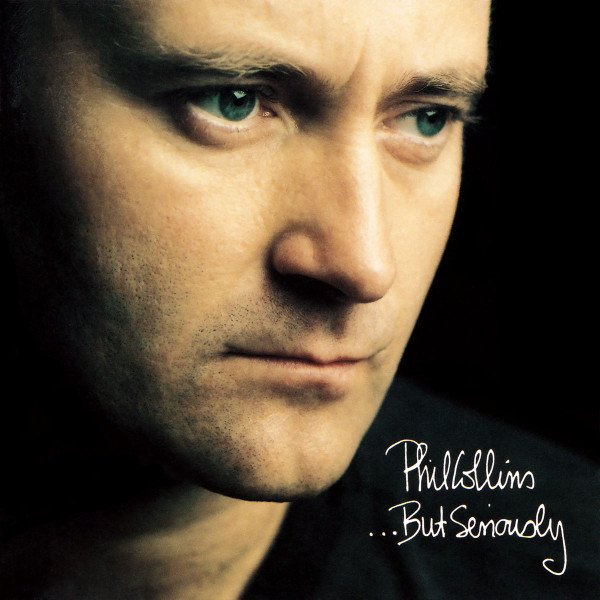
...But Seriously
1989
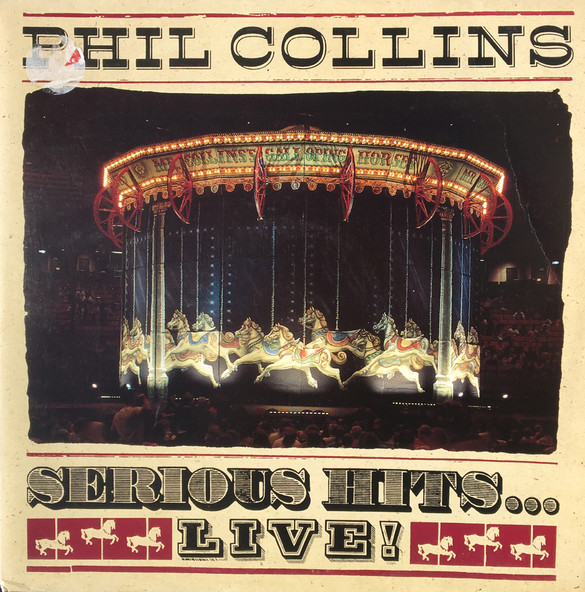
Serious Hits...Live!
1990
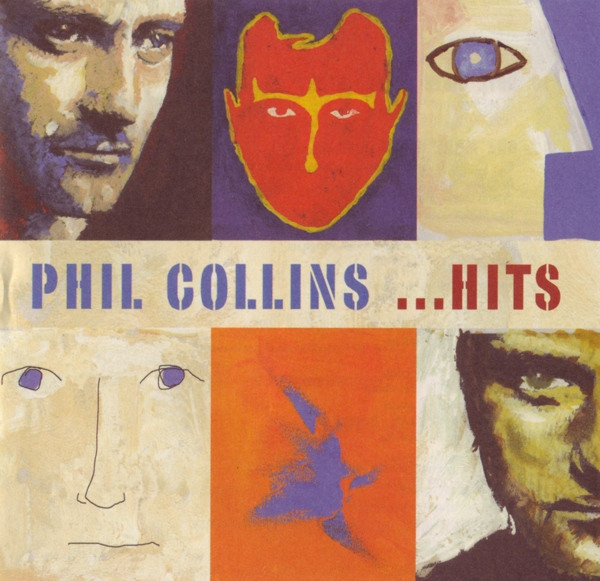
...Hits
1998
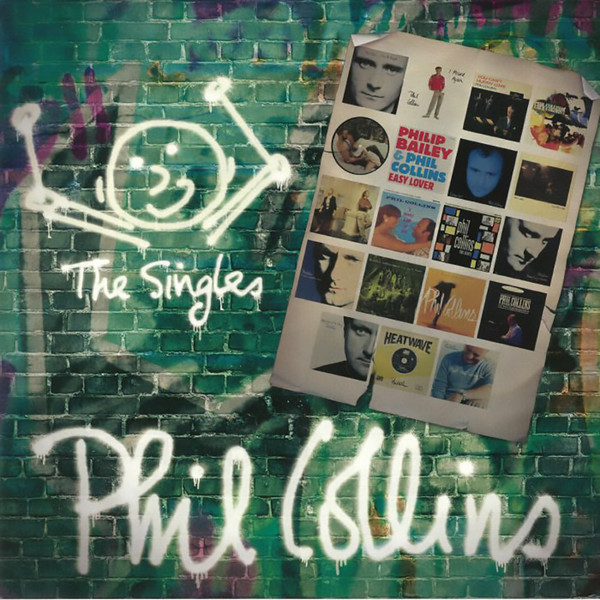
The Singles
2016
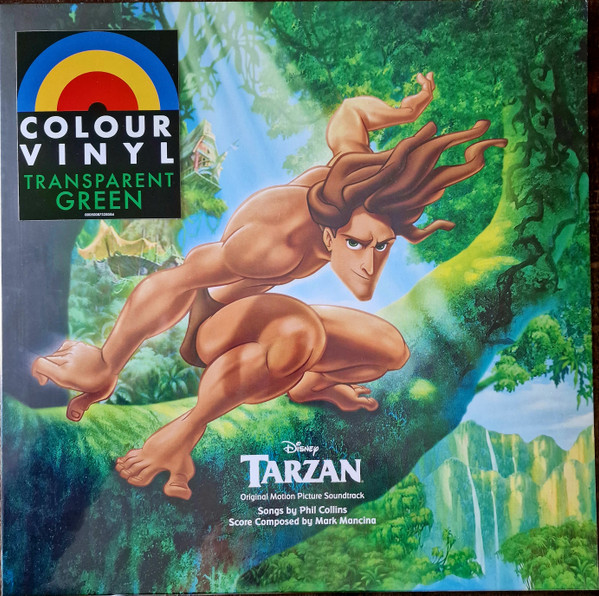
Tarzan (An Original Walt Disney Records Soundtrack)
1999
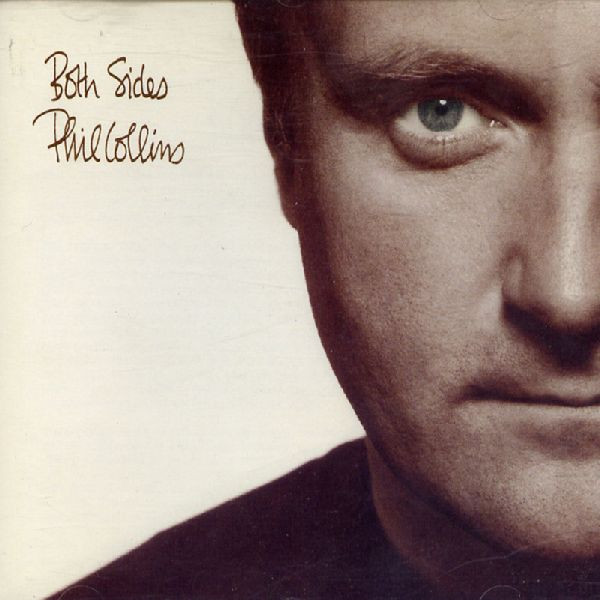
Both Sides
1993

Sussudio
1985
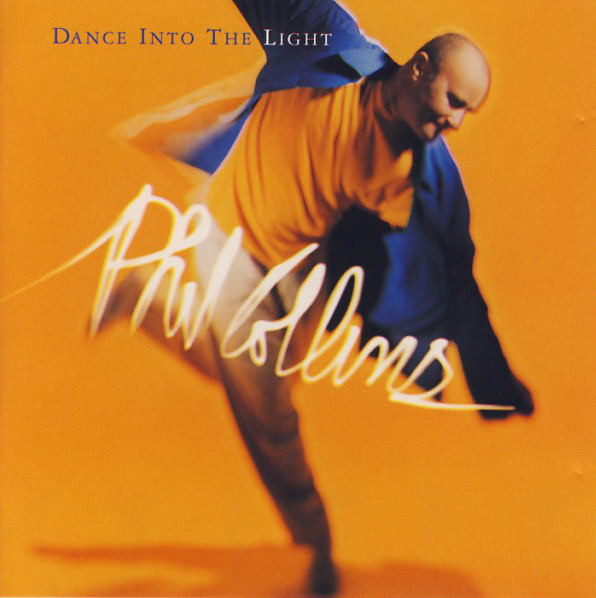
Dance Into The Light
1996
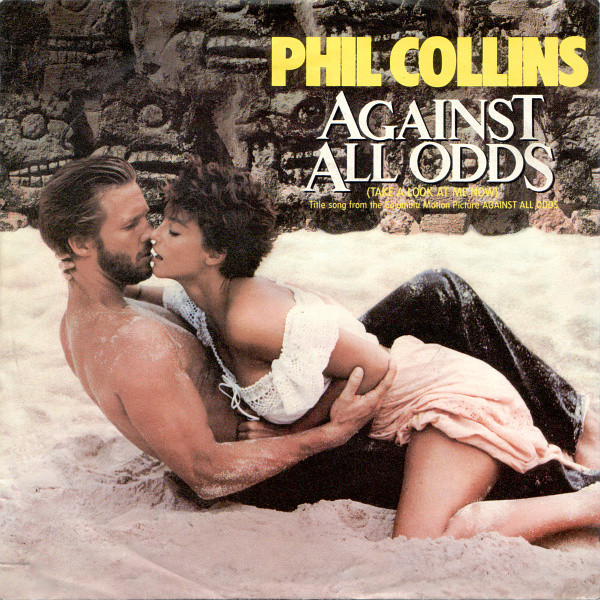
Against All Odds (Take A Look At Me Now)
1984

In The Air Tonight
1981
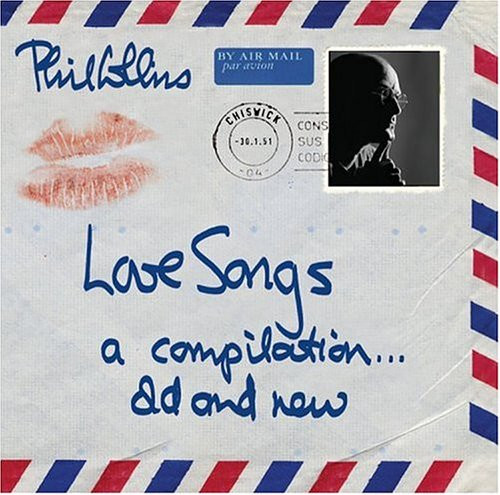
Love Songs (A Compilation... Old And New)
2004

Testify
2002

Another Day In Paradise
1989

12"ers
1987
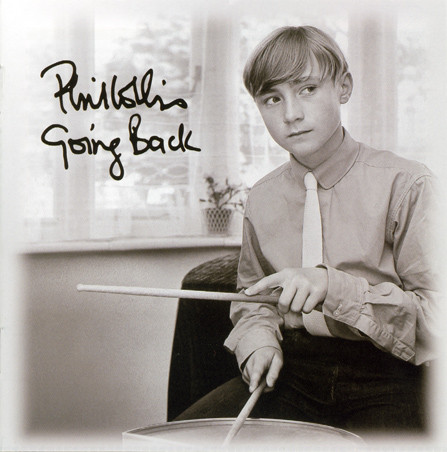
Going Back
2010

You Can't Hurry Love
1982
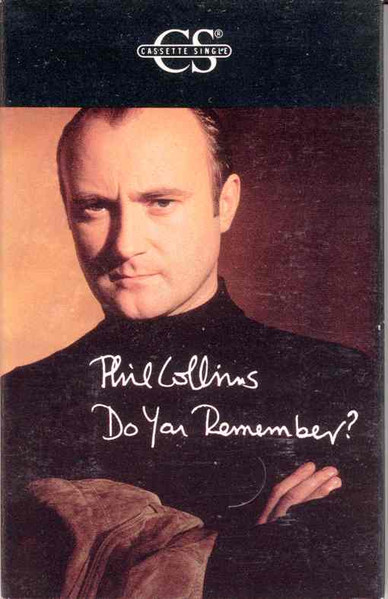
Do You Remember?
1990
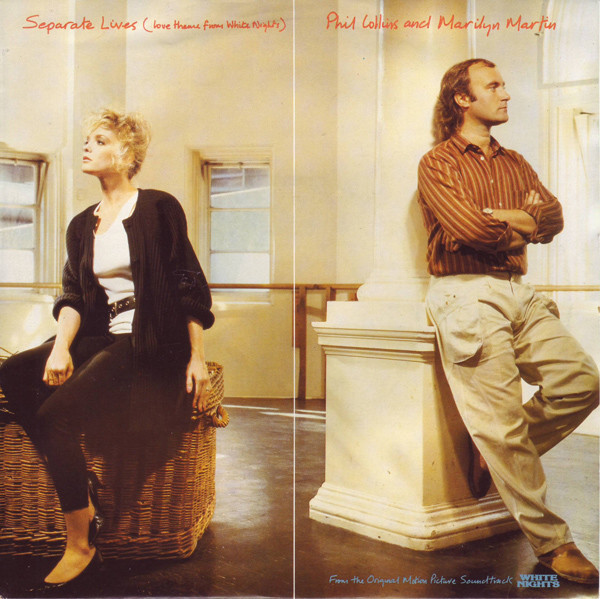
Separate Lives (Love Theme From White Nights)
1985
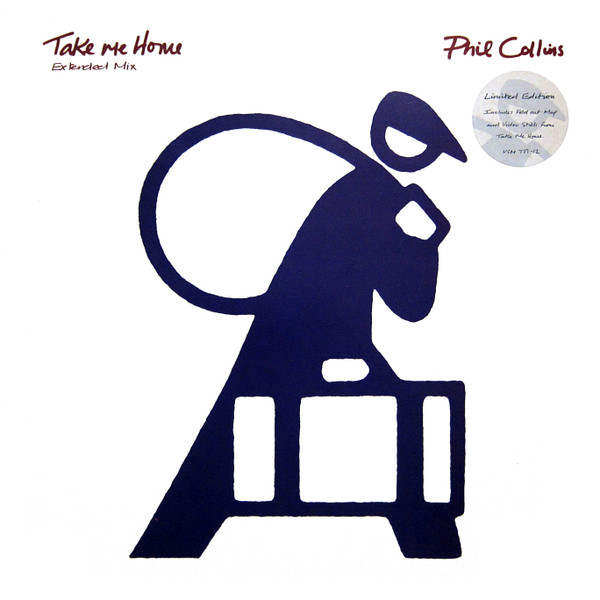
Take Me Home
1985

Going Back: Live At Roseland Ballroom, NYC
2010

I Wish It Would Rain Down
1990
Genesis
A project Phil Collins was part of. Former member.
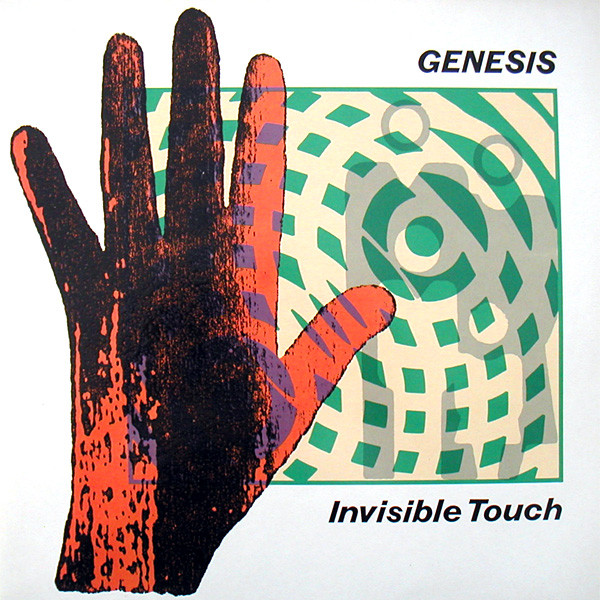
Invisible Touch
1986
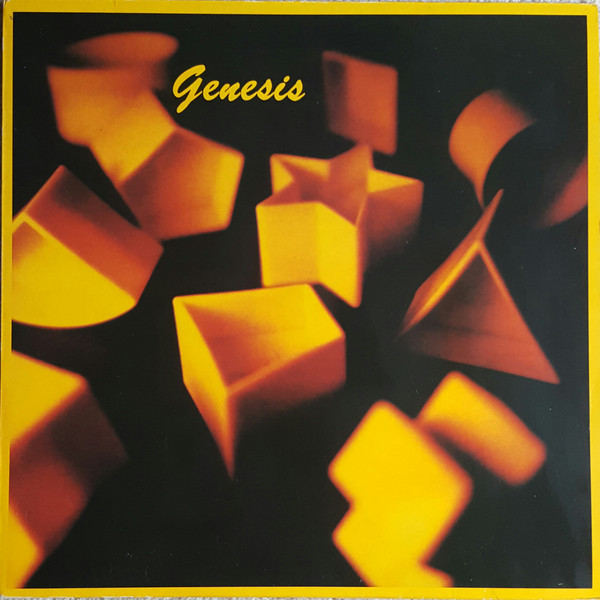
Genesis
1983
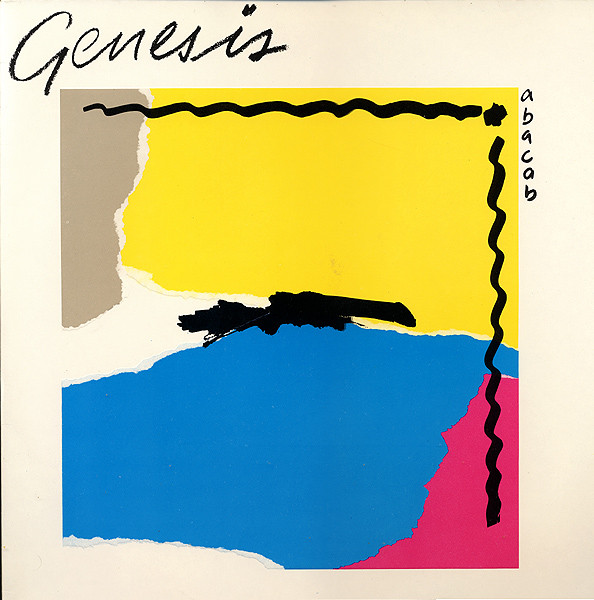
Abacab
1981
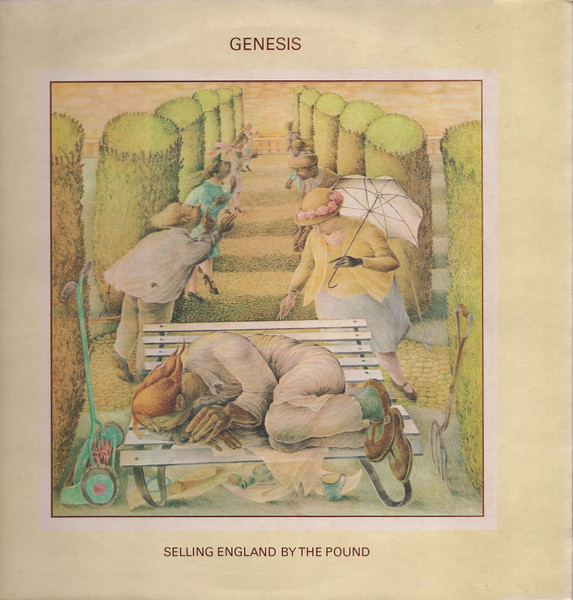
Selling England By The Pound
1973
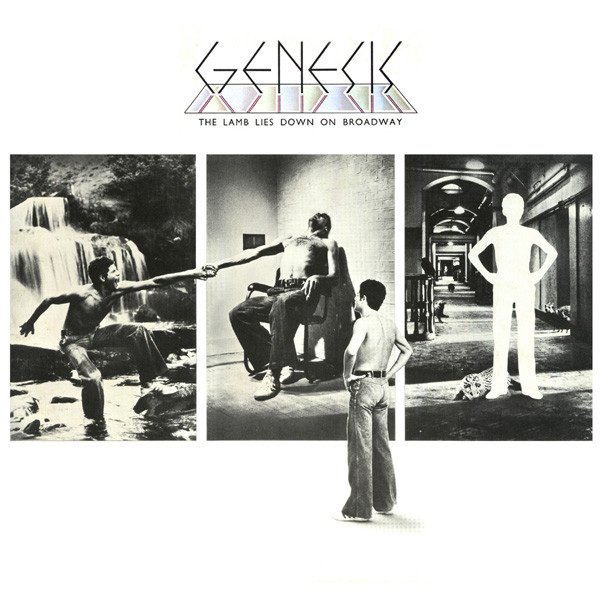
The Lamb Lies Down On Broadway
1974
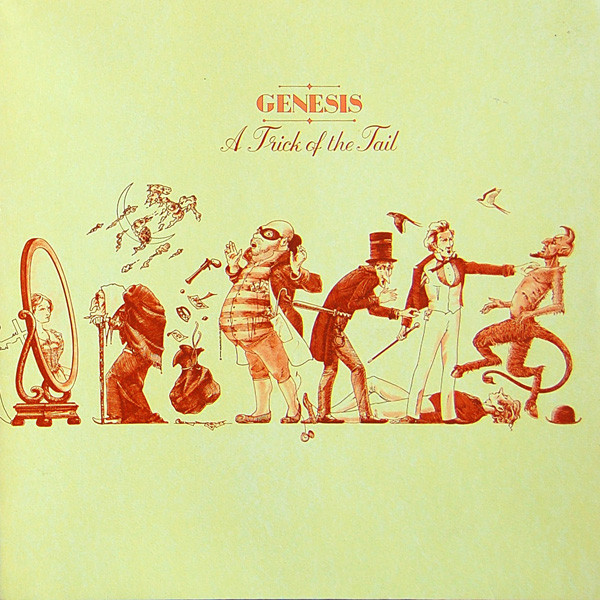
A Trick Of The Tail
1976
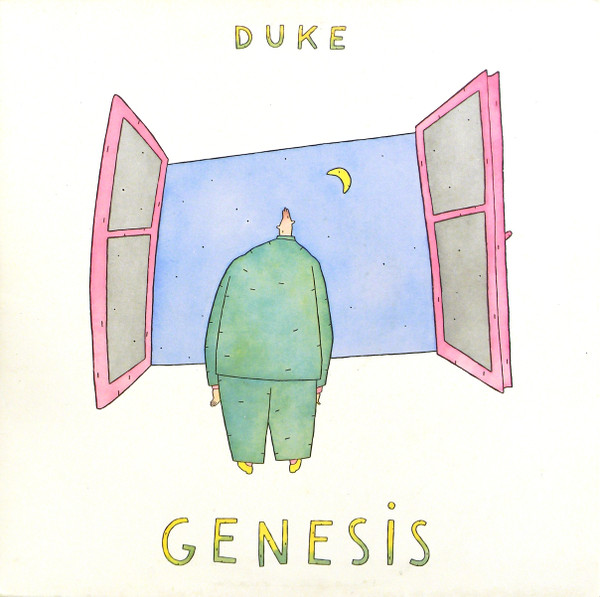
Duke
1980

Foxtrot
1972
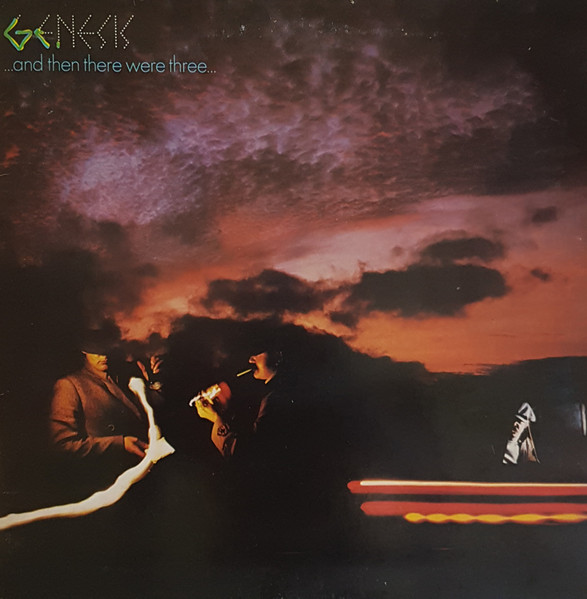
...And Then There Were Three...
1978
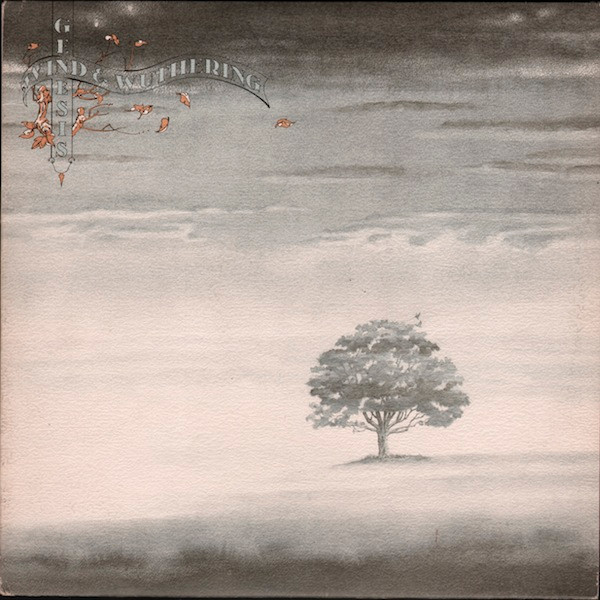
Wind & Wuthering
1976
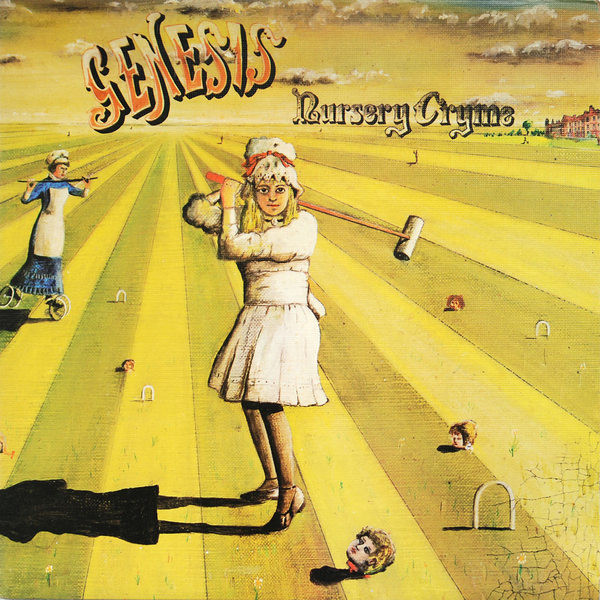
Nursery Cryme
1971
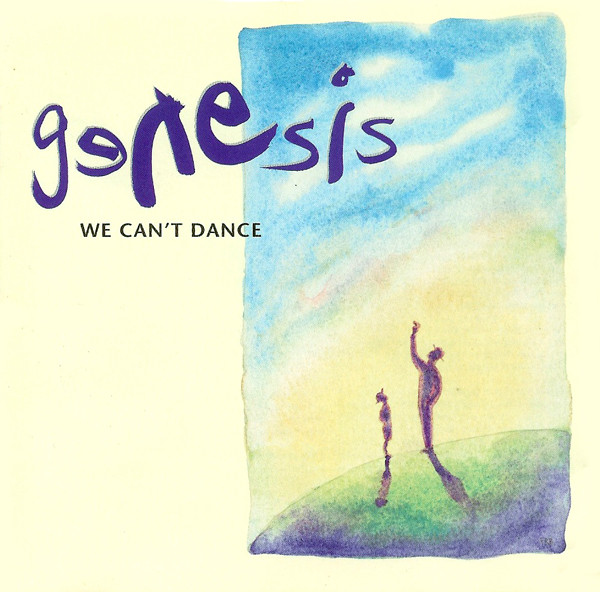
We Can't Dance
1991
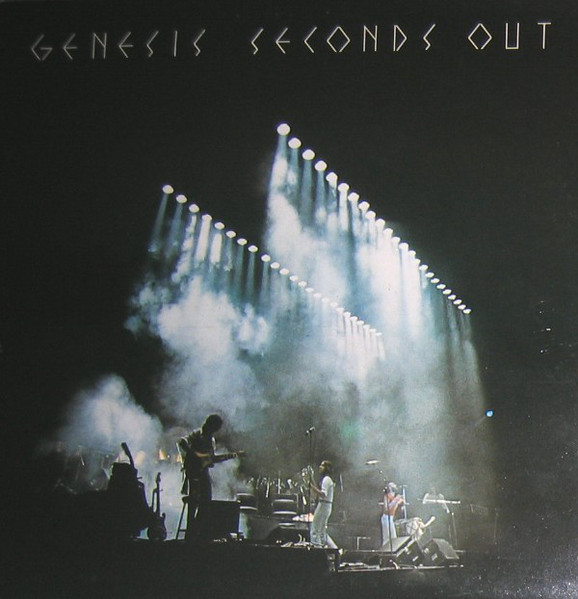
Seconds Out
1977
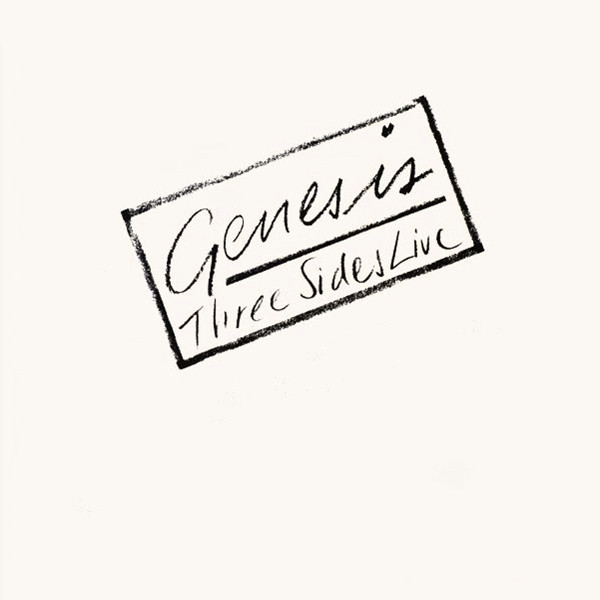
Three Sides Live
1982

Trespass
1970

Turn It On Again (The Hits)
1999

From Genesis To Revelation
1969
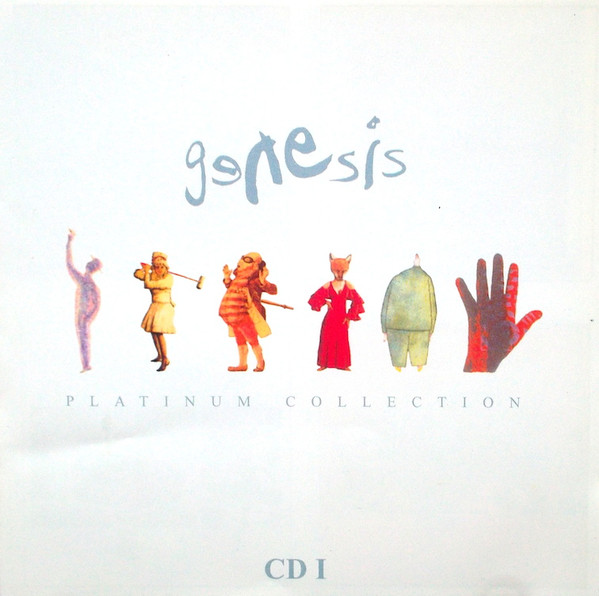
Platinum Collection
2004
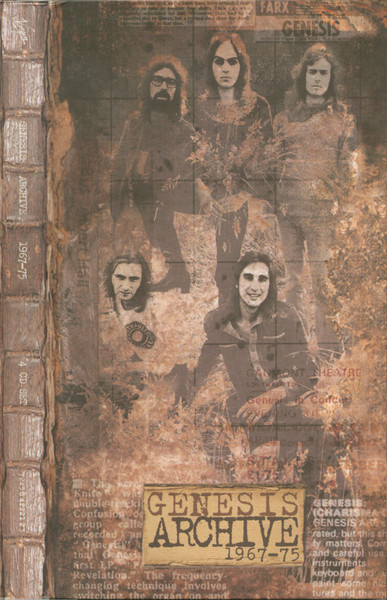
Archive 1967-75
1998

Spot The Pigeon
1977

BBC Broadcasts
2023
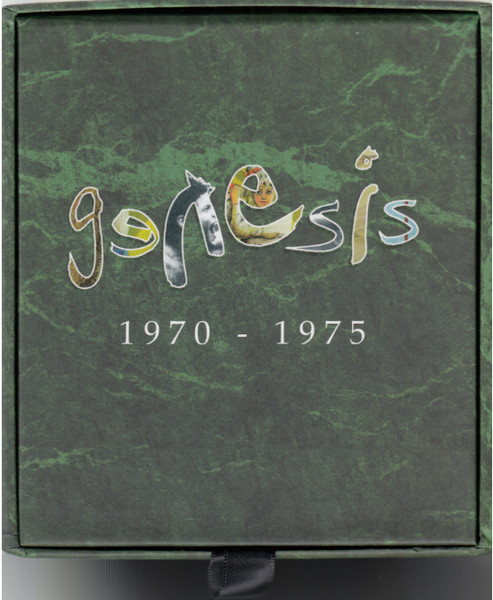
1970 - 1975
2008
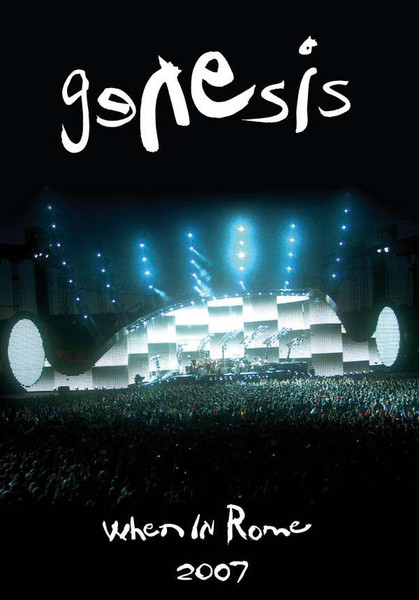
When In Rome 2007
2008

...Calling All Stations...
1997
Brand X
A project Phil Collins was part of.


Flaming Youth
A project Phil Collins was part of. Former member.

The Phil Collins Big Band
A project Phil Collins was part of.

Related artists
Around the web
Follow every record they touch.
Start your shelf and Gatefold tracks Phil Collins's new pressings, tour dates, and the whole discography — automatically.
Start your shelf →Free forever. Works with 10 records or 10,000.