
Artist
Youssou N’Dour
Senegal · b. 1959
Youssou N’Dour is a musician from Senegal, active since 1959. Their discography on Gatefold includes 17 records. They also recorded with Étoile de Dakar.

18
Albums tracked
8
In collections
1959
Since
Biography
Youssou was singing into the open air of a Dakar club when Peter Gabriel walked in and decided he needed that voice on his own records. It wasn't just a discovery; it was a collision between the griot tradition and Western pop machinery. He spent years balancing the demands of a global stadium audience with the deep, percussive grit of his home crowd. Sometimes the polish of the 90s records felt a bit too slick for the heads, but the man never lost the ability to command a room with nothing but a microphone and a prayer. He managed to turn mbalax—this frenetic, drum-heavy street music—into something that could headline Montreux without losing its soul. It wasn't always easy. For every '7 Seconds' that blew up the charts, there was a local cassette circulating back in Senegal that sounded ten times as raw and twice as dangerous. He’s a businessman as much as a singer, and that cold reality of running a media empire in Dakar sometimes shadows the music. But when you hear that high-tenor break on a Super Étoile track, none of the corporate stuff matters.
Bio from The Clerk
The Arc of Youssou N’Dour
The pivots — what forced Youssou N’Dour to reinvent.
The Étoile de Dakar Era
This was the era of the Miami Club and the birth of modern mbalax. Youssou broke away from the Star Band to front Étoile de Dakar, ditching the heavy Latin influence that dominated Senegalese radio for something more aggressive. They sped up the tempo and let the sabar drums drive the groove instead of the horn section. It was frantic, high-energy music played for people who stayed out until dawn. You hear it on those early cassettes—thin, distorted, and absolutely electric.
The Real World Pivot
Everything changed when he landed on Peter Gabriel’s So and signed to the Real World label. Gabriel didn't just give him a guest spot; he gave him access to high-end British studios and a platform that didn't treat 'world music' like a museum piece. The production on records like The Lion (1989) got cleaner, aiming for a global pop aesthetic that some purists hated. But it gave his voice a clarity that made the complex Wolof lyrics feel universal, even if you didn't understand a word.
The Sufi Turn
By the early 2000s, he’d done the pop star thing and decided to head back toward his roots with Egypt. He recorded with a full Cairo orchestra, moving away from the electronic sheen of the 90s to focus on his Muslim faith and the Murid brotherhood. It was a massive risk that his Western label originally didn't even want to release because it wasn't 'danceable' enough. The record won a Grammy anyway, proving that his voice carried more weight in a stripped-back, spiritual setting than it did over a synth-pop beat.
Influences
- James Brown — Youssou cited the Godfather of Soul as the primary blueprint for the tightness of the Super Étoile band. You hear it in the interlocking polyrhythms and the way the rhythm guitar scratches over the mbalax beat. It’s the same discipline, just a different continent.
- Ibra Kasse — Kasse ran the Star Band and the Miami Club, essentially acting as the gatekeeper of the Dakar scene where Youssou cut his teeth. He provided the rigid professional structure and the venue where Youssou learned to command an audience. Without Kasse's mentorship, the early Étoile de Dakar sound wouldn't have had its polished edge.
- Fela Kuti — The Afrobeat titan’s influence shows up in the way Youssou structured his longer, hypnotic jams during the late 70s. While mbalax is its own beast, the concept of the band as a massive, unstoppable machine was a direct nod to the Shrine in Lagos. It’s about the endurance of the groove.
- Laba Sosseh — The Gambian son singer was the king of the Afro-Cuban sound that Youssou grew up hearing. You can hear the ghost of Sosseh’s phrasing in Youssou’s early work before he fully committed to the more percussion-heavy mbalax style. It’s the DNA of the Star Band era.
- N'Diaga Mbaye — Mbaye was a traditional griot whose storytelling and vocal command served as Youssou’s link to the ancient Wolof oral tradition. Youssou has frequently credited Mbaye’s vocal style as his primary education in lyricism and delivery. It’s the source of that specific, haunting vibrato.
Youssou N’Dour — solo
Their records — most-collected first.
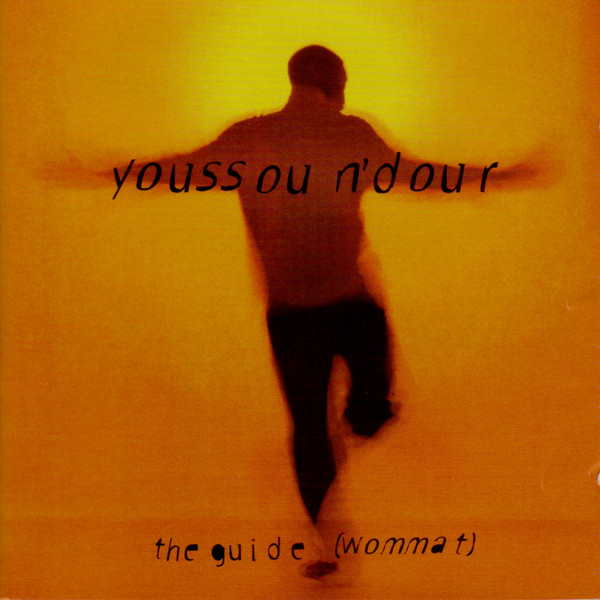
The Guide (Wommat)
1994
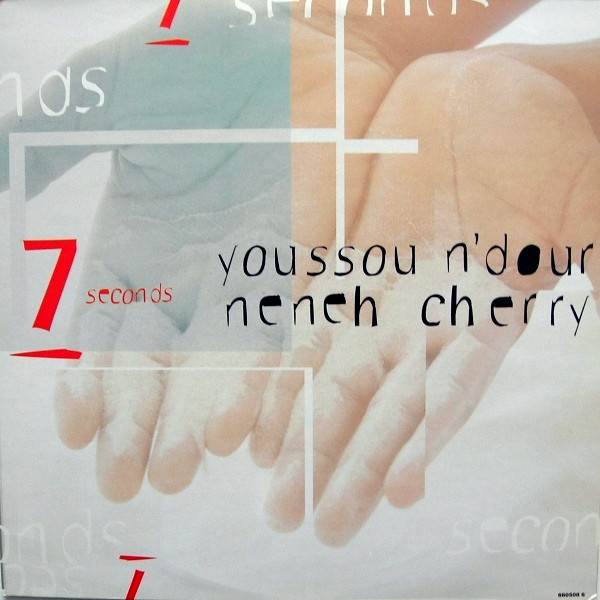
7 Seconds
1994

Nelson Mandela
1985

Live At Union Chapel
2003

History
2019

Dakar – Kingston
2010

Alsaama Day
2007

Egypt
2004

Nothing's In Vain (Coono Du Réér)
2002

Ba Tay
2001

Joko (The Link)
2000

Joko (From Village To Town)
2000

Hey You! (The Best Of Youssou N'Dour)
1993
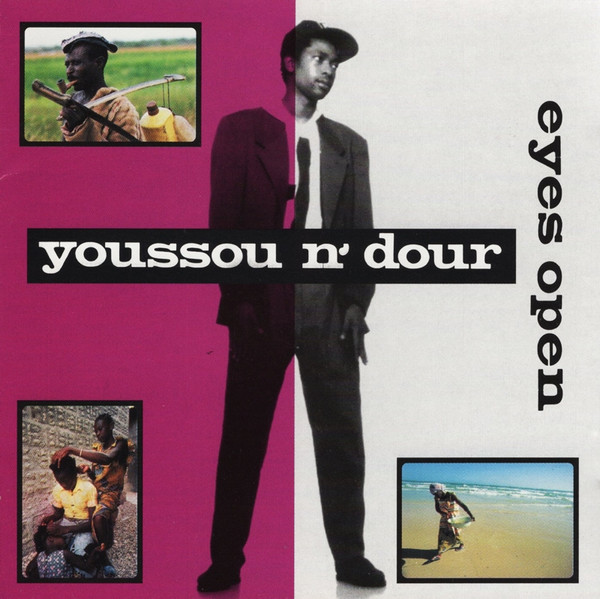
Eyes Open
1992
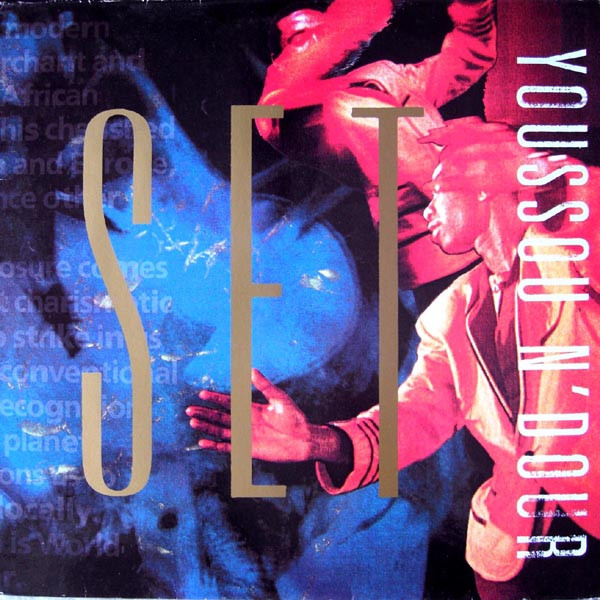
Set
1990

The Lion
1989
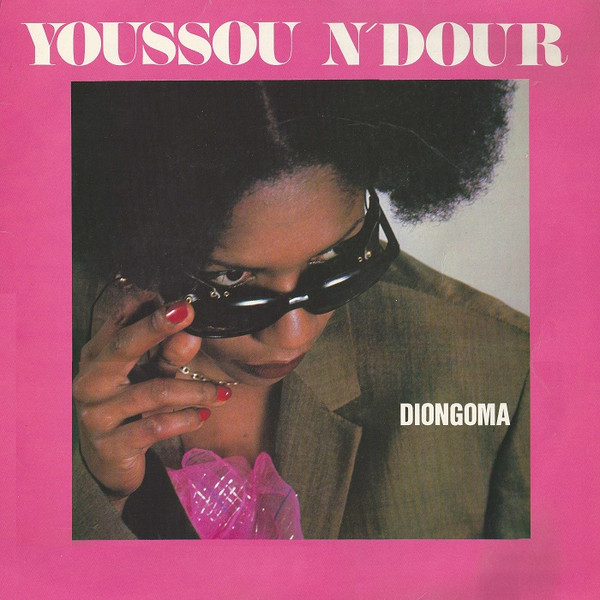
Diongoma
1983
Étoile de Dakar
A project Youssou N’Dour was part of.

Related artists
More projects
Around the web
Follow every record they touch.
Start your shelf and Gatefold tracks Youssou N’Dour's new pressings, tour dates, and the whole discography — automatically.
Start your shelf →Free forever. Works with 10 records or 10,000.