
Artist
Brian Eno
Woodbridge, United Kingdom · b. 1948
Brian Eno is a musician from Woodbridge, United Kingdom, active since 1948. Their discography on Gatefold includes 24 records. They also recorded with Roxy Music, Passengers and 801.

70
Albums tracked
864
In collections
1948
Since
Biography
Brian Eno joined Roxy Music because he owned a Revox reel-to-reel tape machine and knew how to patch it into a synthesizer. He wasn't even supposed to be on stage. He was mixing the sound from the back of the room, twiddling knobs and feeding Bryan Ferry's vocals through filter sweeps until they dragged him under the spotlight in leopard print and makeup. That tension between technical manipulation and pop showmanship is where everything starts with him. When Ferry couldn't handle sharing the front cover with a guy who looked like a sci-fi librarian, Eno got pushed out. It was the best thing that ever happened to him. He spent the next four years releasing solo records that rewrote the rules of art-pop before suddenly deciding vocals were getting in the way of the furniture. When he got knocked down by a taxi in 1975 and lay in a hospital bed listening to a record of 18th-century harp music playing too quietly to drown out the rain, he didn't complain. He realized music could be an atmosphere instead of a focus. That realization led to the ambient series and a production run where he basically taught David Bowie, Talking Heads, and Devo how to stop playing their instruments like traditional rock bands and start using the studio as a weapon. Then came the nineties, where things got a bit bloated. He spent too much time writing generative music software and making Windows 95 startup sounds while his studio albums turned into clinical exercises. It took his collaborations with Daniel Lanois on those massive U2 records to keep him anchored to actual songcraft, even if those stadium sessions lacked the dirt of his seventies work. He’s a self-described non-musician who changed the way everyone else plays. When he gets it right, he sounds like nobody else. When he gets it wrong, it sounds like an expensive screensaver.
Bio from The Clerk
The Arc of Brian Eno
The pivots — what forced Brian Eno to reinvent.
The Nonsense Pop Phase
After getting kicked out of Roxy Music in 1973, Eno went into Majestic Studios with members of King Crimson and Hawkwind to record Here Come the Warm Jets. He couldn't play traditional instruments, so he sang nonsense syllables to the musicians to get them to play with a specific physical energy, then processed their guitars through his VCS3 synthesizer until they sounded like dying jet engines. This run of four albums, ending with Before and After Science, proved that pop songs could be constructed as abstract collages rather than singer-songwriter diaries. You hear the peak of this chaotic methodology on 'Third Uncle', where the rhythm section is pushed into a manic, proto-punk overdrive that predates goth rock by five years.
The Ambient Disruption
By 1975, Eno was bored of rock music entirely and launched his Obscure Records label to release Minimalist and experimental compositions. He locked himself in the studio with a tape delay setup to record Discreet Music, laying down two simple melodic phrases that ran through a synthesizer while he let the tape loops run unattended. This wasn't background music for elevators; it was a deliberate attempt to create sonic landscapes that could be ignored as easily as they could be listened to. The peak of this movement, Ambient 1: Music for Airports, used variable-speed tape loops of vocal groups singing single notes, creating a chilling, slow-motion tapestry designed to defuse the tension of terminal waiting rooms.
The Studio as Compositional Tool
Eno teamed up with David Byrne in 1980 to record My Life in the Bush of Ghosts, entirely abandoning the traditional concept of a lead singer. Instead of writing lyrics, they recorded talk-radio hosts, exorcists, and Arabic singers off the airwaves and flew them into complex, polyrhythmic funk loops played by session musicians. They did all of this before digital samplers existed, manually matching tape speeds and splicing tape with razor blades to align the vocals with the beat. The result was a dizzying, paranoid piece of collage art that laid the foundation for decades of electronic and sample-heavy hip-hop production.
Influences
- Erik Satie — Eno frequently cited Satie's concept of 'Furniture Music'—pieces designed to be played during dinner to create a background atmosphere rather than demand active listening. You can hear this direct lineage on Discreet Music, which functions exactly as Satie's turn-of-the-century piano pieces did, existing as environmental decoration.
- John Cage — Eno attended lectures on Cage’s aleatoric music while studying at Ipswich Civic College in the late sixties, adopting Cage's belief that chance should play a role in composition. This manifested directly in Eno’s 'Oblique Strategies' cards, which he used in the studio with David Bowie to force musicians into random, unplanned creative decisions.
- The Velvet Underground — Eno famously said that while the first Velvet Underground album only sold 30,000 copies, everyone who bought one started a band. The raw, droning viola work of John Cale on 'Heroin' directly informed how Eno used sustained synthesizer tones to create a sense of dread and tension beneath his early pop melodies.
- Steve Reich — Eno attended the UK premiere of Reich's 'It's Gonna Rain' in the late sixties, a piece constructed from two identical tape loops running at slightly different speeds to create phase shifting. Eno lifted this exact process for the title track of Discreet Music and the vocal loops on '2/1' from Music for Airports.
- Little Richard — Eno repeatedly pointed to Little Richard as his original musical awakening, calling 'Tutti Frutti' a sublime burst of energy that proved sound and attitude were more important than intellectual structure. This raw, nonsense-vocal approach is the direct blueprint for the vocal delivery on Eno's debut solo single, 'Seven Deadly Finns'.
Brian Eno — solo
Their records — most-collected first.
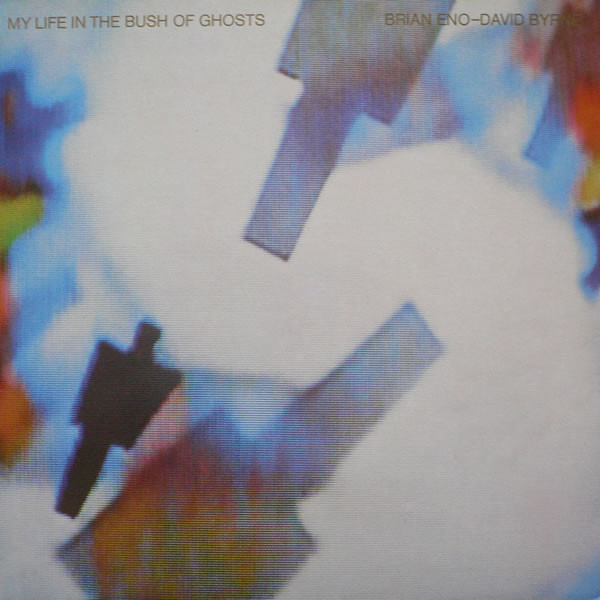
My Life In The Bush Of Ghosts
1981
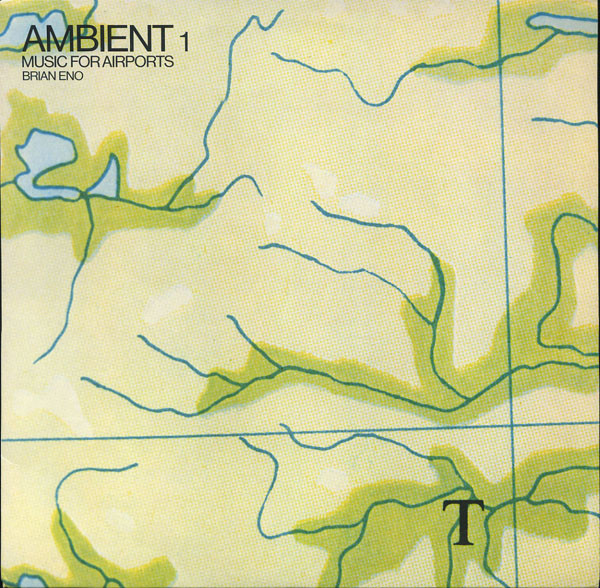
Ambient 1 (Music For Airports)
1979

Before And After Science
1977
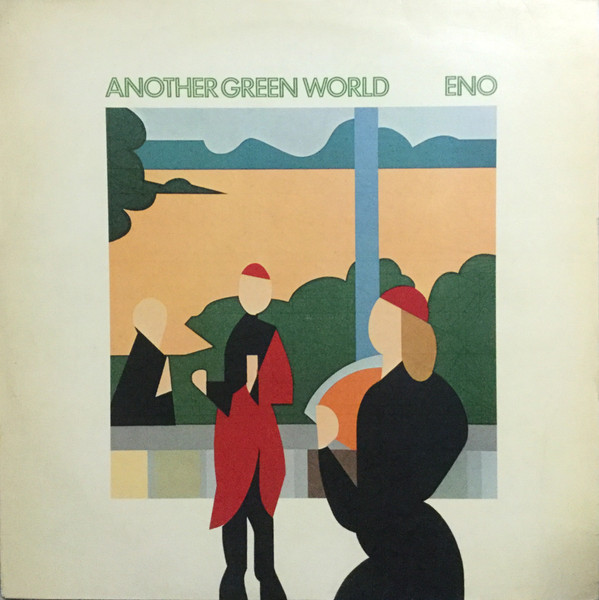
Another Green World
1975

Discreet Music
1975
Music For Films
1976
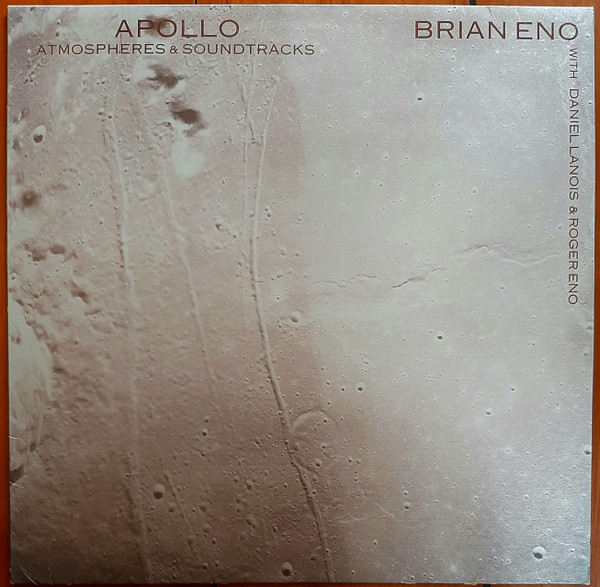
Apollo - Atmospheres & Soundtracks
1983
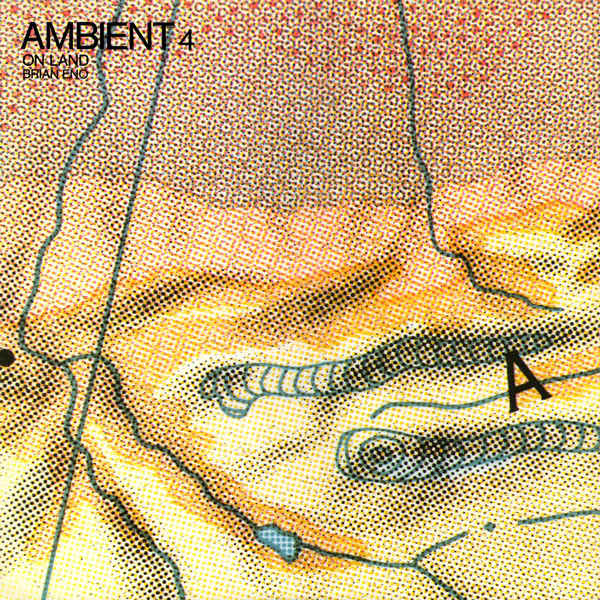
Ambient 4 (On Land)
1982
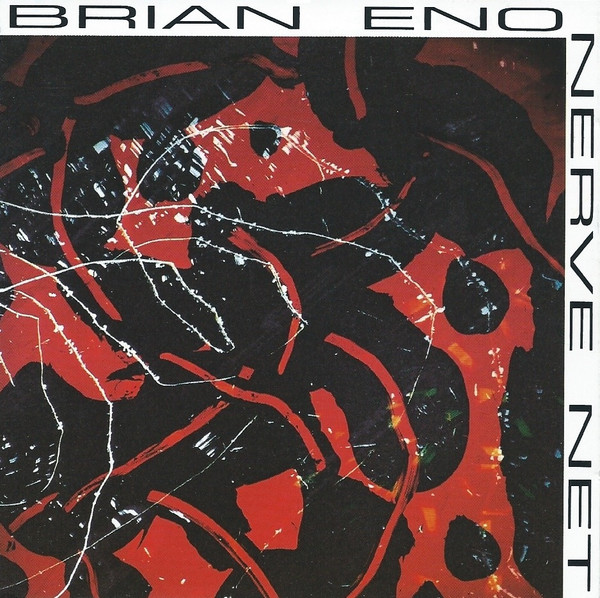
Nerve Net
1992

Foreverandevernomore
2022
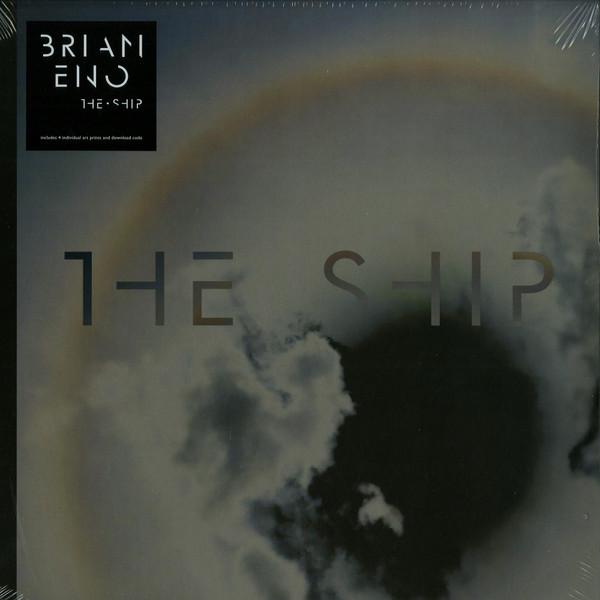
The Ship
2016
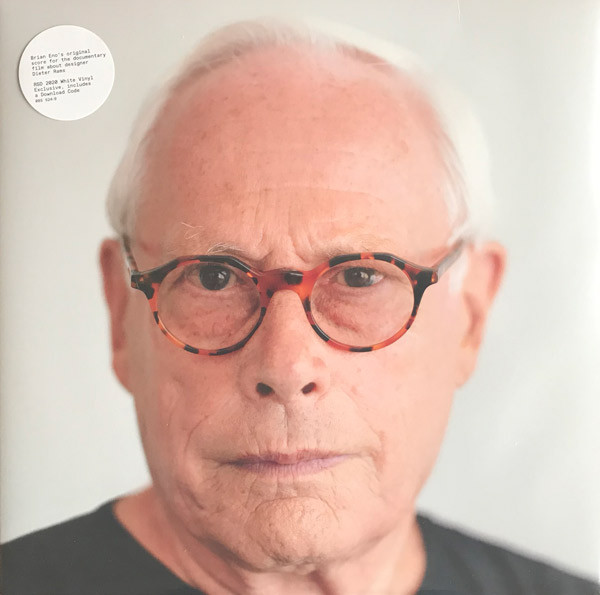
Rams - Original Soundtrack Album
2020
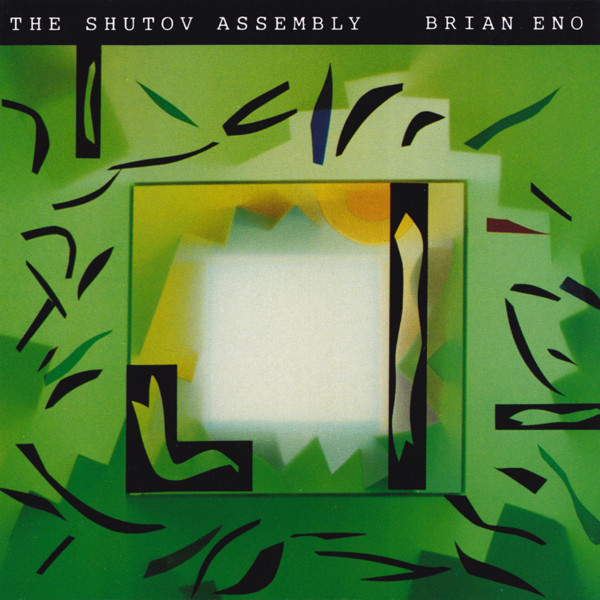
The Shutov Assembly
1992
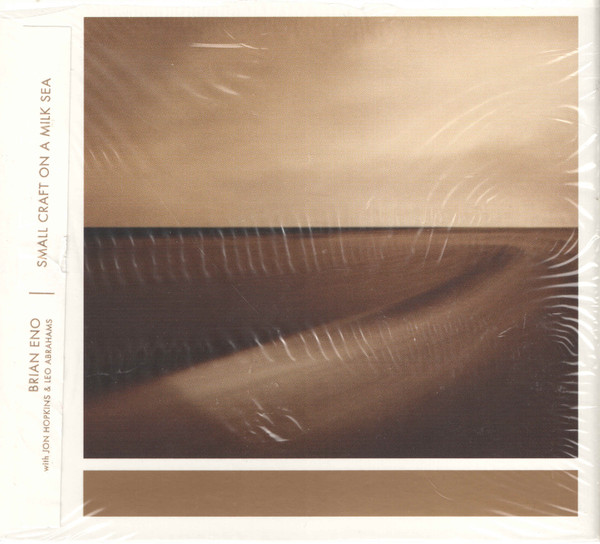
Small Craft On A Milk Sea
2010
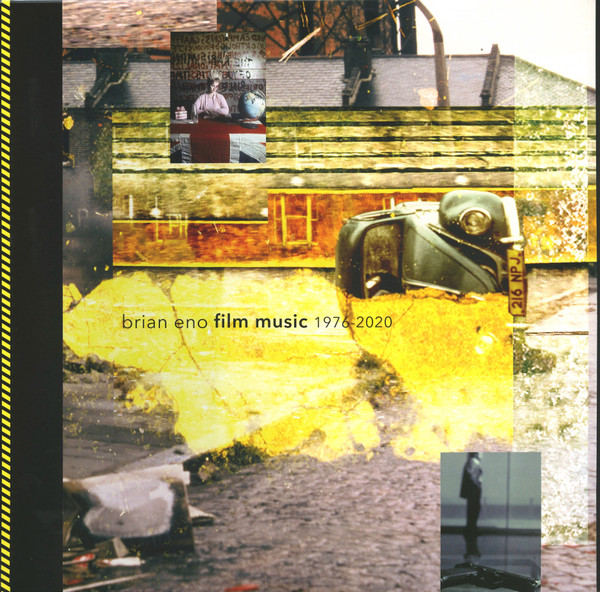
Film Music 1976-2020
2020
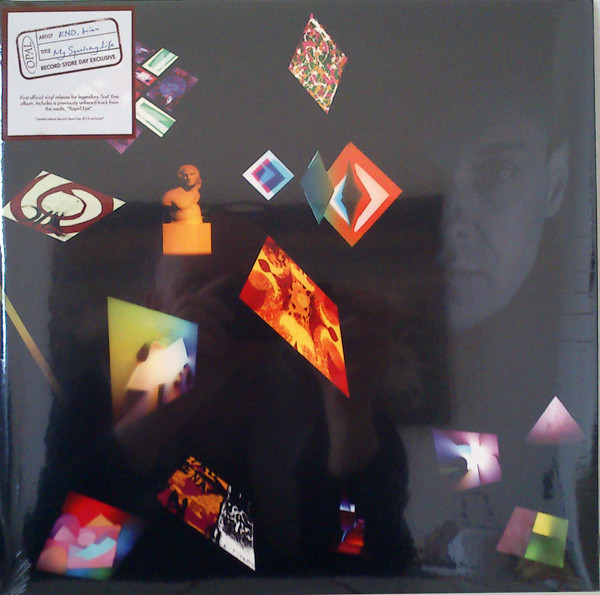
My Squelchy Life
2015
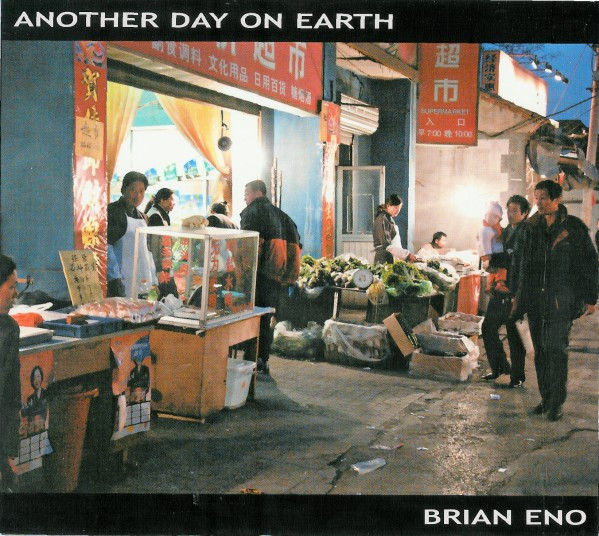
Another Day On Earth
2005

Reflection
2017

Someday World
2014
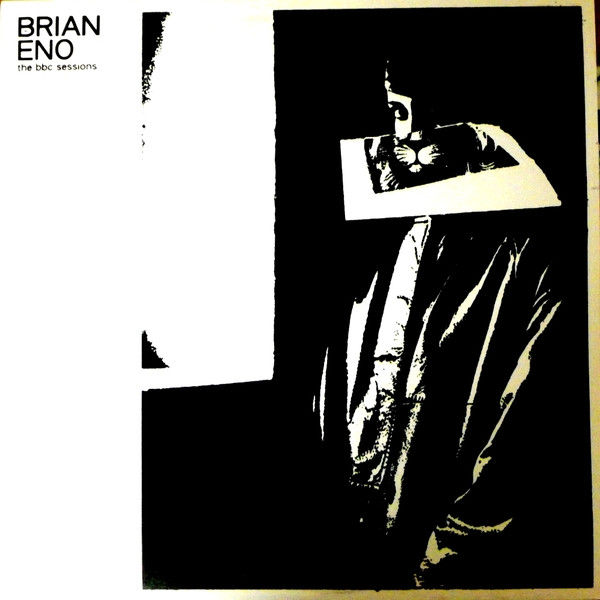
The BBC Sessions
2010

More Music For Films
2005

The Drop
1997
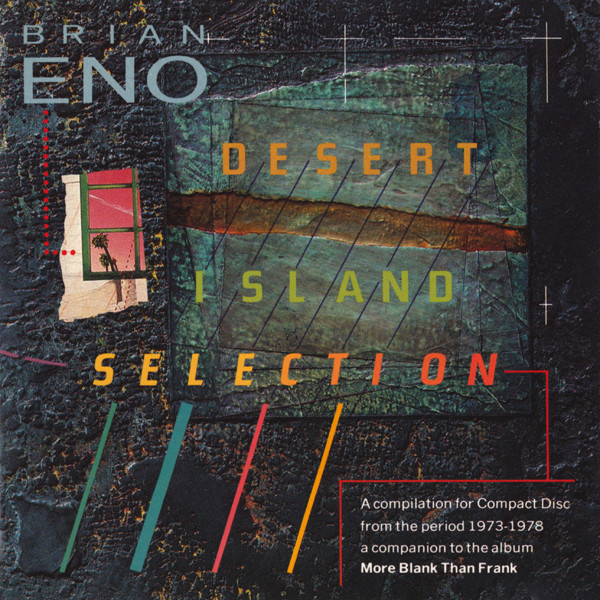
Desert Island Selection
1986

More Blank Than Frank
1986
Roxy Music
A project Brian Eno was part of. Former member.
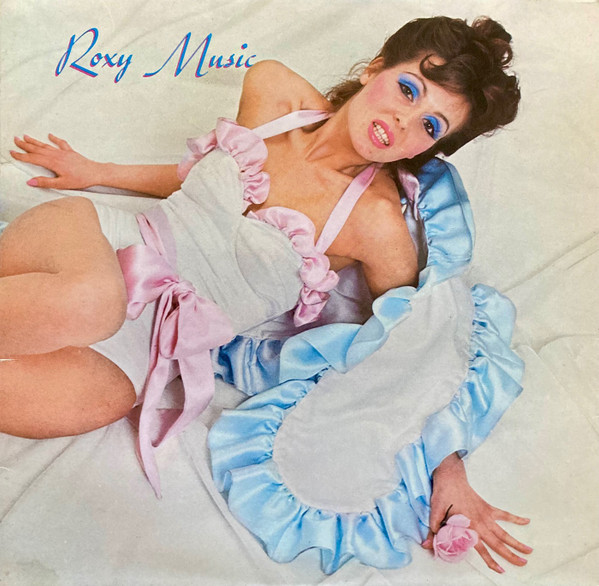
Roxy Music
1972

Country Life
1974
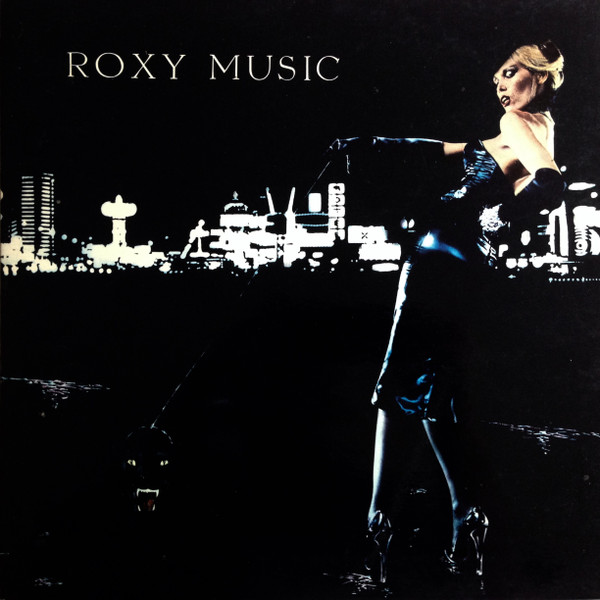
For Your Pleasure
1973

Stranded
1973
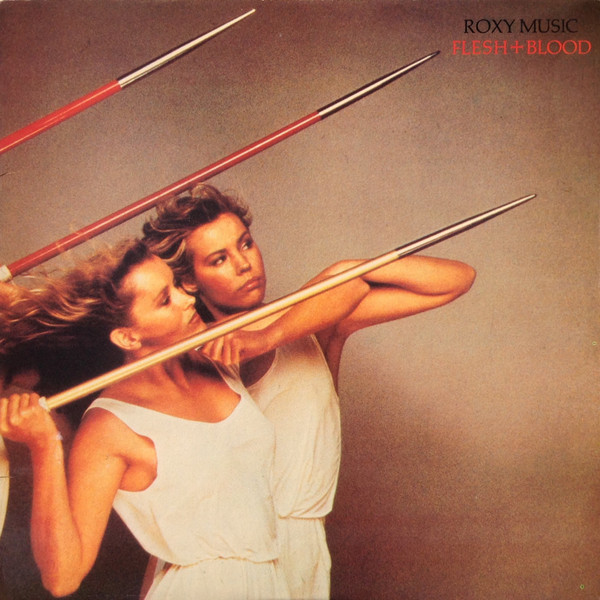
Flesh + Blood
1980
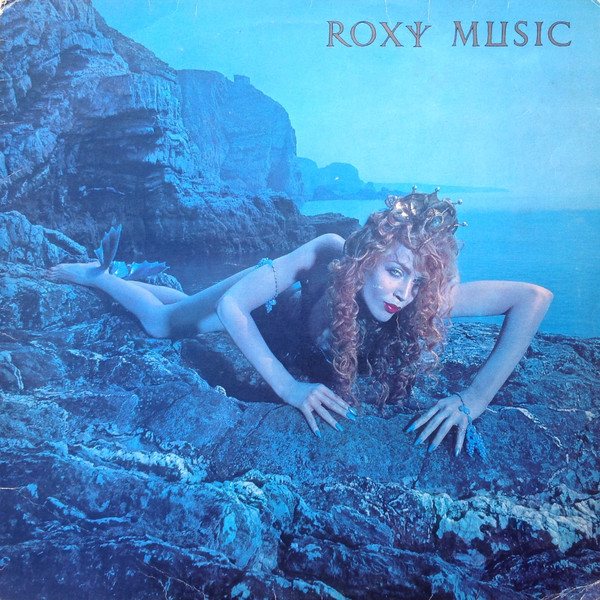
Siren
1975
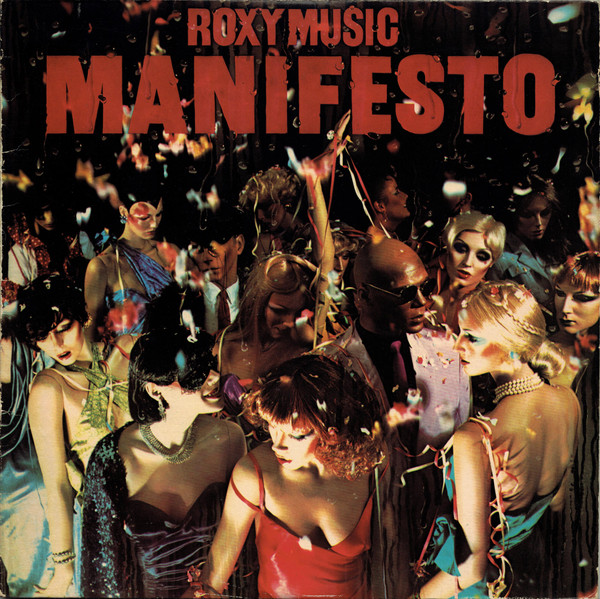
Manifesto
1979
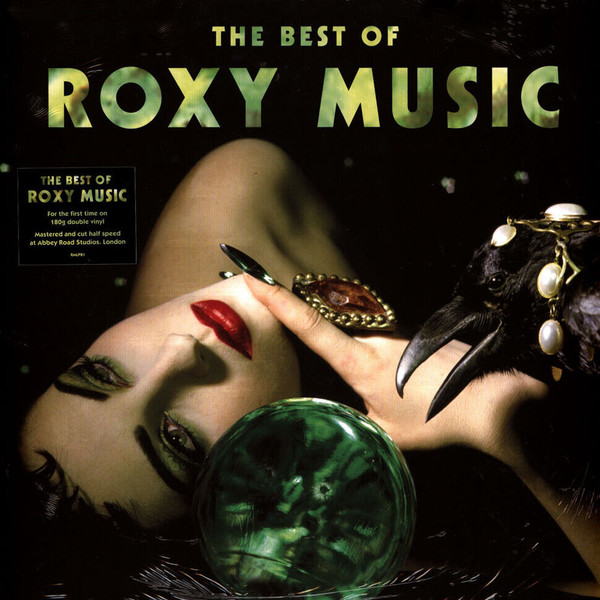
The Best Of Roxy Music
2001
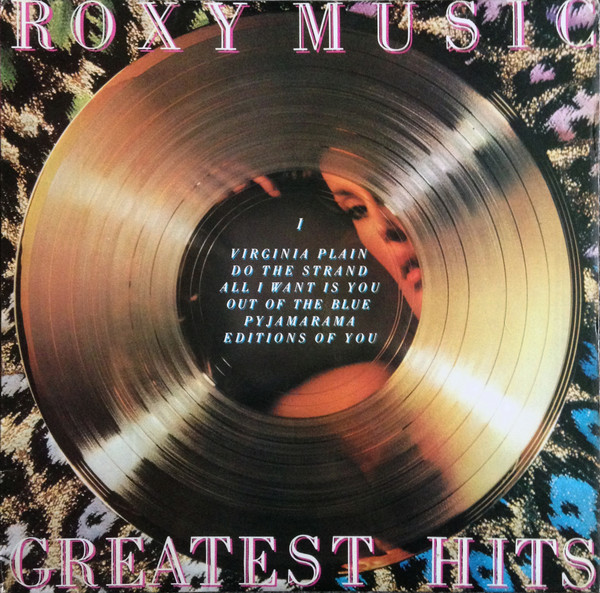
Greatest Hits
1977

The Atlantic Years 1973 - 1980
1983
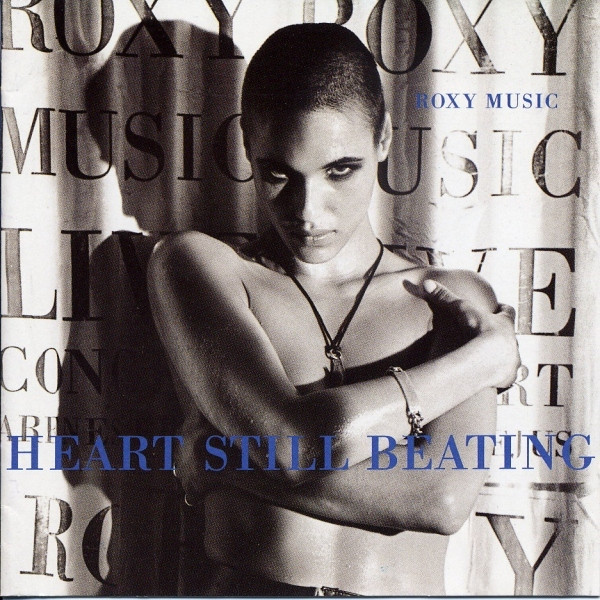
Heart Still Beating
1990
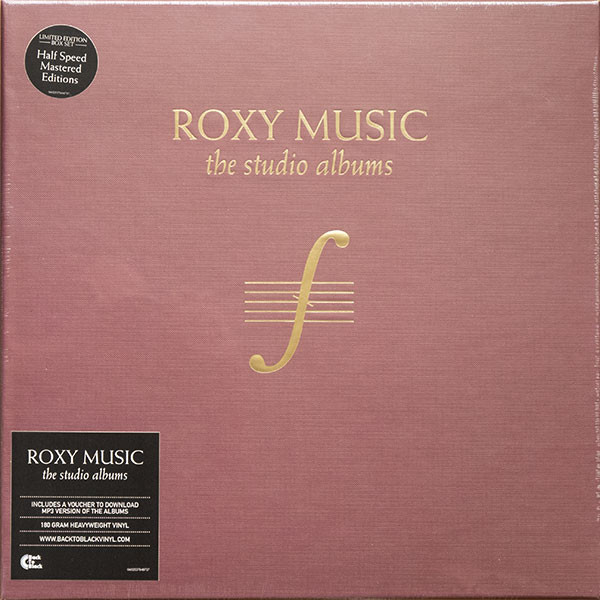
The Studio Albums
2015
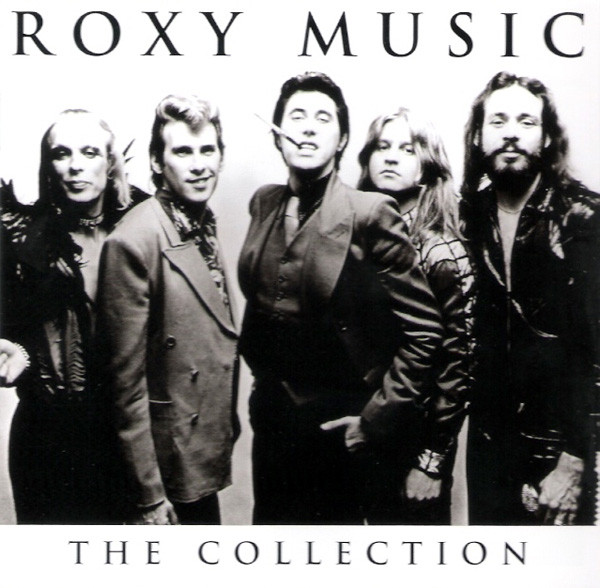
The Collection
2004
Avalon
1982
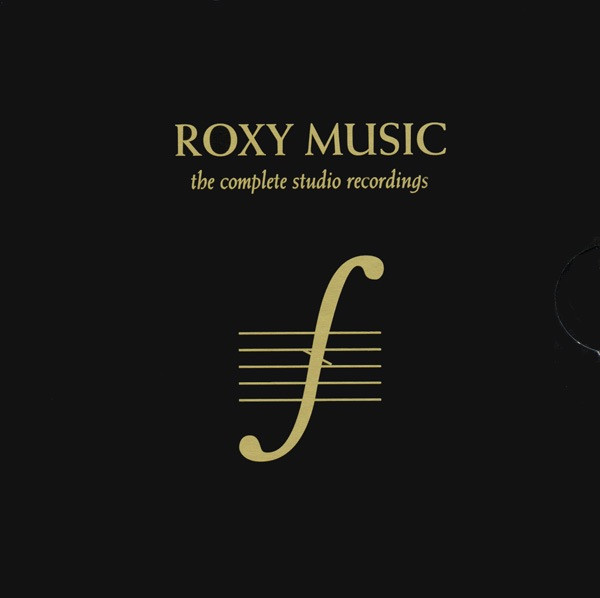
The Complete Studio Recordings
2012
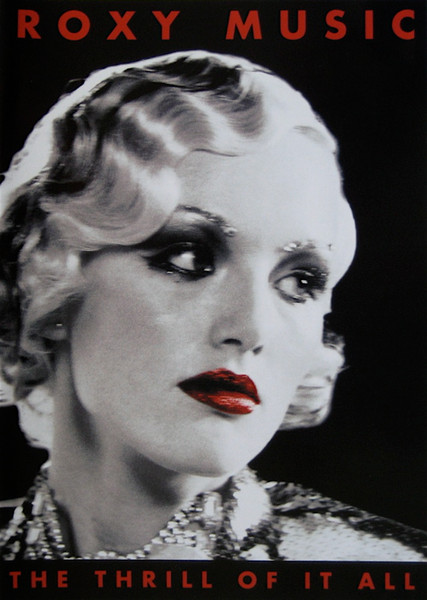
The Thrill Of It All
2007
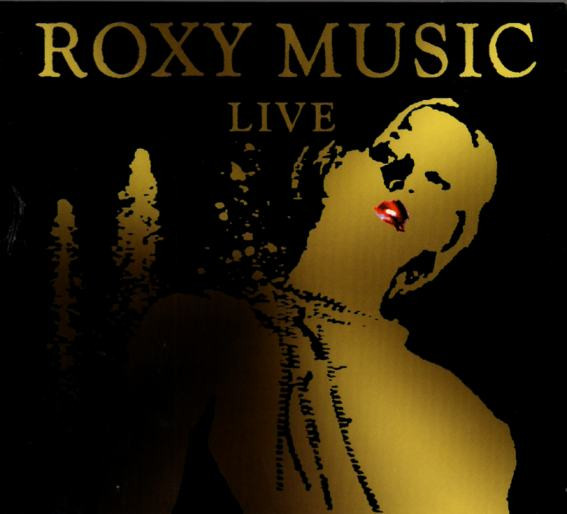
Live
2003

Live At The Apollo
2002

The Early Years
2000

Essential
2011
Passengers
A project Brian Eno was part of.


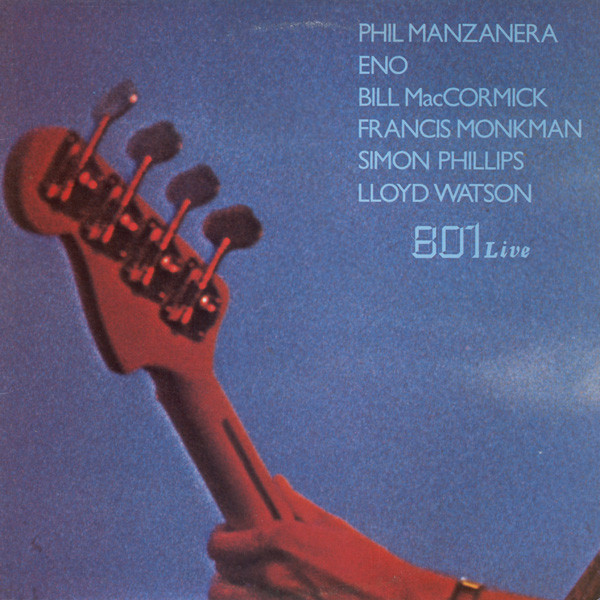
801
A project Brian Eno was part of.
Related artists
Frequent collaborators
Around the web
Follow every record they touch.
Start your shelf and Gatefold tracks Brian Eno's new pressings, tour dates, and the whole discography — automatically.
Start your shelf →Free forever. Works with 10 records or 10,000.