
Artist
Roxy Music
London, United Kingdom · Formed 1971
Roxy Music is a music group from London, United Kingdom, active since 1971. Their discography on Gatefold includes 24 records.

35
Albums tracked
539
In collections
1971
Since
Biography
Peter Sinfield booked a London studio in March '72 and tried to bottle a band that had no right functioning. Brian Eno was twiddling a VCS3 synth with greasepaint on his eyelids, Phil Manzanera was ripping jagged post-psychedelic solos, and Bryan Ferry was warbling like an alienated lounge singer stranded in the year 2040. The self-titled debut was recorded in less than a month. It was chaotic, abrasive, and completely uninterested in the blues-rock dogma choking British radio. Two records in, Ferry couldn't stand sharing the spotlight with Eno's feather boas and tape manipulations. Eno walked, Eddie Jobson came in with an electric violin, and producer Chris Thomas started buffing the chrome. The avant-garde sabotage gave way to sleek, hyper-literate art-pop on *Stranded* and *Country Life*. They were trading experimental noise for lethal precision, but Ferry was always chasing something plusher. By the end of the run, the jagged edges were gone entirely. When they checked into Compass Point with engineer Rhett Davies to cut *Avalon*, they weren't even a full band anymore—just Ferry, Manzanera, and Andy Mackay hiring top-dollar session hitters to craft the smoothest, most decadent pop record ever pressed. Purists cried sellout. The purists were wrong. It takes an obscene amount of discipline to make decadence sound that effortless.
Bio from The Clerk
The Arc of Roxy Music
The pivots — what forced Roxy Music to reinvent.
The Eno Art-Terror Days
Ferry had the croon and the tunes, but Brian Eno brought the sonic sabotage. With former King Crimson lyricist Peter Sinfield behind the desk for 1972's self-titled *Roxy Music*, the band shoved doo-wop, tape delay, and avant-garde noise into glam rock's face. By 1973's *For Your Pleasure*, Chris Thomas arrived to hone the chaos, but the room couldn't hold two rival visionaries. Eno walked out the door in mid-1973, taking the random noise bursts with him.
The Chris Thomas Art-Rock Peak
Bringing in multi-instrumentalist prodigy Eddie Jobson to replace Eno let Ferry seize total command of the band's aesthetic. Teaming up with Thomas for a three-album sprint—1973's *Stranded*, 1974's *Country Life*, and 1975's *Siren*—the group ditched raw synthesizer squelch for razor-sharp art-rock arrangements. Manzanera's guitar playing turned razor-clean, and Paul Thompson's powerhouse drumming anchored tracks that swung hard toward high fashion and proto-disco. It peaked with 'Love Is the Drug' before exhaustion forced a multi-year deep freeze.
The Post-Punk Soul Pivot
Ferry reconvened Mackay, Manzanera, and Thompson in late 1978 to find the UK music scene overrun by the very punks Roxy had originally inspired. Ditching Jobson and bringing in keyboardist Paul Carrack alongside studio bassists, they dropped *Manifesto* in 1979. The album signaled a blunt retreat from baroque rock towards high-end funk and American disco grooves. When Thompson wiped out on a motorcycle shortly after, the original rhythm section was gone for good.
The Sophisti-Pop Sunset
Reduced to a core trio of Ferry, Mackay, and Manzanera, the band leaned entirely on session muscle and co-producer Rhett Davies. 1980's *Flesh + Blood* flirted with slick cover songs and polished adult contemporary, but 1982's *Avalon* perfected the design at Compass Point Studios. Built on pristine reverbs, Yannick Etienne's soaring guest vocals, and lush atmosphere, it became the gold standard for eighties sophisti-pop. Ferry recognized they had hit the aesthetic wall and pulled the plug in 1983, leaving the record as an immaculately sculpted full stop.
Influences
- The Velvet Underground — Ferry and Eno routinely cited Lou Reed's camp as the blueprint for bringing fine-art irony and cold decadence into rock music. You hear John Cale's abrasive drone directly channeled through Eno's VCS3 processing on the 1972 debut. Without the Velvets, Ferry never would have dared to sound that detached.
- Otis Redding — Before forming the band, Ferry was an obsessive Northern soul devotee who sang with the Gas Board and modeled his early vocal vibrato on classic Stax 45s. Redding's theatrical, emotional delivery bleeds all over Ferry's impassioned phrasing on 'If There Is Something'. It provided the blue-eyed soul engine underneath the band's futuristic fashion.
- The Beatles — Manzanera and Ferry built their studio arrangements directly on the collage-style pastiche of the late-sixties Abbey Road sessions. The rapid tempo and genre shifts across 'Re-Make/Re-Model' rip the fragmented playbook straight out of *The White Album*. They took the Fab Four's studio-as-instrument ethos and sprayed it with hairspray.
- Cole Porter — Ferry's lyrical world was constructed out of pre-war high-society romanticism rather than greasy rock-and-roll cliches. You hear Porter's wry, cynical wit and cabaret elegance defining every line of 'A Song for Europe' on *Stranded*. He wrote rock songs like a cynical Broadway tunesmith in a smoking jacket.
- King Crimson — Ferry famously auditioned for King Crimson to replace Greg Lake in 1970, which directly connected him to Crimson's lyricist Peter Sinfield and EG Management. Sinfield agreed to produce Roxy's 1972 debut, importing Crimson's complex dynamic pacing and avant-garde discipline to balance Ferry's pop melodies. It grounded their weirdest impulses with real prog studio rigor.
Discography
Their records — most-collected first.
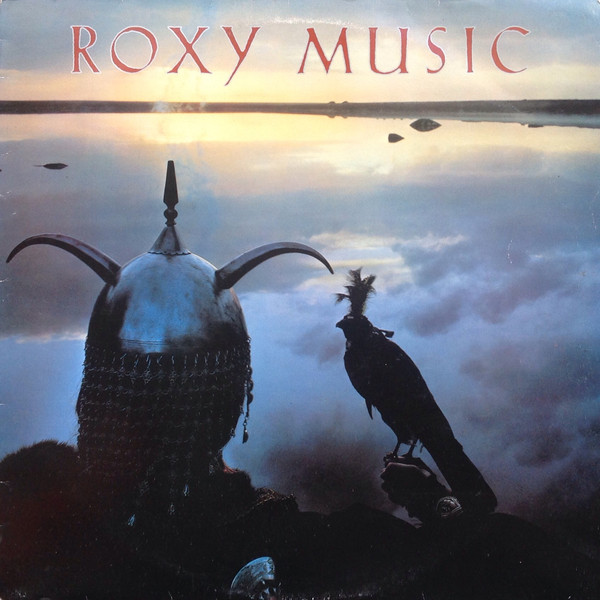
Avalon
1982
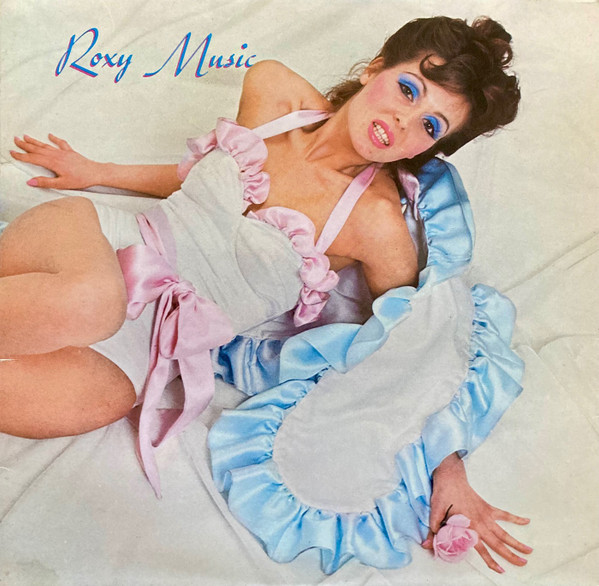
Roxy Music
1972

Country Life
1974
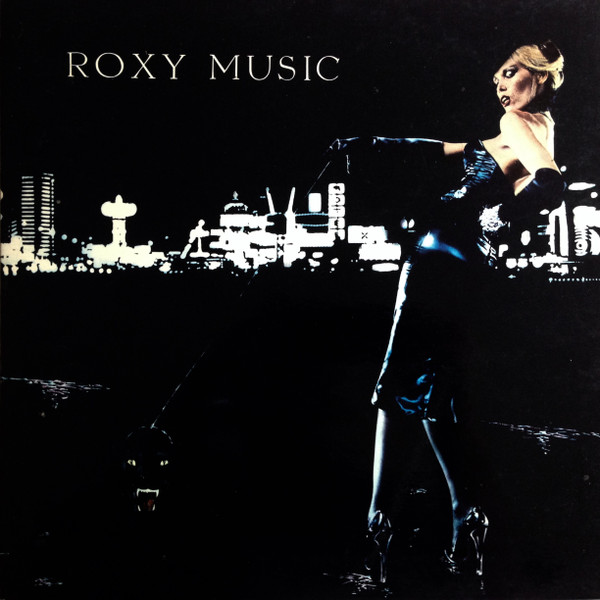
For Your Pleasure
1973

Stranded
1973
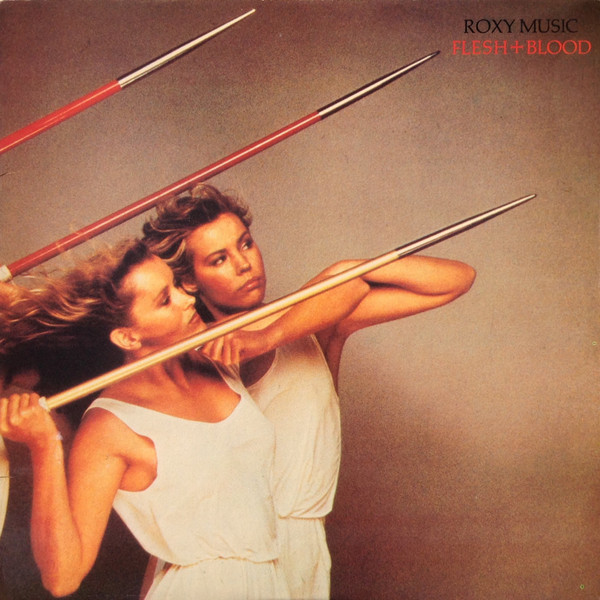
Flesh + Blood
1980
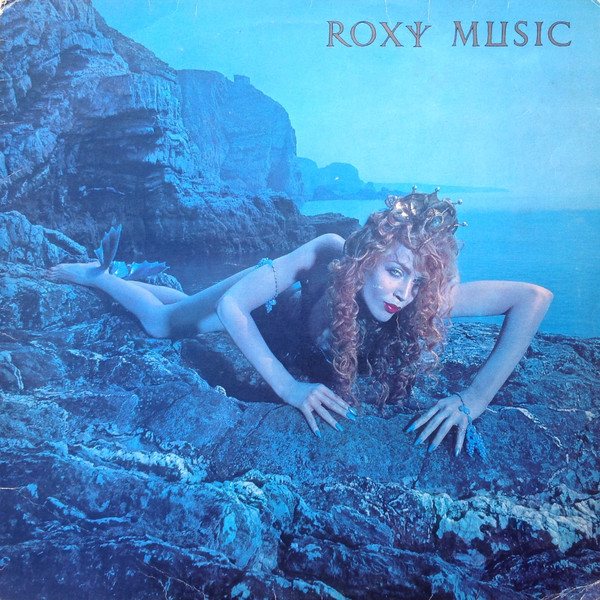
Siren
1975
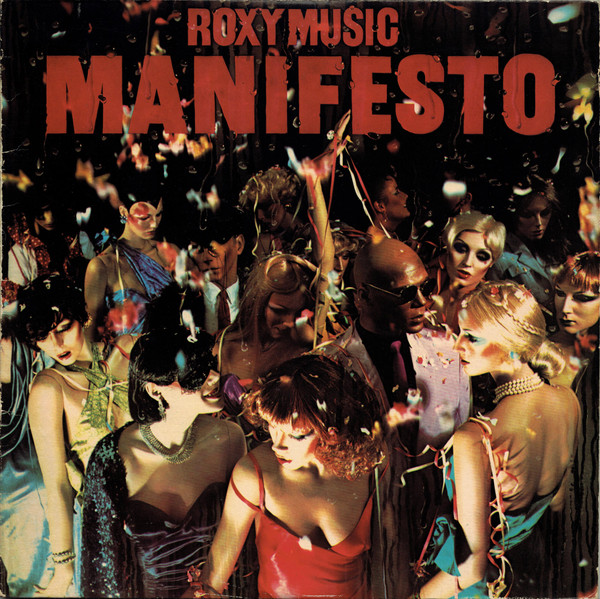
Manifesto
1979
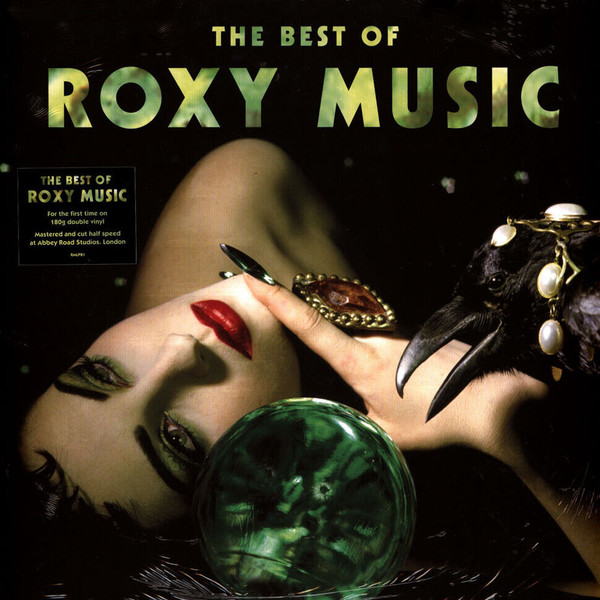
The Best Of Roxy Music
2001
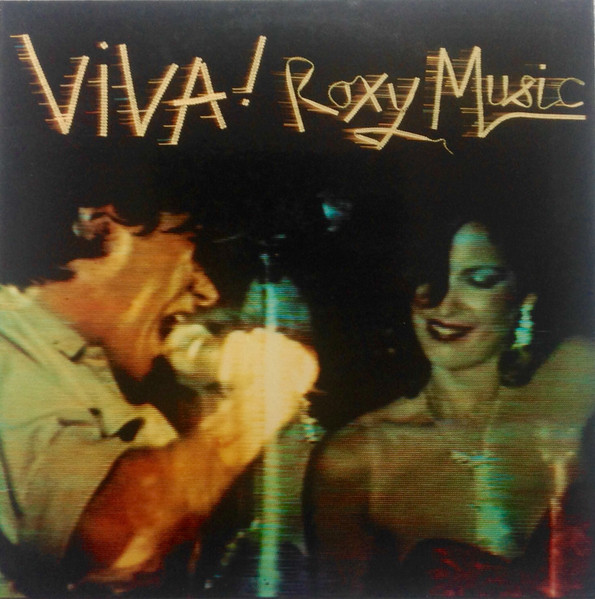
Viva! Roxy Music (The Live Roxy Music Album)
1976
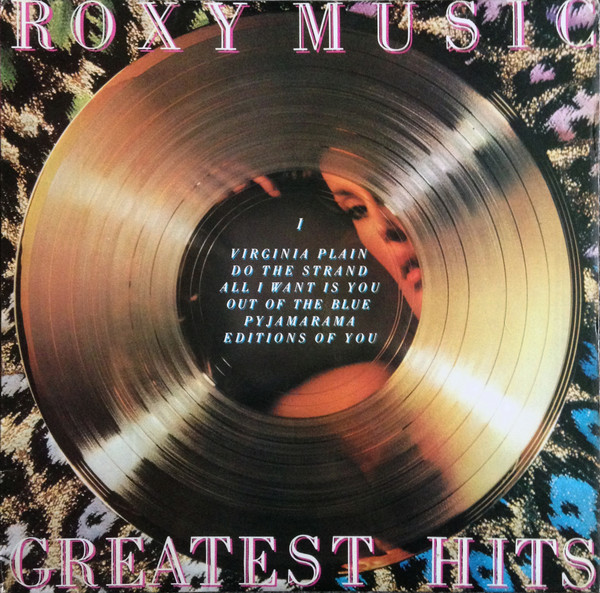
Greatest Hits
1977

The Atlantic Years 1973 - 1980
1983
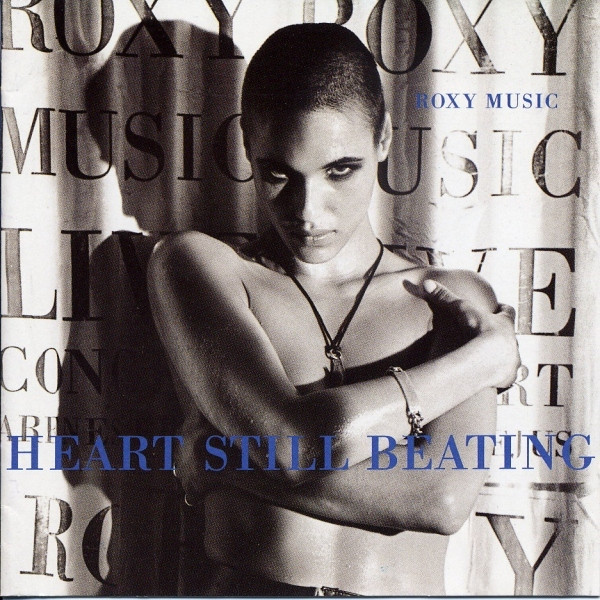
Heart Still Beating
1990
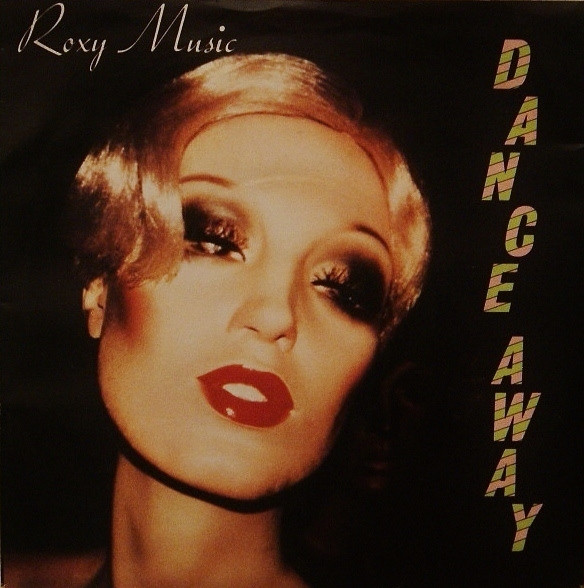
Dance Away
1979
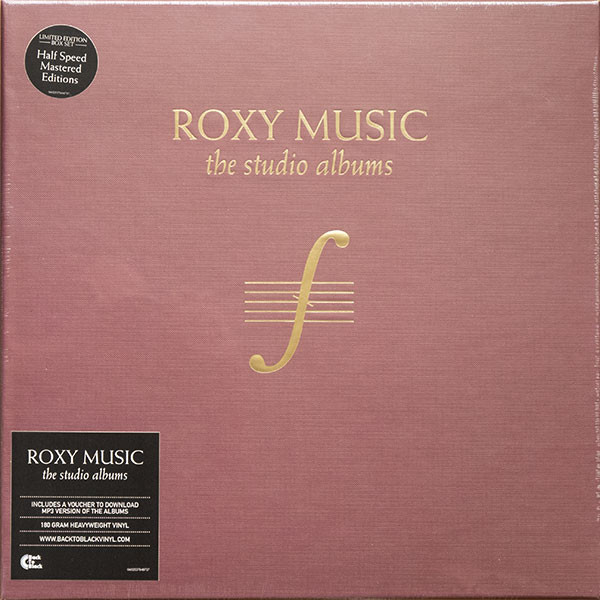
The Studio Albums
2015
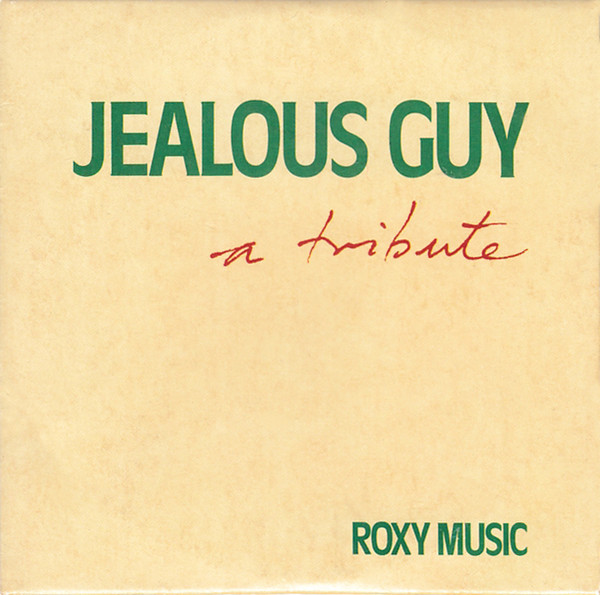
Jealous Guy
1981
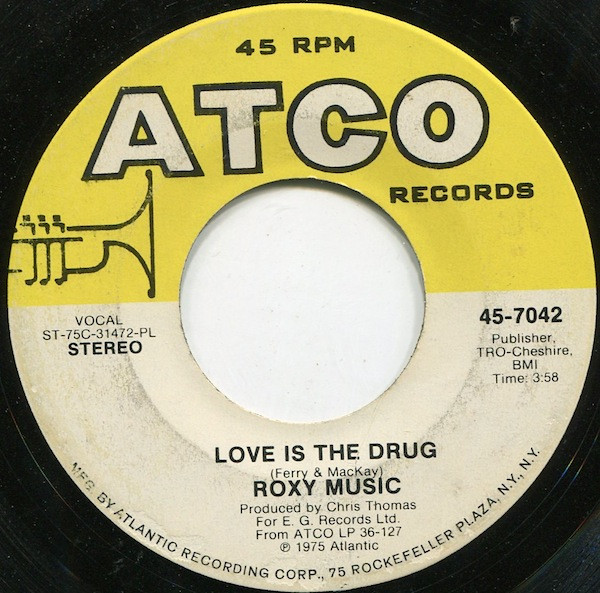
Love Is The Drug
1975
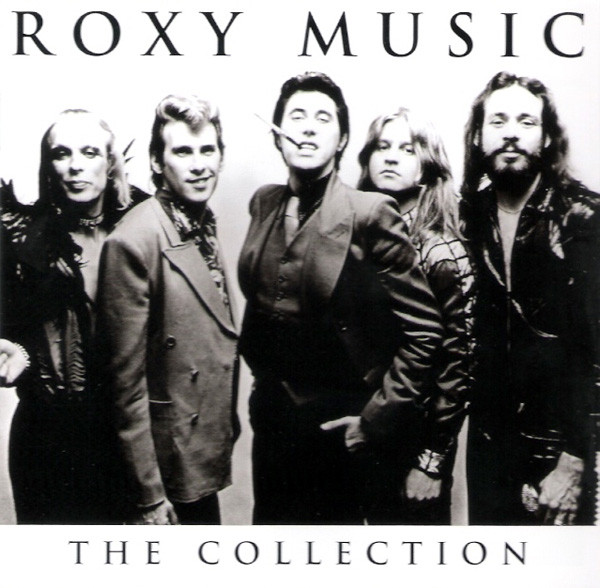
The Collection
2004

Concerto
2001
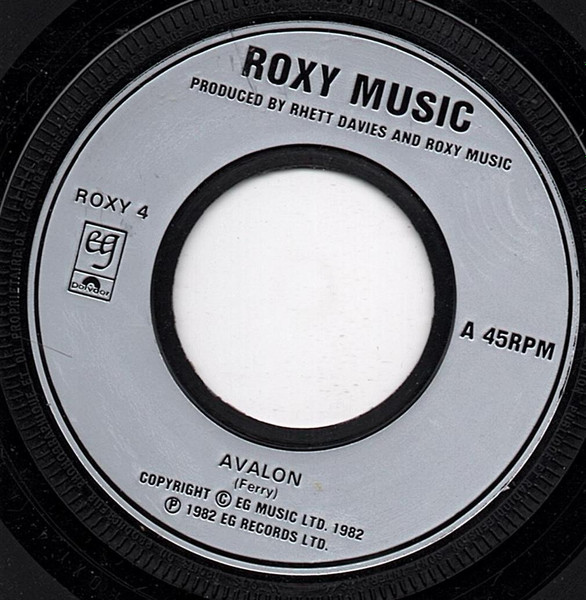
Avalon
1982
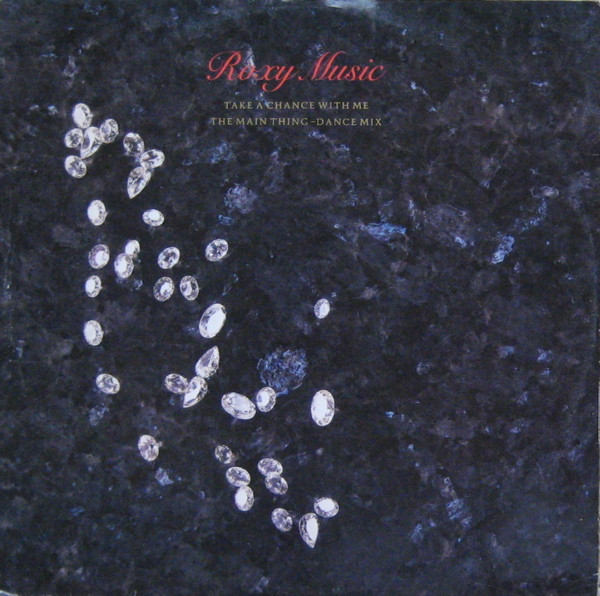
Take A Chance With Me
1982
The Complete Studio Recordings
2012
Fabulous Creation
2008
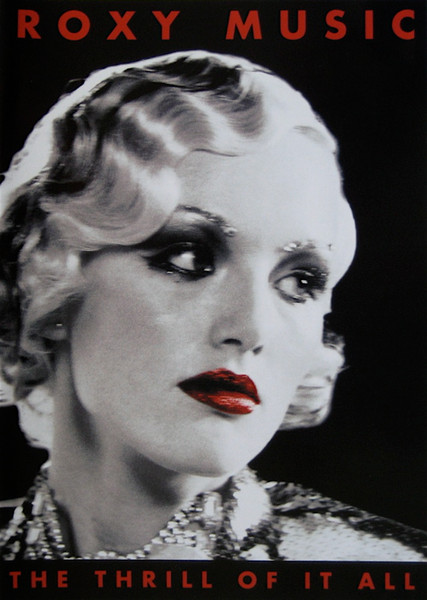
The Thrill Of It All
2007
Related artists
Members
Frequent collaborators
Around the web
Follow every record they touch.
Start your shelf and Gatefold tracks Roxy Music's new pressings, tour dates, and the whole discography — automatically.
Start your shelf →Free forever. Works with 10 records or 10,000.