
Artist
DEVO
Kent, United States
DEVO is a music group from Kent, United States. Their discography on Gatefold includes 24 records.

45
Albums tracked
387
In collections
—
Since
Biography
They were kids at Kent State when the National Guard opened fire in 1970, and that trauma turned them into the smartest, most cynical art project in the history of rock. They weren't trying to be stars; they were documenting the collapse of the species using homemade instruments and a manifesto about humans sliding back into apes. By the time they got to Conny Plank's studio in Cologne to cut the debut, Brian Eno was trying to add a lush, European synth wash to everything, and they fought him tooth and nail to keep the sound brittle, dry, and mechanical. They won. Alan Myers was a goddamn metronome on the kit, the kind of drummer who could play a jagged 7/4 signature without breaking a sweat, which grounded the Mothersbaugh brothers’ chaotic circuit-bending. But the business eventually ate them alive. They went from being the most dangerous thing on SNL to wearing the red energy domes as a corporate brand, eventually sinking into a decade of producing music for kid shows and video games because the industry didn't have a slot for guys who actually meant the joke.
Bio from The Clerk
The Arc of DEVO
The pivots — what forced DEVO to reinvent.
The Mutant Blues
Before the yellow suits, they were a basement-dwelling garage band stripping Bo Diddley and the Rolling Stones down to their skeletal, nervous components. Working in the industrial rot of Akron, they treated rock and roll like a broken machine that needed a frantic, jerky repair job. You hear it on the early Stiff singles where the guitars sound like sheet metal and the vocals are spat out with genuine midwestern contempt. This was the raw, pre-fame peak before they realized they could use the same tools to infiltrate the pop charts.
The High Tech Pivot
When they moved to LA and swapped the guitars for a Moog Liberation, they became the glossy, synth-heavy unit that conquered MTV. Freedom of Choice was the moment they embraced a slicker, neon-soaked production style that made their subversive message about blind societal conformity go down like sugar. It worked too well, and suddenly the band found themselves being played in the very discos they were satirizing. The mechanical precision of Alan Myers reached its apex here, providing a stiff, inhuman groove that defined the early 80s.
The Fairlight Slump
The mid-80s were a disaster where the band leaned too hard into the Fairlight CMI and digital presets, losing the human-against-machine tension that made them great. Shout was an overproduced mess that pushed Alan Myers out of the band because he was being replaced by a machine he could outplay anyway. The label didn't know how to sell them once the 'Whip It' novelty wore off, and the band looked exhausted by their own gimmick. It was a brutal stretch where the technology finally started wearing the humans instead of the other way around.
Influences
- The Stooges — Mark Mothersbaugh has cited Iggy’s confrontational stage presence as the blueprint for their early live shows. You hear that primal, aggressive energy under the jerky rhythms of 'Gut Feeling.' It’s the same Midwestern grit, just redirected through a synthesizer.
- Captain Beefheart — The band obsessively studied Trout Mask Replica for its fractured time signatures and total disregard for traditional blues structures. That jagged, non-linear approach to the guitar is all over the debut record. They took the Captain’s chaos and boxed it into a factory assembly line.
- Bo Diddley — They famously deconstructed his signature beat for their early material, most notably on their cover of 'I Can't Get No Satisfaction.' They took the most human, rhythmic shuffle in rock history and sterilized it into a cold, mechanical pulse. It was a deliberate act of musical vandalism.
- Kraftwerk — The shared lineage with producer Conny Plank is the smoking gun, as DEVO sought the same clinical, repetitive precision found on Autobahn. You hear it in the way they prioritize the pulse over the melody. It's the sound of the laboratory replacing the garage.
- The Residents — Both bands emerged from the same 70s underground art-damaged scene with a focus on anonymity and multimedia theory. DEVO shared the Residents' love for subverting consumer culture by adopting a corporate, faceless identity. They took the eyeball-head weirdness and gave it a sharper, punk-rock edge.
Discography
Their records — most-collected first.
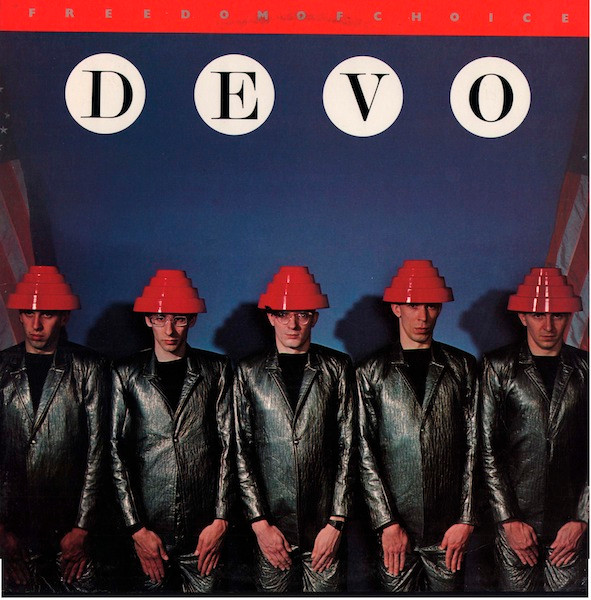
Freedom Of Choice
1980
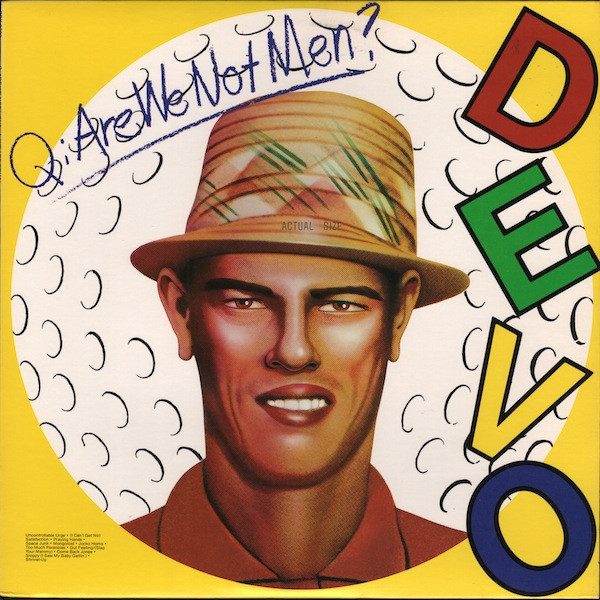
Q: Are We Not Men? A: We Are Devo!
1978

New Traditionalists
1981
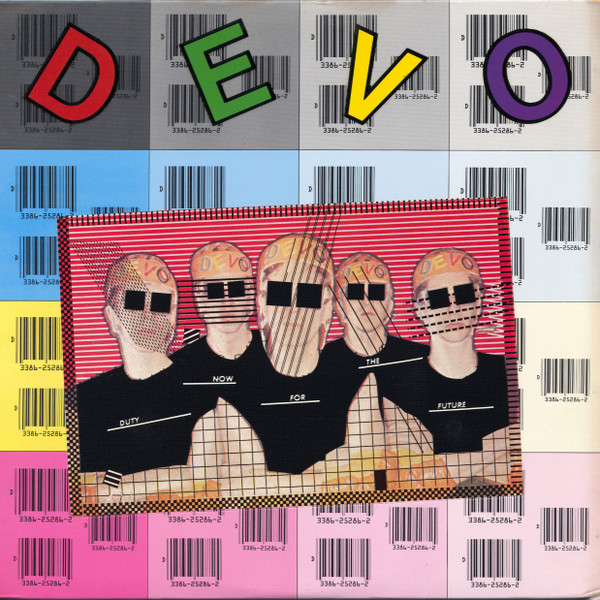
Duty Now For The Future
1979
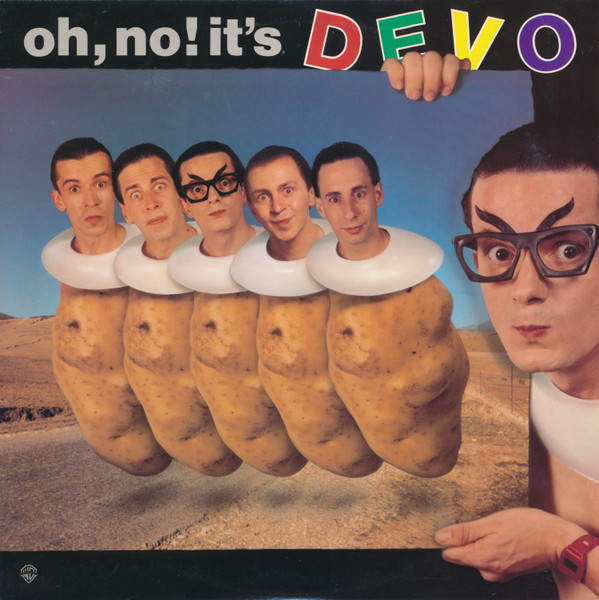
Oh, No! It's Devo
1982
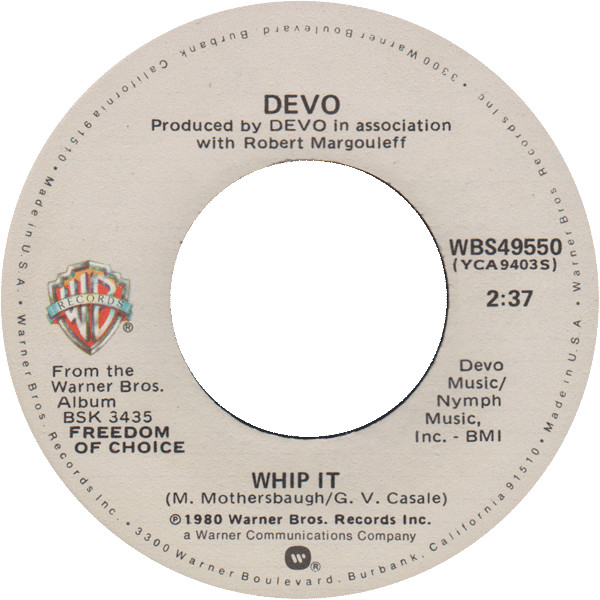
Whip It
1980

Hardcore Devo Vol. 1 74-77
1990

Greatest Hits
1990

50 Years Of De-Evolution (1973-2023)
2023

Dev-O Live
1980

Hardcore Devo Volume 2
1991

Working In The Coal Mine
1981

Mongoloid / Jocko Homo
1977
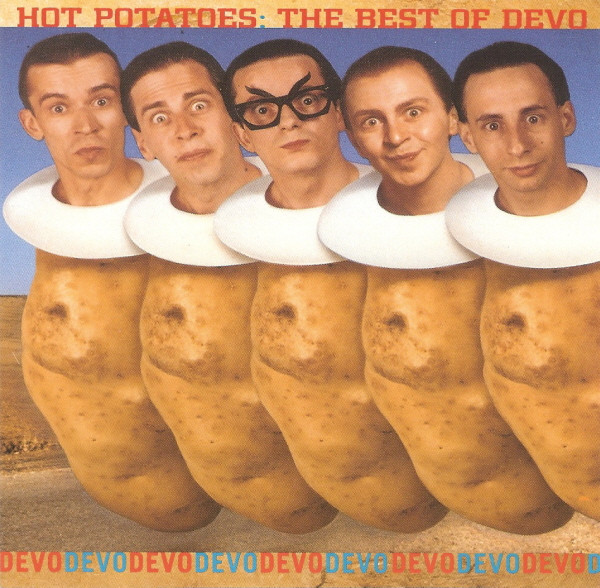
Hot Potatoes: The Best Of Devo
1993
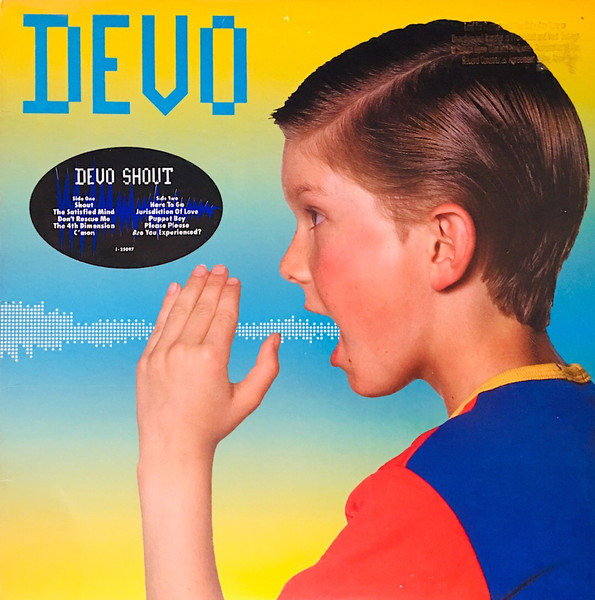
Shout
1984

Peek-A-Boo!
1982

(I Cån't Gèt Mé Nö) Såtisfactiön / Slöppy (I Såw My Baby Gétting)
1977

Art Devo 1973-1977
2023
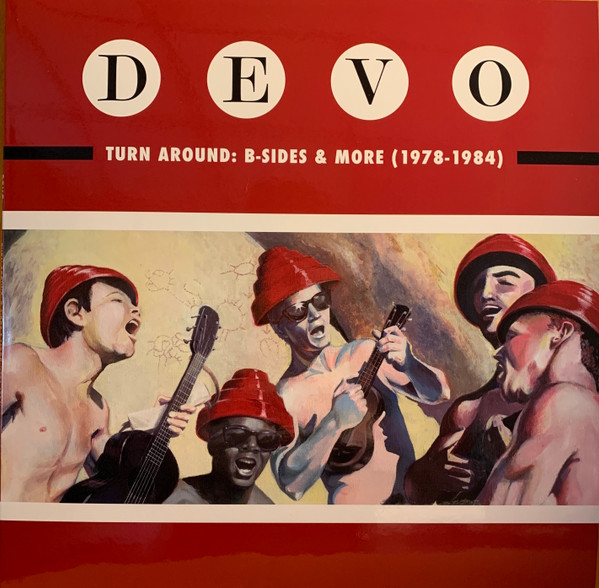
Turn Around: B-Sides & More (1978-1984)
2019

Hardcore Devo Live!
2015

Gates Of Steel (Live)
2014

New Traditionalists - Live 1981 Seattle
2012

Whip It / Girl U Want
1985

Theme From Doctor Detroit
1983
Related artists
Members
Frequent collaborators
Around the web
Follow every record they touch.
Start your shelf and Gatefold tracks DEVO's new pressings, tour dates, and the whole discography — automatically.
Start your shelf →Free forever. Works with 10 records or 10,000.