
Artist
King Crimson
United Kingdom · 1968 – 2021
King Crimson is a music group from United Kingdom, active 1968–2021. Their discography on Gatefold includes 24 records.

92
Albums tracked
709
In collections
1968
Since
Biography
Robert Fripp took the Mellotron—a temperamental, tape-playing beast that sounded like a haunting choir from a haunted church—and turned it into a weapon of war. While everyone else in 1969 was still playing blues-rock, King Crimson dropped 21st Century Schizoid Man and basically invented a future where jazz and heavy metal crashed into one another at full speed. They didn't just play instruments; they mathematically dissected them. The first lineup fell apart before the second tour even finished because half the band couldn't handle Fripp’s intensity or the weight of being that loud. Following the success of Red, Fripp just walked away and called it a day, leaving the industry baffled. He spent years messing with tape loops and playing on Bowie records before deciding a band was worth his time again. The 80s version of Crimson was a total gear-head pivot, trading the heavy sax and mellotrons for Chapman Sticks and Roland guitar synths that sounded like digital rain. Some old-school fans hated the shift to interlocking, gamelan-style rhythms, but Crimson doesn't exist to make you feel comfortable. It’s a rotating door of virtuosic masochists led by a guy who refuses to let a melody sit still for more than four bars.
Bio from The Clerk
The Arc of King Crimson
The pivots — what forced King Crimson to reinvent.
The Mellotron Storm
The band’s debut was fueled by the Mk II Mellotron they bought from the Moody Blues, a machine so unstable it dictated their early, eerie atmospheric sound. Ian McDonald brought the woodwinds and the keys while Greg Lake provided the soaring vocals that defined the early prog aesthetic. It wasn't just whimsical fantasy; it was a brutalist wall of sound that made the hippie era look soft by comparison. This lineup imploded almost instantly, leaving Fripp to spend the next three years frantically auditioning session guys and jazz players just to keep the name alive.
The Wetton/Bruford Bruise
When Bill Bruford quit Yes to join Crimson, he said he wanted to play music that was less about perfection and more about danger. Bringing in bassist John Wetton and percussionist Jamie Muir turned the band into a heavy, improvisational machine that could pivot from a delicate violin passage to a bone-crushing riff in seconds. This era peaked with Red, an album so heavy and stripped-down it served as a blueprint for the 90s grunge and math-rock scenes. Fripp disbanded the group right after the session, claiming he was done with the 'dinosaur' world of rock music.
The Gamelan-Pop Pivot
In 1981, Fripp returned with Adrian Belew and a new obsession with repetitive, interlocking guitar patterns inspired by Balinese Gamelan music. They leaned heavily into the new Roland GR-300 guitar synthesizer, creating a sound that was sleek, digital, and rhythmically exhausting. Tony Levin’s Chapman Stick gave the low end a percussive, metallic edge that felt closer to New Wave than symphonic rock. It was a complete rejection of the 70s legacy, focusing on short, sharp compositions that prioritized polyrhythms over epic solos.
Influences
- The Beatles — Fripp explicitly cited the 'A Day in the Life' orchestral swell as the moment he realized music could be terrifying and massive. You hear that chaotic, building tension all over the bridge of '21st Century Schizoid Man.' It moved them away from basic 12-bar structures and toward cinematic arrangement.
- Béla Bartók — Fripp studied Bartók’s string quartets to understand how to apply dissonant, non-western scales to the guitar. The jagged, angular riffs on 'Larks' Tongues in Aspic' are a direct translation of Bartók’s rhythmic aggression. It gave the band a classical foundation that had nothing to do with flowery piano concertos.
- The Jimi Hendrix Experience — Fripp saw Hendrix at the Speakeasy in 1967 and has frequently noted how Jimi's use of feedback and volume reshaped his approach to the electric guitar. While Fripp is more precise, the sheer sonic violence of Hendrix's live shows is baked into the DNA of the 'Red' era. It’s the source of their 'controlled noise' philosophy.
- John Coltrane — The improvisational freedom of 'A Love Supreme' was the blueprint for the long-form jams the band executed in the early 70s. You hear it in the way the rhythm section stays fluid while the lead voice pushes against the harmony. They took Coltrane's 'sheets of sound' and plugged them into 100-watt Hiwatt stacks.
- Stravinsky — The Rite of Spring provided the rhythmic template for the band’s use of odd time signatures and sudden, violent shifts in dynamics. Bill Bruford often referenced Stravinsky when discussing how to break out of standard 4/4 rock time. It’s why their heavy sections feel like a choreographed collision rather than a standard groove.
Discography
Their records — most-collected first.
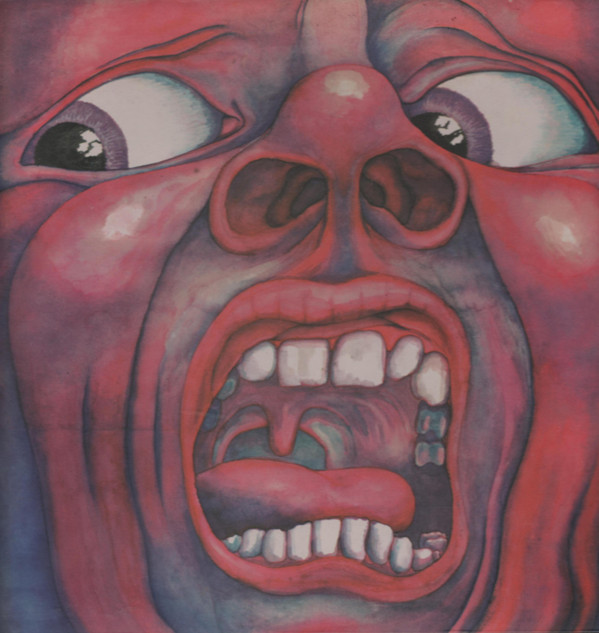
In The Court Of The Crimson King (An Observation By King Crimson)
1969
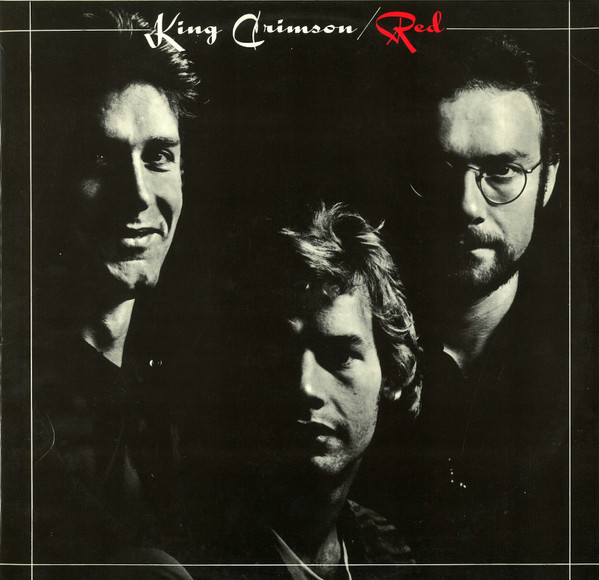
Red
1974
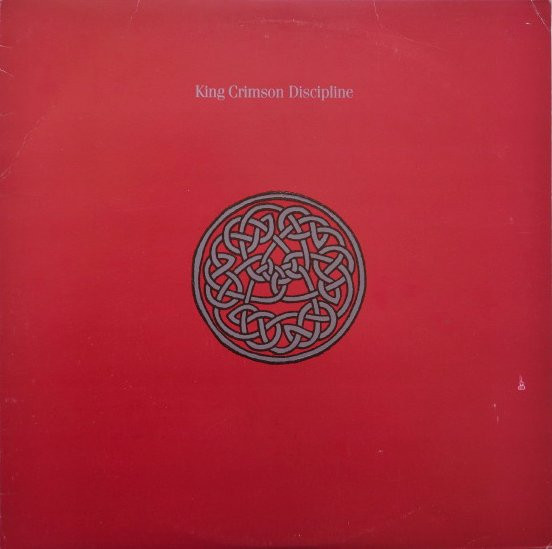
Discipline
1981
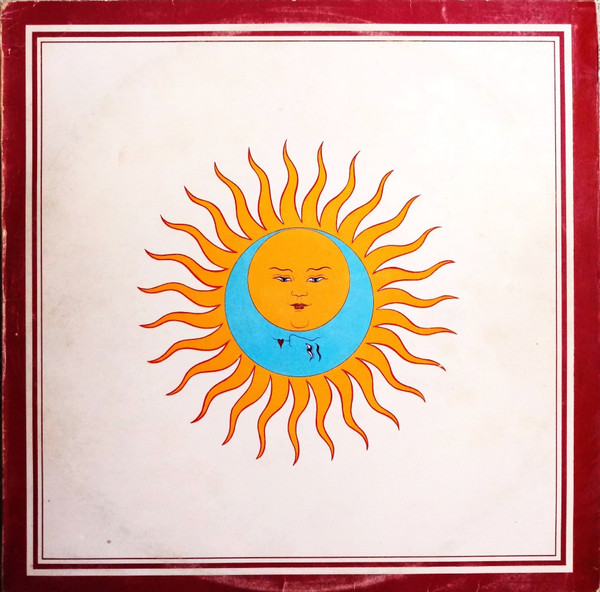
Larks' Tongues In Aspic
1973
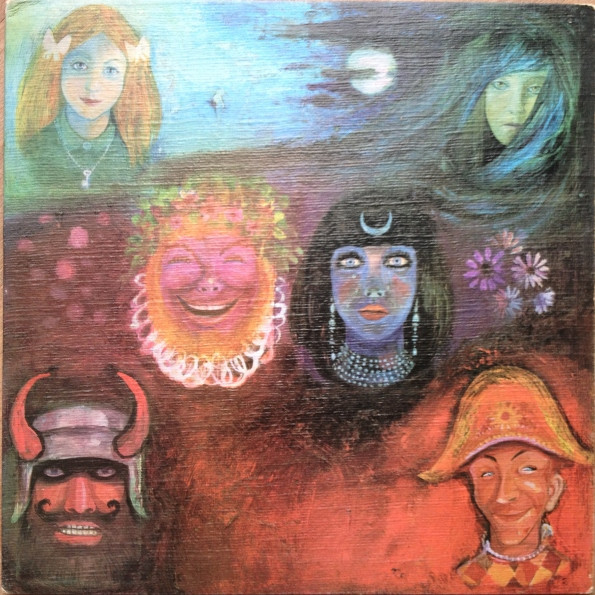
In The Wake Of Poseidon
1970
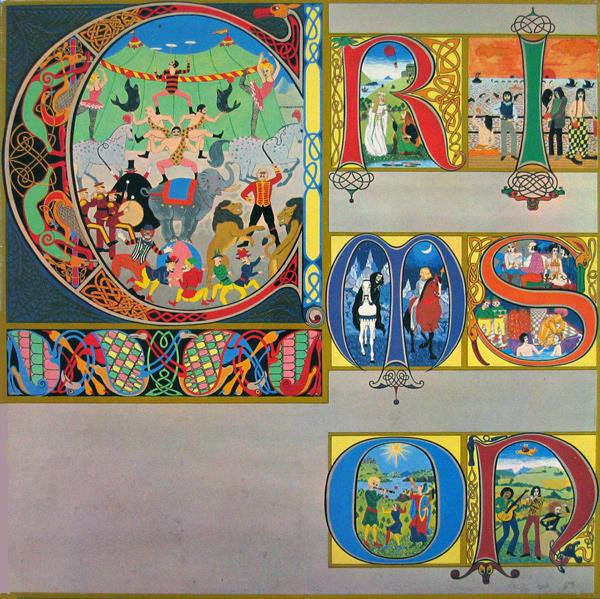
Lizard
1970

Starless And Bible Black
1974
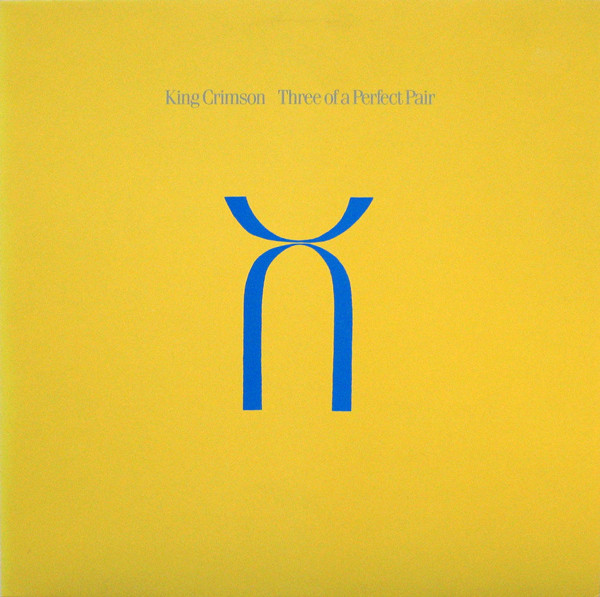
Three Of A Perfect Pair
1984

Beat
1982
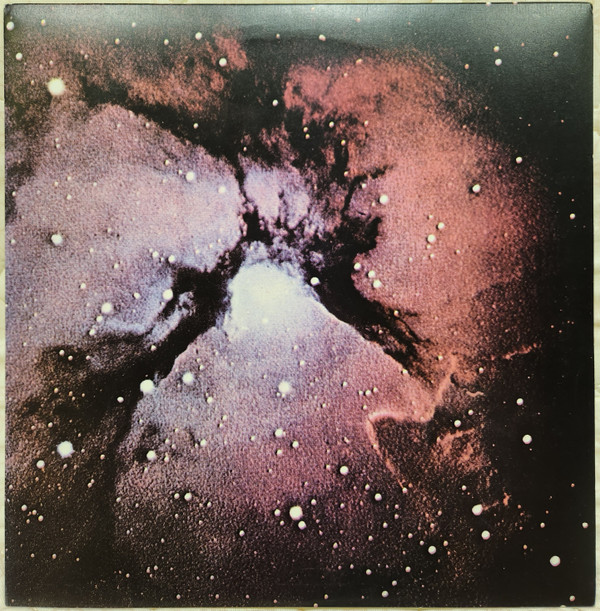
Islands
1971

USA
1975
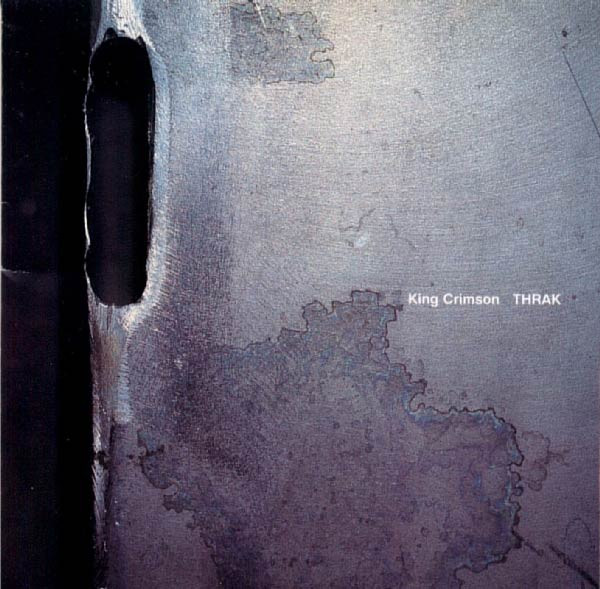
THRAK
1995
Earthbound
1972

The Power To Believe
2003

The ConstruKction Of Light
2000
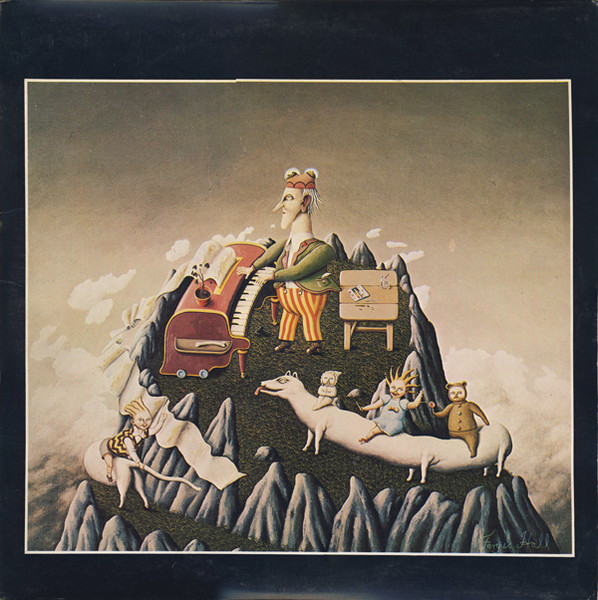
The Young Persons' Guide To King Crimson
1976
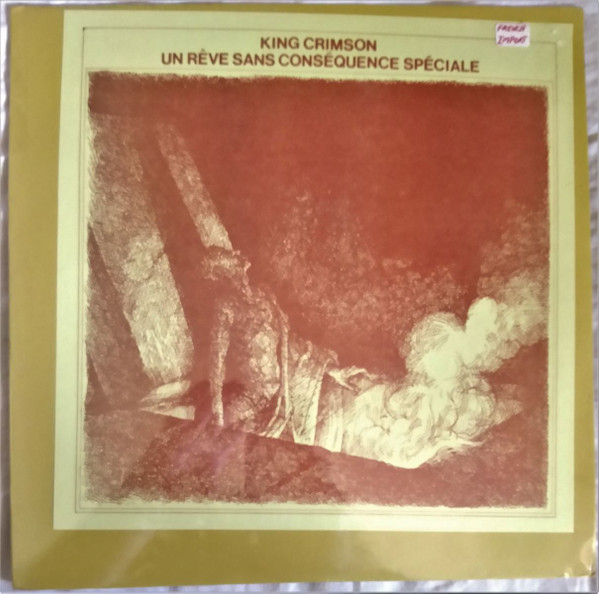
The Nightwatch (Live At The Amsterdam Concertgebouw November 23rd 1973)
1997
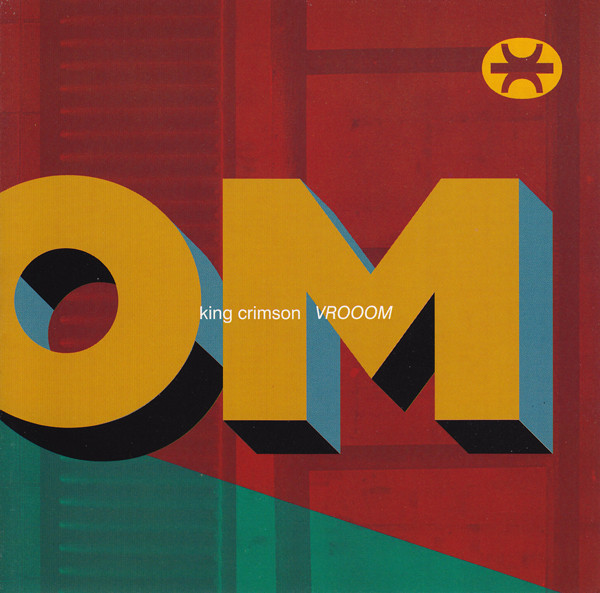
VROOOM
1994

Live At The Orpheum
2015

Absent Lovers (Live In Montreal 1984)
1998

Sheltering Skies (Live In Fréjus, August 27th 1982)
2024
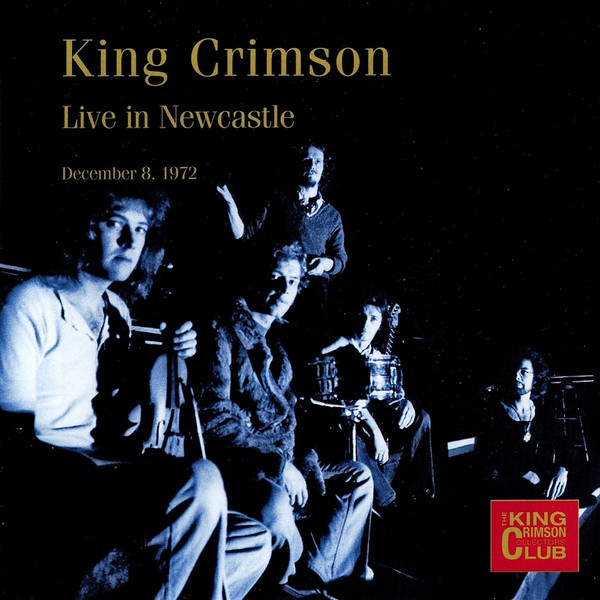
Live In Newcastle (December 8, 1972)
2019
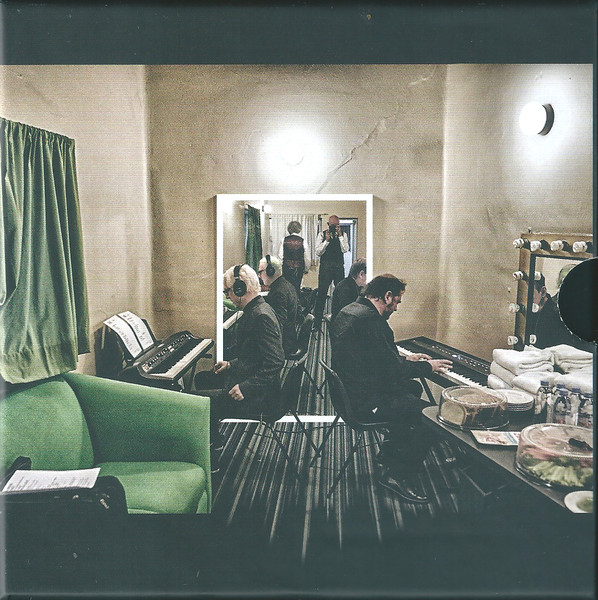
Meltdown (Live In Mexico)
2018
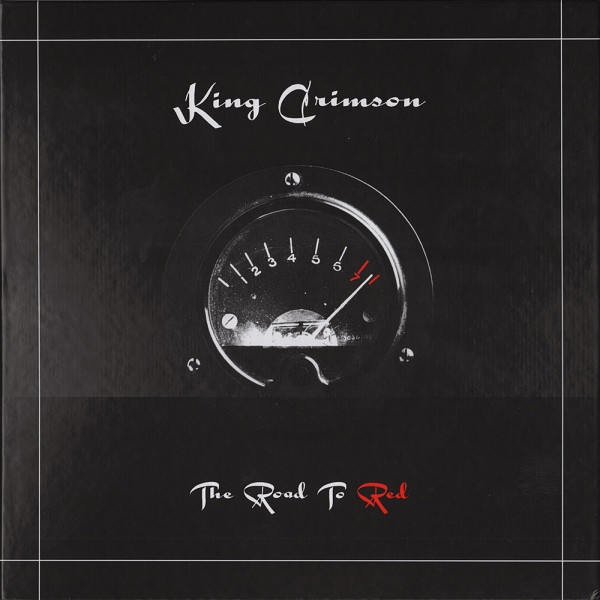
The Road To Red
2013
Related artists
Members
Frequent collaborators
Around the web
Follow every record they touch.
Start your shelf and Gatefold tracks King Crimson's new pressings, tour dates, and the whole discography — automatically.
Start your shelf →Free forever. Works with 10 records or 10,000.