
Artist
Bauhaus
UK gothic rock band
Northampton, United Kingdom · 1978 – 2008
Bauhaus is a music group from Northampton, United Kingdom, active 1978–2008. Their discography on Gatefold includes 24 records.

32
Albums tracked
254
In collections
1978
Since
Biography
Daniel Ash plugged a six-string into an HH Electronic amp, dimed the treble, ran it through an MXR flanger, and practically broke post-punk wide open in a single afternoon at Beck Studios in Wellingborough. That was January 1979. Six weeks later they had a nine-minute single cut to tape for twelve quid. Most people try to frame them as theater kids playing vampire dress-up. That misses the entire point. They were an art-school noise outfit weaponizing dub delay and glam stomp. David J's bass lines were pure reggae space, Kevin Haskins played drums like a relentless metronome stripped of fills, and Murphy was up front barking like a cabaret singer having a breakdown. When they were locked in, they were leaner and meaner than almost anyone else coming out of the UK decay. When they lost the plot, they vanished into self-serious gothic camp and fractured under the weight of Murphy's ego. But that initial run on 4AD and Beggars Banquet set an impossible high-water mark for minimalist dread.
Bio from The Clerk
The Arc of Bauhaus
The pivots — what forced Bauhaus to reinvent.
The 4AD Blast and Flat Field
They tracked their debut self-produced at Southern Studios with John Fryer engineering because they didn't trust anyone else with their stark dynamic. In the Flat Field stripped away all the polite edges of post-punk, replacing them with harsh feedback, abrasive funk riffs, and Murphy's manic delivery. The music press hated it, which only proved the point. It was feral, jagged art rock that became the accidental blueprint for an entire subculture.
The Beggars Banquet Experimentation
Signing properly to Beggars Banquet pushed them out of their claustrophobic shell and straight into studio experimentation on Mask and The Sky's Gone Out. Ash started layering acoustic guitars, David J brought in keyboards, and they covered Bowie and Bolan to claim their glam lineage. The sound grew richer and more theatrical, trading raw assault for textured cabaret dread. It scored them Top of the Pops appearances while pushing their internal tension to the brink.
The Murphy Illness and Implosion
When Murphy got hit with viral pneumonia right before tracking Burning From the Inside, the rest of the band cut the bulk of the record without him. Ash and David J took lead vocals on key tracks, leaning hard into psych-folk and skeletal funk. By the time Murphy recovered and dropped his vocal takes, the dynamic was completely shot. They split before the record even hit the shelves, with three of them eventually spinning off into Love and Rockets and Murphy going solo.
The 18-Day Sendoff
Decades after the breakup, the four of them locked themselves in Sage & Sound studio in Hollywood with no outside producer and knocked out Go Away White in eighteen days. They recorded live to tape in single takes, deliberately avoiding modern overdub bloat. The old hostility surfaced immediately, prompting them to disband permanently before the record was even released. It stands as a surprisingly nasty, raw document of four guys who could make incredible noise together but couldn't stand being in the same room.
Influences
- David Bowie — They covered 'Ziggy Stardust' in 1982 and scored their biggest commercial hit, explicitly acknowledging the lineage. Murphy's entire vocal delivery pulls directly from Bowie's Berlin-era theatrical baritone. You hear it plain as day in the dramatic octave jumps on 'The Passion of Lovers'.
- T. Rex — Bauhaus routinely cited Marc Bolan's swagger as a core influence and tracked a studio cover of 'Telegram Sam' in 1980. Ash lifted Bolan's fuzz-drenched, four-on-the-floor chord structures and ran them through heavy modulation. It gave their darkest songs an undeniable pop skeleton.
- The Velvet Underground — They opened sets with covers of 'Waiting for the Man' and recorded a studio version of 'Severance' lineage track 'White Light/White Heat'. The drone-heavy minimalism and Daniel Ash's screeching guitar textures are lifted straight from John Cale and Lou Reed's playbook. They took that New York street noise and gave it Northampton gloom.
- Lee 'Scratch' Perry — David J has consistently credited Perry's production work as the foundation of his bass style and spatial awareness. The massive tape delays and cavernous, drop-out mixing on 'Bela Lugosi's Dead' are pure dub reggae techniques. Without Perry's mixing desk experiments, their rhythm section wouldn't have had that hollow, echoing bounce.
- Iggy Pop — Murphy took heavy notes from Iggy's raw, physical frontmanship and the icy, detached tone of The Idiot. You hear the direct imprint of Iggy's Berlin work on tracks like 'Double Dare' and 'Spy in the Cab'. It gave them their confrontational, unhinged edge live.
Discography
Their records — most-collected first.
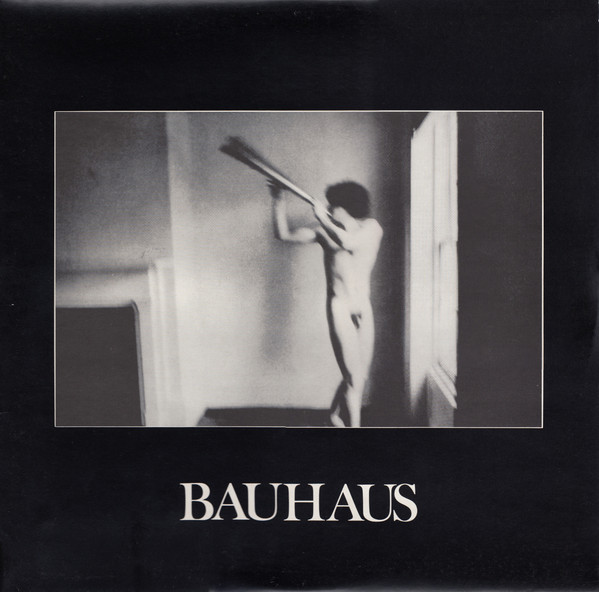
In The Flat Field
1980
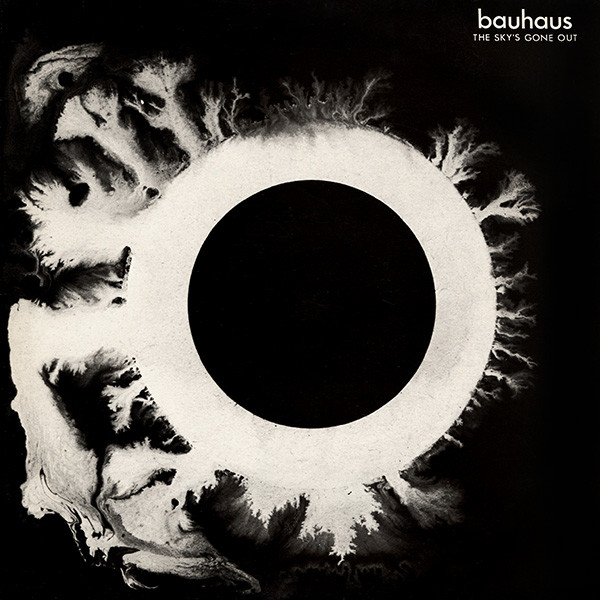
The Sky's Gone Out
1982
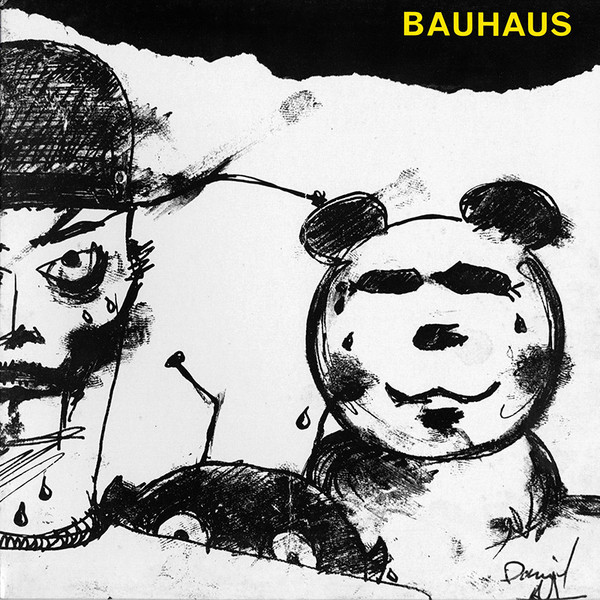
Mask
1981
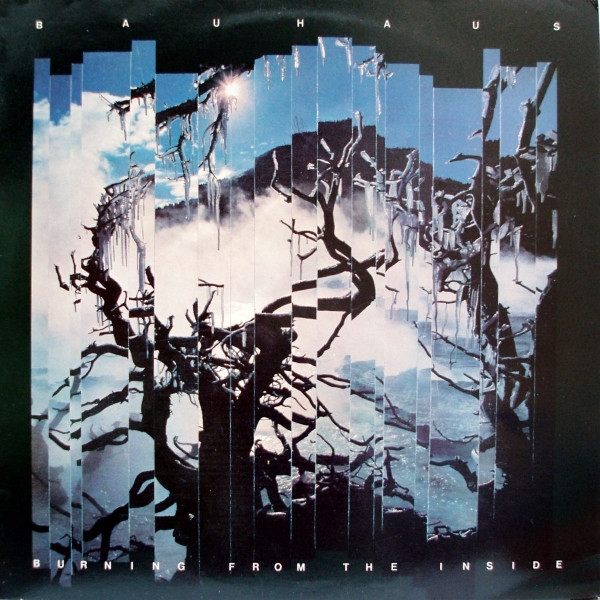
Burning From The Inside
1983
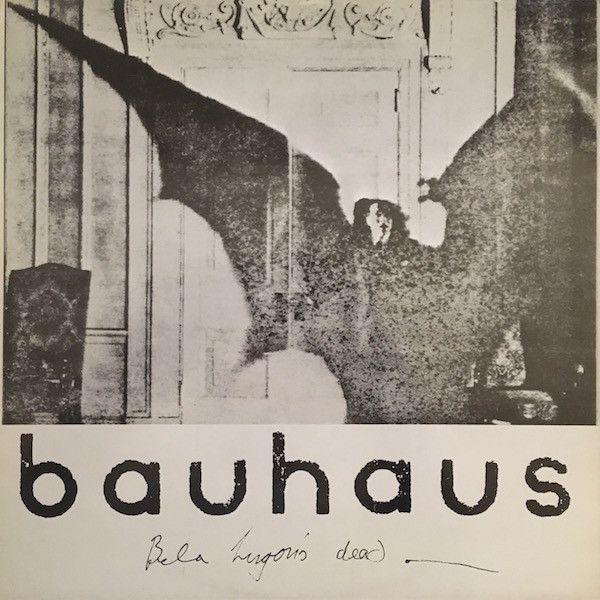
Bela Lugosi's Dead
1979

Press The Eject And Give Me The Tape
1982
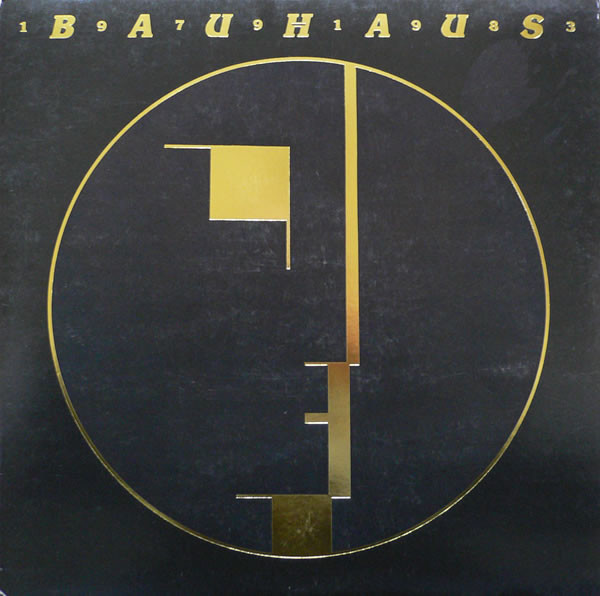
1979-1983
1985

She's In Parties
1983
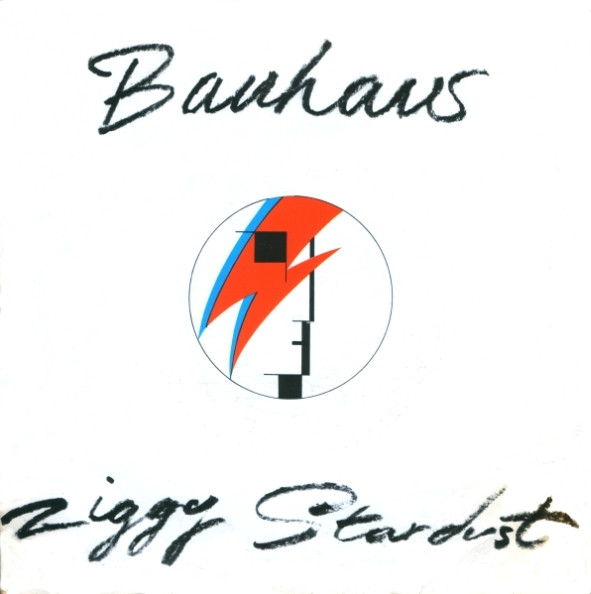
Ziggy Stardust
1982
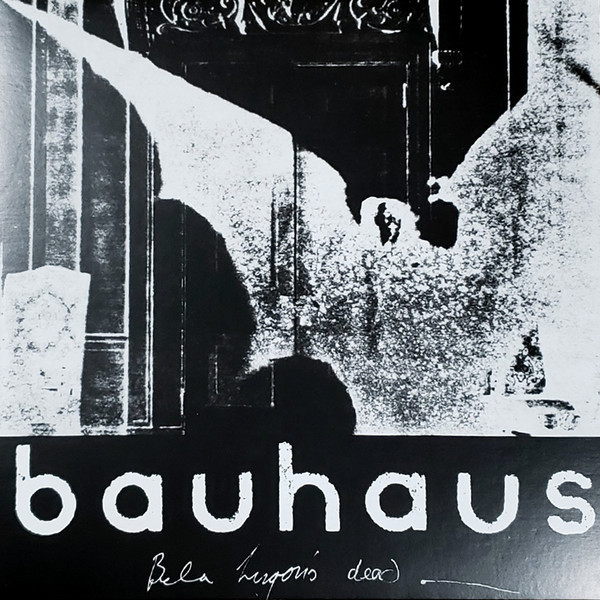
Bela Lugosi's Dead - The Bela Session
2018
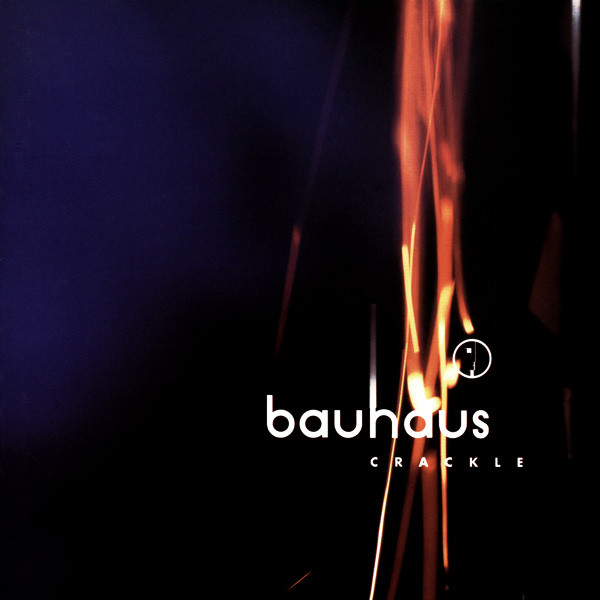
Crackle
1998
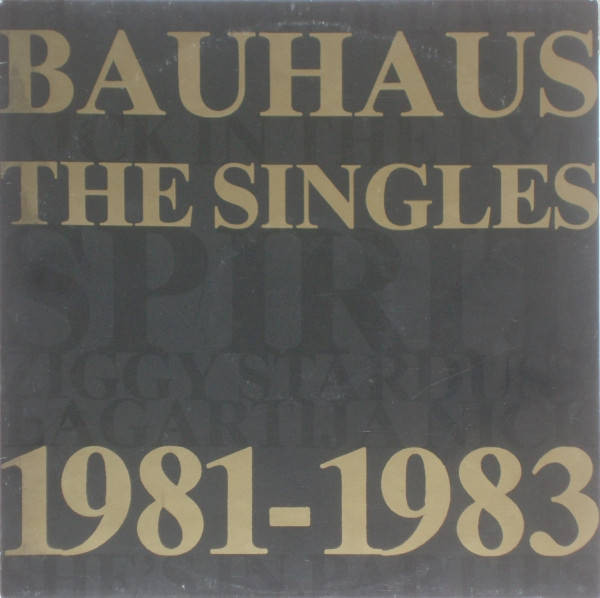
The Singles 1981-1983
1983
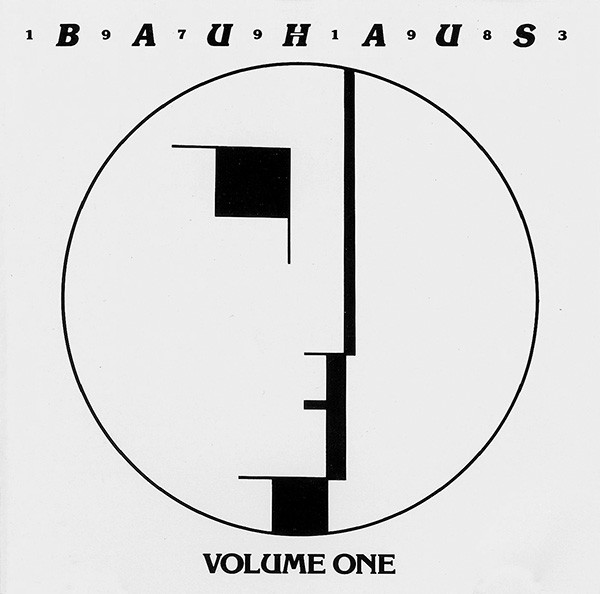
1979-1983 Volume One
1986

Swing The Heartache - The BBC Sessions
1989

1979-1983 Volume Two
1986

Lagartija Nick
1983
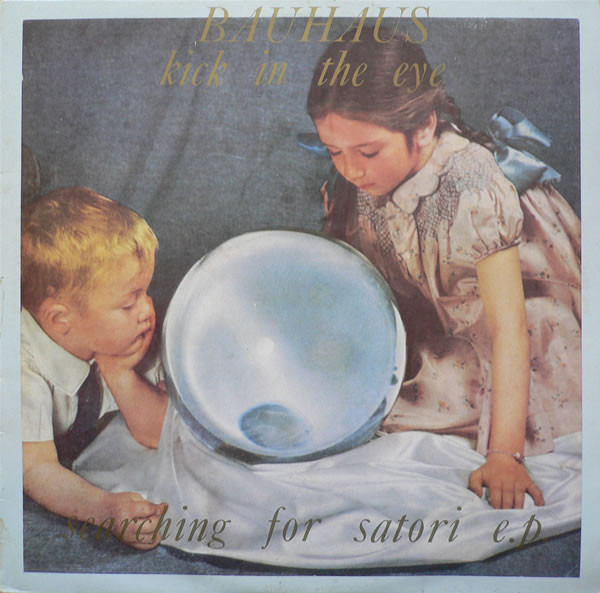
Kick In The Eye (Searching For Satori E.P.)
1982
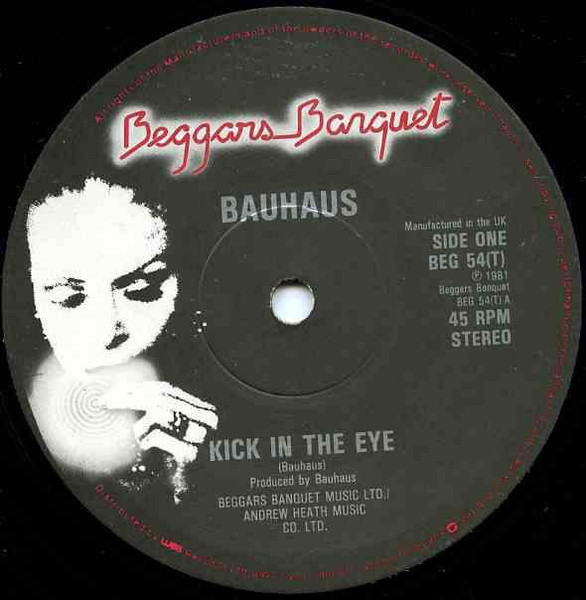
Kick In The Eye
1981

Telegram Sam
1980
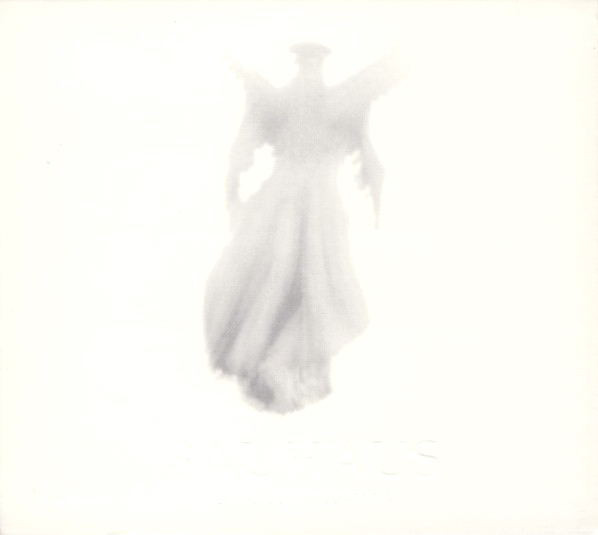
Go Away White
2008

Spirit
1982

The Passion Of Lovers
1981

Terror Couple Kill Colonel
1980

5 Albums
2013
Related artists
Around the web
Follow every record they touch.
Start your shelf and Gatefold tracks Bauhaus's new pressings, tour dates, and the whole discography — automatically.
Start your shelf →Free forever. Works with 10 records or 10,000.