Artist
Depeche Mode
Basildon, United Kingdom · Formed 1980
Depeche Mode is a music group from Basildon, United Kingdom, active since 1980. Their discography on Gatefold includes 24 records.

79
Albums tracked
1,311
In collections
1980
Since
Biography
Daniel Miller signed them to Mute Records because he saw four kids from Basildon using cheap monosynths like they were playing in a punk band. There was no MIDI, no sequencers, and no safety net—just three guys playing monophonic lines by hand while Dave Gahan sang over a backing track on a Teac four-track. When Vince Clarke bailed after the first record to go start Yazoo, everyone figured the band was dead. Instead, Martin Gore picked up the pen and turned a bubblegum pop outfit into a gloom-industrial powerhouse that managed to fill stadiums while singing about breathing on a dusty window pane. By the time they got to the nineties, the wheels were falling off. Gahan was living a heroin-soaked cliché in Los Angeles, and Alan Wilder—the only guy in the room who actually understood the gear—got fed up with the lack of credit and walked. They spent most of the 'Exciter' and 'Playing the Angel' years trying to figure out how to be a band without the guy who did all the heavy lifting in the studio. It was a mess for a minute, but they survived because Gore’s songwriting is built on a foundation of gospel and blues that can’t be killed by a bad drum machine choice or a mediocre mix.
Bio from The Clerk
The Arc of Depeche Mode
The pivots — what forced Depeche Mode to reinvent.
The Wilder Architecture
When Alan Wilder joined as a full-time member for Construction Time Again, he brought a Synclavier and a portable sampler into the fold. This shifted the band from simple synth-pop into a world of found-sound industrial clatter, where they spent days hitting corrugated iron and sampling the Hammersmith flyover. You hear the shift immediately in the metallic clank of Everything Counts. This was the era where they stopped being a boy band and started building the dark, layered atmospheres that defined the mid-eighties.
The Flood Gates
Bringing in producer Flood and photographer Anton Corbijn for Violator changed everything about their visual and sonic DNA. Flood pushed them to actually record as a band, introducing more live guitars and organic percussion to contrast with the cold electronics. Gore’s Gretsch guitar riff on Personal Jesus became the new anchor for their sound. It was the moment they perfected the balance between the warehouse rave and the arena rock show.
The Survivalist Duo
After Fletch passed away in 2022, Gore and Gahan had to record Memento Mori as a duo for the first time in their history. Working with James Ford and Marta Salogni, they leaned into a stripped-back, analog grit that felt more honest than anything they’d done since the nineties. The record sounds like a heavy sigh, full of distorted synthesizers and lyrics obsessed with mortality. It’s the sound of two guys realizing they are the only ones left to keep the machine running.
Influences
- Kraftwerk — Vince Clarke and Andy Fletcher famously saw them at the Hammersmith Odeon and decided to ditch their guitars the next day. You hear the rigid, sequenced precision in the early Basildon-era tracks like New Life. It's the blueprint for the 'man-machine' aesthetic they never fully abandoned.
- Fad Gadget — Frank Tovey was their label-mate and mentor on Mute, and they actually opened for him on their first real tours. His use of industrial found-objects and stage aggression showed them that synths didn't have to be polite. The clatter and grime of Black Celebration is a direct line back to Tovey's abrasive performances.
- David Bowie — Dave Gahan got the job as lead singer specifically because Vince Clarke heard him singing 'Heroes' at a jam session. Bowie’s Berlin-era experimentation with Iggy Pop informed the band's decision to move to Hansa Studios by the Wall to record their darkest material. Without Low, there is no Black Celebration.
- The Stooges — Martin Gore has consistently cited Iggy Pop as a primary influence on his songwriting approach and Gahan’s stage presence. You hear that raw, repetitive thrum in the darker corners of Songs of Faith and Devotion. It’s the filth underneath the digital polish.
- Roxy Music — The band has frequently cited Brian Eno's early synth treatments and Bryan Ferry's detached vocal style as a major touchstone. The lush, cinematic arrangements on Music for the Masses owe everything to the art-rock textures Eno pioneered. It's where they learned that a synthesizer could sound expensive and lonely at the same time.
Discography
Their records — most-collected first.
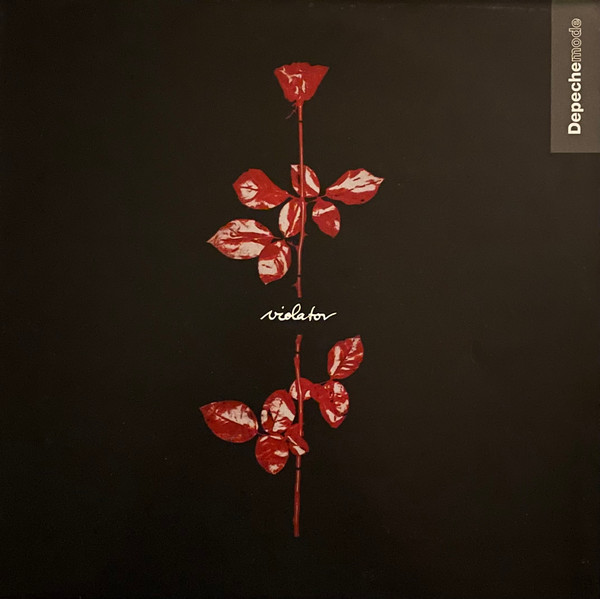
Violator
1990
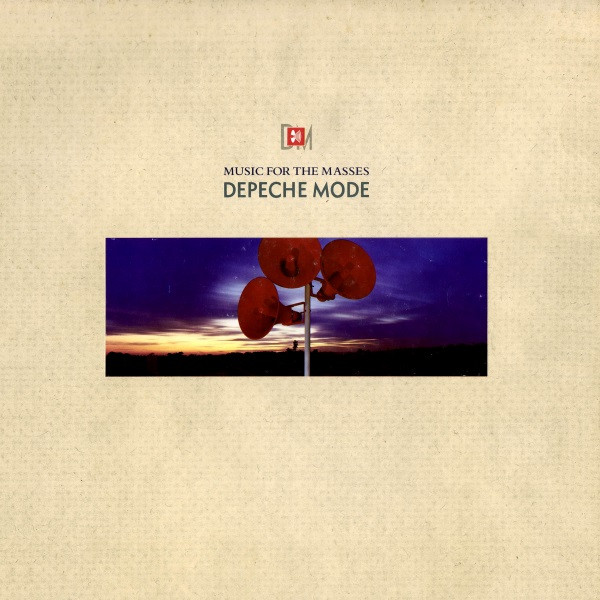
Music For The Masses
1987
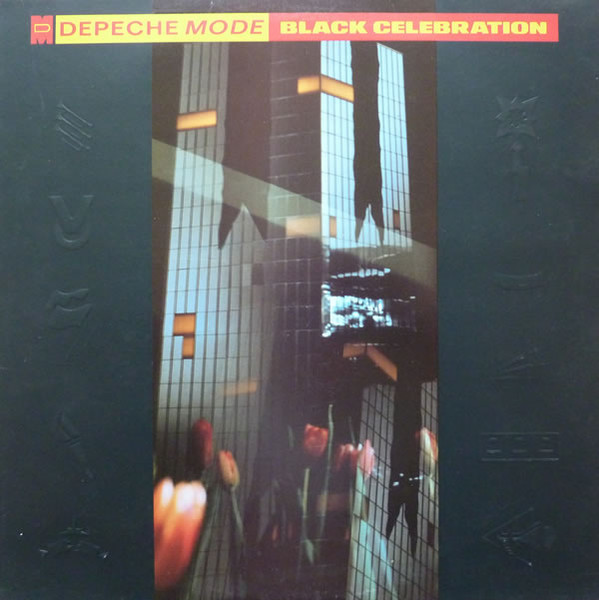
Black Celebration
1986
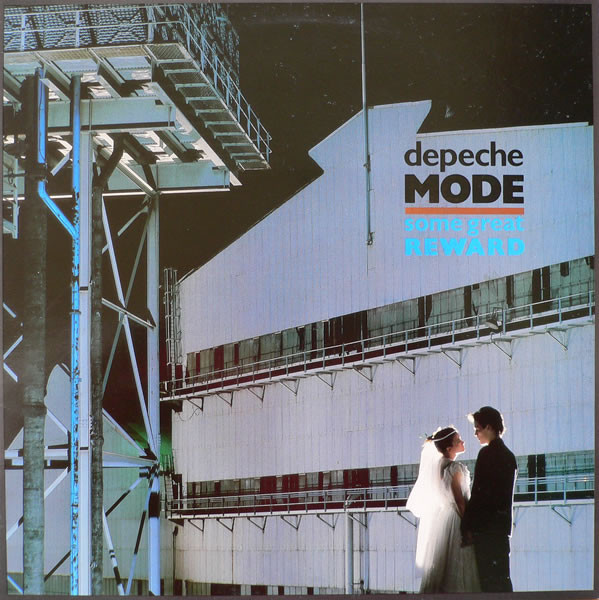
Some Great Reward
1984
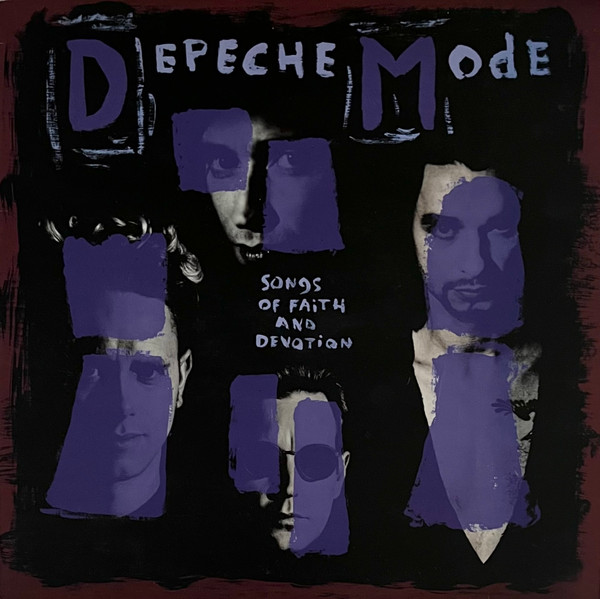
Songs Of Faith And Devotion
1993

Speak & Spell
1981
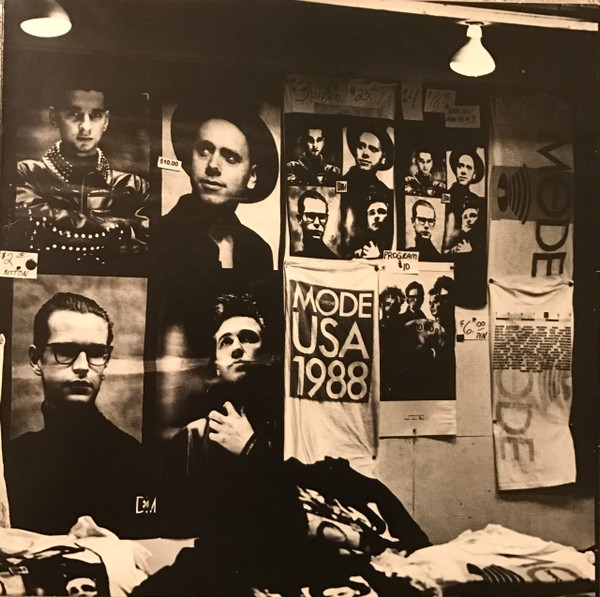
101
1988
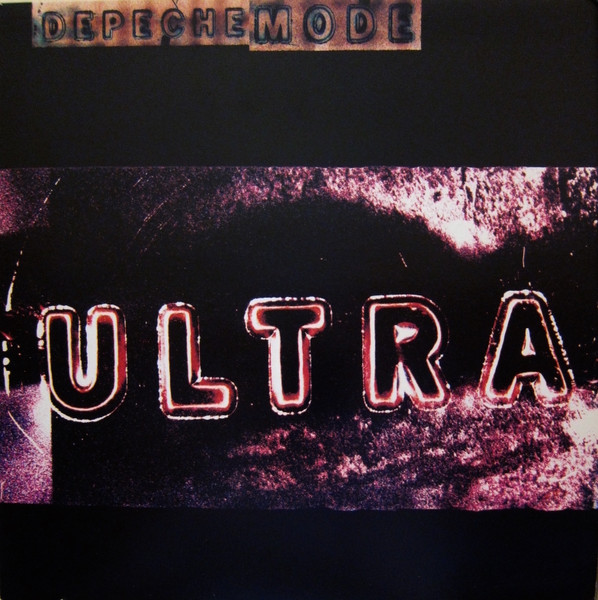
Ultra
1997
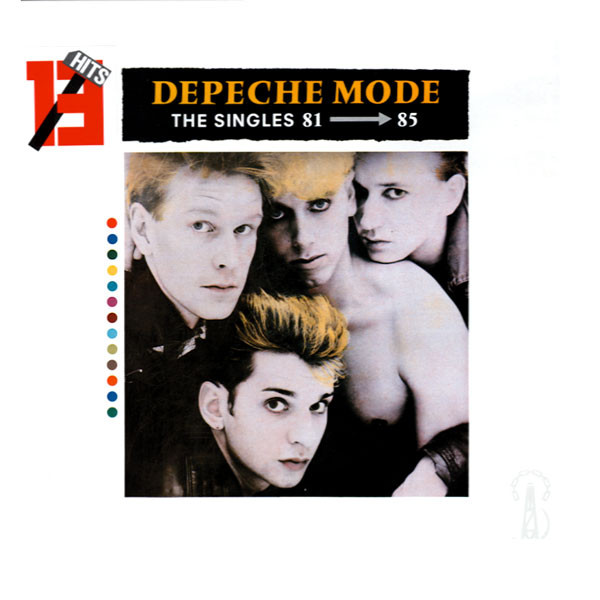
The Singles 81 → 85
1985
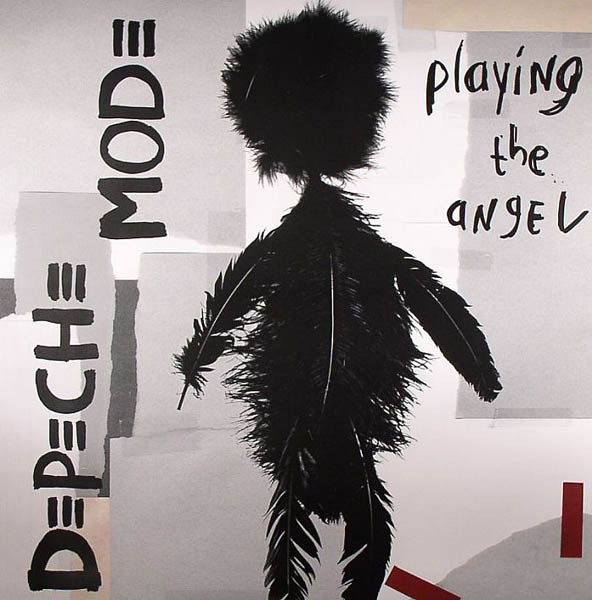
Playing The Angel
2005
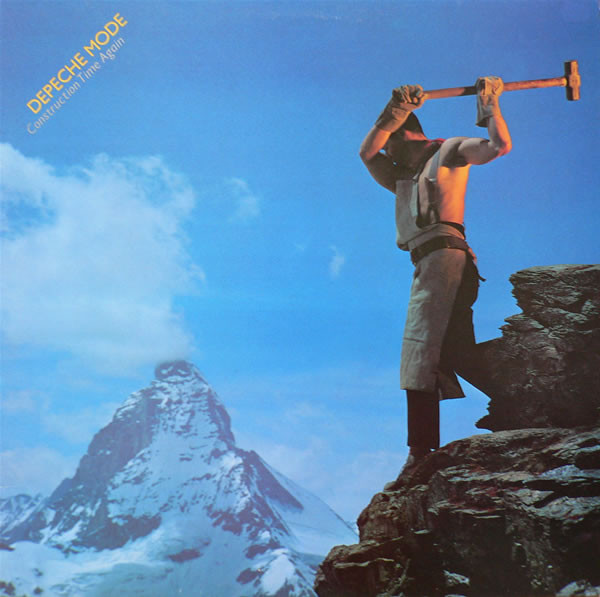
Construction Time Again
1983
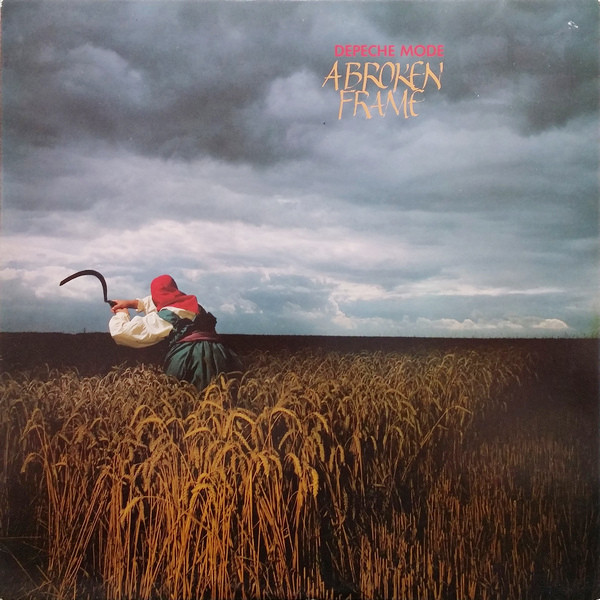
A Broken Frame
1982
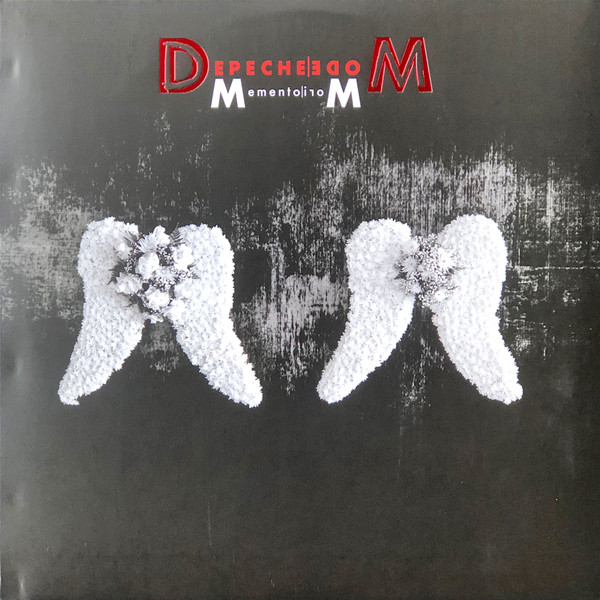
Memento Mori
2023

Exciter
2001

Sounds Of The Universe
2009
The Singles 86>98
1998
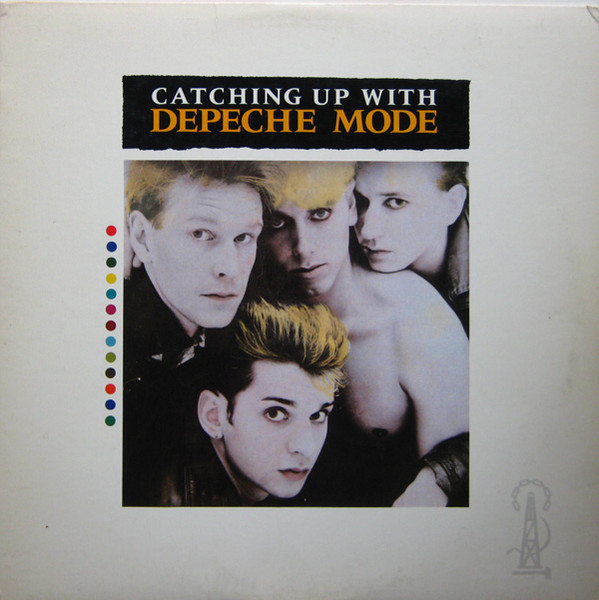
Catching Up With Depeche Mode
1985
Delta Machine
2013
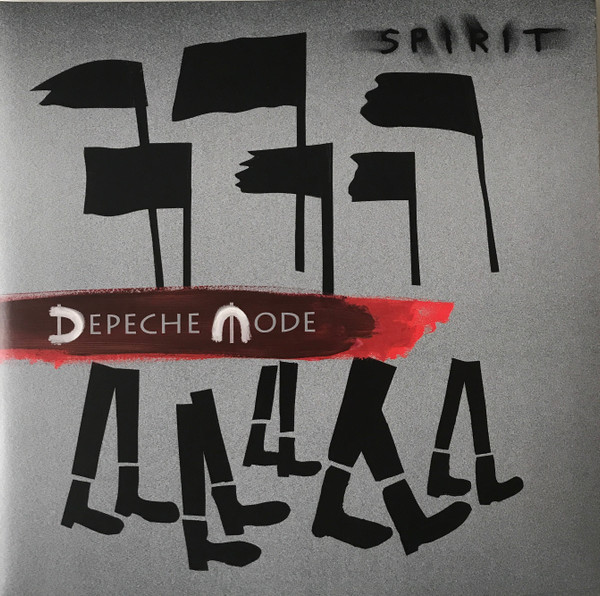
Spirit
2017
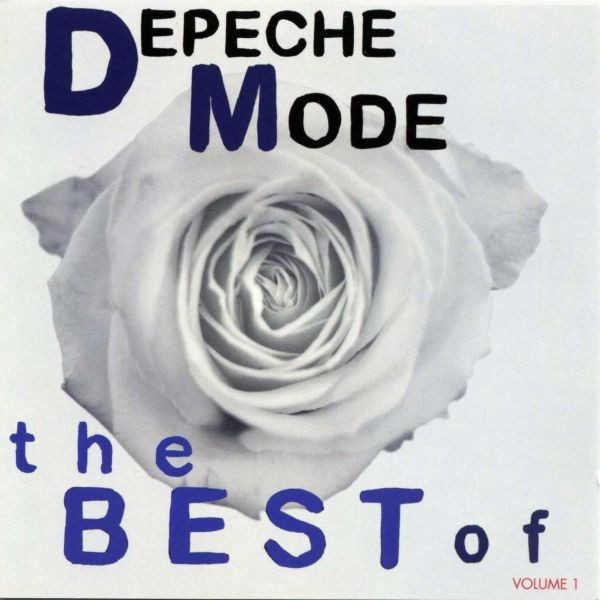
The Best Of (Volume 1)
2006

People Are People
1984
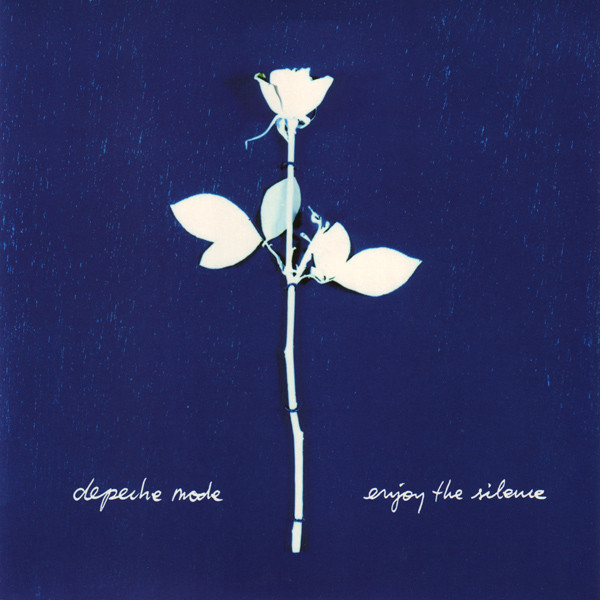
Enjoy The Silence
1990

Personal Jesus
1989

Strangelove
1987
Related artists
Frequent collaborators
Around the web
Follow every record they touch.
Start your shelf and Gatefold tracks Depeche Mode's new pressings, tour dates, and the whole discography — automatically.
Start your shelf →Free forever. Works with 10 records or 10,000.