
Artist
David Bowie
English singer‐songwriter
Brixton, United Kingdom · 1947 – 2016
David Bowie is a musician from Brixton, United Kingdom, active 1947–2016. Their discography on Gatefold includes 24 records. They also recorded with Tin Machine and The Manish Boys.

110
Albums tracked
3,256
In collections
1947
Since
Biography
Bowie walked into Trident Studios in '71 with a pile of songs that didn't fit together and a band that was essentially a heavy metal power trio. Rick Wakeman was sitting there on a session fee playing a Bechstein piano while Bowie tried to explain how to turn a folk tune into 'Life on Mars?' It was the moment he stopped being a mod-wannabe and realized he could treat personas like disposable camera lenses. The guy was a sponge for high-concept bullshit and street-level grit, and for about fifteen years, he didn't miss. Then the '80s hit and he got addicted to being a stadium act. He hired Nile Rodgers to make 'Let’s Dance' which was a slick, brilliant move, but then he spent years chasing that same dragon until he was basically a cabaret act in a suit. He eventually had to form Tin Machine just to remind himself how to be in a loud, messy band before he could get his dignity back. He ended it on the most cold-blooded flex in music history—recording an entire album about his own death while the world thought he was just being reclusive, then dropping it two days before he checked out.
Bio from The Clerk
The Arc of David Bowie
The pivots — what forced David Bowie to reinvent.
The Spiders from Mars
He took Mick Ronson’s Les Paul crunch and paired it with a wardrobe that looked like it was stolen from a kabuki theater. This wasn't just a costume change; it was a total rejection of the 'authentic' hippie era in favor of something artificial and loud. You hear it in the way 'Moonage Daydream' shifts from a space-age freakout to a bar-room stomp. It forced every other rocker in London to decide if they were going to stay in denim or start wearing makeup.
The Plastic Soul Experiment
He ditched the rock gods and went to Sigma Sound in Philly to record with Carlos Alomar and a young Luther Vandross. He was living on peppers, milk, and cocaine, looking like a ghost while trying to sing like a soul man. 'Young Americans' isn't a tribute—it’s a weird, skeletal take on R&B that shouldn't work. The result was a sound so thin and sharp it made the actual funk charts feel crowded.
The Berlin Decompression
Fleeing LA before he died of a heart attack or a paranoia trip, he moved into an apartment over an auto shop in Schöneberg with Iggy Pop. He brought in Brian Eno and Tony Visconti to treat the studio like a laboratory, using EMS Synthi AKS synthesizers to create ambient washes. 'Low' and '“Heroes”' weren't just albums; they were attempts to reinvent music using jagged instrumentals and krautrock motorik beats. You hear the despair and the cold European winter in every gated snare hit.
Influences
- Little Richard — Bowie saw 'The Girl Can't Help It' in '56 and said he 'saw God' in the saxophone section. You hear that frantic, R&B-soaked energy in his early work with The King Bees and his lifelong obsession with the baritone sax. It’s the DNA of his entire stage presence.
- The Velvet Underground — He got an advance copy of their debut in '66 from his manager and immediately started covering 'I'm Waiting for the Man' with The Buzz. He took Lou Reed’s street-hustler poetry and injected it into the Ziggy Stardust narrative. Without the Velvets, Bowie stays a cabaret singer.
- Anthony Newley — His early vocal style was a direct, almost embarrassing imitation of Newley’s theatrical, cockney-accented delivery. Listen to 'Laughing Gnome' or anything on his '67 debut and the influence is inescapable. He eventually masked it, but that drama-school vibrato never really left his voice.
- Vince Taylor — Taylor was a British rock and roller who had a nervous breakdown and started claiming he was a biblical deity on stage. Bowie met him in London and used Taylor’s true-life mental collapse as the primary blueprint for the Ziggy Stardust character. It gave the glitter and makeup a necessary edge of real-world tragedy.
- The Legendary Stardust Cowboy — Bowie actually borrowed the 'Stardust' moniker from this outsider musician on the Mercury label. He was obsessed with the guy’s frantic, unhinged approach to performance. It was a calculated move to steal a name from a weirdo nobody else was paying attention to.
David Bowie — solo
Their records — most-collected first.

The Rise And Fall Of Ziggy Stardust And The Spiders From Mars
1972
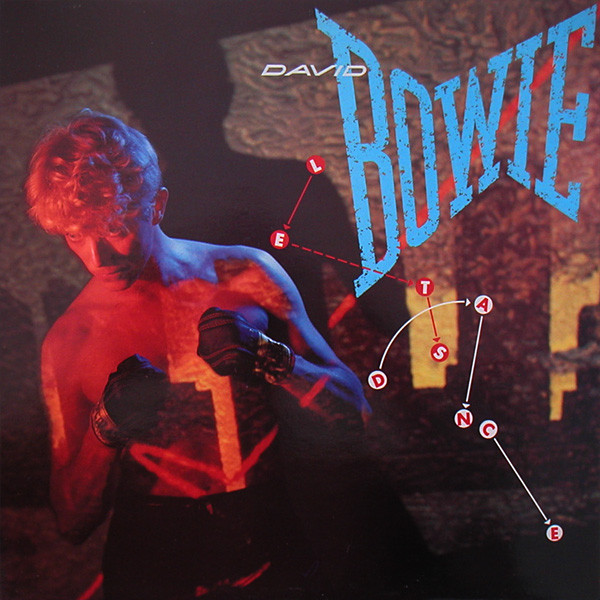
Let's Dance
1983
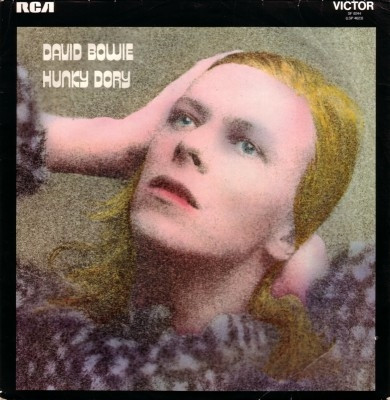
Hunky Dory
1971
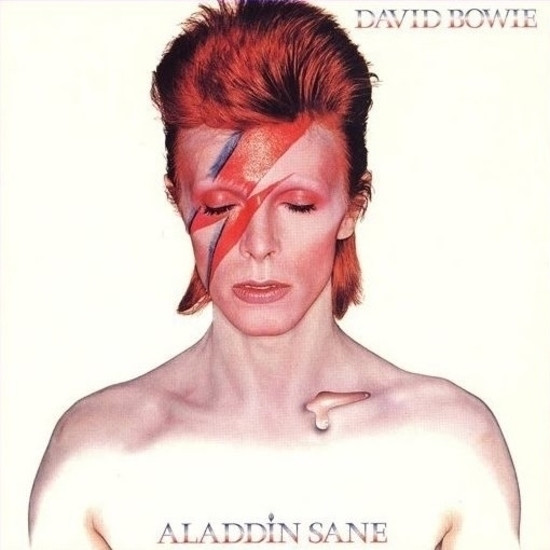
Aladdin Sane
1973
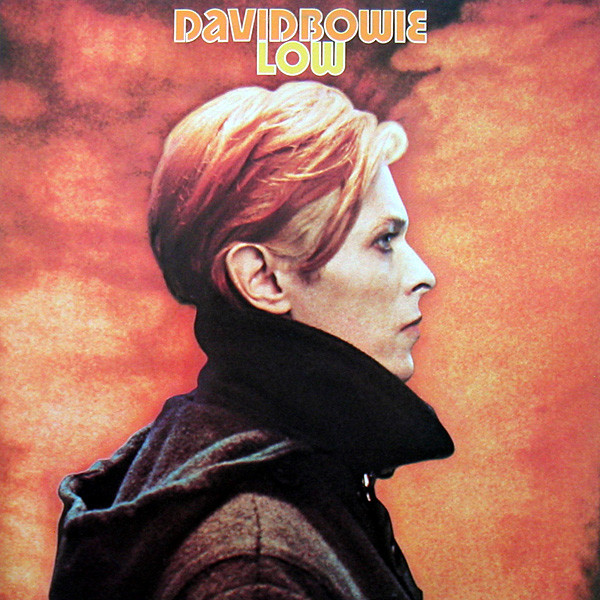
Low
1977
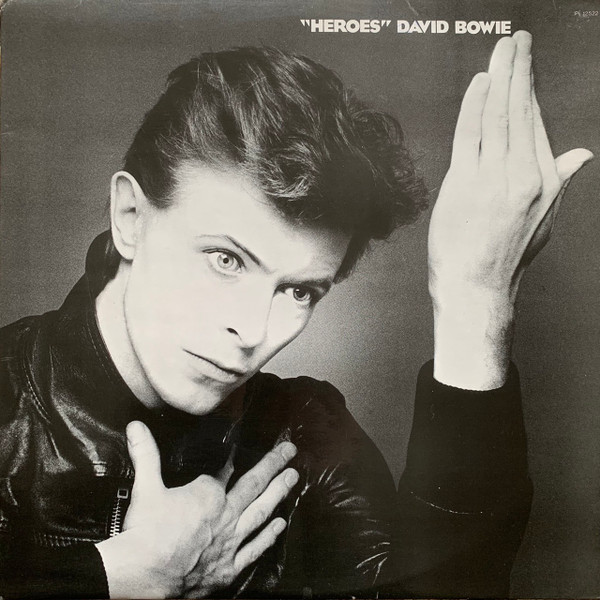
"Heroes"
1977

Young Americans
1975
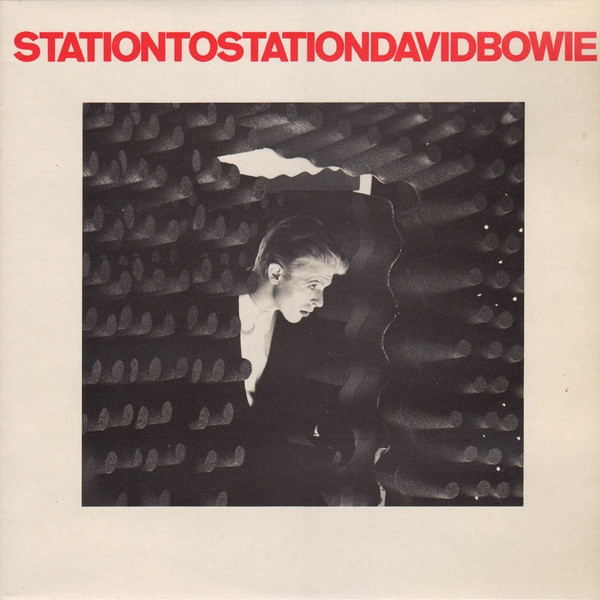
Station To Station
1976
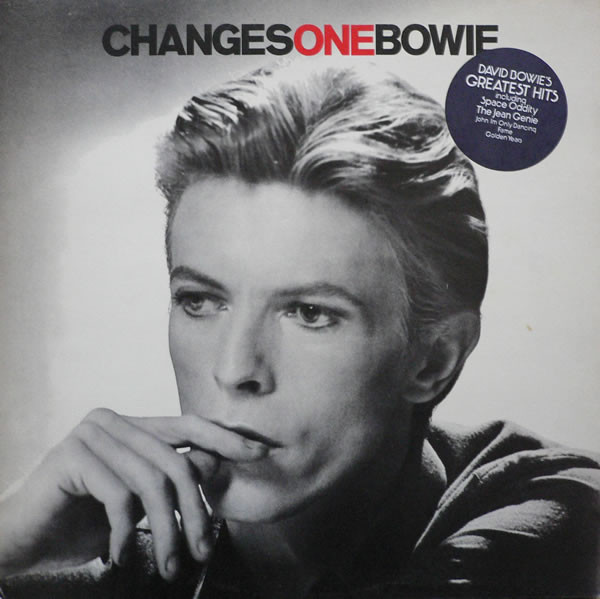
ChangesOneBowie
1976
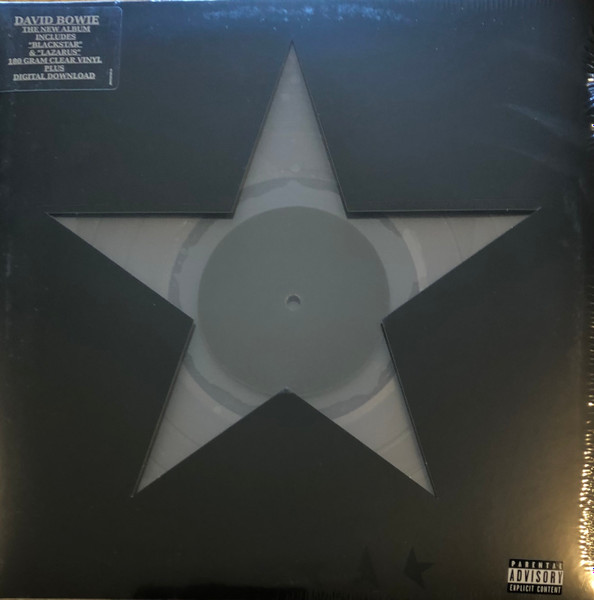
★ (Blackstar)
2016
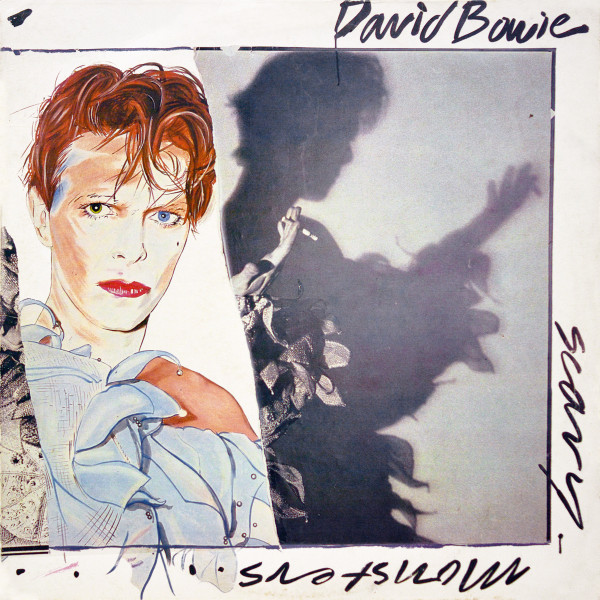
Scary Monsters
1980
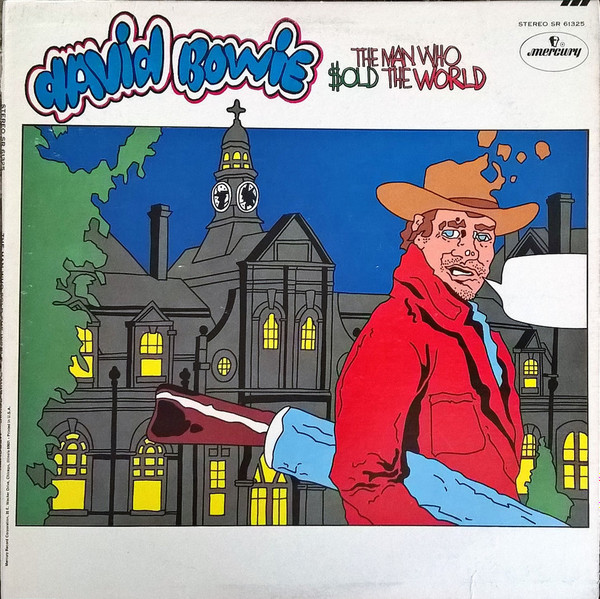
The Man Who Sold The World
1970
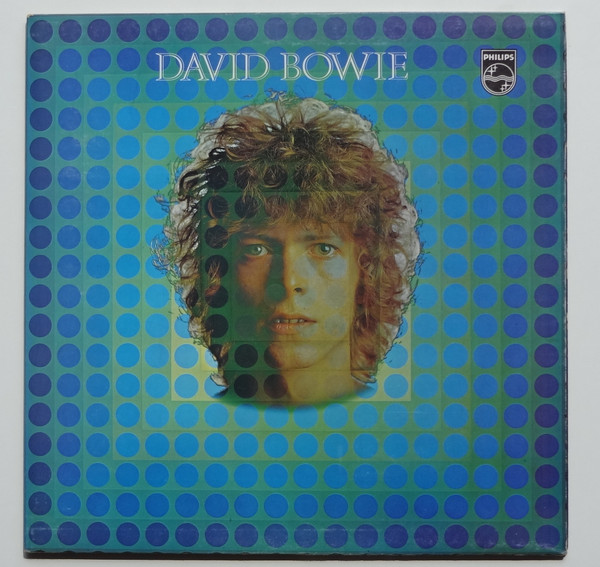
David Bowie
1969
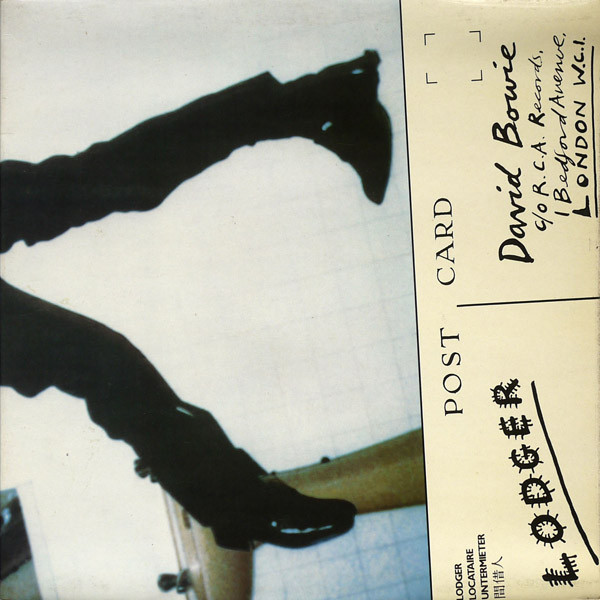
Lodger
1979
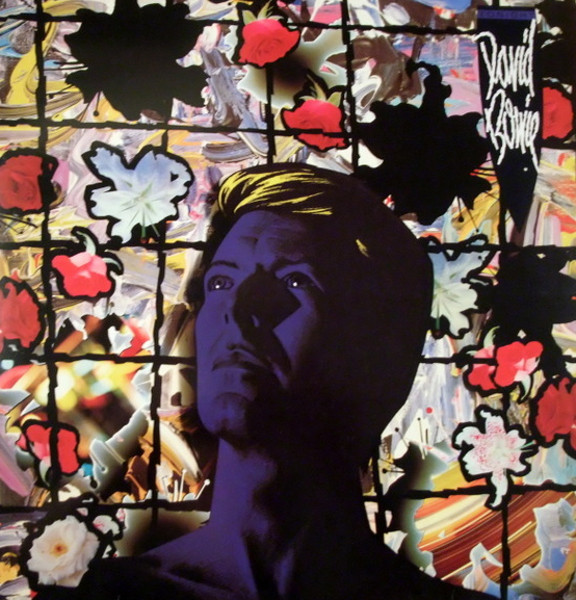
Tonight
1984
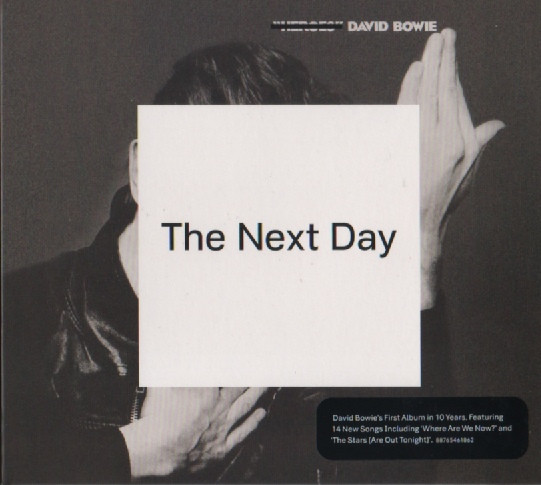
The Next Day
2013
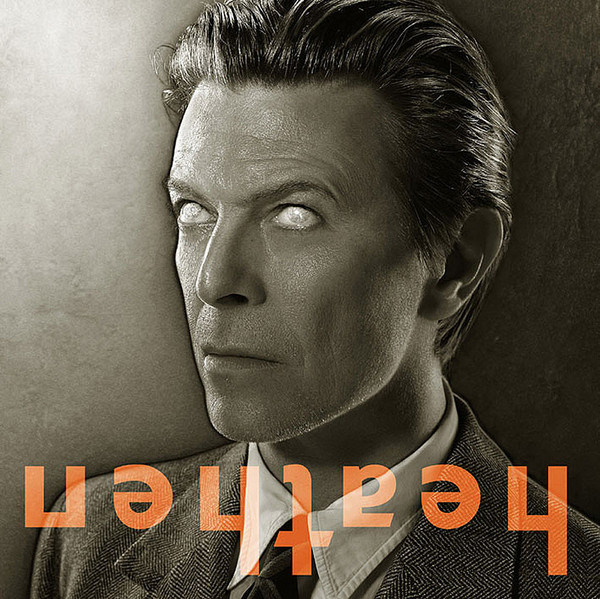
Heathen
2002
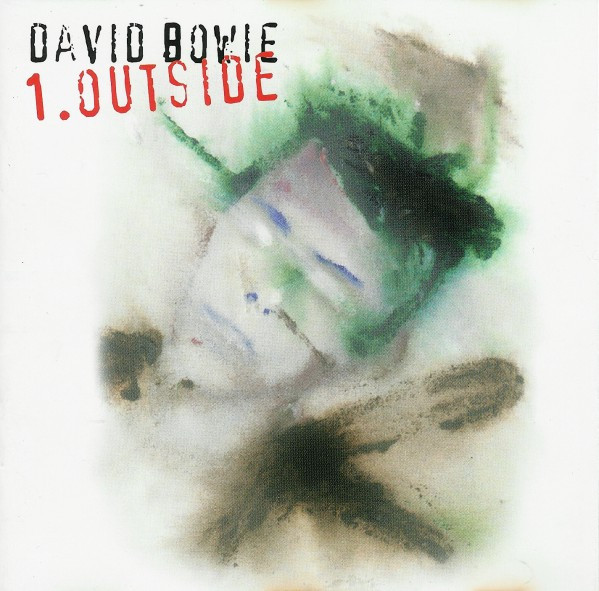
1. Outside (The Nathan Adler Diaries: A Hyper Cycle)
1995

David Live
1974
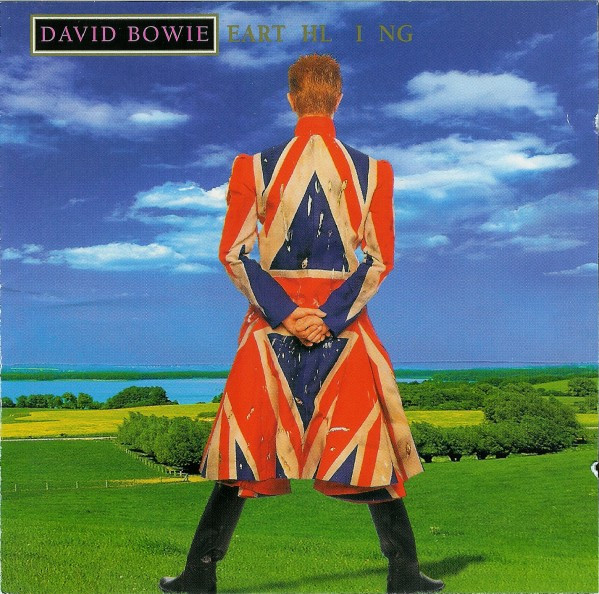
Earthling
1997

Reality
2003
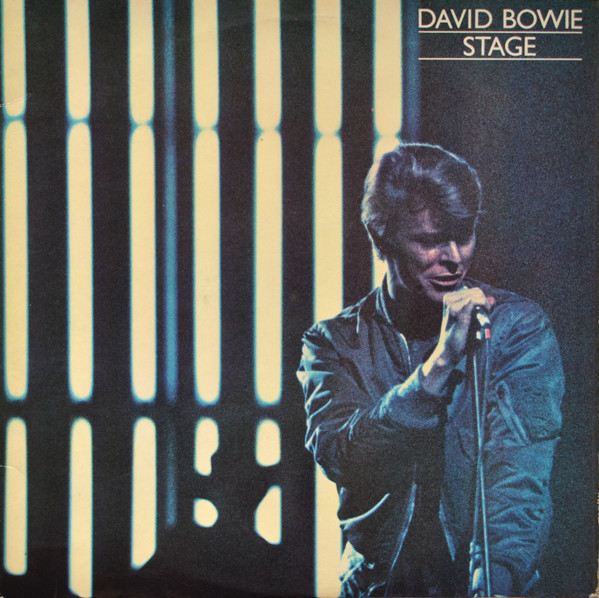
Stage
1978

Never Let Me Down
1987
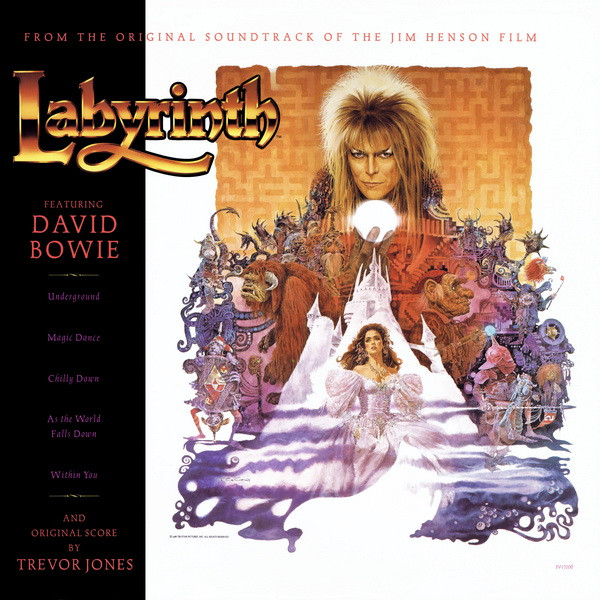
Labyrinth (From The Original Soundtrack Of The Jim Henson Film)
1986
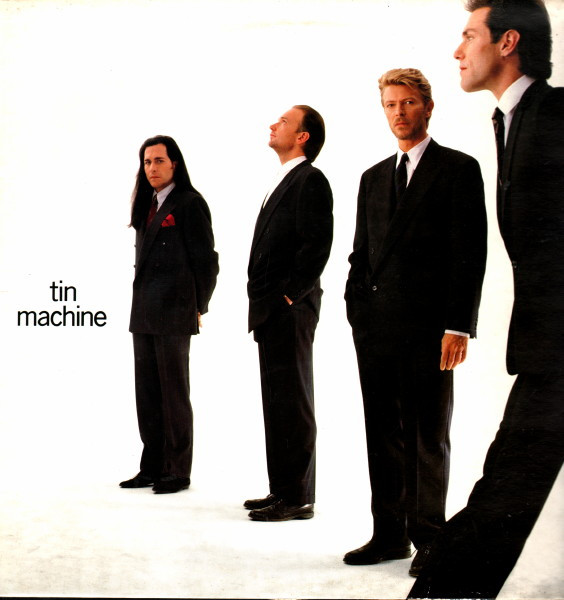
Tin Machine
A project David Bowie was part of.
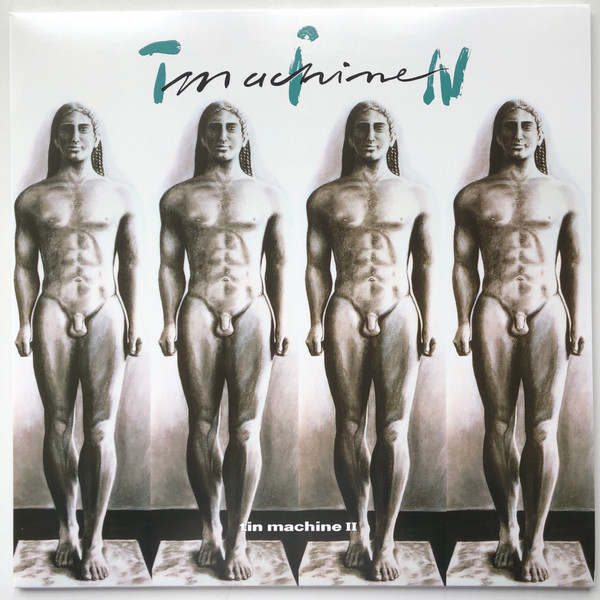
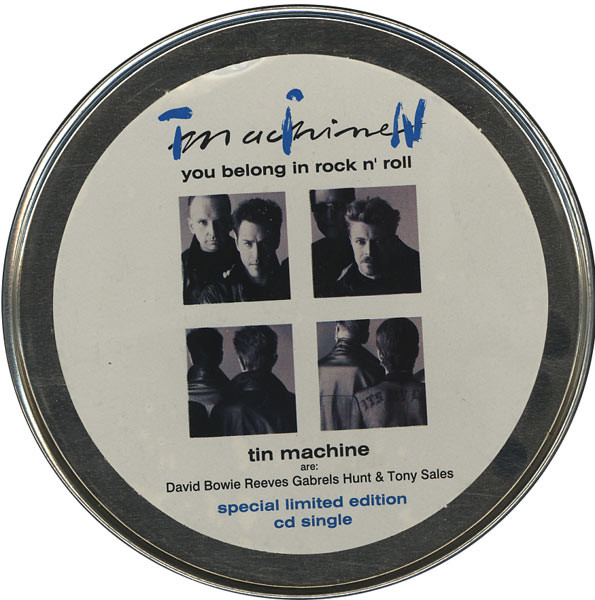


The Manish Boys
A project David Bowie was part of.

Related artists
More projects
Frequent collaborators
Around the web
Follow every record they touch.
Start your shelf and Gatefold tracks David Bowie's new pressings, tour dates, and the whole discography — automatically.
Start your shelf →Free forever. Works with 10 records or 10,000.