
Artist
Iggy Pop
Muskegon, United States · b. 1947
Iggy Pop is a musician from Muskegon, United States, active since 1947. Their discography on Gatefold includes 24 records. They also recorded with Iggy and The Stooges, The Stooges and The Iguanas.

111
Albums tracked
808
In collections
1947
Since
Biography
The Stooges recorded Fun House at Elektra Sound Recorders in LA by setting up like a live gig, no baffles, with Iggy screaming into a handheld Shure SM58 because he couldn’t perform behind a vocal booth glass. He was a drummer first, and you can hear it in how he treats his voice like a rhythmic blunt object rather than a melodic instrument. The guy survived the total collapse of the Detroit scene, a heroin addiction that should have buried him by '74, and a stint in a mental institution where David Bowie was the only one showing up with bags of contraband and a plan to get him to Berlin. He spent the 80s and 90s bouncing between trying to be a chart-topping pop star on A&M and falling back on the 'Godfather of Punk' tag when the checks stopped clearing. For every heavy-hitter like Lust for Life, there’s a total head-scratcher like Party or the mid-90s slump where he sounded like he was parodying himself. But then he’ll drop something like Post Pop Depression or American Caesar and remind you that when he’s bored or desperate, he’s still the most dangerous person in the room. He doesn't do 'legacy' gracefully; he does it by outliving every single person who tried to fix him.
Bio from The Clerk
The Arc of Iggy Pop
The pivots — what forced Iggy Pop to reinvent.
The Detroit Destruction
The Stooges were a failed garage band until John Cale showed up to produce their debut, stripping away the psych-rock fluff and leaving only the primitive thud. By the time they hit Fun House with Don Gallucci, they were essentially a free-jazz unit disguised as a biker gang, prioritizing the physical air movement of the amps over traditional song structure. This era died when the band's collective heavy-drug use outpaced the sales of the records, leaving Iggy adrift in LA without a label or a pulse.
The Berlin Resurrection
David Bowie dragged a semi-coherent Iggy to Château d'Hérouville and Hansa Studios to reinvent him as a European art-rocker. Working with Tony Visconti and Brian Eno, they traded the distorted guitars for the 'motorik' beat and cold, Hansa-room-reverb synths on The Idiot and Lust for Life. You hear the shift in his delivery—he stopped screaming and started using a low, menacing croon that sounded like a man watching the world end from a dark corner of a nightclub.
The Arista Pop Hustle
Signed to Arista in '79, the label tried to polish the rough edges by pairing him with producers like Pat Moran and even former Stooge James Williamson in a suit. Records like New Values and Soldier attempted to find a middle ground between New Wave precision and Iggy’s inherent chaos, but the result was often a confused tug-of-war. The label wanted radio hits, but Iggy was still too volatile for the FM dial, leading to a commercial frustration that defined his early 80s output.
The Desert Reclamation
After years of major-label cycling, Josh Homme stepped in to record Post Pop Depression in total secrecy at Rancho De La Luna with Dean Fertita and Matt Helders. They used a bare-bones, analog approach to recapture the grit of the Berlin days without the 80s gloss. It’s the sound of an elder statesman finally leaning into his age, trading the shirtless stage-diving energy for a heavy, desert-rock groove that feels earned rather than forced.
Influences
- The Doors — Iggy famously watched Jim Morrison at a 1967 University of Michigan gig and realized he didn't need to actually 'sing' to command a room. You hear it in the confrontational, poetic rambling he injected into the Stooges' early jam sessions. He basically took Morrison's lizard-king lizard brain and stripped away the pretension.
- James Brown — Iggy has repeatedly cited Brown's Live at the Apollo as the blueprint for his stage endurance and rhythmic timing. Even at his most drugged-out, his cues to the band were precise, mirroring Brown's drill-sergeant leadership over the J.B.'s. It’s the soul-shouter energy applied to a Marshall stack.
- Mick Jagger — Before the Stooges, Iggy was obsessed with the early Stones' aggressive take on Chicago blues. You hear Jagger's sneer all over the 1969 debut, especially in the way he stretches out vowels to sound bored and dangerous at the same time. It’s the 'Satisfaction' attitude pushed through a Detroit metal-stamping plant.
- Little Richard — The raw, unhinged vocal distorted by a cheap mic is a direct line from Little Richard’s Specialty Records era. Iggy's high-pitched shrieks on tracks like 'T.V. Eye' are just the punk-rock version of Richard's 'Wooo!' It’s about the sheer physical release of the scream rather than the note.
- Howlin' Wolf — Iggy spent his early years in Chicago learning blues drums and obsessed over Wolf’s gravel-pit vocal texture. You hear that floor-vibrating baritone on the Bowie-produced records, where Iggy drops his voice into a menacing, guttural register. It’s the sound of a man who knows he’s the biggest wolf in the room.
Iggy Pop — solo
Their records — most-collected first.
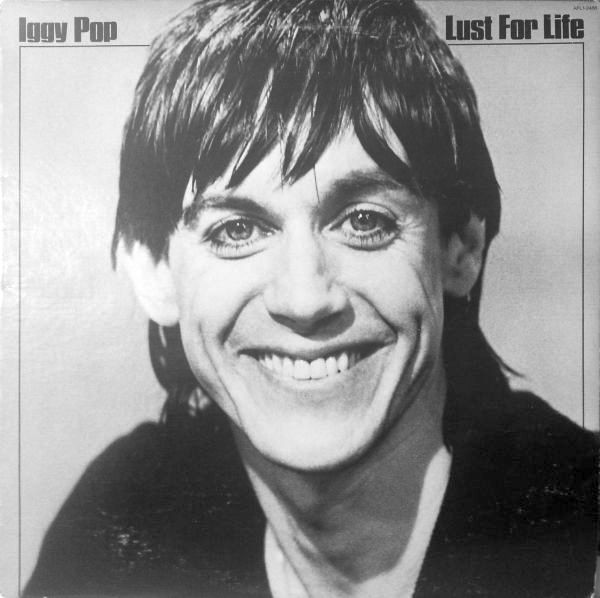
Lust For Life
1977
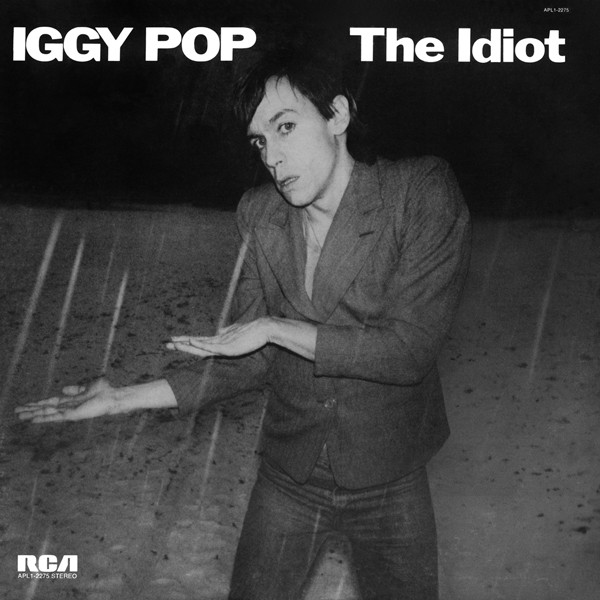
The Idiot
1977
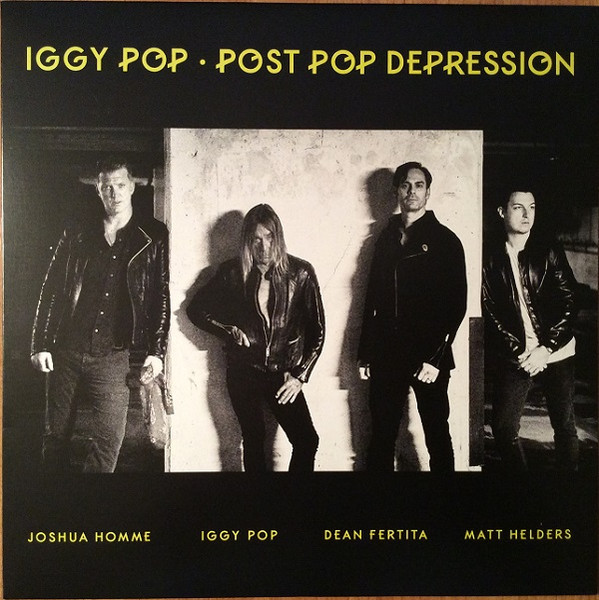
Post Pop Depression
2016

Blah-Blah-Blah
1986

Every Loser
2023

Zombie Birdhouse
1982

New Values
1979

Kill City
1977
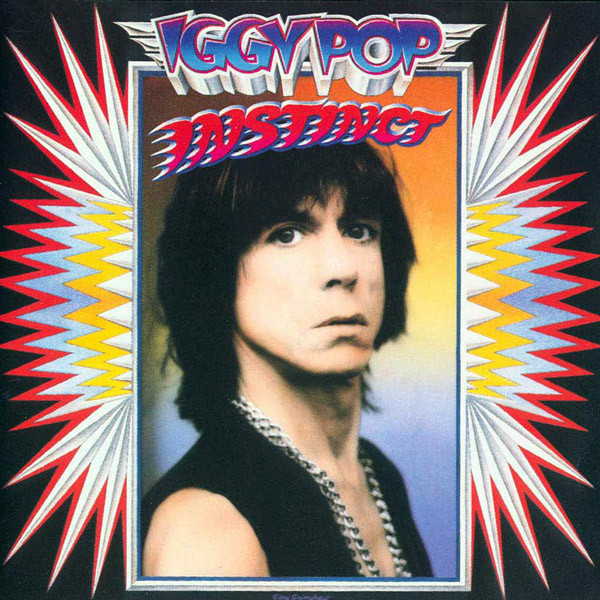
Instinct
1988
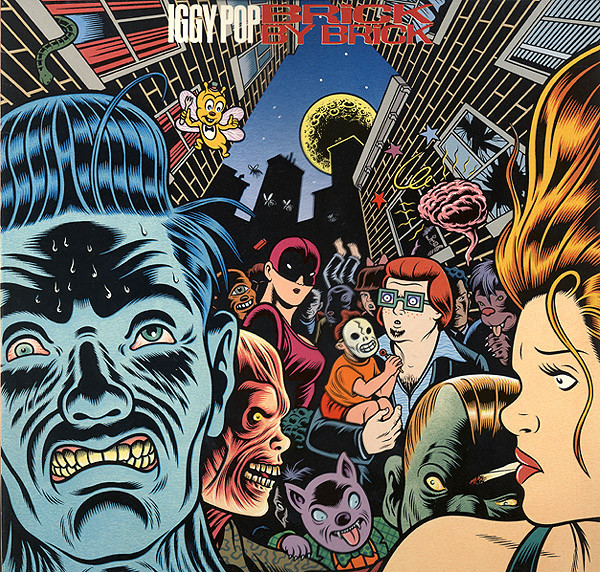
Brick By Brick
1990
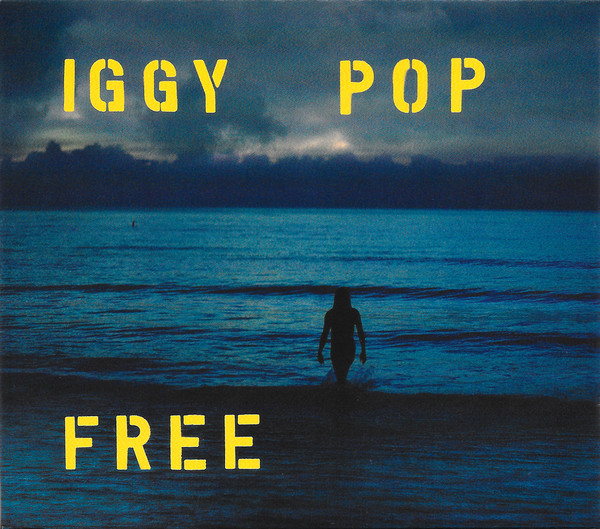
Free
2019

Soldier
1980
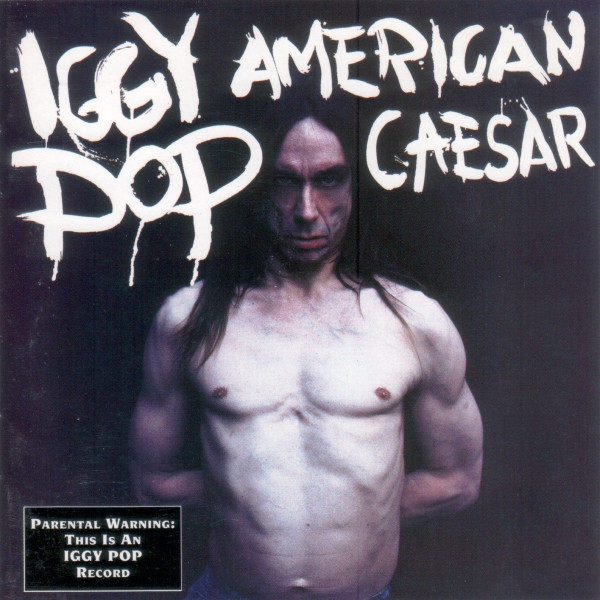
American Caesar
1993

Jesus, This Is Iggy
1991
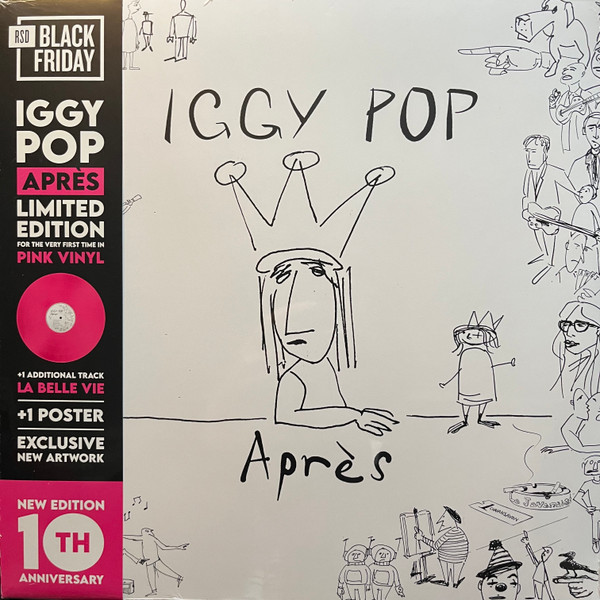
Après
2012
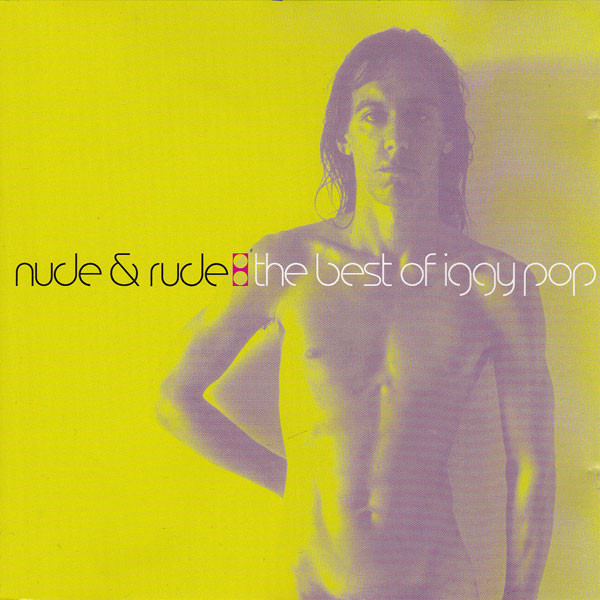
Nude & Rude: The Best Of Iggy Pop
1996
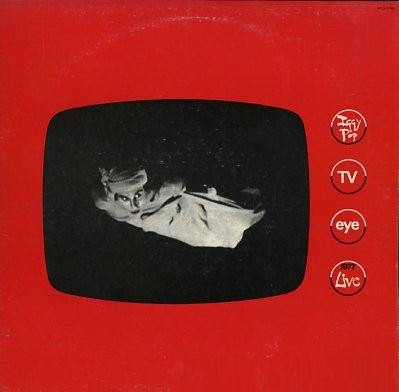
TV Eye 1977 Live
1978
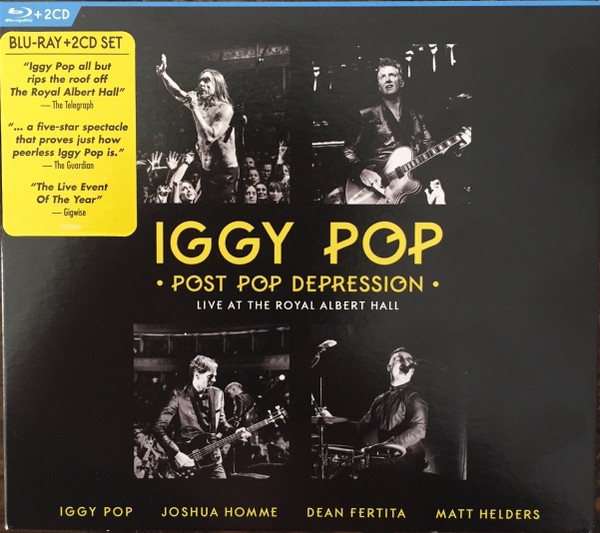
Post Pop Depression - Live At The Royal Albert Hall
2016
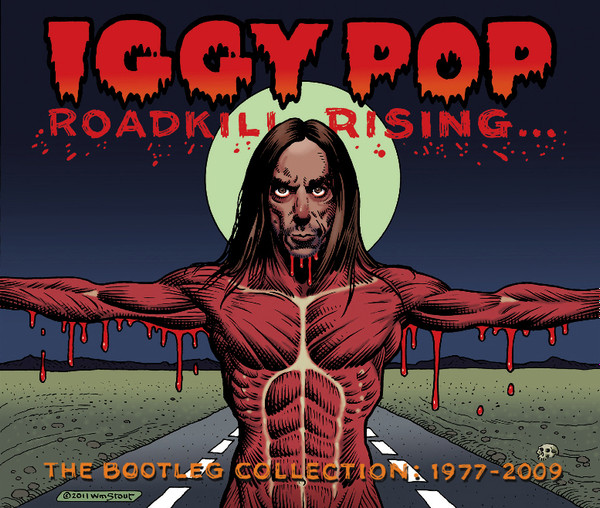
Roadkill Rising… - The Bootleg Collection: 1977-2009
2011
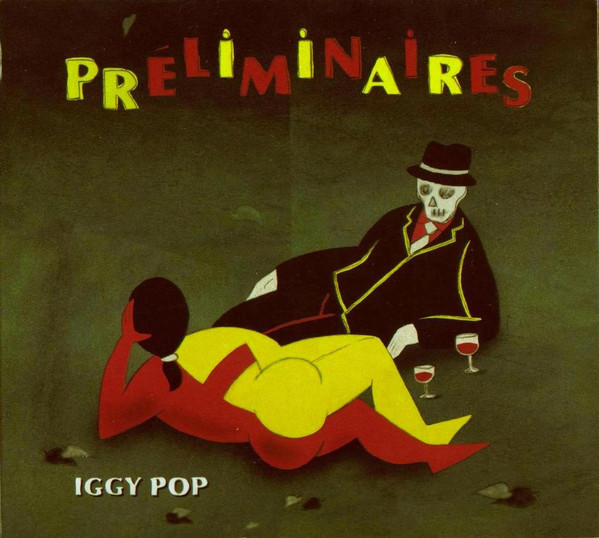
Préliminaires
2009
A Million In Prizes: The Anthology
2005

Skull Ring
2003
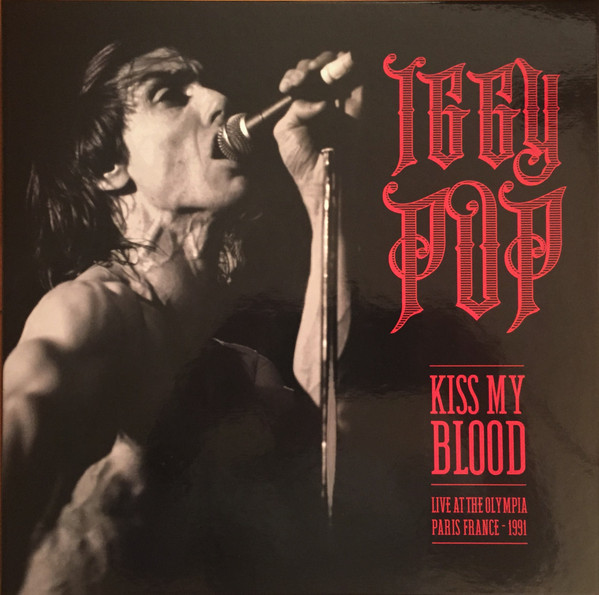
Kiss My Blood Live At The Olympia, Paris 1991
1991
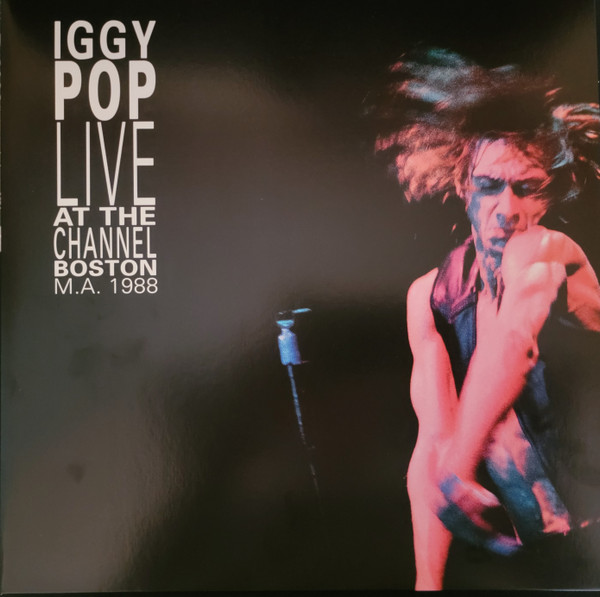
Live At The Channel 7-19-88
1989
Iggy and The Stooges
Iggy Pop under another name — MusicBrainz marks this project eponymous.
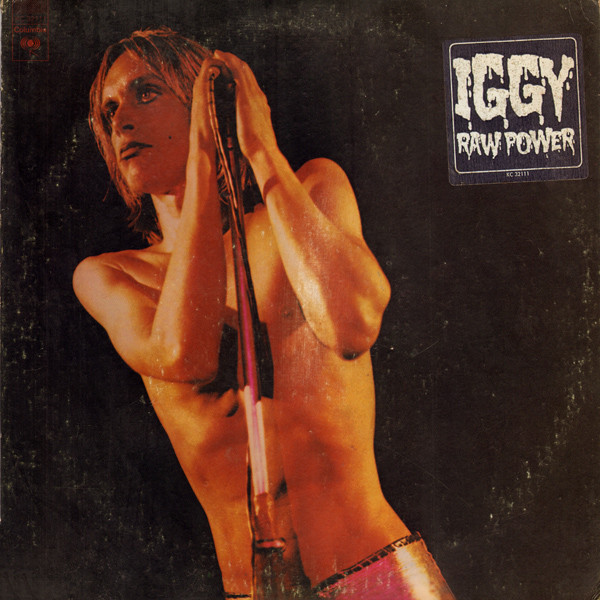
Raw Power
1973

Metallic 'KO
1976
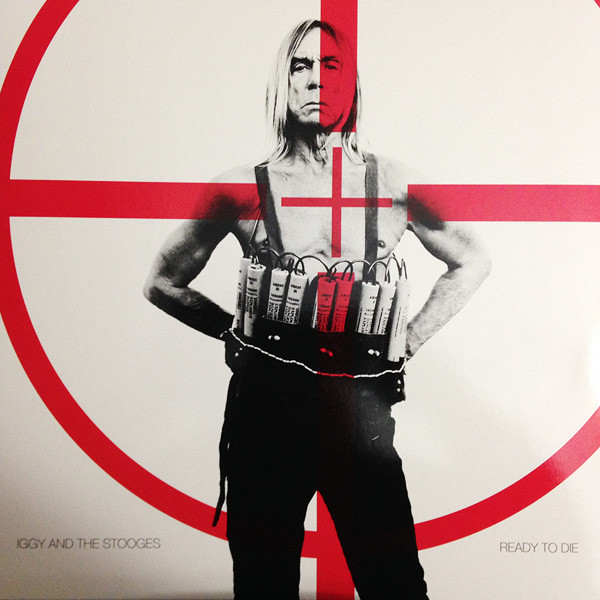
Ready To Die
2013

Escaped Maniacs
2007

I'm Sick Of You!
1977

Scene Of The Crime
2022
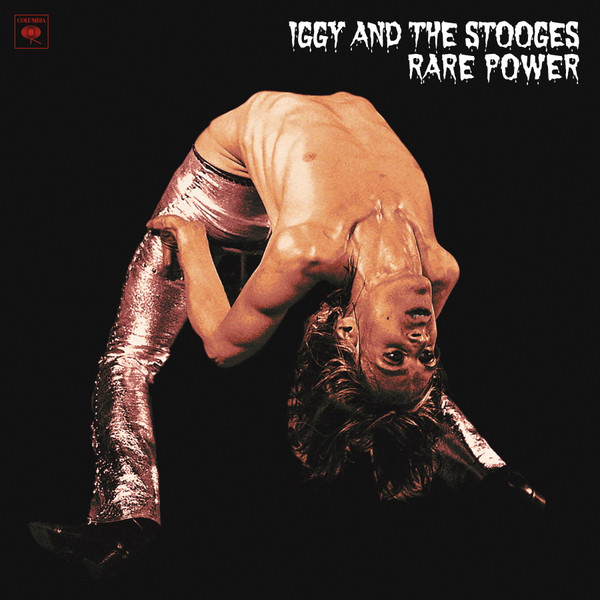
Rare Power
2018

I Wanna Be Your Dog
2011

Jesus Loves The Stooges
2010

More Power
2009

Telluric Chaos
2005

Double Danger
2000

California Bleeding
1997
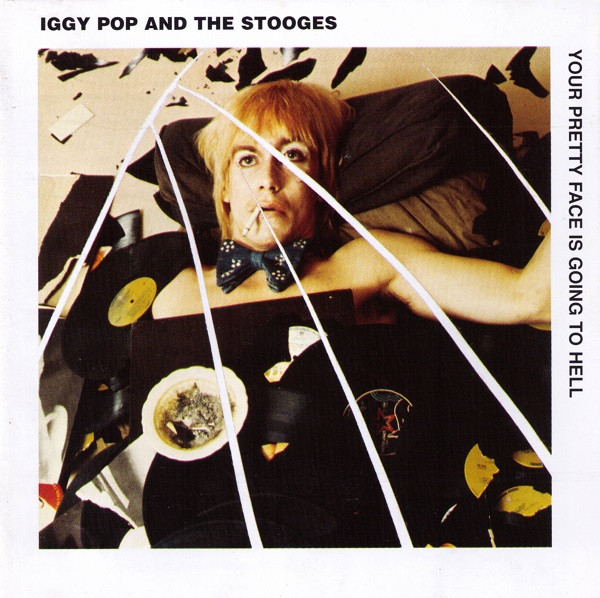
Your Pretty Face Is Going To Hell
1995

Born In A Trailer (The Session & Rehearsal Tapes '72 - '73)
2021
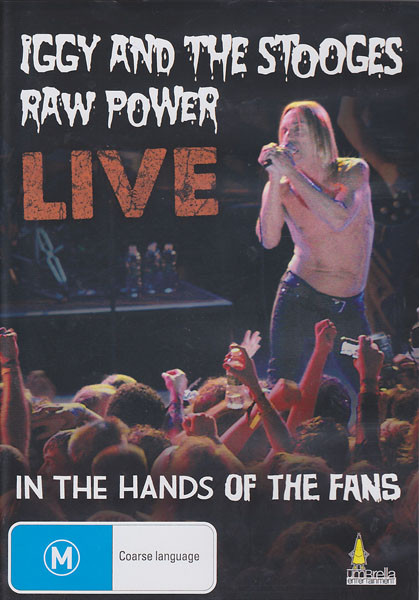
Raw Power Live (In The Hands Of The Fans)
2012

Dirty Power
2011

Sadistic Summer Live 2011
2011

Move Ass Baby
2010

Death Trip
2009
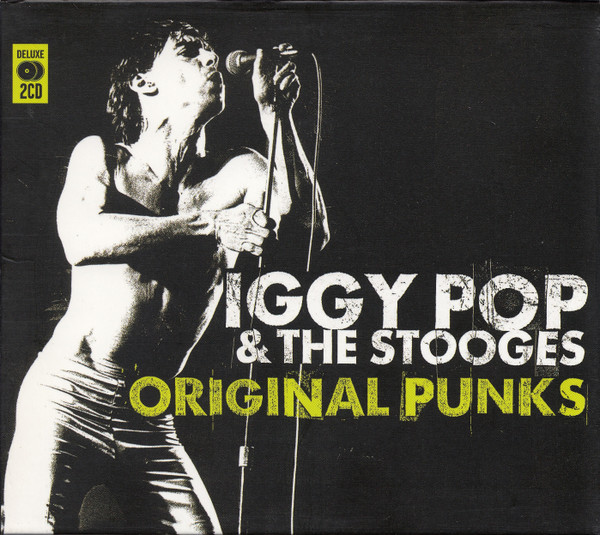
Original Punks
2006

Back To The Noise
2003

Michigan Palace 10/6/73
2000

Open Up And Bleed!
1995
The Stooges
A project Iggy Pop was part of. Former member.
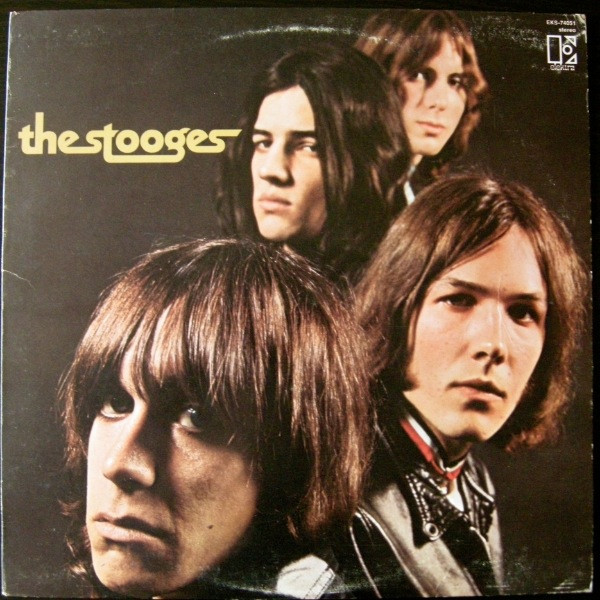
The Stooges
1969
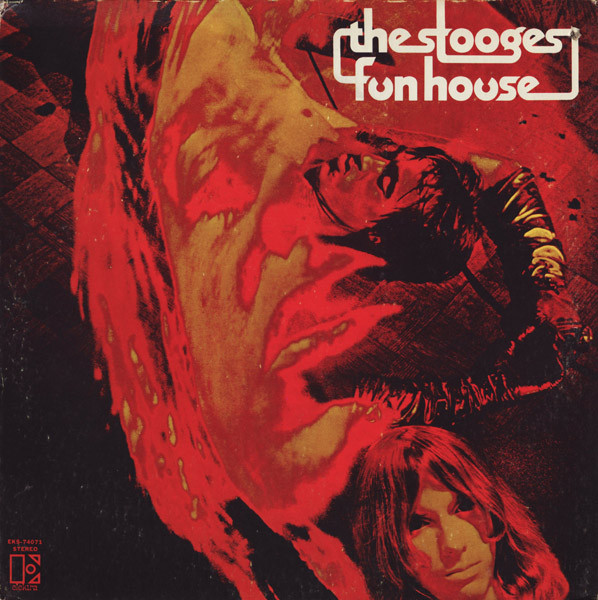
Fun House
1970

The Weirdness
2007

Live At Goose Lake August 8th, 1970
2020

Have Some Fun: Live At Ungano's
2010
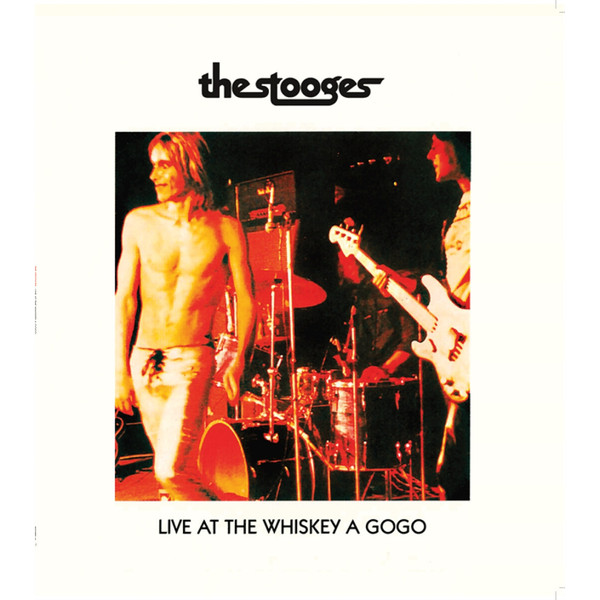
Live At The Whiskey A Gogo
1988

No Fun
1980

The Stooges / Fun House
2007
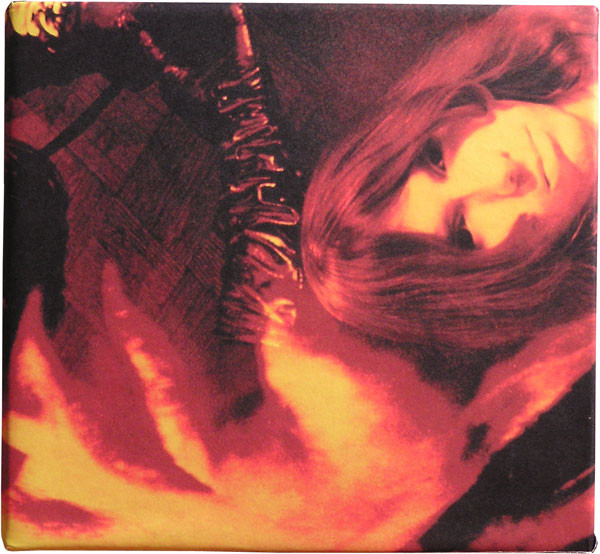
1970: The Complete Fun House Sessions
2000

Till The End Of The Night
1991

A Fire Of Life
2022

A Thousand Lights
2010

Gimme Some Skin
2008

Extended Play
2005

Heavy Liquid
2005
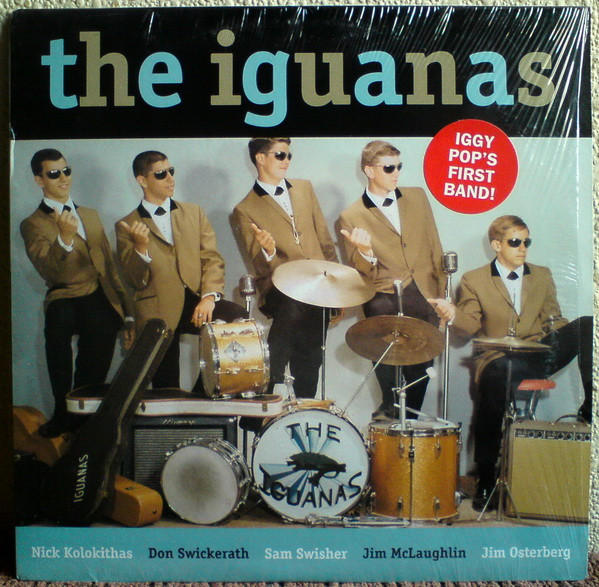
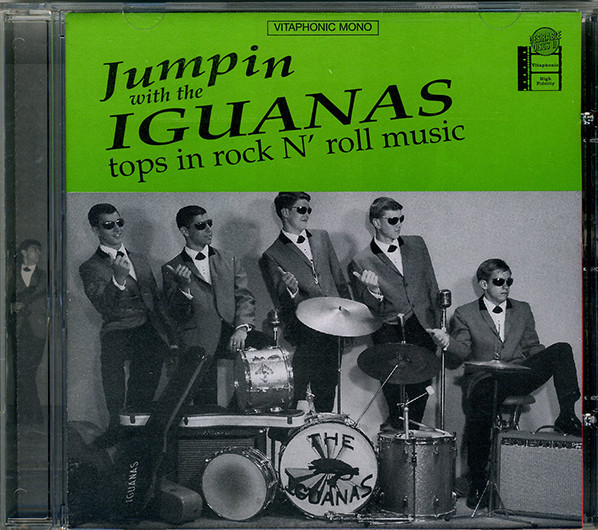
The Iguanas
A project Iggy Pop was part of.

Related artists
Around the web
Follow every record they touch.
Start your shelf and Gatefold tracks Iggy Pop's new pressings, tour dates, and the whole discography — automatically.
Start your shelf →Free forever. Works with 10 records or 10,000.