
Artist
Queen
London, United Kingdom · Formed 1970
Queen is a music group from London, United Kingdom, active since 1970. Their discography on Gatefold includes 24 records.

68
Albums tracked
1,666
In collections
1970
Since
Biography
Roy Thomas Baker put the first record together at Trident Studios by sneaking in during the dead time—late night hours when the paying customers were gone. They were tracking on a 16-track machine, but they were already obsessed with the kind of overdubbing that would make an engineer quit on the spot. Mercury and May weren't interested in being another blues-rock outfit; they wanted the theatricality of a West End production shoved into a Marshall stack. By the time they hit the third record, they were stacking so many vocal layers that the actual physical tape was wearing thin and turning transparent from being run over the playback heads so many times. Then they got too big for their own good and started chasing the disco pulse in Munich with Reinhold Mack, which pissed off the rock purists but filled the stadiums. People forget how much of a mess the mid-80s were for them before Live Aid saved their asses. They were playing Sun City, getting banned by the Musicians' Union, and putting out synth-heavy records like The Works that felt like they were trying too hard to keep up with the kids. It took a literal death sentence for Mercury to strip away the bullshit and get back to the heavy, grand-scale drama that made them worth a damn in the first place.
Bio from The Clerk
The Arc of Queen
The pivots — what forced Queen to reinvent.
The Trident Overdub Years
Before they were a stadium act, they were studio rats at Trident obsessed with a 'no synthesizers' rule that appeared on every sleeve. Brian May was using a homemade guitar built from an old fireplace mantle and a sixpence coin for a pick, creating a violin-like sustain that didn't sound like anything else on the radio. This era peaked with A Night at the Opera, where they nearly bankrupted their management by using six different studios just to capture the specific room sounds they wanted for a single track. It was the sound of a band trying to out-produce the Beatles using only overdriven Vox AC30s and a four-part vocal harmony.
The Munich Synth Shift
Everything changed when they decamped to Musicland Studios in Munich to work with producer Reinhold Mack, who told them to stop with the layered vocals and the three-minute guitar solos. Mack stripped the sound down, shoved the bass and drums right to the front of the mix, and convinced John Deacon to lean into his love of Chic and American R&B. The result was The Game, a record that replaced the operatic sweep with a dry, punchy, electronic-adjacent grit that conquered US radio. You can hear the tension on those tracks where May's guitar is fighting for space against the new, dominant Roland Jupiter-8 keyboards.
The Final Act in Montreux
The band retreated to Mountain Studios in Switzerland after Freddie's diagnosis, essentially turning the studio into a bunker for the Innuendo sessions. David Richards took over the board, helping them pivot back to the prog-heavy complexity of their early 70s output because they knew they didn't have to tour it. The tracks became denser, the arrangements more desperate, and the vocal performances were often captured in single, agonizing takes fueled by vodka. It's a heavy, claustrophobic sound that lacks the wink and nudge of their earlier work, replaced by a brutal focus on finishing the work before the clock ran out.
Influences
- Liza Minnelli — Freddie Mercury explicitly cited her performance in Cabaret as the blueprint for his stage presence and vocal delivery. You hear the theatrical phrasing and dramatic pauses in 'The Killer Queen' and 'Bring Back That Leroy Brown.' It’s the reason they were a cabaret act disguised as a rock band.
- Jimi Hendrix — Brian May was obsessed with Hendrix's use of feedback and stereo panning at the 1967 Saville Theatre shows. The multi-tracked guitar orchestrations on 'Brighton Rock' are a direct attempt to take Hendrix’s fluid soloing and stack it into a formal, classical structure. He wasn't just playing riffs; he was trying to build a wall of Hendrixes.
- The Who — They shared early bills and Queen took the 'Power Trio plus a Singer' dynamic straight from Townshend and Daltrey. Roger Taylor’s massive, open-room drum sound is a carbon copy of Keith Moon’s aggressive fills on Tommy. It’s the muscular foundation that kept their more flamboyant tendencies from floating off into space.
- Little Richard — Mercury grew up playing Little Richard covers in his first band, The Hectics, and never lost that percussive piano style. You can hear the raw, shouted gospel influence on 'Tutti Frutti' bleeding into the bridge of 'Bohemian Rhapsody.' It gave their high-brow arrangements a necessary shot of primitive rock and roll filth.
- The Beach Boys — The band spent hours dissecting the vocal stacks on Pet Sounds to figure out how to bridge the gap between pop melody and complex harmony. 'Bohemian Rhapsody' wouldn't exist without 'Good Vibrations' proving that you could edit disparate sections of music into a cohesive single. They took the Wilson brothers' sun-drenched harmonies and dragged them through a dark, operatic filter.
Discography
Their records — most-collected first.

A Night At The Opera
1975
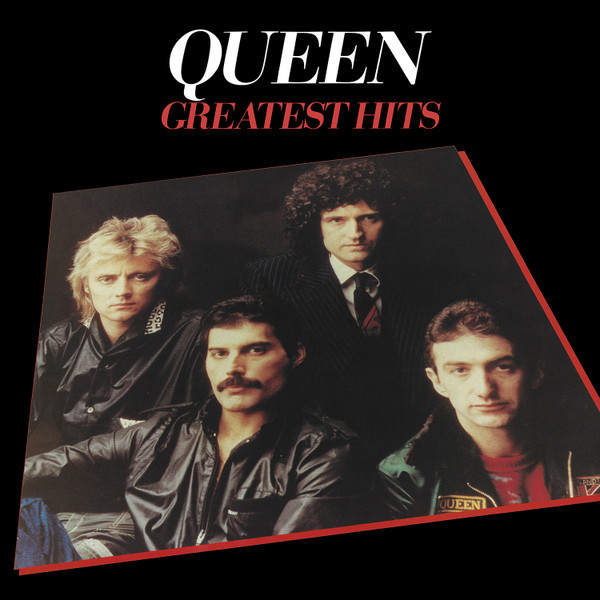
Greatest Hits
1981

The Game
1980
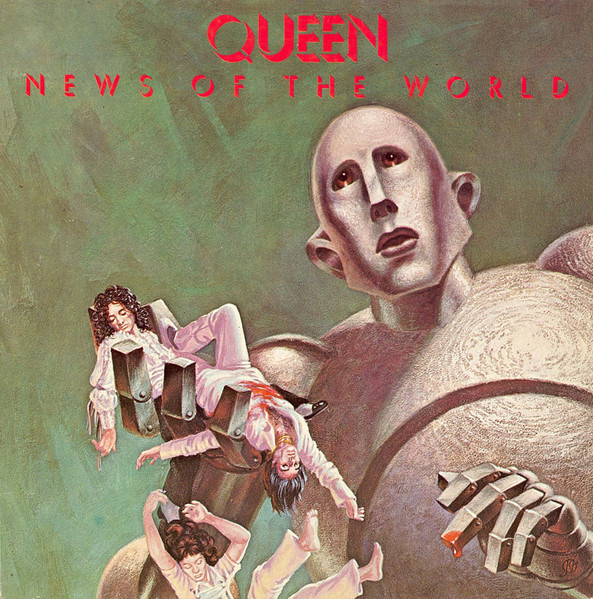
News Of The World
1977
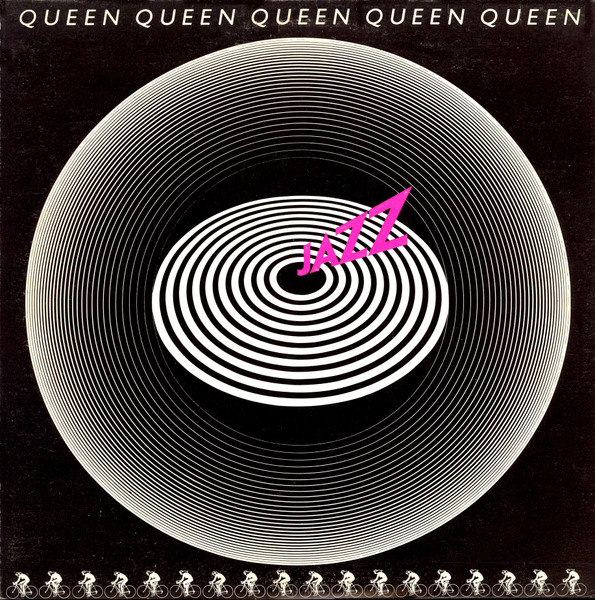
Jazz
1978
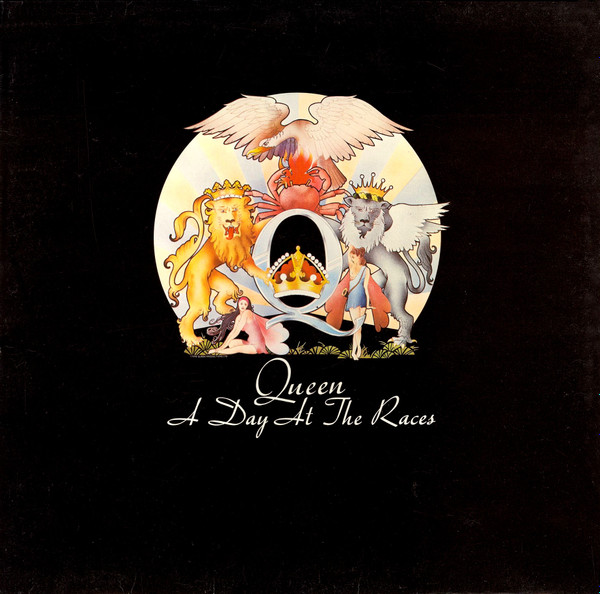
A Day At The Races
1976
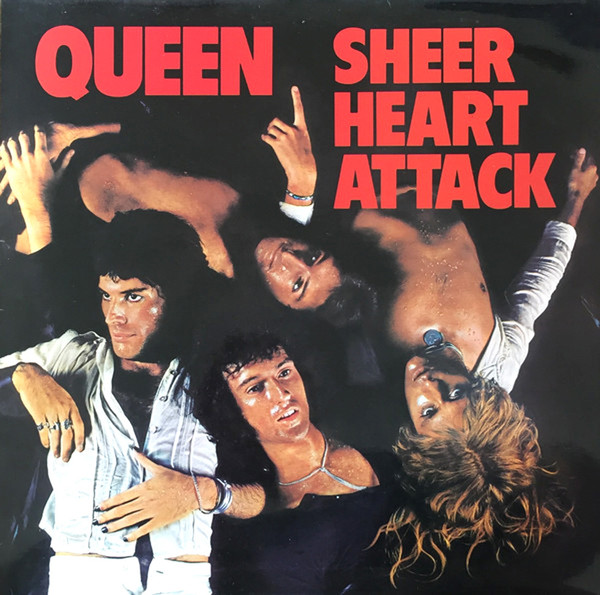
Sheer Heart Attack
1974

Greatest Hits II
1991

Queen II
1974
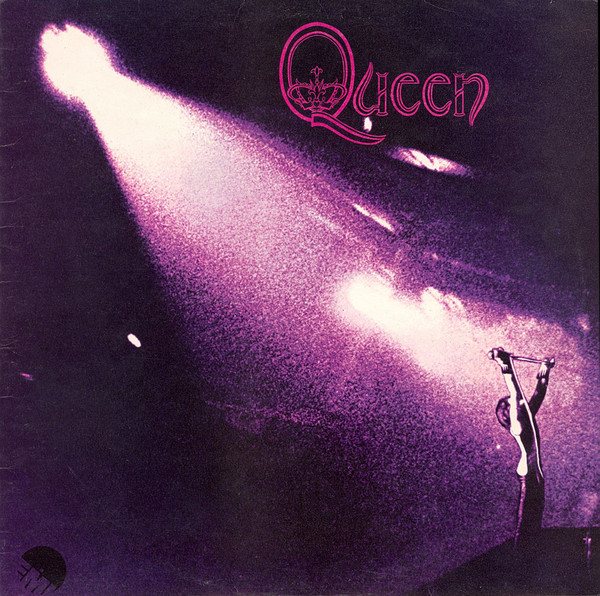
Queen
1973
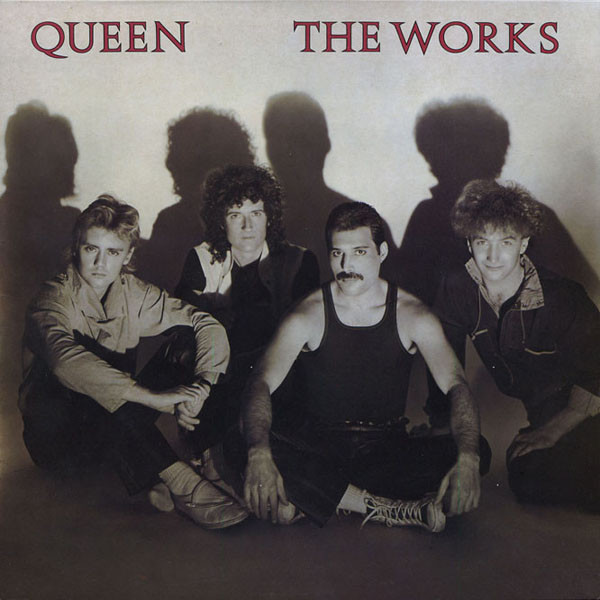
The Works
1984
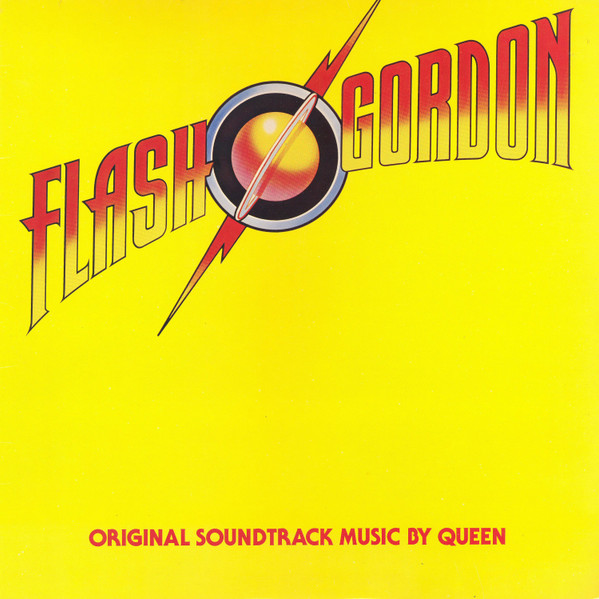
Flash Gordon (Original Soundtrack Music)
1980
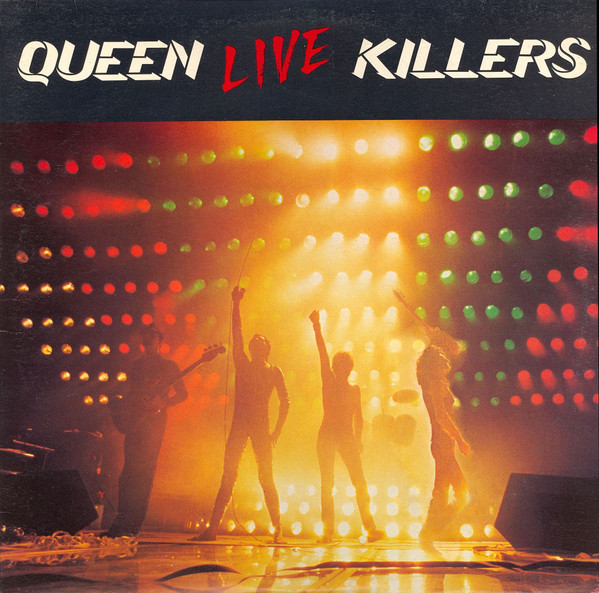
Live Killers
1979
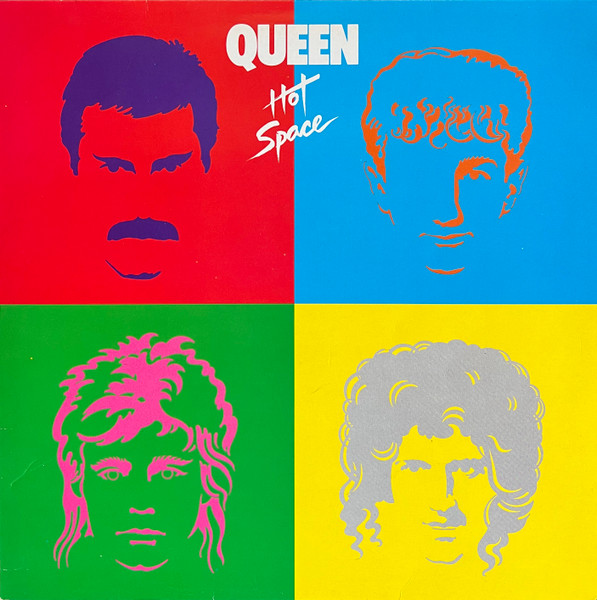
Hot Space
1982
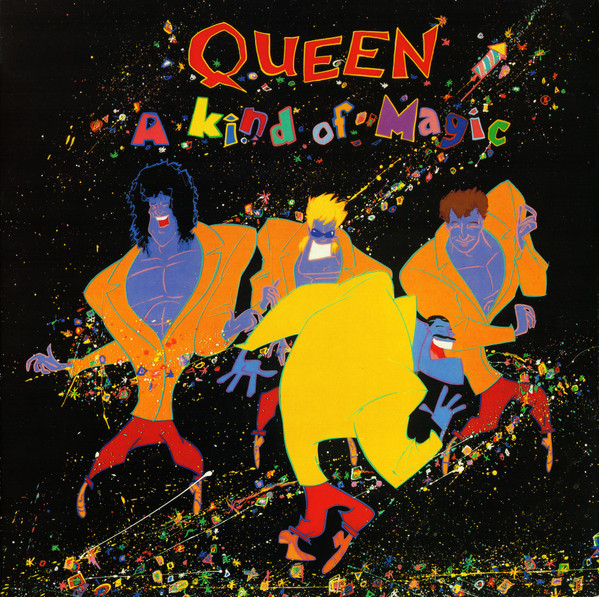
A Kind Of Magic
1986
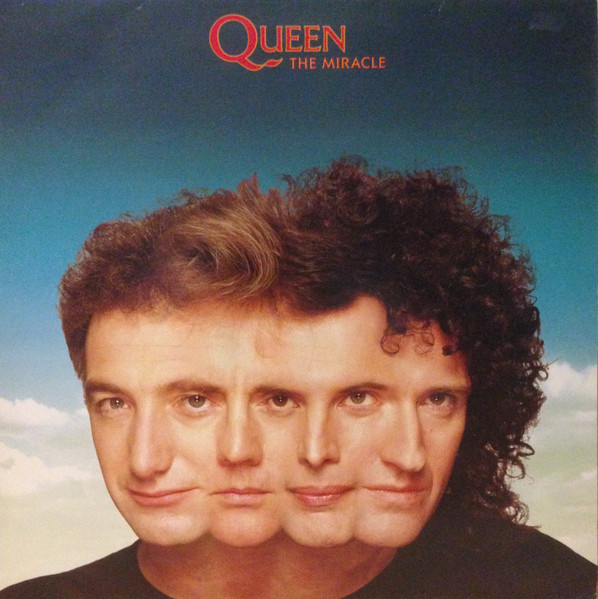
The Miracle
1989
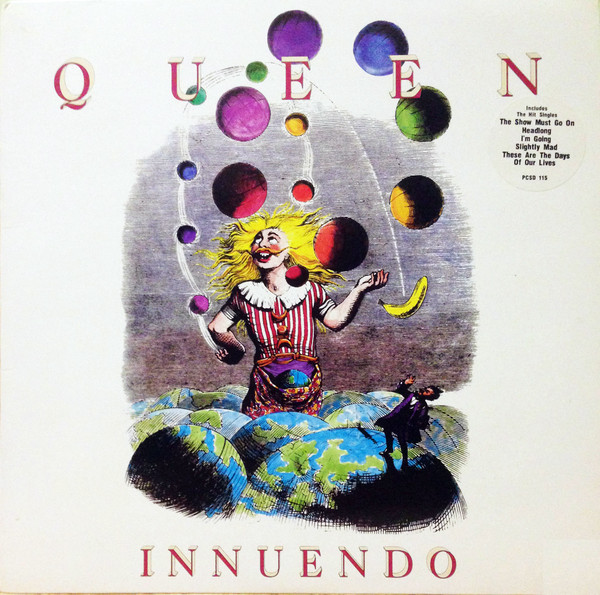
Innuendo
1991

Bohemian Rhapsody (The Original Soundtrack)
2018
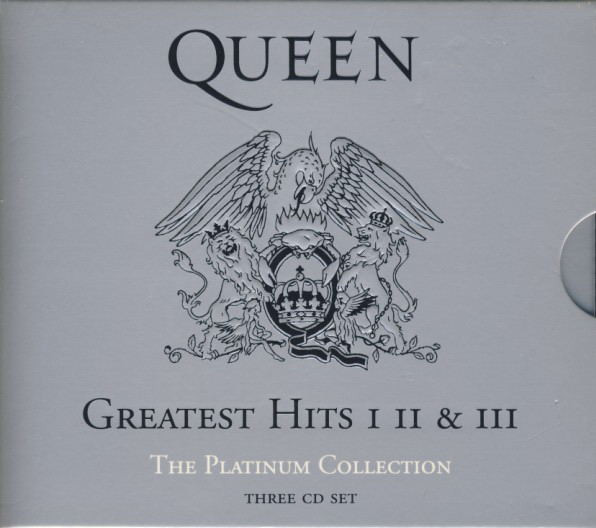
Greatest Hits I II & III (The Platinum Collection)
2000
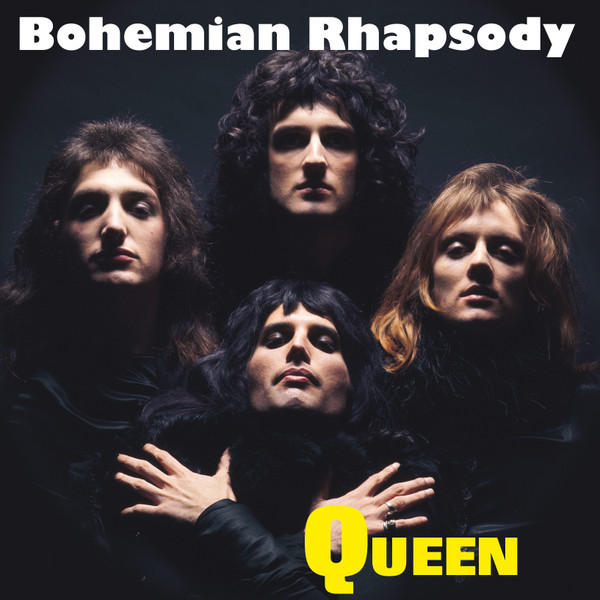
Bohemian Rhapsody
1975

Made In Heaven
1995
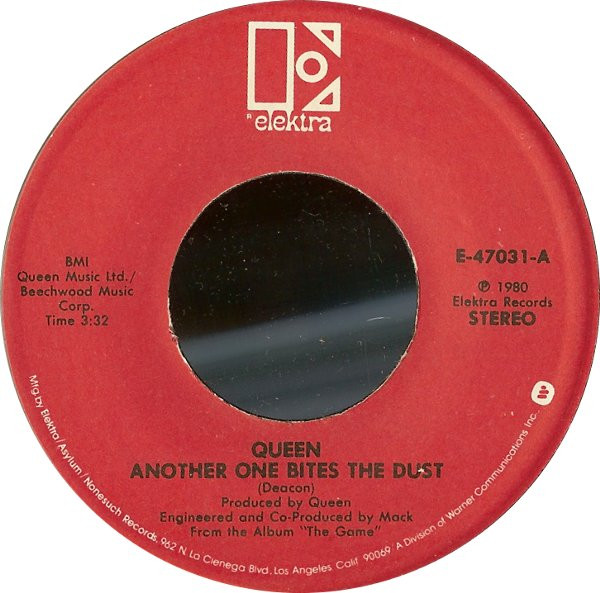
Another One Bites The Dust
1980
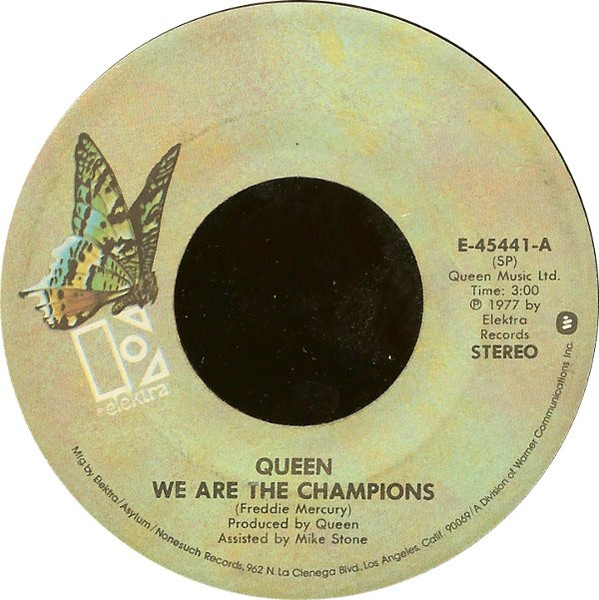
We Are The Champions
1977

Greatest Hits III
1999
Related artists
Frequent collaborators
Around the web
Follow every record they touch.
Start your shelf and Gatefold tracks Queen's new pressings, tour dates, and the whole discography — automatically.
Start your shelf →Free forever. Works with 10 records or 10,000.