
Artist
Steven Wilson
founder of Porcupine Tree
Kingston upon Thames, United Kingdom · b. 1967
Steven Wilson is a musician from Kingston upon Thames, United Kingdom, active since 1967. Their discography on Gatefold includes 24 records. They also recorded with Porcupine Tree, No‐Man and Blackfield.

95
Albums tracked
634
In collections
1967
Since
Biography
Before he became the patron saint of surround-sound box sets, the guy spent his time in home studios destroying iPods with blowtorches and sledgehammers just to make a point about dynamic range. Steven Wilson spent twenty years dragging Porcupine Tree from a tongue-in-cheek psychedelic tape project into a monolithic heavy-prog machine, but he got sick of democratic compromises and put the mothership on ice to chase his own obsessions. He is a studio rat who treats the mixing console like an instrument, obsessing over acoustic space, pristine 5.1 mixes, and dry drum tones while half the modern rock world was busy brickwalling their masters into unlistenable sludge. His solo catalog is essentially an argument with his own audience. Prog purists bought into him as their modern messiah, and he repaid them by hiring pop producers, writing disco-funk basslines, and sneering at consumerist nostalgia. When he goes full vintage prog with virtuoso ringers, nobody touches him; when he leans into slick electronic pop, he pisses off half his base on fucking purpose. Love him or find him utterly pretentious, he is one of the few lifers left who still treats an album like a sacred, long-form narrative art piece.
Bio from The Clerk
The Arc of Steven Wilson
The pivots — what forced Steven Wilson to reinvent.
The Experimental Autuer
Putting Porcupine Tree on hold, Wilson went rogue across global studios to assemble a solo identity without democratic band guardrails. He self-produced *Insurgentes* in 2008 across Mexico, Japan, and the UK, burying post-punk noise and shoegaze textures beneath piano melancholia before scaling up to the sprawling jazz-fusion and orchestral darkness of 2011's *Grace for Drowning*. The records were moody, aggressive, and distinctly anti-commercial, throwing out metal riffs in favor of dissonant woodwinds and King Crimson-adjacent freefall. You hear an artist violently shaking off the expectations of modern heavy rock to rebuild his sonic palette from scratch.
The Virtuoso Ensemble
Tired of tracking most instruments himself, Wilson hired an elite wrecking crew of jazz-fusion and session monsters including Guthrie Govan, Marco Minnemann, Nick Beggs, and Adam Holzman. He brought in legendary engineer Alan Parsons to co-produce 2013's *The Raven That Refused to Sing (and Other Stories)*, tracking live to tape at AIR Studios in London to capture raw room acoustics. He pushed that lineup further on 2015's *Hand. Cannot. Erase.*, folding Ninet Tayeb's belting vocals into a sprawling concept piece about urban isolation. The playing was dizzying, organic, and rooted deeply in pristine 1970s dynamic warmth.
The Big Pop Swerve
Signing to Caroline International, Wilson deliberately blindsided his core prog fan club by pivoting toward glossy, widescreen pop inspired by his love of 1980s radio. He partnered with co-producer Paul Stacey on 2017's *To the Bone*, sharpening his hooks and leaning into driving guitar-pop melodies alongside Tayeb's soaring harmonies. He then doubled down with electronic producer David Kosten on 2021's *The Future Bites*, cutting guitars almost entirely in favor of disco hi-hats, female backing choruses, and biting lyrical satire about high-end consumer culture. It alienated old-school guitar heads immediately, which was entirely the fucking point.
The Hybrid Longform
Retreating to his home studio during pandemic lockdowns, Wilson fused his entire stylistic playbook into cinematic electronic collage on 2023's *The Harmony Codex*. Released through Virgin Records, the record treated modular synths, spoken word, and crushing guitar solos as equal components in a dark, atmospheric puzzle. He took the experimental thread further by jumping to Fiction Records for 2025's *The Overview*, returning to extended progressive rock structures built around two massive side-long suites. It stands as a synthesis of everything he spent decades mastering: headphone-centric production, uncompromised scale, and total disregard for streaming playlist lengths.
Influences
- Kate Bush — Wilson has relentlessly cited *The Dreaming* and *Hounds of Love* as high-water marks for ambitious, art-damaged studio pop. You hear her theatrical vocal arrangements and conceptual drama all over *Hand. Cannot. Erase.*, especially in how he utilizes Ninet Tayeb's dynamic range. He borrowed her entire philosophy of using pristine commercial production to sneak deeply weird ideas onto tape.
- King Crimson — Robert Fripp's dissonant, cerebral approach to rock composition is practically baked into Wilson's DNA, a link made permanent when Wilson was hired to remix Crimson's classic catalog into surround sound. The brutal sax blasts and jarring rhythmic collisions on *Grace for Drowning* pull directly from *Lizard* and *Red*. It is the source code for his heaviest, most uncompromising arrangements.
- Talk Talk — Wilson regularly points to Mark Hollis's late-era work on *Spirit of Eden* and *Laughing Stock* as the pinnacle of dynamic space and restraint in the studio. That deliberate use of absolute silence before a crushing instrumental surge defines tracks across *Insurgentes*. It taught him that what you leave out of the mix matters just as much as what you pile on.
- Tears for Fears — Before he cared about complex time signatures, Wilson was obsessed with the sophisticated pop craftsmanship of Roland Orzabal and Ian Stanley on *The Hurting* and *Songs from the Big Chair*. That obsession came charging to the front on *To the Bone*, where the massive vocal hooks and LinnDrum-style rhythms mimic 1985 radio. He treats their brand of melancholy stadium pop with the same reverence most prog heads reserve for Yes.
- Pink Floyd — Richard Wright's suspended Hammond chords and David Gilmour's sustained, crying guitar bends form the bedrock of Wilson's atmospheric instincts. The pacing on *The Raven That Refused to Sing (and Other Stories)* traces straight back to *Wish You Were Here*, right down to hiring Alan Parsons, who engineered *The Dark Side of the Moon*. It is the blueprint for how he builds slow, cinematic tension before delivering a massive melodic payoff.
Steven Wilson — solo
Their records — most-collected first.
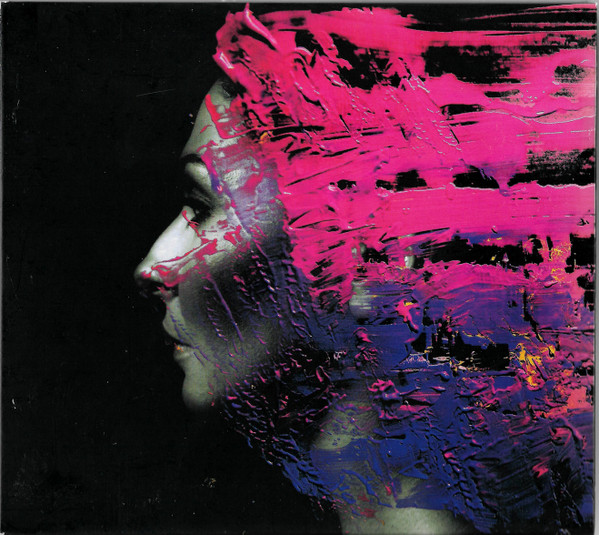
Hand. Cannot. Erase.
2015

The Overview
2025
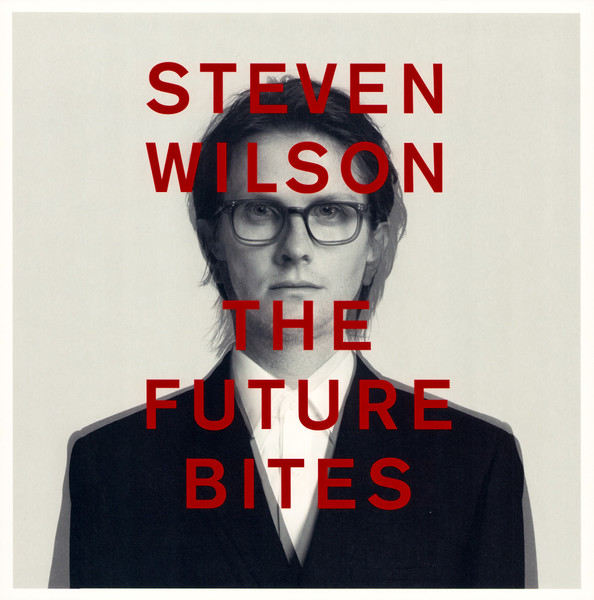
The Future Bites
2021
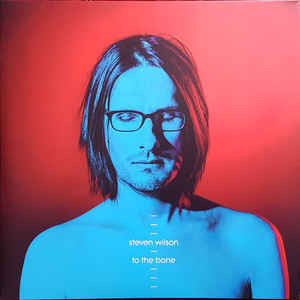
To The Bone
2017
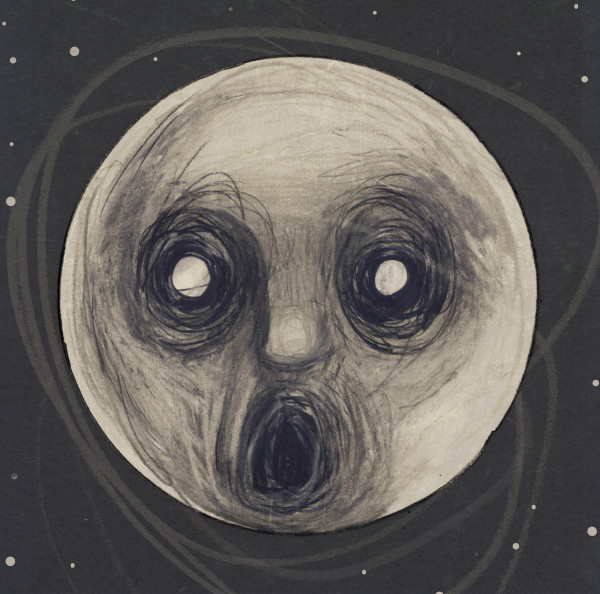
The Raven That Refused To Sing (And Other Stories)
2013

The Harmony Codex
2023
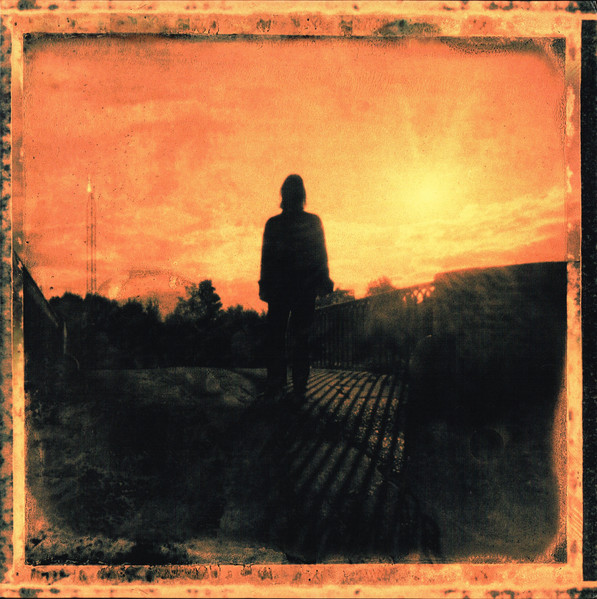
Grace For Drowning
2011
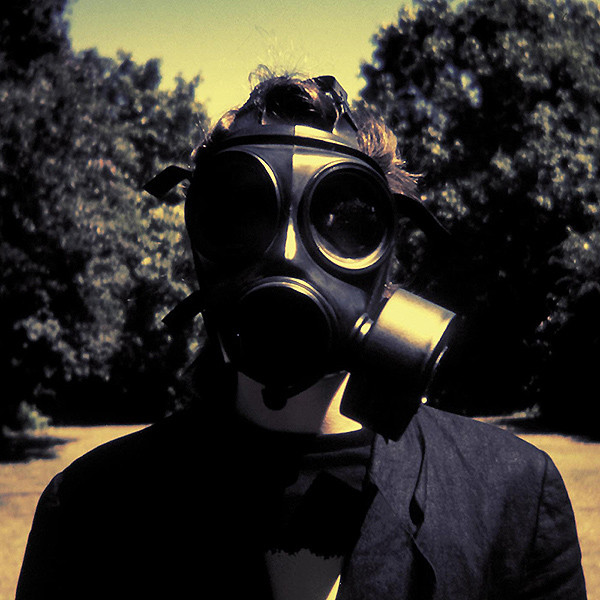
Insurgentes
2008

4½
2016
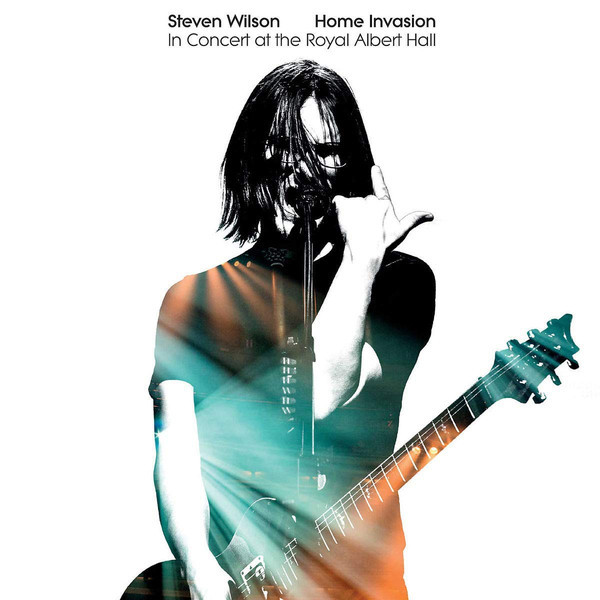
Home Invasion (In Concert At The Royal Albert Hall)
2018

Transience
2015

December Skies
2023

Eminent Sleaze
2020

Cover Version
2014
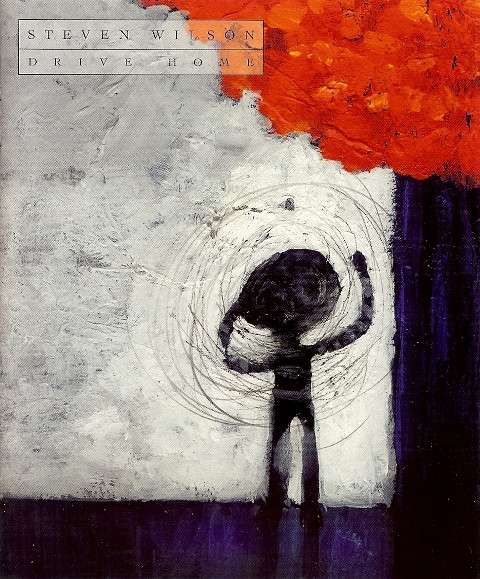
Drive Home
2013
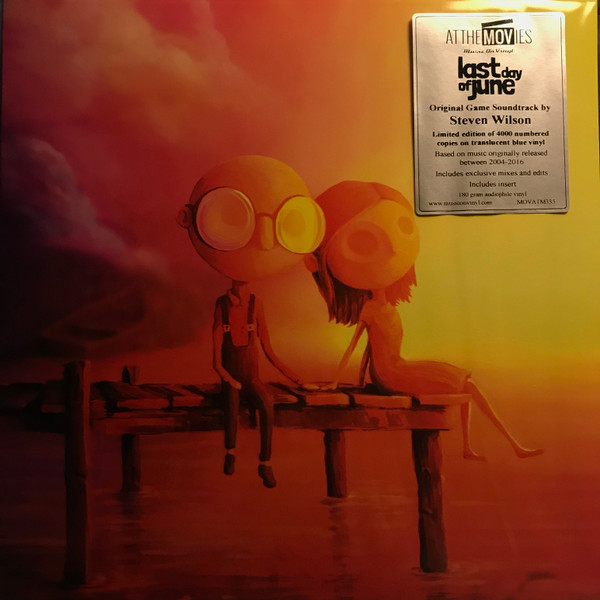
Last Day Of June (Original Game Soundtrack)
2017
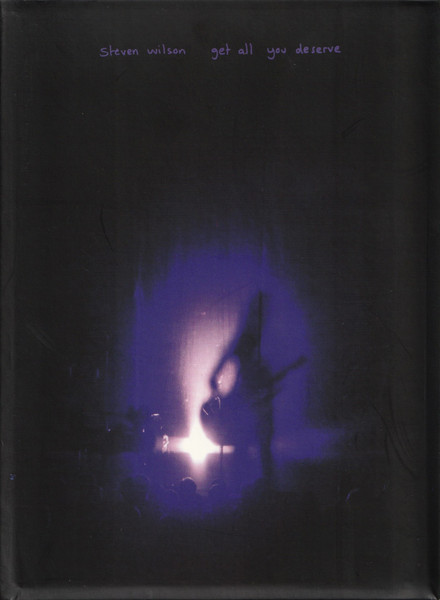
Get All You Deserve
2012
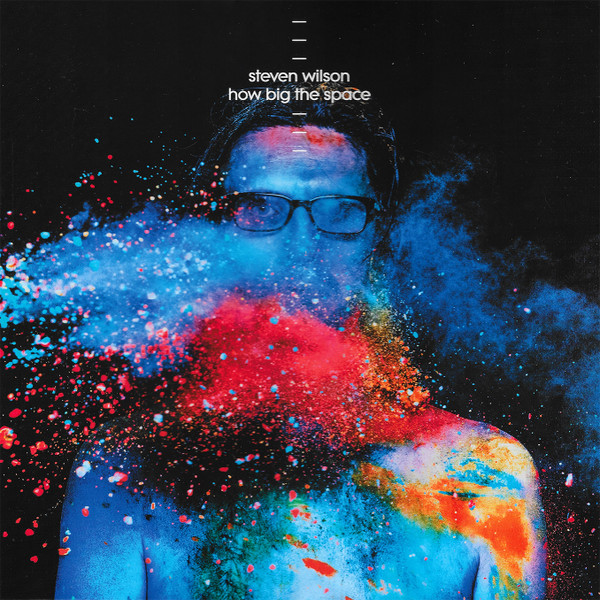
How Big The Space
2018

Unreleased Electronic Music Vol. 1
2004

Inclination (Ewan Pearson Remix)
2024

The B-Sides Collection
2020

12 Things I Forgot
2020
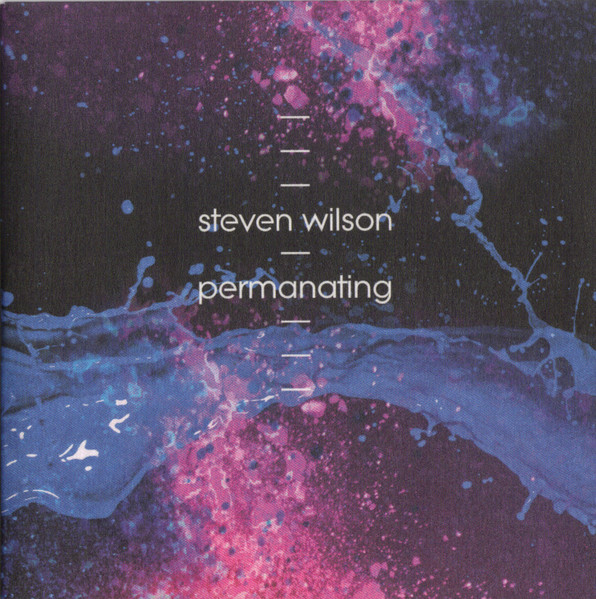
Permanating
2017
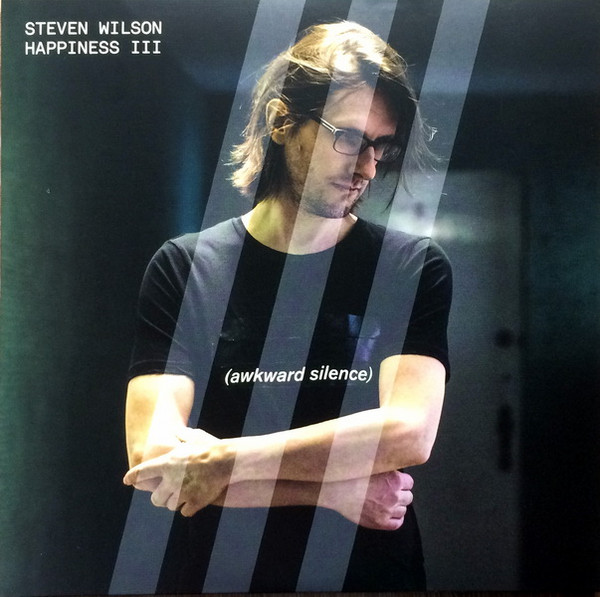
Happiness III
2016
Porcupine Tree
A project Steven Wilson was part of.
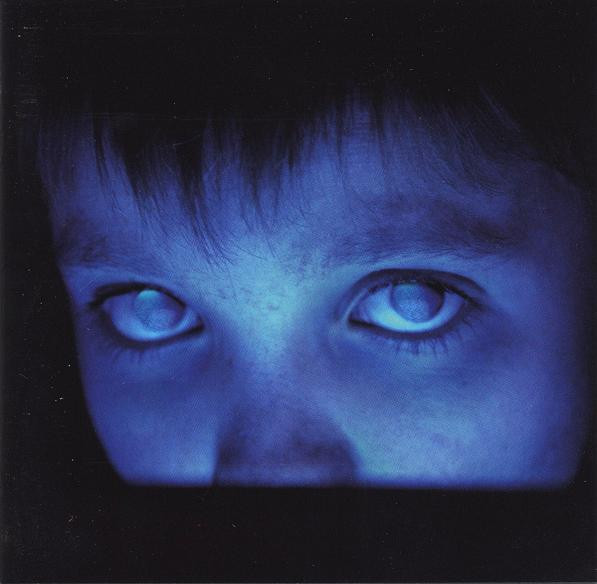
Fear Of A Blank Planet
2007
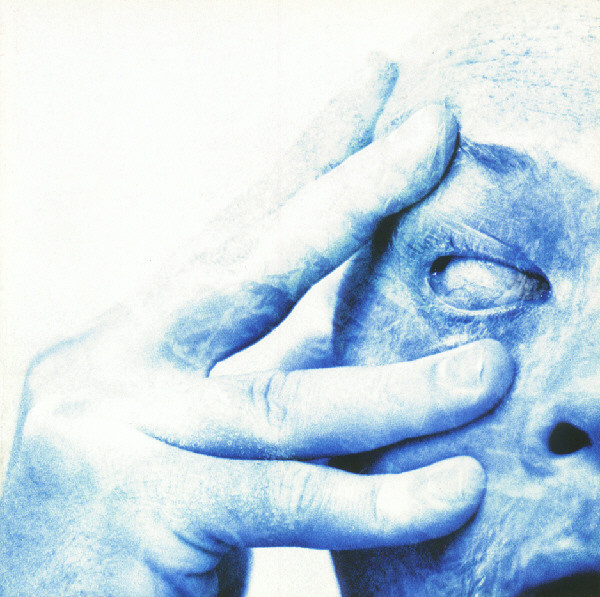
In Absentia
2002
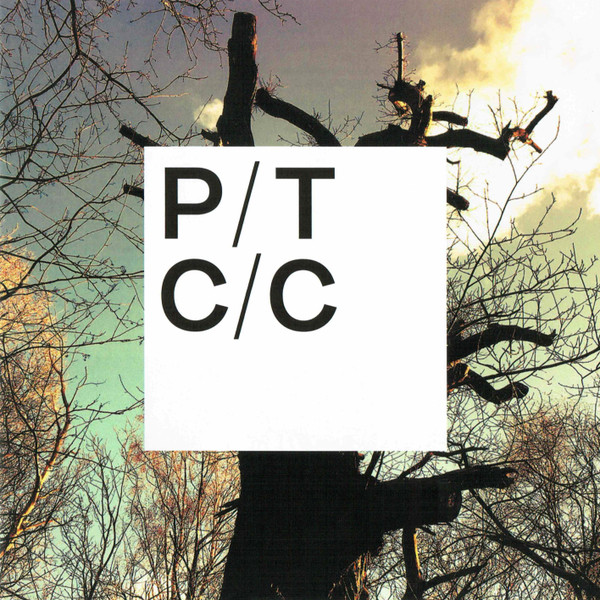
Closure / Continuation
2022
Deadwing
2005
The Incident
2009

Stupid Dream
1999

Up The Downstair
1993
Lightbulb Sun
2000
Signify
1996

On The Sunday Of Life...
1992

The Sky Moves Sideways
1995

We Lost The Skyline
2008

Nil Recurring
2007

Voyage 34: The Complete Trip
2000

Octane Twisted
2012

Anesthetize
2010

Recordings
2001
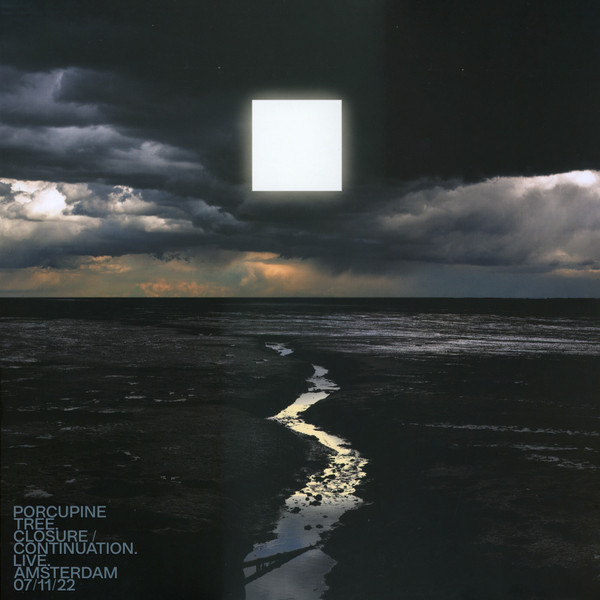
Closure / Continuation.Live. Amsterdam 07/11/22
2023

Coma Divine (Recorded Live In Rome)
1997

Coma:Coda (Rome 1997)
2020
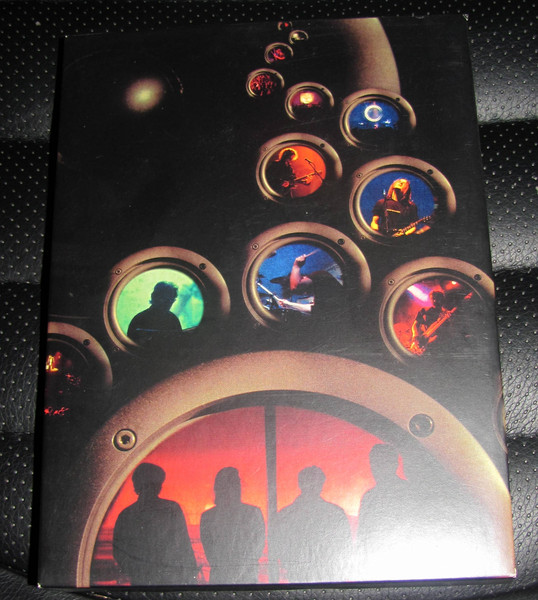
Arriving Somewhere...
2006

Ilosaarirock
2009

Metanoia
1998

Salford (1994)
2020
No‐Man
A project Steven Wilson was part of.

Love You To Bits
2019
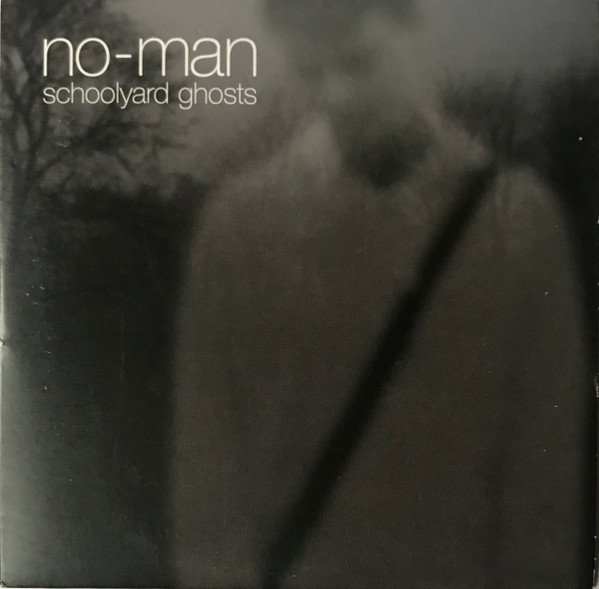
Schoolyard Ghosts
2008
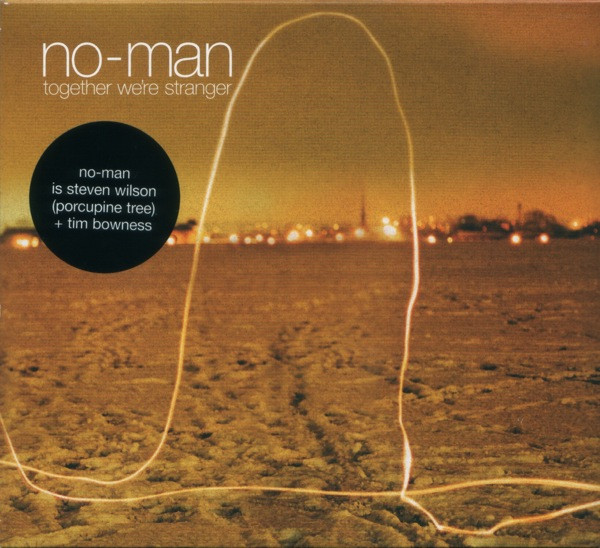
Together We're Stranger
2003

Flowermouth
1994
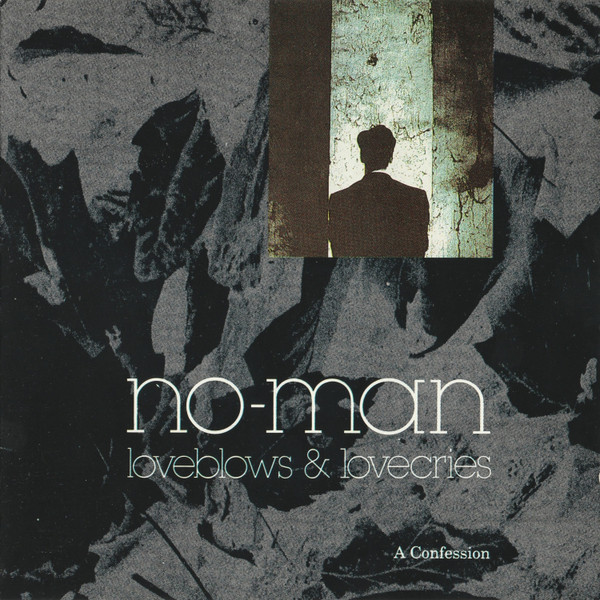
Loveblows & Lovecries - A Confession
1993

Lost Songs: Volume One
2001

Returning Jesus
2001

Love And Endings
2012

Wild Opera
1996

Heaven Taste
1995

Painting Paradise E.P.
1993
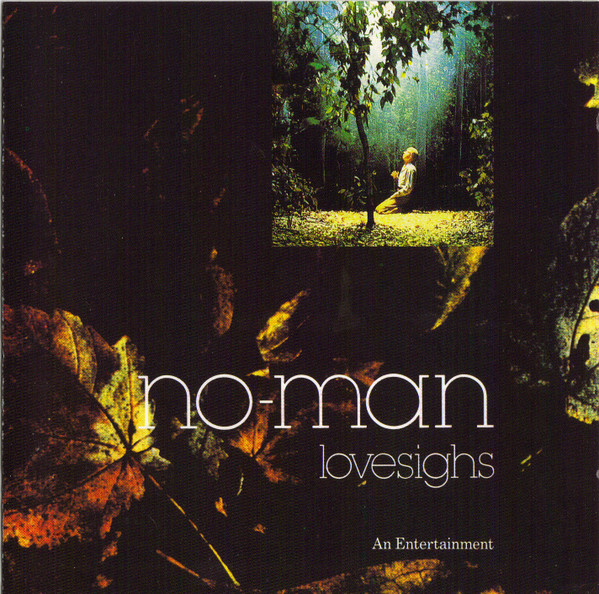
Lovesighs - An Entertainment
1992

All The Blue Changes - An Anthology 1988-2003
2006

All That You Are
2003

Dry Cleaning Ray
1997

Housewives Hooked On Heroin
1996

Taking It Like A Man
1994

Ocean Song
1992

Radio Sessions 1992-96

Days In The Trees
1991

Carolina Skeletons
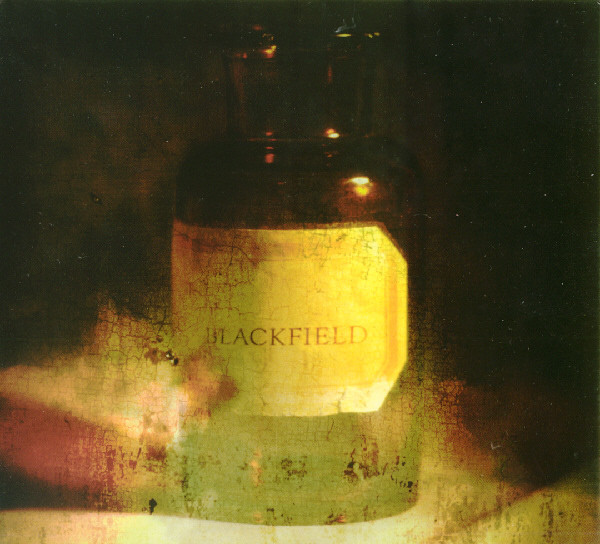
Blackfield
A project Steven Wilson was part of.


Related artists
Frequent collaborators
Around the web
Follow every record they touch.
Start your shelf and Gatefold tracks Steven Wilson's new pressings, tour dates, and the whole discography — automatically.
Start your shelf →Free forever. Works with 10 records or 10,000.