
Artist
Jethro Tull
Luton, United Kingdom · Formed 1967
Jethro Tull is a music group from Luton, United Kingdom, active since 1967. Their discography on Gatefold includes 24 records.

68
Albums tracked
785
In collections
1967
Since
Biography
Mick Abrahams wanted to stick to the blues, but Ian Anderson had a cheap pawnshop flute and a copy of Roland Kirk's 'I Talk with the Spirits' that said otherwise. When Abrahams walked after the debut record, he took the traditional British blues-boom template with him. That left Anderson to turn a group of Blackpool school friends into a weird, hyper-literate progressive beast. They survived a revolving door of bassists and the brief, bizarre cup-of-coffee tenure of Tony Iommi on guitar before Martin Barre stepped in to provide the heavy, metallic crunch that anchored Anderson’s acoustic-electric tension. They hit their commercial peak by mocking the very concept of the concept album with 'Thick as a Brick' and then immediately fell into the trap of taking themselves way too seriously on 'A Passion Play'. The critics sharpened their knives, but the band didn't care. They retreated into Elizabethan folk-rock, survived the punk explosion by getting heavier, and then somehow stumbled into a synth-pop phase in the eighties that culminated in winning a Hard Rock/Metal Grammy over Metallica. It was a bizarre, brilliant, sometimes frustrating run led by a guy who played acoustic guitar like a percussion instrument and stood on one leg like some kind of medieval busker.
Bio from The Clerk
The Arc of Jethro Tull
The pivots — what forced Jethro Tull to reinvent.
The Post-Blues Pivot
After Mick Abrahams quit because he hated the jazz and folk directions Ian Anderson was pushing, Martin Barre stepped in on guitar for 'Stand Up' in 1969. Barre brought a heavy, modal attack that allowed Anderson to ditch the standard twelve-bar blues patterns entirely. You hear it immediately on 'A New Day Yesterday' where the heavy, swinging riff matches the flute's breathy aggression. This lineup shift saved them from becoming just another white British blues band lost in the shadow of Cream.
The Mock-Prog Conceptualists
When critics labeled 'Aqualung' a concept album, Anderson got annoyed and decided to give them a real one to complain about. The band locked themselves in Morgan Studios in 1972 and wrote a single, continuous 44-minute track based on the mock poetry of a fictional child named Gerald Bostock. The resulting album, 'Thick as a Brick', used complex time signatures, organ swells from John Evan, and Barriemore Barlow's intricate drumming. It was a massive, sarcastic joke that accidentally became one of the defining landmarks of progressive rock.
The Pagan Folk-Rock Trilogy
By 1977, the stadium-rock excess of the mid-seventies had run its course, and punk was happening in London. Anderson bought an estate in Buckinghamshire, got obsessed with British folklore, and brought in keyboardist Dee Palmer to co-arrange a rustic, acoustic-heavy sound. 'Songs from the Wood' and 'Heavy Horses' swapped out the sprawling sci-fi synths for mandolins, lutes, and church organs. The music became earthy, rhythmically complex, and deeply English, reacting to the urban noise of punk by escaping into the woods.
The Synthesizer Malfunction
The tragic death of bassist John Glascock during the 'Stormwatch' sessions shattered the band's dynamic. Anderson intended his 1980 record 'A' to be a solo album, bringing in Eddie Jobson on electric violin and synthesizers, but Chrysalis Records forced him to release it under the Jethro Tull name. The organic folk elements were replaced by cold, clinical sequencers and Yamaha CS-80 synthesizers. It broke the classic lineup for good and pushed them into a decade of fighting with digital production.
Influences
- Rahsaan Roland Kirk — Ian Anderson has repeatedly credited Kirk's 1964 album 'I Talk with the Spirits' as the reason he picked up the flute. Tull covered Kirk's 'Serenade to a Cuckoo' on their 1968 debut 'This Was'. You hear it in Anderson's vocalized blowing technique, which mimics Kirk's rough, overblown style.
- Mose Allison — The band's early live sets and songwriting rhythm were heavily shaped by Allison's laconic, jazz-blues delivery. They recorded a cover of his track 'A New Song a Day' during the early Chrysalis sessions. You hear that cool, swinging piano-and-vocal dynamic on tracks like 'My Sunday Feeling'.
- The Watersons — This traditional Yorkshire folk group shaped Anderson's vocal harmonies and his interest in pre-industrial English culture. Their acapella style directly inspired the vocal arrangements on 'Ring Out, Solstice Bells' and 'Coronach'. This vocal texture became the foundation of their late-seventies folk-rock period.
- John Mayall & the Bluesbreakers — Before going prog, the band's entire original blueprint was copied from Mayall's mid-sixties London scene. Mick Abrahams modeled his Gibson-through-Marshall guitar tone on Eric Clapton's work on the 'Beano' album. You can hear this direct imitation on early tracks like 'Beggar's Farm'.
- Ludwig van Beethoven — Anderson has cited Beethoven's Ninth Symphony as a massive influence on how he structured long-form musical themes. The band performed a heavy rock arrangement of Beethoven's Ninth during their 1970 tours. This classical architecture directly led to the multi-part suite structures on 'A Passion Play'.
Discography
Their records — most-collected first.
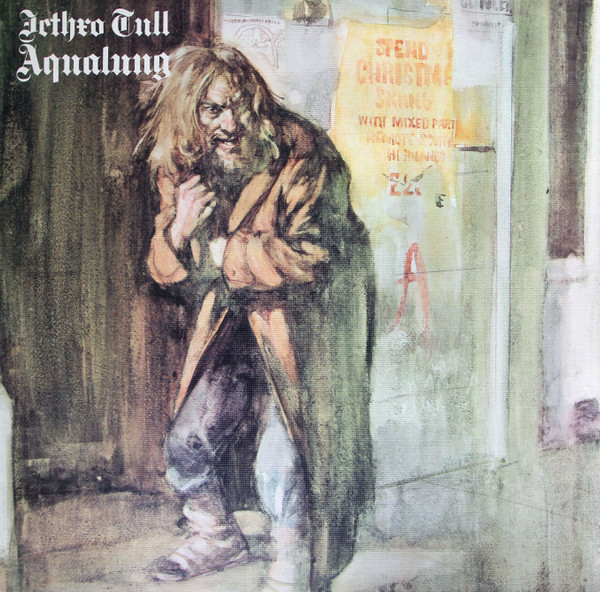
Aqualung
1971
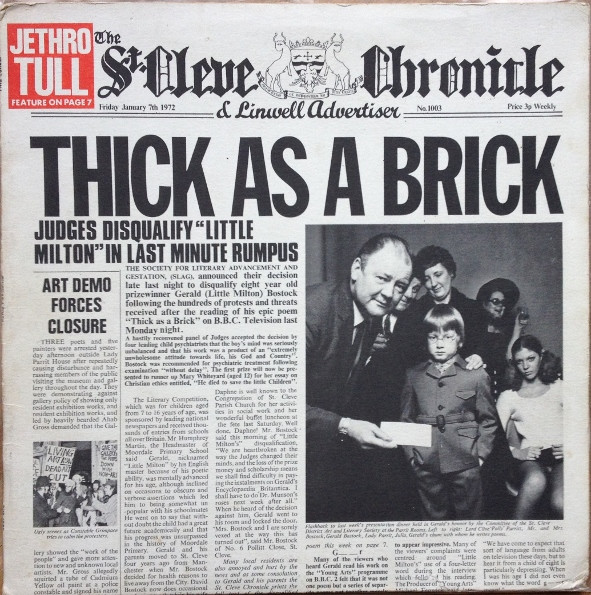
Thick As A Brick
1972
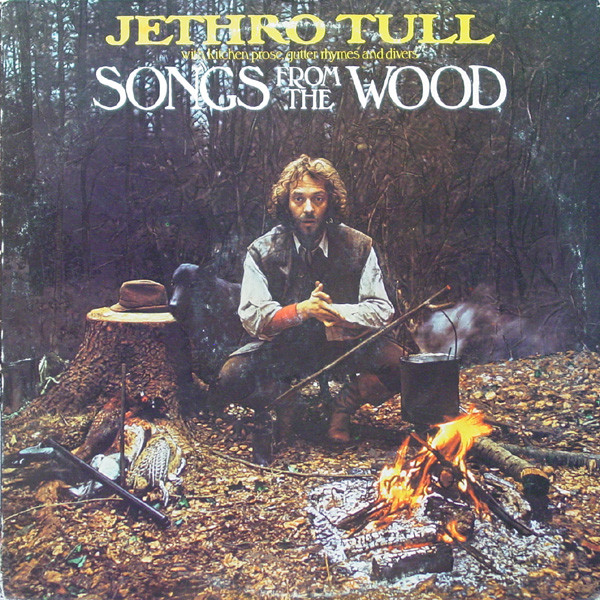
Songs From The Wood
1977
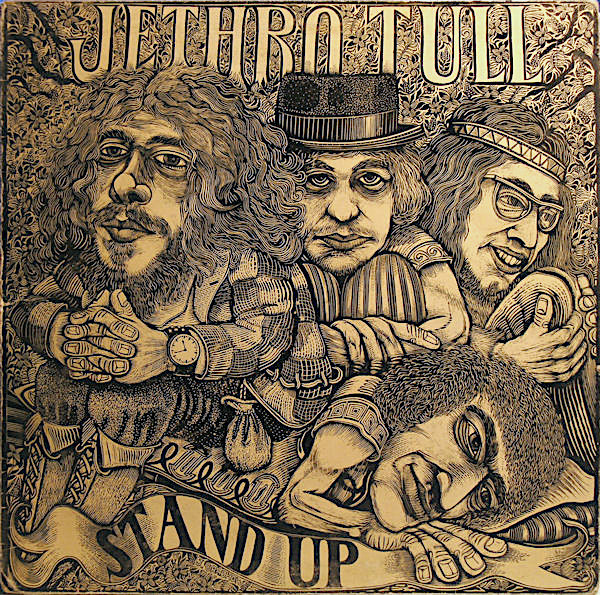
Stand Up
1969
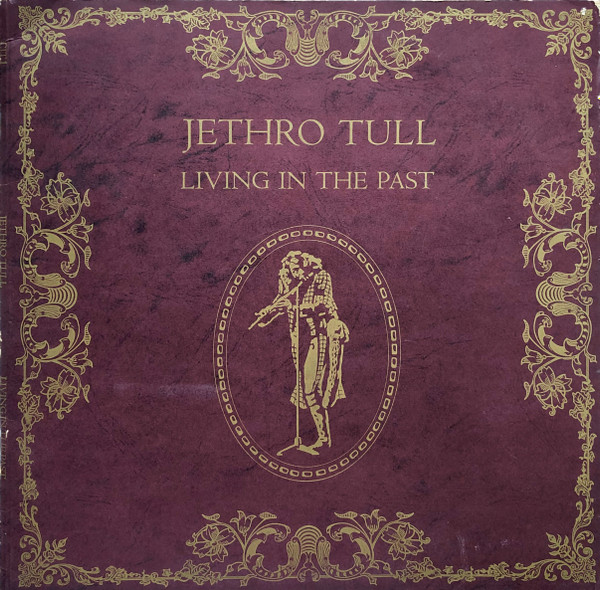
Living In The Past
1972
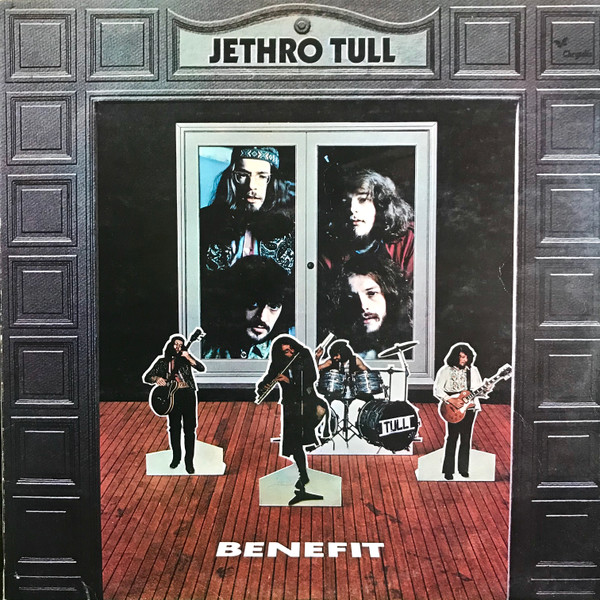
Benefit
1970

War Child
1974
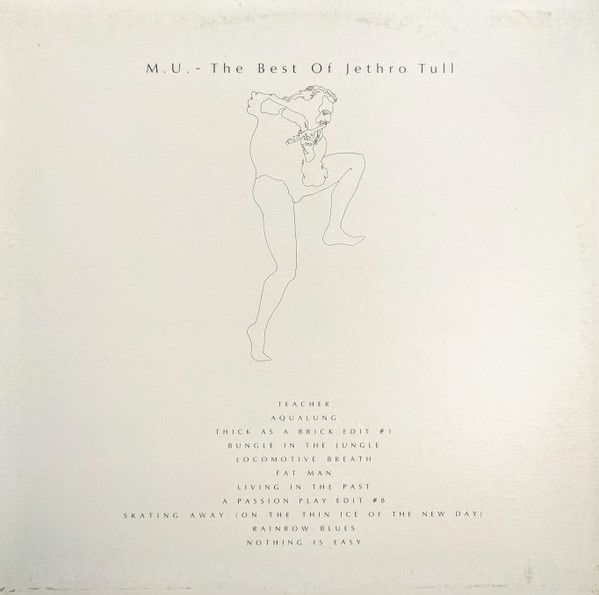
M.U. - The Best Of Jethro Tull
1975
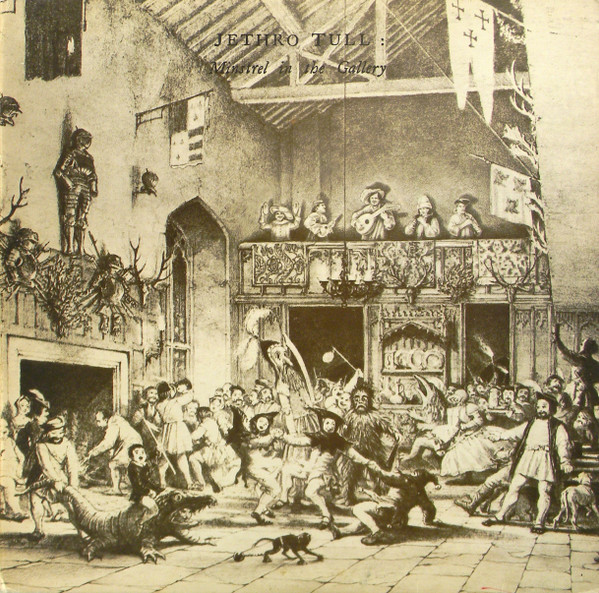
Minstrel In The Gallery
1975
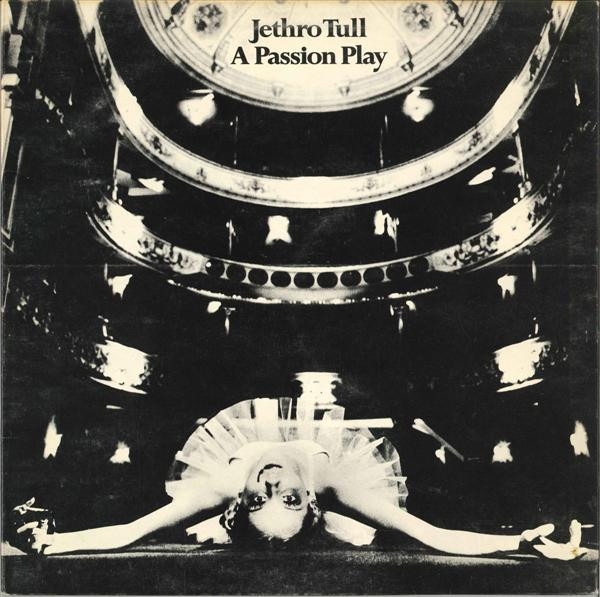
A Passion Play
1973
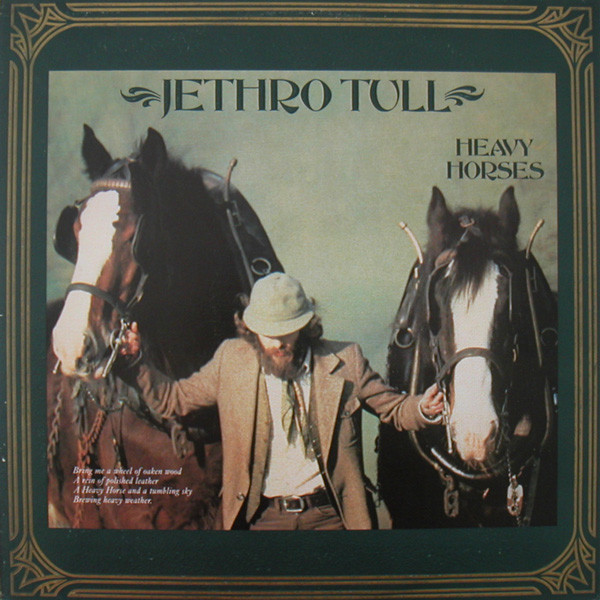
Heavy Horses
1978

Live - Bursting Out
1978

This Was
1968
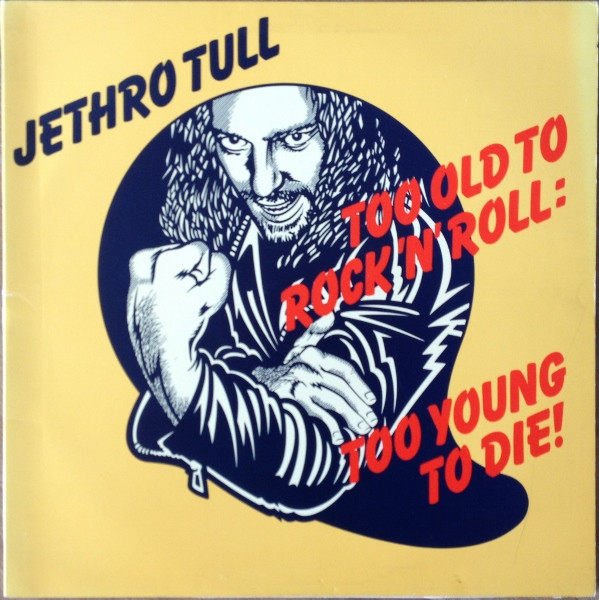
Too Old To Rock 'N' Roll: Too Young To Die!
1976

The Broadsword And The Beast
1982

A
1980
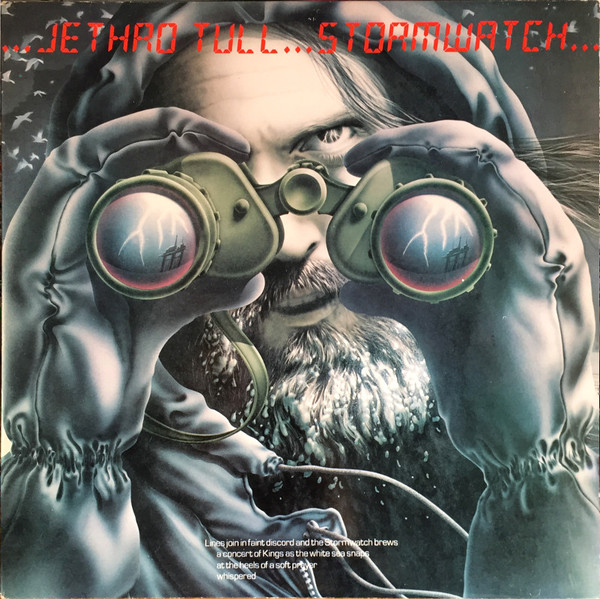
Stormwatch
1979
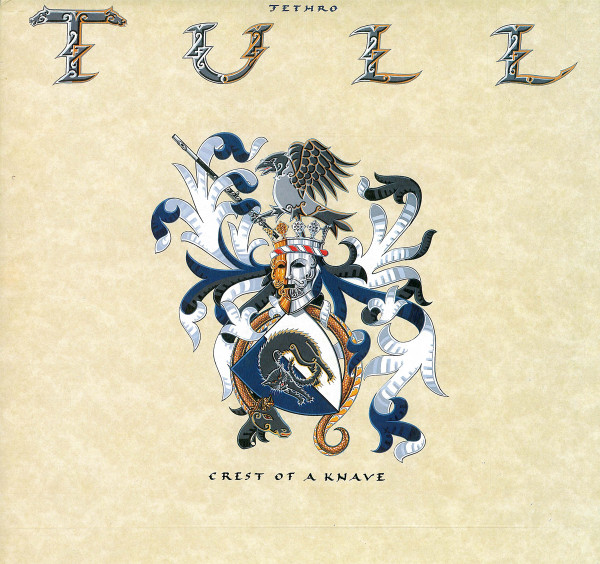
Crest Of A Knave
1987
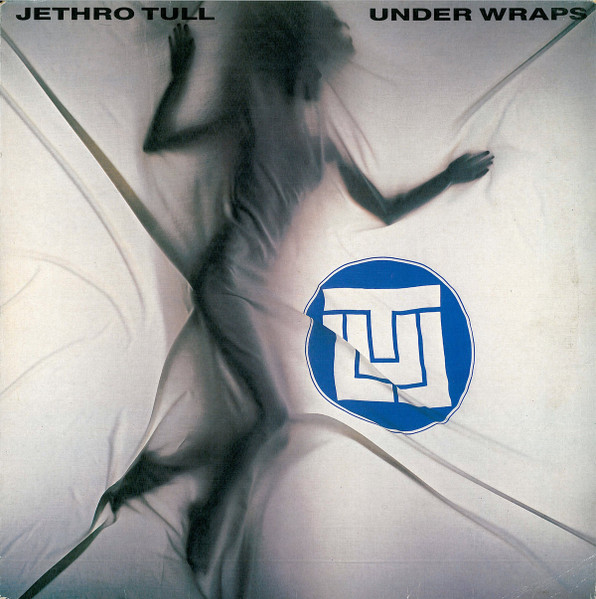
Under Wraps
1984

Original Masters
1985

The Very Best Of
2001

Ring Out, Solstice Bells
1976
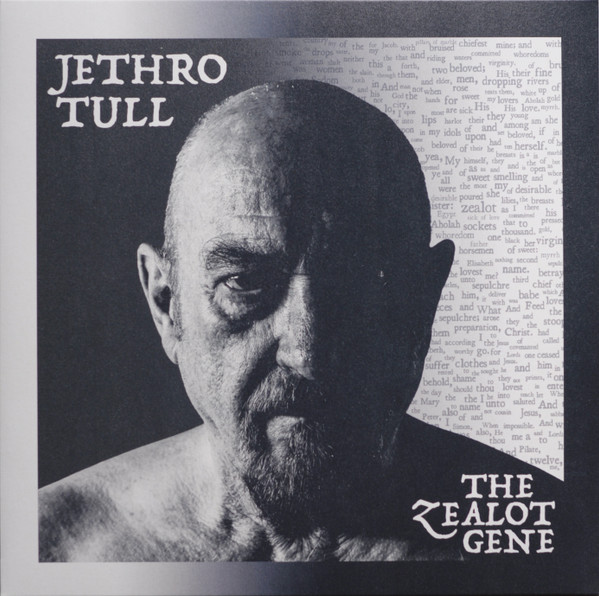
The Zealot Gene
2022

50th Anniversary Collection
2018
Related artists
Members
Frequent collaborators
Around the web
Follow every record they touch.
Start your shelf and Gatefold tracks Jethro Tull's new pressings, tour dates, and the whole discography — automatically.
Start your shelf →Free forever. Works with 10 records or 10,000.