
Artist
Gentle Giant
London, United Kingdom · 1970 – 1980
Gentle Giant is a music group from London, United Kingdom, active 1970–1980. Their discography on Gatefold includes 24 records.

40
Albums tracked
142
In collections
1970
Since
Biography
Tony Visconti produced the 1970 self-titled debut and Acquiring the Taste, running multi-instrumentalists through tape-flanged Mellotrons and cellos like he was scoring an avant-garde chamber piece. The Shulman brothers had just ditched Simon Dupree and the Big Sound because they were sick of bubblegum pop, pivoting hard into dense, multi-part counterpoint and weird time signatures that felt like an outright assault on radio friendly rock. Kerry Minnear brought Royal Academy of Music training into the rehearsal room, handing rock guys vibraphone mallets, recorders, and Moog patches. They never got the stadium cash like Yes or Genesis because they refused to write twenty-minute soaring guitar solos. Instead, they built hyper-complex four-minute puzzle boxes layered with hocketed vocal fugues and razor-sharp funk drums from John Weathers. When punk kicked the door down in the late seventies, they tried to pivot into radio rock, but nobody bought Gentle Giant for three-chord stompers. Derek Shulman figured out the writing was on the wall and quit to become a legendary A&R suit who signed Bon Jovi and Dream Theater, leaving behind one of the most uncompromising, mathematically absurd catalogs in British rock.
Bio from The Clerk
The Arc of Gentle Giant
The pivots — what forced Gentle Giant to reinvent.
The Visconti School of Overreach
Producer Tony Visconti helped the band transition from their 60s pop roots into uncompromising chamber-rock weirdness across their first two albums. Acquiring the Taste wore its arrogance on the sleeve, openly stating their goal was to expand popular music at the risk of alienating everyone. You hear it in the thick layering of Moogs, cellos, vibraphones, and dissonant brass charts that abandoned conventional rock structures entirely.
The Classic Quintet
Phil Shulman left after Octopus, forcing the remaining five members to strip down their arrangements and lean into sharper, tighter polyphony on records like In a Glass House and Free Hand. Drummer John Weathers gave them a driving rhythmic backbone that grounded Kerry Minnear and Ray Shulman's intricate contrapuntal experiments. This was the peak run where their intricate vocal fugues and medieval themes operated with vicious, clockwork precision.
The Commercial Fumble and Bow Out
With the rise of punk and label pressure mounting for a hit single, the band attempted to streamline their sound starting on Side Two of The Missing Piece. Giant for a Day abandoned their trademark complexity for direct pop-rock, resulting in a bland record that pleased neither diehards nor casual listeners. They tracked Civilian at Sound City in Los Angeles for one last punchy rock attempt in 1980 before calling it quits and packing it in.
Influences
- Johann Sebastian Bach — Keyboardist Kerry Minnear studied composition at the Royal Academy of Music, steeping the band in classical counterpoint and baroque structures. You hear it explicitly in the multi-part vocal fugue on 'On Reflection' and the intricate keyboard lines throughout 'Experience'. It is the literal foundation of their whole arranging style.
- Igor Stravinsky — The band routinely cited twentieth-century classical composers for their shifting meters and jarring polyrhythms. Tracks like 'Knots' and 'So Sincere' lift directly from Stravinsky's angular phrasing and dissonant melodic jumps. They played rock instruments with modern orchestral discipline.
- The Beatles — The Shulman brothers spent the late sixties working in British pop and soaked up the studio experimentation of Abbey Road and Sgt. Pepper. The vocal harmony arrangements on early tracks like 'Pantagruel's Nativity' pull directly from late-era Fab Four vocal stacks. It gave their strangest songs an underlying melodic hook.
- Otis Redding — Before forming Gentle Giant, Derek and Ray Shulman backed American soul acts and scored a 1967 mod-soul hit as Simon Dupree and the Big Sound. Derek's raw, gritty vocal delivery on tracks like 'Just the Same' carries genuine R&B rasp rather than the polite choirboy tone common in English prog. That grit kept their music from sounding like dry academic theory.
- The Soft Machine — The UK underground jazz-rock scene paved the way for Gentle Giant to weave freeform woodwinds and unorthodox brass into a rock band setup. You hear that early British fusion influence all over the sax runs and extended instrumental passages on their self-titled 1970 debut. They took Canterbury jazz textures and hammered them into rigid, complex forms.
Discography
Their records — most-collected first.
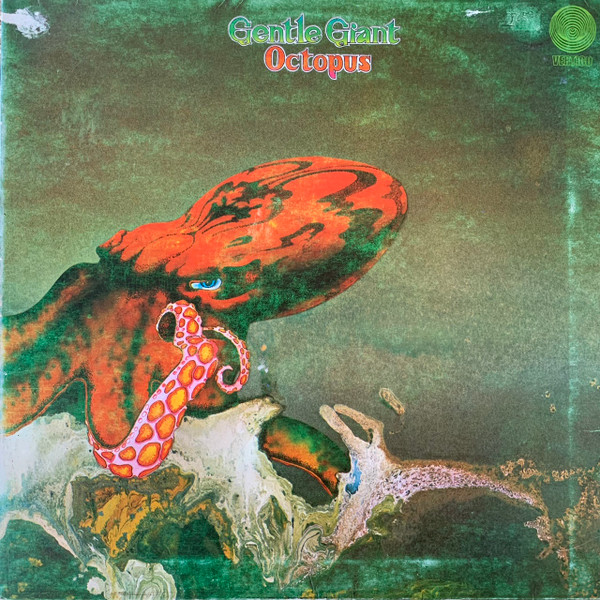
Octopus
1972

Interview
1976
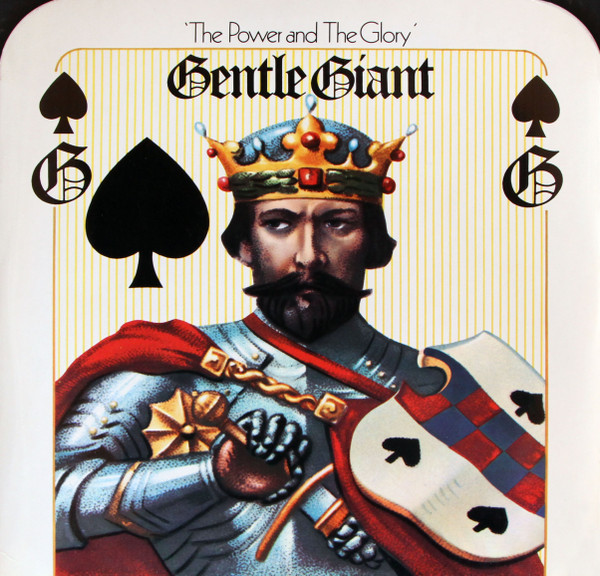
The Power And The Glory
1974
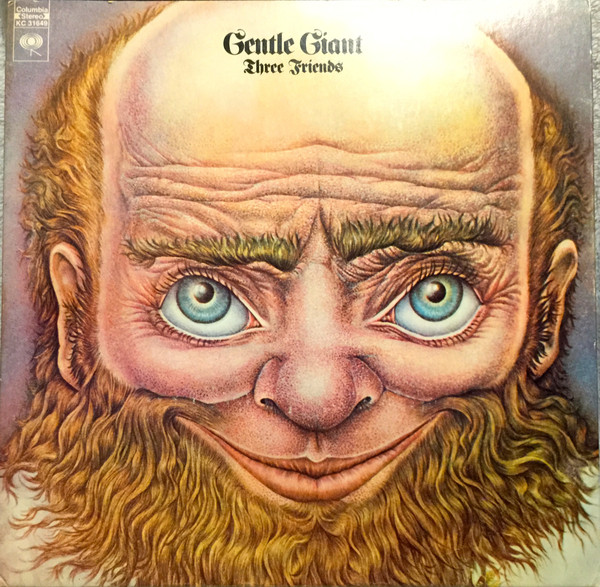
Three Friends
1972

Free Hand
1975

Playing The Fool
1977
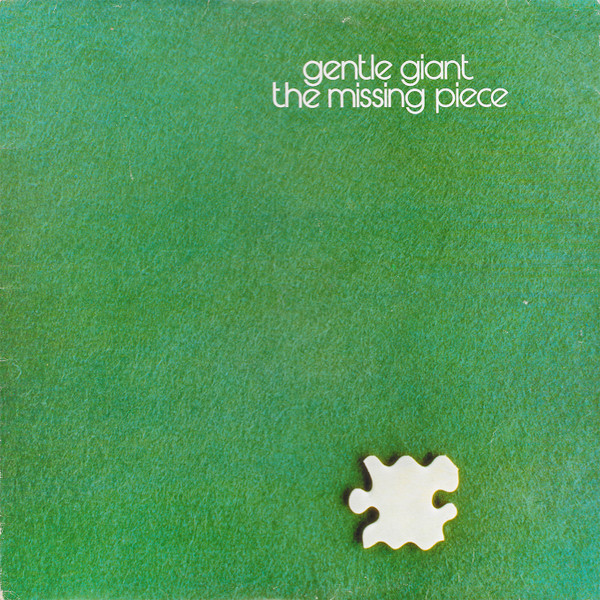
The Missing Piece
1977

In A Glass House
1973

Gentle Giant
1970
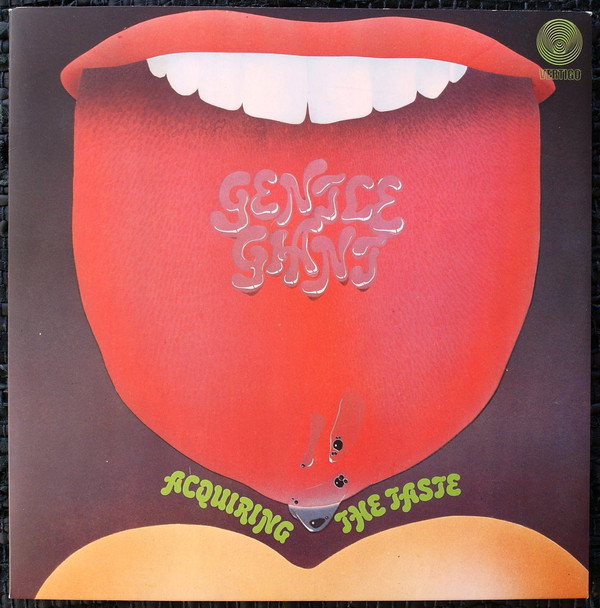
Acquiring The Taste
1971
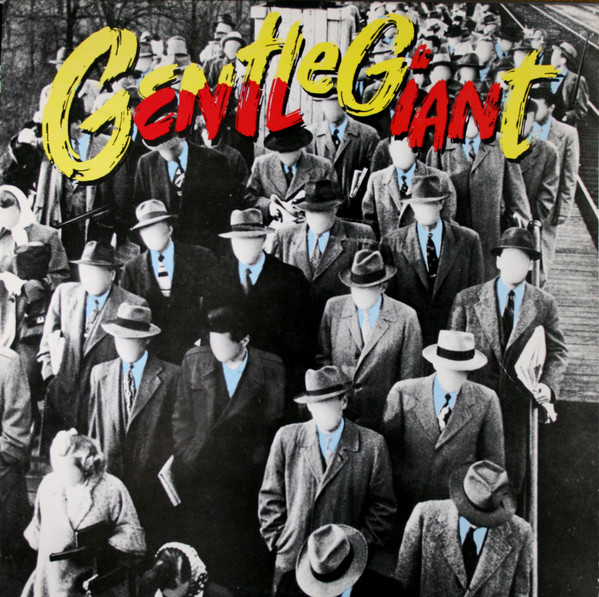
Civilian
1980

Giant For A Day
1978

Three Piece Suite
2017

Unburied Treasure
2019
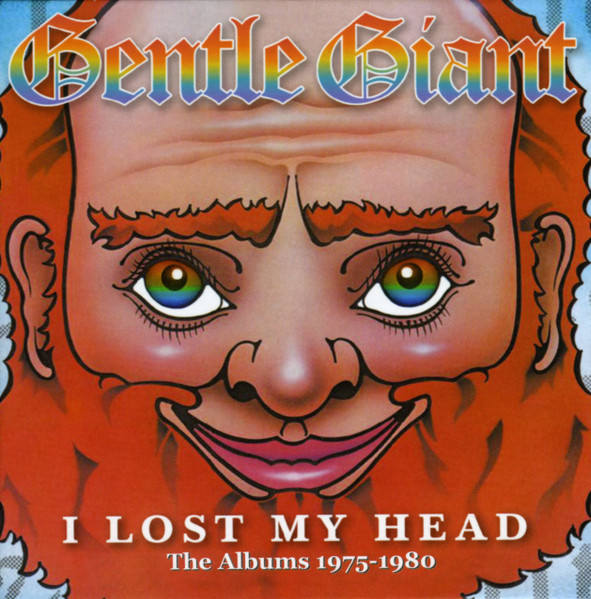
I Lost My Head - The Chrysalis Years (1975-1980)
2012

Gentle Giant / Acquiring The Taste
2012

GG At The GG - Sight And Sound In Concert
2006
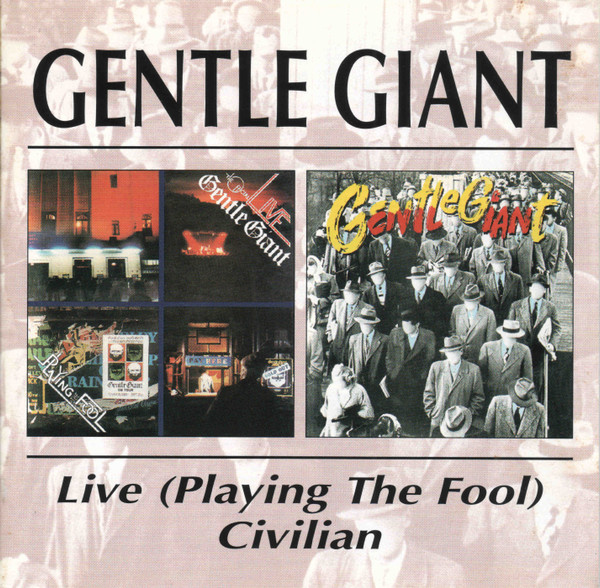
Live (Playing The Fool) / Civilian
1999

Three Friends / Octopus
1997

Out Of The Woods - The BBC Sessions
1996

Giant Steps... The First Five Years
1975

Live At The Bicentennial 1776-1976
2014
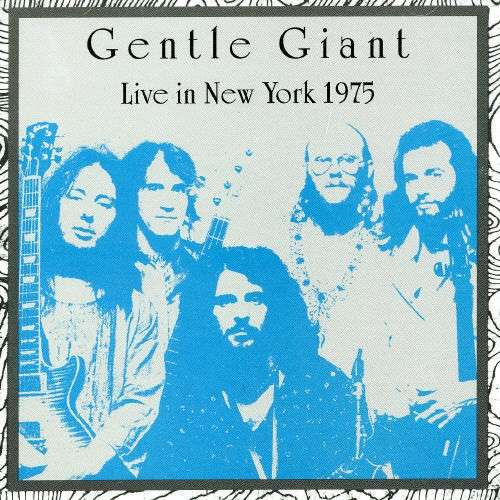
Live In New York 1975
2005

Live In Santa Monica 1975
2005
Related artists
Around the web
Follow every record they touch.
Start your shelf and Gatefold tracks Gentle Giant's new pressings, tour dates, and the whole discography — automatically.
Start your shelf →Free forever. Works with 10 records or 10,000.