
Artist
Yes
London, United Kingdom
Yes is a music group from London, United Kingdom. Their discography on Gatefold includes 24 records.
69
Albums tracked
1,015
In collections
—
Since
Biography
Bill Bruford sat behind a kit that was half-jazz, half-R&B, and spent the first two records trying to turn a rock band into a swing outfit. It shouldn't have worked. Most of these prog guys were classically trained snobs, but Chris Squire was a choir boy who discovered the Rickenbacker and decided he wanted to play lead guitar on a four-string. When Steve Howe showed up with a hollow-body Gibson ES-175 instead of a Strat, the whole dynamic shifted from psych-pop covers to something far more intricate and jagged. They hit a wall when the ambition outpaced the patience of the room, leading to a revolving door of virtuosos who couldn't stand each other's breakfast habits. Rick Wakeman would be eating a curry on top of his Hammond C3 while the rest of them spent six months debating a single time signature. It got bloated, it got weird, and eventually, it collapsed under the weight of triple-LP concepts that even the band didn't fully understand. But when they were locked in, nobody touched them for sheer technical audacity.
Bio from The Clerk
The Arc of Yes
The pivots — what forced Yes to reinvent.
The Fragile Shift
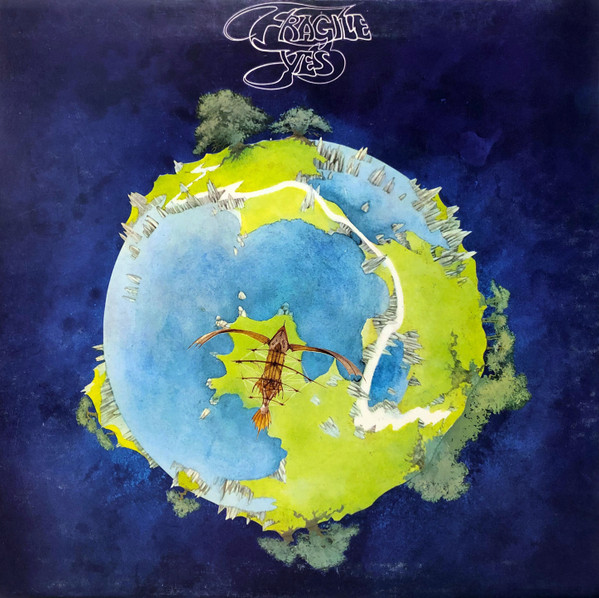
Replacing Tony Kaye with Rick Wakeman changed everything because it added a mini-orchestra of Moogs and Mellotrons to the arsenal. They stopped writing songs and started building suites, leaning into Squire’s aggressive, trebly bass tone to bridge the gap between Howe’s country-fried licks and Bruford’s snappy snare. This was the peak of their collaborative friction, where the individual solo tracks on Fragile were basically a compromise to keep everyone from quitting. You hear the result in the tight, terrifying precision of Heart of the Sunrise.
The Bruford Breakup
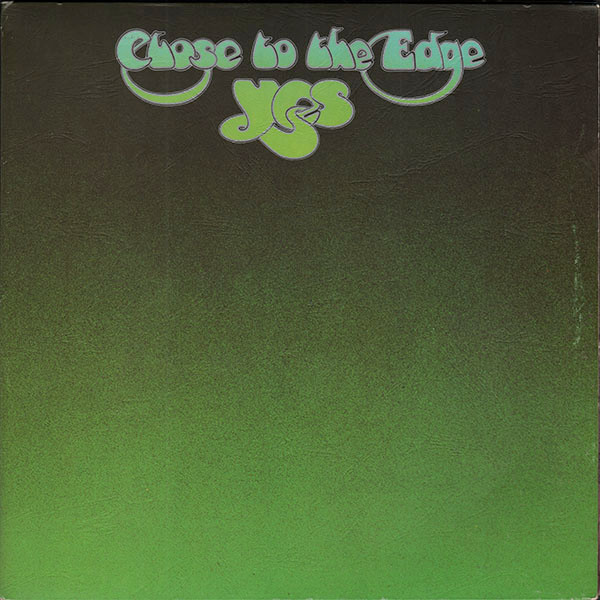
When Bruford bailed for King Crimson right after tracking Close to the Edge, the band lost its swing and found a sledgehammer in Alan White. White had just come off the Plastic Ono Band sessions and brought a heavier, straight-ahead rock pocket that grounded the band’s increasingly cosmic leanings. This era defined the stadium-proggers, trading Bruford’s jazz-inflected ghost notes for a massive, booming backbeat that could carry a track like Ritual through twenty minutes of madness. It made them louder, less nimble, and far more suited for the massive light shows that were about to swallow the stage.
The Buggles Hijack
After the Tormato tour left the band in shambles and Jon Anderson walked away, the remaining members literally recruited the guys who wrote Video Killed the Radio Star. Trevor Horn and Geoff Downes were rehearsing in the next room and ended up fronting the band for the Drama album. The result was a bizarre, high-fidelity hybrid of New Wave production and prog-rock muscle that sounded like a futuristic machine. It was cold, punchy, and surprisingly heavy, proving the Yes machine could survive even without its signature voice.
The Rabin Reinvention
The band was dead until Trevor Rabin brought in a stash of polished hard-rock demos and Trevor Horn moved behind the producer's desk. They ditched the capes for leather jackets and 80s gated reverb, turning 90125 into a multi-platinum pivot that horrified the purists. Rabin’s heavy, processed guitar riffs and the Fairlight CMI synth stabs transformed them into a Top 40 juggernaut. It wasn't the same band that made Tales from Topographic Oceans, but it saved their careers and proved they could out-produce every kid on MTV.
Influences
- The Fifth Dimension — Jon Anderson explicitly cited their vocal harmonies as the blueprint for the Yes multi-part vocal stacks. You hear it in the sunshine-pop vocal arrangements on their 1969 debut and the way they layered the choruses on Time and a Word. It’s the pop heart inside the prog beast.
- The Beatles — They covered Every Little Thing on their first record, turning a simple pop tune into a sprawling workout. The influence isn't just in the melodies, but in the George Martin-style studio experimentation they brought to their later arrangements. It gave them the license to treat the studio as a separate instrument.
- Simon & Garfunkel — The band's 1971 cover of America is the definitive proof of this lineage. They took the folk-duo's intricate vocal counterpoint and applied it to a high-voltage rock setting. It’s where Squire and Anderson refined their specific harmonic blend.
- Vanilla Fudge — Squire admitted that hearing Vanilla Fudge’s heavy, slowed-down covers changed his perspective on what a rock band could do with space. You hear it in the way early Yes would deconstruct a song and rebuild it with massive, distorted bass movements. They took the Fudge's heaviness and added a lot more notes.
- Wes Montgomery — Steve Howe has spent half his career shouting out Montgomery's octave technique and jazz phrasing. You hear it in the clean, melodic runs on tracks like The Clap or the jazzier breaks in Yours Is No Disgrace. It’s why Howe sounds nothing like the blues-rock players of his era.
Discography
Their records — most-collected first.
Fragile
1971
Close To The Edge
1972

90125
1983

The Yes Album
1971
Yessongs
1973
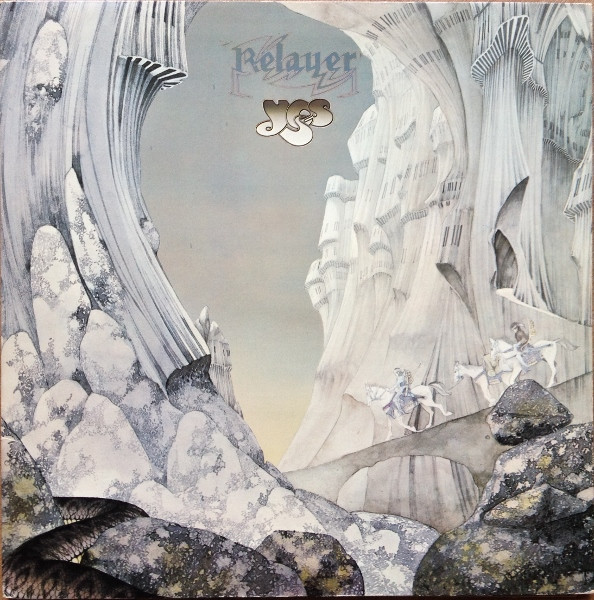
Relayer
1974
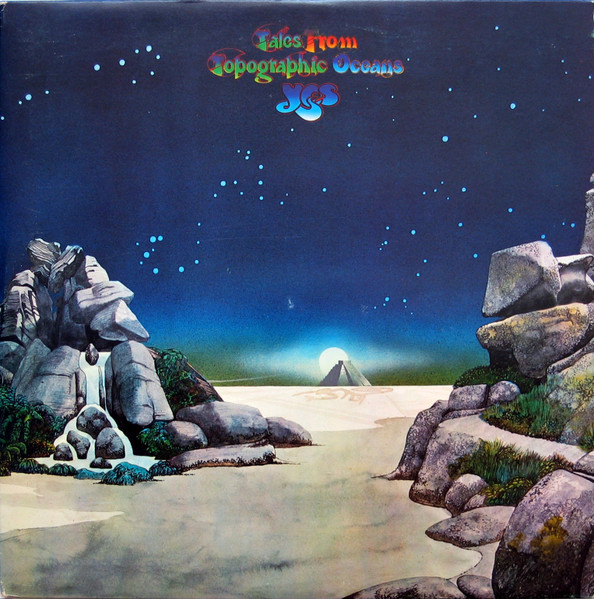
Tales From Topographic Oceans
1973

Going For The One
1977
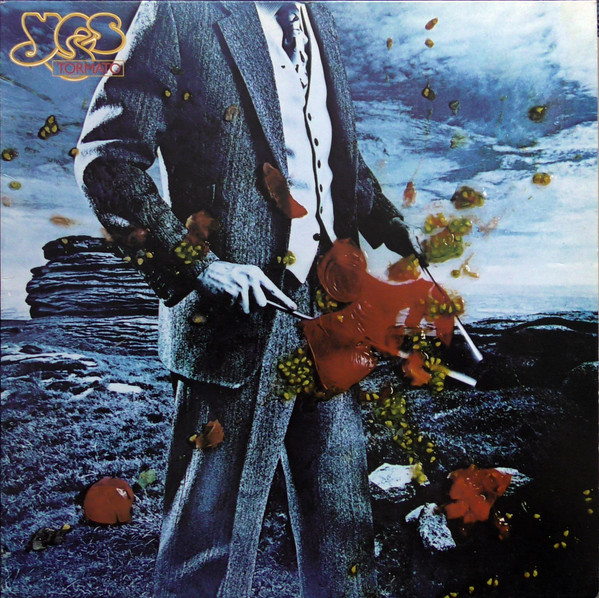
Tormato
1978
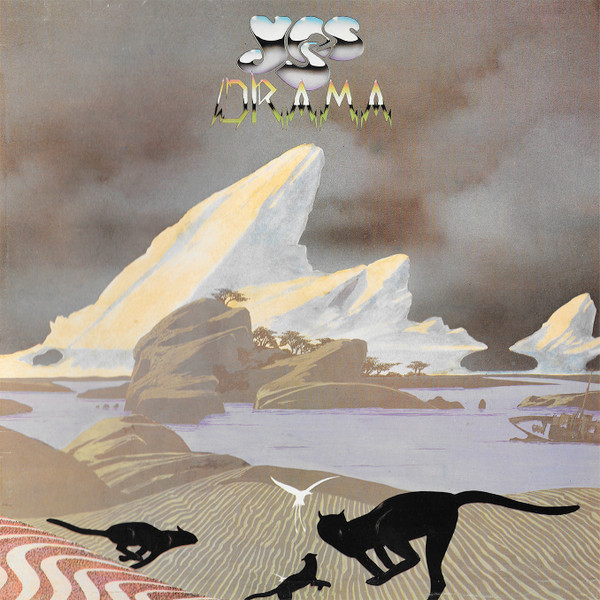
Drama
1980
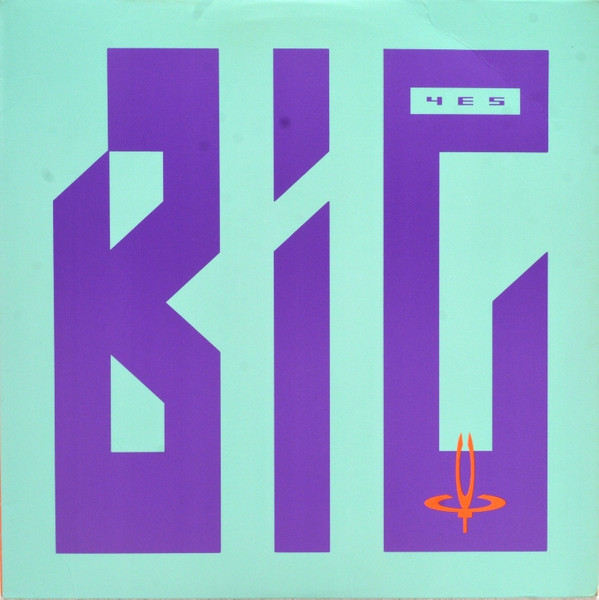
Big Generator
1987

Yesterdays
1975

Time And A Word
1970
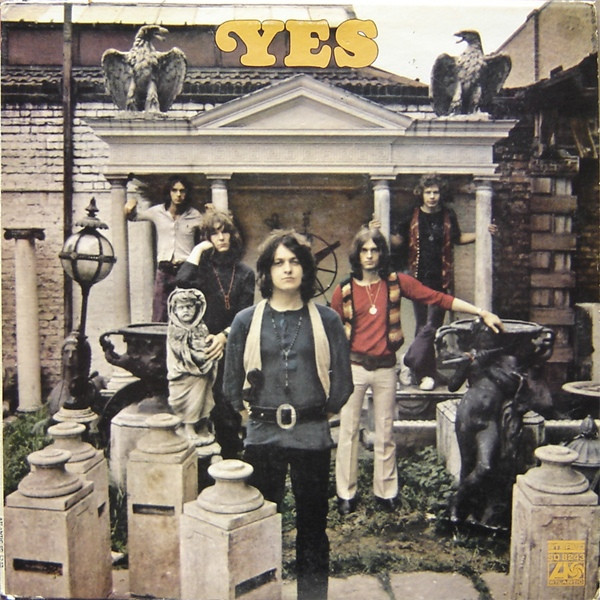
Yes
1969
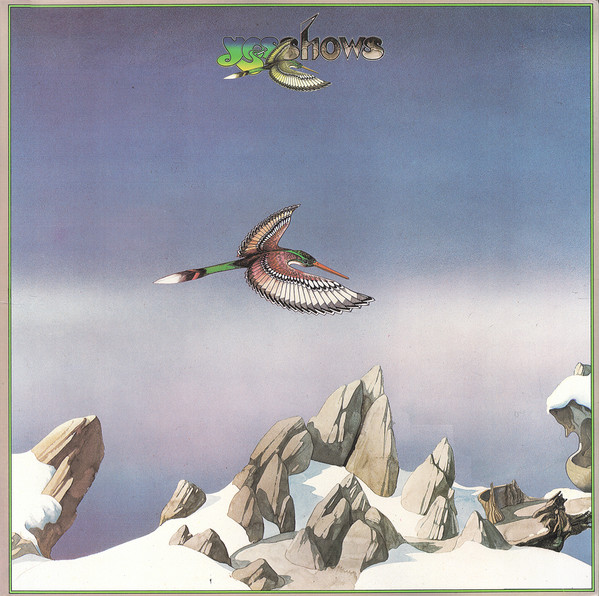
Yesshows
1980

Classic Yes
1981
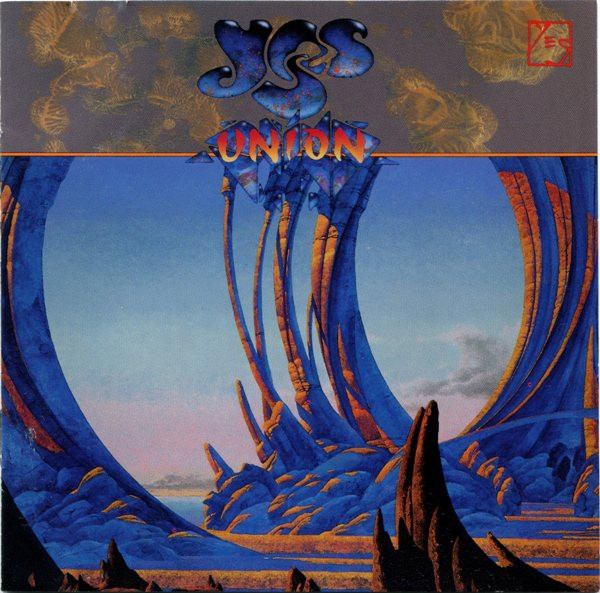
Union
1991
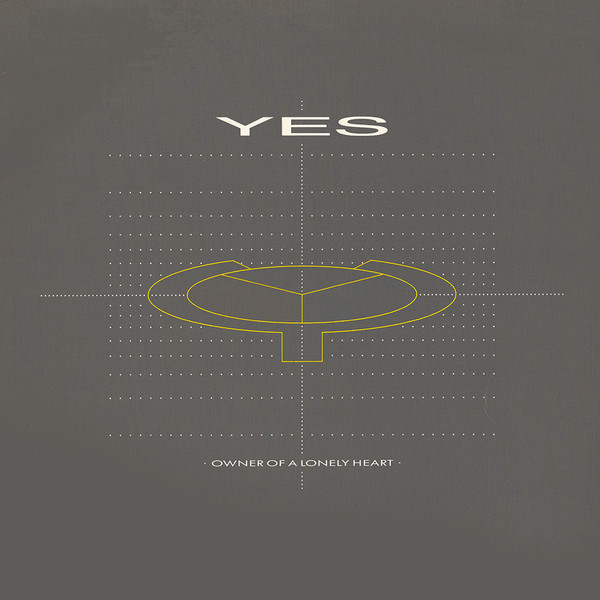
Owner Of A Lonely Heart
1983
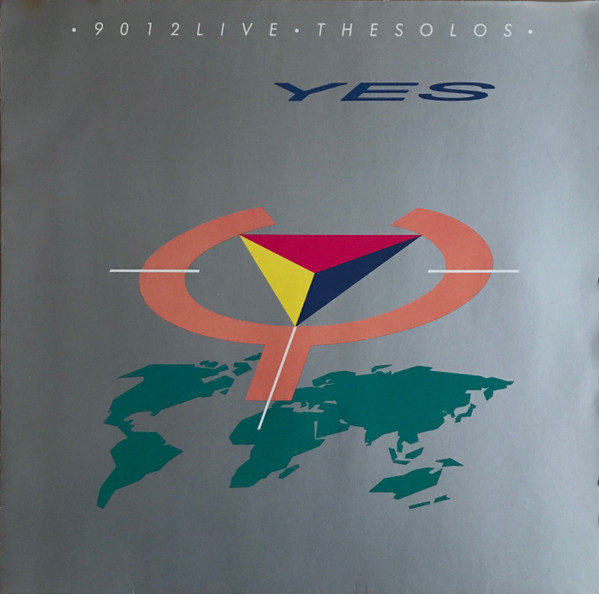
9012Live • The Solos
1985

Yessingles
2023

Symphonic Live
2002
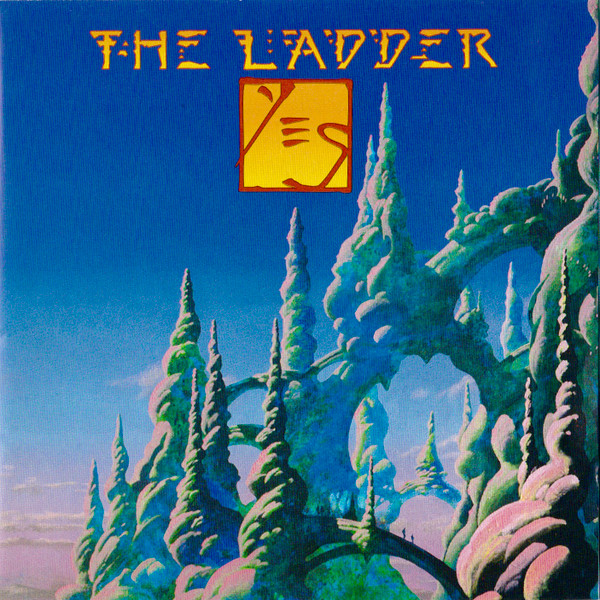
The Ladder
1999
Wonderous Stories
1977

Magnification
2001
Related artists
Members
Frequent collaborators
Around the web
Follow every record they touch.
Start your shelf and Gatefold tracks Yes's new pressings, tour dates, and the whole discography — automatically.
Start your shelf →Free forever. Works with 10 records or 10,000.