
Artist
Ultravox
London, United Kingdom · Formed 1976
Ultravox is a music group from London, United Kingdom, active since 1976. Their discography on Gatefold includes 24 records.

53
Albums tracked
378
In collections
1976
Since
Biography
Island Records gave them a £10,000 budget and Brian Eno, which is how a bunch of guys obsessed with the Velvet Underground ended up recording their debut at Island Studios with a producer who was busy inventing ambient music on the side. Steve Lillywhite was engineering and they had to figure out how to make John Foxx’s cold, detached vocal delivery cut through a wall of fuzz and glams-rock swagger. It was messy as hell and the press hated it because they weren't punk enough for 1977, but they had the only guy in London using a Roland TR-77 drum machine to anchor a rock band. By the time they got to the Conny Plank sessions in Germany for Systems of Romance, the guitars were basically just textures for the synths to bounce off of. They were broke, the label dropped them, and John Foxx walked away to go be a solo minimalist. Most bands would have folded, but Billy Currie had been playing in Visage with Midge Ure and realized they could pivot from dystopian art-school noise to stadium-sized romanticism. It was a calculated move that traded the jagged edges of the Foxx era for a polished, expensive sound that basically defined how the 80s were going to look and feel.
Bio from The Clerk
The Arc of Ultravox
The pivots — what forced Ultravox to reinvent.
The Foxx/Eno Prototype
The band started as a high-volume collision between glam-rock trash and art-school pretension under the direction of John Foxx. Working with Brian Eno and Steve Lillywhite at Island Studios, they tried to bridge the gap between Roxy Music’s artifice and the raw energy of the punk scene. You hear it in the frantic energy of the first two albums, where the electronics are treated like another distorted guitar rather than a lead instrument. It was aggressive, weird, and completely out of step with the three-chord simplicity of the London circuit in '77.
The Conny Plank Shift
The band headed to Cologne to work with Conny Plank, the guy who shaped the sound of Kraftwerk and Neu!, and everything changed. Plank stripped away the clutter and taught them how to use the studio as an instrument, resulting in the precision of Systems of Romance. This is where the band's DNA truly mutated, ditching the '!' in their name and the punk posturing for a cold, sequencer-driven sound. It’s the bridge between the 70s art-rock and the synth-pop explosion that was about to hit.
The Vienna Expansion
After Foxx quit and Midge Ure stepped in, the band shifted from a cult art project to a commercial juggernaut. They leaned heavily into the Yamaha SS30 string machine and the Roland CR-78 to create huge, cinematic atmospheres that felt like a noir film. Recording the Vienna album at RAK Studios with Conny Plank again, they figured out how to make a six-minute track with a drum machine solo into a massive hit. This era traded the basement grime for expensive overcoats and high-drama melodies that filled arenas.
The George Martin Polish
By 1982, they wanted to sound even bigger, so they brought in Beatles legend George Martin to produce the Quartet album at AIR Studios. Martin brought a sophisticated pop sensibility that smoothed over the remaining rough edges and pushed the synths into more melodic, orchestral territory. It was the peak of their technical polish, where the gear was top-of-the-line and the production was flawless. You can hear the shift toward a more traditional pop structure that eventually led to the internal friction of the mid-80s.
Influences
- The Velvet Underground — John Foxx has repeatedly cited the Velvets as the reason he started the band, specifically their blend of street grit and avant-garde noise. You hear it in the droning textures and the detached, 'White Light/White Heat' energy of their earliest demos and the first Island record. It’s the foundation for their art-school-meets-the-gutter aesthetic.
- Kraftwerk — The band saw Kraftwerk on the Autobahn tour and it completely reframed their understanding of how a drum machine could function in a rock context. Warren Cann's rigid, metronomic drumming style was a direct response to the Ralf and Florian school of percussion. By the time they hit the 'Systems of Romance' sessions, they were aiming for that same German precision.
- Roxy Music — Before they were even called Ultravox, they were chasing the high-concept glam of Eno-era Roxy Music. Billy Currie’s heavy use of the VCS3 synthesizer and the electric violin is a direct lineage from Bryan Ferry's early theatrical lineups. They took the art-rock blueprint and just made it colder and more urban.
- David Bowie — The 'Berlin Trilogy' albums like Low and Heroes were being recorded at the same time Ultravox was finding its feet. The band was obsessed with the way Bowie and Tony Visconti used synthesizers to create 'frozen' atmospheres. That sense of European isolation is all over 'Hiroshima Mon Amour' and the later Midge Ure material.
- The New York Dolls — In the very early 'Tiger Lily' days, the band was essentially a glam-punk outfit heavily influenced by the trashy energy of the Dolls. You can hear the DNA of those greasy, distorted guitar riffs on the first self-titled album before the synths took over the mix entirely. They were the bridge between NYC street rock and European electronic music.
Discography
Their records — most-collected first.
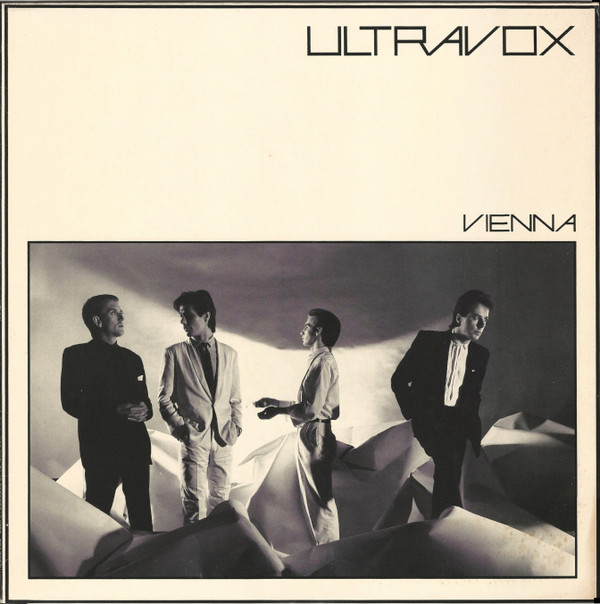
Vienna
1980
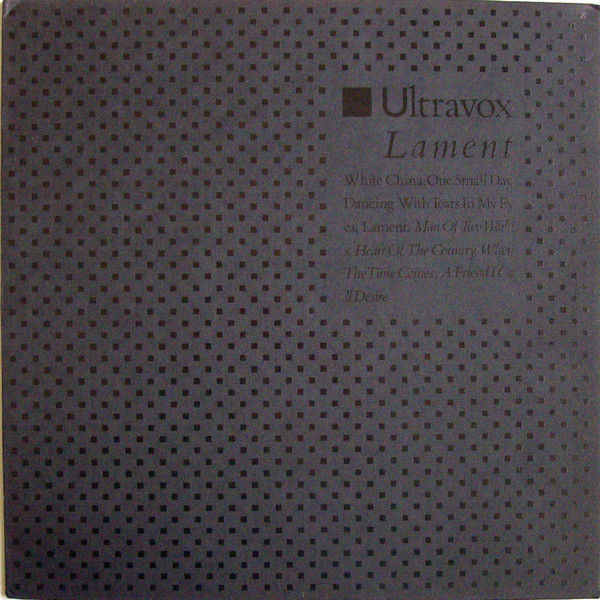
Lament
1984
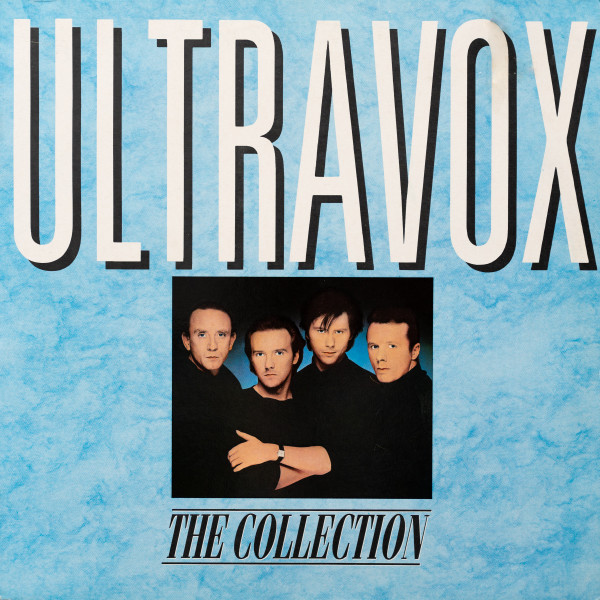
The Collection
1984
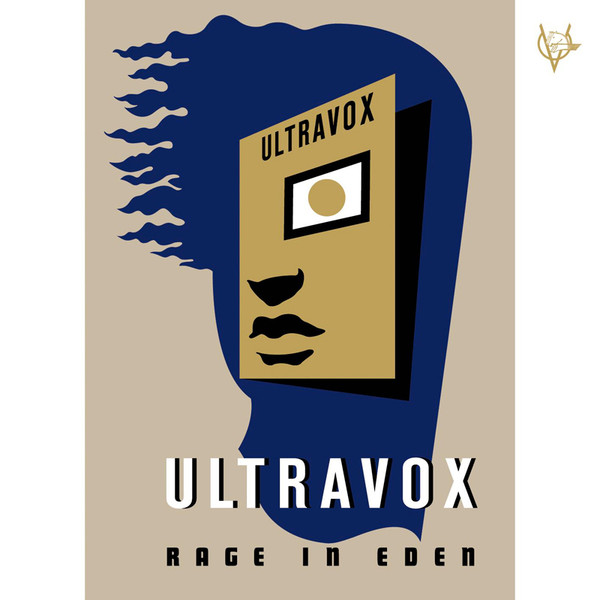
Rage In Eden
1981
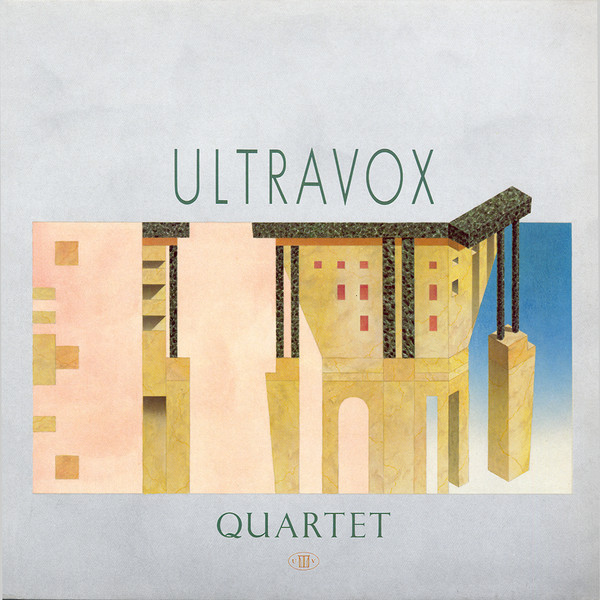
Quartet
1982

Ha!-Ha!-Ha!
1977
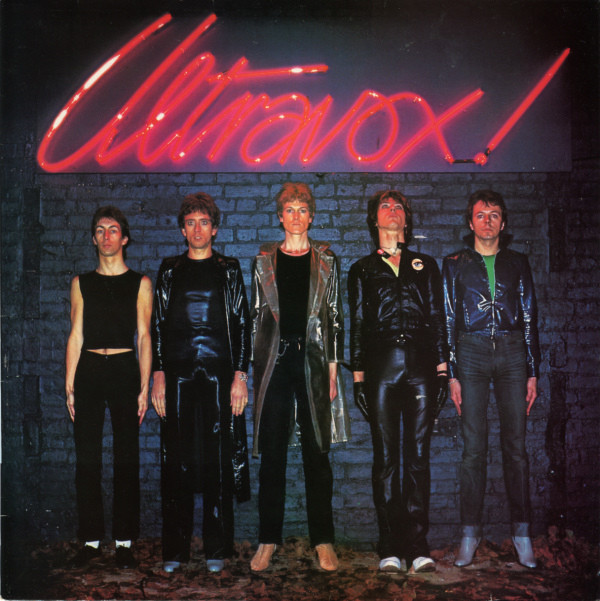
Ultravox!
1977

Vienna
1981

Monument The Soundtrack
1983

Systems Of Romance
1978
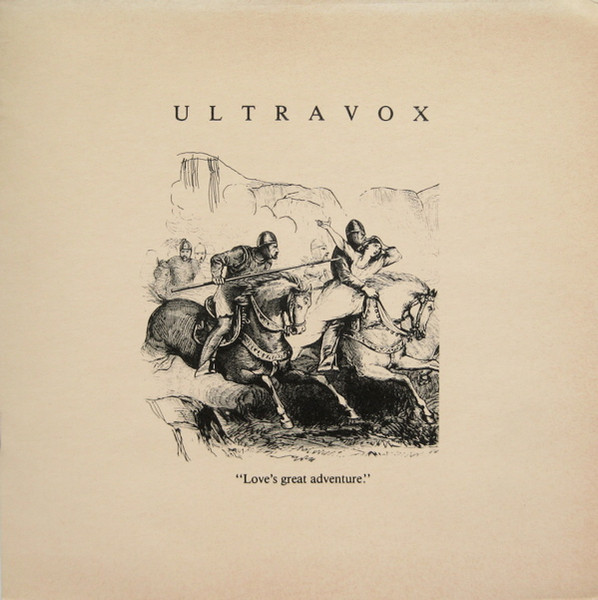
Love's Great Adventure
1984
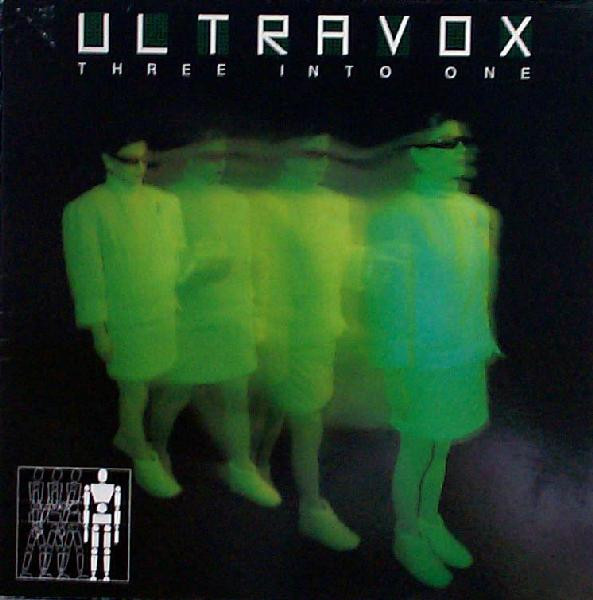
Three Into One
1980
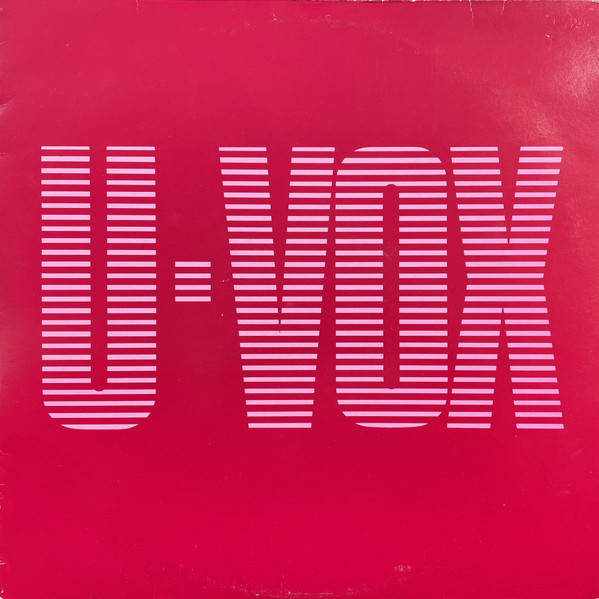
U-Vox
1986
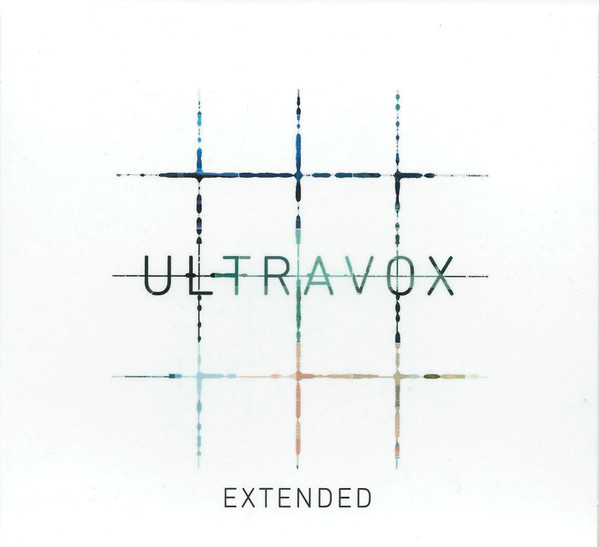
Extended
2018

Return To Eden
2010

Lament (Extended Re-Mixes)
2024

One Small Day
1984
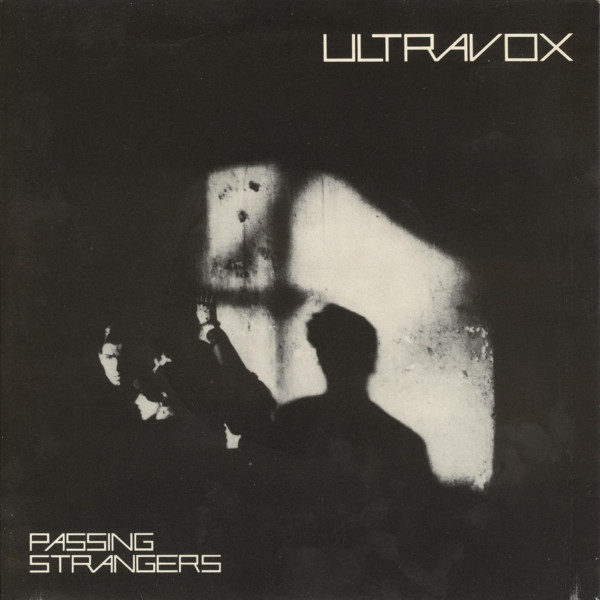
Passing Strangers
1980

Dancing With Tears In My Eyes
1984

Reap The Wild Wind
1982

Slow Motion / Quiet Men / Hiroshima Mon Amour
1981
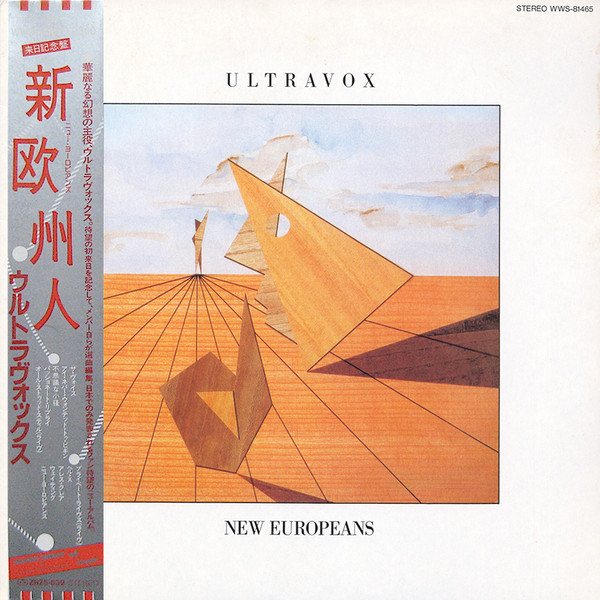
New Europeans
1981

Sleepwalk
1980

The Re-Mixes
2026
Related artists
Around the web
Follow every record they touch.
Start your shelf and Gatefold tracks Ultravox's new pressings, tour dates, and the whole discography — automatically.
Start your shelf →Free forever. Works with 10 records or 10,000.