
Artist
John Lennon
The Beatles
Liverpool Maternity Hospital, United Kingdom · 1940 – 1980
John Lennon is a musician from Liverpool Maternity Hospital, United Kingdom, active 1940–1980. Their discography on Gatefold includes 24 records. They also recorded with The Beatles, Plastic Ono Band and The Quarrymen.

151
Albums tracked
5,627
In collections
1940
Since
Biography
Phil Spector pushed Lennon until his vocal cords bled at Abbey Road in late 1970. He wanted that raw, primal-scream therapy trapped directly onto tape without the studio polish that covered the late-era Beatles records. Just John on an upright piano or a stripped-back Epiphone Casino, Klaus Voormann holding down bass, and Ringo Starr keeping the absolute bare minimum beat. It was blunt, ugly, and entirely devoid of pop sheen. He blew up the mythology of the biggest band in human history with three chords and a scream. Then he spent the next half-decade oscillating between unlistenable agitprop and chasing radio gloss. He got bogged down in New York radical politics, bloated horn arrangements, and an eighteen-month bender in Los Angeles that almost ruined him. But when Lennon stripped off the protective layers and abandoned the Spector echo chamber, he possessed the most biting, honest voice in rock and roll. The lulls were self-indulgent messes, but the peaks cut to the bone.
Bio from The Clerk
The Arc of John Lennon
The pivots — what forced John Lennon to reinvent.
The Primal Scream
Fresh off Arthur Janov's therapy and the acrimonious split of The Beatles, Lennon booked Abbey Road with Ringo Starr and Klaus Voormann to strip away every pop illusion. Phil Spector was in the booth, but instead of his Wall of Sound, he captured a stark, skeletal trio on Plastic Ono Band. Lennon shredded his voice on tracks like 'Mother' and explicitly denounced his past on 'God'. It remains one of the most abrasive, unvarnished confessionals ever committed to vinyl.
The Radical Agitprop
Moving to Greenwich Village in 1971 threw Lennon headfirst into American anti-war activism and radical politics. Backed by New York street-rockers Elephant's Memory, he traded personal vulnerability for ripped-from-the-headlines polemics on Some Time in New York City. The production was murky, the songwriting rushed, and the critical backlash was immediate and brutal. It was his most chaotic, divisive period, turning a global pop star into a target for federal deportation.
The Lost Weekend
Separated from Yoko Ono in late 1973, Lennon relocated to Los Angeles with May Pang for an eighteen-month haze of booze and session chaos. Phil Spector famously pulled a gun in the studio during the abortive Rock 'n' Roll oldies sessions, forcing Lennon to scrap the tapes and produce Walls and Bridges himself back in New York. The resulting tracks brought Elton John in for 'Whatever Gets You Thru the Night' and delivered a polished, brass-heavy comeback. It was a commercial triumph pulled straight out of personal freefall.
The Dakota Househusband
After five years of total silence baking bread and raising his son Sean in the Dakota, Lennon resurfaced at The Hit Factory in 1980 with producer Jack Douglas. He split Double Fantasy down the middle with Yoko Ono, trading breezy adult-contemporary tracks like '(Just Like) Starting Over' with her avant-garde dance-pop. The sessions used razor-sharp New York session pros like Tony Levin and Hugh McCracken, giving the record a clean, modern sheen. It showed an artist finally comfortable in his own skin just weeks before it was cut short.
Influences
- Chuck Berry — Lennon lifted the opening guitar lick and vocal cadence of 'You Can't Catch Me' directly into The Beatles' 'Come Together', which led to a copyright lawsuit from Morris Levy and forced him to cut the 1975 Rock 'n' Roll covers album. Berry's lyrical economy and double-stop riffs were the core template for Lennon's rhythm guitar work. You can hear that aggressive, driving right-hand chop across every rocker he ever cut.
- Buddy Holly — Lennon learned to play guitar by figuring out Holly's three-chord progressions, famously covering 'That'll Be the Day' with The Quarrymen in 1958 and cutting 'Peggy Sue' in 1975. Holly proved to him that you could write your own hits while playing your own rhythm guitar and wearing thick glasses on stage. His hiccuping vocal style on 'Everyday' is stamped all over Lennon's early vocal inflections.
- Little Richard — Lennon spent weeks watching Little Richard perform up close when the American star shared a residency bill with The Beatles at the Star-Club in Hamburg in 1962. That feral, throat-shredding falsetto whoop became Lennon's go-to vocal trick for injecting immediate danger into a track. You hear that exact Hamburg roar tearing through the vocal take on 'Cold Turkey'.
- Arthur Alexander — Lennon championed Alexander's country-soul sound from the moment he heard 'You Better Move On', immediately leading the charge to record Alexander's 'Anna (Go to Him)' for The Beatles' 1963 debut album. That vulnerable, pleading vocal delivery showed Lennon how to channel raw emotional insecurity without losing the groove. It is the direct ancestor to the wounded rasp on 'Jealous Guy'.
- Lonnie Donegan — Donegan's 1955 hit 'Rock Island Line' sparked the UK skiffle craze that drove Lennon to beg his Aunt Mimi for his first mail-order Gallotone Champion guitar and form The Quarrymen. Donegan's frantic acoustic strumming and DIY ethos gave British working-class kids permission to make noise with washboards and cheap wood. Without Donegan's skiffle boom, Lennon never picks up a six-string in the first place.
John Lennon — solo
Their records — most-collected first.
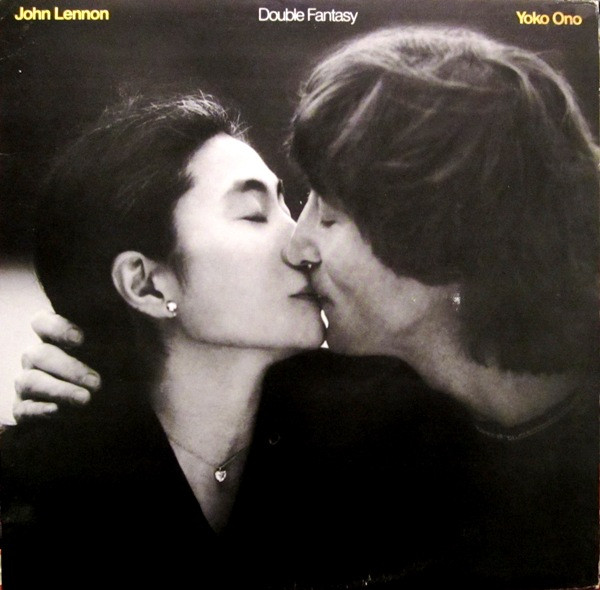
Double Fantasy
1980
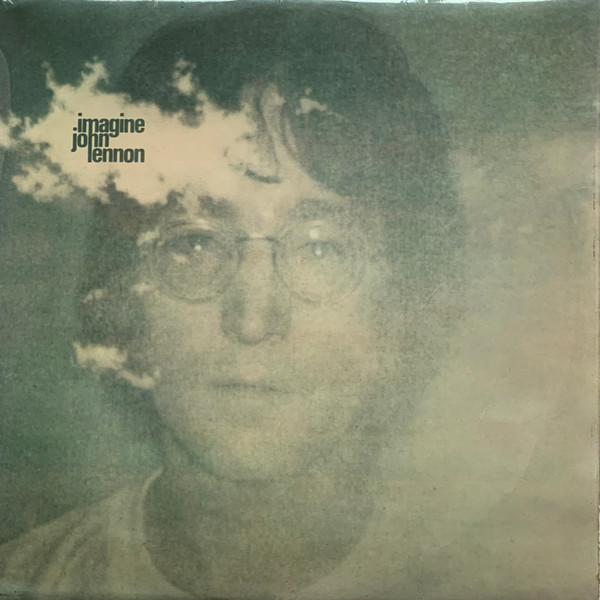
Imagine
1971
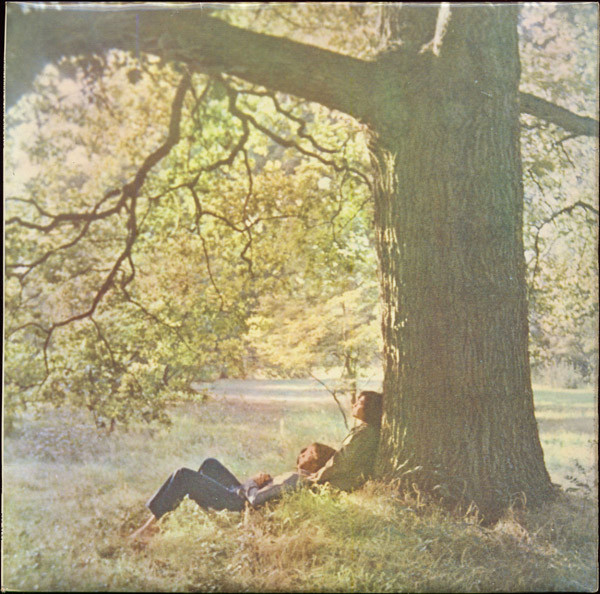
John Lennon / Plastic Ono Band
1970
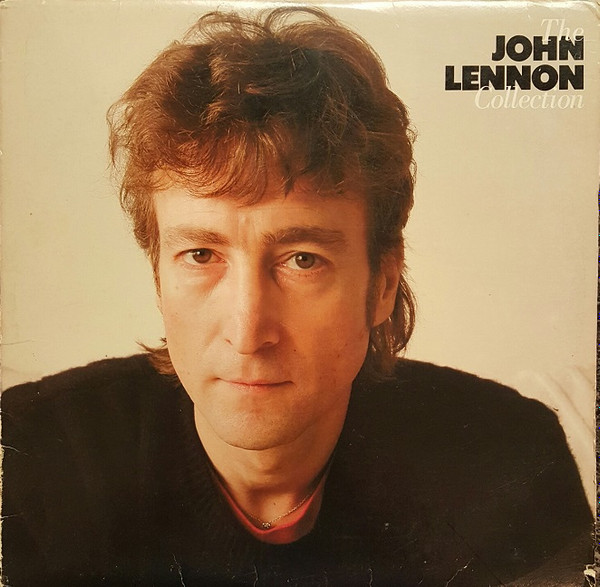
The John Lennon Collection
1982
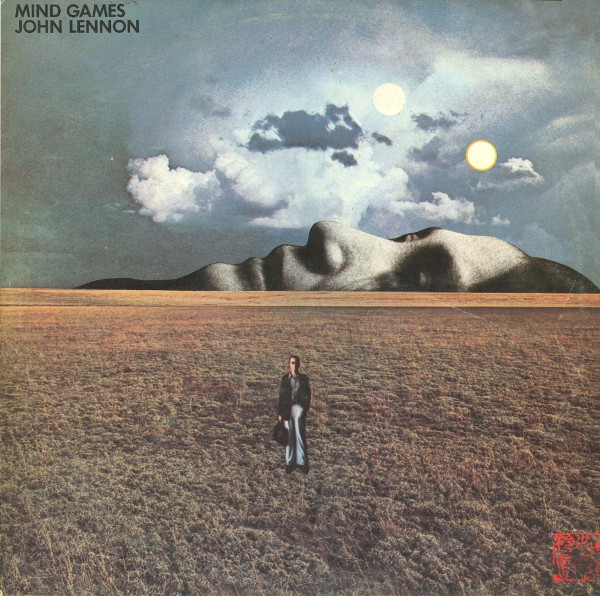
Mind Games
1973
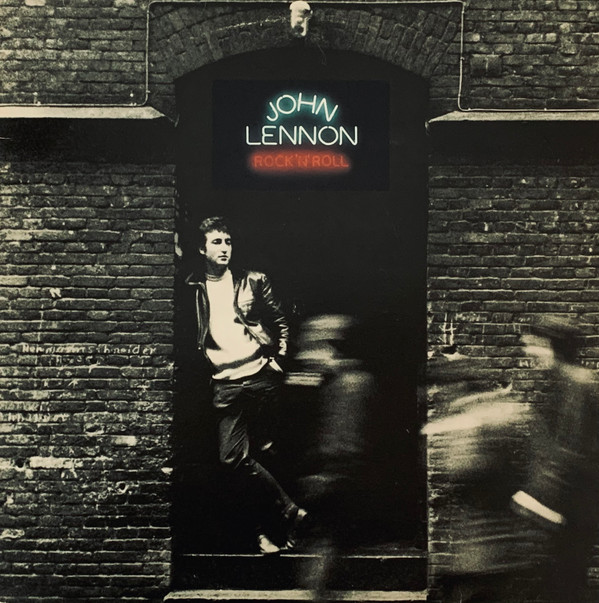
Rock 'N' Roll
1975
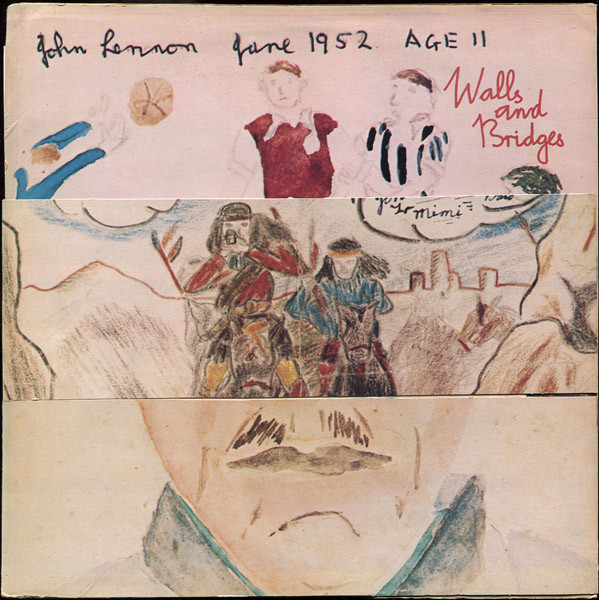
Walls And Bridges
1974
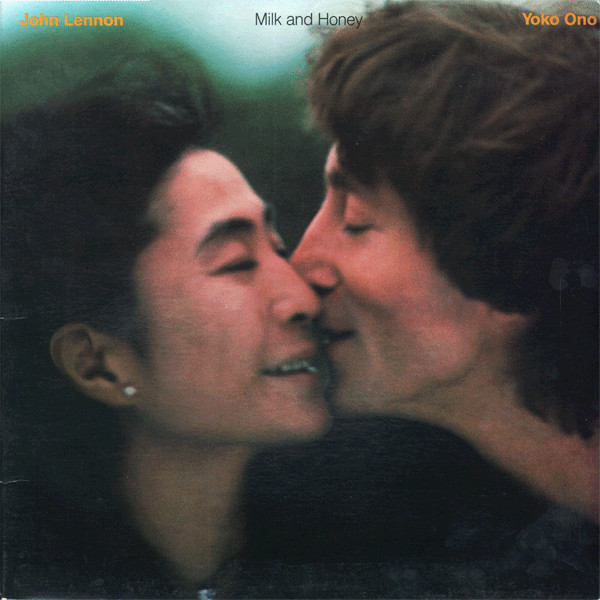
Milk And Honey
1984
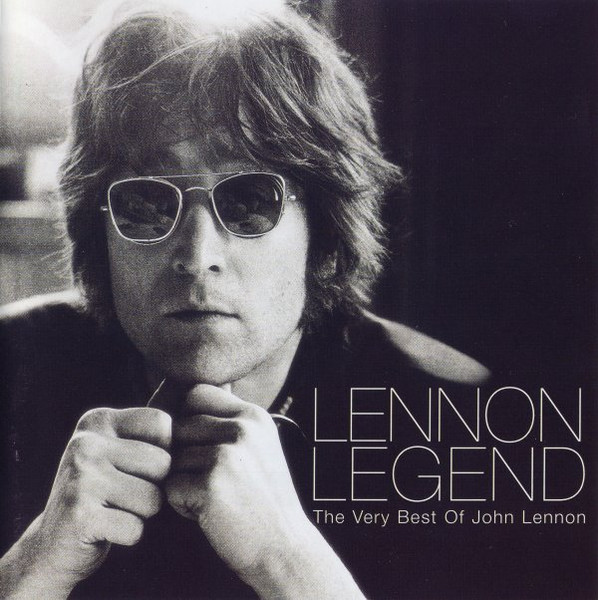
Lennon Legend (The Very Best Of John Lennon)
1997
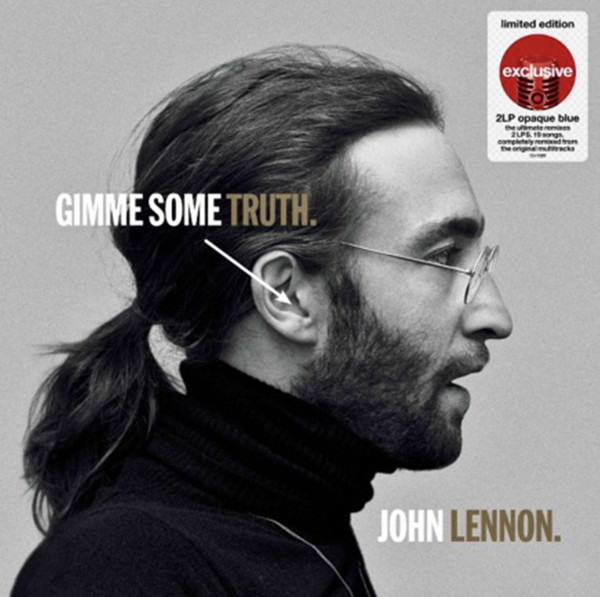
Gimme Some Truth.
2020

Imagine (Music From The Motion Picture)
1988
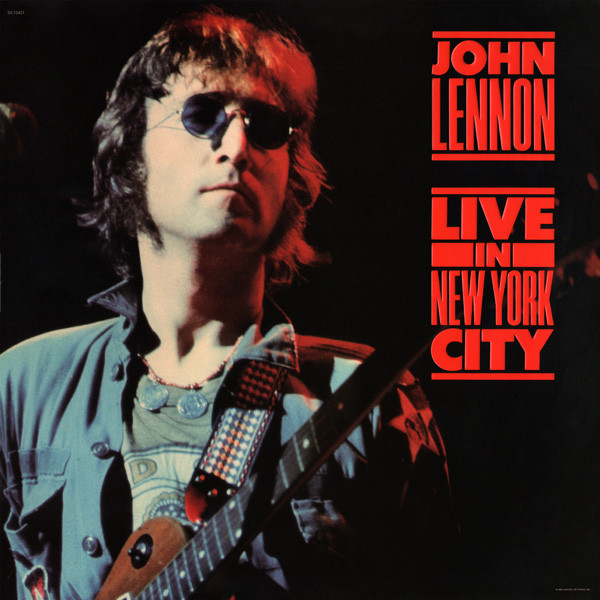
Live In New York City
1986
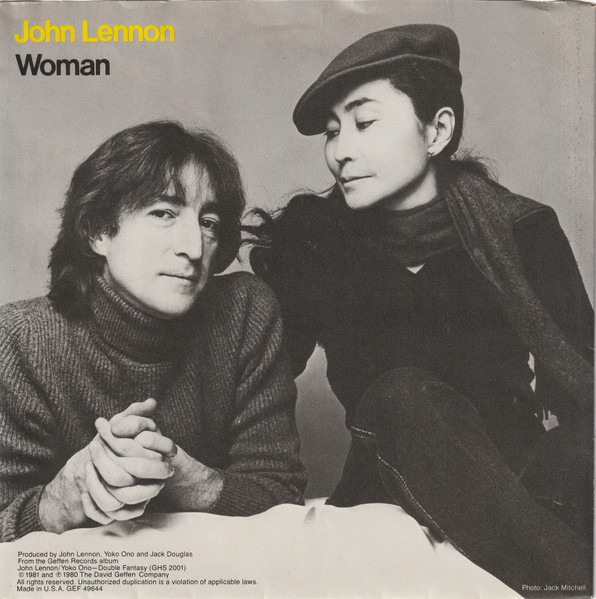
Woman
1981

John Lennon Signature Box
2010
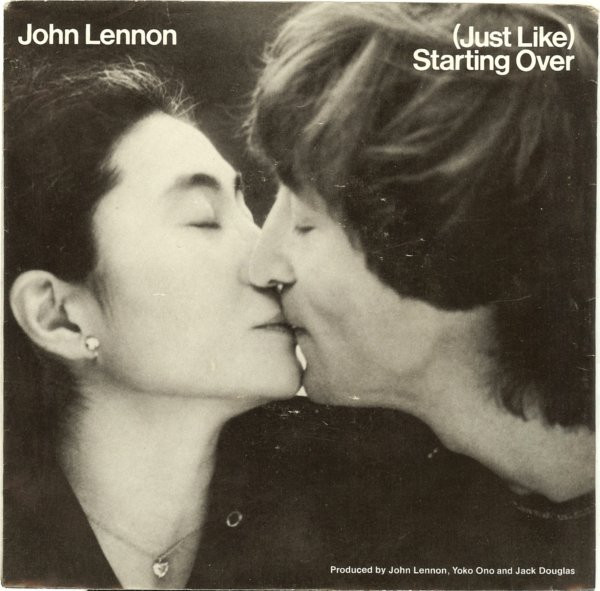
(Just Like) Starting Over
1980
Imagine
1975

Power To The People
1971
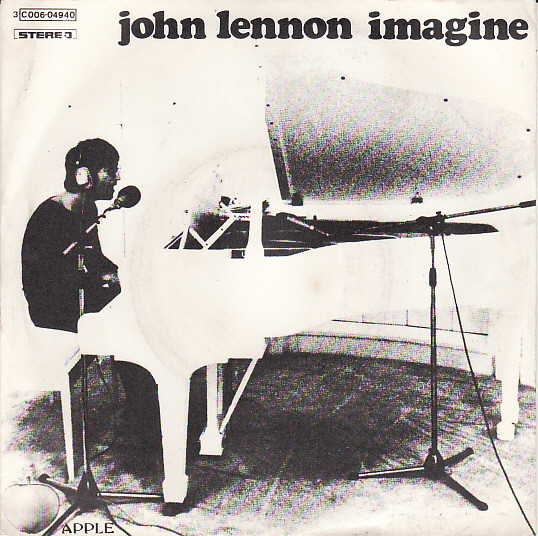
Imagine
1971

Singles Bag
2010

Imagine
1989
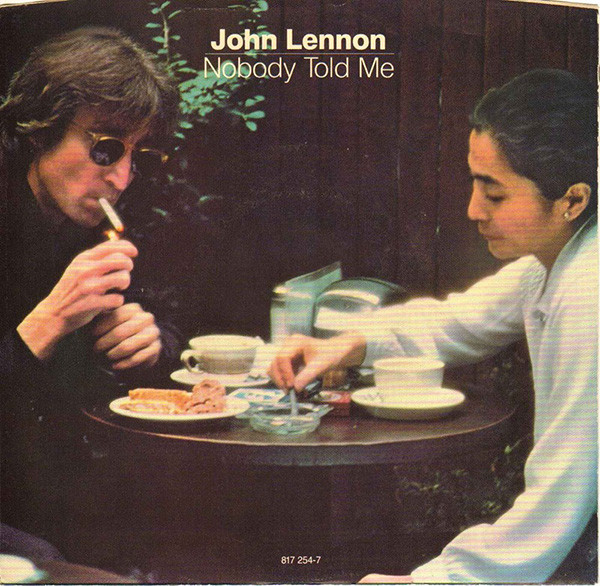
Nobody Told Me
1984

Working Class Hero - The Definitive Lennon
2005
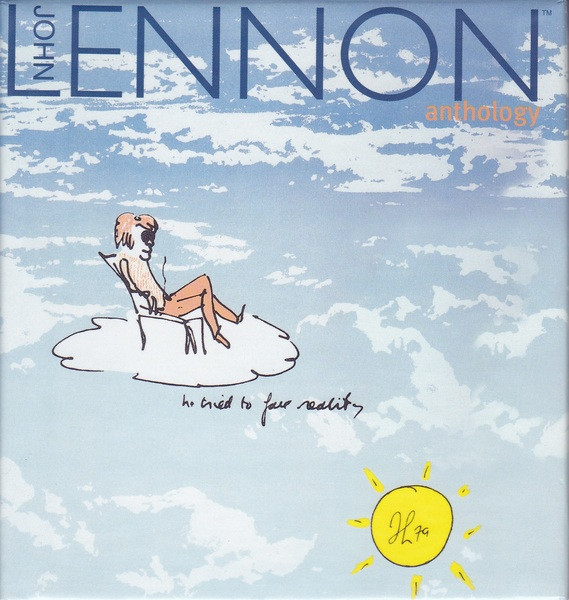
Anthology
1998
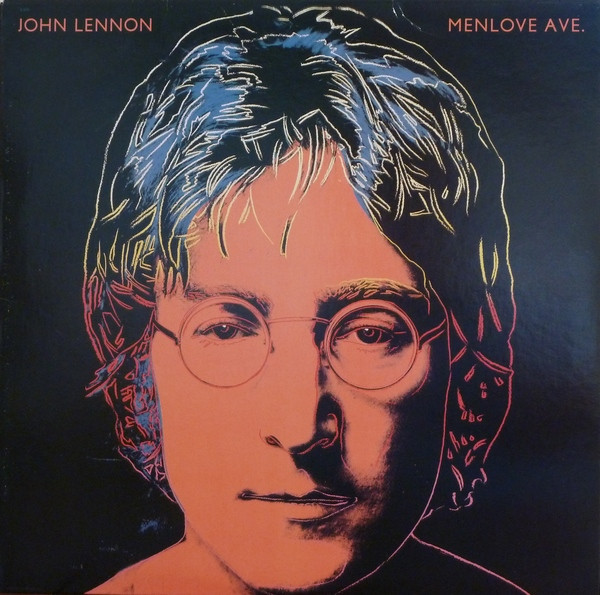
Menlove Ave.
1986
The Beatles
A project John Lennon was part of. Former member.
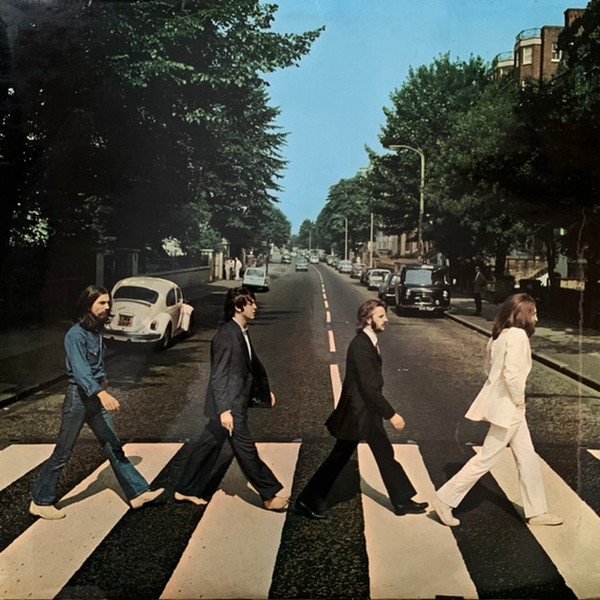
Abbey Road
1969
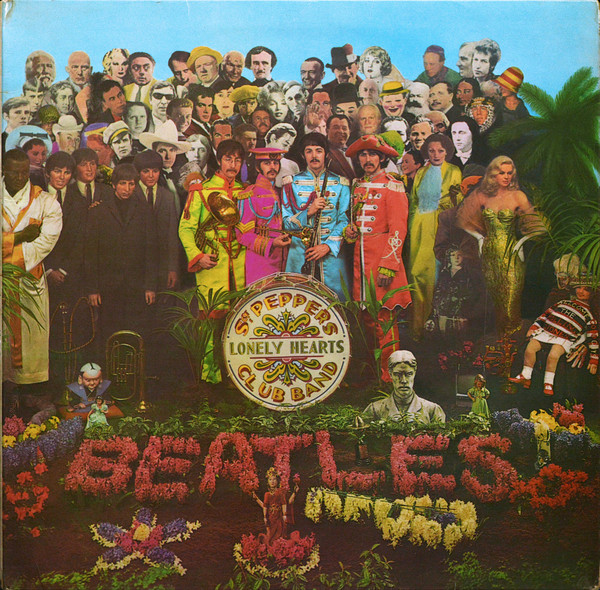
Sgt. Pepper's Lonely Hearts Club Band
1967
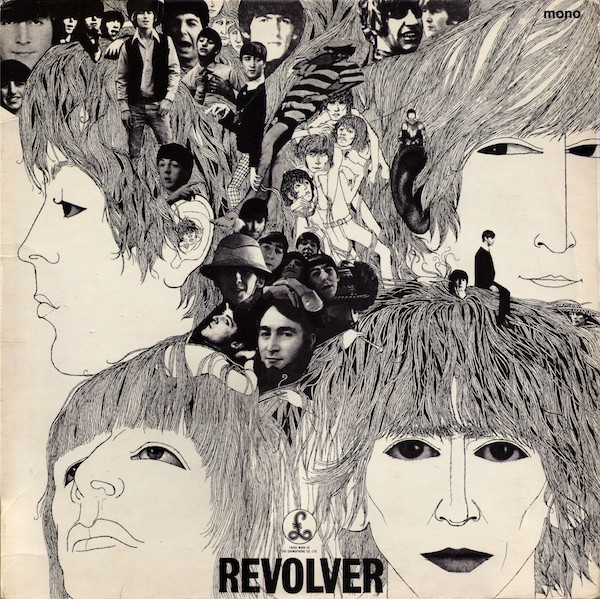
Revolver
1966
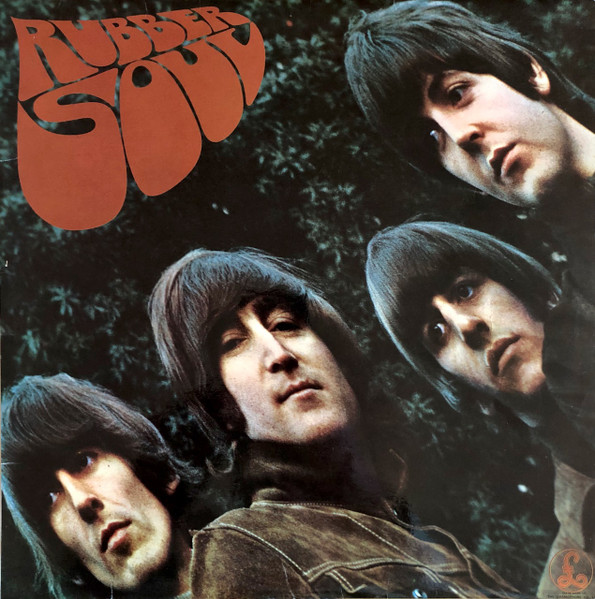
Rubber Soul
1965

Let It Be
1970
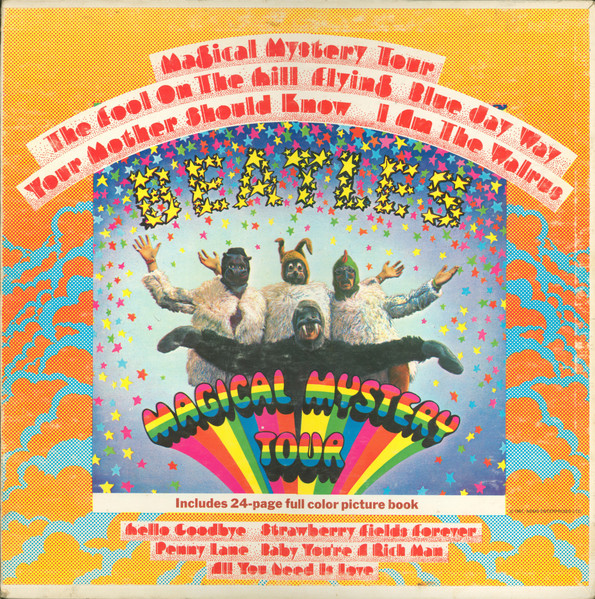
Magical Mystery Tour
1967

1967-1970
1973
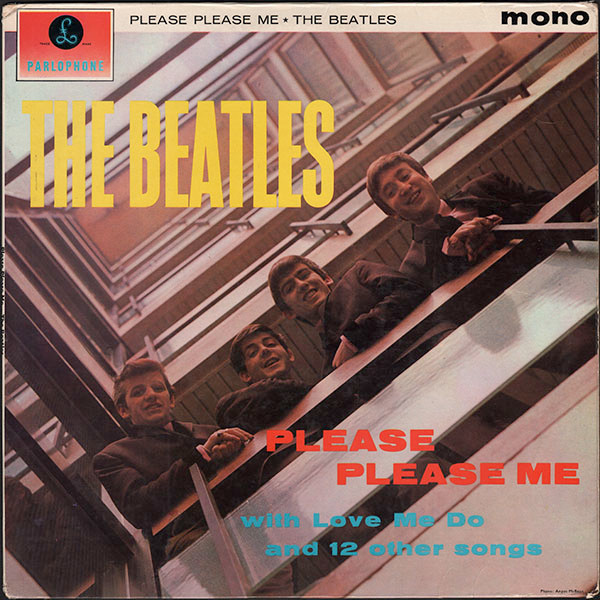
Please Please Me
1963
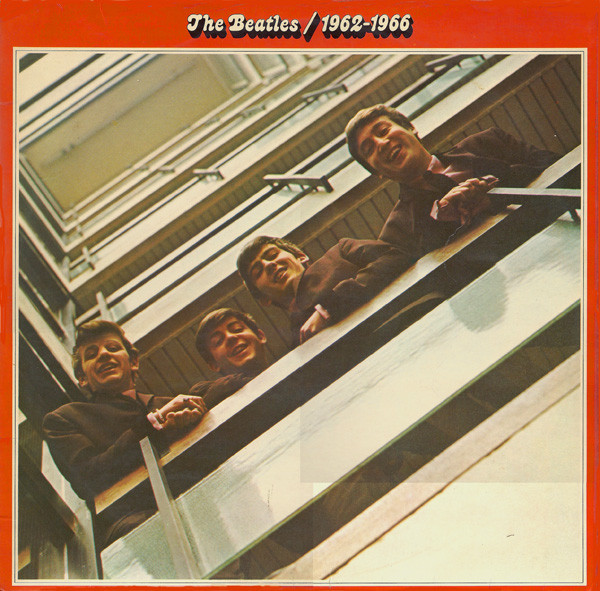
1962-1966
1973
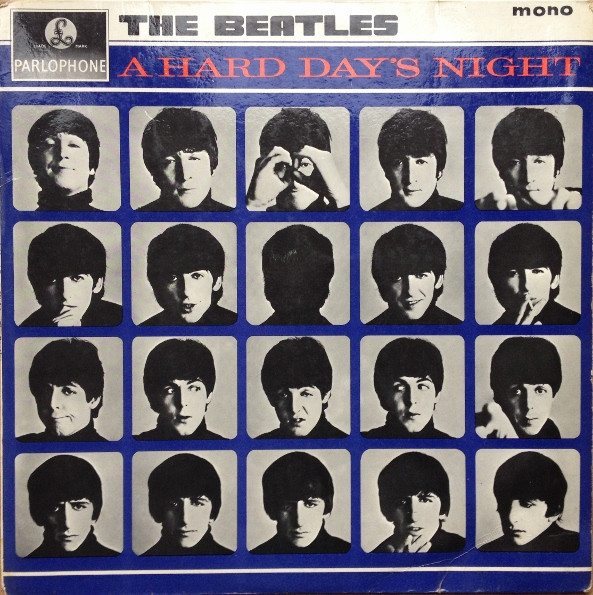
A Hard Day's Night
1964
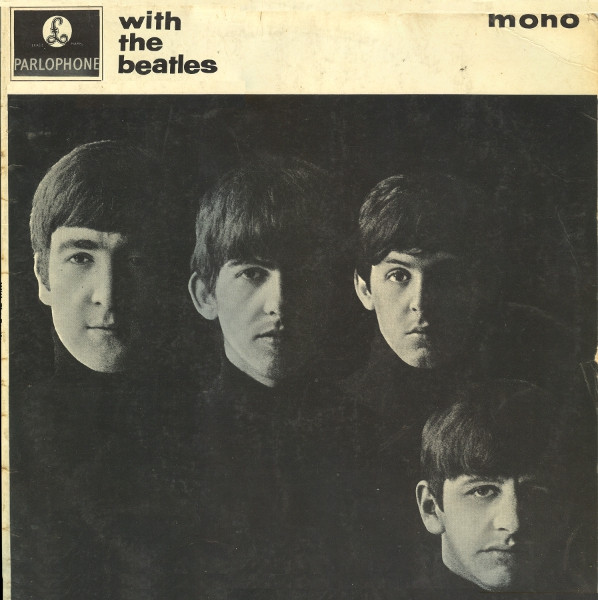
With The Beatles
1963
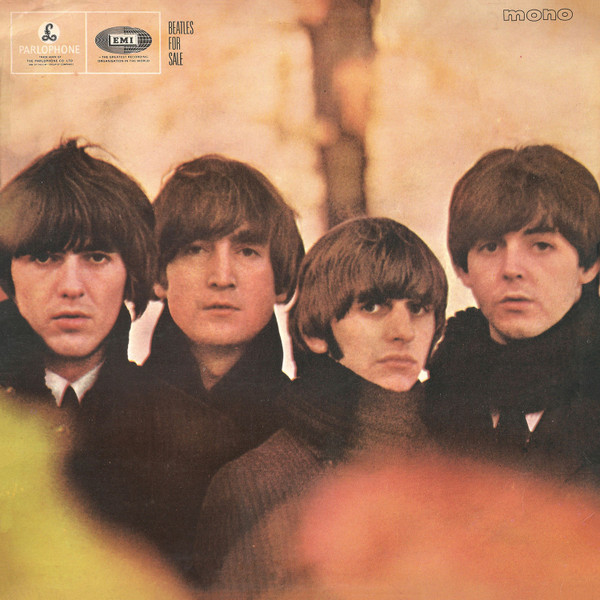
Beatles For Sale
1964
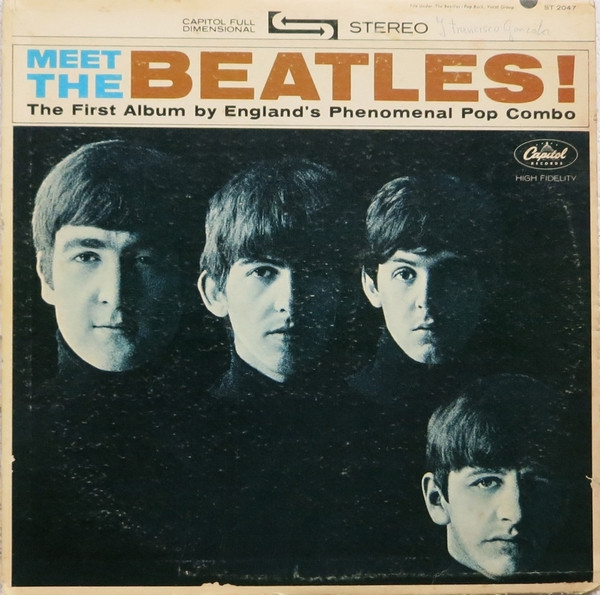
Meet The Beatles!
1964
1
2000
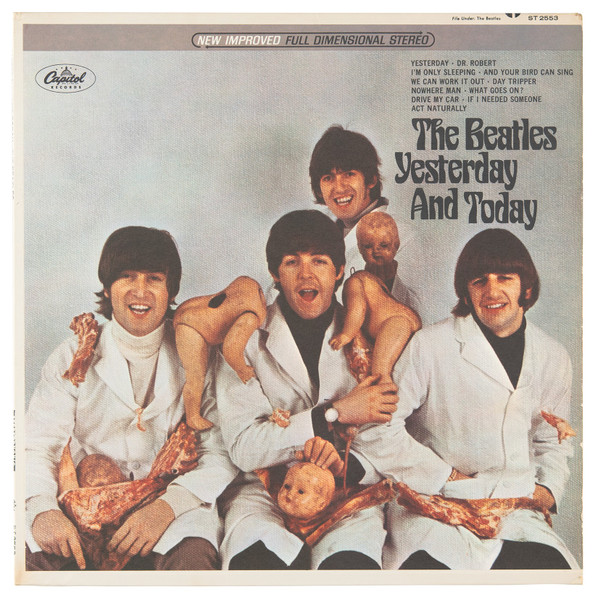
Yesterday And Today
1966
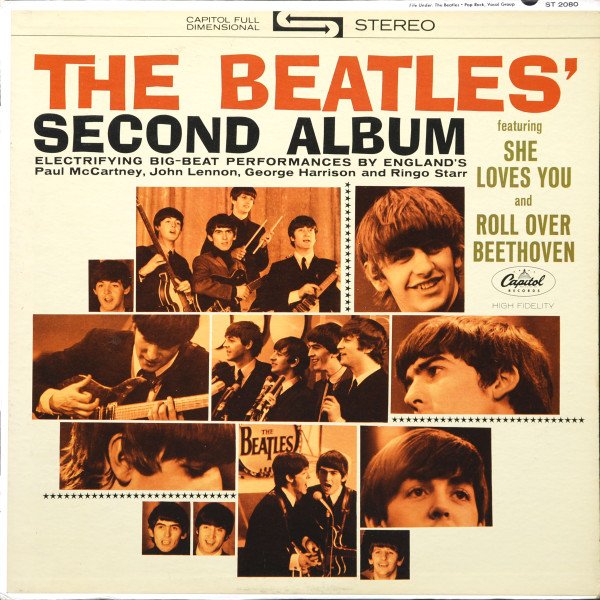
The Beatles' Second Album
1964
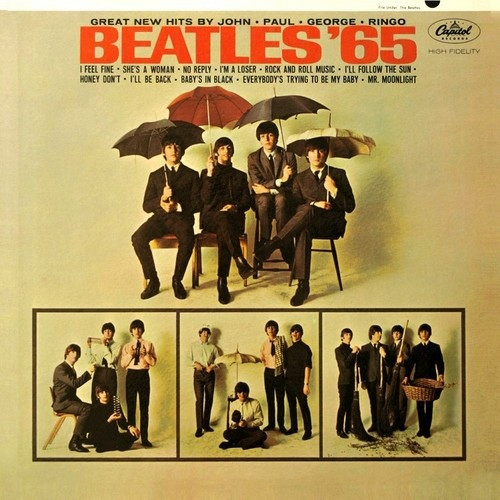
Beatles '65
1964
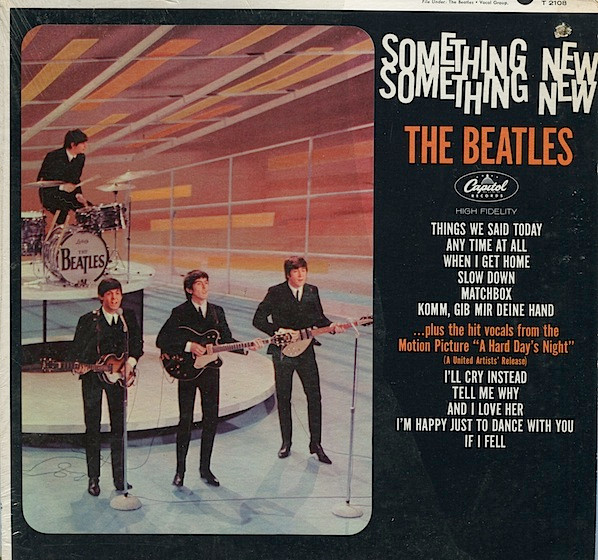
Something New
1964
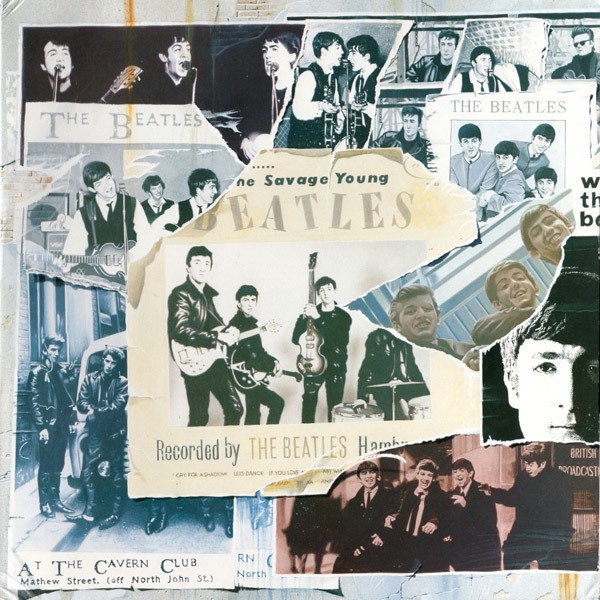
Anthology 1
1995
Past Masters Volumes One & Two
1988
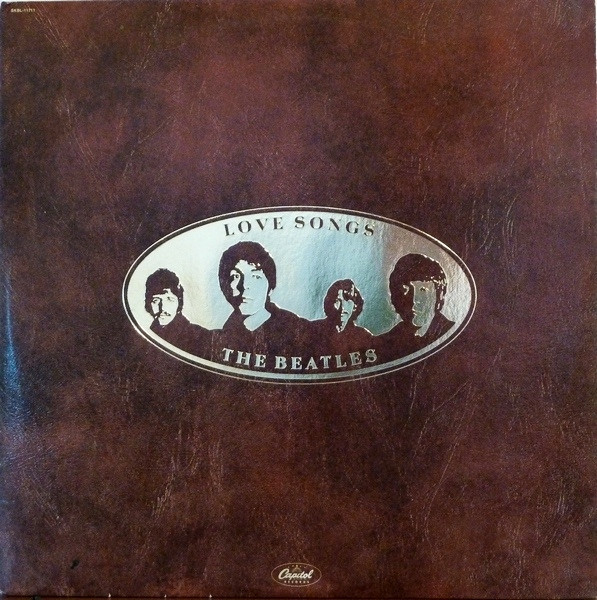
Love Songs
1977
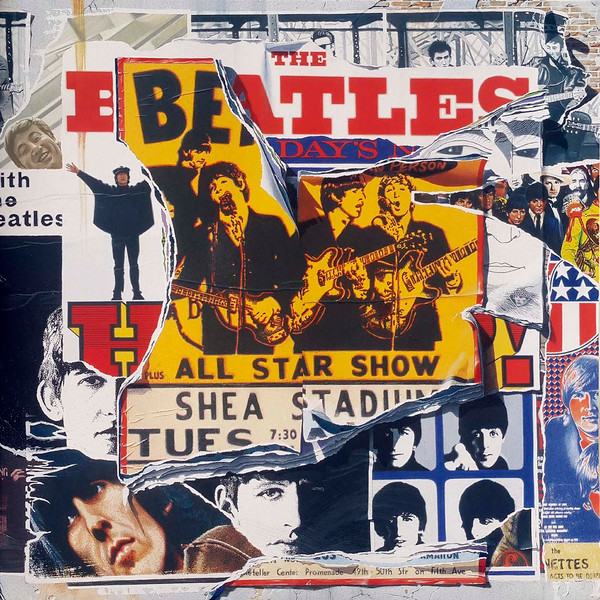
Anthology 2
1996
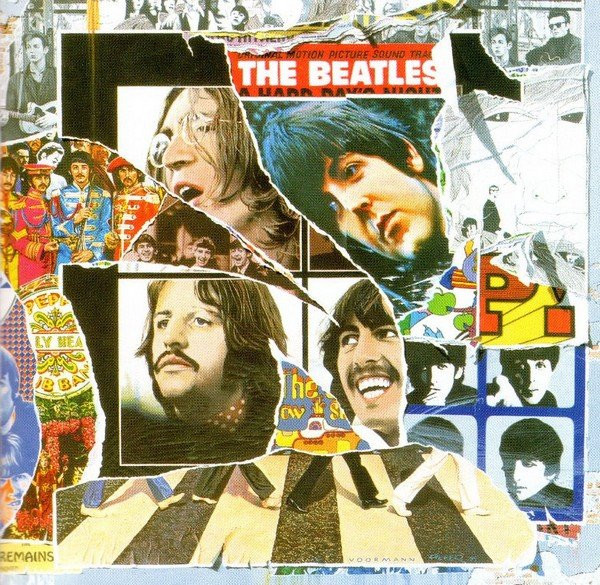
Anthology 3
1996
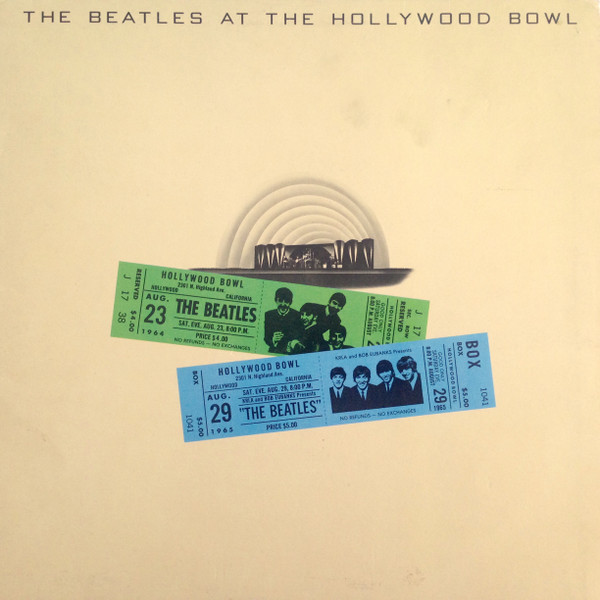
The Beatles At The Hollywood Bowl
1977
Plastic Ono Band
A project John Lennon was part of. Former member.
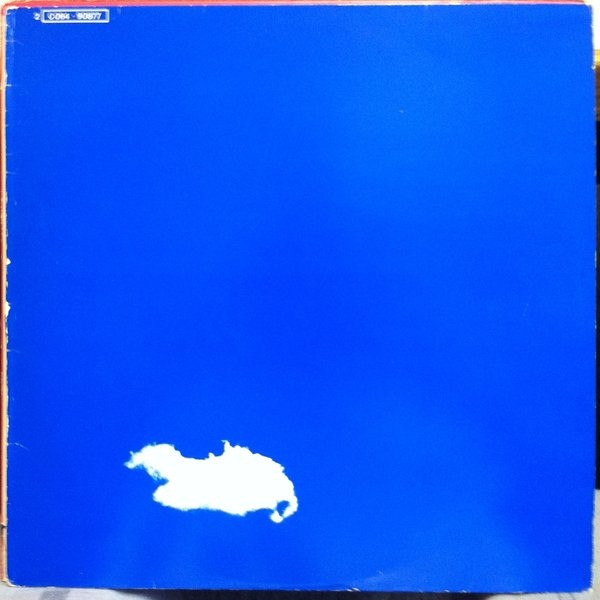
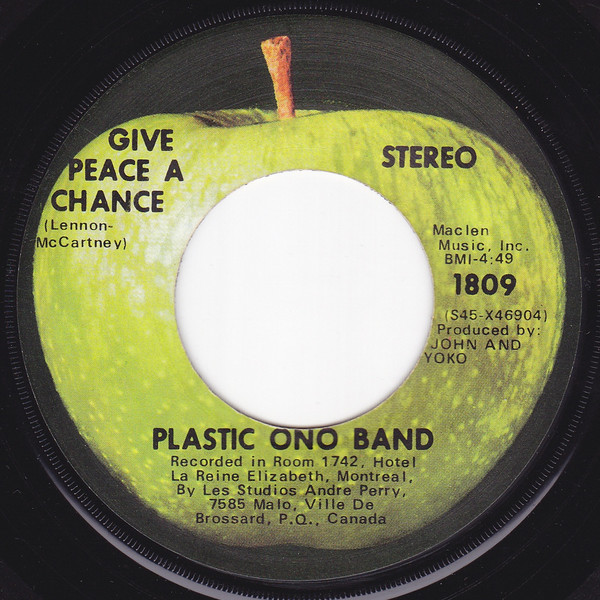
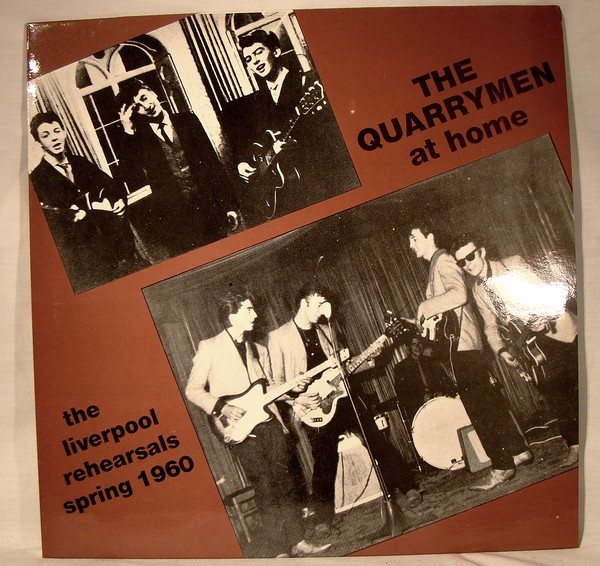
The Quarrymen
A project John Lennon was part of. Former member.
Related artists
Around the web
Follow every record they touch.
Start your shelf and Gatefold tracks John Lennon's new pressings, tour dates, and the whole discography — automatically.
Start your shelf →Free forever. Works with 10 records or 10,000.