
Artist
Bryan Ferry
Washington, United Kingdom · b. 1945
Bryan Ferry is a musician from Washington, United Kingdom, active since 1945. Their discography on Gatefold includes 24 records. They also recorded with Roxy Music and The Bryan Ferry Orchestra.

53
Albums tracked
553
In collections
1945
Since
Biography
In 1973, while Roxy Musi c were cutting their most avant-glam artifice, Bryan Ferry ducked into the studio with John Punter and John Porter to sing Leslie Gore, the Miracles, and Bob Dylan. Island Records didn't quite know what to do with a rock frontman who wanted to play lounge lizard in a white dinner jacket, but Ferry didn't give a damn. He treated the Great American Songbook and teenage AM radio singles like equivalent high art. The delivery was pure tremolo and nervous tension, dragging old cabaret theatricality directly into the rock bin. When Roxy folded after the immaculate sheen of Avalon, Ferry took the glossy sophisti-pop blueprint and ran it straight into pure studio perfectionism. He spent whole years obsessing over single snare sounds and layering high-dollar session players until every rough edge was buffed into liquid chrome. Sometimes that obsession ossified into sterile, velvet-draped wallpaper. But when a rhythm locked in beneath that bruised, cigarette-stained baritone, he sold heartbreak like a man bleeding out on an expensive Italian sofa.
Bio from The Clerk
The Arc of Bryan Ferry
The pivots — what forced Bryan Ferry to reinvent.
The Parallel Dandy
Ferry launched a concurrent solo run while Roxy Music were still reshaping glam rock, starting with 1973's These Foolish Things. Alongside producers John Porter and John Punter, he raided classic soul, Dylan cuts, and standard ballads, reframing himself as an ironic lounge crooner. Follow-up records like 1974's Another Time, Another Place and 1976's Let's Stick Together treated cover versions as high-camp performance art. It established a persona completely detached from his art-school bandmates: the wounded aristocrat at the end of the bar.
The Original Shift
Tired of being pigeonholed as a high-concept interpreter, Ferry stepped up to write an entire solo slate on 1977's In Your Mind. The record cut back on nostalgic camp in favor of aggressive, straight-ahead rock backing. He doubled down the following year with The Bride Stripped Bare, recorded in Switzerland and blending bruised originals with outside tracks like 'That's How Strong My Love Is'. The sessions caught him emotionally raw following a high-profile breakup, giving the records an uncharacteristic, brittle desperation.
Sophisti-Pop Perfectionism
Roxy Music officially dissolved after Avalon, clearing the deck for Ferry to chase total studio obsession on 1985's Boys and Girls. Co-produced with Rhett Davies, the record relied on endless tracking sessions featuring Nile Rodgers, David Gilmour, and Mark Knopfler laid over immaculate, expensive digital grooves. He pushed that glossy twilight sound further on 1987's Bête Noire, recruiting Johnny Marr and producer Patrick Leonard for a nocturnal dance-floor pulse. It became the definitive Ferry aesthetic: silk-shirt melancholy engineered down to the millisecond.
The Archival Retreat
By the nineties, original material slowed to a crawl as Ferry cycled back to interpretation, cutting 1993's covers record Taxi with producer Robin Trower. The sprawling studio album Mamouna arrived in 1994, but Ferry soon retreated entirely into period dress on 1999's As Time Goes By. Surrendering completely to early twentieth-century pop standards, he shed modern synth production for trad arrangements. The move recast him permanently as an old-world song stylist, a lane he maintained on 2007's Dylanesque.
Late-Career Sleaze and Collaboration
Ferry broke the retro stasis by chasing fresh energy from contemporary electronic and rock collaborators, landing Marcus Miller and producer Todd Terje on 2014's Avonmore alongside old allies like Nile Rodgers and Johnny Marr. Between solo efforts, he arranged his back catalog into roaring-twenties jazz with The Bryan Ferry Orchestra. Rather than coasting on nostalgia tours, he leaned into weird sonic left turns, culminating in 2025's Loose Talk alongside writer Amelia Barratt. The twilight years sound like an artist still determined to stay restless in the dark.
Influences
- Bob Dylan — Ferry radically reworked 'A Hard Rain's a-Gonna Fall' on his 1973 solo debut and eventually tracked an entire covers LP with 2007's Dylanesque. You hear Dylan's talk-singing cadence twisted into Ferry's aristocratic warble across his whole catalog. It proved early on that Ferry viewed modern rock lyrics as literature worthy of torch-song drama.
- Otis Redding — Ferry cut a studio version of Redding's 'These Arms of Mine' on 1974's Another Time, Another Place and regularly cited Stax as his fundamental vocal training. The frantic vibrato at the top of Ferry's register is a direct, stylized lift from Redding's pleading southern soul delivery. He took deep Memphis grit and filtered it through European artifice.
- Smokey Robinson — Ferry covered the Miracles' 'The Tracks of My Tears' on 1973's These Foolish Things. Robinson's delicate falsetto and poise under emotional devastation became the entire template for Ferry's romantic persona. It gave Ferry permission to make masculinity sound fragile and heartbroken over an uptempo groove.
- Lead Belly — Ferry recorded a take of 'Goodnight, Irene' on 1976's Extended Play and explicitly credited mid-century folk-blues for shaping his early understanding of melodic phrasing. You hear that blues structure grounding his early original compositions like 'In Your Mind' before the synthesizers took over. It kept his songwriting tied to primitive song architecture even when dressed in evening wear.
- Cole Porter — Ferry formally tackled Porter's Great American Songbook catalog across 1999's As Time Goes By, honoring an obsession he held since childhood. Porter's urbane, aristocratic lyricism and obsession with doomed glamour defined Ferry's entire lyrical worldview. The tuxedo wasn't a costume; it was a Cole Porter hangover.
Bryan Ferry — solo
Their records — most-collected first.
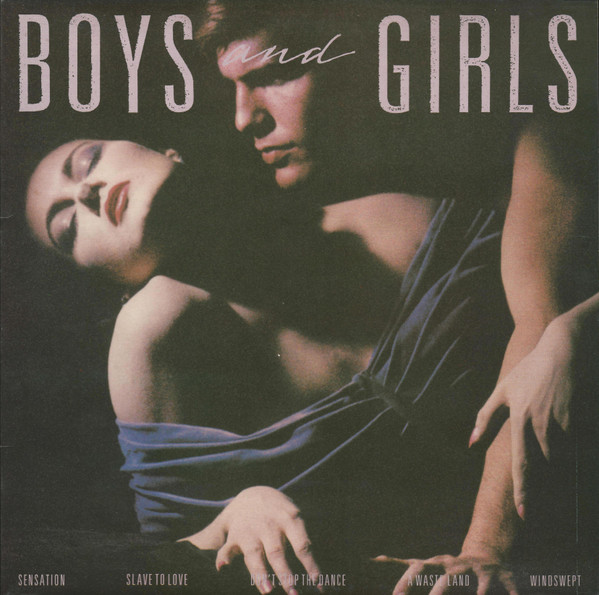
Boys And Girls
1985

Bête Noire
1987

Let's Stick Together
1976
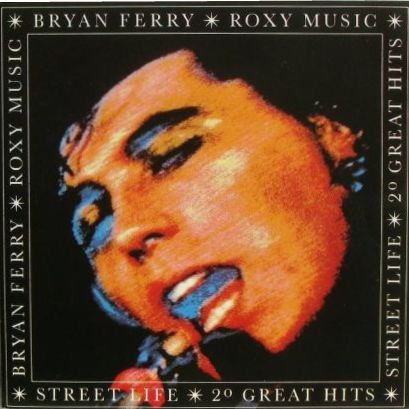
Street Life - 20 Great Hits
1986
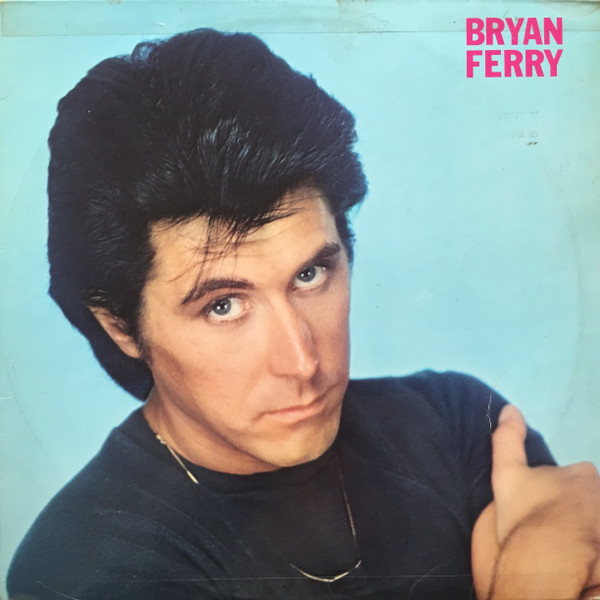
These Foolish Things
1973
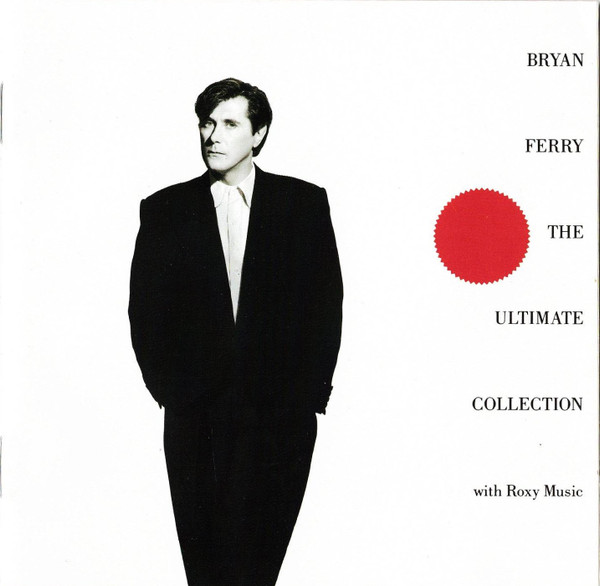
The Ultimate Collection
1988

Another Time, Another Place
1975

In Your Mind
1977

More Than This (The Best Of Bryan Ferry + Roxy Music)
1995
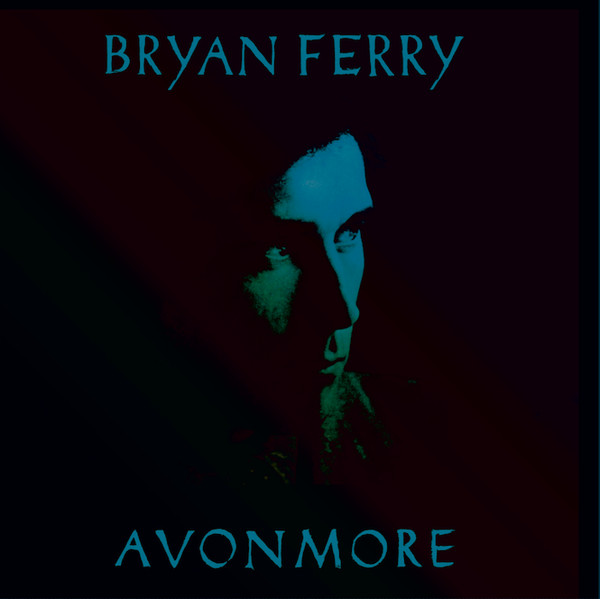
Avonmore
2014
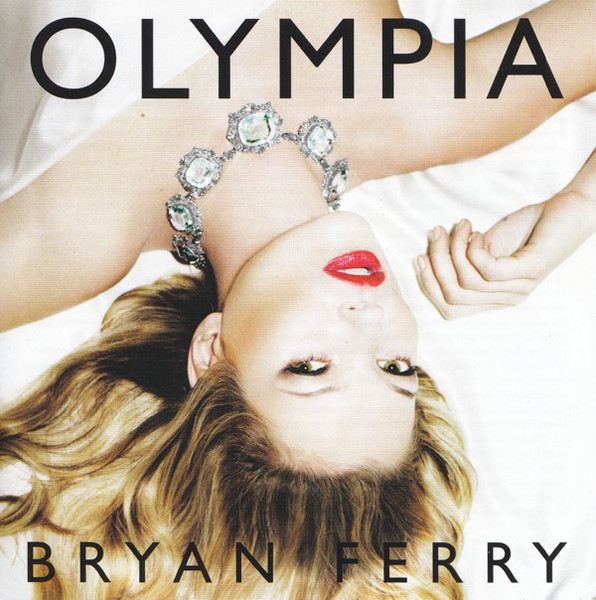
Olympia
2010
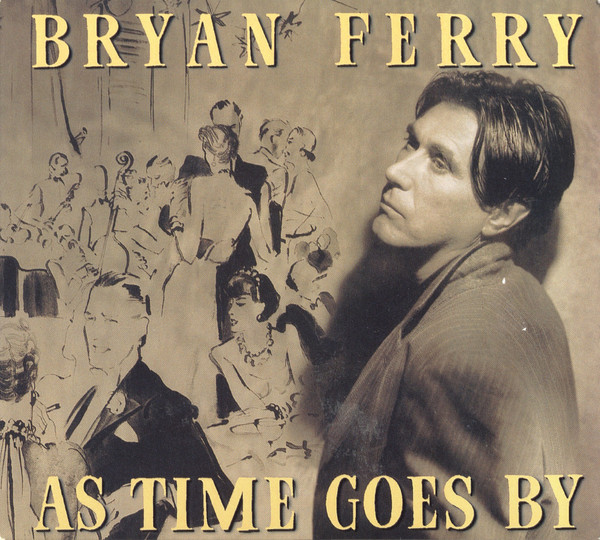
As Time Goes By
1999

The Bride Stripped Bare
1978

Retrospective (Selected Recordings 1973-2023)
2024

Let's Stick Together (Let's Work Together)
1976
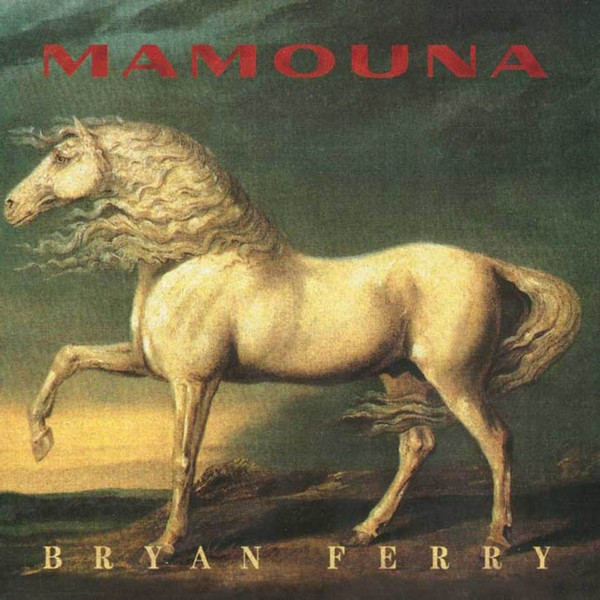
Mamouna
1994

Slave To Love
1985
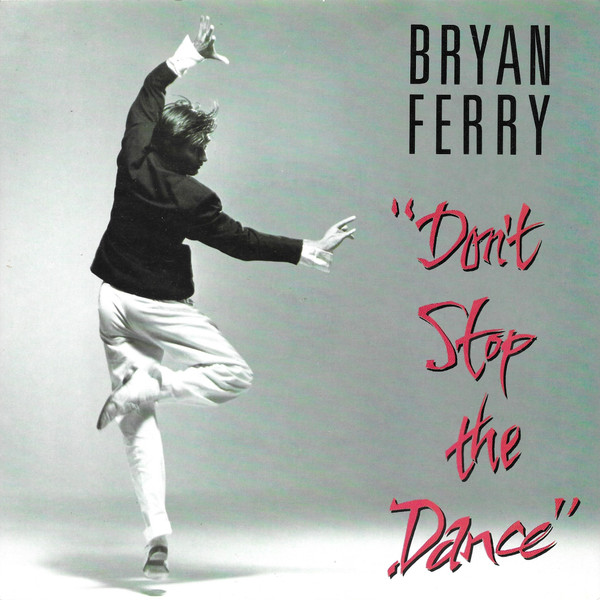
Don't Stop The Dance
1985
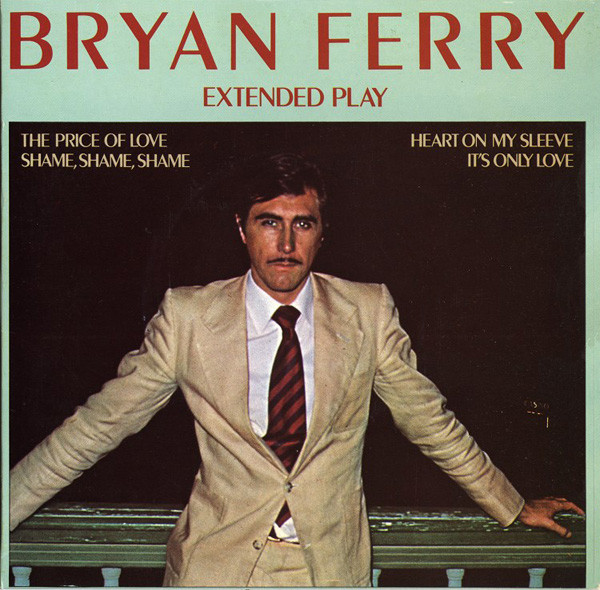
Extended Play
1976
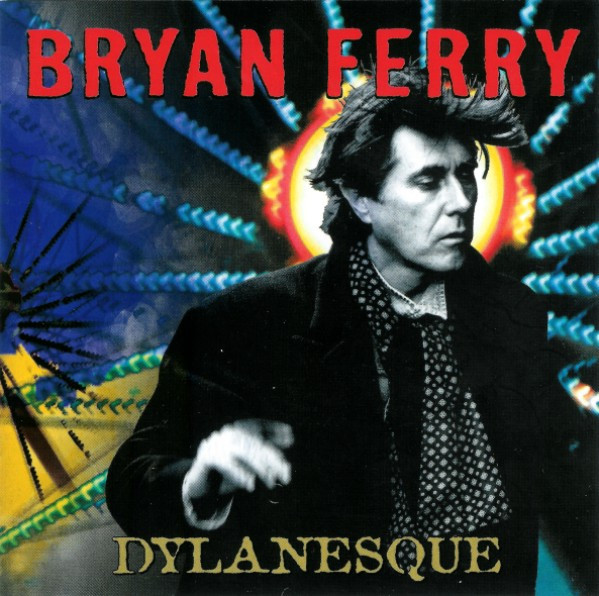
Dylanesque
2007

Frantic
2002

Taxi
1993
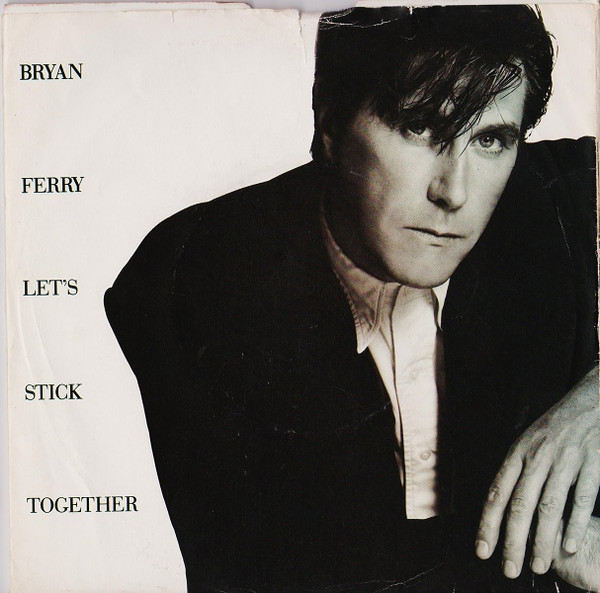
Let's Stick Together
1988
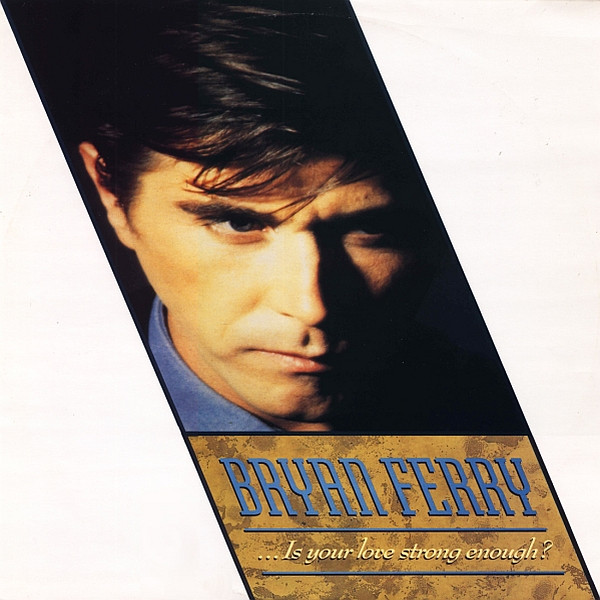
...Is Your Love Strong Enough?
1986
Roxy Music
A project Bryan Ferry was part of.
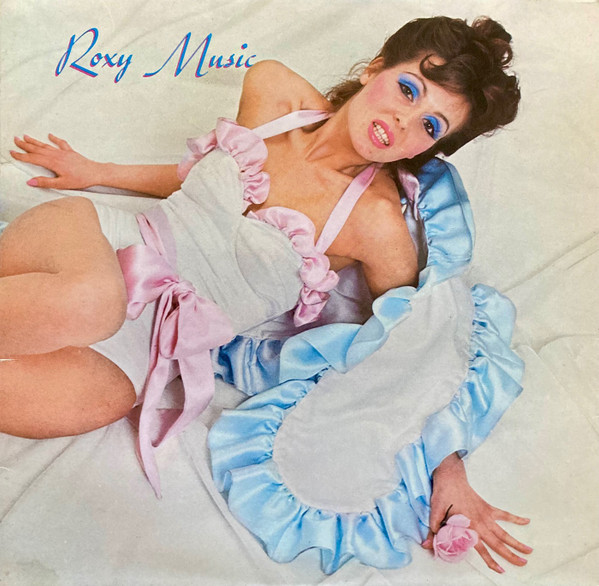
Roxy Music
1972

Country Life
1974
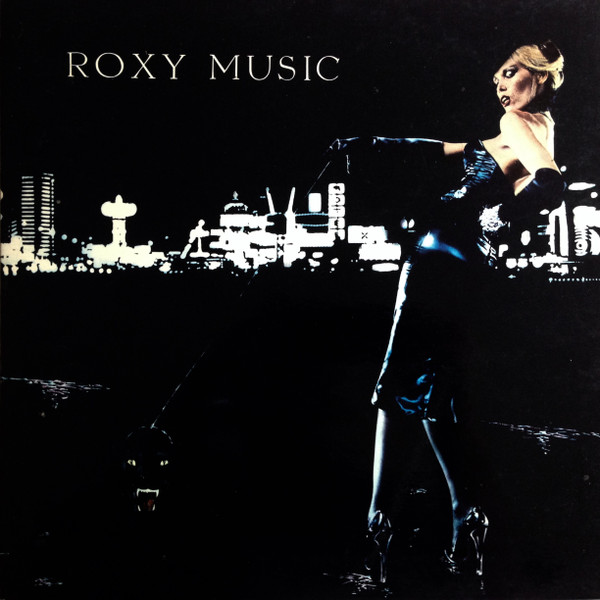
For Your Pleasure
1973

Stranded
1973
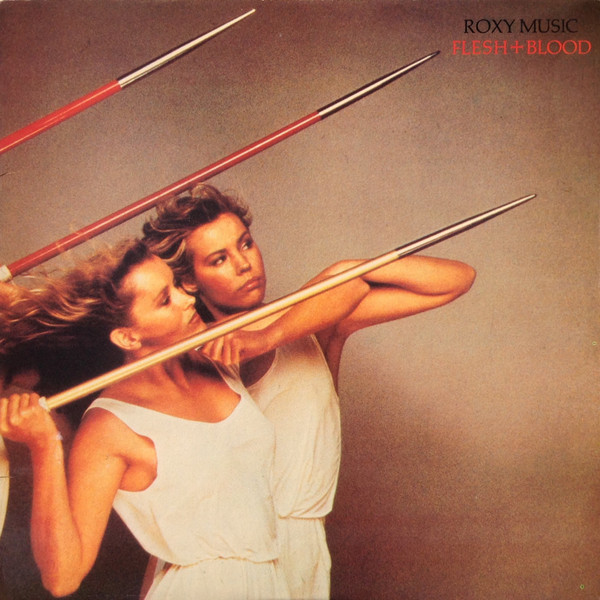
Flesh + Blood
1980
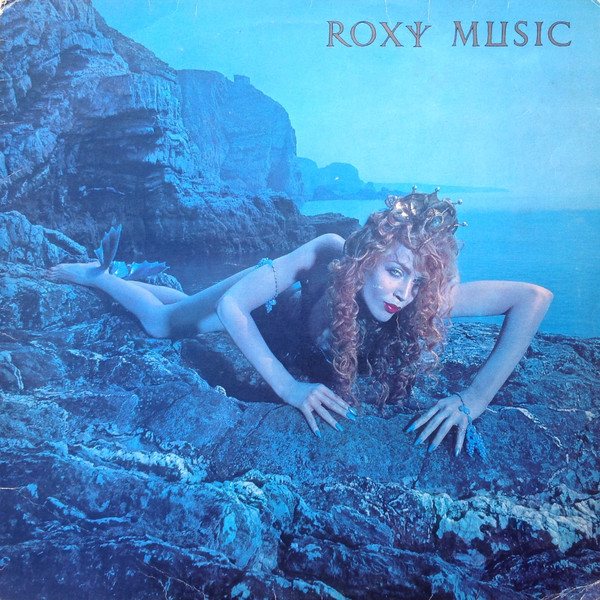
Siren
1975
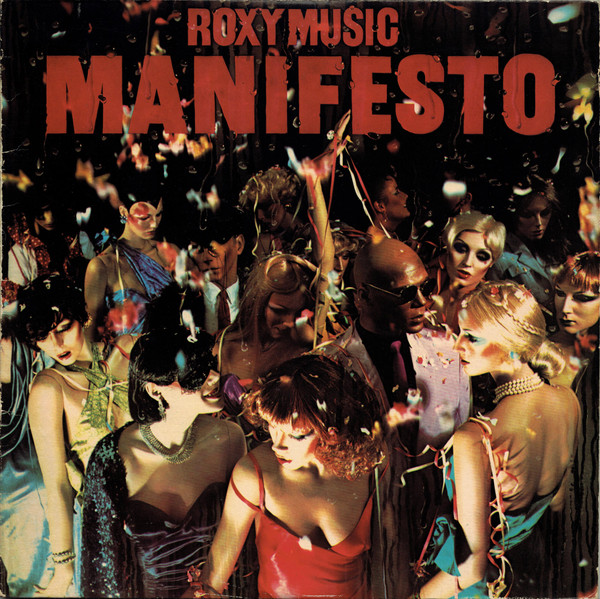
Manifesto
1979
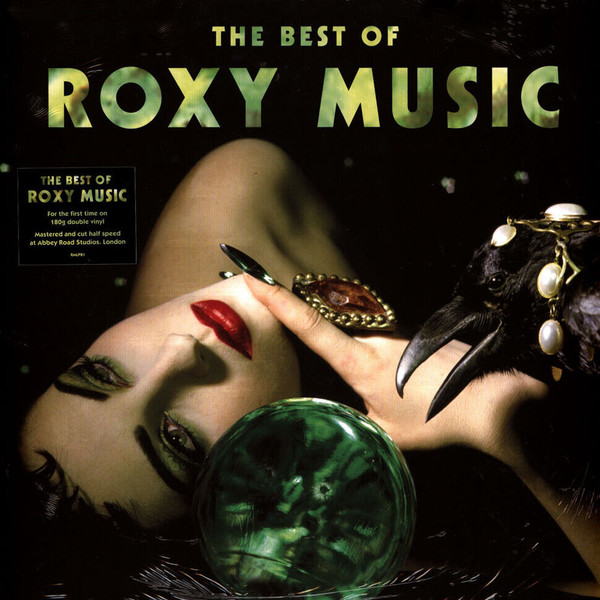
The Best Of Roxy Music
2001
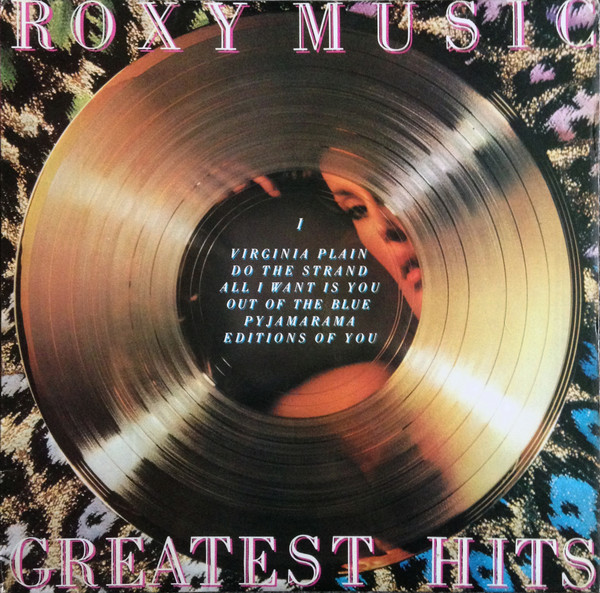
Greatest Hits
1977

The Atlantic Years 1973 - 1980
1983
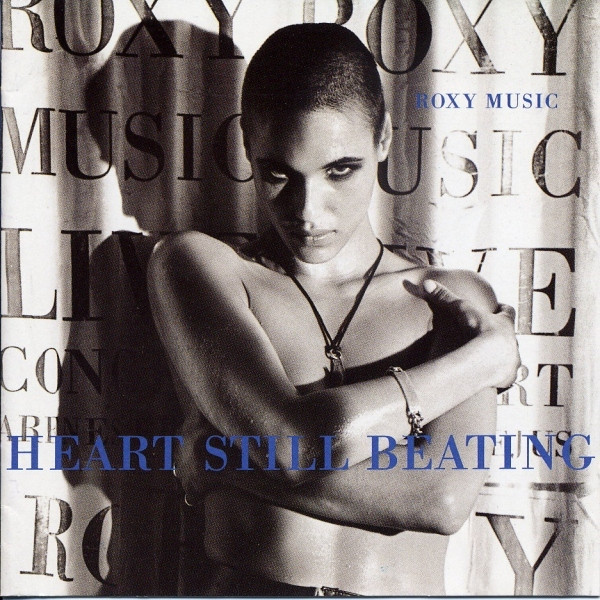
Heart Still Beating
1990
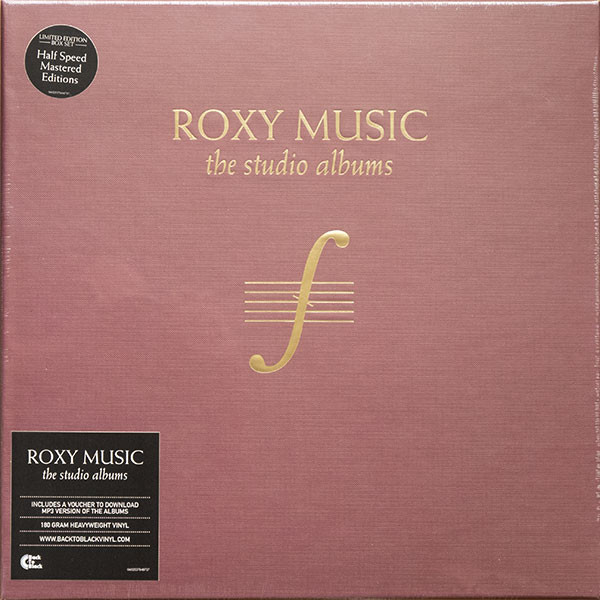
The Studio Albums
2015
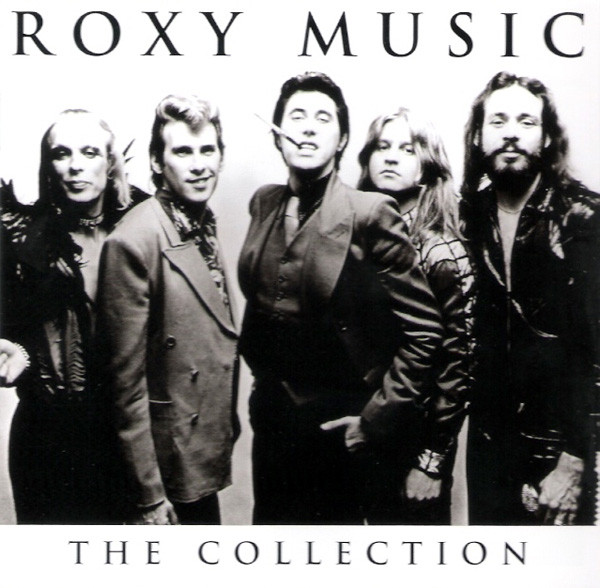
The Collection
2004
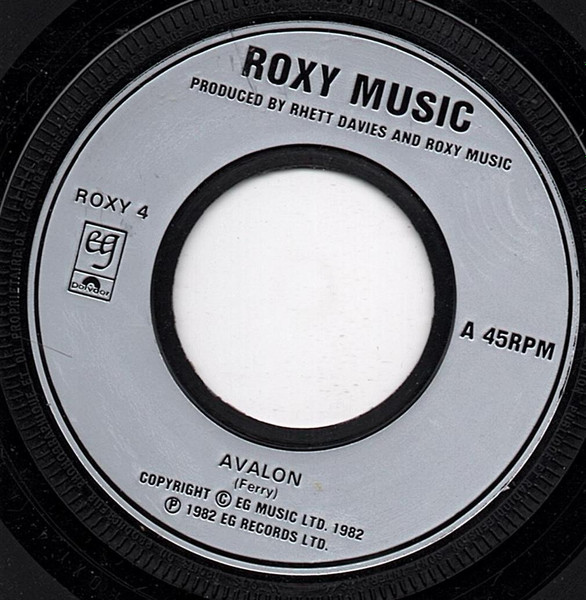
Avalon
1982
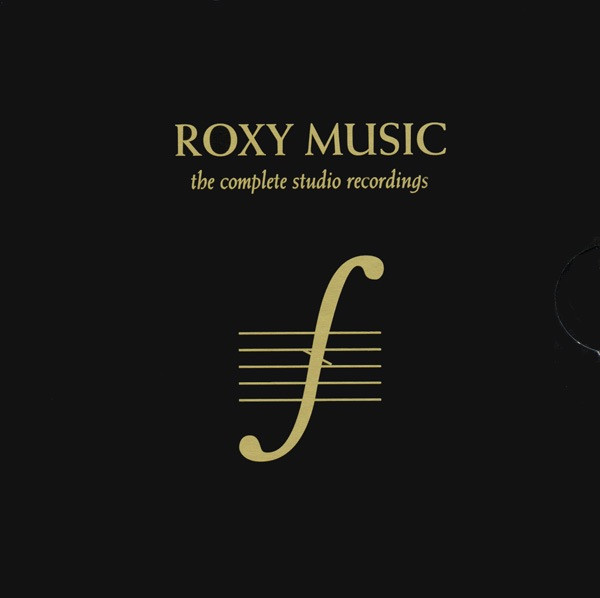
The Complete Studio Recordings
2012
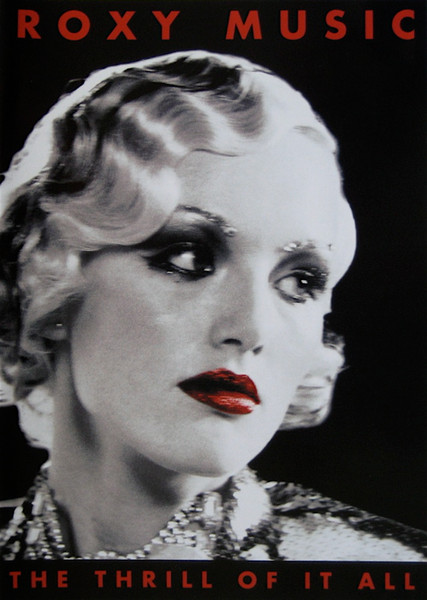
The Thrill Of It All
2007
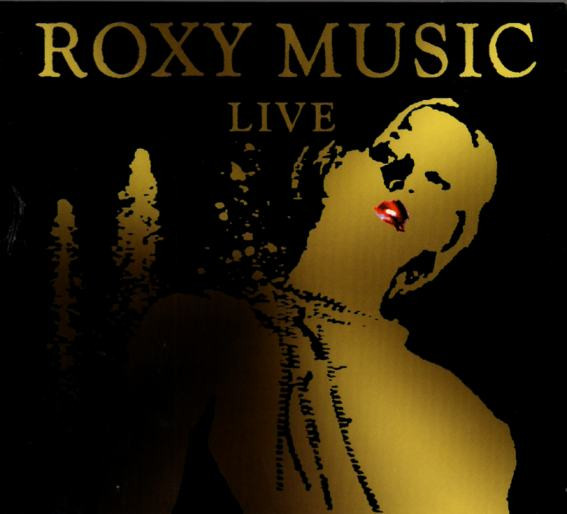
Live
2003

Live At The Apollo
2002

The Early Years
2000

Essential
2011
The Bryan Ferry Orchestra
A project Bryan Ferry was part of.


Related artists
Around the web
Follow every record they touch.
Start your shelf and Gatefold tracks Bryan Ferry's new pressings, tour dates, and the whole discography — automatically.
Start your shelf →Free forever. Works with 10 records or 10,000.