
Artist
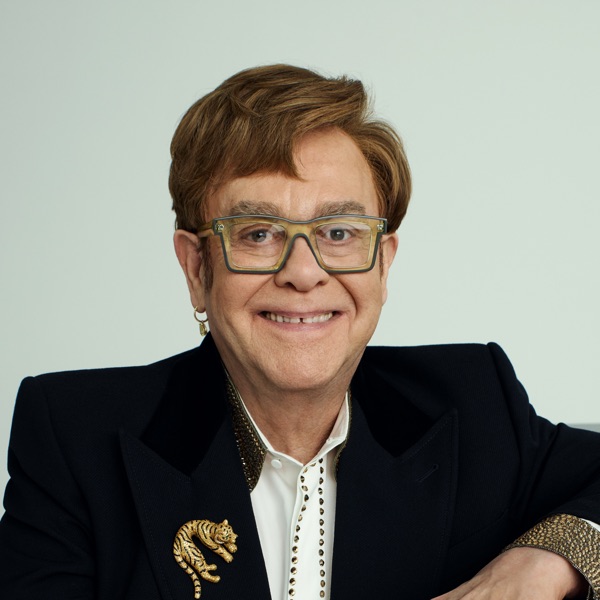
Elton John
English singer, songwriter, pianist, and composer
Pinner, United Kingdom · b. 1947
Elton John is a musician from Pinner, United Kingdom, active since 1947. Their discography on Gatefold includes 24 records. They also recorded with Elton John Band, Dionne & Friends, Simon Dupree & the Big Sound and Top of the Poppers.
86
Albums tracked
1,637
In collections
1947
Since
Biography
Before he became a stadium act in oversized feathers, Reginald Dwight was grinding out anonymous covers of pop hits in North London basement studios for budget compilation tapes. Producer Gus Dudgeon heard the piano engine underneath the session work and pulled him into Trident Studios with arranger Paul Buckmaster. That pairing built a massive, string-drenched acoustic powerhouse sound around Bernie Taupin's lyrics. For six years, nobody wrote better piano hooks on the planet. Elton would hammer out fully realized melodies on the upright in twenty minutes flat while Taupin sat in the next room smoking cigarettes. Then the wheels came off in the late seventies. The touring burnout, label pressure, and hard cocaine habits fractured the original band and separated him from Taupin, leading into a bizarre detour through disco and plastic eighties synth-pop. Leather Jackets was a low-water mark he openly despised. But the recovery pivot in the late eighties—cleaning up, dialing back the theatrical circus, and re-centering the grand piano—proved that underneath the tabloid madness sat one of the most lethal rhythm-and-blues piano players Britain ever produced.
Bio from The Clerk
The Arc of Elton John
The pivots — what forced Elton John to reinvent.
The Château d'Hérouville Run
Tax issues forced the band out of London and into the French countryside at Château d'Hérouville with Gus Dudgeon and engineer Ken Scott. The core rhythm section of bassist Dee Murray, drummer Nigel Olsson, and guitarist Davey Johnstone locked into a ferocious live-in-the-room groove. That French residential setup yielded Honky Château, Don't Shoot Me, and the sprawling Goodbye Yellow Brick Road in a breathless three-year sprint. You hear a band operating on pure psychic telepathy, cutting master takes in two or three passes before lunch.
The Split and the Disco Drift
Exhaustion and tension tore the original rhythm section apart after Captain Fantastic, followed shortly by Bernie Taupin walking away to clear his head. Elton signed with Gary Osborne for lyrics and took a hard turn into disco with producer Pete Bellotte for Victim of Love, tracked entirely without playing a single piano note himself. The records from this late-seventies stretch sounded disconnected and stripped of his kinetic bench-thumping rhythm. It was the first time his voice sounded untethered from his hands.
The Band Reunited and the Synth-Pop Grind
Elton brought Murray, Olsson, Johnstone, and Taupin back into AIR Studios Montserrat to cut Too Low for Zero in 1983, completely revitalizing his songwriting spine with 'I'm Still Standing.' But the decade took its toll on his throat, culminating in 1987 vocal chord surgery that permanently lowered his singing range. The music pivoted heavily into DX7 electric pianos, drum machines, and slick Chris Thomas production. It was commercial survival mode, trading raw gospel feel for polished FM radio gold.
The Elder Statesman Revival
After getting sober at the start of the nineties, Elton stripped away the sequencer gloss and leaned hard into rootsy adult-contemporary pop and stripped-down piano arrangements. Records like Songs from the West Coast intentionally chased the warm, analog room mic setup of his 1970 sessions. His post-surgery baritone had lost the young falsetto top end but gained a gravelly, resonant gravitas. He stopped chasing modern pop trends from the studio and went back to being a heavy-handed gospel-blues player.
Influences
- Little Richard — Elton saw Little Richard live at the Harrow Granada in the early sixties and patterned his aggressive, standing-up piano pounding directly on the rock-and-roll architect. You hear the furious, pumping eighth-note right-hand chords driving tracks like 'Saturday Night's Alright for Fighting' and 'Crocodile Rock.' It gave his English pop chops an authentic Southern rock-and-roll backbone.
- The Band — Elton and Bernie Taupin were completely obsessed with The Band's 1968 debut Music from Big Pink and intentionally modeled their early aesthetic on Robbie Robertson and Levon Helm's Americana mythology. Tumbleweed Connection was cut specifically to capture that rustic, country-gospel warmth despite neither Elton nor Bernie having set foot in the American West yet. The rolling piano chords on 'Country Comfort' are a direct nod to Richard Manuel.
- Leon Russell — Leon Russell sat in the front row at the Troubadour in 1970 when Elton played his career-making US debut, heavily intimidating the young Brit. Elton lifted Russell's Southern swamp-funk chord voicings and rhythmic gospel piano fills for the entire Madman Across the Water album. Decades later, Elton brought his hero out of obscurity to cut the collaborative record The Union.
- Ray Charles — Ray Charles was Elton's primary childhood vocal and rhythmic influence, teaching him how to fuse barrelhouse blues with secular pop melodies. You hear the swinging gospel syncopation all over tracks like 'Border Song' and 'Honky Cat.' Elton repeatedly cited Charles's vocal phrasing as the gold standard for how to sing around the beat.
- Jerry Lee Lewis — Before forming the Elton John Band, Dwight's early pub sets in Bluesology were defined by the manic, foot-stomping piano theatrics of Jerry Lee Lewis. The aggressive glissandos and battered upright pianos across his early catalog trace straight back to Sun Studio. He took Lewis's raw rockabilly energy and grafted it onto classical chord progressions.
Elton John — solo
Their records — most-collected first.

Goodbye Yellow Brick Road
1973

Greatest Hits
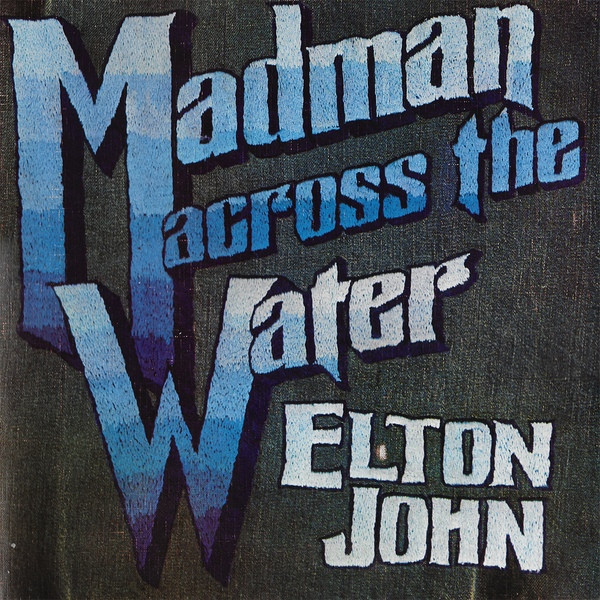
Madman Across The Water
1971

Honky Château
1972
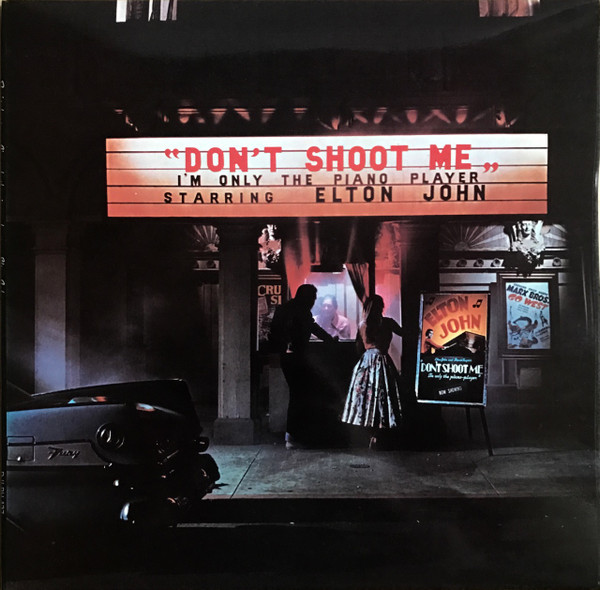
Don't Shoot Me, I'm Only The Piano Player
1973
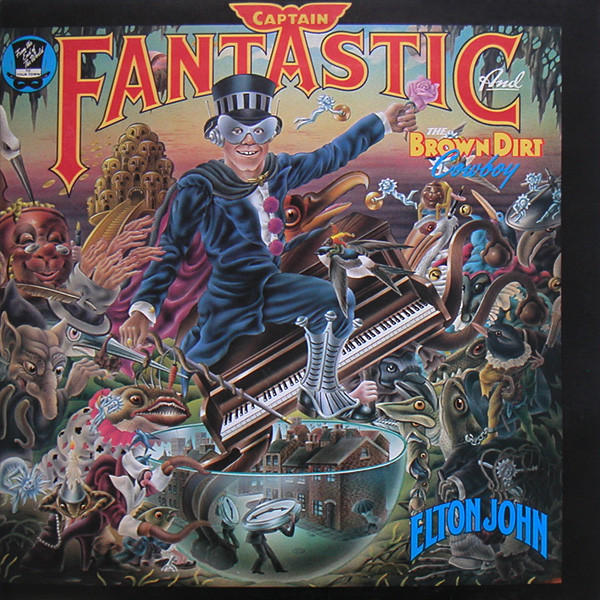
Captain Fantastic And The Brown Dirt Cowboy
1975

Tumbleweed Connection
1970
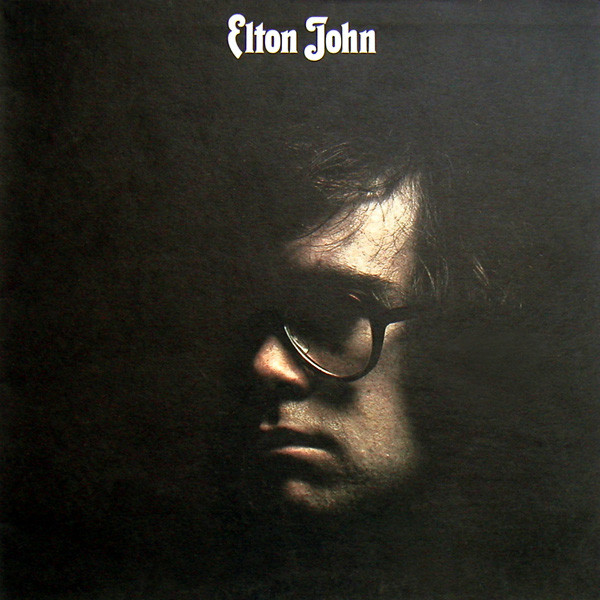
Elton John
1970
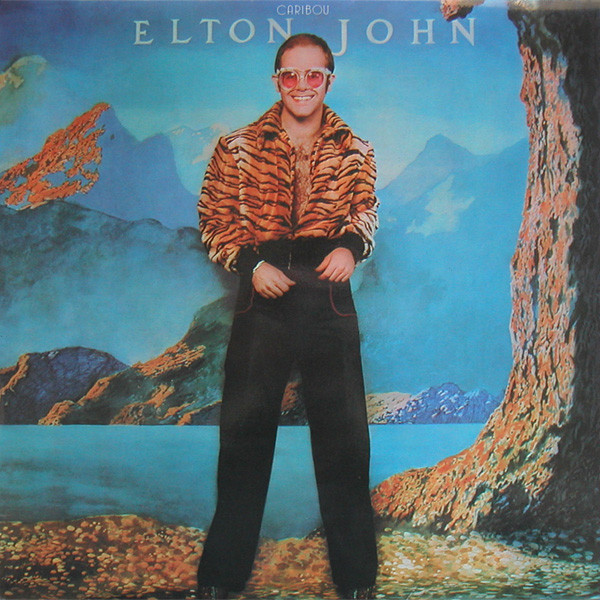
Caribou
1974
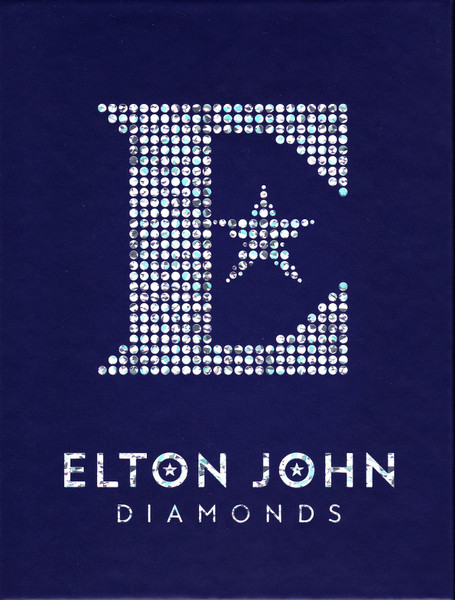
Diamonds
2017
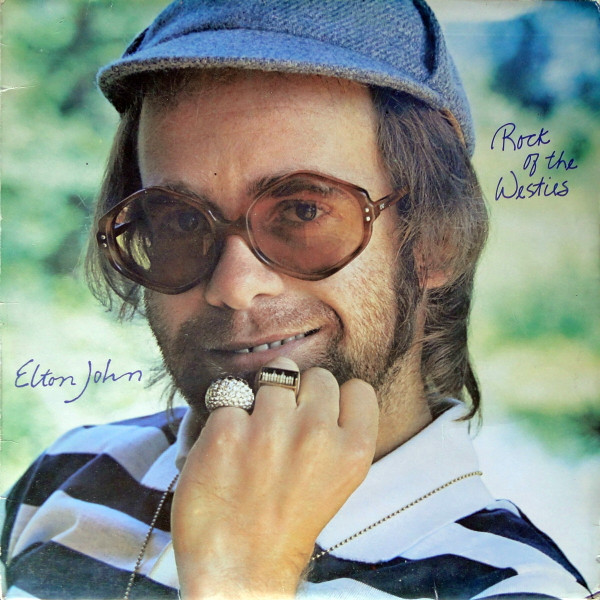
Rock Of The Westies
1975
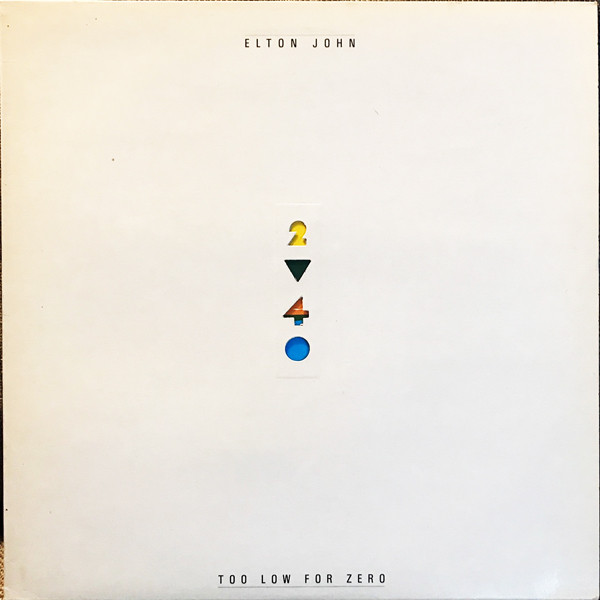
Too Low For Zero
1983
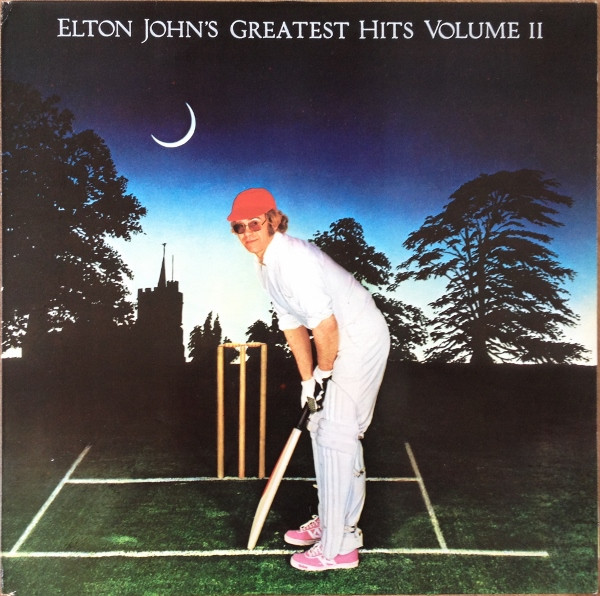
Elton John's Greatest Hits Volume II
1977
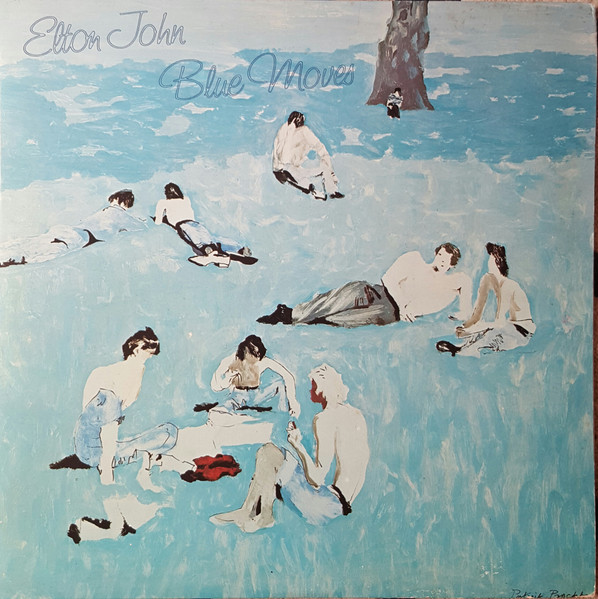
Blue Moves
1976
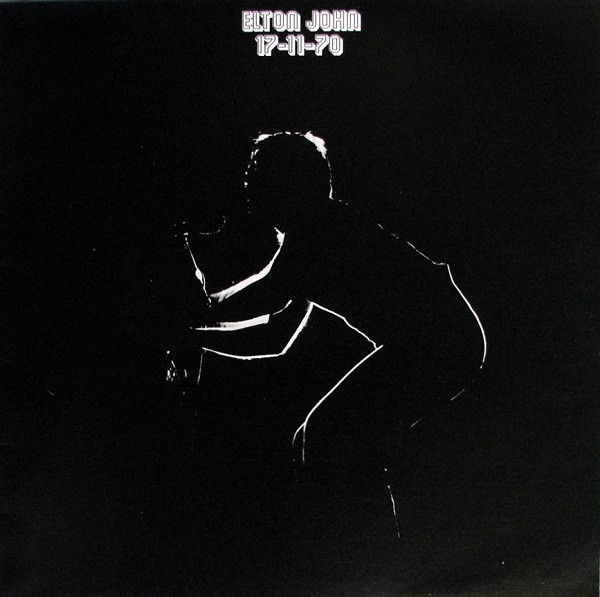
17-11-70
1971
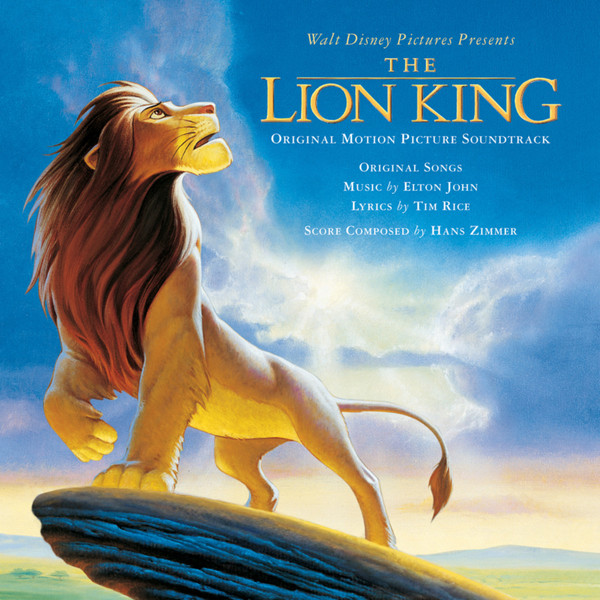
The Lion King (Original Motion Picture Soundtrack)
1994
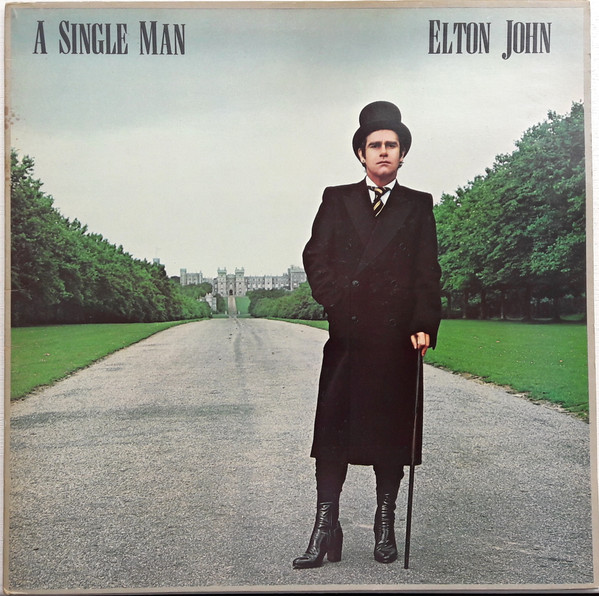
A Single Man
1978
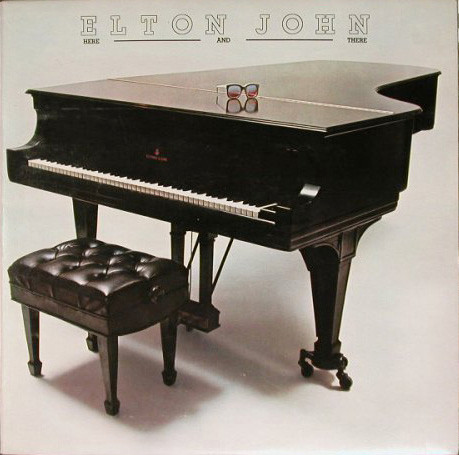
Here And There
1976
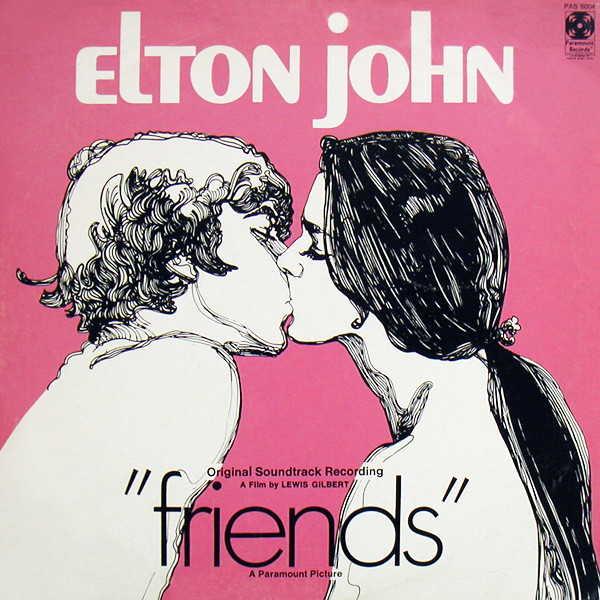
Friends
1971
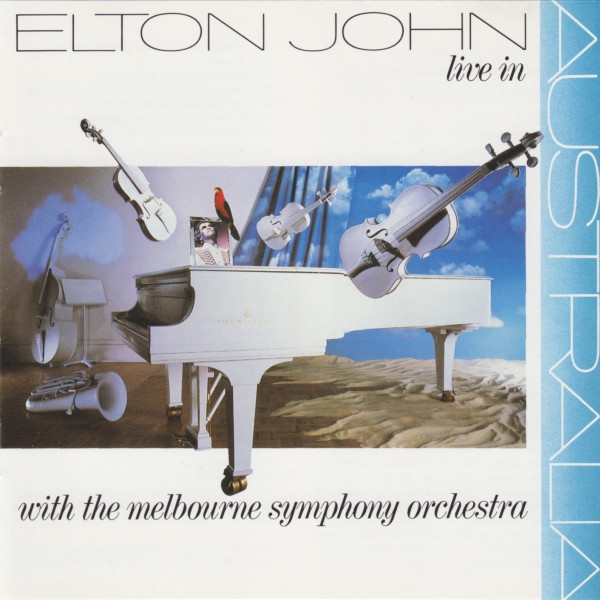
Live In Australia (With The Melbourne Symphony Orchestra)
1987
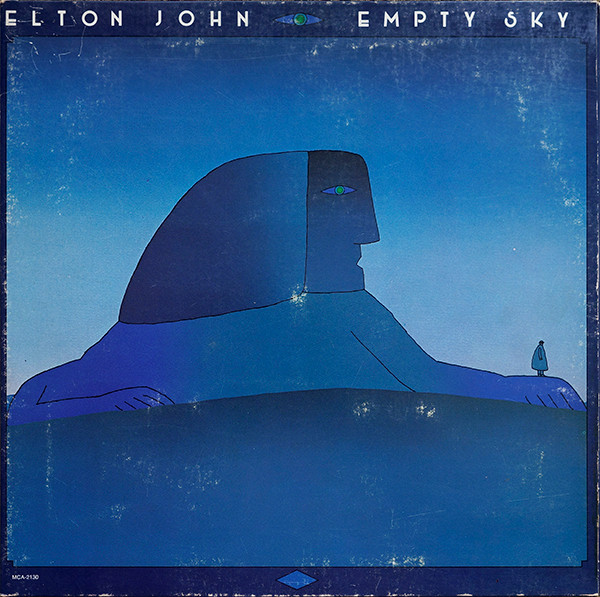
Empty Sky
1969
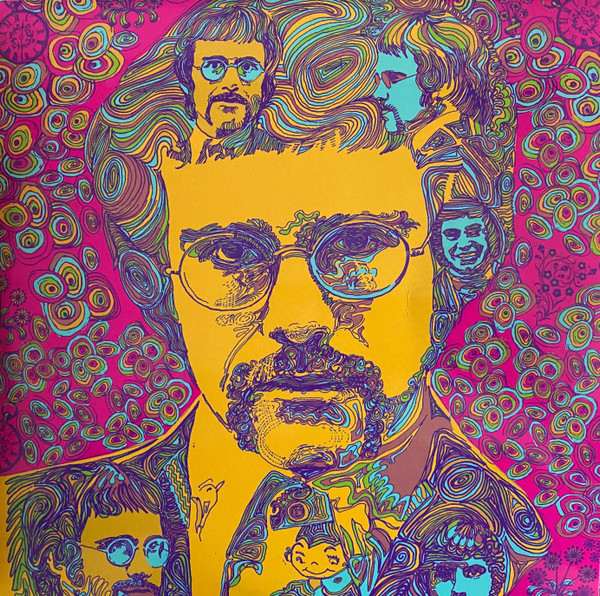
Regimental Sgt. Zippo
2021
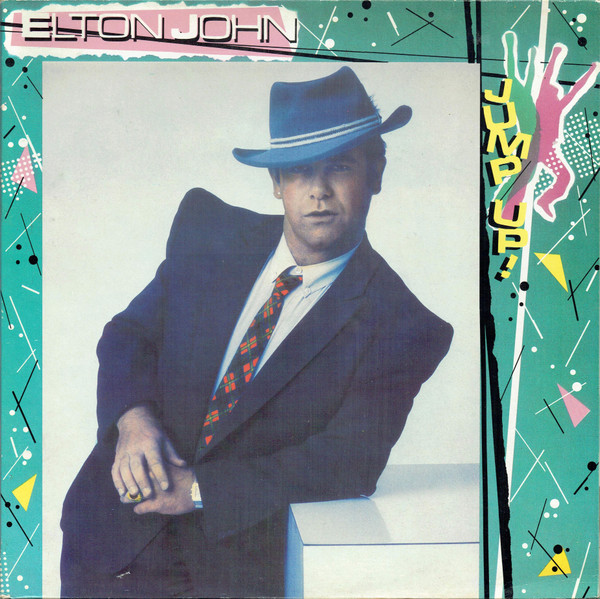
Jump Up!
1982
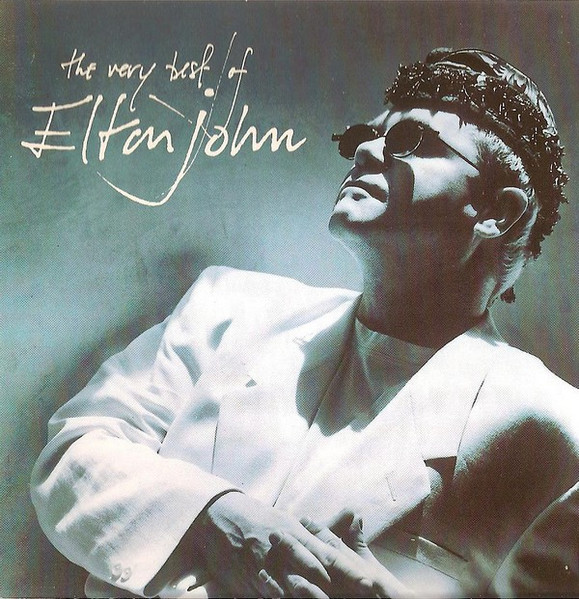
The Very Best Of Elton John
1990
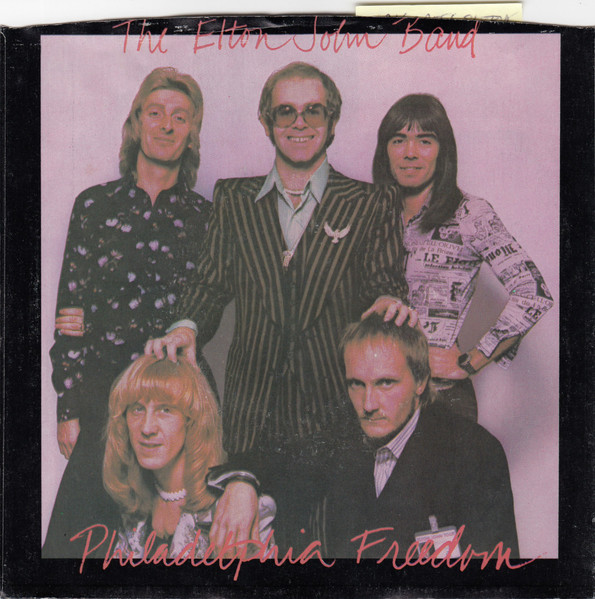
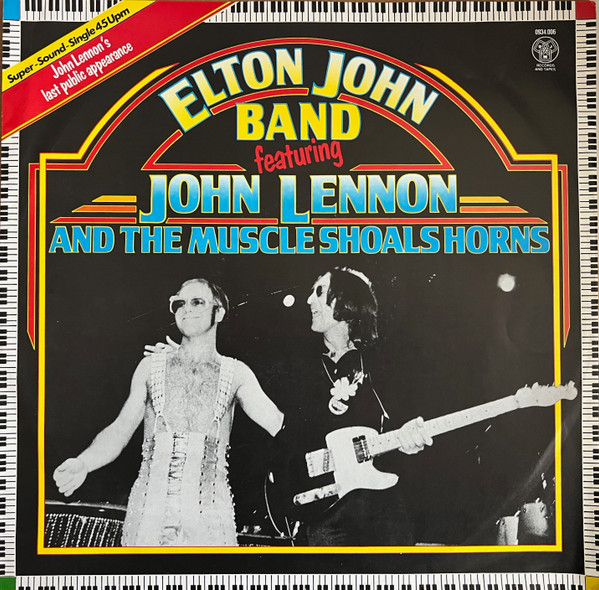
Elton John Band
Elton John under another name — MusicBrainz marks this project eponymous.
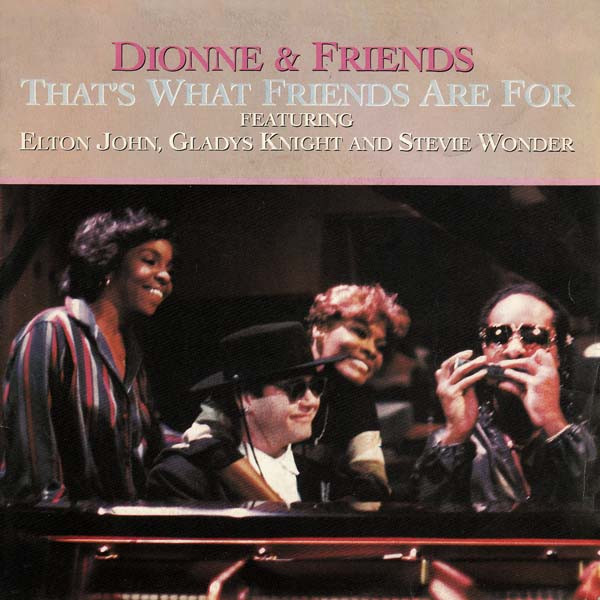
Dionne & Friends
A project Elton John was part of.
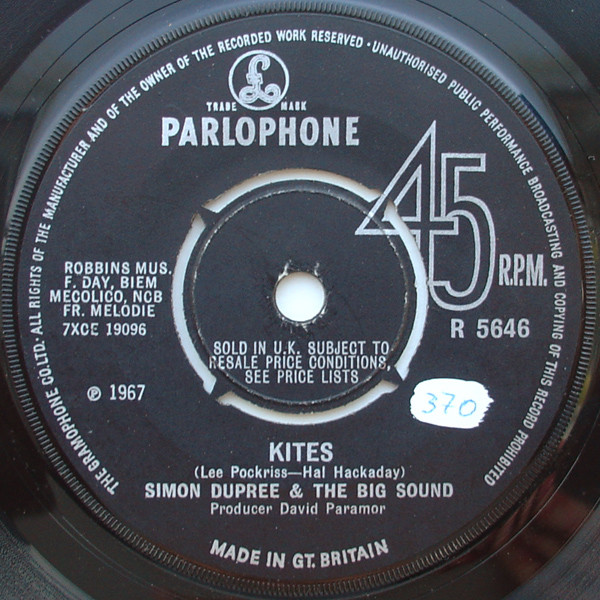
Simon Dupree & the Big Sound
A project Elton John was part of.

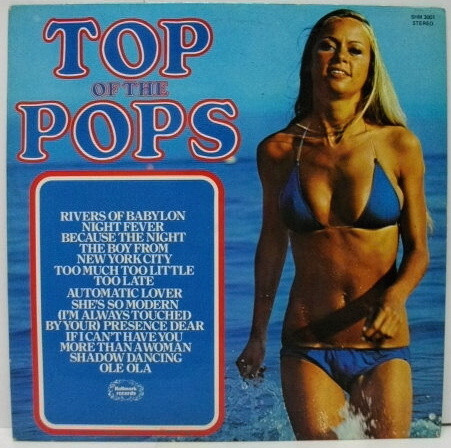
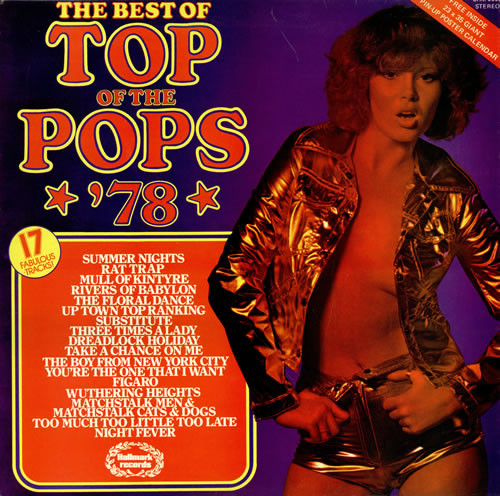
Top of the Poppers
A project Elton John was part of.
Related artists
Around the web
Follow every record they touch.
Start your shelf and Gatefold tracks Elton John's new pressings, tour dates, and the whole discography — automatically.
Start your shelf →Free forever. Works with 10 records or 10,000.