
Artist
Dave Holland
British rock drummer
Northampton, United Kingdom · 1948 – 2018
Dave Holland is a musician from Northampton, United Kingdom, active 1948–2018. Their discography on Gatefold includes 3 records. They also recorded with Judas Priest and Trapeze.

66
Albums tracked
780
In collections
1948
Since
Biography
Dave Holland was bashing away in Pinkerton’s Assorted Colours when they hit with 'Mirror Mirror' in '66. He was a session-grade heavy hitter trapped in a pop-psych bubble, playing three-minute singles while the world was starting to get heavy. Most guys from that mid-60s British beat scene stayed stuck in the club circuit, but Holland had a sense for when a scene was about to rot. He jumped ship for Trapeze, trading the flowery harmonies for a power trio setup that actually let him use his feet. He’s the guy who gave Judas Priest their swing before they became a literal metal machine. When he replaced Les Binks in '79, he brought a specific, simplified rock-solid pocket that defined their multi-platinum run. He wasn't there to show off with jazz-fusion fills. He was there to provide the floor for Tipton and Downing to build a cathedral of riffs on top of. It’s blue-collar drumming—no ego, just a heavy backbeat and a metronomic right hand.
Bio from The Clerk
The Arc of Dave Holland
The pivots — what forced Dave Holland to reinvent.
The Trapeze Funk-Rock Pivot
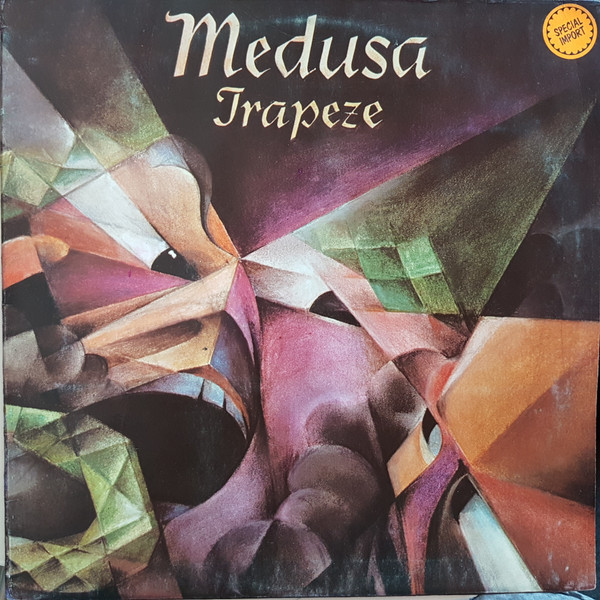
Holland moved from the pop-oriented Pinkerton’s Assorted Colours to form Trapeze with Glenn Hughes and Mel Galley. They ditched the psych-pop frills for a stripped-down, funk-heavy hard rock sound that leaned into open spaces and heavy grooves. You can hear Holland’s transition here from a time-keeper to a foundational anchor, locking in with Hughes’s fluid bass lines on records like Medusa. It was a masterclass in power trio dynamics before the band splintered and the members got scouted by the giants.
The British Steel Foundation
Joining Judas Priest in 1979 changed the band’s entire trajectory from prog-tinted metal to the streamlined arena sound that conquered the eighties. Tom Allom’s production on British Steel demanded a mechanical, punchy precision that Holland delivered by stripping his kit down to the essentials. He traded the complex flourishes of the Les Binks era for a punishingly direct style that favored the song over the drum solo. This shift gave Priest the commercial clarity they needed to bridge the gap between the NWOBHM underground and American radio dominance.
Influences
- The Shadows — Holland grew up in the shadow of Brian Bennett’s clean, precise percussion style which defined the early UK rock instrumental scene. You hear that discipline in his early beat-group work where the snare hit had to be dead center every time. It’s the DNA of the British professional drummer before things got messy in the late sixties.
- Free — Simon Kirke’s 'less is more' philosophy was the North Star for Holland’s work in Trapeze. He took that heavy, unhurried 4/4 approach and applied it to a funkier context. It’s all about the space between the notes rather than the notes themselves.
- Small Faces — Kenney Jones provided the blueprint for the hard-hitting but soulful style Holland employed during his mid-60s transition. The way Jones pushed a track forward without overplaying is exactly how Holland handled the Finders Keepers sessions. It’s the sound of a drummer who respects the vocal melody too much to get in the way.
- The Jimi Hendrix Experience — Mitch Mitchell’s fusion of jazz fluidity and rock power was the catalyst for Holland moving toward the heavier Trapeze sound. While Holland eventually simplified his style, the sheer volume and aggression of the Experience forced him to rethink how hard a kit could be hit. It pushed him out of the polite pop world and into the heavy stuff.
- Cream — Ginger Baker’s use of double bass drums and high-volume output set the standard that every Midlands drummer had to reckon with in the late sixties. Holland had to adapt to this new scale of performance when Trapeze started touring larger US venues. It’s the reason he moved toward the massive, resonant tom sounds that eventually defined his Priest era.
Dave Holland — solo
Their records — most-collected first.


Judas Priest
A project Dave Holland was part of. Former member.
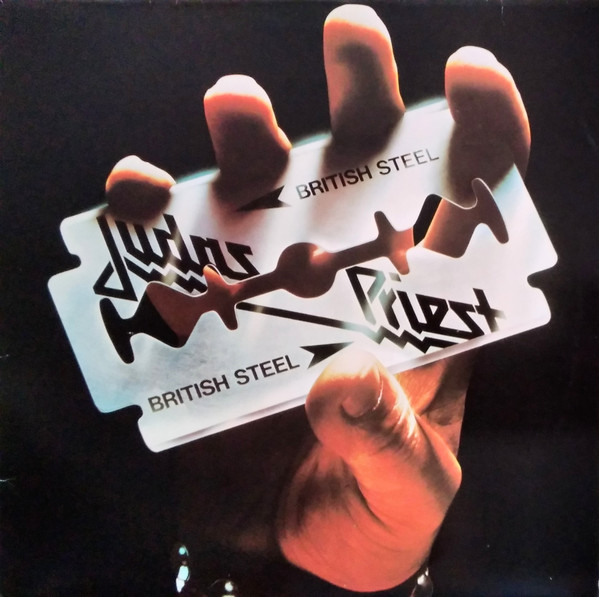
British Steel
1980
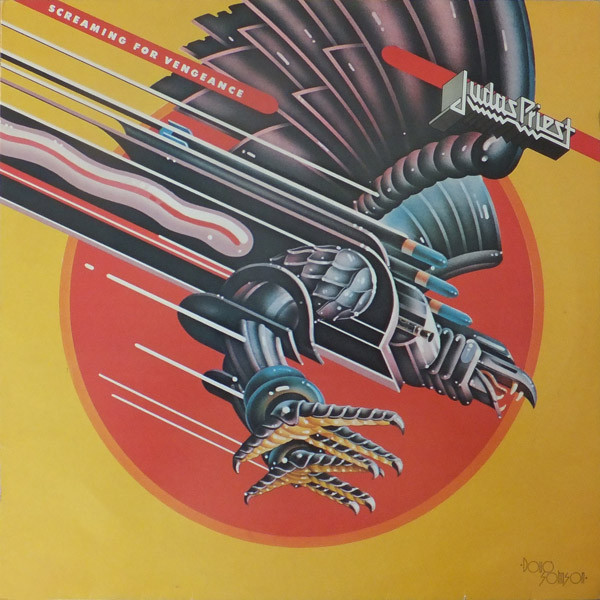
Screaming For Vengeance
1982
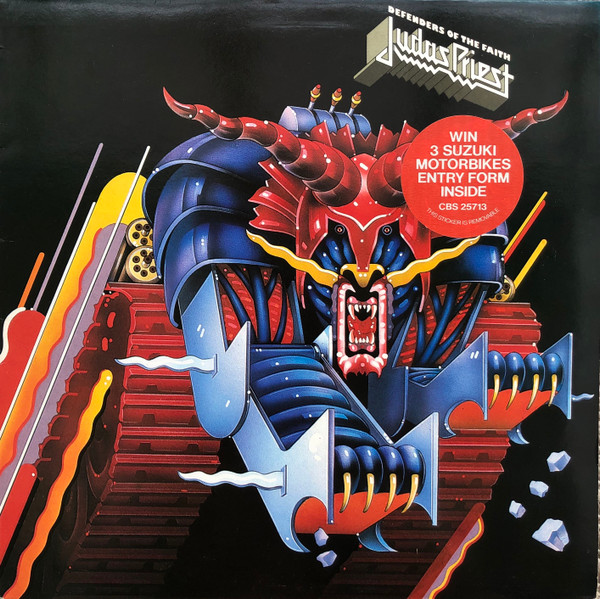
Defenders Of The Faith
1984

Painkiller
1990
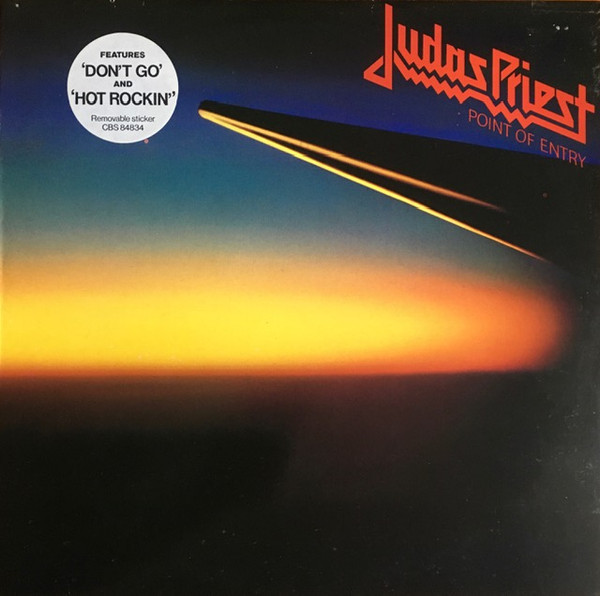
Point Of Entry
1981
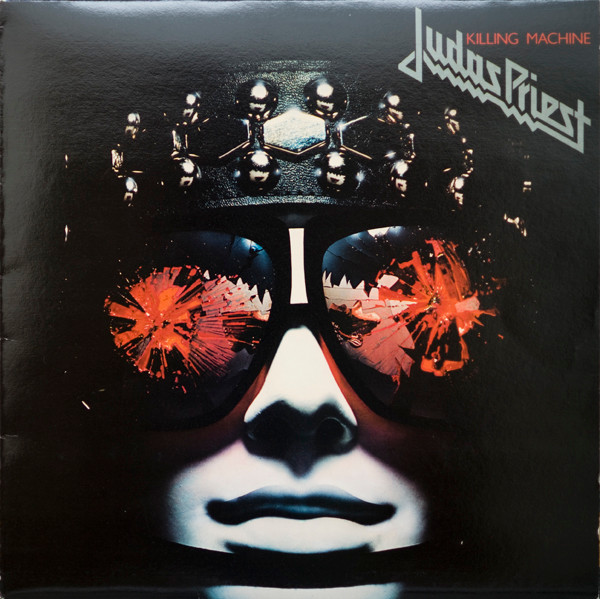
Killing Machine
1978
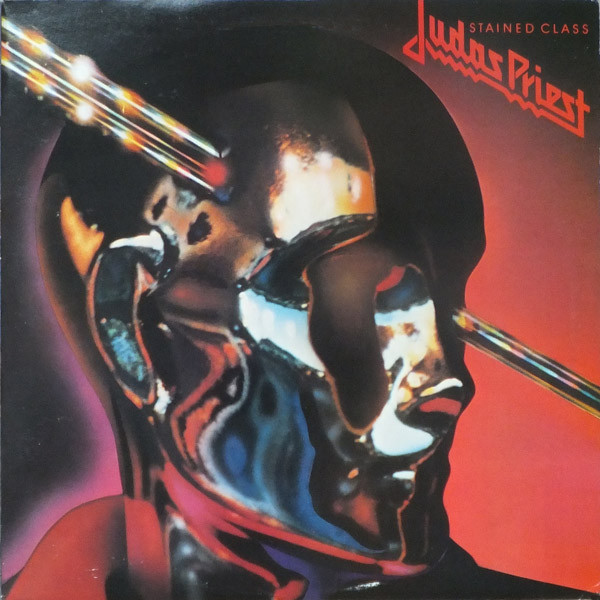
Stained Class
1978
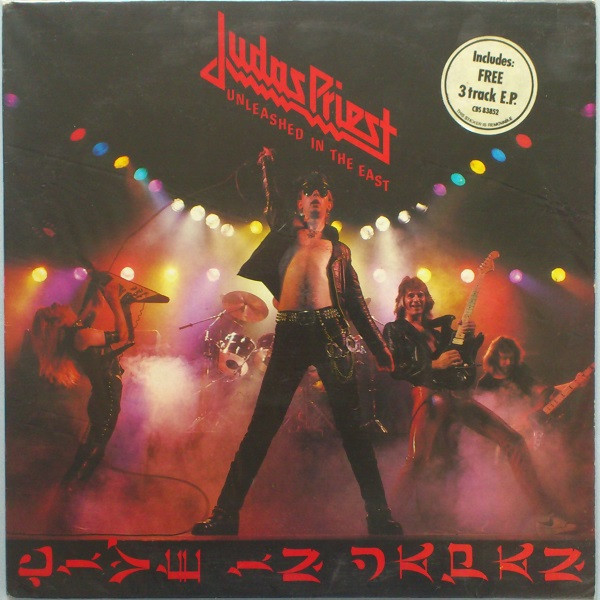
Unleashed In The East (Live In Japan)
1979
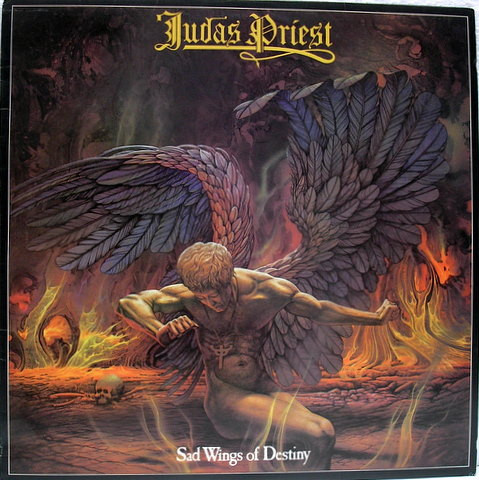
Sad Wings Of Destiny
1976
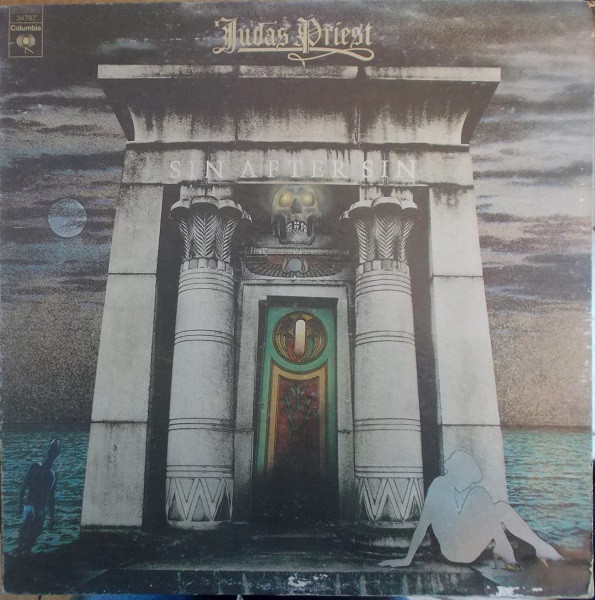
Sin After Sin
1977
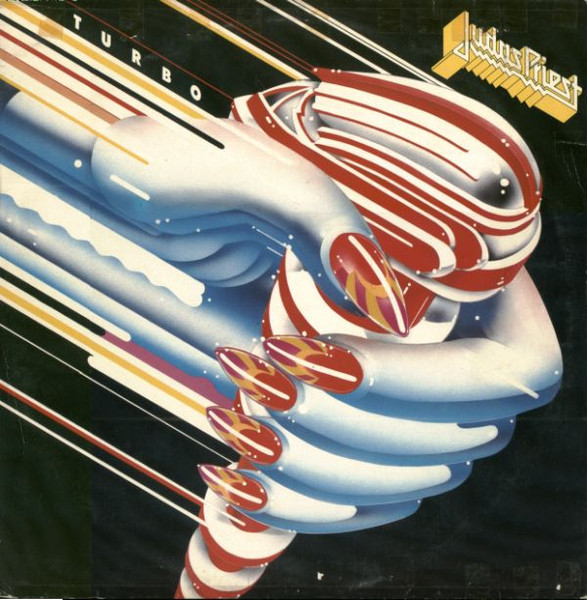
Turbo
1986
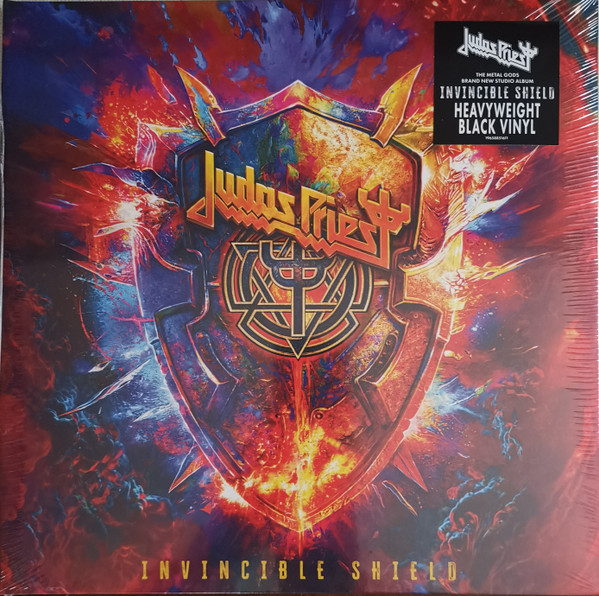
Invincible Shield
2024
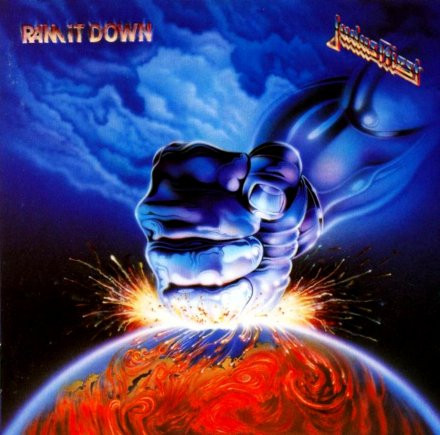
Ram It Down
1988

Priest...Live!
1987
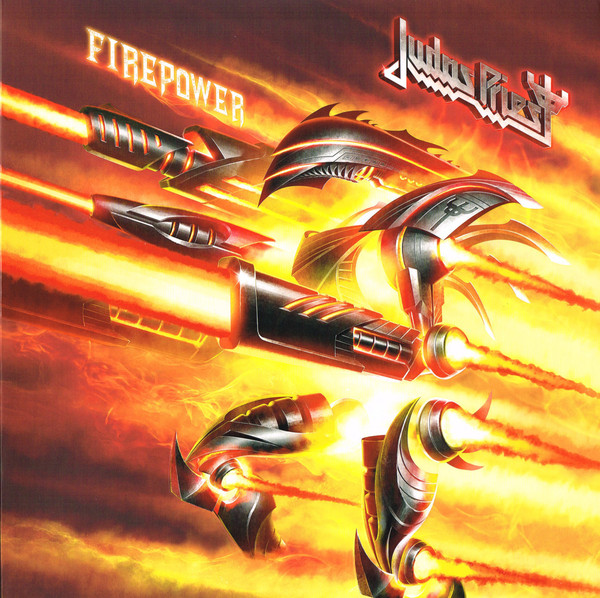
Firepower
2018

Rocka Rolla
1974
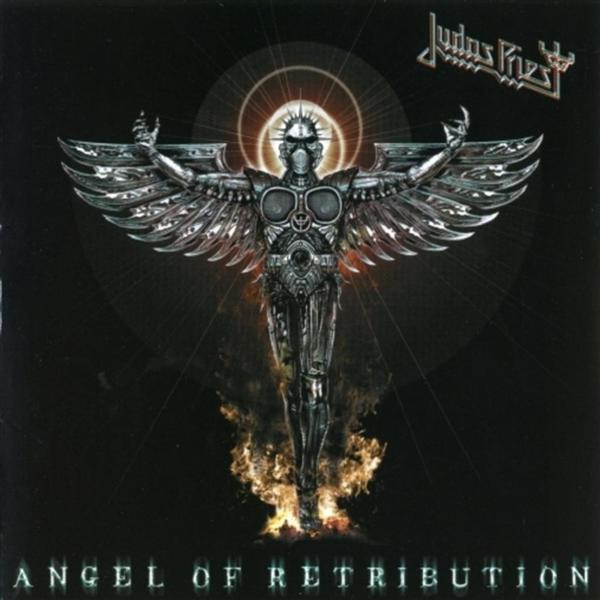
Angel Of Retribution
2005
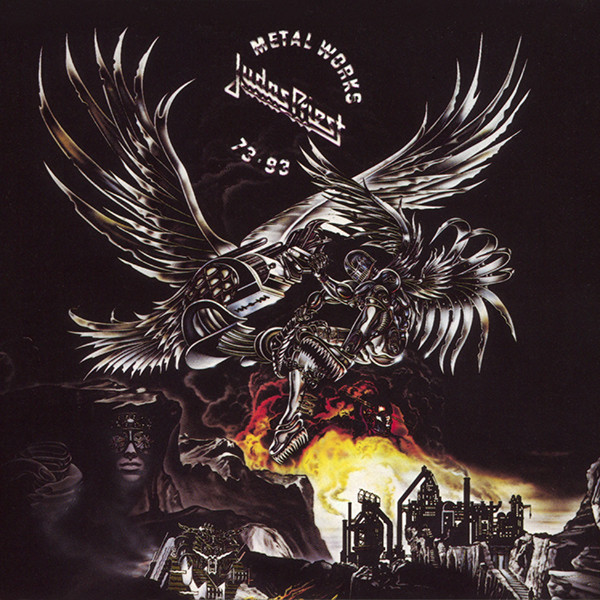
Metal Works '73-'93
1993

Live In Los Angeles '90
2026
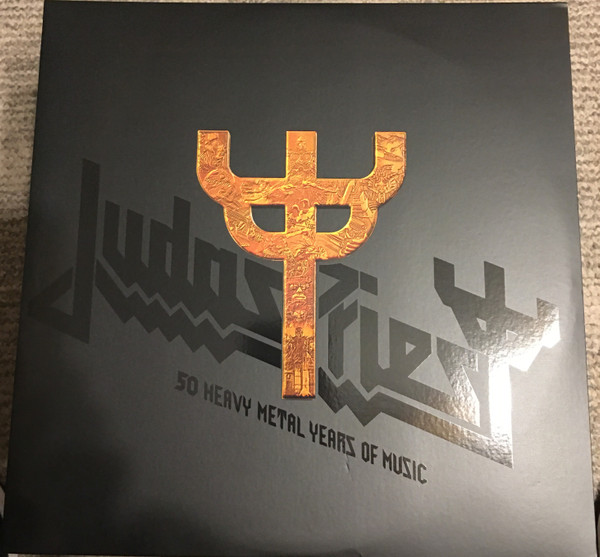
Reflections - 50 Heavy Metal Years Of Music
2021

Live In Atlanta '82
2025
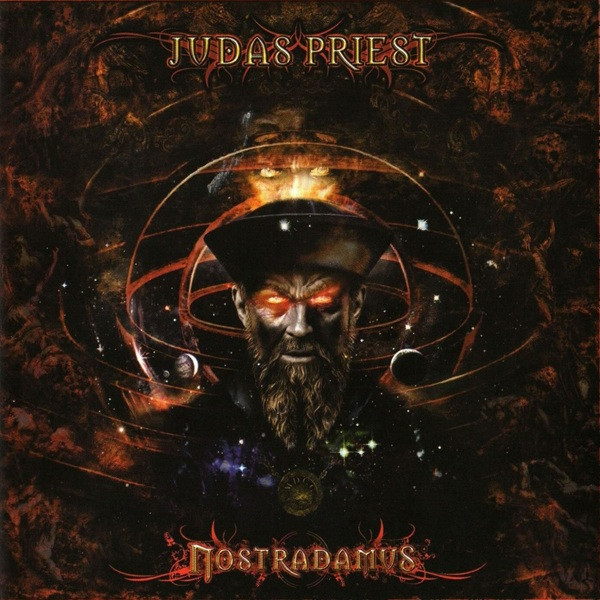
Nostradamus
2008
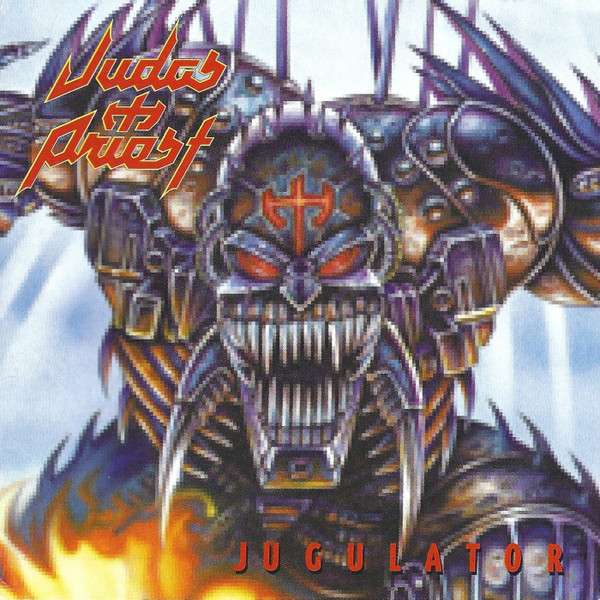
Jugulator
1997
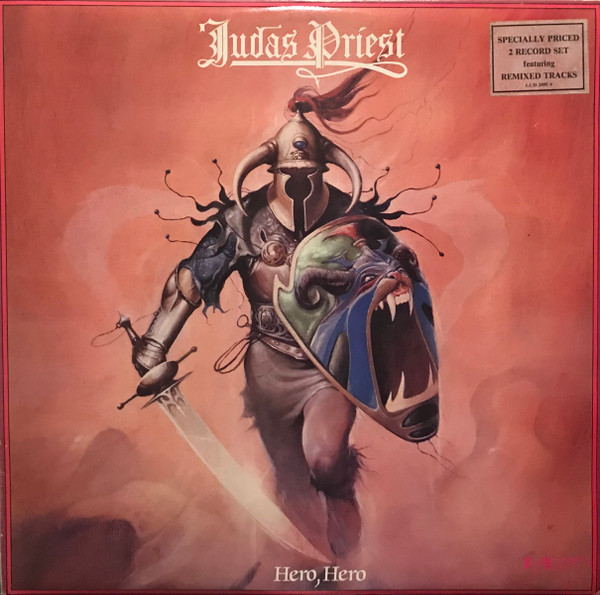
Hero, Hero
1981
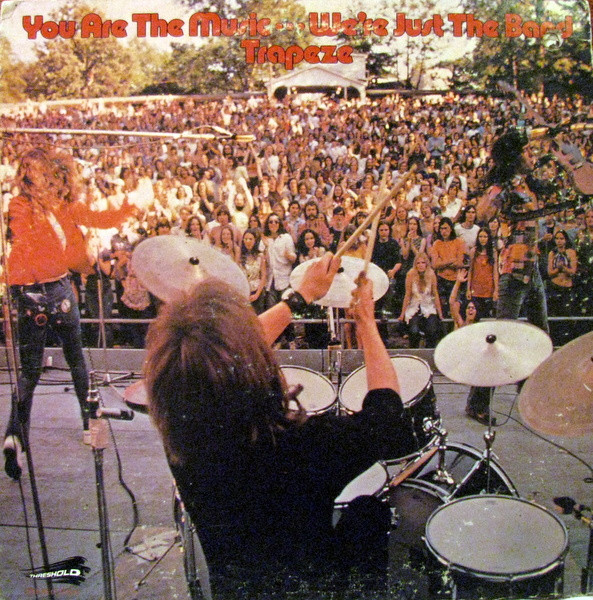
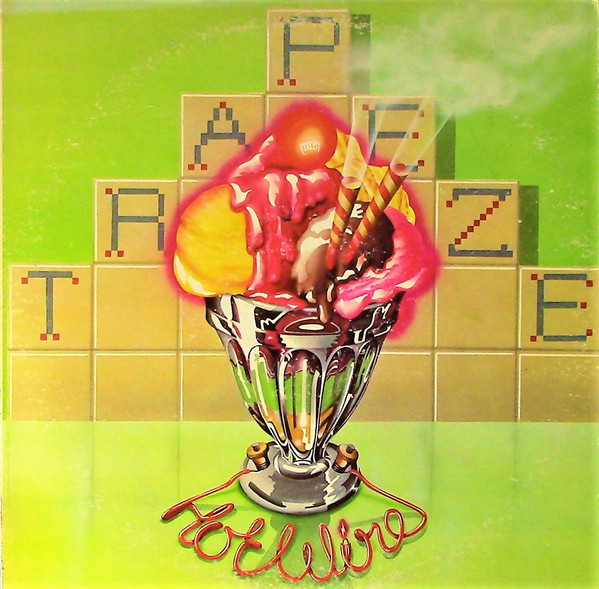
Trapeze
A project Dave Holland was part of. Former member.


Related artists
More projects
Around the web
Follow every record they touch.
Start your shelf and Gatefold tracks Dave Holland's new pressings, tour dates, and the whole discography — automatically.
Start your shelf →Free forever. Works with 10 records or 10,000.