
Artist
Jimi Hendrix
Seattle, United States · 1942 – 1970
Jimi Hendrix is a musician from Seattle, United States, active 1942–1970. Their discography on Gatefold includes 24 records. They also recorded with The Jimi Hendrix Experience.

106
Albums tracked
1,524
In collections
1942
Since
Biography
Hendrix was getting $5 a night to play back-up for Little Richard, wearing a silk suit and getting fined for stealing the spotlight. He was a sideman who could outplay the headliner, but he was stuck in the Chitlin' Circuit grind, mimicking the moves of guys like T-Bone Walker while suppressed by the rigid bandleader rules of the mid-60s. He didn't find his feet until Chas Chandler from The Animals saw him at Cheetah Club, dragged him to London, and paired him with a drummer from a jazz background and a guitarist turned bassist who could barely keep up. Olympic Studios in London was where the magic actually curdled into something usable. Engineer Eddie Kramer and those early Marshall stacks turned a blues obsessive into a physicist of feedback. It wasn't about being a guitar god; it was about the fact that he treated the studio like an instrument, manipulating tape speed and panning while everyone else was just trying to get a clean signal. By the time he hit Electric Lady Studios, he was chasing sounds that didn't exist yet, burning through engineers and patience to get 'First Rays of the New Rising Sun' out of his head and onto the reels.
Bio from The Clerk
The Arc of Jimi Hendrix
The pivots — what forced Jimi Hendrix to reinvent.
The London Experience
Chas Chandler pawned his bass to fly Hendrix to London, where they auditioned Mitch Mitchell and Noel Redding to fill out a power trio that leaned on volume over nuance. This era was defined by the transition from R&B sideman to psychedelic frontman, fueled by the Roger Mayer Octavia pedal and a frantic recording schedule at Olympic and De Lane Lea studios. You hear the desperation and the novelty of a man finally allowed to crank his amp in a room where the tea-drinking engineers were terrified of the red needles. The result was 'Are You Experienced', a record that basically broke the 1967 pop charts by sheer force of volume.
Electric Ladyland Sessions
The rigid pop structure of the Experience fell apart once Hendrix took over the production chair and started inviting everyone from Steve Winwood to Dave Mason into the studio. He moved into a massive, expensive sprawl of jams and overdubs, moving away from short singles toward side-long experimental suites like '1983... (A Merman I Should Turn to Be)'. This is where the layers of phase-shifting and backward masking take over, showing a guy who was clearly bored with being a rock star and more interested in the possibilities of a 16-track board. It’s the sound of a genius finally getting his own playground and refusing to leave.
The Band of Gypsys
To settle a predatory contract dispute with Ed Chalpin, Hendrix ditched the white British rhythm section for Billy Cox and Buddy Miles to play a live New Year's gig at the Fillmore East. This pivot replaced the psychedelic whimsy with a heavy, pocket-focused funk-rock that felt more rooted in the R&B he’d grown up playing. The recorded evidence on the 'Band of Gypsys' live album shows a darker, more rhythmic approach where the guitar isn't just soaring over the beat—it’s locked into the mud with it. It was a brief, gritty look at where he was headed before everything stalled out in 1970.
Influences
- Muddy Waters — Hendrix cited the 1954 track 'Rollin' Stone' as the first record that truly 'scared' him as a kid. You hear that distorted, aggressive slide work in the DNA of 'Voodoo Child (Slight Return)'. It's the blueprint for the electric blues as a weapon.
- Little Richard — Hendrix toured in his backing band, The Upsetters, and stole his stage presence—the flamboyant clothes and the showmanship—directly from Richard. He once said he wanted to do with his guitar what Richard did with his voice. The wild, percussive energy of 'Fire' is Richard's piano converted into six strings.
- Buddy Guy — Hendrix used to follow Guy around with a reel-to-reel recorder to capture his shows, obsessed with how Guy played the guitar with his teeth and behind his back. The raw, piercing tone on 'Stone Free' is a direct lift from Guy’s early Chess Records singles. He didn't just admire the playing; he studied the theatrics.
- Bob Dylan — Hendrix carried a copy of 'Highway 61 Revisited' everywhere and was one of the few who defended Dylan's thin, reedy voice. He covered 'Like a Rolling Stone' and 'All Along the Watchtower' because Dylan gave him the confidence to front a band without being a 'traditional' singer. He focused on the lyrics as much as the licks after hearing 'Ballad of a Thin Man'.
- Curtis Mayfield — The double-stop, chord-melody style of 'Little Wing' and 'The Wind Cries Mary' is a direct evolution of Mayfield’s work with The Impressions. Hendrix spent his time as a session player in the early 60s trying to mimic Mayfield’s clean, fluid R&B fills. It's the most sophisticated part of his playing, and it came straight from the Chicago soul scene.
Jimi Hendrix — solo
Their records — most-collected first.
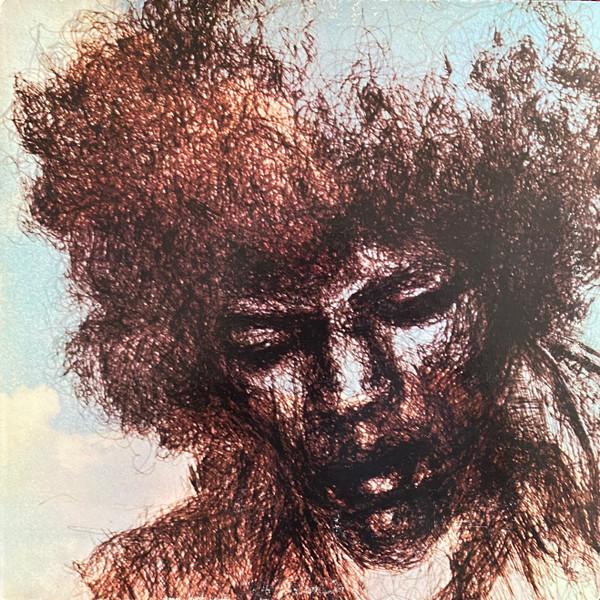
The Cry Of Love
1971
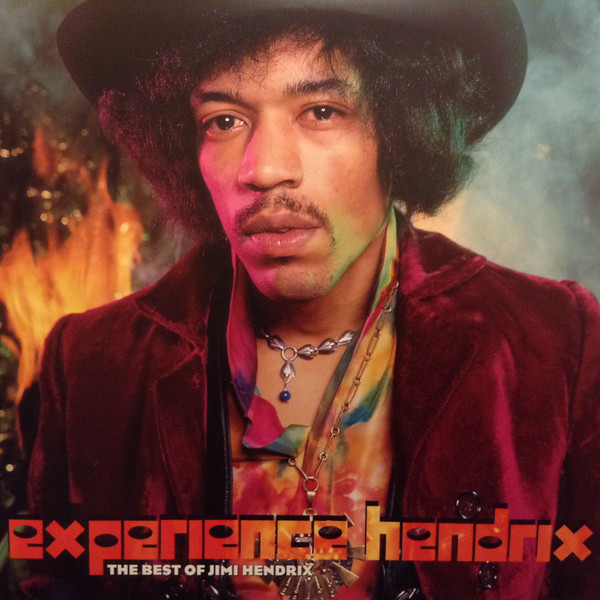
Experience Hendrix (The Best Of Jimi Hendrix)
1997
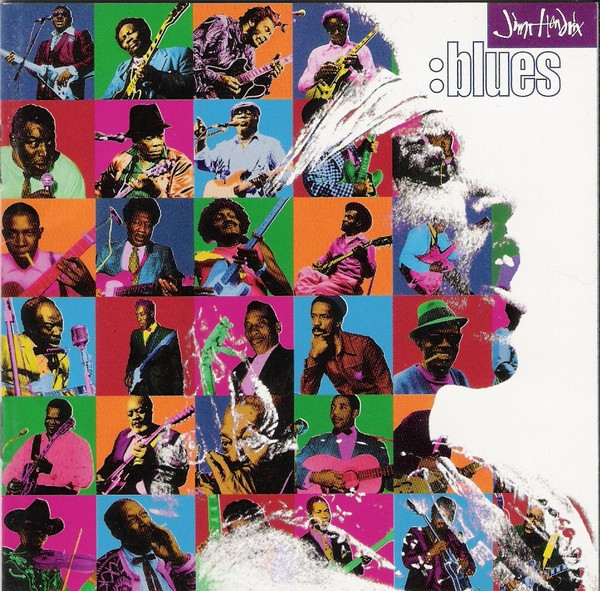
Blues
1994
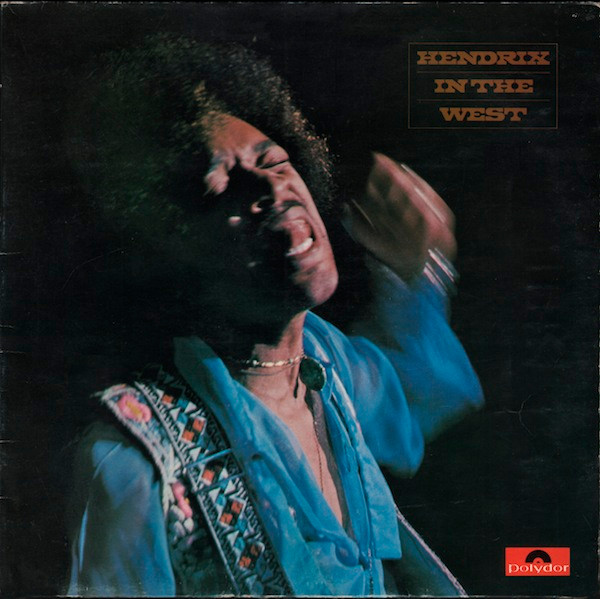
Hendrix In The West
1972
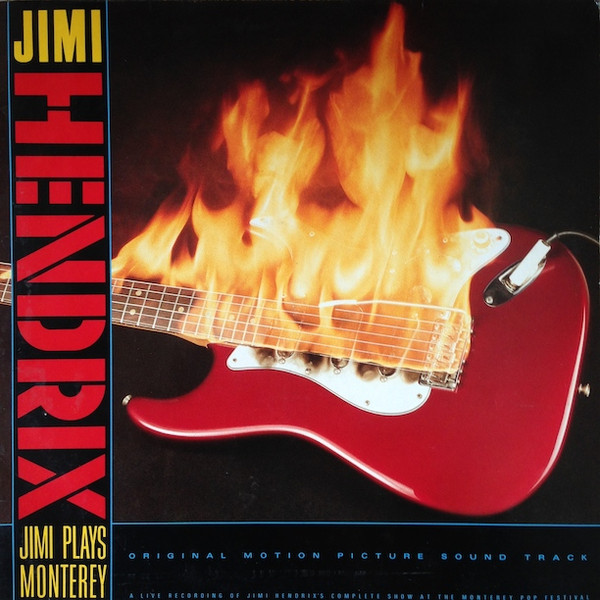
Jimi Plays Monterey (Original Motion Picture Sound Track)
1986
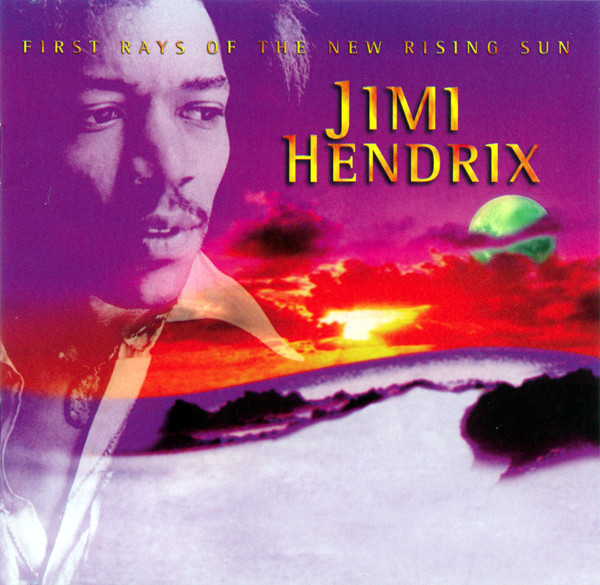
First Rays Of The New Rising Sun
1997
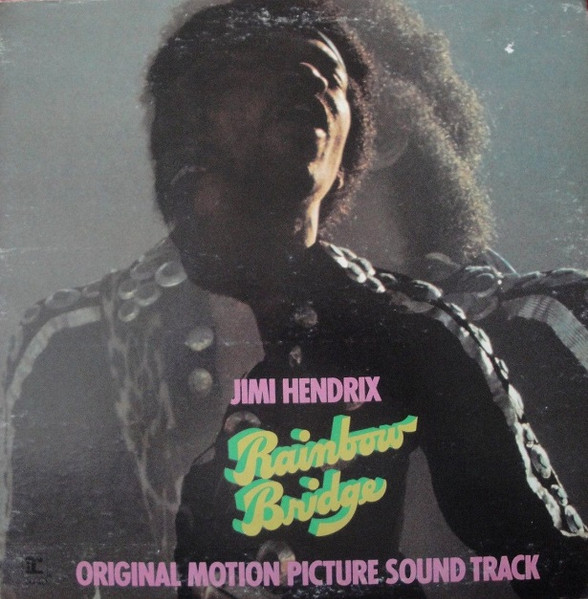
Rainbow Bridge / Original Motion Picture Sound Track
1971
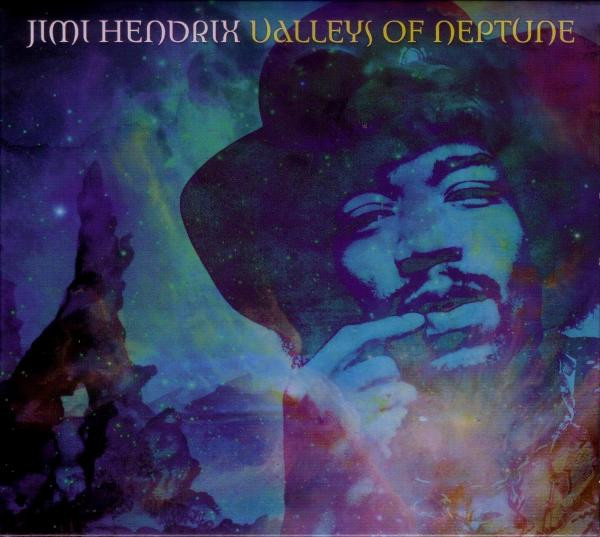
Valleys Of Neptune
2010

The Ultimate Experience
1992
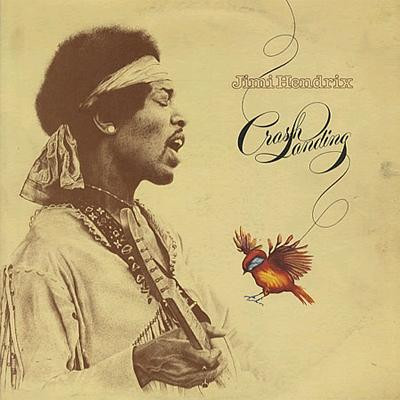
Crash Landing
1975
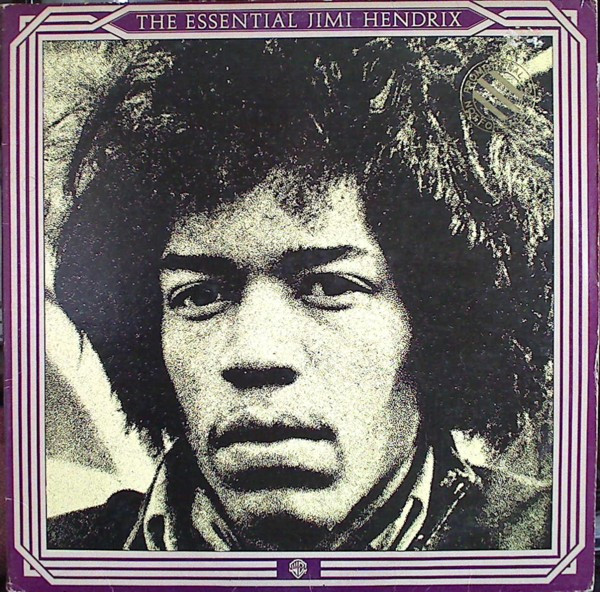
The Essential Jimi Hendrix
1978
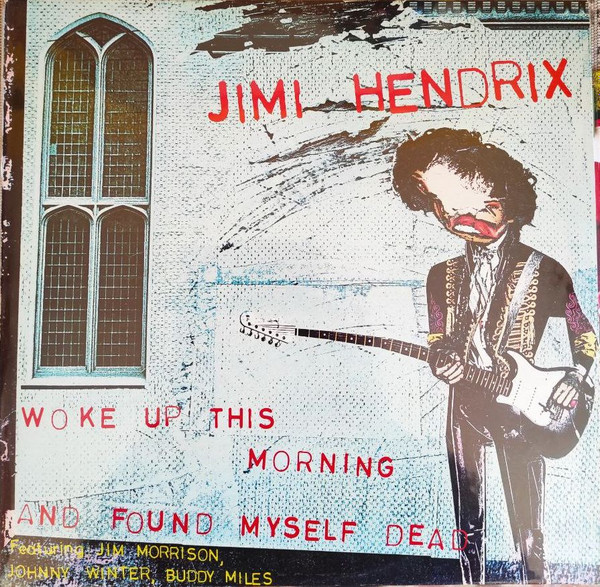
Woke Up This Morning And Found Myself Dead
1980
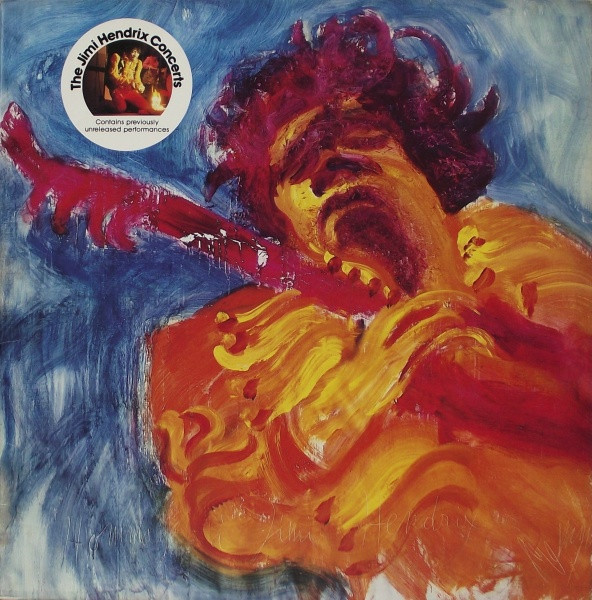
The Jimi Hendrix Concerts
1982

War Heroes
1972
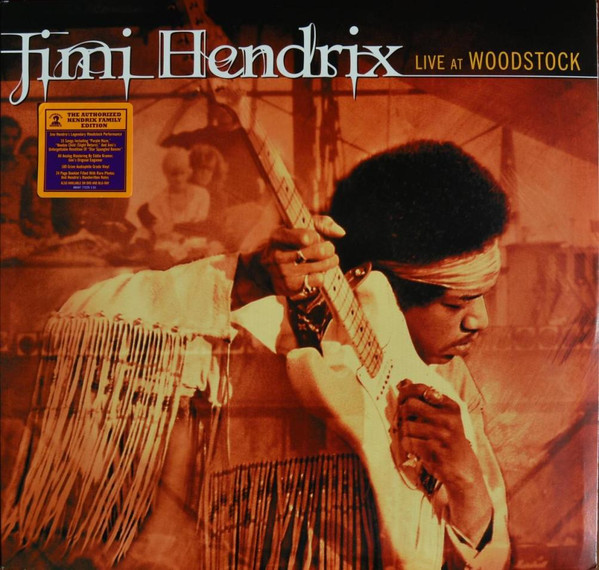
Live At Woodstock
1999
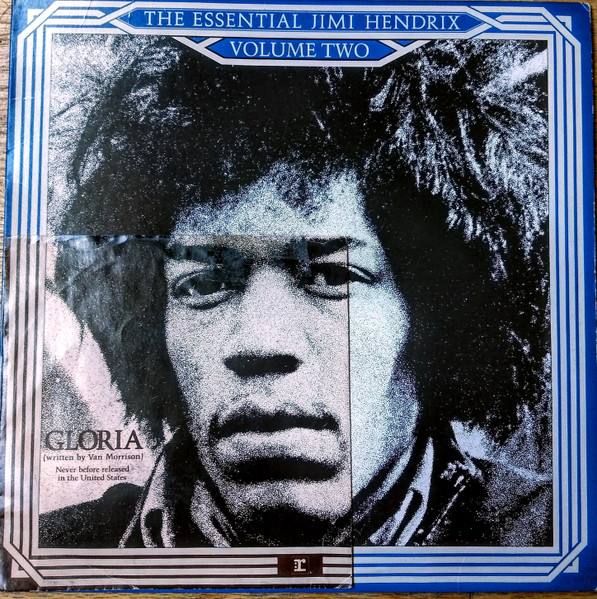
The Essential Jimi Hendrix (Volume Two)
1979

Midnight Lightning
1975
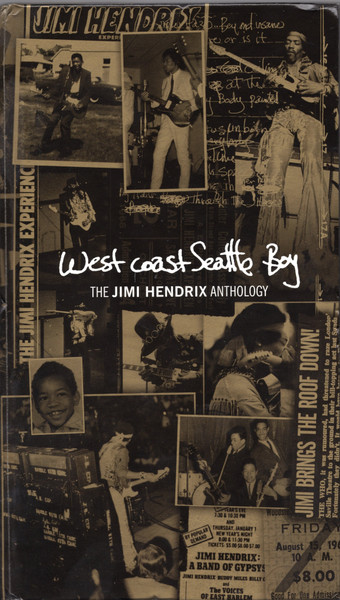
West Coast Seattle Boy: The Jimi Hendrix Anthology
2010

Blue Wild Angel: Jimi Hendrix Live At The Isle Of Wight
2002

South Saturn Delta
1997

Sound Track Recordings From The Film Jimi Hendrix
1973
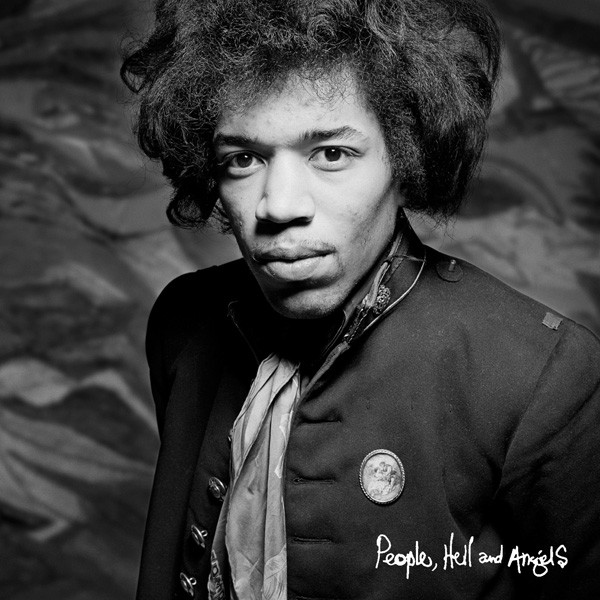
People, Hell And Angels
2013

Valleys Of Neptune
2010
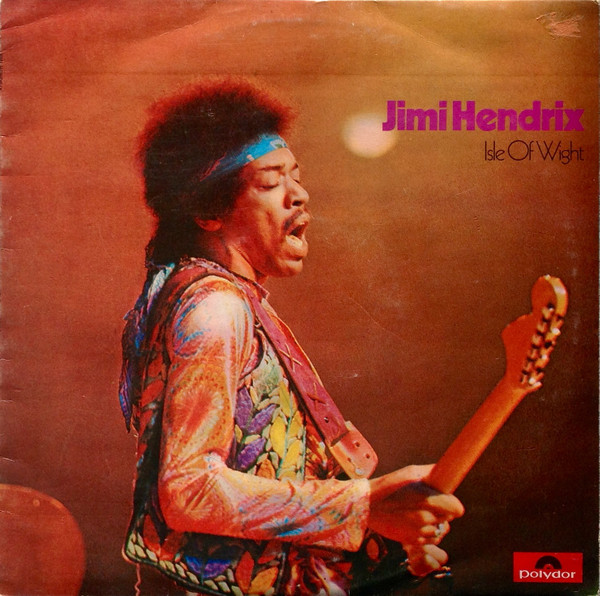
Isle Of Wight
1971
The Jimi Hendrix Experience
Jimi Hendrix under another name — MusicBrainz marks this project eponymous.
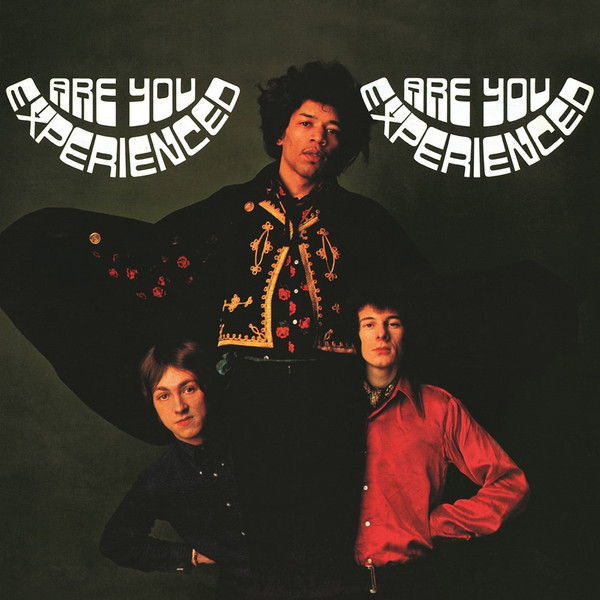
Are You Experienced
1967
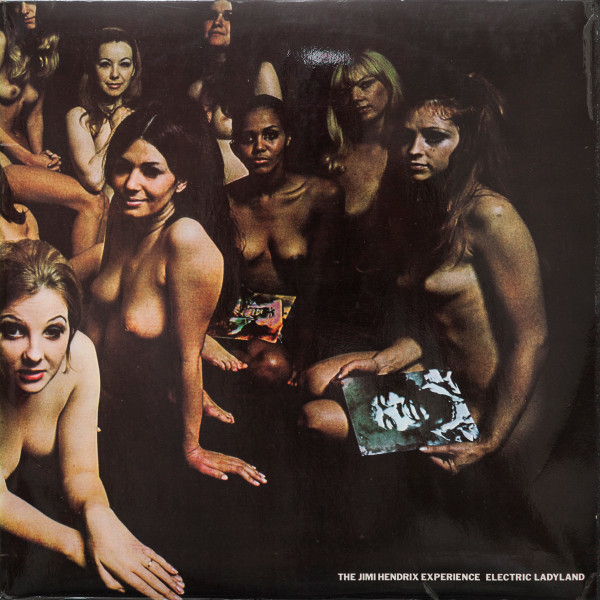
Electric Ladyland
1968
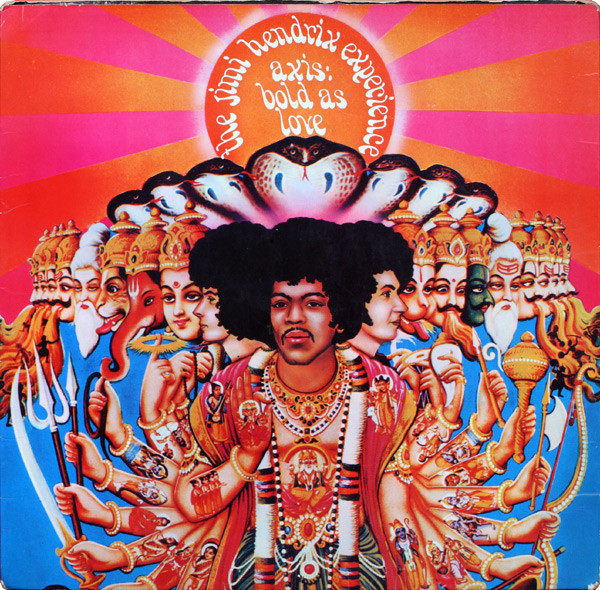
Axis: Bold As Love
1967
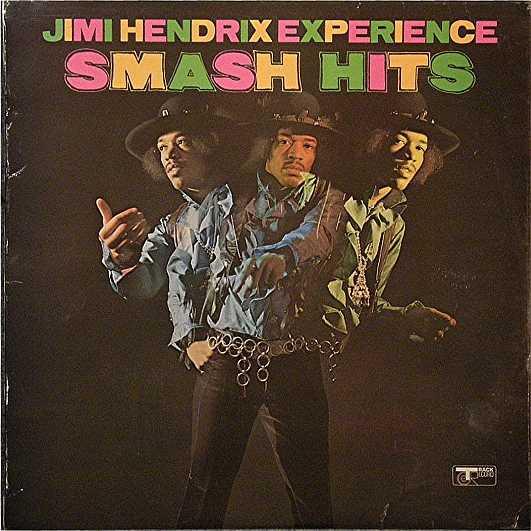
Smash Hits
1968
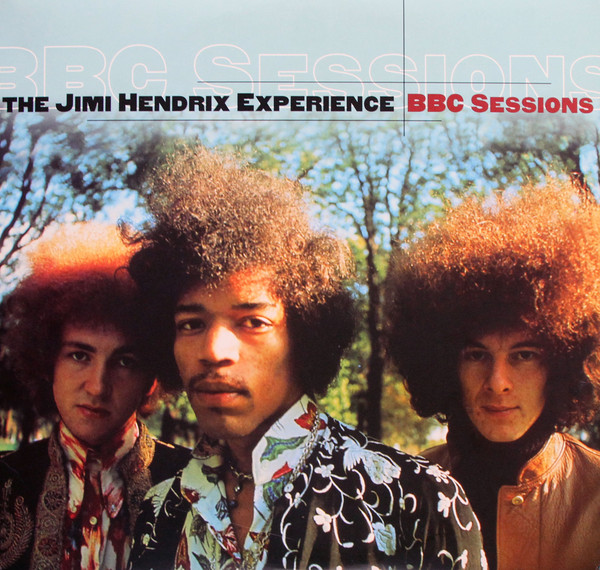
BBC Sessions
1998
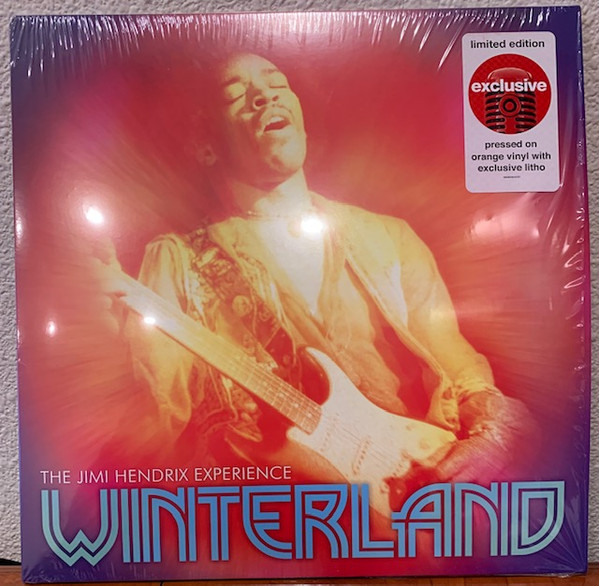
Winterland
2011
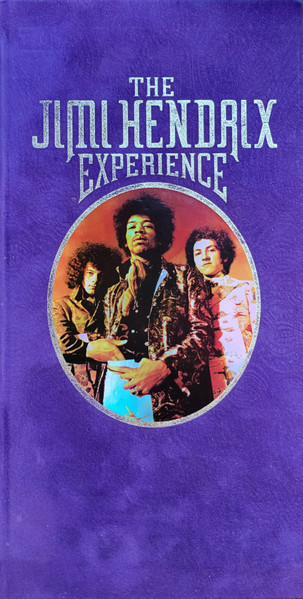
The Jimi Hendrix Experience
2000
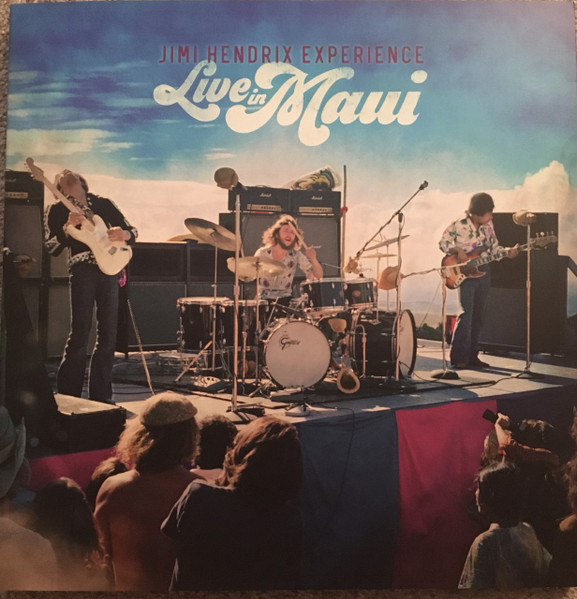
Live In Maui
2020

Freedom: Atlanta Pop Festival
2015

Live At Berkeley
2003
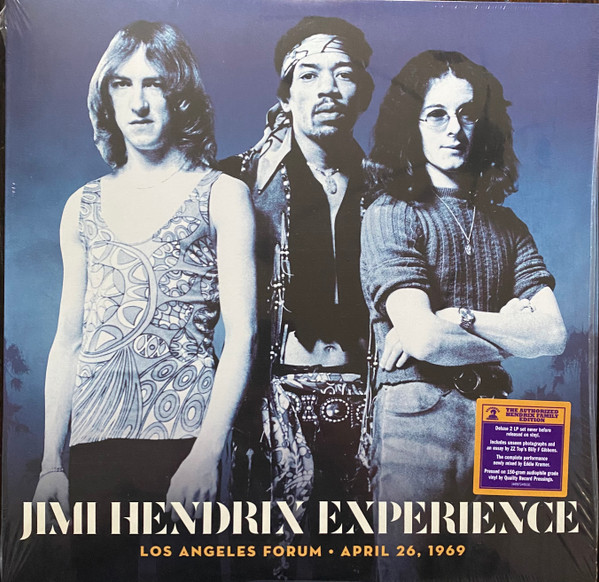
Los Angeles Forum • April 26, 1969
2022

Radio One
1988

Live At Winterland
1987

Paris 1968 Live At L'Olympia Theatre
2023
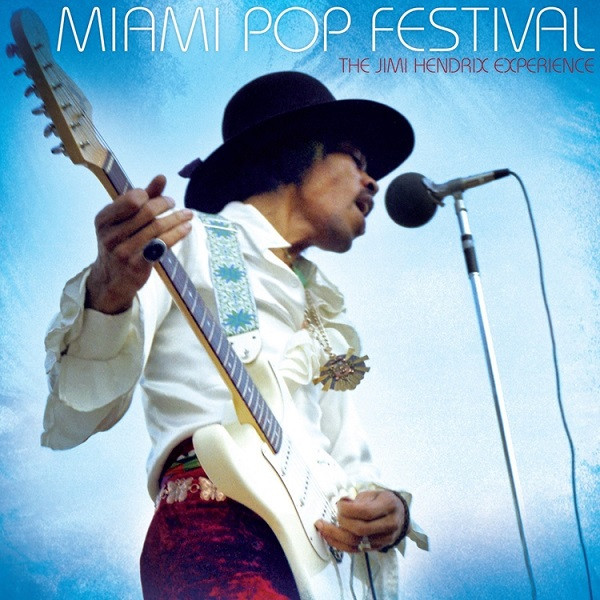
Miami Pop Festival
2013
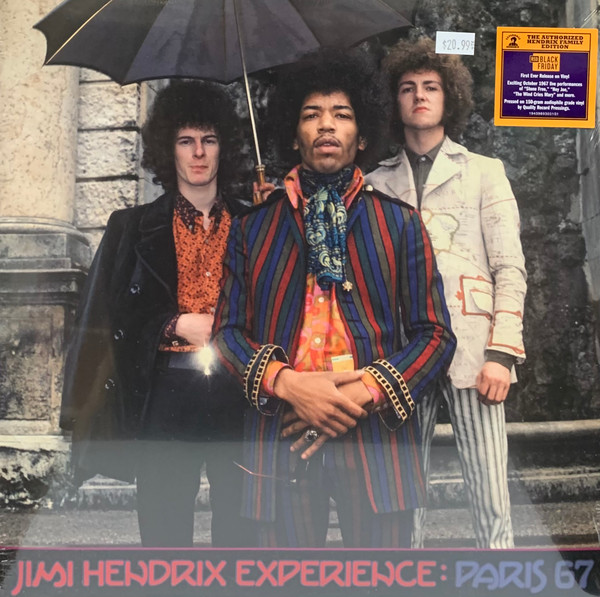
Paris 67
2021

Live At Clark University
1999

Live In Cologne
2012
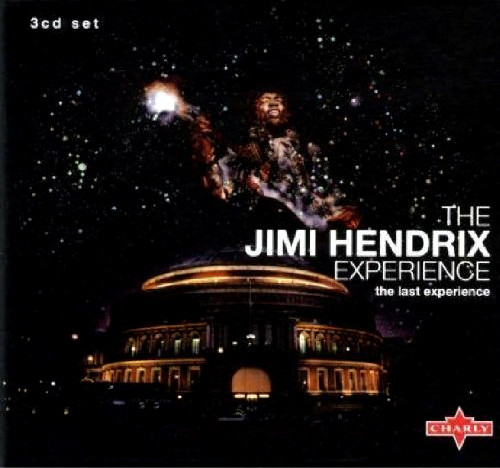
The Last Experience
2002

Voodoo Chile
1987

San Francisco 1968
2011

Live In Ottawa
2001

Live At The Oakland Coliseum
1998
Related artists
More projects
Around the web
Follow every record they touch.
Start your shelf and Gatefold tracks Jimi Hendrix's new pressings, tour dates, and the whole discography — automatically.
Start your shelf →Free forever. Works with 10 records or 10,000.