
Artist
Judas Priest
Birmingham, United Kingdom · Formed 1969
Judas Priest is a music group from Birmingham, United Kingdom, active since 1969. Their discography on Gatefold includes 24 records.

62
Albums tracked
768
In collections
1969
Since
Biography
Before they were clad in studs and black leather, Judas Priest were a struggling West Midlands outfit borrowing Black Sabbath's transit van just to gig. Rodger Bain produced their '74 debut, Rocka Rolla, and completely gutted their sound, leaving off their best live track, "Caviar and Meths," and turning a heavy blues-rock band into a lukewarm progressive cocktail. It was a total mess. But they didn't fold. By '76, they ditched Bain, got Glenn Tipton fully integrated into the songwriting, and cut Sad Wings of Destiny for Gull Records, a penniless label that couldn't even afford to buy them food during the sessions. That record is where heavy metal found its true blueprint. No more slow, dragging Sabbath tempos. Priest brought the double-guitar attack and Rob Halford's operatic, four-octave banshee wail. They spent the next decade shifting from prog-tinged epics to stripped-down arena anthems, then took a massive corporate nose-dive into synth-guitars in the mid-80s that almost ruined their credibility. The beautiful thing about Priest is their survival instinct. Every time they chased a radio trend and fell on their face, they came back with a record that was twice as heavy and twice as fast to reclaim the crown.
Bio from The Clerk
The Arc of Judas Priest
The pivots — what forced Judas Priest to reinvent.
The Two-Guitar Gothic Prog Era
Between 1976 and 1978, Priest laid down the foundation of British metal with a pair of guitars trading leads instead of just rhythm and solos. They signed to CBS, brought in a teenage Simon Phillips on drums for Sin After Sin, and let Roger Glover of Deep Purple produce them. Glover cleaned up the muddy club tones and brought out the razor-sharp precision of Glenn Tipton and KK Downing's tandem riffing. You hear it on "Sinner," where the dual-leads slice through the mix like a buzzsaw instead of the sludgy blues-rock that dominated the mid-70s.
The Studs and Leather Strip-Down
By 1979, the band realized the sprawling, seven-minute prog tracks weren't going to work in the UK's rising punk and NWOBHM climate. They bought leather gear from sex shops in London, hired Tom Allom to produce, and went into Tittenhurst Park—John Lennon's former estate—to cut British Steel. They recorded the album using kitchen cutlery, milk bottles, and pool cues for percussion to get a massive, industrial crunch. This was the moment they abandoned the acoustic transitions entirely, focusing on short, punchy, mid-tempo anthems built for singing along in packed arenas.
The Silicon Valley Sellout
In 1986, the band went to Compass Point Studios in the Bahamas with a suitcase full of Roland G-707 guitar synthesizers and an eye on the American pop-metal charts. The resulting record, Turbo, was a glossy, computerized disaster that alienated their core headbanger audience. Underneath the digital sheen, the songs were aimed squarely at MTV rotation and teenage girls in suburban malls. The guitars sounded like synthesizers, the drums were heavily gated, and Halford's lyrics swapped dark fantasy for party cliches.
The Painkiller Reset
To survive the 90s and save their reputation, Priest replaced drummer Dave Holland with Scott Travis, a human double-kick machine from Racer X. They hired producer Chris Tsangarides, booked Miraval Studios in France, and tracked the fastest, most aggressive record of their lives. Painkiller was a direct reaction to thrash metal bands like Slayer and Metallica who had taken Priest's speed and turned it up. The title track features a drum intro that practically reinvented the band's sonic footprint, proving they could out-thrash the kids who grew up listening to them.
Influences
- Queen — Rob Halford has repeatedly cited Freddie Mercury as his ultimate vocal hero, praising his theatricality and vocal range. You hear this influence on 'Dreamer Deceiver' from Sad Wings of Destiny, where Halford uses operatic phrasing and multi-tracked vocal harmonies that mimic Roy Thomas Baker's production style on Night at the Opera. It pushed Priest beyond the gravelly blues delivery of standard 70s rock vocalists.
- Deep Purple — Priest toured as the opening act for Deep Purple in the early 1970s, and Roger Glover actually produced their 1977 major-label debut, Sin After Sin. The speedy tempo of Purple's 'Highway Star' is the direct ancestor of Priest's speed metal workouts like 'Exciter.' Ian Gillan's piercing high screams also gave Halford the roadmap for his own upper-register vocal assault.
- Wishbone Ash — Wishbone Ash pioneered the twin-lead guitar harmony setup in the UK rock scene with their 1972 album Argus. Glenn Tipton and KK Downing took this exact dual-harmony framework and applied it to a much heavier, faster rhythmic template. You can hear the melodic, interlocking guitar lines of Argus directly mirrored in the intro to 'The Sentinel' on Defenders of the Faith.
- Led Zeppelin — Before they found their own voice, Priest used to cover Zeppelin's 'Whole Lotta Love' in their early club sets, and Al Atkins-era Priest heavily imitated Robert Plant's bluesy wail. You hear this heavy, riff-driven blues foundation on the band's 1974 debut Rocka Rolla, particularly on the swing of the title track. It is the sound of a band trying to navigate Jimmy Page's heavy acoustic-to-electric dynamics.
- Jimi Hendrix — KK Downing was so obsessed with Jimi Hendrix that he saw him live several times, bought a white Fender Stratocaster to match him, and used a tremolo arm and wah-pedal to mimic his feedback techniques. You hear this feedback-laden, aggressive psychedelic guitar work on 'Victim of Changes.' Downing's chaotic, whammy-bar soloing style is a direct continuation of Hendrix's live performance style.
Discography
Their records — most-collected first.
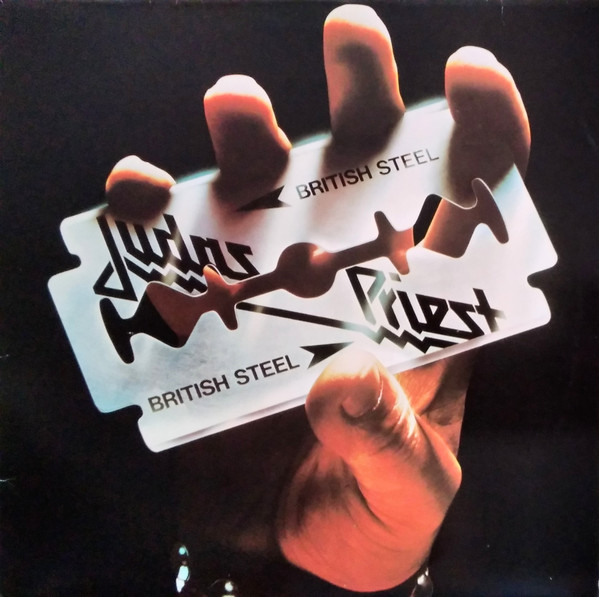
British Steel
1980
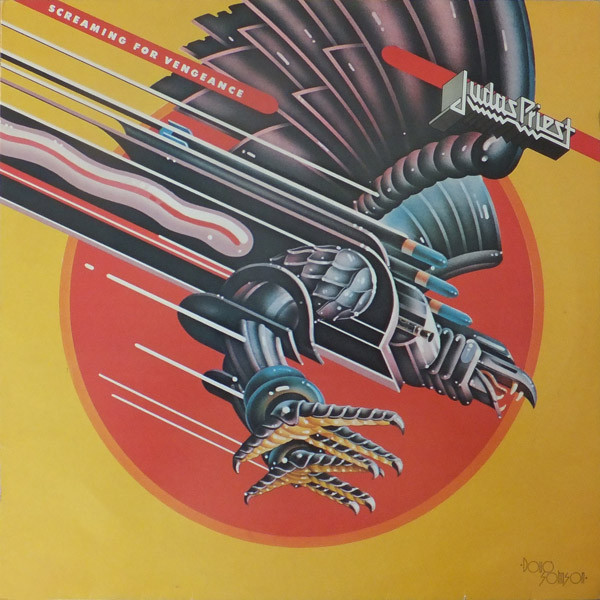
Screaming For Vengeance
1982
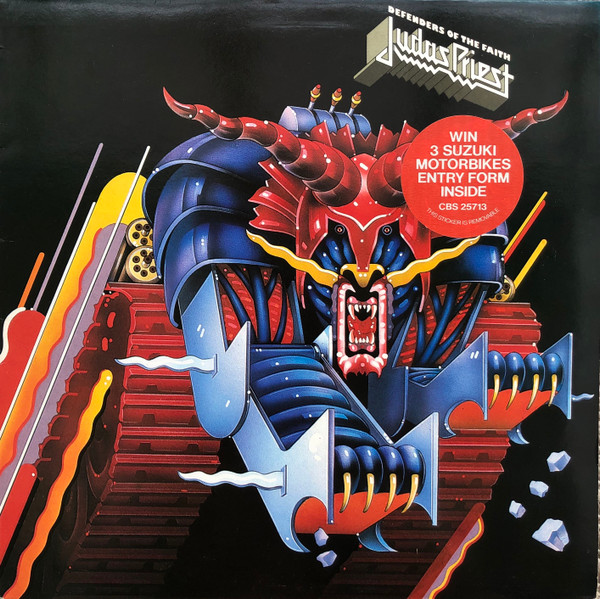
Defenders Of The Faith
1984

Painkiller
1990
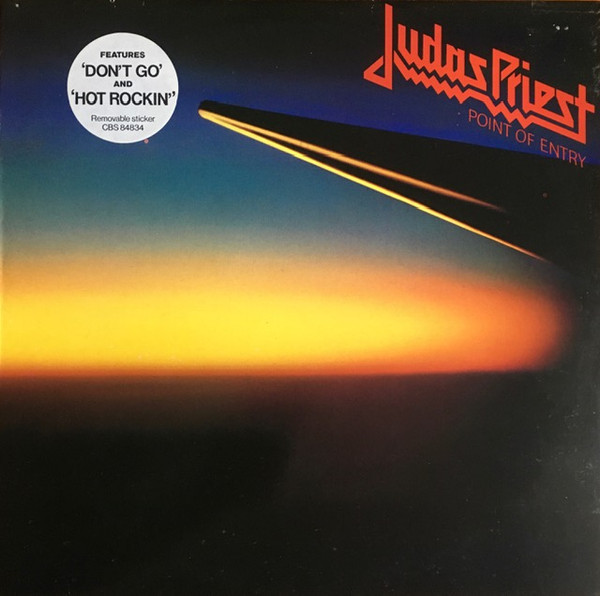
Point Of Entry
1981
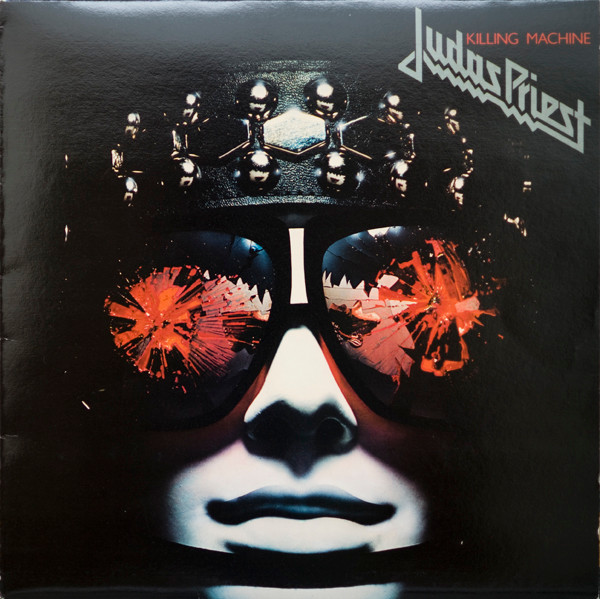
Killing Machine
1978
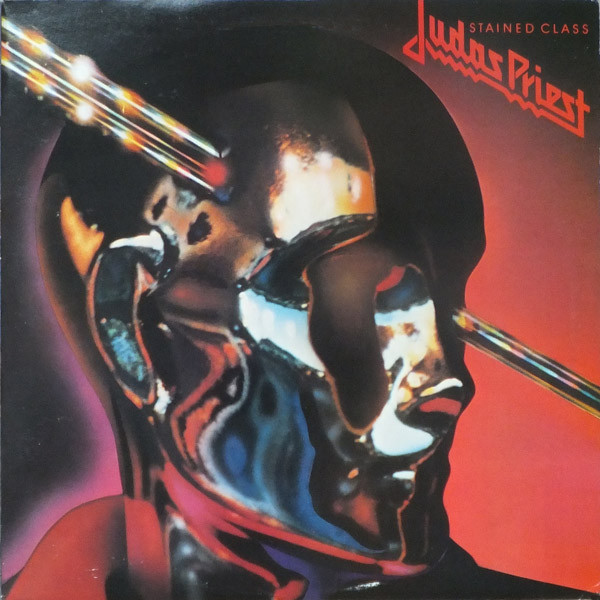
Stained Class
1978
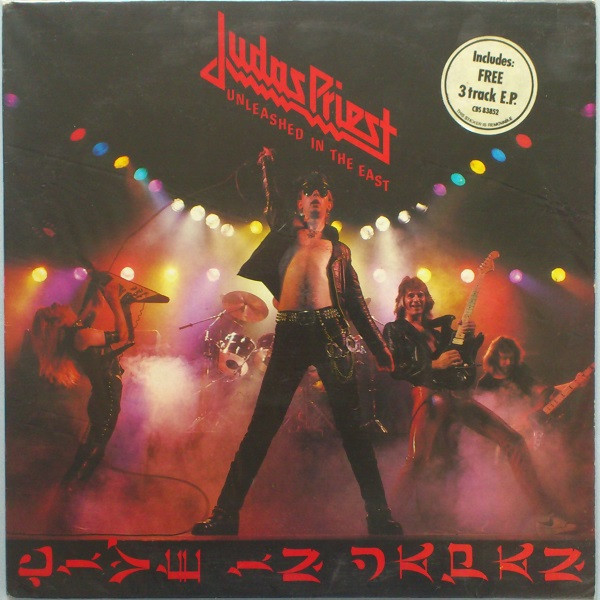
Unleashed In The East (Live In Japan)
1979
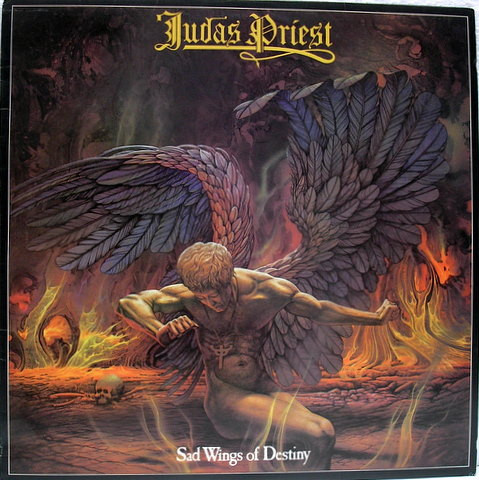
Sad Wings Of Destiny
1976
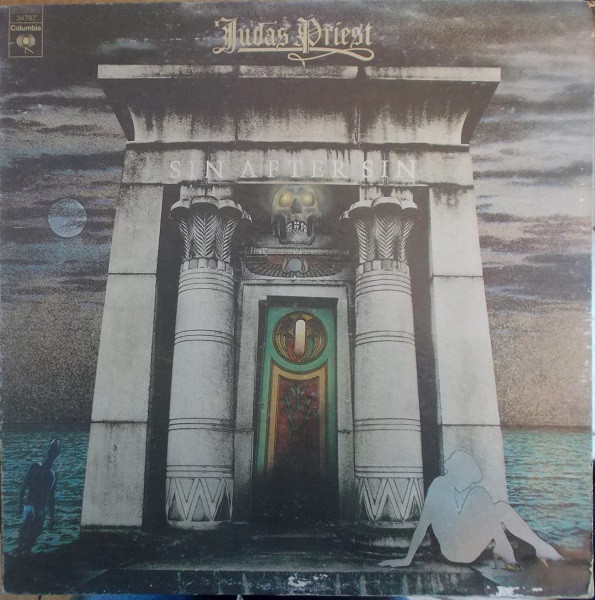
Sin After Sin
1977
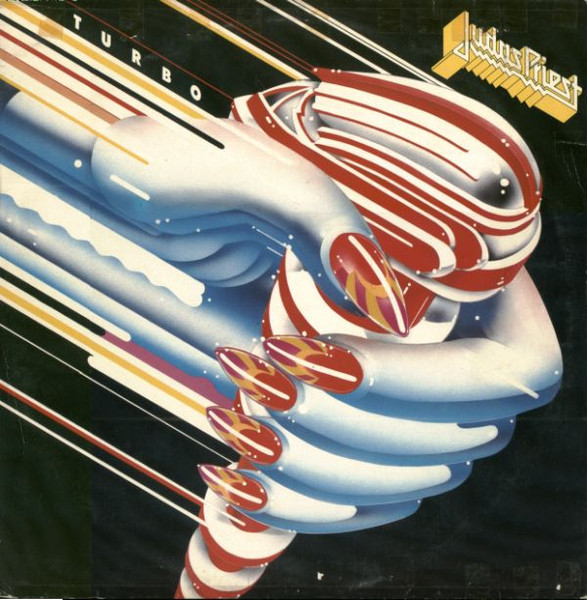
Turbo
1986
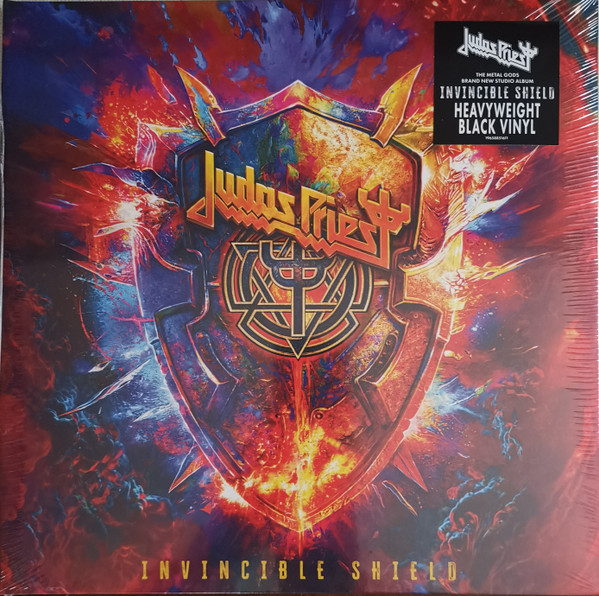
Invincible Shield
2024
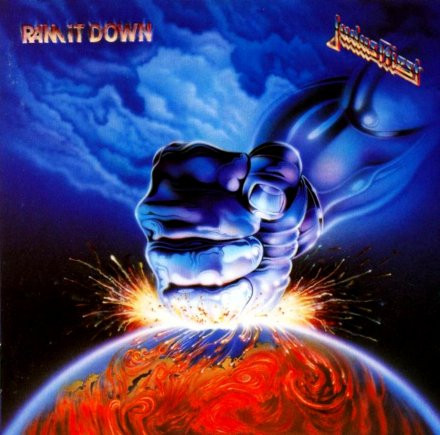
Ram It Down
1988

Priest...Live!
1987
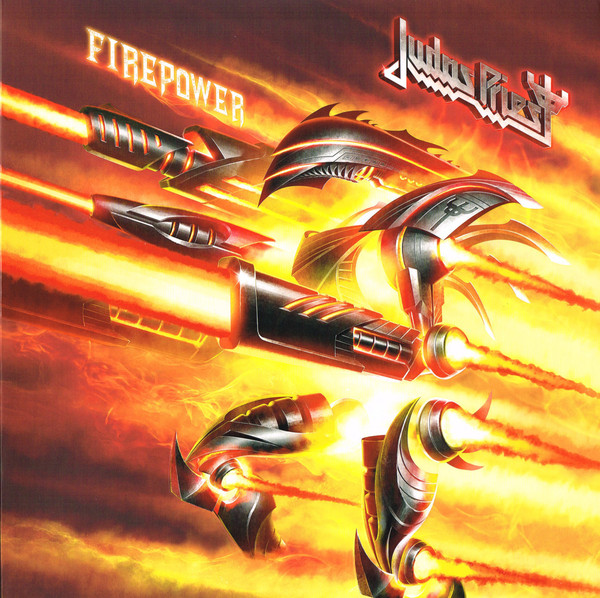
Firepower
2018

Rocka Rolla
1974
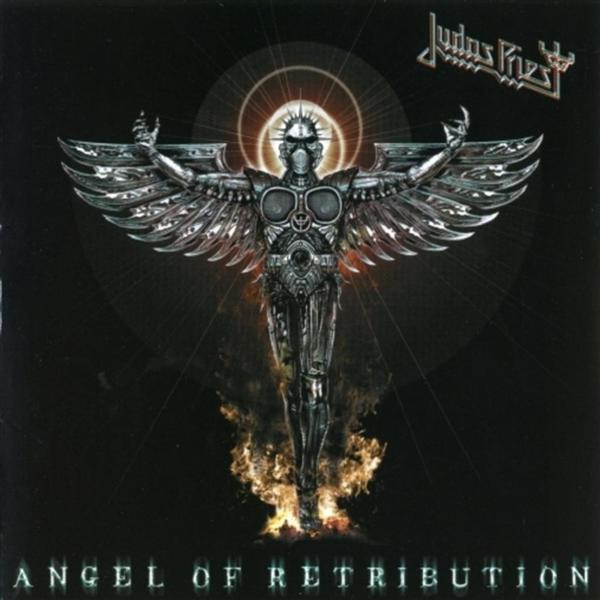
Angel Of Retribution
2005
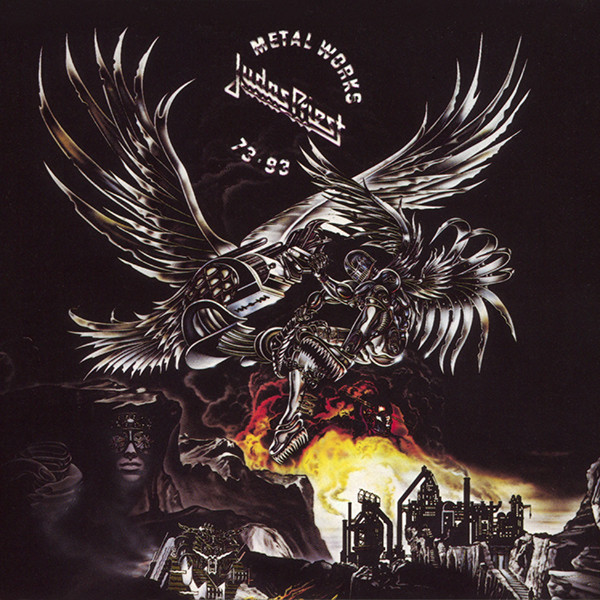
Metal Works '73-'93
1993

Live In Los Angeles '90
2026
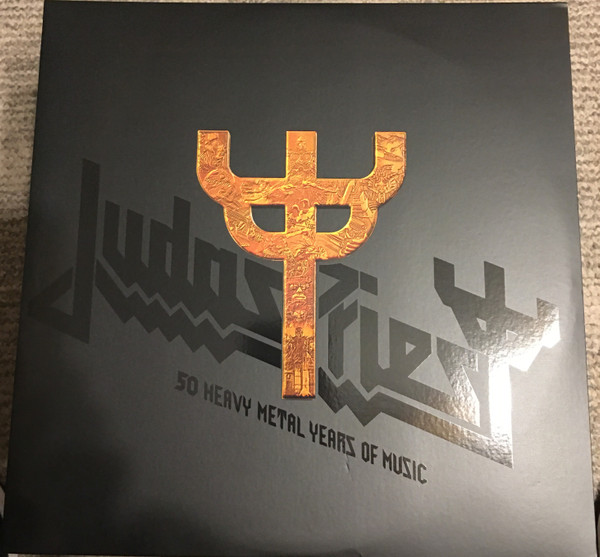
Reflections - 50 Heavy Metal Years Of Music
2021

The Best Of
1978

Live In Atlanta '82
2025
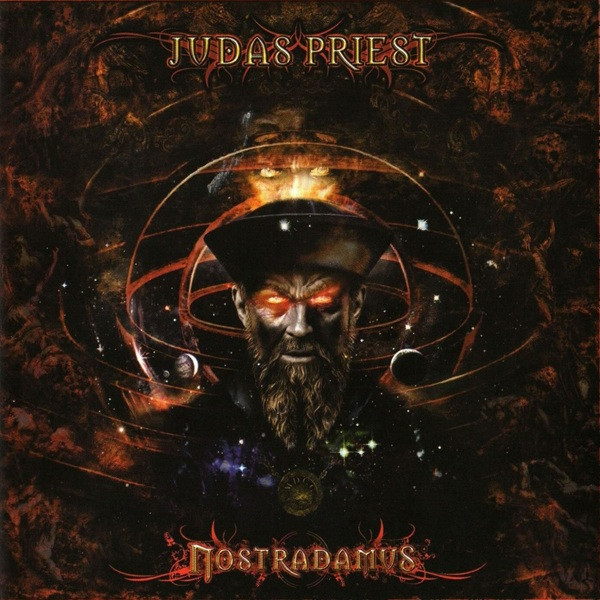
Nostradamus
2008
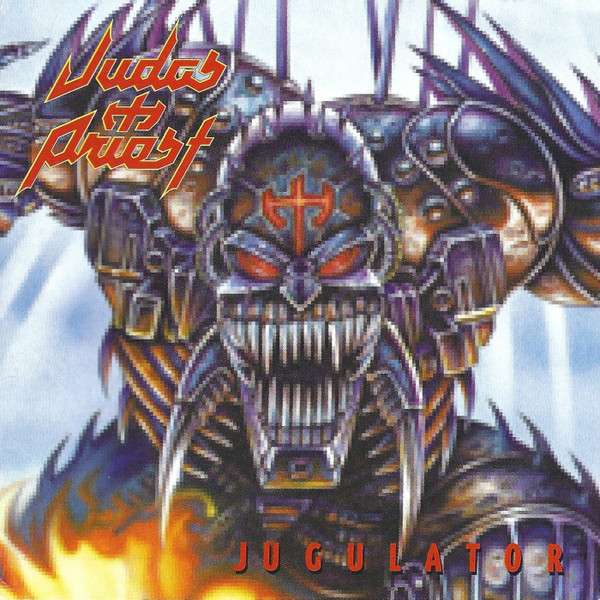
Jugulator
1997
Related artists
Members
Frequent collaborators
Around the web
Follow every record they touch.
Start your shelf and Gatefold tracks Judas Priest's new pressings, tour dates, and the whole discography — automatically.
Start your shelf →Free forever. Works with 10 records or 10,000.