
Artist
Chick Corea
jazz pianist
Chelsea, United States · 1941 – 2021
Chick Corea is a musician from Chelsea, United States, active 1941–2021. Their discography on Gatefold includes 24 records. They also recorded with Chick Corea Elektric Band, Chick Corea Akoustic Band, Chick Corea Trio, Chick Corea & Friends, Miles Davis Quintet and Return to Forever.

94
Albums tracked
452
In collections
1941
Since
Biography
Chick Corea spent 1968 sweating over a rented upright piano in a drafty Manhattan loft, recording 'Now He Sings, Now He Sobs' with Roy Haynes and Miroslav Vitouš in just two days. That session became the blueprint for modern jazz trio playing. It was fast, telepathic, and entirely stripped of the safe post-bop formulas of the era. He wasn't interested in being a traditionalist. He wanted to see how far he could stretch a single chord before the structure collapsed. Then he joined Miles Davis and got handed a Fender Rhodes. Miles told him to turn up, plug into a distortion pedal, and stop playing chords. That electric baptism changed everything. It led straight to Return to Forever, where Chick eventually traded his acoustic keys for Minimoog synthesizers and massive, pompous fusion suites. Some jazz purists never forgave him for the 70s. The wizard capes, the Scientology-inspired concept albums, and the blindingly fast unison runs were a long way from the loft scene. But the man was a workaholic who could never stay in one place long enough to let a bad phase ruin him. For every over-produced Elektric Band record with cheesy 80s digital synth patches, there was a quiet acoustic session with Gary Burton that pulled him back to earth. He was a chameleon who ran on pure nervous energy. He proved that you could play with Mozart-level precision and still kick like a rock drummer.
Bio from The Clerk
The Arc of Chick Corea
The pivots — what forced Chick Corea to reinvent.
The Electric Baptism
In 1968, Miles Davis forced Chick to abandon the acoustic piano for a Fender Rhodes. This sudden gear shift pushed Chick into the center of the Bitches Brew sessions, where he ran his keys through a ring modulator to create metallic, scraping textures. You can hear this raw, abrasive energy on 'The Song of Singing' before he abandoned the traditional jazz format entirely. It was a chaotic, brilliant transition that proved he could play dirty when the music demanded it.
The Latin-Fusion Peak
After the avant-garde experiment of Circle disintegrated, Chick pivoted toward melody and groove by forming Return to Forever in 1972. Bringing in Stanley Clarke on bass and Flora Purim on vocals, he tracked 'Light as a Feather' on a warm, clean Fender Rhodes setup. This era swapped out the dense, abrasive free-jazz runs for breezy Brazilian rhythms and razor-sharp, Spanish-influenced hooks. It was highly accessible, but the complexity of the arrangements kept it from ever sounding cheap.
The Arena-Rock Mutation
By 1973, Chick wanted the volume of a stadium rock band, so he overhauled Return to Forever into an electric guitar-heavy powerhouse. He hired guitarist Al Di Meola, bought a massive rack of Minimoog and ARP synthesizers, and recorded 'Hymn of the Seventh Galaxy'. The acoustic delicate textures were gone, replaced by high-speed unison lines and complex, heavy-metal dynamics. It was bombastic, technically ridiculous, and it packed arenas filled with rock fans who had never bought a jazz record in their lives.
The Acoustic Return
Exhausted by the volume of the fusion wars, Chick pulled back in 1981 by recording 'Three Quartets' with Michael Brecker, Eddie Gomez, and Steve Gadd. He ditched the synthesizers entirely, returned to the acoustic grand piano, and wrote complex, neo-classical jazz suites. The record was a stark warning to the neo-traditionalists that he could still out-swing and out-compose anyone in the acoustic world. It proved that his chops were still sharp without any electronic amplification.
Influences
- Bud Powell — Chick explicitly cited Powell as his primary bebop influence and dedicated the 1997 album 'Remembering Bud Powell' to him. You hear it in the rapid, horn-like right-hand phrasing Chick used on 'Tones for Joan's Bones'. It was the foundation of his entire linear improvisational style.
- B la Bart k — Chick studied Bart k's micro-pieces and recorded several of them, openly admitting how the Hungarian composer's folk-based rhythms shaped his own writing. The aggressive, percussive piano attack on 'Now He Sings, Now He Sobs' comes directly from Bart k's percussive approach to the keyboard. He treated the piano like a drum set, not a harp.
- Thelonious Monk — Chick regularly performed Monk's compositions, including a famous duet run of 'Trinkle, Tinkle' with Herbie Hancock in 1978. You hear Monk's angular, chromatic voice-leading and off-kilter rhythmic comping all over Chick's early trio recordings. It kept his style from sounding too polished or academic.
- Horace Silver — Chick grew up gigging in Boston and New York, heavily studying Silver's hard-bop blues phrasing and left-hand ostinatos. You can hear this soulful, rhythmic drive on early tracks like 'Windows'. It gave his music a greasy, danceable pocket even when the harmonies got incredibly complex.
- Wolfgang Amadeus Mozart — Chick performed and recorded Mozart's double piano concertos with Friedrich Gulda and wrote his own classical compositions based on Mozart's structures. You hear this influence in the crystal-clear articulation, symmetry, and bright lyricism of his acoustic duets with Gary Burton. He wanted that same light, effortless touch.
Chick Corea — solo
Their records — most-collected first.
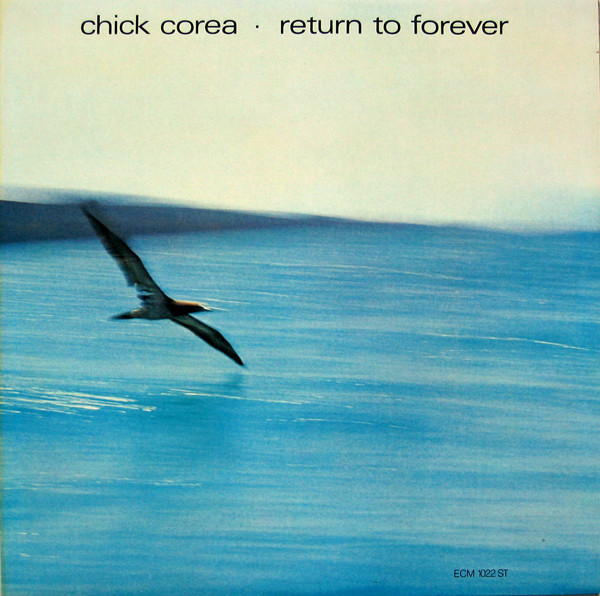
Return To Forever
1972

Now He Sings, Now He Sobs
1968
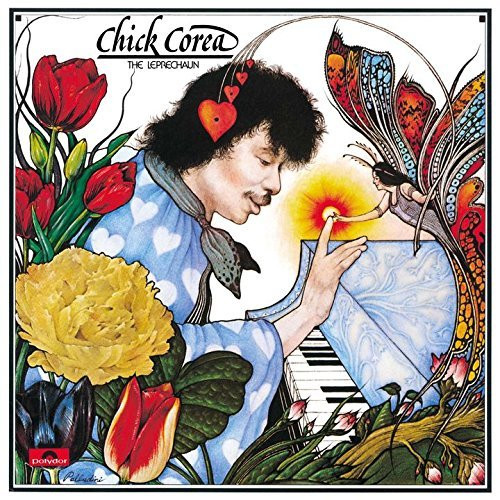
The Leprechaun
1976
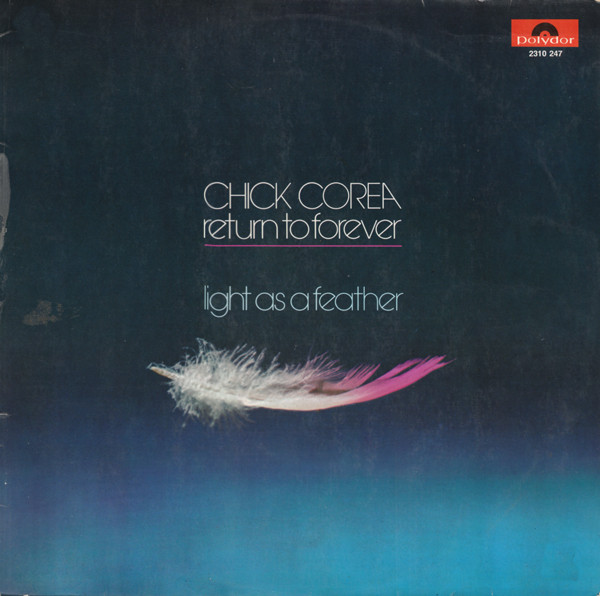
Light As A Feather
1973
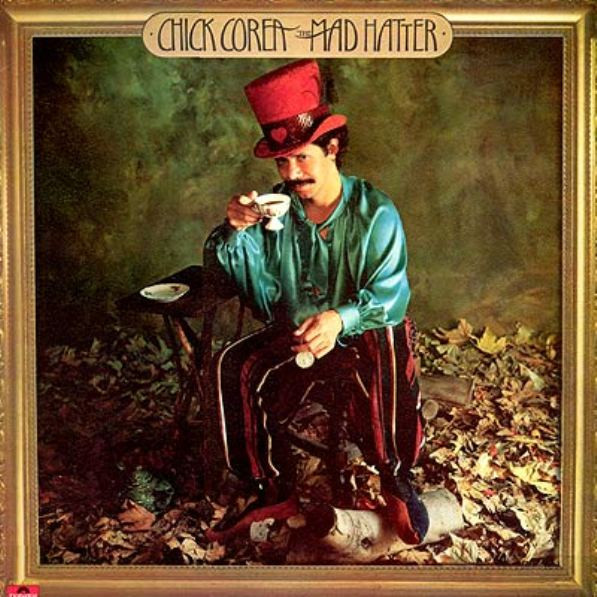
The Mad Hatter
1978
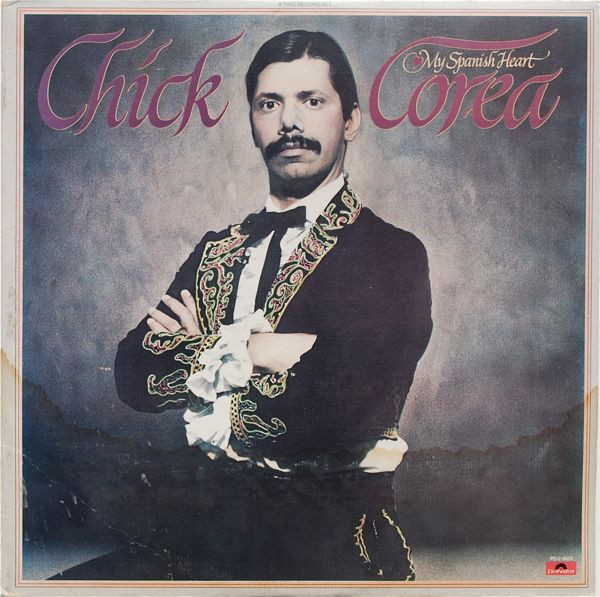
My Spanish Heart
1976
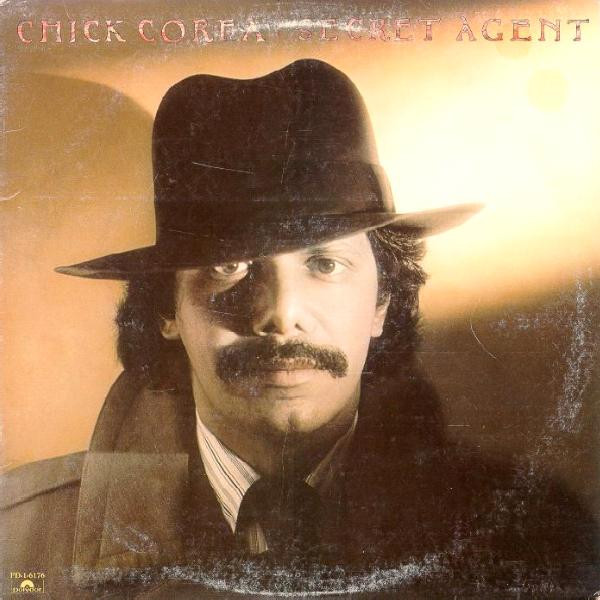
Secret Agent
1978
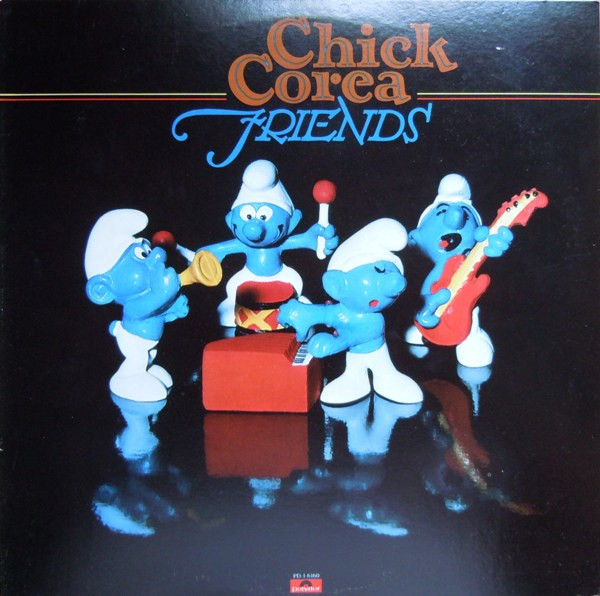
Friends
1978

Sundance
1972

Piano Improvisations Vol. 1
1971

The Song Of Singing
1971
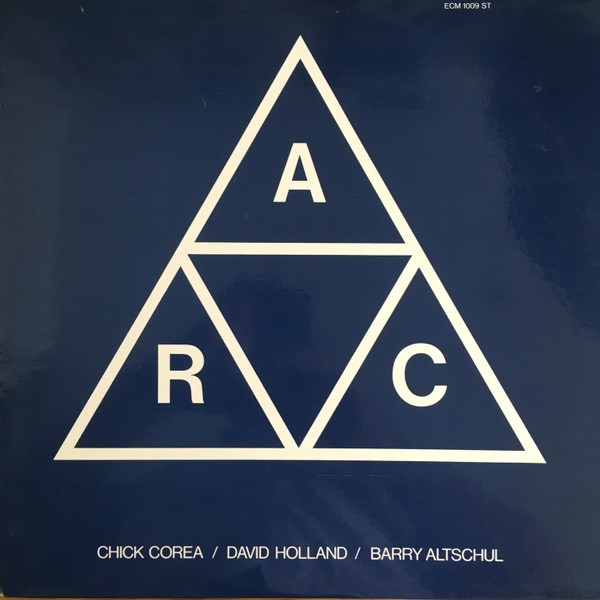
A.R.C.
1971

Three Quartets
1981
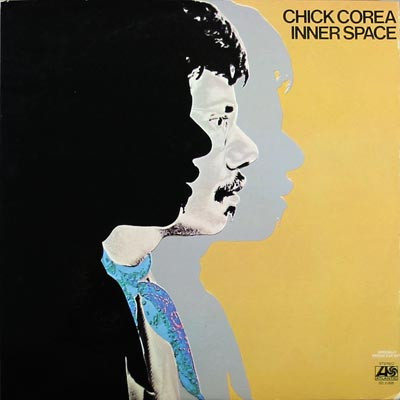
Inner Space
1973

Again And Again (The Joburg Sessions)
1983
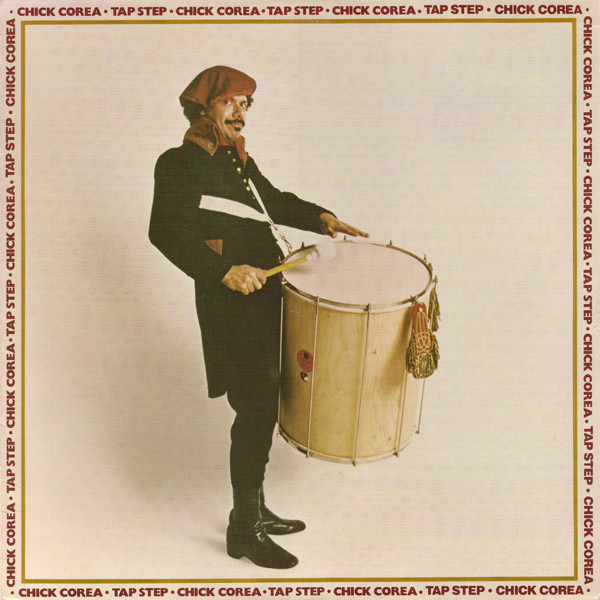
Tap Step
1980

Remembering Bud Powell
1997
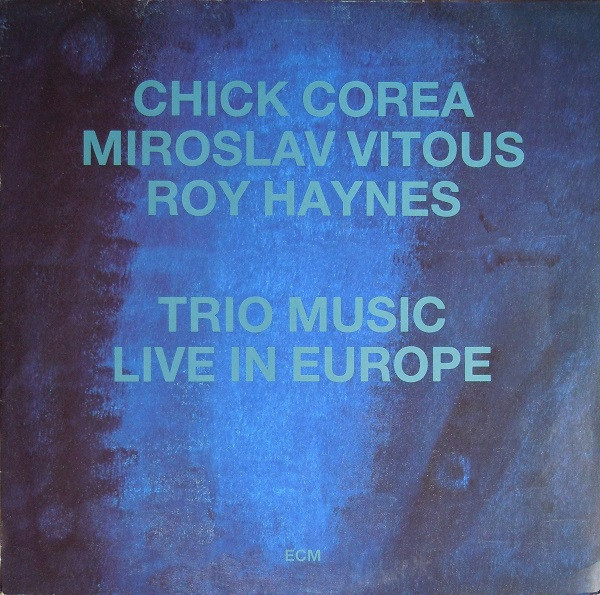
Trio Music, Live In Europe
1986

Touchstone
1982

La Fiesta
1981
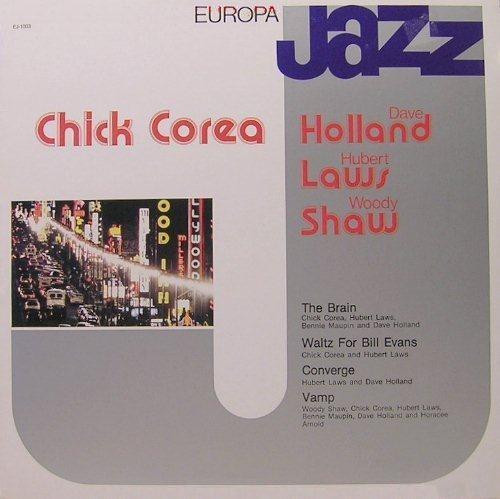
Europa Jazz
1981

Chick Corea
1975
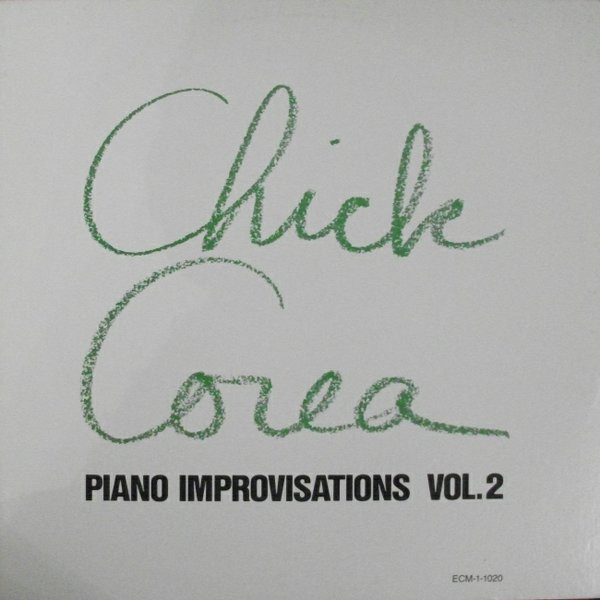
Piano Improvisations Vol. 2
1972

Tones For Joan's Bones
1968
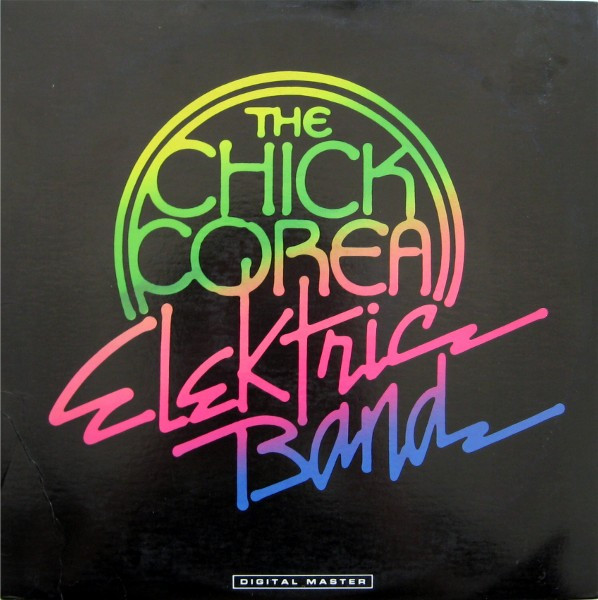
Chick Corea Elektric Band
Chick Corea under another name — MusicBrainz marks this project eponymous.


Chick Corea Akoustic Band
Chick Corea under another name — MusicBrainz marks this project eponymous.


Chick Corea Trio
Chick Corea under another name — MusicBrainz marks this project eponymous.
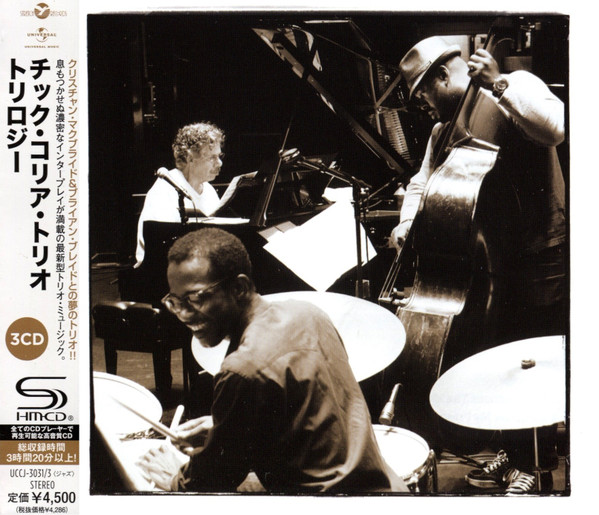
Chick Corea & Friends
Chick Corea under another name — MusicBrainz marks this project eponymous.
Miles Davis Quintet
A project Chick Corea was part of. Former member.
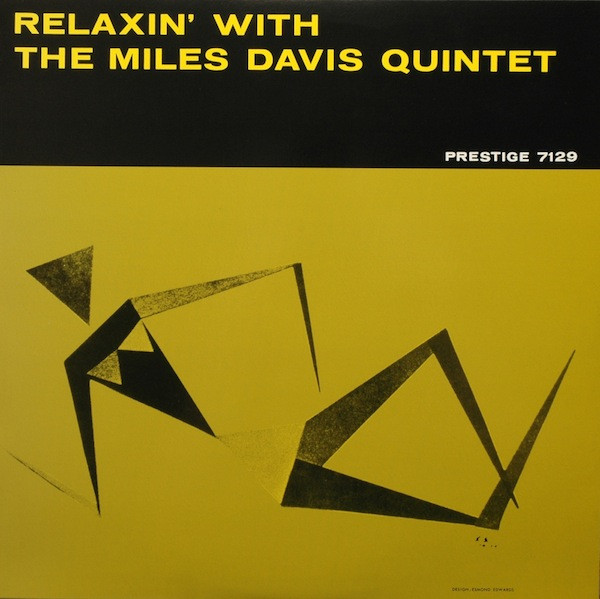
Relaxin' With The Miles Davis Quintet
1958

Cookin' With The Miles Davis Quintet
1957
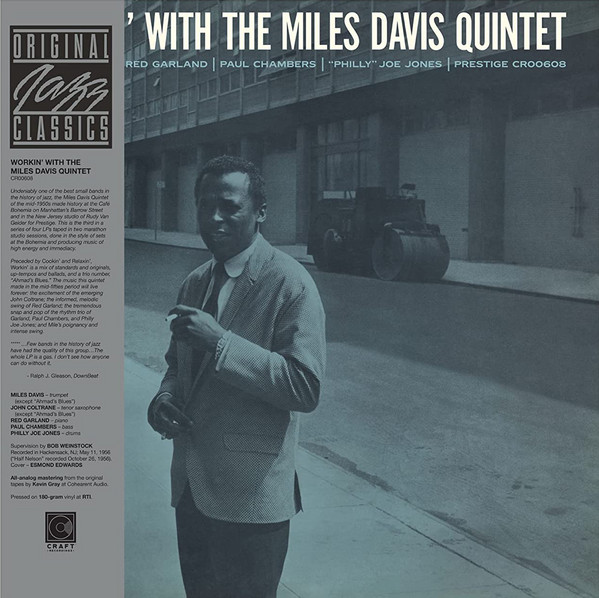
Workin' With The Miles Davis Quintet
1959
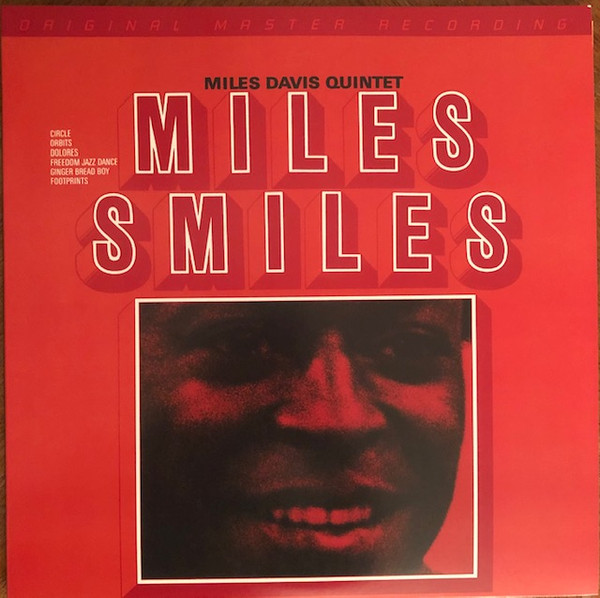
Miles Smiles
1967

Steamin' With The Miles Davis Quintet
1961
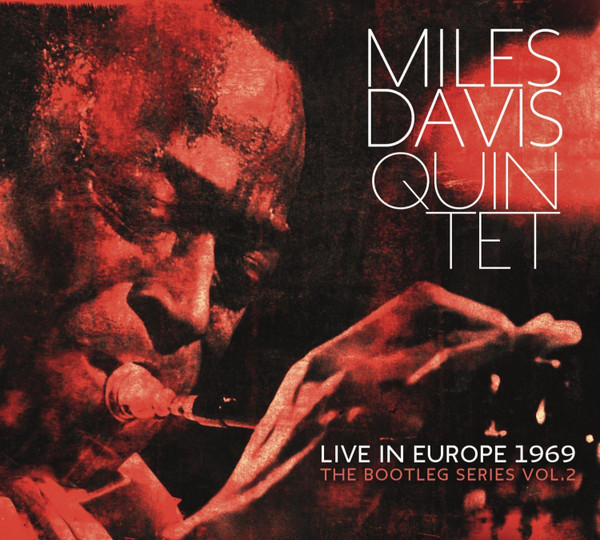
Live In Europe 1969 (The Bootleg Series Vol. 2)
2013

Live In Europe 1967 (The Bootleg Series Vol. 1)
2011
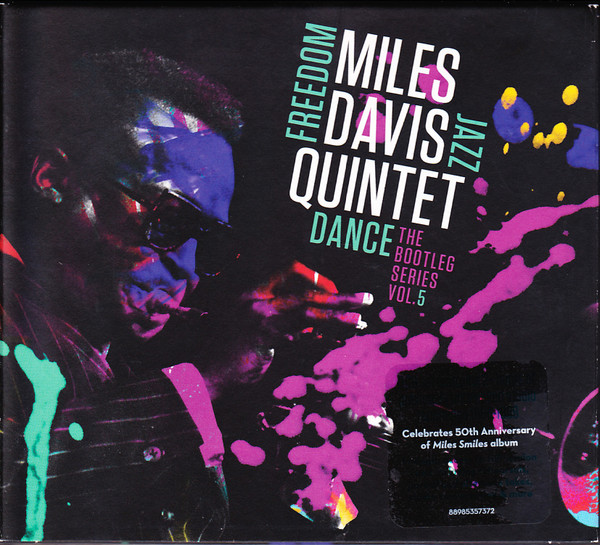
Freedom Jazz Dance (The Bootleg Series Vol. 5)
2016
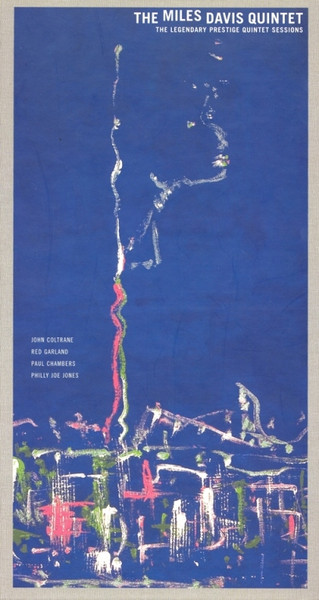
The Legendary Prestige Quintet Sessions
2006
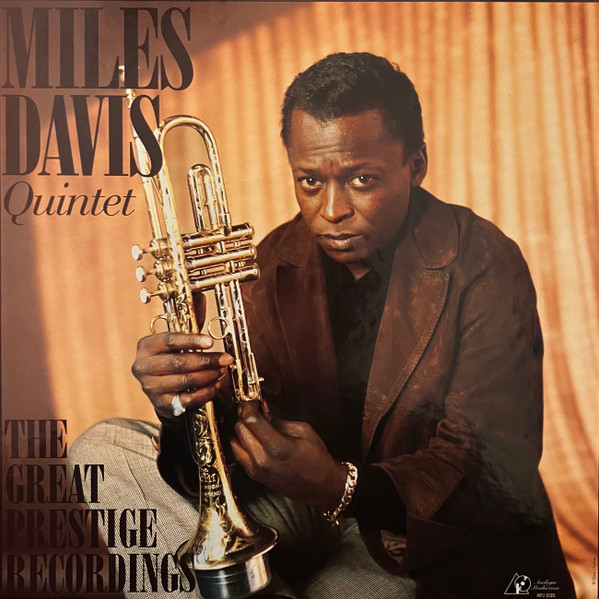
The Great Prestige Recordings
1996
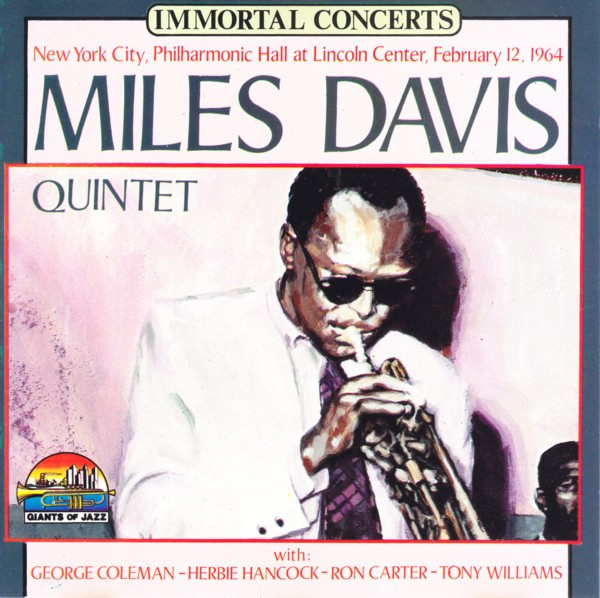
New York City, Philharmonic Hall At Lincoln Center, February 12, 1964
1989

April 11, 1970 Fillmore West
2015
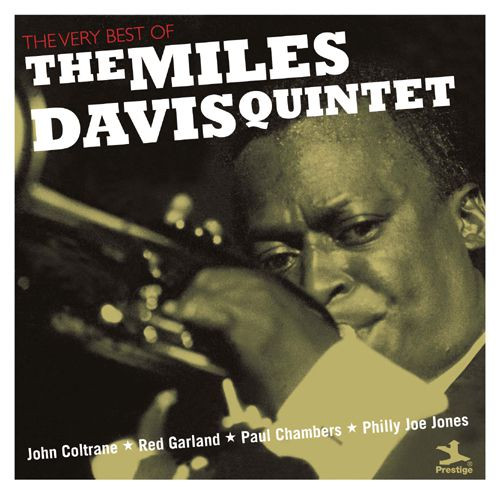
The Very Best Of The Miles Davis Quintet
2012

Live In Berlin 1969
2010
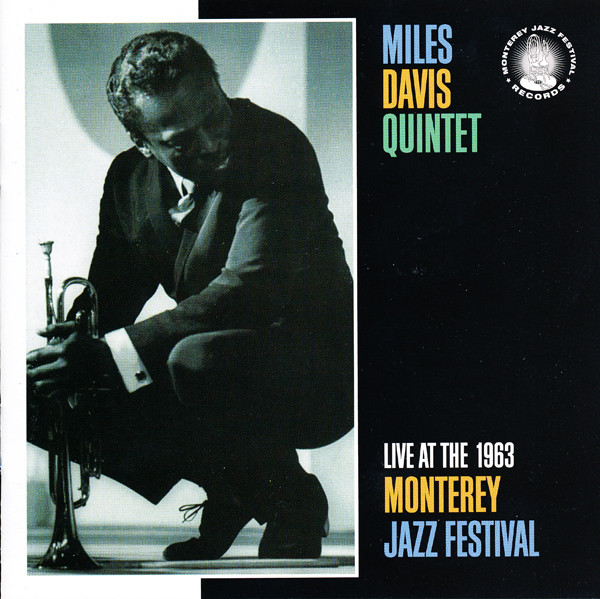
Live At The 1963 Monterey Jazz Festival
2007

Live In Milan 1964
2007
Paraphernalia
1992
No Blues
1990
Double Image
1989

Cookin' With Miles Davis Quintet
1958

Relaxin' With The Miles Davis Quintet Vol. 1
1958

The Mastery Of Miles
1956

Davis' Cup

Jazz Gallery
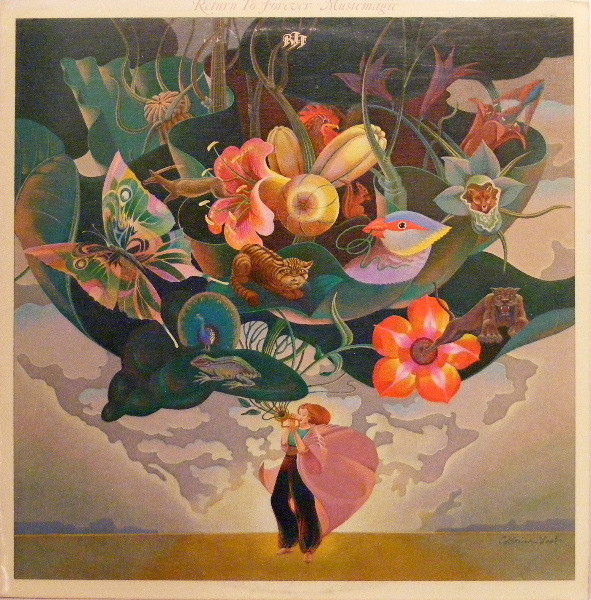
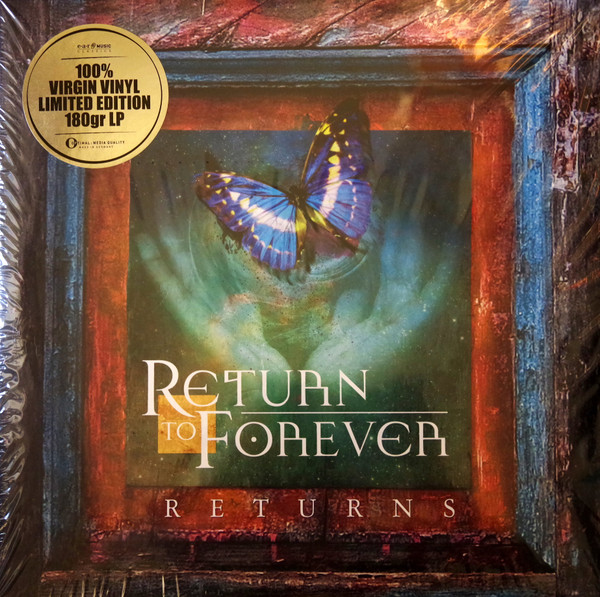
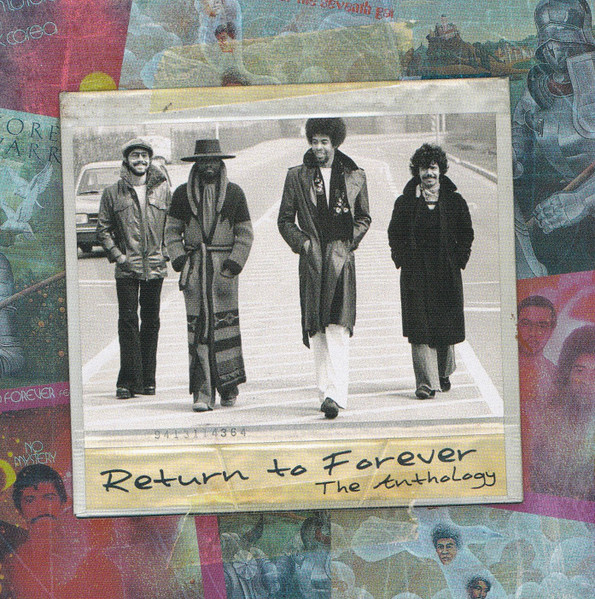
Return to Forever
A project Chick Corea was part of. Former member.



Related artists
More projects
Around the web
Follow every record they touch.
Start your shelf and Gatefold tracks Chick Corea's new pressings, tour dates, and the whole discography — automatically.
Start your shelf →Free forever. Works with 10 records or 10,000.