
Engineering · Production
Ron Albert
Ron Albert is credited on 2,037 releases across 284 albums tracked on Gatefold, active 1968–2025 — the collector-built map of who actually made the music.
2,037
Credits
284
Albums
7
Decades active
723
In collections
Biography
Ron Albert, along with his older brother Howard Albert, make up Fat Albert Productions, a Miami based production and engineering team.
In 1965, 16 year old Howie Albert was in a Miami Rock band named The Nightcrawlers and Ron was their 12 year old “band aid” (roadie). They recorded the song “Little Black Egg” at Lee Hazen’s studio, which was released on Henry Stone’s assorted labels that year. By 1967, Lee received an engineering job offer in Nashville and Howie was drafted into Vietnam. Having been a small part of the music industry, the 14 year old Ronnie naively went for a job to Criteria Recording Studios (Miami’s only major studio at the time) where he became a typist for their tape library. The following year he filled in as engineer when owner/engineer Mack Emerman fell ill during a major job.
Eventually, he became a staff engineer, earning his first gold record for Brook Benton’s “A Rainy Night in Georgia” in 1969. At the same time, Atlantic Records was sold and it's co-owner, Jerry Wexler, bought a weekend home in Miami with the money while remaining on staff. Atlantic’s staff producers Tom Dowd and Arif Mardin followed Wexler’s lead. As a result, they began using Criteria studios to record for Atlantic, eventually moving there permanently. As Mack Emerman retired from engineering, Ron became the primary engineer for the studios and hired his brother Howard after his return from Vietnam.
The Fat Albert/Atlantic combination, along with equipment-designer Jeep Harned, turned Criteria studios into the world's most renowned studio. By the mid-to-late 70s they had numerous Top 10 charting releases, recording for artists such as Eric Clapton, Stephen Stills, The Bee Gees, The Eagles & Jimmy Buffet. Ron and Howard negotiated to become partners in the company.
In 1979, the Wall Street Journal reported the music industry was going into a recession. Labels decided to quit sending acts to Miami as a way to save money. By 1983 Criteria was in debt and the Alberts sold their Company share with the intent to retire. But, by 1987, circumstance forced them from retirement and they teamed with Steve Alaimo, former co-owner of Henry Stone’s T.K. Records, to form Vision Records. Vision initially focused on the alumni of Criteria and TK, such as Betty Wright and Stephen Stills, but eventually gave in to youth culture - releasing Freestyle & Miami Bass records such as Shana and Beatmaster Clay D.
Bio from Discogs
Credited work
2,037 releases · 284 albums · active 1968–2025
- Engineering · 1,611
- Production · 1,078
- Performance · 71
- Mastering · 60
- Other credits · 18
Studios: Criteria Recording Studios · Fillmore East · Atlantic Studios · Record Plant, Los Angeles
Discography
Records they worked on — most-collected first.
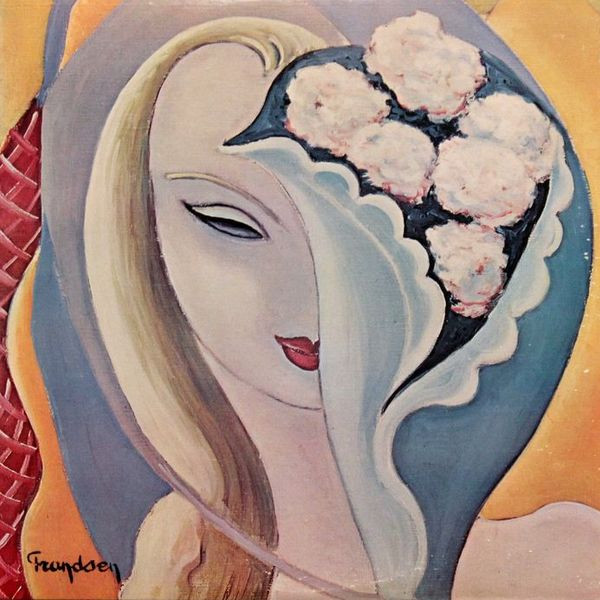
Layla And Other Assorted Love Songs
1970
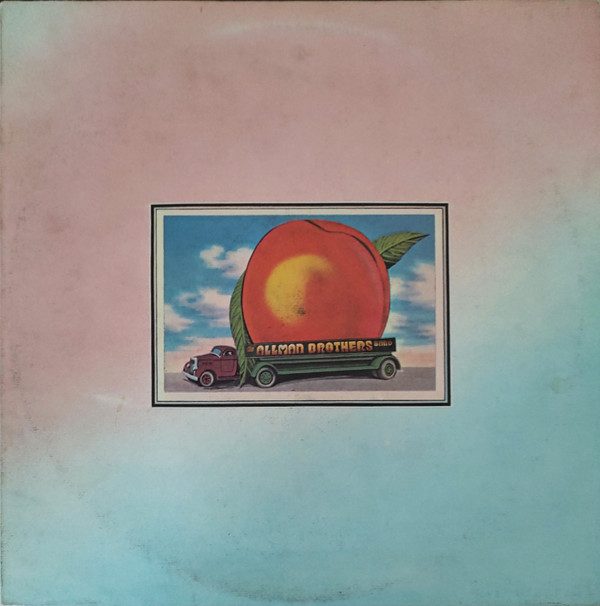
Eat A Peach
1972
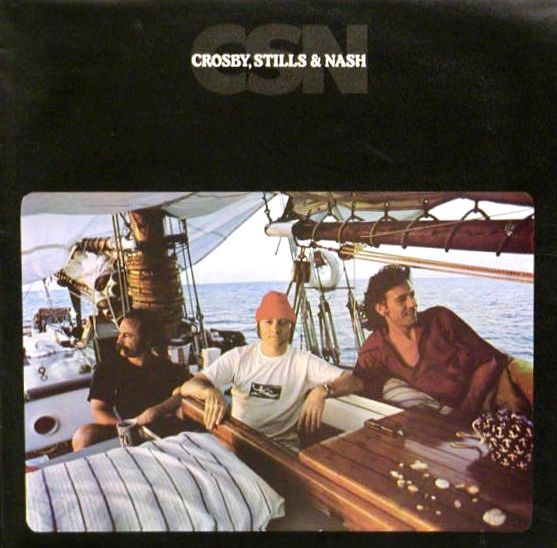
CSN
1977
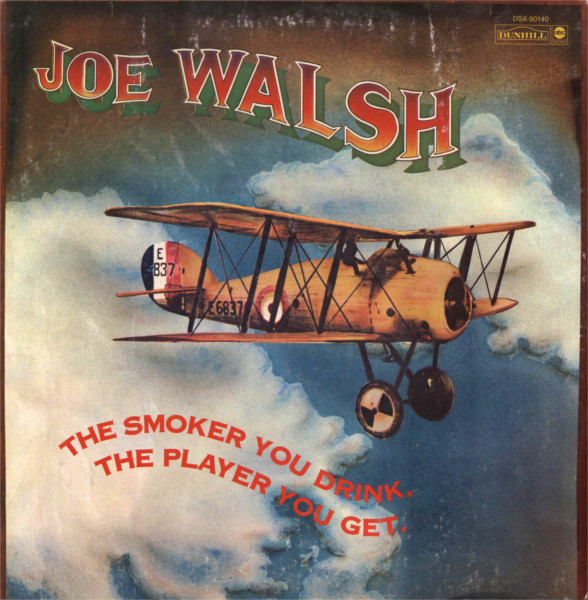
The Smoker You Drink, The Player You Get
1973
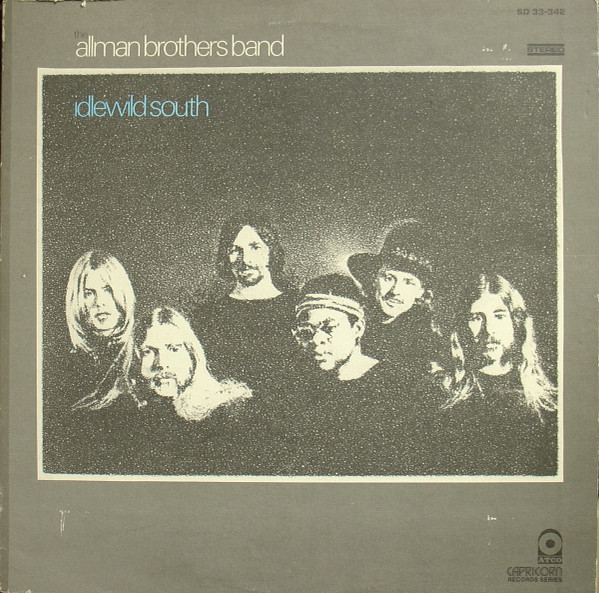
Idlewild South
1970
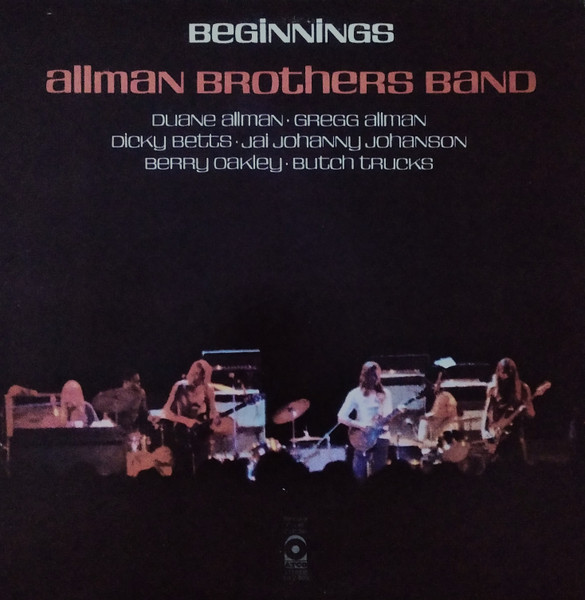
Beginnings
1973
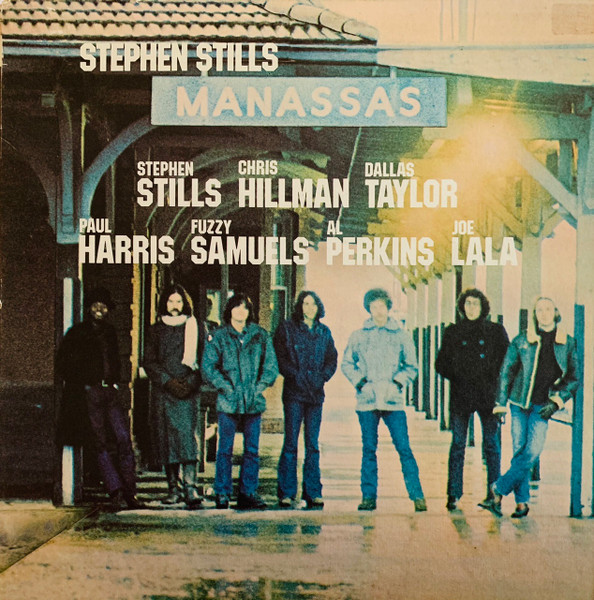
Manassas
1972
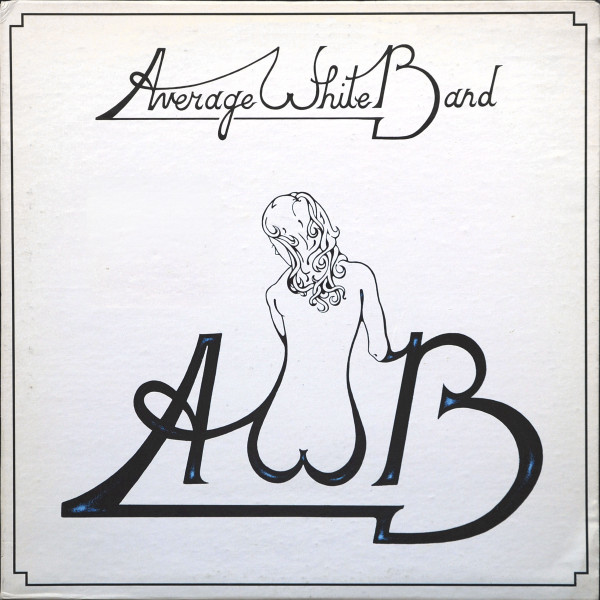
AWB
1974
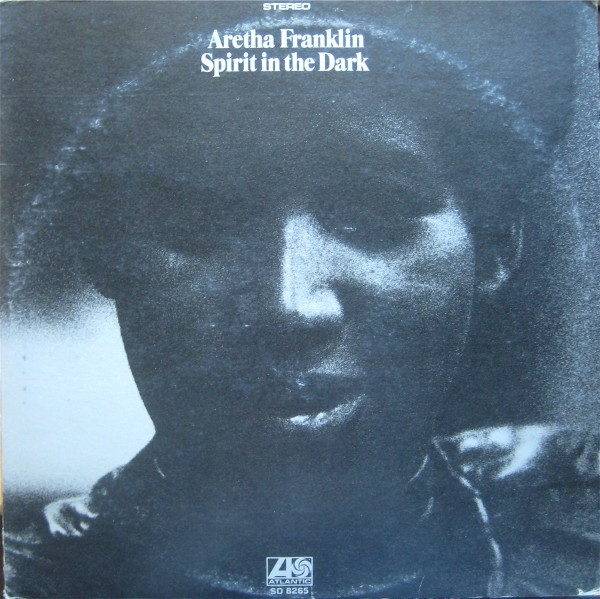
Spirit In The Dark
1970
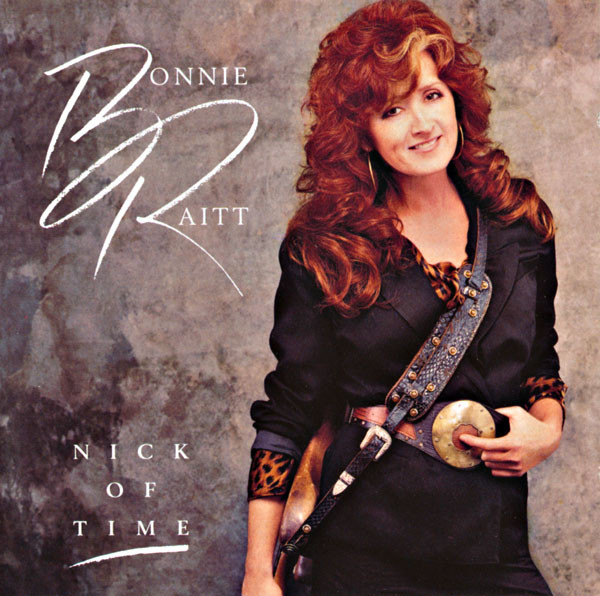
Nick Of Time
1989
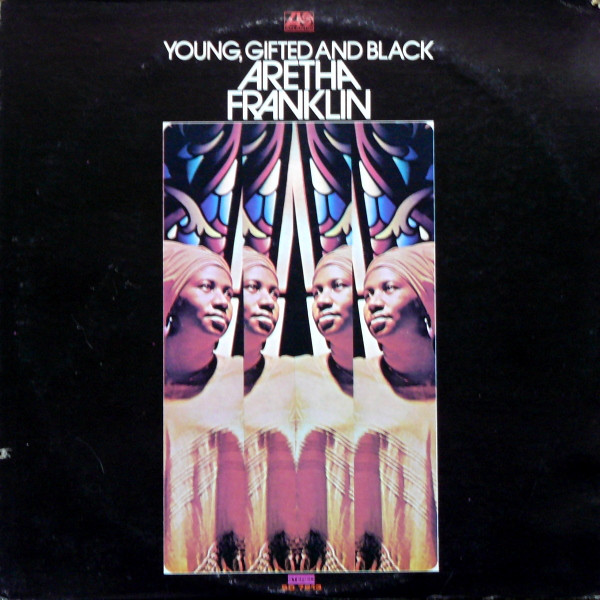
Young, Gifted And Black
1972
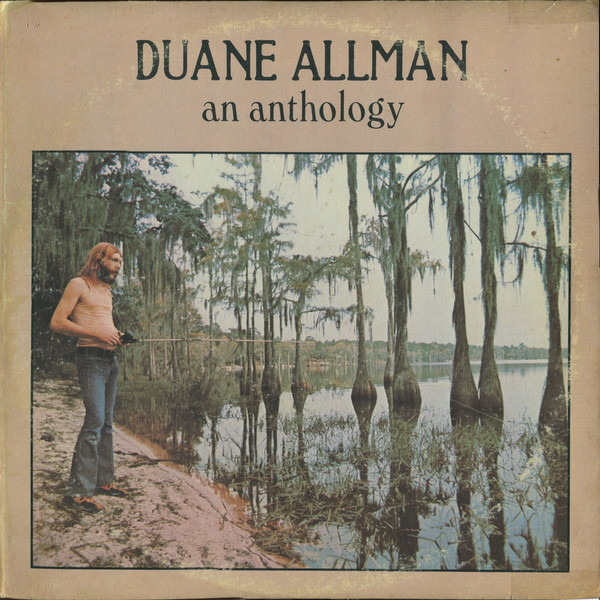
An Anthology
1972

History Of Eric Clapton
1972
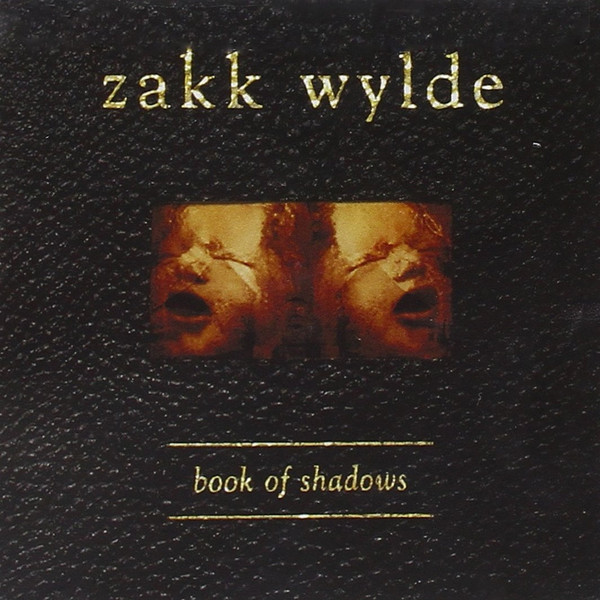
Book Of Shadows
1996
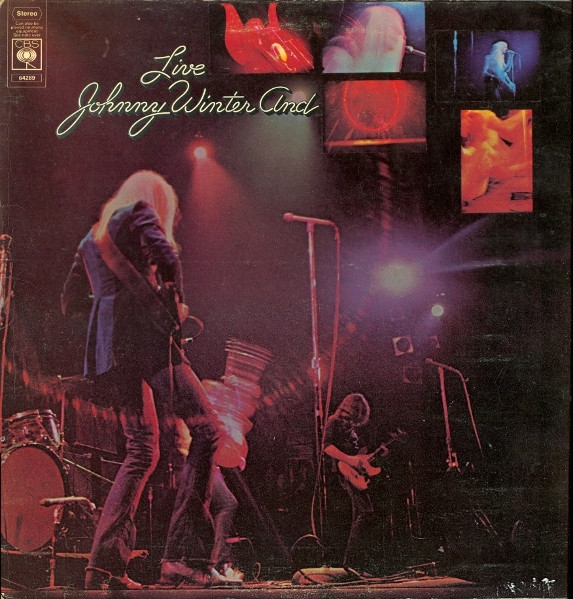
Live
1971

The Best That I Could Do (1978-1988)
1997

Sonic Brew
1998
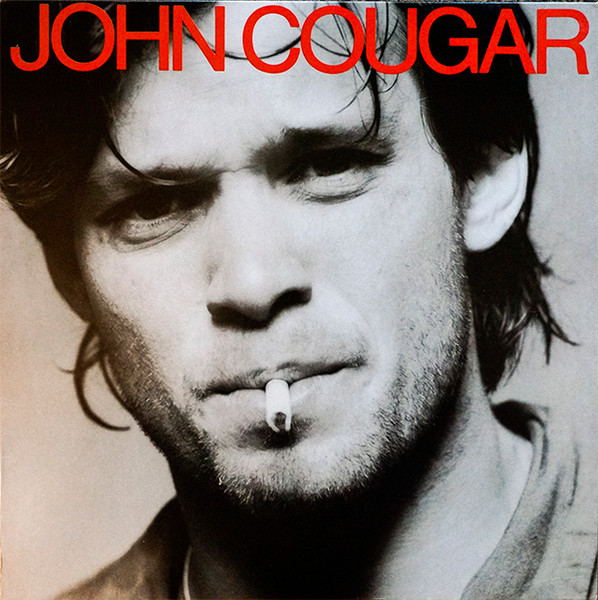
John Cougar
1979
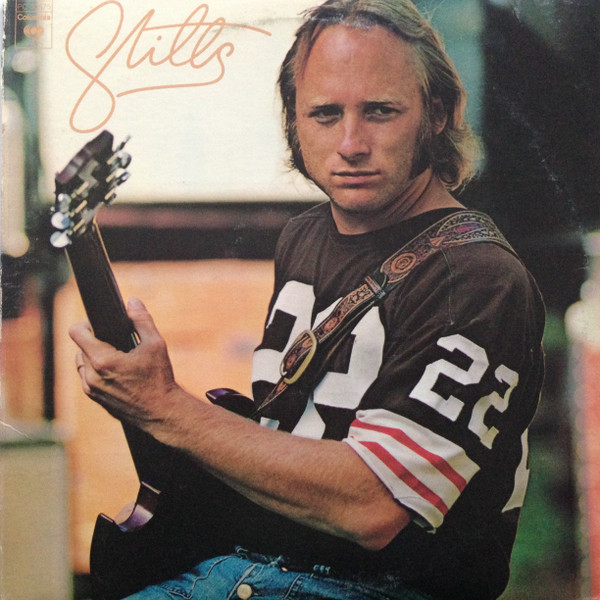
Stills
1975
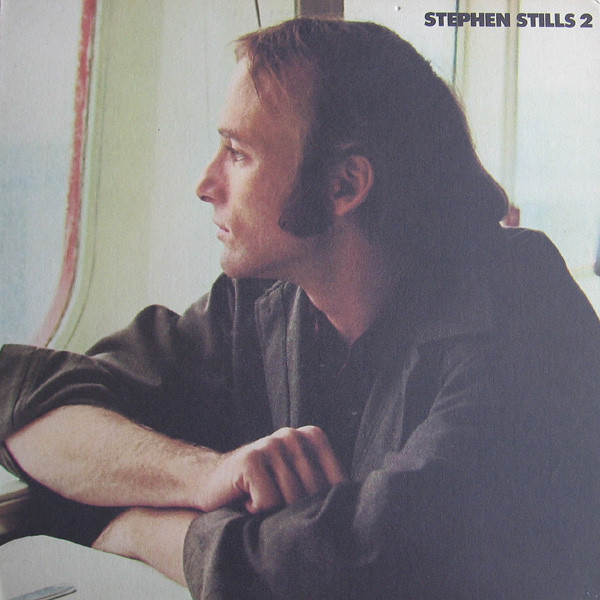
Stephen Stills 2
1971

The Best Of Joe Walsh
1978
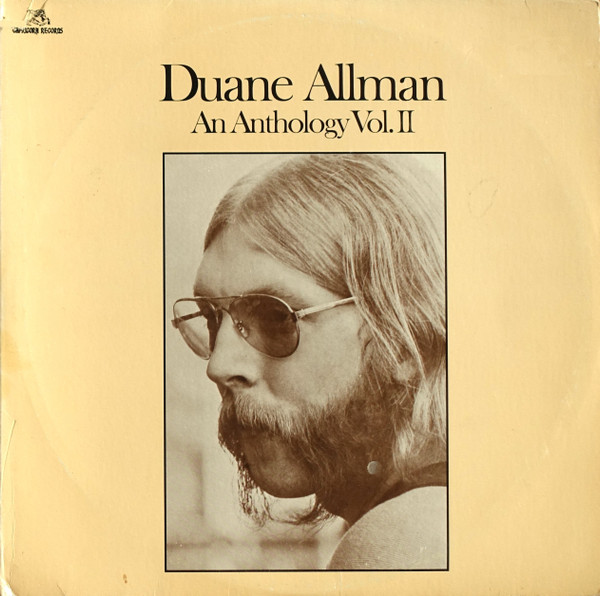
An Anthology Vol. II
1974
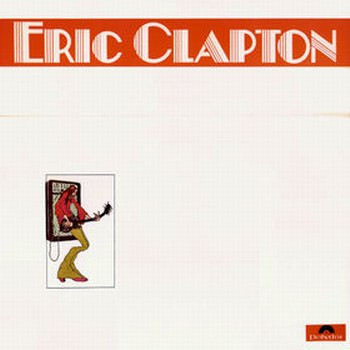
At His Best
1972
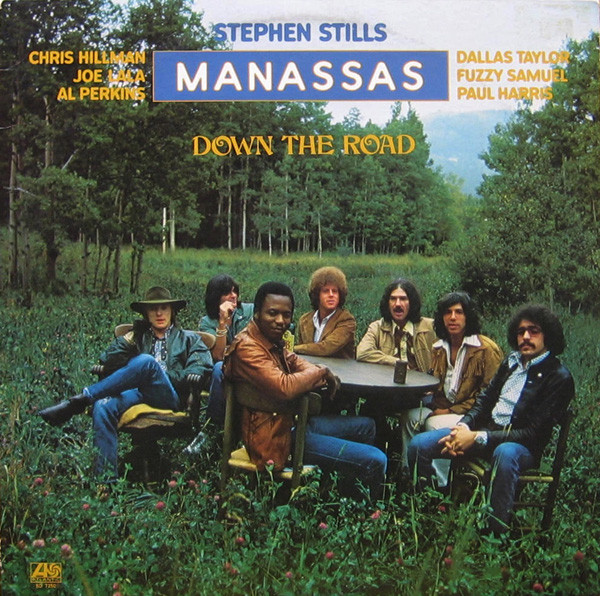
Down The Road
1973
Frequent collaborators
Around the web
See who really made the music.
Gatefold maps every producer, engineer, and player across your shelf — the credits no one else surfaces.
Start your shelf →Free forever. Works with 10 records or 10,000.