
Performance · Other credits
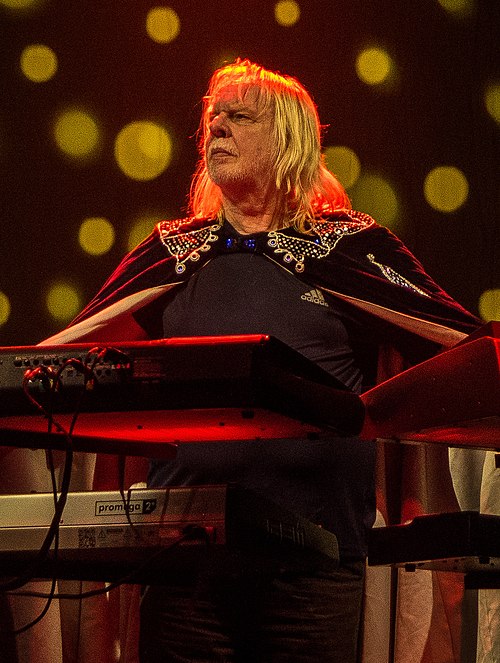
Rick Wakeman
real name Richard Christopher Wakeman
Perivale, United Kingdom · b. 1949-05-18
Rick Wakeman is credited on 3,506 releases across 427 albums tracked on Gatefold, active 1969–2025 — the collector-built map of who actually made the music.
3,506
Credits
427
Albums
7
Decades active
2,096
In collections
Biography
Showing the Discogs bio
English keyboard player, composer and songwriter. Founder of Hope Records and Music Fusion.
Owner of private recording studio.
Born May 18, 1949 in Perivale, Middlesex, England. Father of Oliver Wakeman (1972), Adam Wakeman (1974), Jemma Wakeman (1983).
Bio from Discogs
Credited work
3,506 releases · 427 albums · active 1969–2025
- Performance · 9,511
- Other credits · 1,267
- Production · 1,053
- Engineering · 10
- Mastering · 2
Studios: Morgan Studios · Trident Studios · Advision Studios · Bajonor Studios
Discography
Records they worked on — most-collected first.

The Rise And Fall Of Ziggy Stardust And The Spiders From Mars
1972
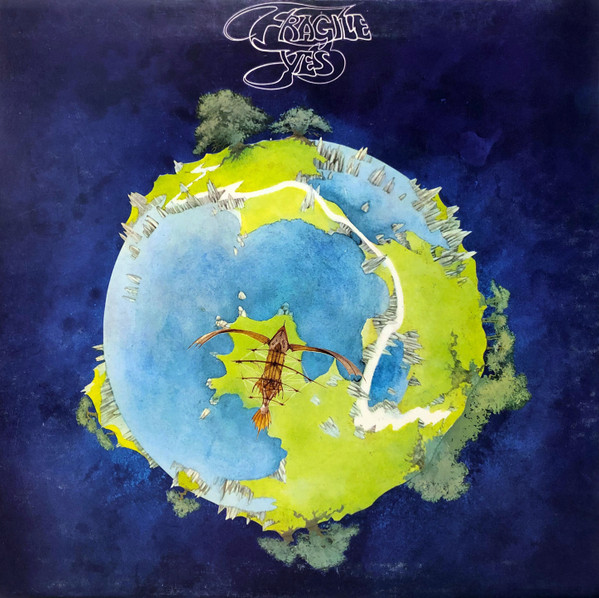
Fragile
1971
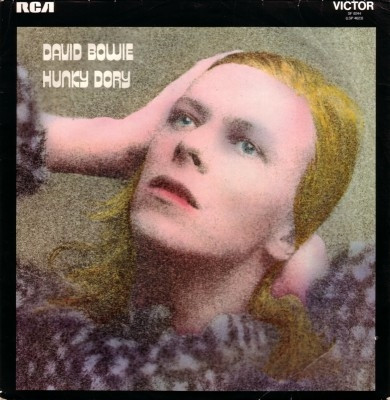
Hunky Dory
1971
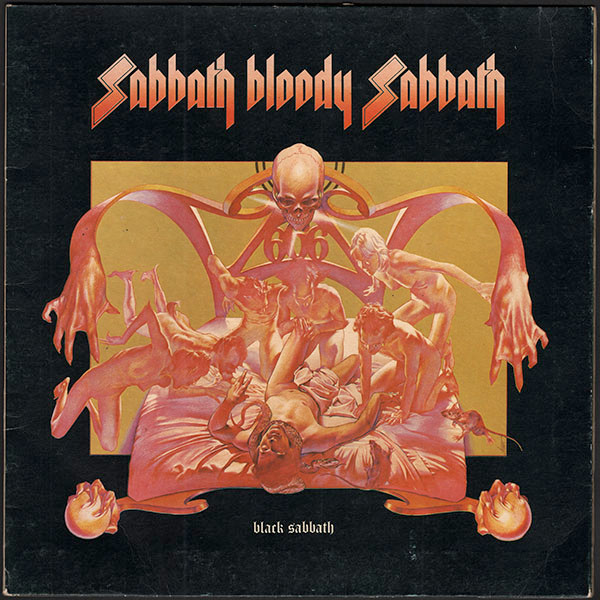
Sabbath Bloody Sabbath
1973

Electric Warrior
1971
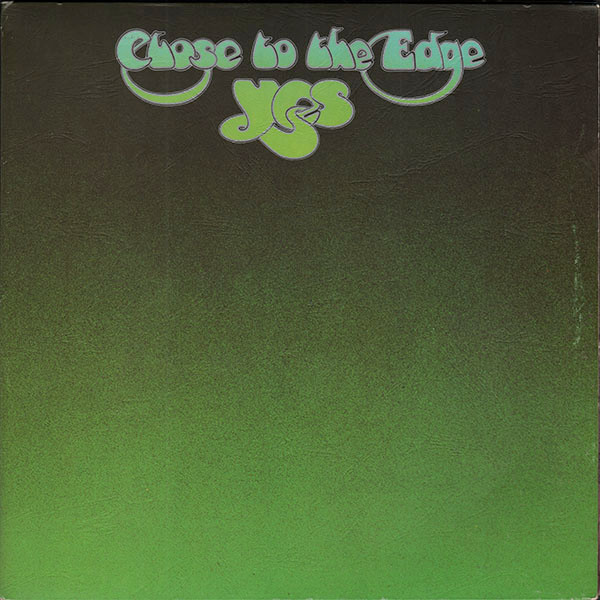
Close To The Edge
1972
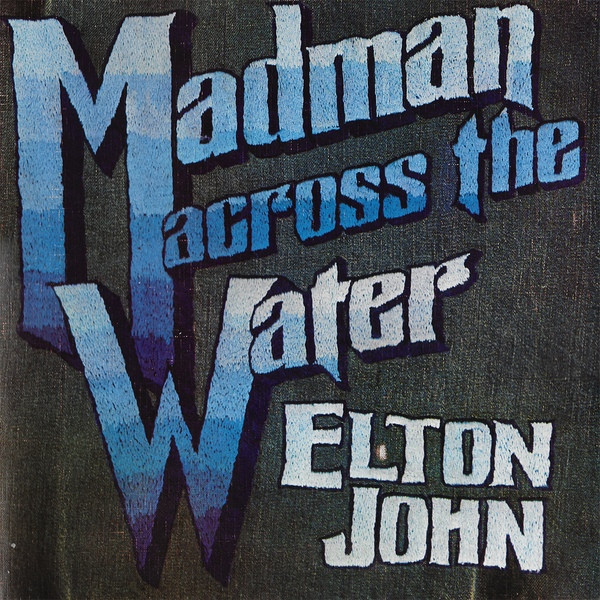
Madman Across The Water
1971
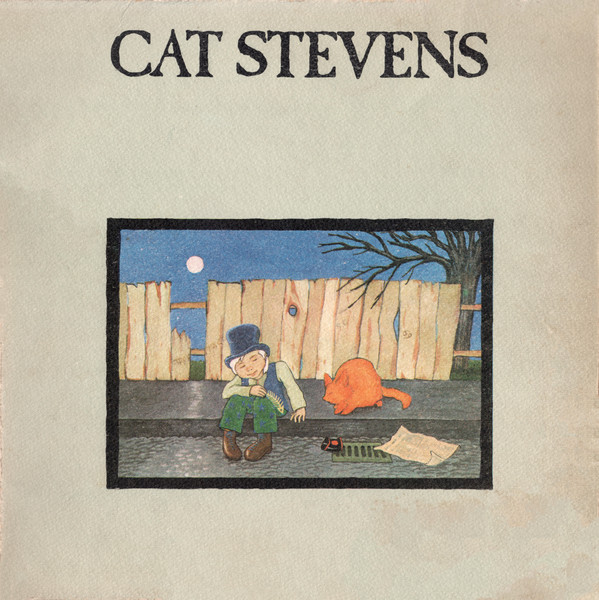
Teaser And The Firecat
1971

90125
1983
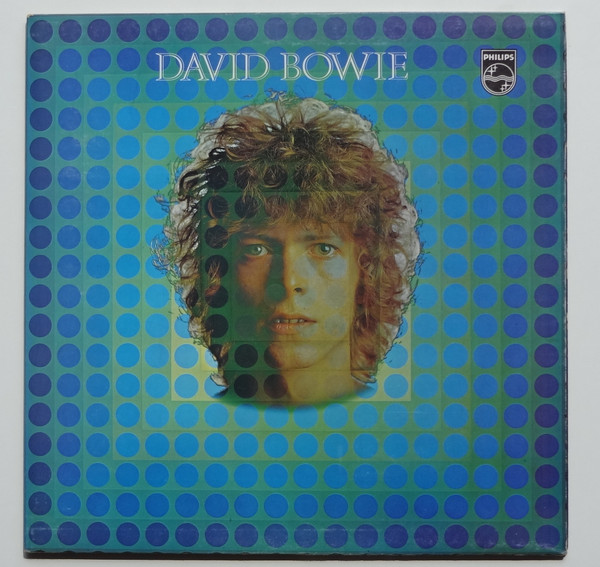
David Bowie
1969
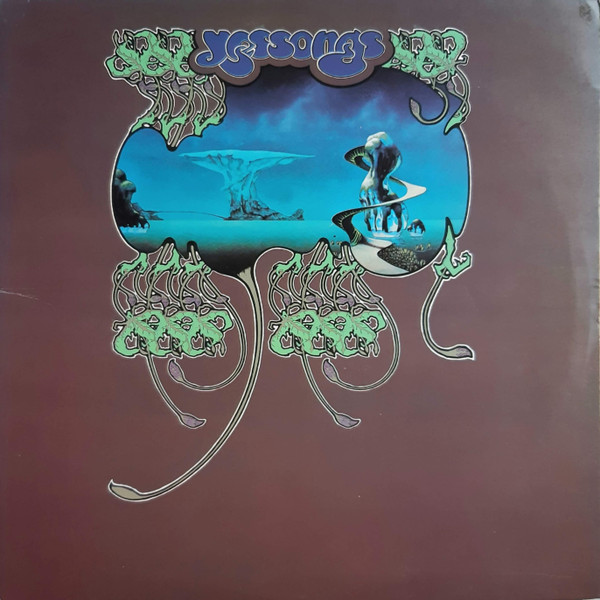
Yessongs
1973
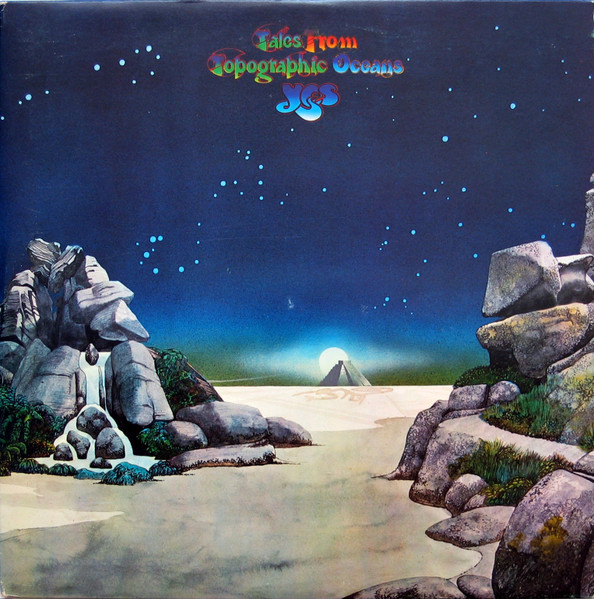
Tales From Topographic Oceans
1973

Going For The One
1977
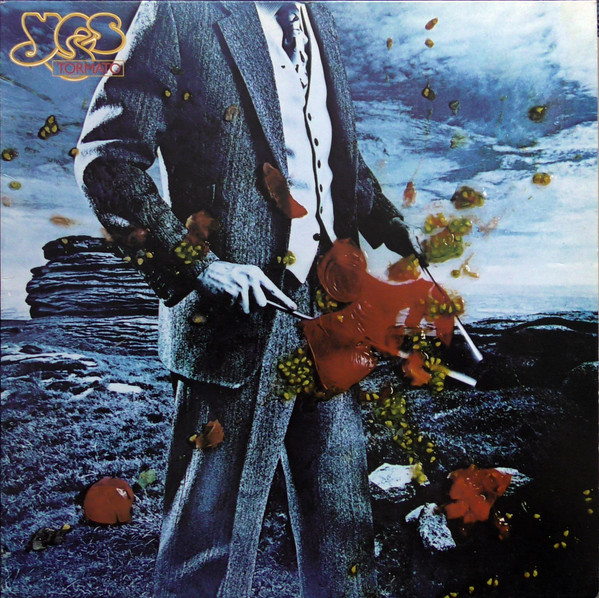
Tormato
1978
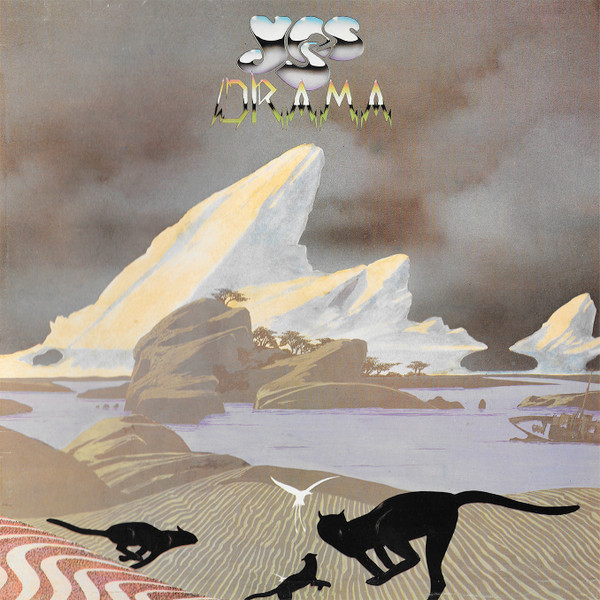
Drama
1980
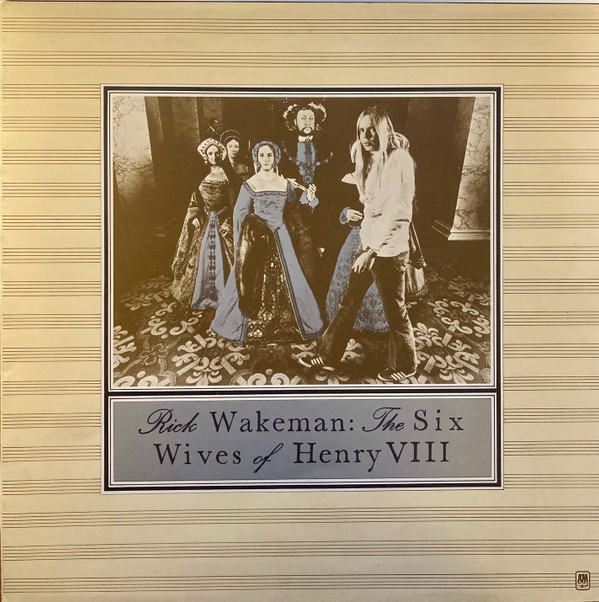
The Six Wives Of Henry VIII
1973

ChangesTwoBowie
1981
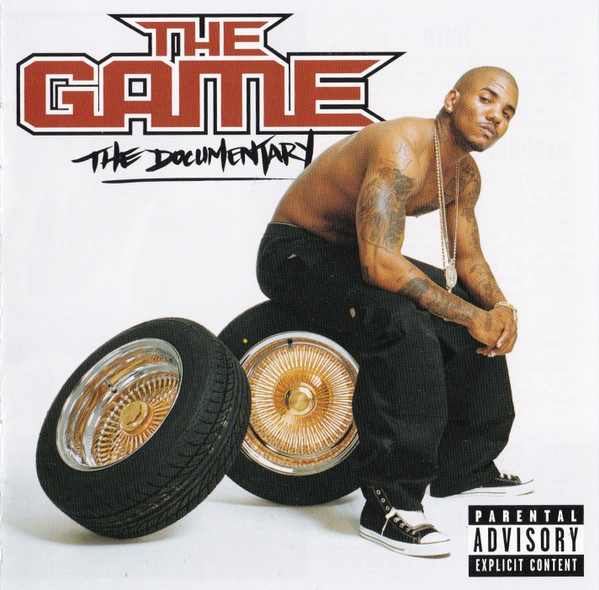
The Documentary
2005
The Grind Date
2004
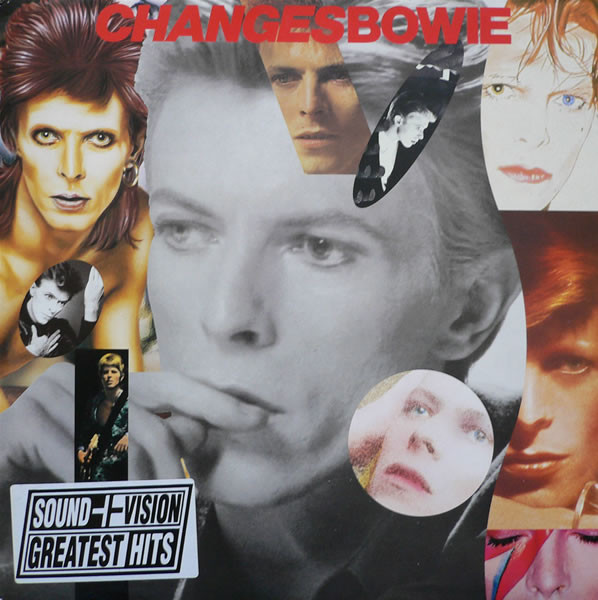
Changesbowie
1990

Yesterdays
1975
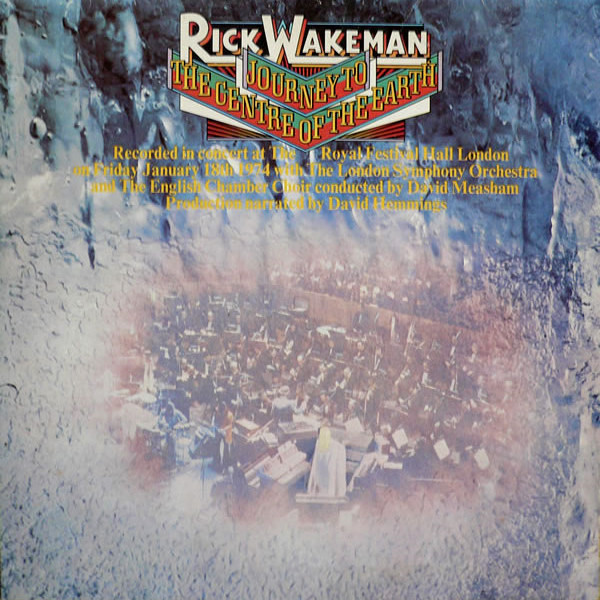
Journey To The Centre Of The Earth
1974

Anderson Bruford Wakeman Howe
1989
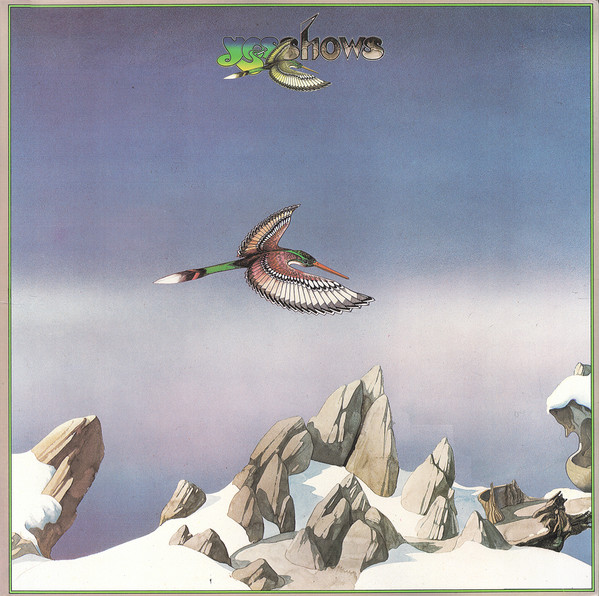
Yesshows
1980
Frequent collaborators
Around the web
See who really made the music.
Gatefold maps every producer, engineer, and player across your shelf — the credits no one else surfaces.
Start your shelf →Free forever. Works with 10 records or 10,000.