
Artist
Ozzy Osbourne
Marston Green, United Kingdom · 1948 – 2025
Ozzy Osbourne is a musician from Marston Green, United Kingdom, active 1948–2025. Their discography on Gatefold includes 24 records. They also recorded with Black Sabbath.
107
Albums tracked
2,898
In collections
1948
Since
Biography
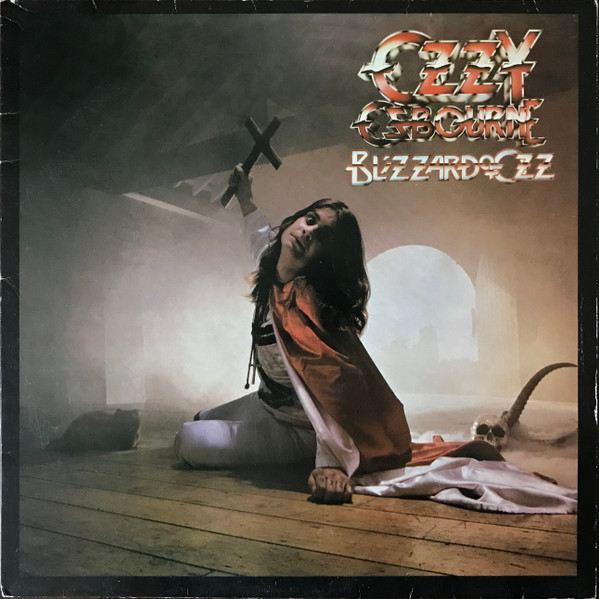
Jet Records had Ozzy holed up at Ridge Farm Studio in 1980 with an engineer named Max Norman riding the faders and a quiet classical guitar kid named Randy Rhoads running Marshall heads into the red. Sabbath had dumped Ozzy in a haze of blow and missed cues, figuring he was cooked. Instead, he pulled out Bob Daisley and Lee Kerslake, found a shredder who wrote modal riffs like mini-symphonies, and dropped Blizzard of Ozz right on the industry's head. That voice was never technically clean. It was flat, nasal, pushed right to the breaking point, and doubled across every track to cut through walls of low-end distortion. He spent the eighties surviving tragedy, hired-gun shredders, and the slickest production money could buy. By the time hair metal swallowed Sunset Strip, Ozzy just hired a nineteen-year-old Zakk Wylde from New Jersey to detune his Gibson and play heavier than the kids chasing him. The nineties hit, and instead of becoming a legacy act, he brought in Lemmy Kilmister to ghostwrite four tracks on No More Tears and turned himself into a radio monster. A survivor whose real genius was picking world-class sidemen and knowing when to let them run loose.
Bio from The Clerk
The Arc of Ozzy Osbourne
The pivots — what forced Ozzy Osbourne to reinvent.
The Randy Rhoads Era
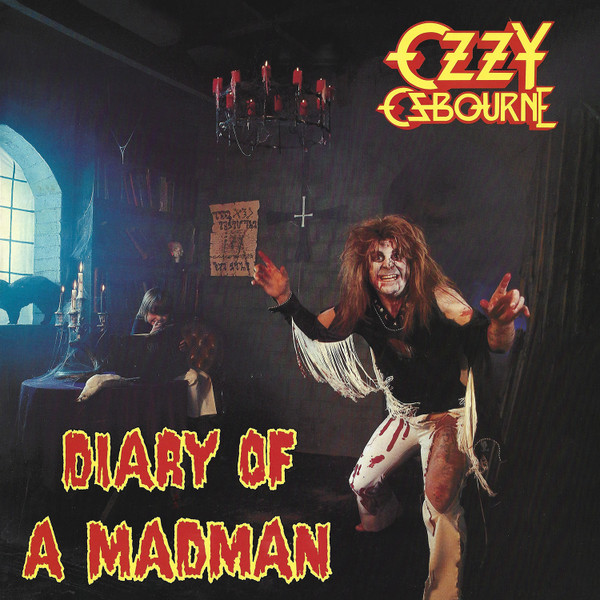
Fired from Sabbath in 1979, Ozzy holed up in Los Angeles until Sharon Arden helped assemble a real band around classical prodigy Randy Rhoads. Tracking at Ridge Farm with engineer Max Norman, they cut Blizzard of Ozz and Diary of a Madman back-to-back with bassist Bob Daisley anchoring the songwriting. Rhoads transformed heavy metal guitar work with double-tracked neo-classical solos and intricate acoustic interludes. The run was cut brutally short in March 1982 when Rhoads died in a plane crash, leaving behind two records that rewrote mainstream heavy music.
The Wylde Reinvention
After drifting through the mid-eighties with glossy synth layers and rotating guitarists, Ozzy tapped a young gas-station attendant named Zakk Wylde for 1988's No Rest for the Wicked. Wylde brought aggressive pinch harmonics, dropped tunings, and a wall of raw low-end that stripped away the pop metal polish. That partnership peaked on 1991's No More Tears, cut with producers John Purdell and Duane Baron and featuring songwriting credits from Lemmy Kilmister. It gave Ozzy his biggest solo hits by balancing modern grunge-era crunch with arena-sized hooks.
The Festival Titan
Dropped by Lollapalooza organizers in 1996 for being considered too obsolete, Ozzy and Sharon responded by founding Ozzfest. The tour became the defining launchpad for alternative metal and nu-metal, putting Ozzy directly in front of a completely new generation every summer. Studio albums like Ozzmosis and Down to Earth brought in alternative producers like Michael Beinhorn and Tim Palmer to chase heavier, down-tuned industrial textures. He stopped chasing radio trends because the entire heavy music industry was suddenly touring on his payroll.
Influences
- The Beatles — Ozzy has repeatedly cited hearing 'She Loves You' on a transistor radio as the exact moment he decided to become a singer. You hear it in his instinct for vocal melody and his career-long reliance on heavy double-tracking, directly copying John Lennon's vocal production tricks. He was never a blues shouter; he was a pop-melody singer backed by the heaviest riffs on earth.
- Little Richard — Little Richard's manic vocal delivery was the early vocal standard Ozzy tried to match in his late-sixties blues outfits like Earth. That wide-eyed, uncontrolled top-register holler carried straight into early Sabbath tracks like 'Paranoid.' It gave heavy metal a lead vocal that sounded genuinely unhinged rather than disciplined.
- Howlin' Wolf — Before inventing metal, Ozzy and Black Sabbath started as the Polka Tulk Blues Band playing raw American blues standards in Birmingham clubs. Wolf's dark, ominous phrasing and heavy low-end groove formed the structural foundation of early tracks like 'Black Sabbath' and 'The Wizard.' It taught Ozzy how to build dread with simple, rhythmic vocal repetition.
- Arthur Brown — The Crazy World of Arthur Brown took theatrical shock rock to British television in 1968 with fiery headgear and occult imagery. Ozzy absorbed that macabre showmanship and applied it directly to heavy rock, realizing dark theatrics pulled bigger crowds than polite blues acts. It set the template for his entire Prince of Darkness persona.
- Led Zeppelin — Zeppelin's 1969 debut proved that heavy British blues-rock could conquer American arenas without top-40 radio support. Ozzy and Sabbath watched Jimmy Page's crushing guitar tone and Robert Plant's high-register wailing rewrite the UK scene in real time. It gave Ozzy the sonic blueprint for how loud a rock band was allowed to be.
Ozzy Osbourne — solo
Their records — most-collected first.
Blizzard Of Ozz
1980
Diary Of A Madman
1981

Bark At The Moon
1983

No More Tears
1991
Tribute
1987
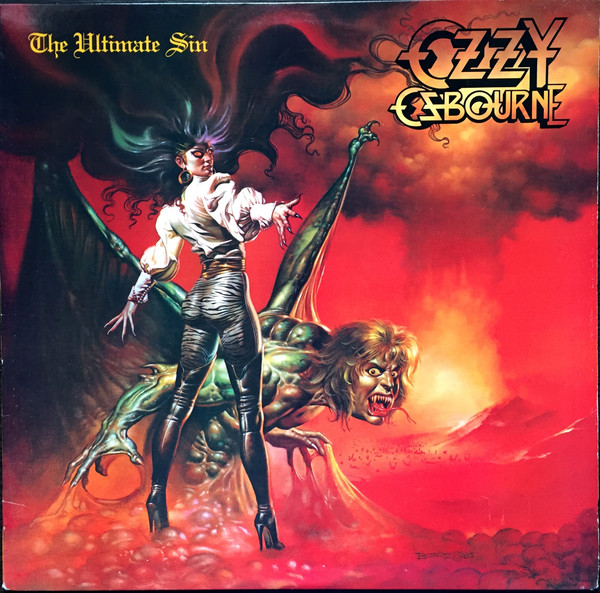
The Ultimate Sin
1986

Speak Of The Devil
1982

Patient Number 9
2022
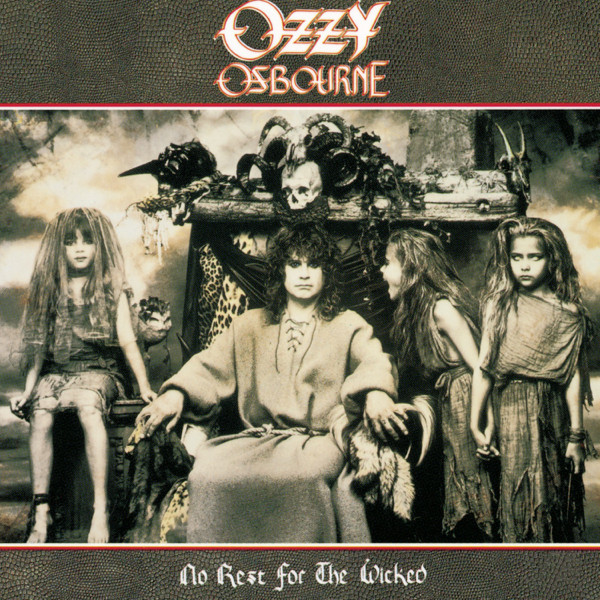
No Rest For The Wicked
1988
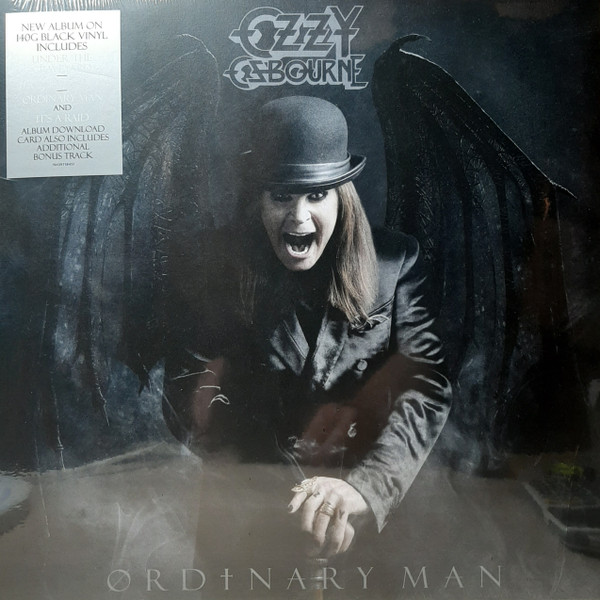
Ordinary Man
2020
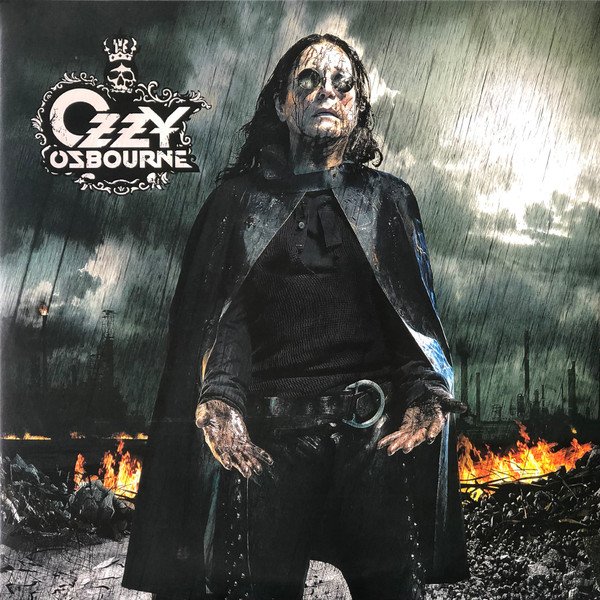
Black Rain
2007
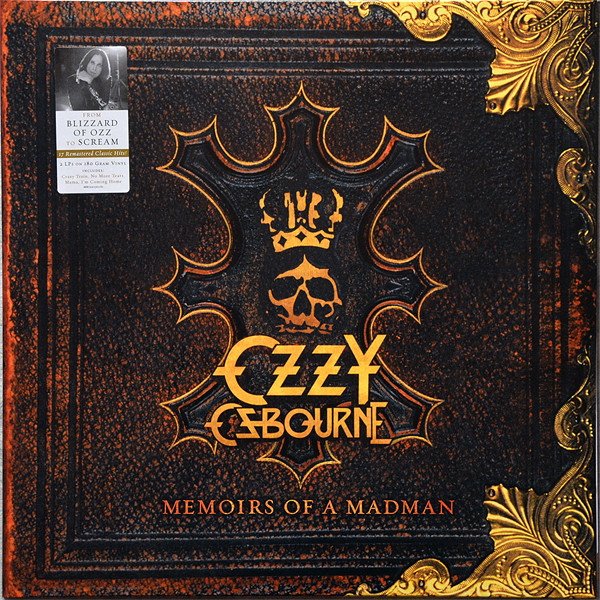
Memoirs Of A Madman
2014

Down To Earth
2001

Ozzmosis
1995

The Ozzman Cometh
1997

Mr Crowley
1980

Scream
2010

Live & Loud
1993
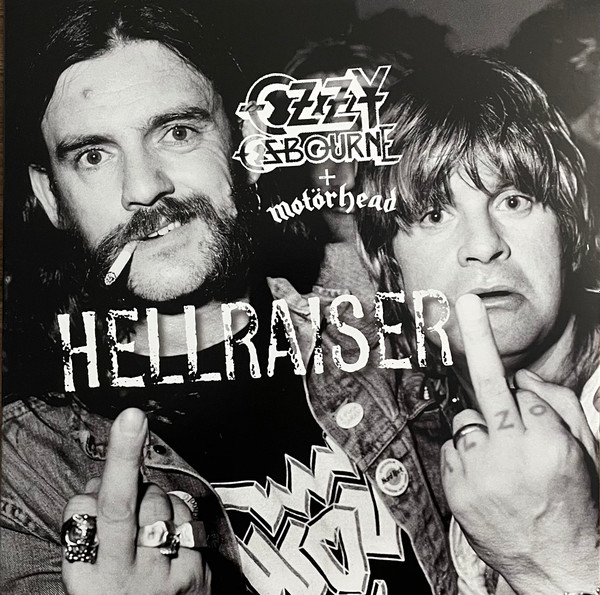
Hellraiser
2021

Live At Budokan
2002

Just Say Ozzy
1990

Ozzy Live
2012

Prince Of Darkness
2005

The Essential Ozzy Osbourne
2003
Black Sabbath
A project Ozzy Osbourne was part of. Former member.

Paranoid
1970
Master Of Reality
1971

Black Sabbath
1970
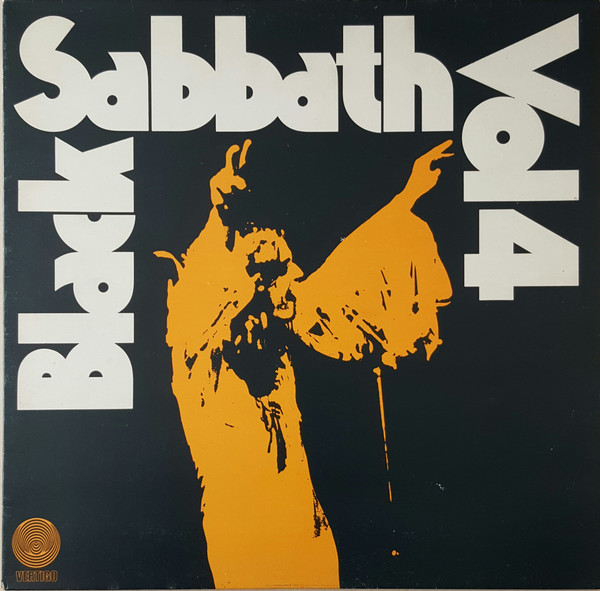
Black Sabbath Vol 4
1972
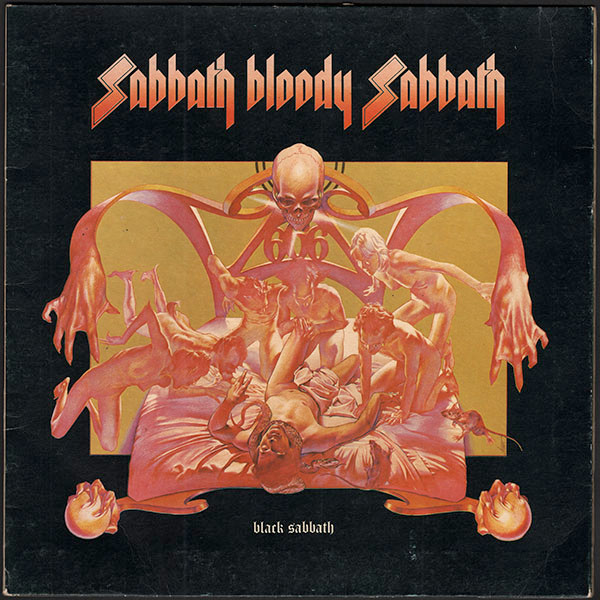
Sabbath Bloody Sabbath
1973
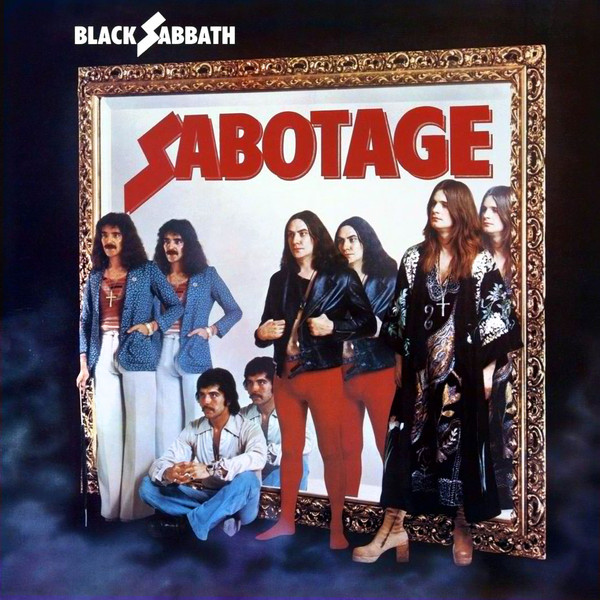
Sabotage
1975
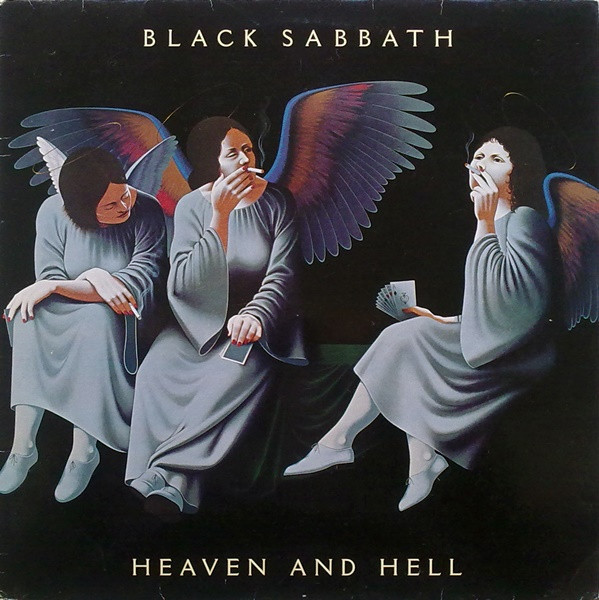
Heaven And Hell
1980
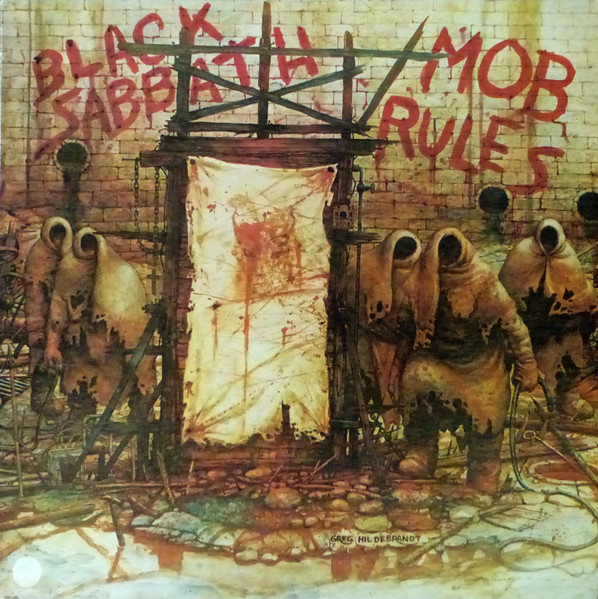
Mob Rules
1981
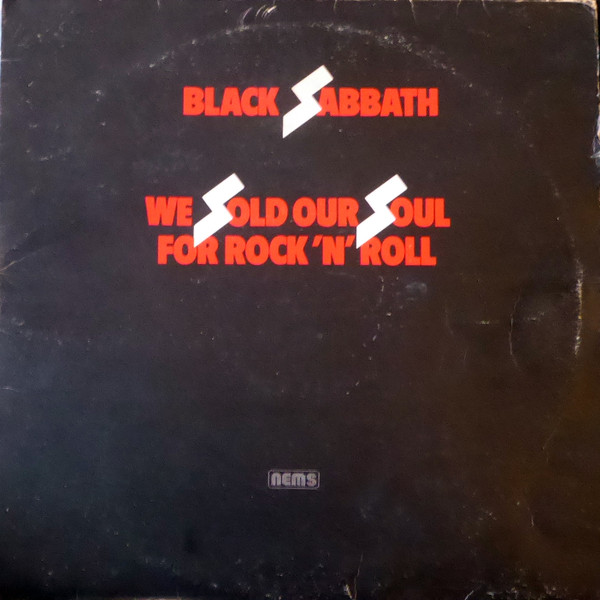
We Sold Our Soul For Rock 'N' Roll
1976
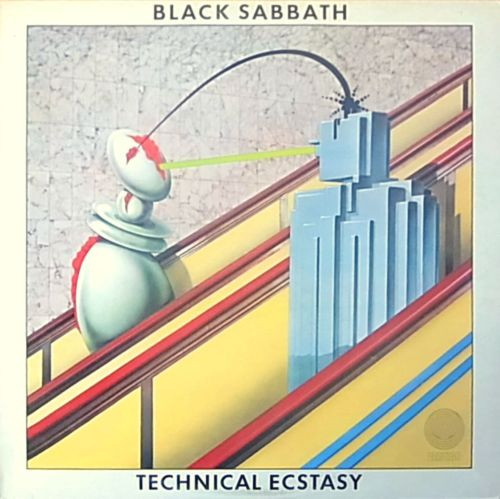
Technical Ecstasy
1976

Never Say Die!
1978
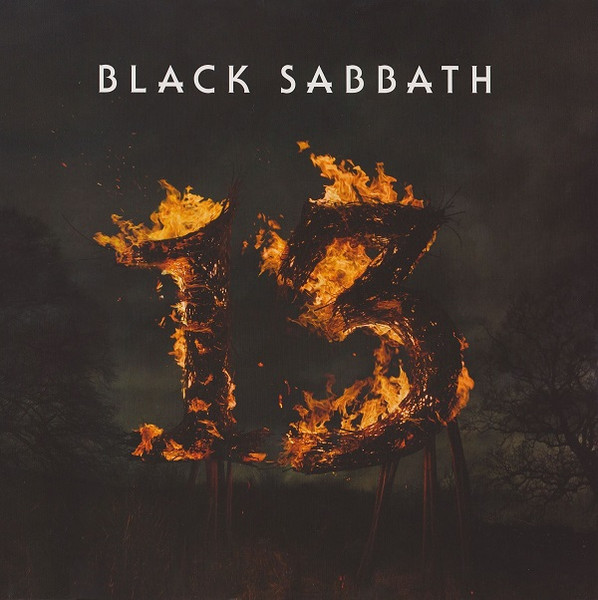
13
2013
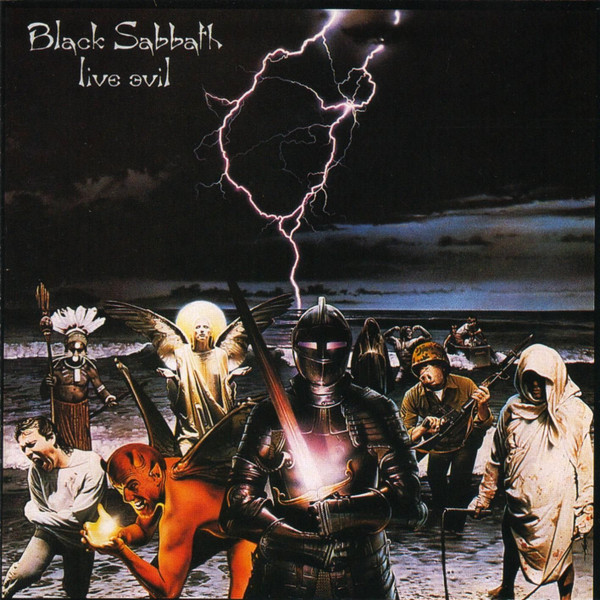
Live Evil
1983
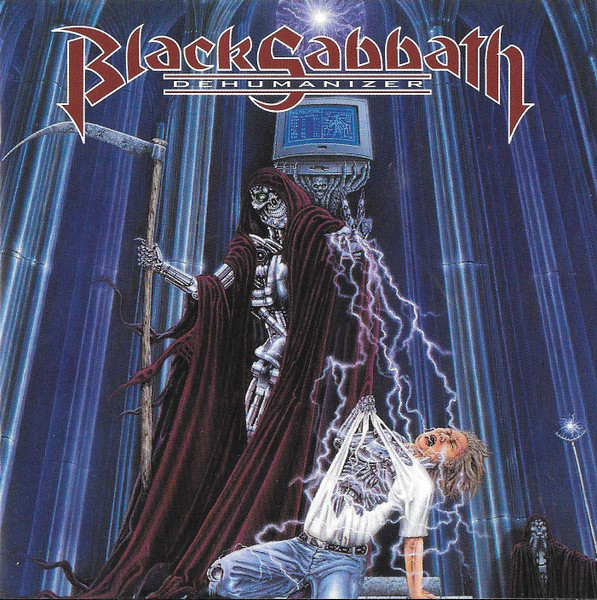
Dehumanizer
1992

Live At Last...
1980
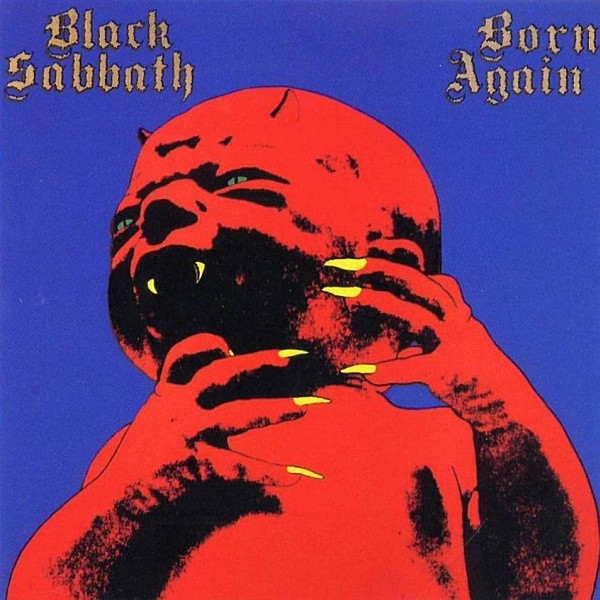
Born Again
1983
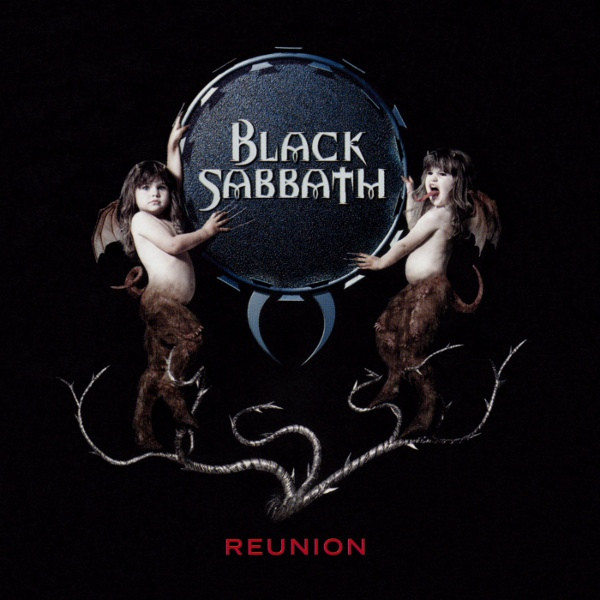
Reunion
1998

The Eternal Idol
1987
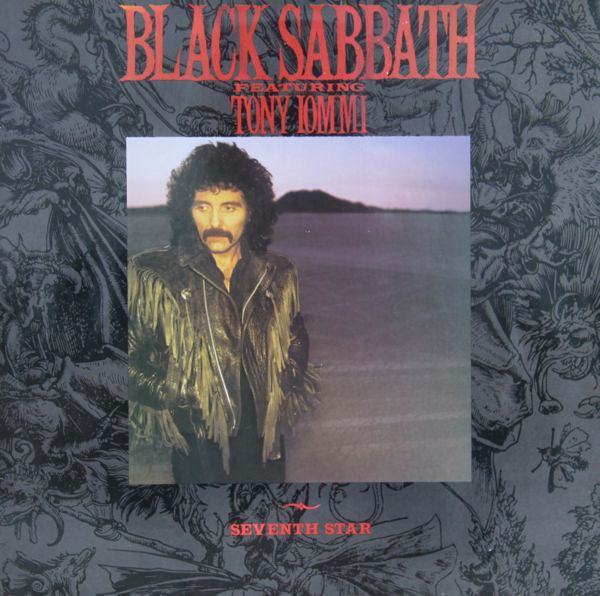
Seventh Star
1986
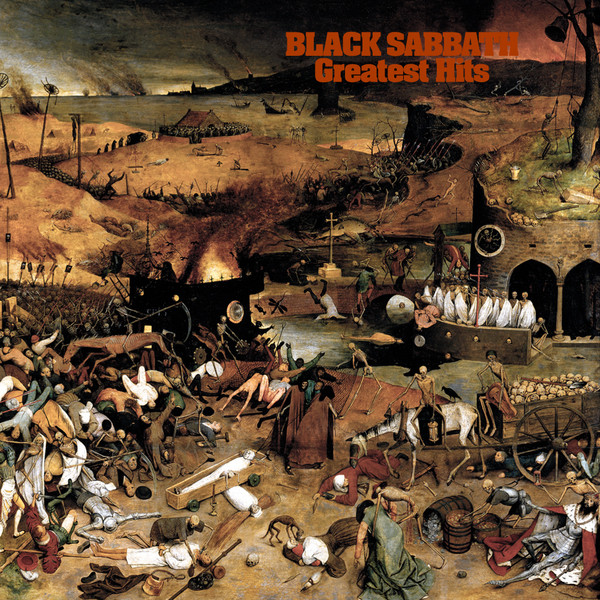
Greatest Hits
1977

Headless Cross
1989
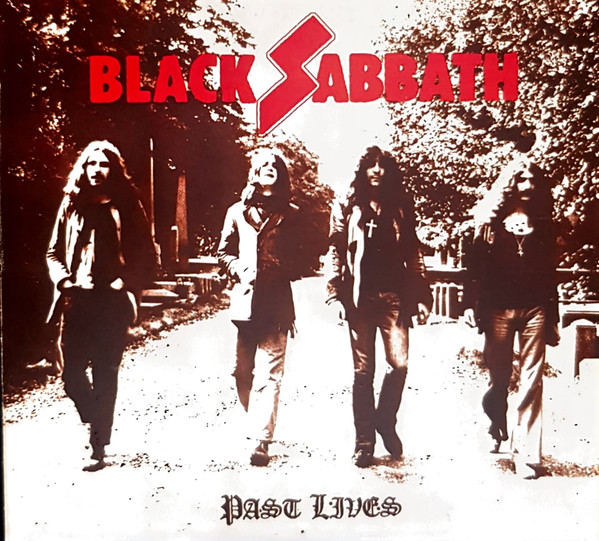
Past Lives
2002
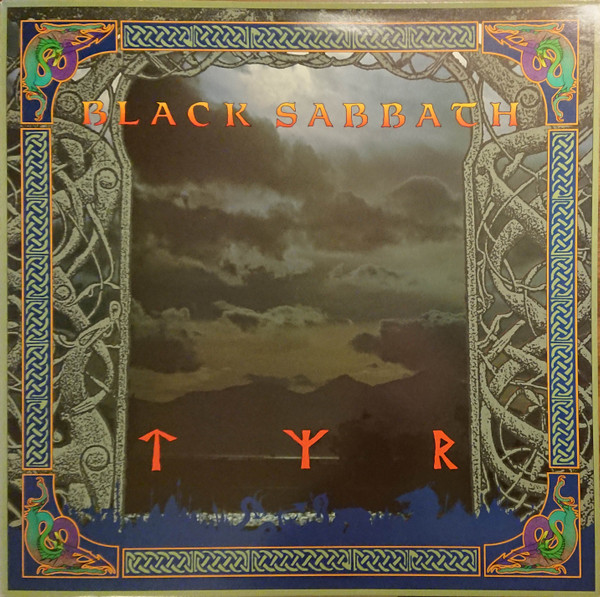
Tyr
1990
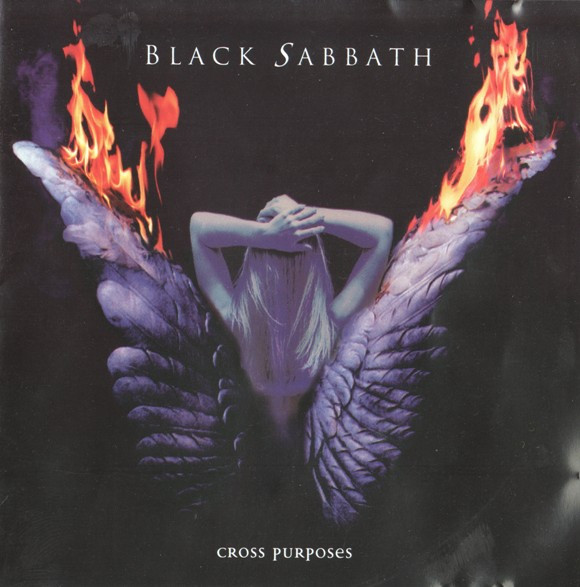
Cross Purposes
1994
Related artists
More projects
Around the web
Follow every record they touch.
Start your shelf and Gatefold tracks Ozzy Osbourne's new pressings, tour dates, and the whole discography — automatically.
Start your shelf →Free forever. Works with 10 records or 10,000.