
Performance · Other credits
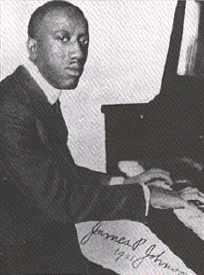
James Price Johnson
New Brunswick, United States
James Price Johnson is credited on 3,284 releases across 1,017 albums tracked on Gatefold, active 1950–2025 — the collector-built map of who actually made the music.
3,284
Credits
1,017
Albums
8
Decades active
195
In collections
Biography
Showing the Discogs bio
Jazz pianist born February 1, 1894, New Brunswick, New Jersey; died November 17, 1955, Jamaica, New York
James P. Johnson was an important transitional figure between ragtime and jazz piano styles. His style became known as Stride. As a boy, Johnson studied Classical music and Ragtime. He started playing professionally in a sporting house, and then progressed to rent parties, bars and vaudeville. He eventually became known as the best piano player on the East Coast and was widely utilized as an accompanist on over 400 recordings and, from 1916 on, produced hundreds of piano rolls under his own name. He backed up many of the Classic Blues singers of the 1920s, including Ida Cox, Ethel Waters, and Bessie Smith.
Johnson's 1921 recording of "Carolina Shout" is considered to be the first recorded Jazz piano solo by some critics, although it sounds a lot like Ragtime to this listener's ears. He wrote several musical revues, including "Running Wild," "Plantation Days," and his 1928 collaboration with his former piano student Fats Waller, "Keep Shufflin'". His song "The Charleston" from "Running Wild" was one of the best known and most widely recorded songs of 1920s.
Other hits included "Old Fashioned Love" and "If I Could Be With You (One Hour Tonight).". Johnson composed several symphonic works, including "Yamecraw: A Negro Rhapsody" (1928), "Tone Poem" (1930), "Symphony Harlem " (1932), a symphonic version of W.C. Handy's "St. Louis Blues" (1937), and the one-act opera "De Organizer" (1940), with lyrics by Langston Hughes. None of his symphonic works were very popular and have seldom been performed. Johnson is generally considered the "Father of the Stride" piano, and was a major influence on some of Jazz's great pianists such as Duke Ellington, Fats Waller. and Thelonious Monk. He was inducted into the Songwriters Hall of Fame in 1970.
Bio from Discogs
Credited work
3,284 releases · 1,017 albums · active 1950–2025
- Performance · 4,246
- Other credits · 117
Studios: Contemporary's Studio · Soundtrack Studios · Nola Recording Studios · Warehouse Recording Studios
Discography
Records they worked on — most-collected first.
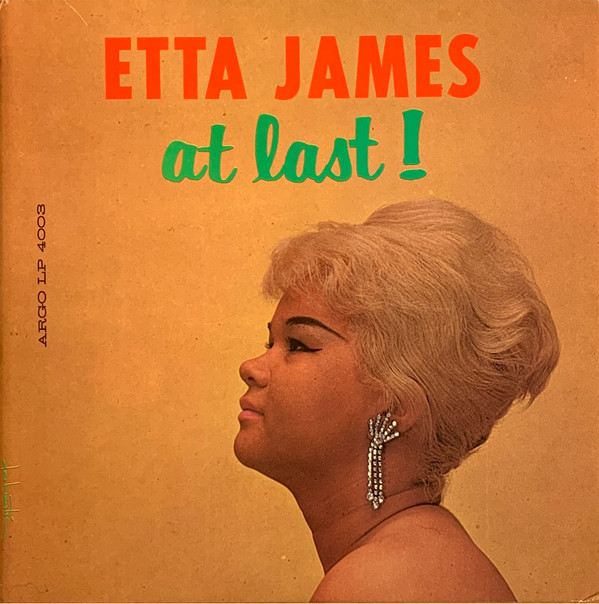
At Last!
1960

Sings Folk Songs
1962
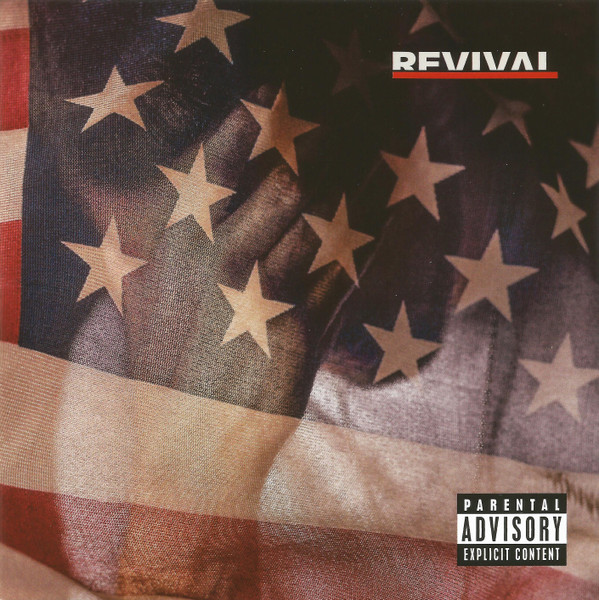
Revival
2017
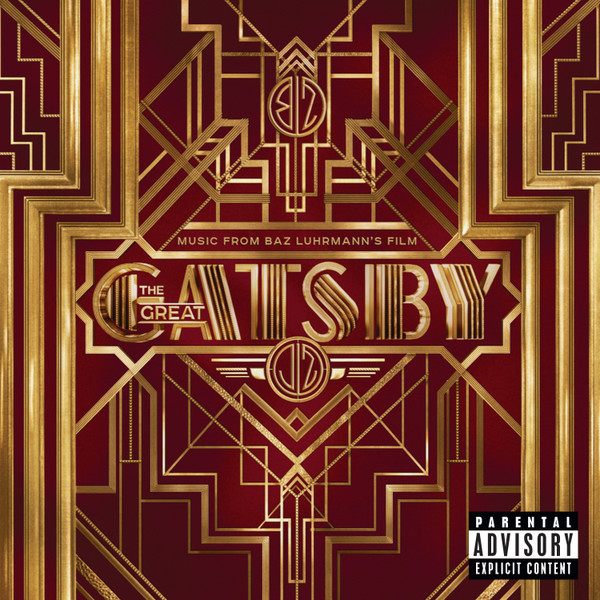
Music From Baz Luhrmann's Film The Great Gatsby
2013
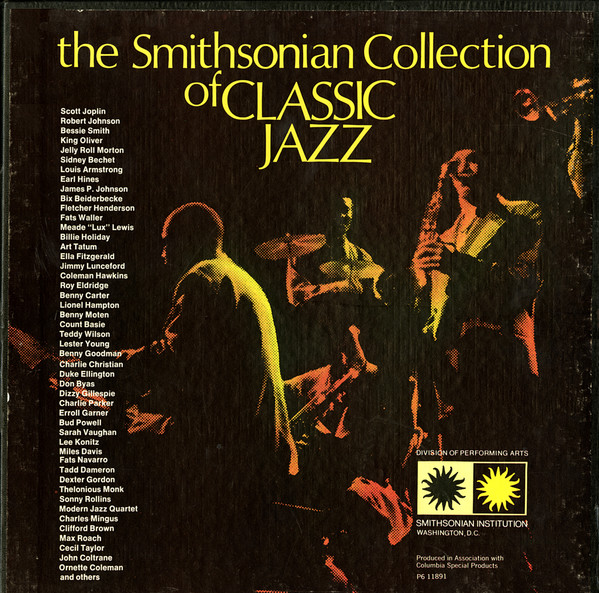
The Smithsonian Collection Of Classic Jazz
1973
Careless Love
2004

The Promiseland
1986
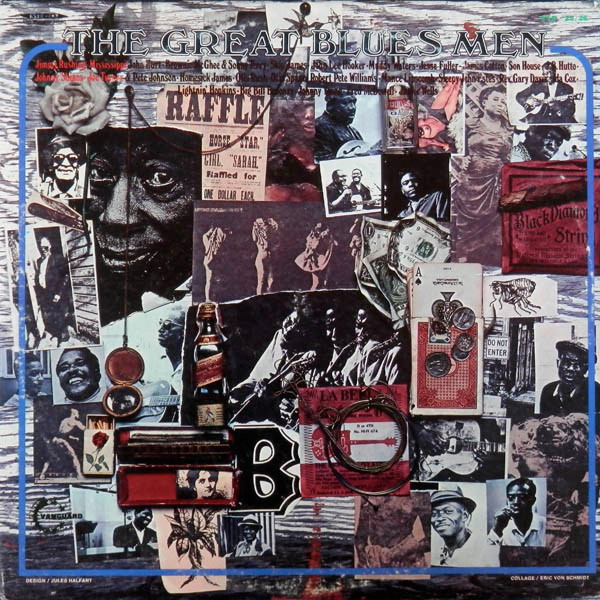
The Great Blues Men
1972

Jazz Giant
1958
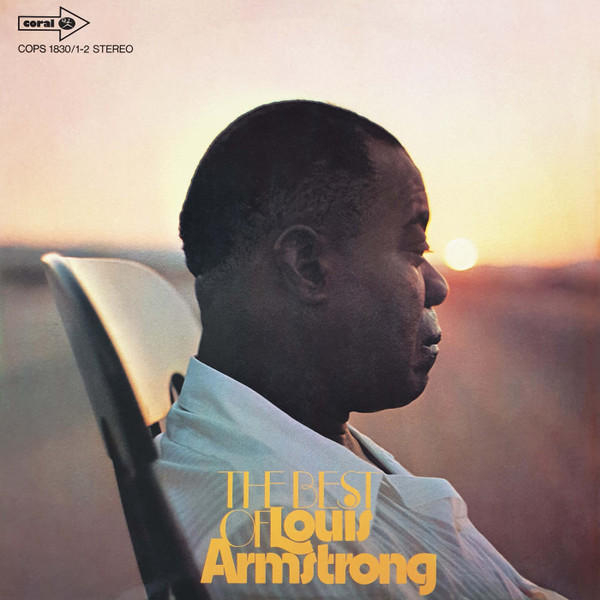
The Best Of Louis Armstrong
1971

The Complete Decca Recordings
1991

Sweet & Sour Tears
1964

Malcolm X (Music From The Motion Picture Soundtrack)
1992
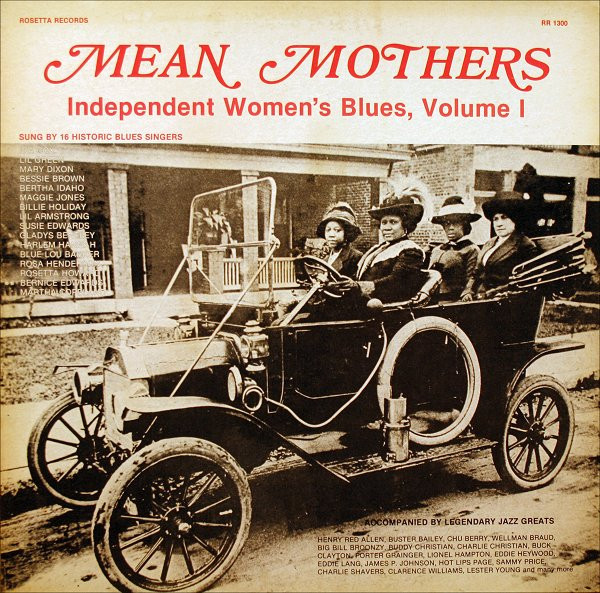
Mean Mothers: Independent Women's Blues, Volume 1
1980
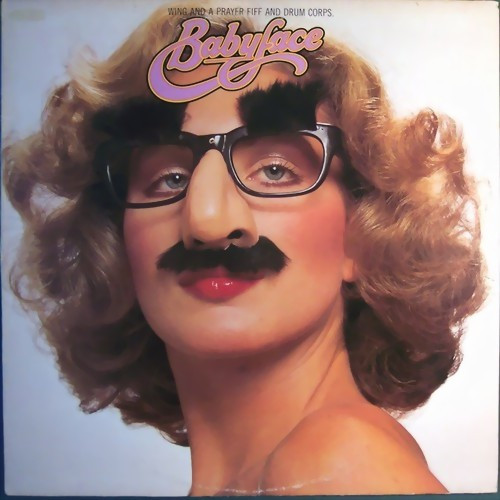
Babyface
1976

The Bob Wills Anthology
1973

Another Day
1971

A Tribute To The Best Damn Fiddle Player In The World: Or, My Salute To Bob Wills
1970

Showtime
1964

Satchmo! (A Musical Autobiography Of Louis Armstrong) (Vol. 4)
1958

Day Dreams
1955

Bye Bye Blues!
1952

The Louis Armstrong Story, Volume IV: Louis Armstrong Favorites
1951

Jam Session
Frequent collaborators
- Various
- James P. Johnson
- Sidney Bechet
- Louis Armstrong
- Fats Waller
- Bessie Smith
- Django Reinhardt
- Eddie Condon
Around the web
See who really made the music.
Gatefold maps every producer, engineer, and player across your shelf — the credits no one else surfaces.
Start your shelf →Free forever. Works with 10 records or 10,000.