
Artist
Thurston Moore
US guitarist, singer and songwriter; Sonic Youth
Coral Gables, United States · b. 1958
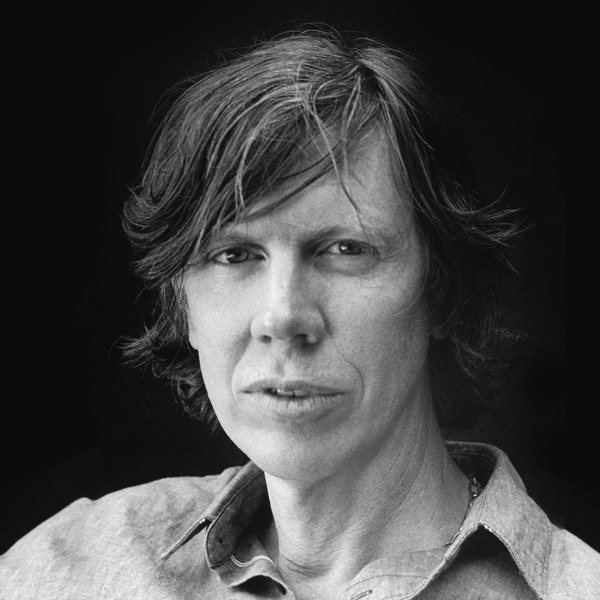
Thurston Moore is a musician from Coral Gables, United States, active since 1958. Their discography on Gatefold includes 14 records. They also recorded with Sonic Youth, Swans, Ciccone Youth, The Backbeat Band, Dim Stars and Chelsea Light Moving.
84
Albums tracked
857
In collections
1958
Since
Biography
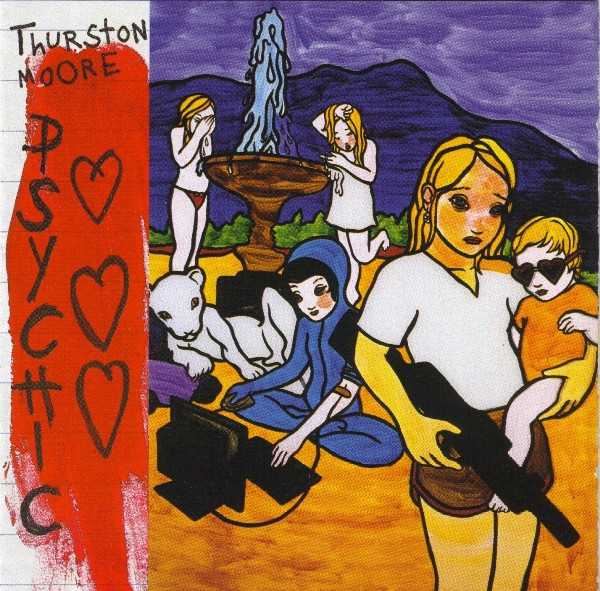
Moore landed in Manhattan in '76 with a target on his back and a cheap hollow-body guitar he eventually started beating with screwdrivers. He wasn't some virtuoso—he was a tall kid who realized that if you tune all the strings to the same note and jam a drumstick under the twelfth fret, you can make a Fender Twin Reverb sound like a goddamn jet engine. That early move into the 'No Wave' filth of the Lower East Side defined everything that followed. It was never about the chords; it was about the physical friction of wood, wire, and high-volume electricity. He spent decades as the indie rock high priest, but his solo output is where he lets the mask slip. You get the 90s acoustic-punk skeletal frame on Psychic Hearts, followed by years of wandering through noise-basement collaborations that would bore a statue. Then he hires Beck to produce a record or runs off to London to form a new band, constantly cycling between being the loudest guy in the room and a guy trying to invent a new way to hold a pick. He’s a gear nerd who treats his Jazzmasters like percussion instruments and a fanboy who never stopped buying seven-inch singles from bands that broke up after one show.
Bio from The Clerk
The Arc of Thurston Moore
The pivots — what forced Thurston Moore to reinvent.
The No Wave Baptism
Before the major label years, Moore was grinding in the post-punk trenches of the late 70s with The Coachmen and playing in Glenn Branca’s guitar orchestras. Branca taught him that volume was a physical material you could sculpt and that standard E-A-D-G-B-E tuning was a prison for the unimaginative. This period forced the shift toward the custom, dissonant tunings that defined the Sonic Youth sound. You hear it in the early blast-furnace records where melody is just an accident happening during a drone.
The DGC Gold Rush
When Nirvana blew the doors off the industry, Moore found himself as the unlikely bridge between the underground and Geffen Records. Suddenly, the guy who spent the 80s on SST was working with big-budget producers like Butch Vig and trying to fit noise-rock feedback into four-minute radio edits. This pivot wasn't a sellout; it was a Trojan horse operation that brought experimental guitar textures to suburban teenagers. The records got cleaner, but the weirdness remained baked into the DNA of the songwriting.
The London Displacement
After the high-profile collapse of his marriage and Sonic Youth, Moore decamped to London and leaned into a more sprawling, progressive guitar language. Working with bassist Deb Googe and guitarist James Sedwards, he moved away from the short, sharp shocks of his earlier solo work toward twenty-minute epics. These sessions at The Church studios focused on interlocking guitar lines that felt more like a krautrock marathon than a punk show. It’s the sound of a man resetting his entire creative clock in a different time zone.
Influences
- Glenn Branca — Moore played in Branca's massive guitar ensembles in the late 70s and early 80s. You hear this influence in the tectonic, microtonal drones and the use of 'unorthodox' tools to strike strings. It's the literal foundation of the Sonic Youth alternate tuning system.
- The Stooges — Moore has cited Ron Asheton’s feedback-heavy playing as a primary blueprint for the 'raw power' of his own style. The influence is obvious in the way he prioritizes texture and visceral energy over technical proficiency. He basically spent his whole career trying to capture the opening five seconds of 'I Wanna Be Your Dog'.
- Patti Smith — Moore frequently points to seeing Smith at CBGB as the moment he realized poetry and punk could coexist in a messy, loud environment. Her influence shows up in his penchant for spoken-word deliveries and the high-art aspirations of his lyricism. She gave him the license to be a snob and a punk at the same time.
- Tom Verlaine — Television’s 'Marquee Moon' provided the architectural plan for Moore’s interlocking guitar interplay with Lee Ranaldo. You hear Verlaine’s jagged, angular lead lines echoed in Moore's cleaner, more melodic solo passages. It's the New York art-rock lineage passed down like a holy relic.
- The Germs — Moore has obsessively documented his love for the L.A. punk scene, specifically Pat Smear's chaotic, buzzy guitar tone. He covered 'Lexicon Devil' and constantly channels that specific brand of West Coast nihilism into his faster tracks. It’s the grit that keeps his more 'art-school' tendencies from getting too precious.
Thurston Moore — solo
Their records — most-collected first.
Psychic Hearts
1995

Rock N Roll Consciousness
2017
Demolished Thoughts
2011

Trees Outside The Academy
2007

Klangfarbenmelodie.. And The Colorist Strikes Primitiv
1995

Screen Time
2022
By The Fire
2020
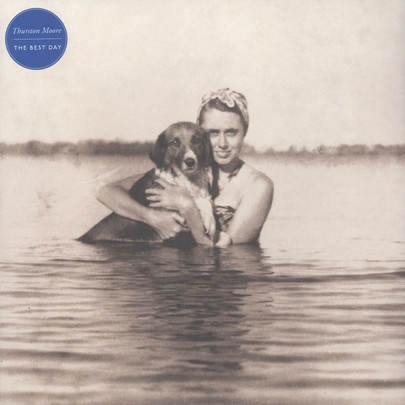
The Best Day
2014

TM/MF
2000

Flow Critical Lucidity
2024

12-String Meditations For Jack Rose
2011

Flipped Out Bride
2006

Please Just Leave Me (My Paul Desmond)
1996

Piece For Yvonne Rainer
1996
Sonic Youth
A project Thurston Moore was part of. Former member.
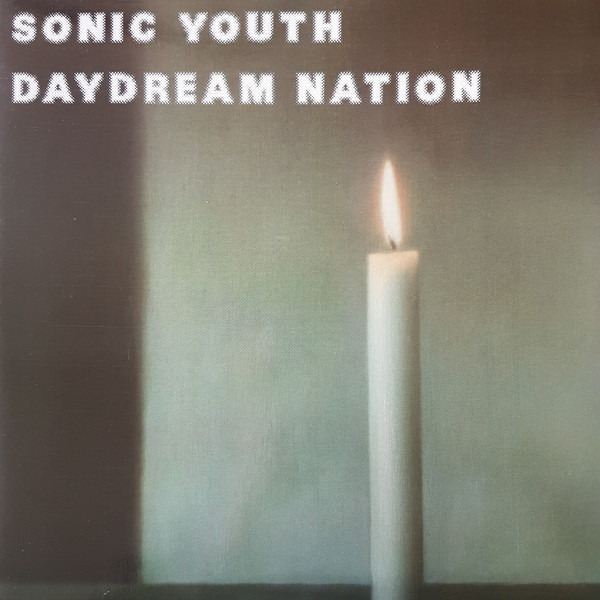
Daydream Nation
1988

Goo
1990
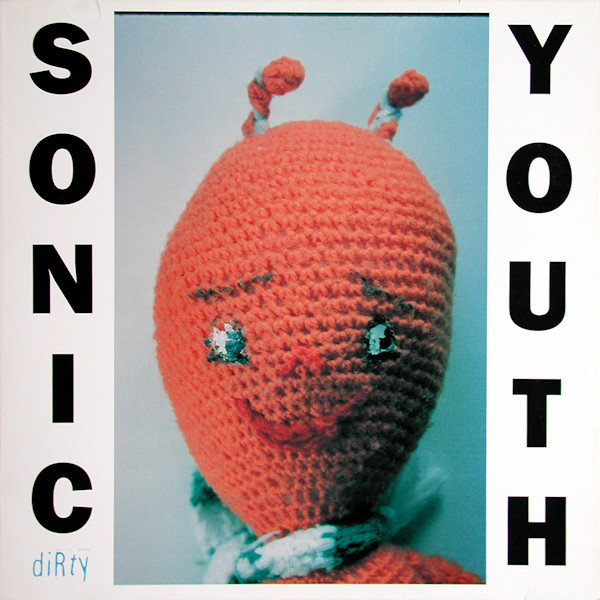
Dirty
1992
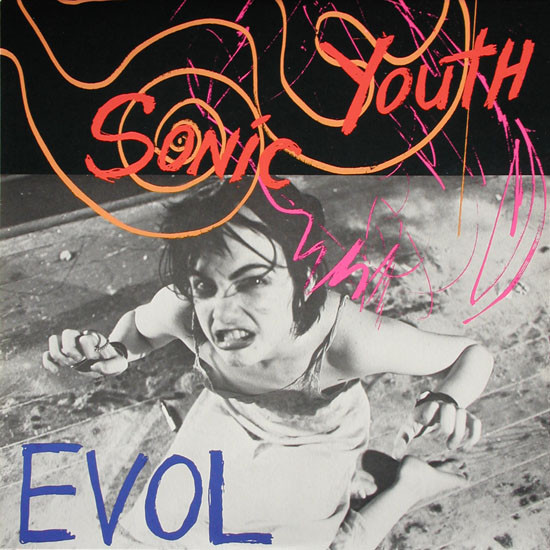
Evol
1986
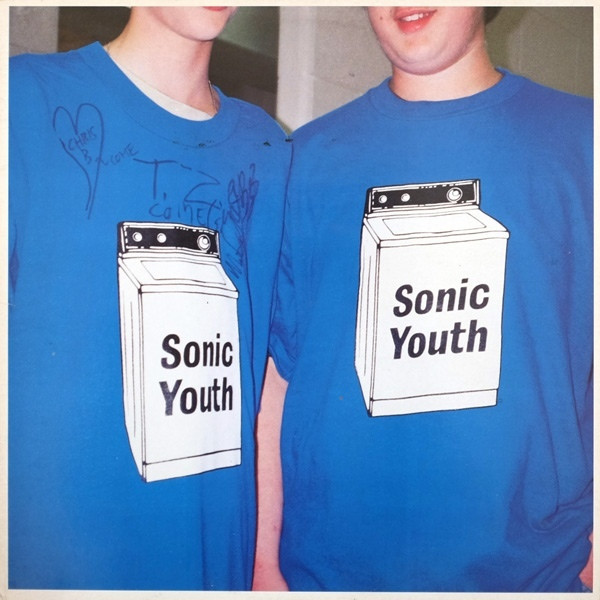
Washing Machine
1995

Sister
1987
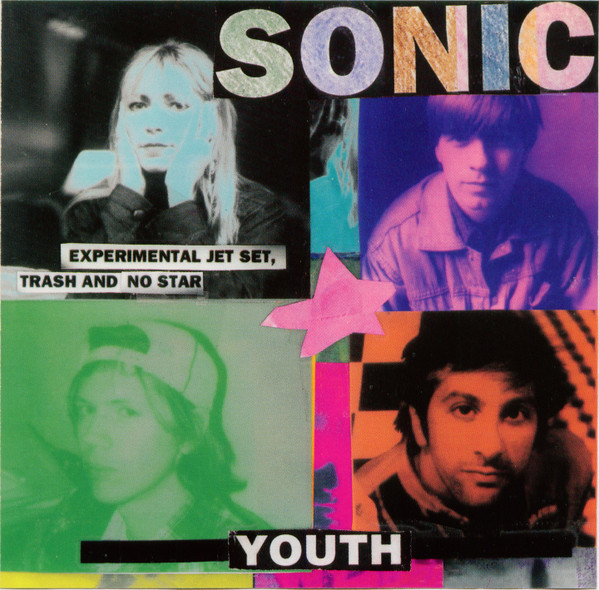
Experimental Jet Set, Trash And No Star
1994

Murray Street
2002

Rather Ripped
2006
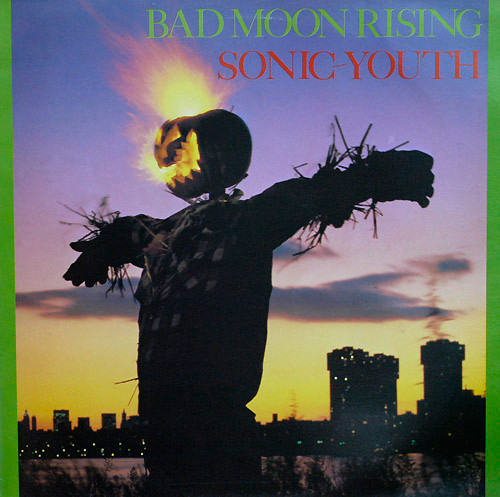
Bad Moon Rising
1985

A Thousand Leaves
1998

Sonic Nurse
2004
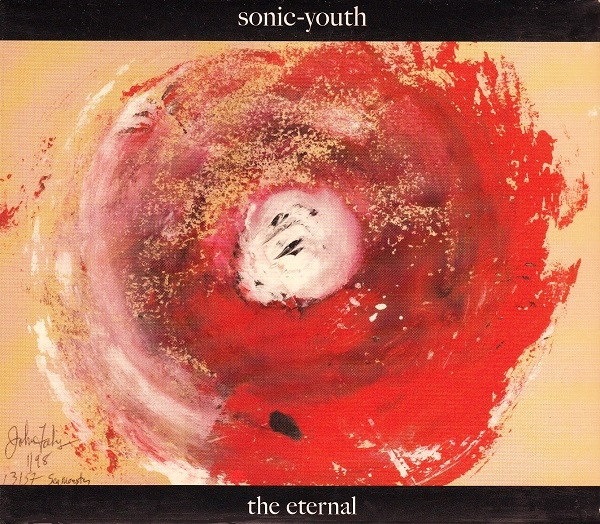
The Eternal
2009

NYC Ghosts & Flowers
2000

Confusion Is Sex
1983

Sonic Youth
1982

Screaming Fields Of Sonic Love
1994

Live In Brooklyn 2011
2023

Hits Are For Squares
2008

Whores Moaning / Oz '93 Tour Edition
1993

In/Out/In
2022

The Destroyed Room (B-Sides And Rarities)
2006
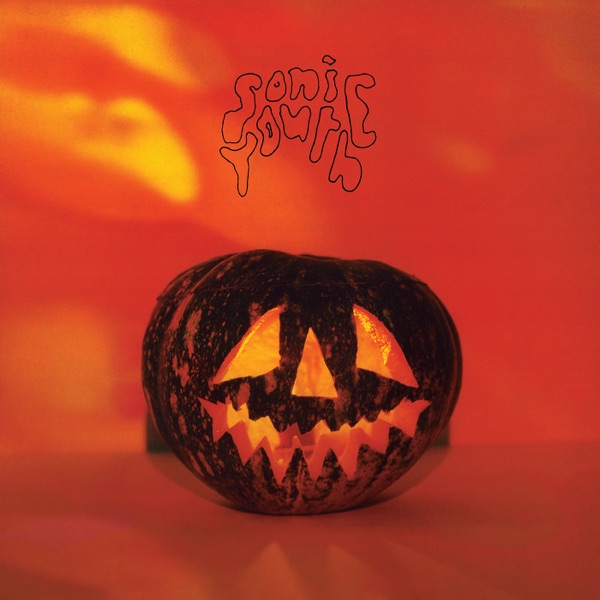
Walls Have Ears
1986

Hold That Tiger
1991
Swans
A project Thurston Moore was part of. Former member.
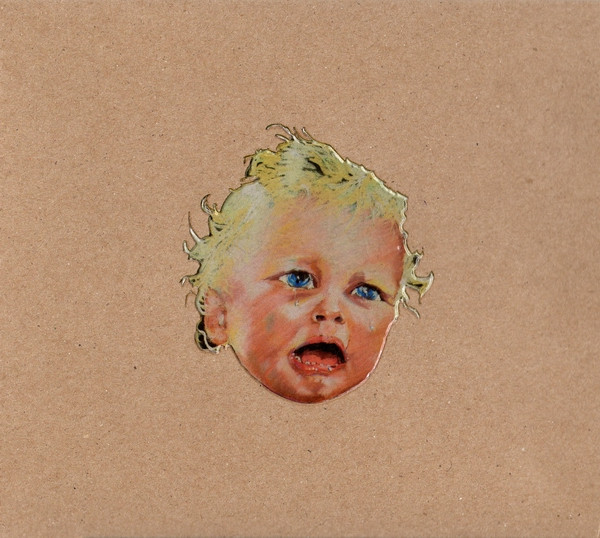
To Be Kind
2014
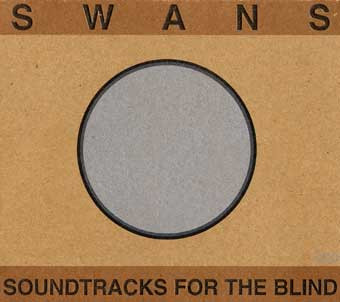
Soundtracks For The Blind
1996
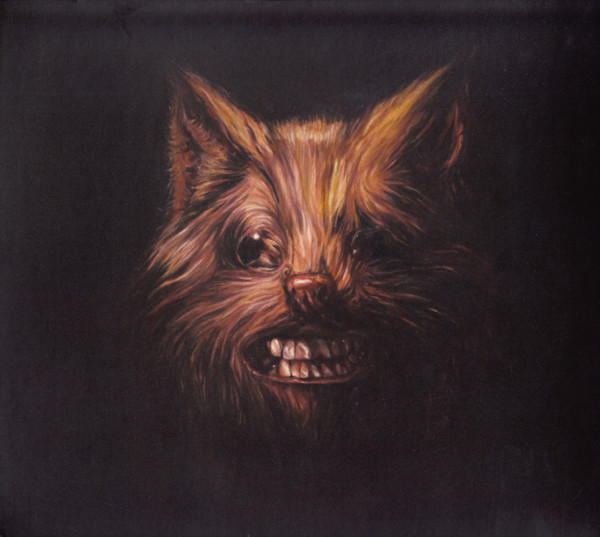
The Seer
2012

White Light From The Mouth Of Infinity
1991

Birthing
2025

Children Of God
1987

Filth
1983
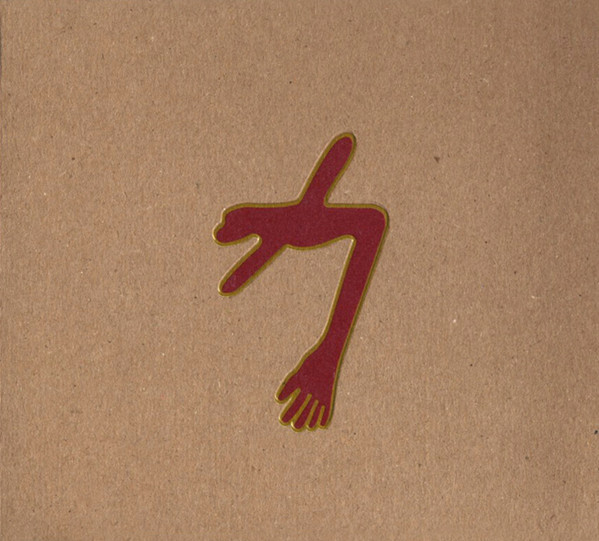
The Glowing Man
2016
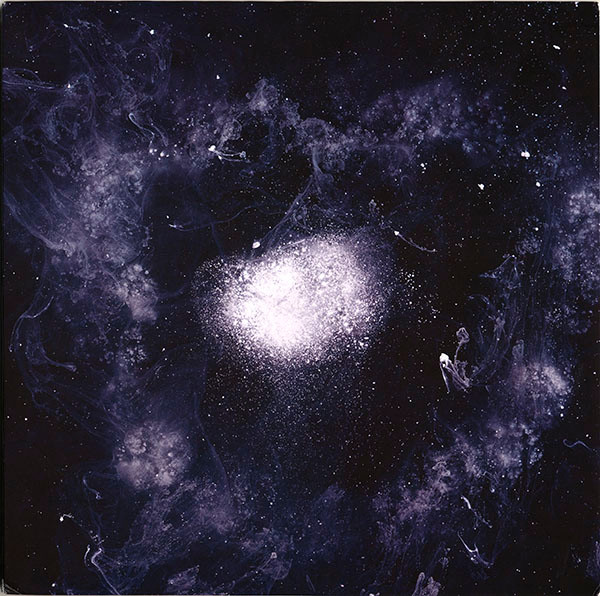
My Father Will Guide Me Up A Rope To The Sky
2010
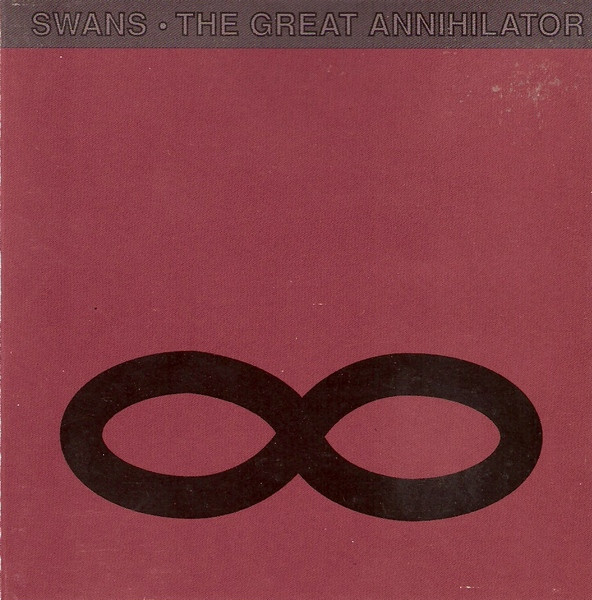
The Great Annihilator
1995

Swans
1982

The Beggar
2023

Leaving Meaning.
2019
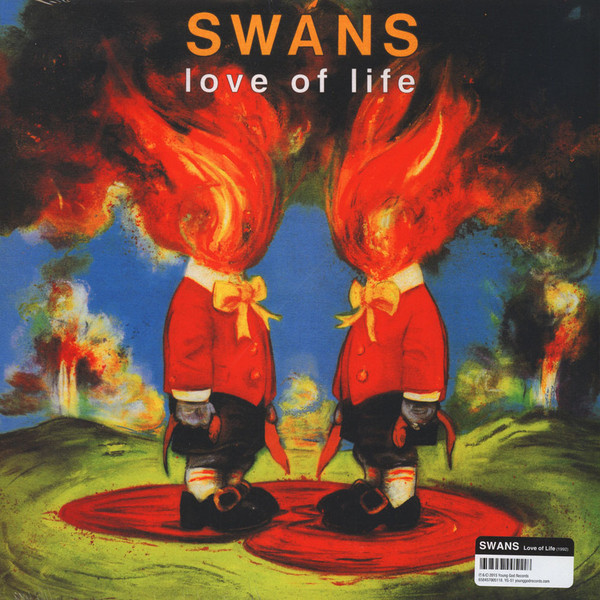
Love Of Life
1992
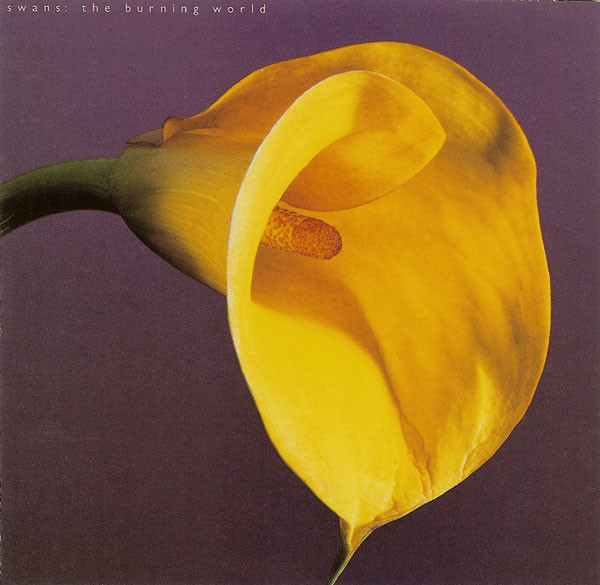
The Burning World
1989

Die Tür Ist Zu
1996

Public Castration Is A Good Idea
1986

White Light From The Mouth Of Infinity / Love Of Life
2015

Deliquescence
2017

Filth / Body To Body, Job To Job
2000

Children Of God / World Of Skin
1997

Children Of God / Feel Good Now
2020
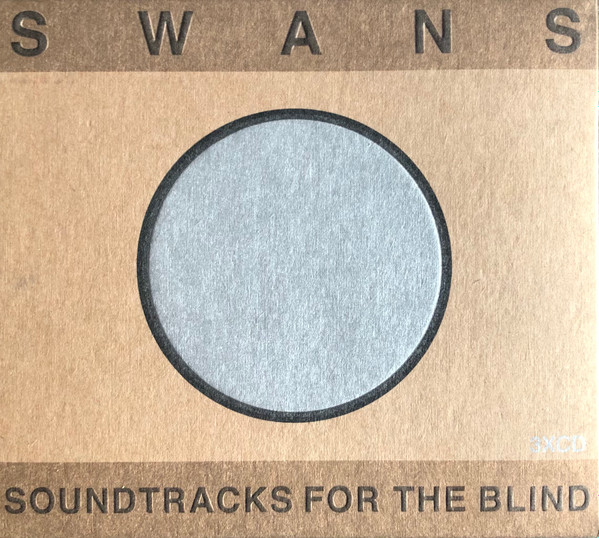
Soundtracks For The Blind / Die Tür Ist Zu
2018

Cop/Young God · Greed/Holy Money
1999
Ciccone Youth
A project Thurston Moore was part of.

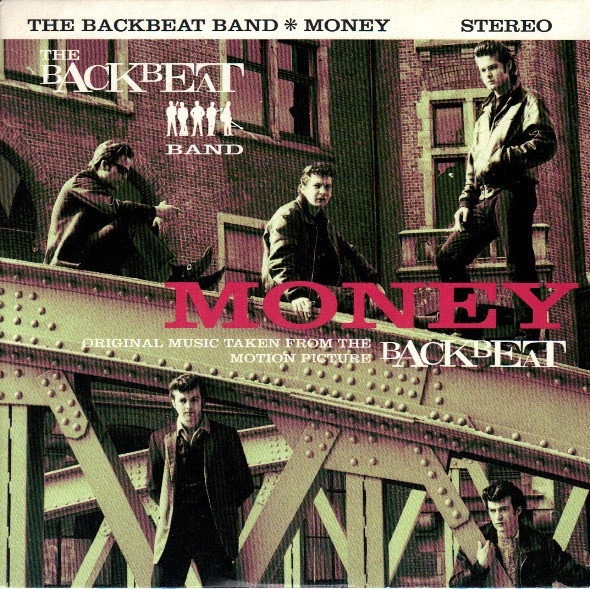
The Backbeat Band
A project Thurston Moore was part of.

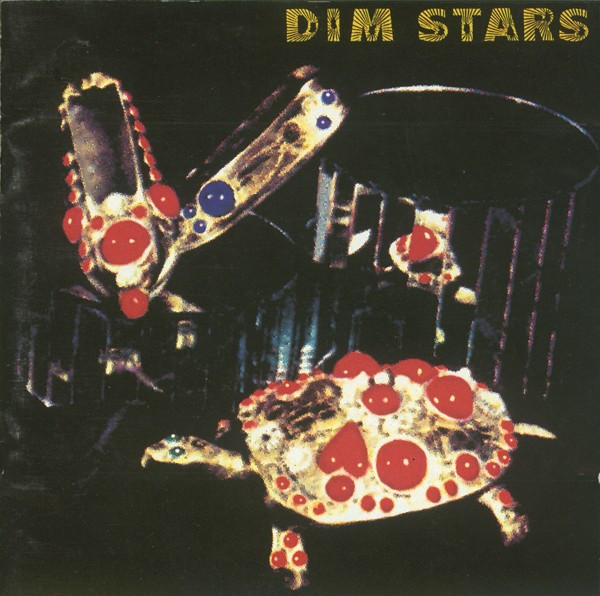
Dim Stars
A project Thurston Moore was part of.
Chelsea Light Moving
A project Thurston Moore was part of.
Related artists
Frequent collaborators
Around the web
Follow every record they touch.
Start your shelf and Gatefold tracks Thurston Moore's new pressings, tour dates, and the whole discography — automatically.
Start your shelf →Free forever. Works with 10 records or 10,000.