
Artist
Stephen Stills
Dallas, United States · b. 1945
Stephen Stills is a musician from Dallas, United States, active since 1945. Their discography on Gatefold includes 19 records. They also recorded with Crosby, Stills, Nash & Young, Crosby, Stills & Nash, The Stills–Young Band, Buffalo Springfield, Manassas and The Rides.

51
Albums tracked
1,000
In collections
1945
Since
Biography
Stills walked into Gold Star Studios in 1968, handed a tech a hundred bucks to keep the tape rolling, and cut a solo demo session that basically mapped out the next decade of West Coast rock. He wasn't some folkie dreamer; he was a tactical multi-instrumentalist who could out-hustle anyone in the room. He played nearly every instrument on his 1970 solo debut, including the bass parts that most people assume were session guys. He had a monstrous ego, sure, but the guy had the chops to back it up, pulling Hendrix and Eric Clapton onto the same record while the rest of his peers were still struggling to tune their acoustics. By the late seventies, the cocaine and the stadium bloat started to rot the edges. Thoroughfare Gap is a hard listen if you’re looking for the Buffalo Springfield fire, trading his grit for disco-slick production and misguided crossover attempts. He spent years fighting his own virtuosity, burying that percussive acoustic thumb-slap style under layers of dated eighties gloss. He eventually found his way back to the wood and wire, but for a while there, it looked like the gear and the lifestyle had finally won.
Bio from The Clerk
The Arc of Stephen Stills
The pivots — what forced Stephen Stills to reinvent.
The Buffalo Springfield Exit
After the messy collapse of Buffalo Springfield, Stills became the ultimate free agent, leading to the Super Session record with Al Kooper and Mike Bloomfield. He was playing with a frantic, Latin-influenced urgency that caught the ear of Atlantic Records. This period was defined by his technical dominance, filling the void left by his former band with a aggressive, percussive guitar style that bridged the gap between folk and heavy blues.
The Captain Manyhands Era
When he went solo in 1970, Stills was determined to prove he didn't need a band, earning the nickname Captain Manyhands for overdubbing drums, bass, and keys himself. He recorded at Island Studios in London and Wally Heider’s in SF, creating a dense, muscular sound that felt heavier than anything his CSN bandmates were doing. You hear it in the frantic Hammond B3 organ work and the distorted, stinging guitar solos that pushed him closer to the blues-rock camp than the Laurel Canyon scene.
The Manassas Pivot
Burned out on the acoustic harmonies of his day job, Stills recruited Chris Hillman and a pack of session heavyweights to form Manassas in 1972. They tracked at Criteria Studios in Miami, leaning into a sprawling mix of bluegrass, salsa, and rock that felt like a cohesive band unit rather than a solo vanity project. This era is the peak of his arranging skills, using a double-album format to pivot away from pop stardom toward a gritty, working-musician ethos.
The Thoroughfare Slump
The late seventies saw Stills drifting into the disco-saturated sound of the era, culminating in the slick, overproduced Thoroughfare Gap. The organic grit of his early seventies work was replaced by synthesizers and four-on-the-floor beats that didn't suit his voice or his playing style. It was a period of creative confusion where the songwriting felt secondary to keeping up with the prevailing radio trends of the Hollywood hills.
Influences
- Fred Neil — Stills cut his teeth in the Greenwich Village scene and frequently cited Neil as the reason he picked up the 12-string guitar. You can hear Neil’s deep, resonant vocal phrasing and rhythmic drone all over Stills’ early acoustic demos. It’s the foundational DNA of that percussive 'Bluebird' guitar style.
- Otis Redding — Stills was obsessed with Stax soul and famously tried to emulate Redding's vocal grit and horn-section arrangements on his solo records. He covered 'Ole Man Trouble' and recruited the Memphis Horns to get that specific punchy, R&B snap. It’s why his rock songs always have more swing than his folk-rock contemporaries.
- Robert Johnson — The Delta blues influence is documented in Stills' use of open tunings and his aggressive fingerpicking technique. He specifically referenced Johnson's rhythmic independence—playing the bass line and the lead simultaneously—as his primary goal on tracks like 'Word Game.' It’s the source of that 'one-man-band' intensity.
- The Beatles — Stills witnessed the Beatles' impact firsthand in the mid-sixties and pushed Buffalo Springfield to match their studio experimentation. The influence shows up in his obsessive attention to vocal harmony stacks and his move toward becoming a multi-instrumentalist in the studio. He wanted that Rubber Soul level of control over every frequency.
- Bolo Sete — Stills spent time in Costa Rica as a kid and later became obsessed with the Brazilian guitarist Bolo Sete’s Latin jazz style. You hear this in the syncopated, nylon-string flourishes on 'Suite: Judy Blue Eyes' and the Latin percussion grooves of Manassas. He was one of the few rock guys actually incorporating bossa nova rhythms correctly.
Stephen Stills — solo
Their records — most-collected first.
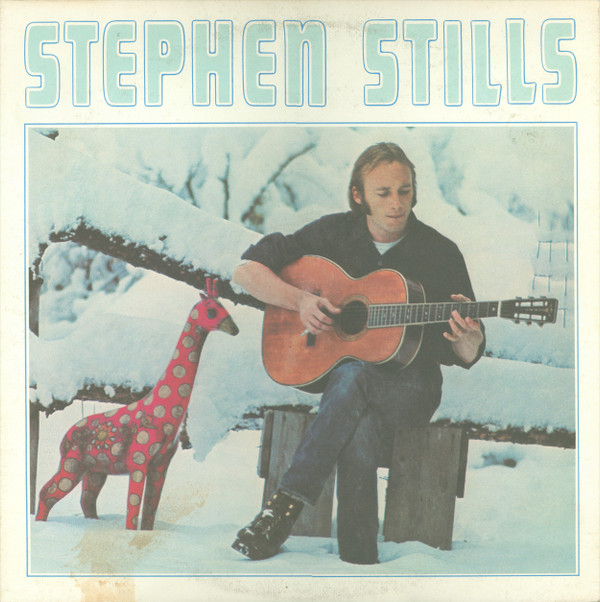
Stephen Stills
1970
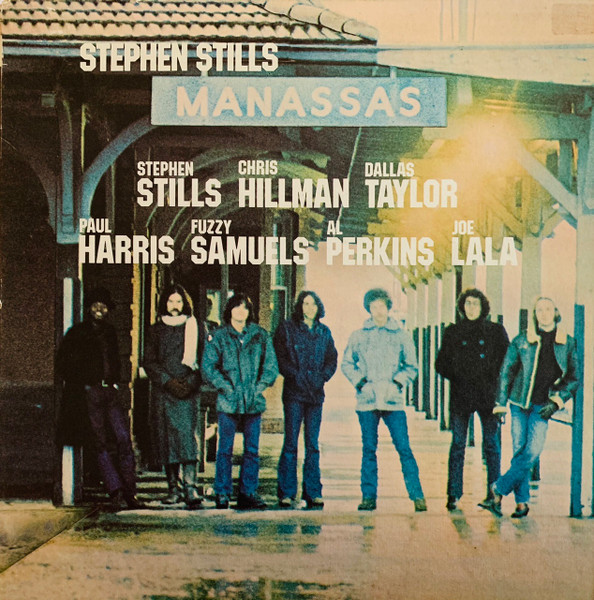
Manassas
1972
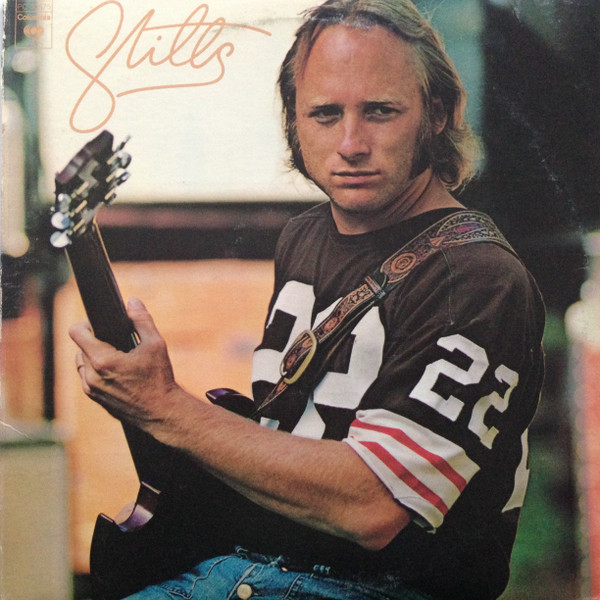
Stills
1975
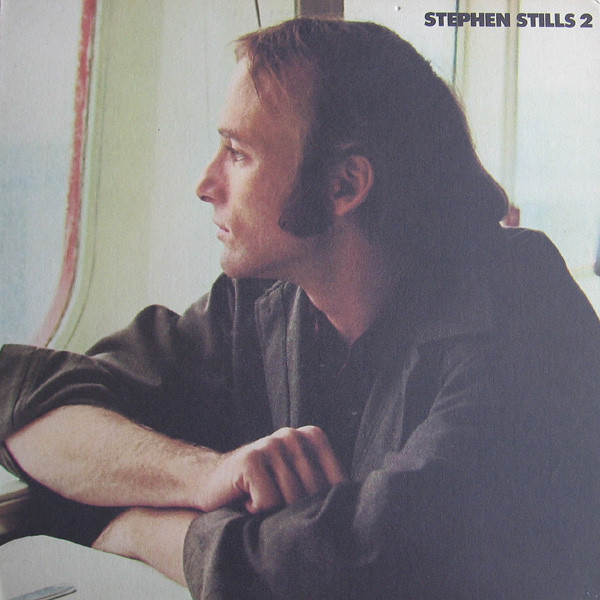
Stephen Stills 2
1971
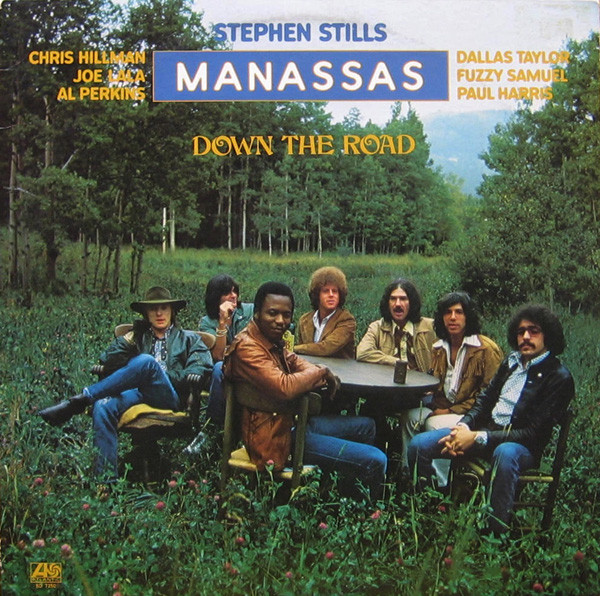
Down The Road
1973

Thoroughfare Gap
1978

Illegal Stills
1976

Right By You
1984
Still Stills: The Best Of Stephen Stills
1976
2 Originals Of Stephen Stills
1973

Love The One You're With
1970
Live At Berkeley 1971
2023
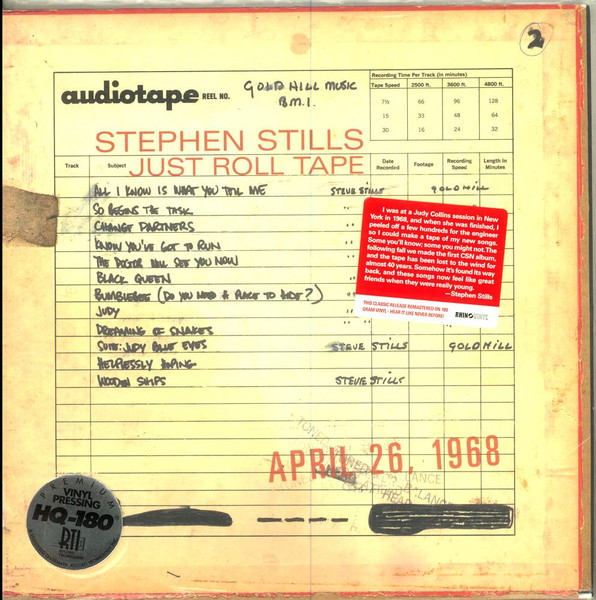
Just Roll Tape April 26 1968
2008

It Doesn't Matter / Rock & Roll Crazies Medley
1972
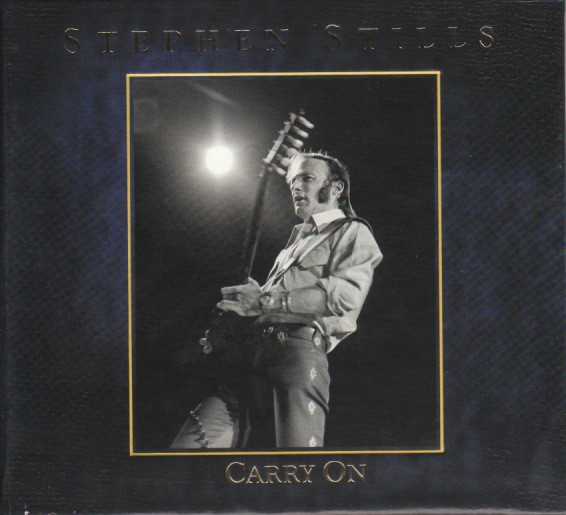
Carry On
2013

Live At Shepherd's Bush
2009
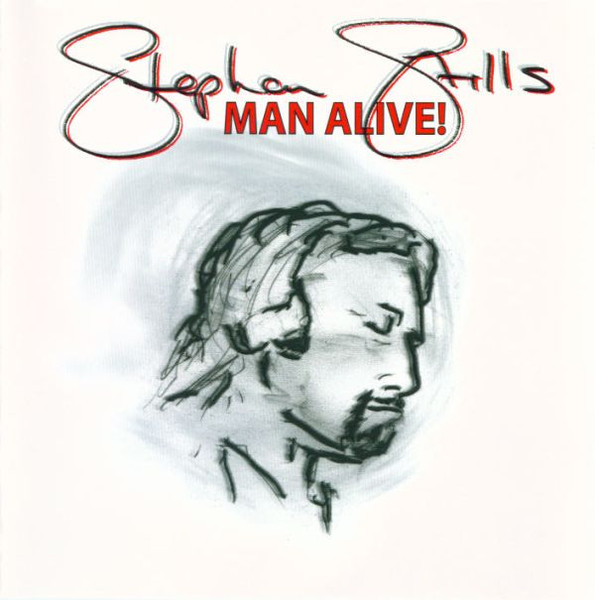
Man Alive!
2005
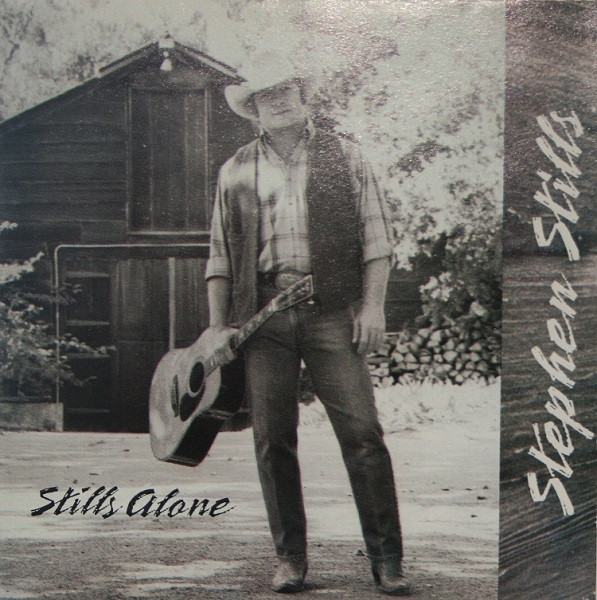
Stills Alone
1991

Stills / Illegal Stills / Thoroughfare Gap
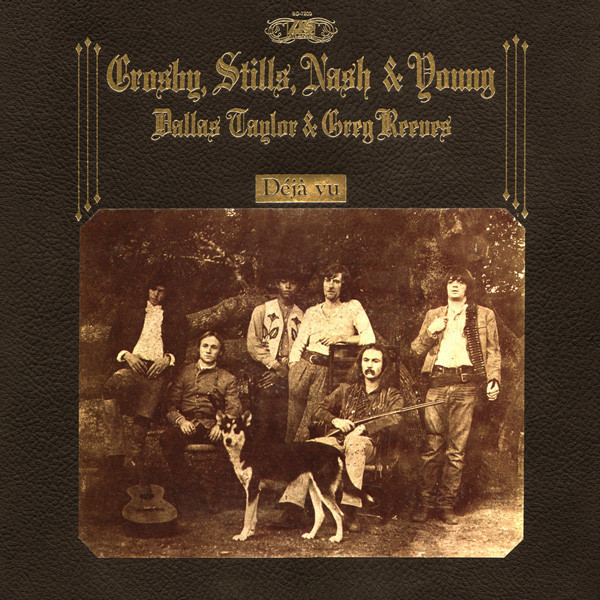
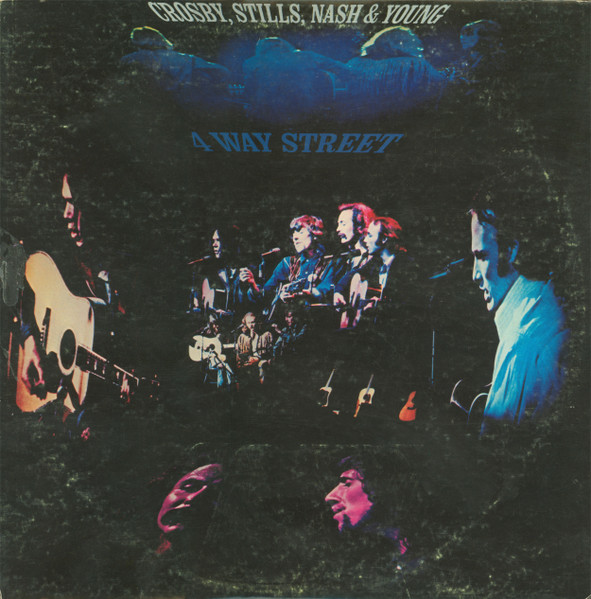
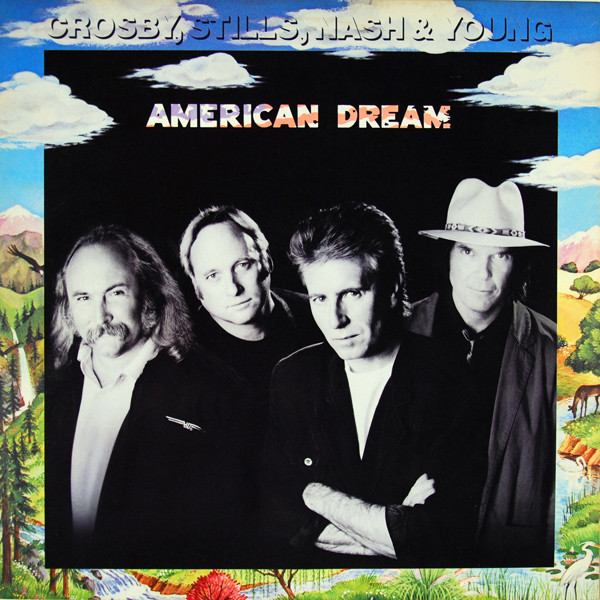
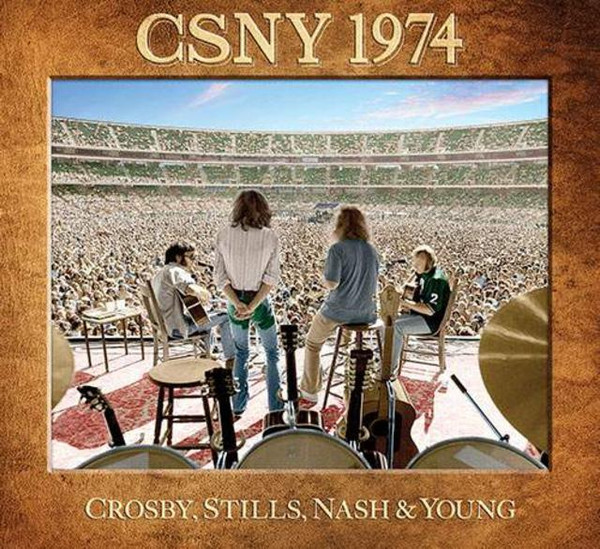
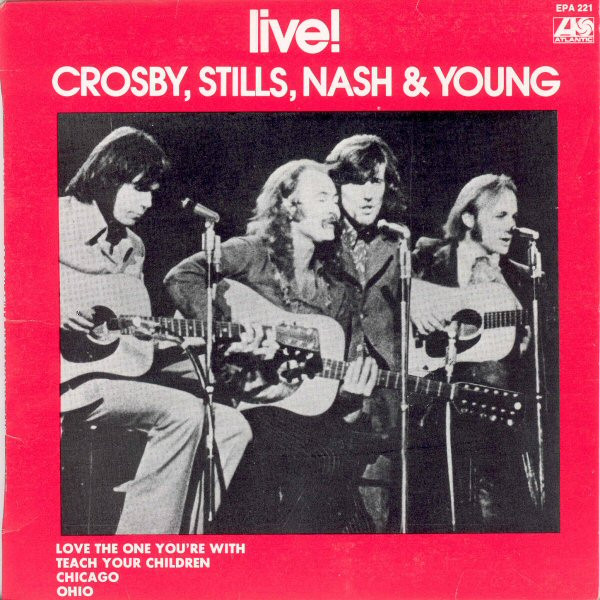
Crosby, Stills, Nash & Young
Stephen Stills under another name — MusicBrainz marks this project eponymous.




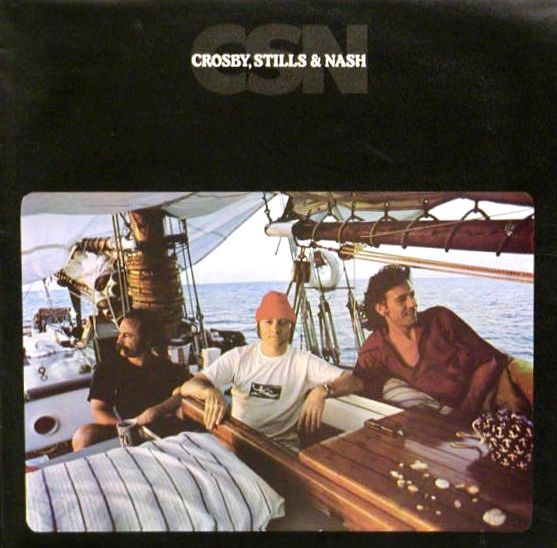
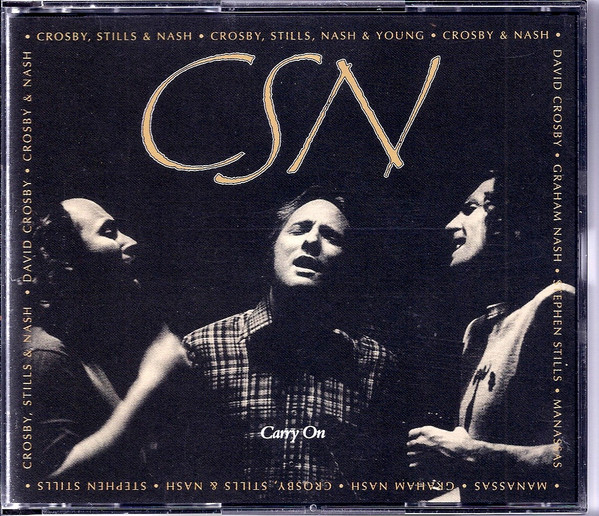
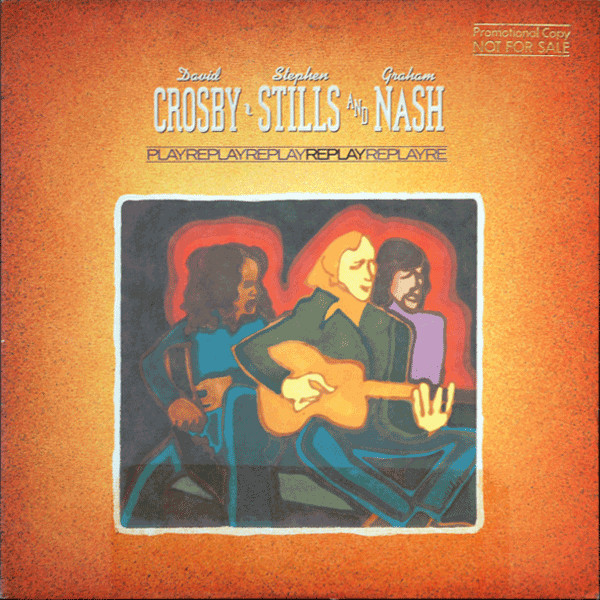
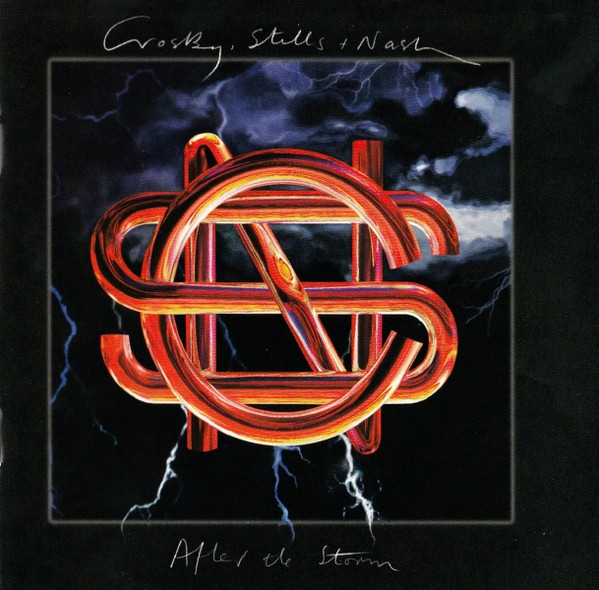
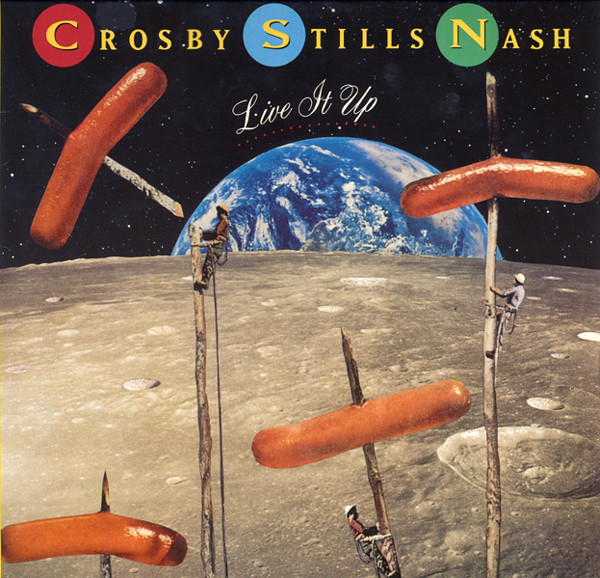
Crosby, Stills & Nash
Stephen Stills under another name — MusicBrainz marks this project eponymous.




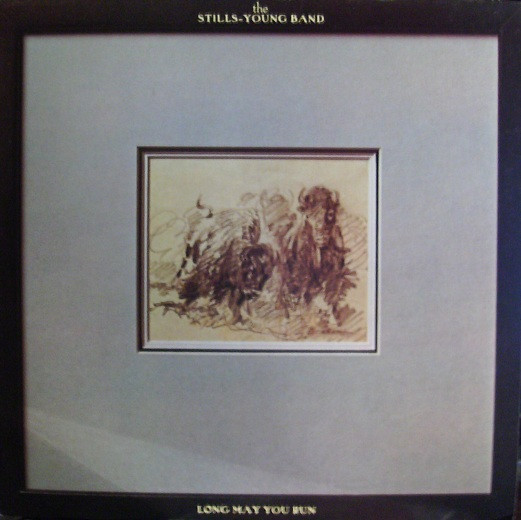
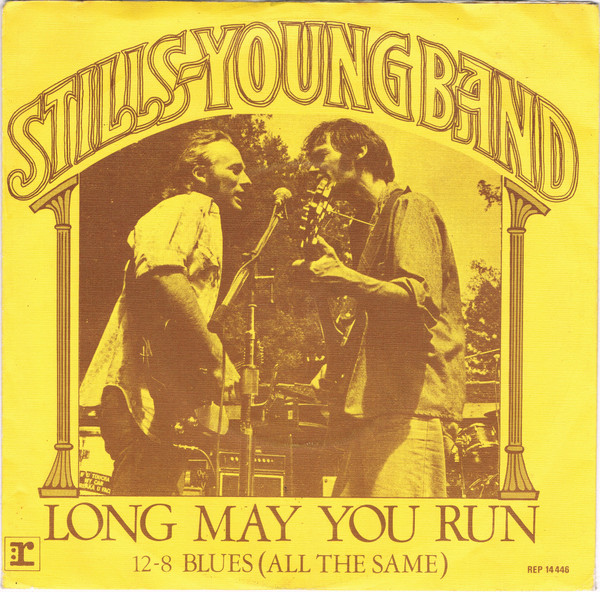
The Stills–Young Band
Stephen Stills under another name — MusicBrainz marks this project eponymous.
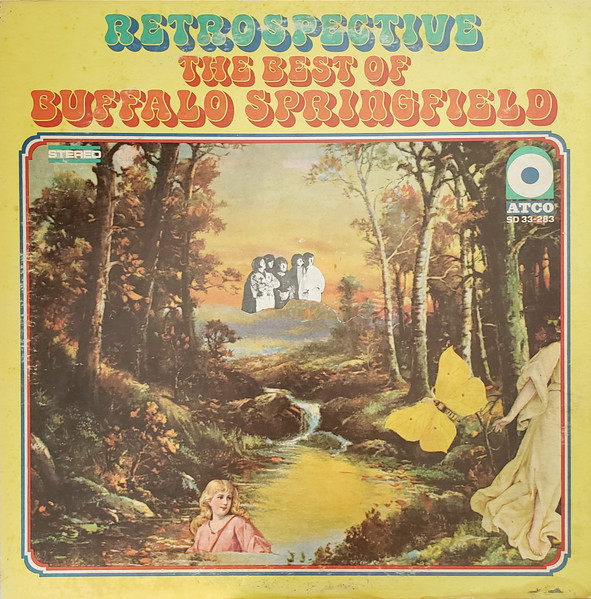
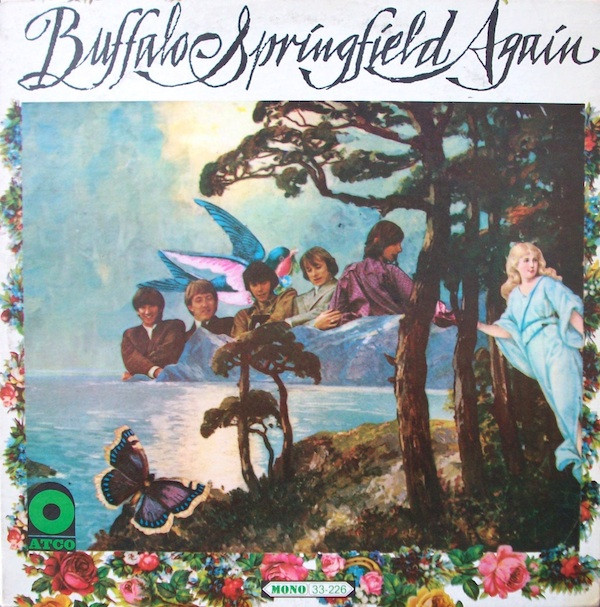
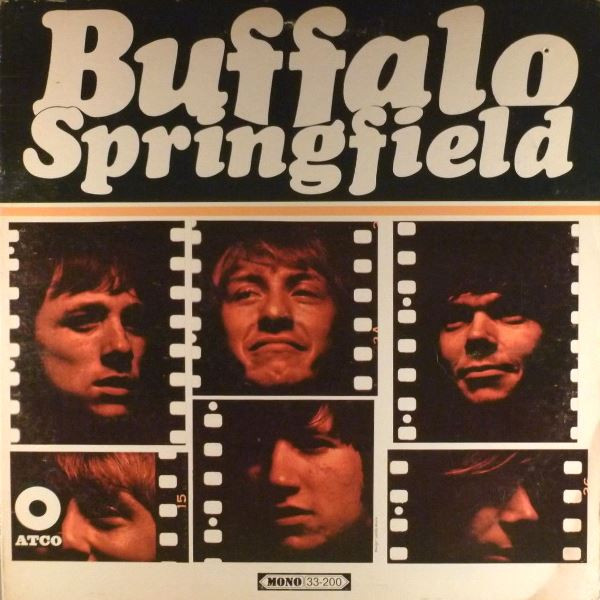
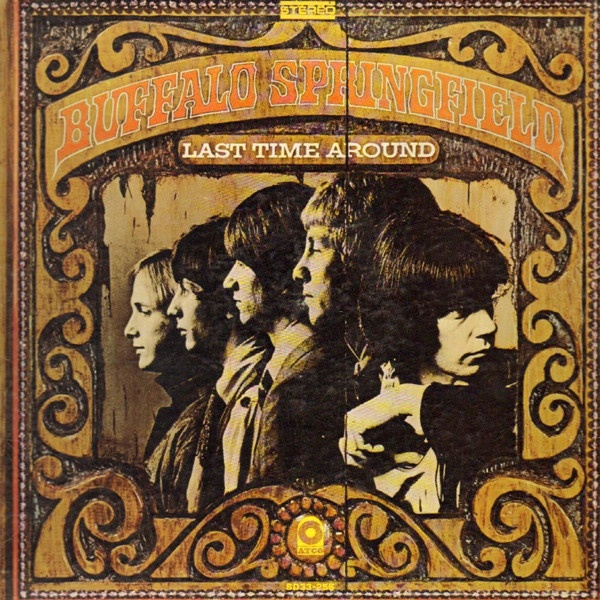
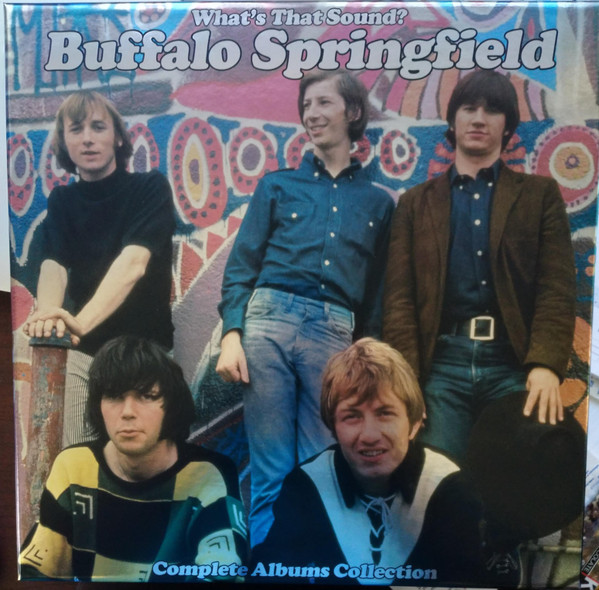
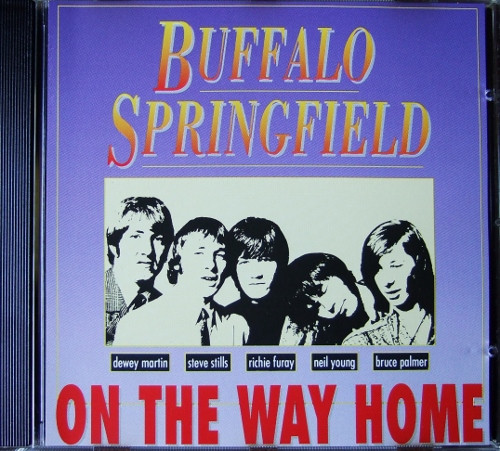
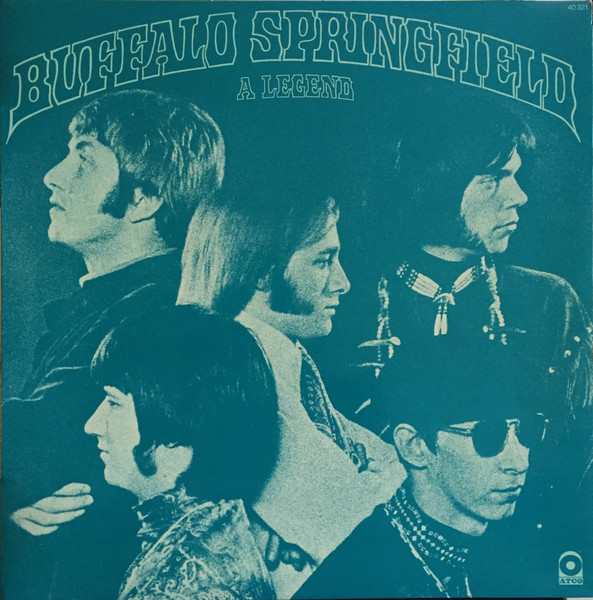
Buffalo Springfield
A project Stephen Stills was part of.
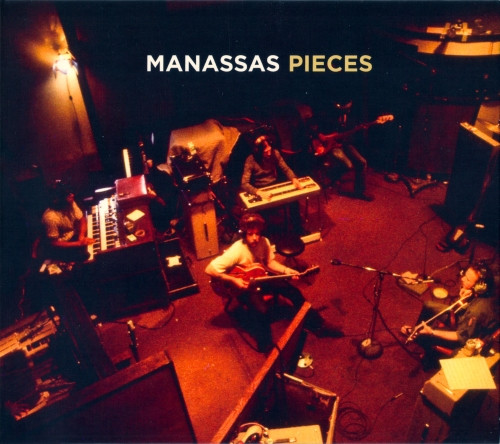
Manassas
A project Stephen Stills was part of.
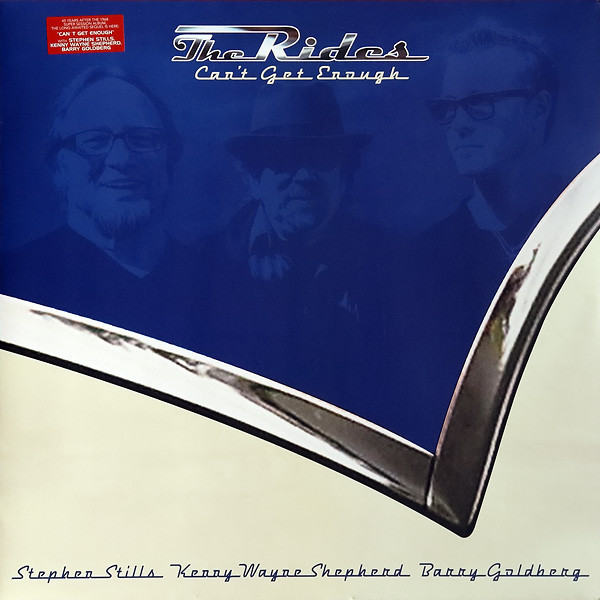
The Rides
A project Stephen Stills was part of.

Related artists
Frequent collaborators
Around the web
Follow every record they touch.
Start your shelf and Gatefold tracks Stephen Stills's new pressings, tour dates, and the whole discography — automatically.
Start your shelf →Free forever. Works with 10 records or 10,000.