
Artist
Joni Mitchell
Fort Macleod, Canada · b. 1943
Joni Mitchell is a musician from Fort Macleod, Canada, active since 1943. Their discography on Gatefold includes 24 records.

48
Albums tracked
779
In collections
1943
Since
Biography
Polio crippled her left hand at age nine. Standard guitar barre chords were out of the question, so she twisted the tuning pegs until the open strings made full chords. Over fifty custom alternate tunings came out of that physical workaround. By the time Henry Lewy pushed the faders up at A&M Studios for *Blue* in '71, she wasn't playing folk guitar anymore. She was playing an entirely different instrument, dampening the low end with her palm while snapping the treble like an autoharp. She broke the Laurel Canyon singer-songwriter mold the second it threatened to turn into a museum piece. The suits at Asylum wanted another "Big Yellow Taxi" — instead she dragged Jaco Pastorius and Wayne Shorter into the tracking room and dared rock critics to keep up with jazz modal changes and field recordings of Burundi drummers. The eighties got messy when Thomas Dolby showed up with Fairlight synths on *Dog Eat Dog*, but she stripped the gloss back off by the time *Turbulent Indigo* won two Grammys in '94. Unflinching, impossible to pigeonhole, and never once played the industry game on anyone else's terms.
Bio from The Clerk
The Arc of Joni Mitchell
The pivots — what forced Joni Mitchell to reinvent.
The Laurel Canyon Confessionals
David Crosby produced her debut stripped to bare wood, but *Blue* in 1971 rewrote what acoustic songwriting could hold. Working with engineer Henry Lewy at A&M, she ditched traditional structure for open-tuned dulcimers and raw, bone-dry vocal takes. Stephen Stills and James Taylor dropped in for sparse backing, yet the record felt utterly solitary. It defined seventies folk-rock, and she immediately hated the box it put her in.
The Jazz Fusion Highway
She hired Tom Scott's L.A. Express for *Court and Spark* to fatten up the bottom end, then went fully into uncharted territory on *The Hissing of Summer Lawns* and *Hejira*. Enter Jaco Pastorius and his fretless Fender Jazz bass, sliding through her unorthodox chord voicings with zero traditional anchor. Critics called *Hissing* pretentious garbage while Charles Mingus heard it, loved it, and summoned her to collaborate on his final compositions. That run through 1979's *Mingus* alienated the pop market and created some of the most daring crossover records ever cut.
The Geffen Fairlight Decade
Signing to Geffen in 1982 sparked an identity crisis chased by eighties studio tech. She brought in co-producer Larry Klein and leaned into digital synthesizers, LinnDrums, and Thomas Dolby's Fairlight programming for 1985's *Dog Eat Dog*. It was brittle, politically aggressive, and buried her acoustic nuance beneath gated reverb and synth brass. Guest spots from Billy Idol and Tom Petty on *Chalk Mark in a Rain Storm* kept her on MTV, but the production choices dated almost immediately.
The Late-Career Orchestral Return
She pulled the plug on digital gloss for 1991's *Night Ride Home*, letting her deeper, smoke-cured alto lead the arrangements. Pairing with Wayne Shorter again on *Turbulent Indigo* in 1994 brought back the dark harmonic ambiguity of her late-seventies peak. By 2000, she hired arranger Vince Mendoza and a 70-piece orchestra for *Both Sides Now*, torching the old singer-songwriter image for good and reinterpreting her past through lush, sweeping standard jazz charts.
Influences
- Miles Davis — She constantly credited his modal phase — specifically *In a Silent Way* — with showing her how to abandon conventional song verse-chorus resolution. You hear his pacing and use of negative space across every bar of *Hejira*. Miles showed her that silence inside an arrangement hits just as hard as a chord change.
- Lambert, Hendricks & Ross — She memorized Annie Ross's vocalese solo on 'Twisted' as a teenager and later recorded her own version on *Court and Spark*. That high-speed, acrobatic vocal phrasing is the direct blueprint for how she crammed rapid-fire lyrics into narrow rhythmic pockets on tracks like 'Free Man in Paris'.
- Bob Dylan — Hearing 'Positively 4th Street' on a car radio in 1965 made her realize lyrics didn't have to follow traditional Tin Pan Alley romance tropes. That venom and narrative density showed up immediately in her late-sixties writing. It gave her permission to write lyrics that were complicated, direct, and occasionally mean as hell.
- Billie Holiday — She spent her youth studying Holiday's behind-the-beat phrasing and vocal vulnerability. That torch-singer intimacy carried directly into the mic placement on *Blue* and culminated on her 2000 orchestral tribute album *Both Sides Now*.
- Pete Seeger — Before she ever touched open guitar tunings, she learned basic clawhammer technique directly from Seeger's instructional folk records. That percussive right-hand rhythm never left her playing, even when she migrated over to the Appalachian dulcimer. It gave her acoustic guitar a drum-like drive that carried entire arrangements without a rhythm section.
Discography
Their records — most-collected first.
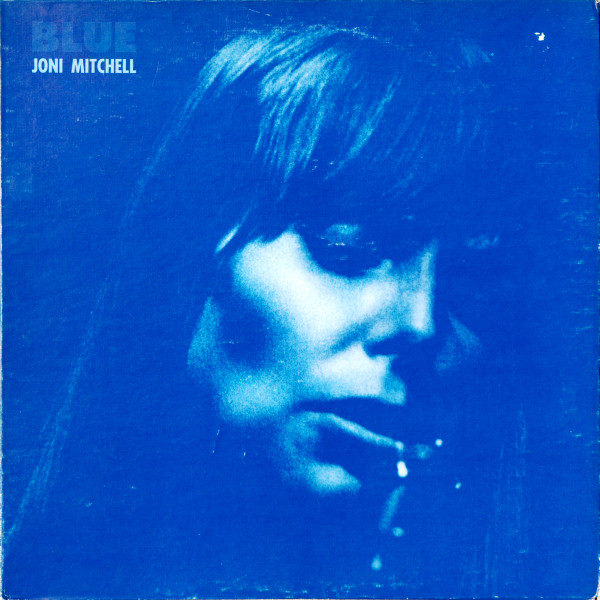
Blue
1971
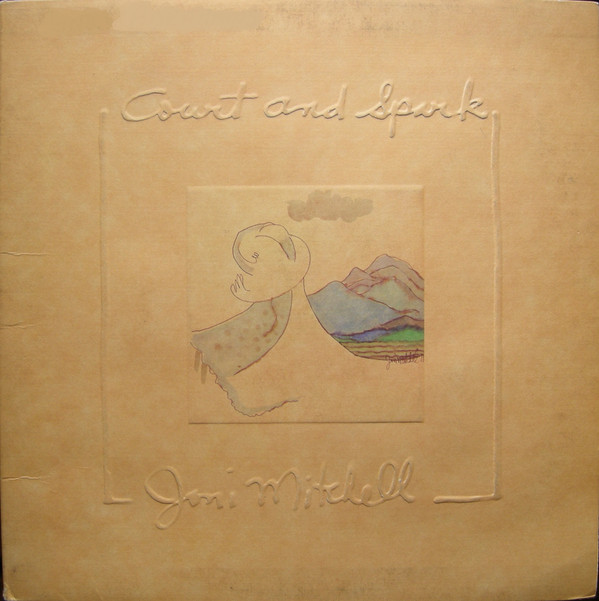
Court And Spark
1974
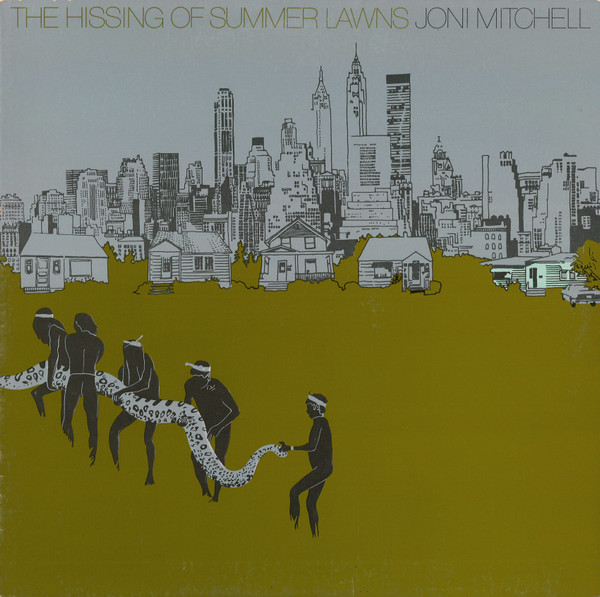
The Hissing Of Summer Lawns
1975
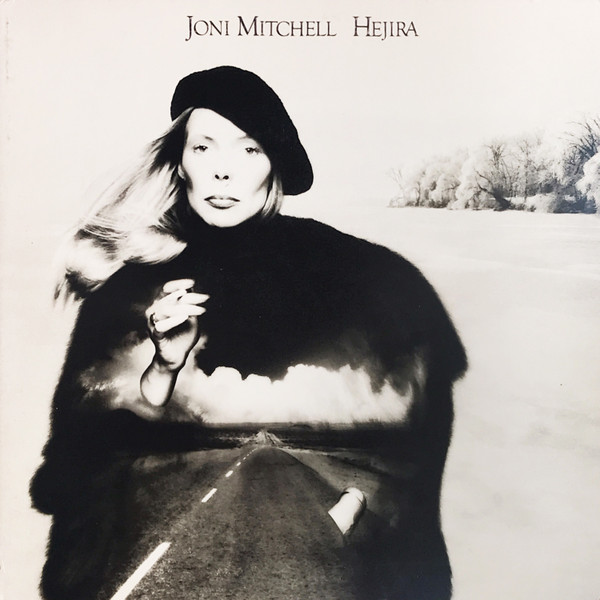
Hejira
1976
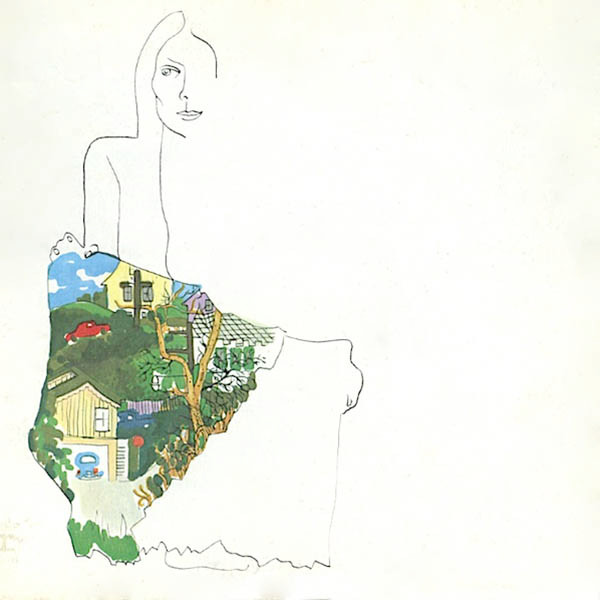
Ladies Of The Canyon
1970
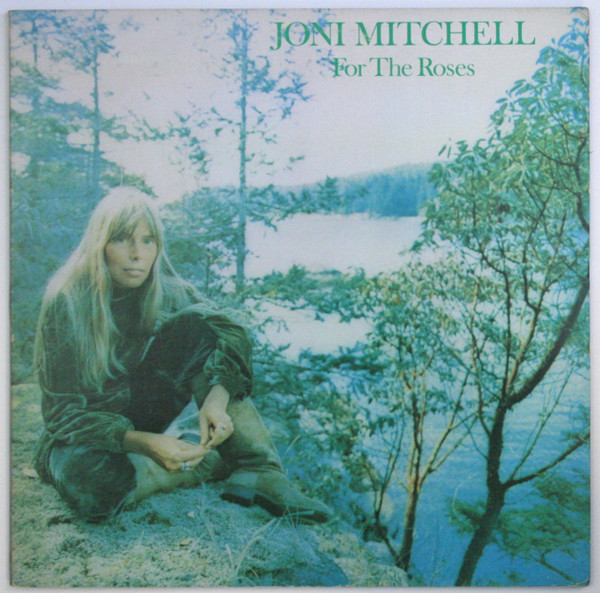
For The Roses
1972
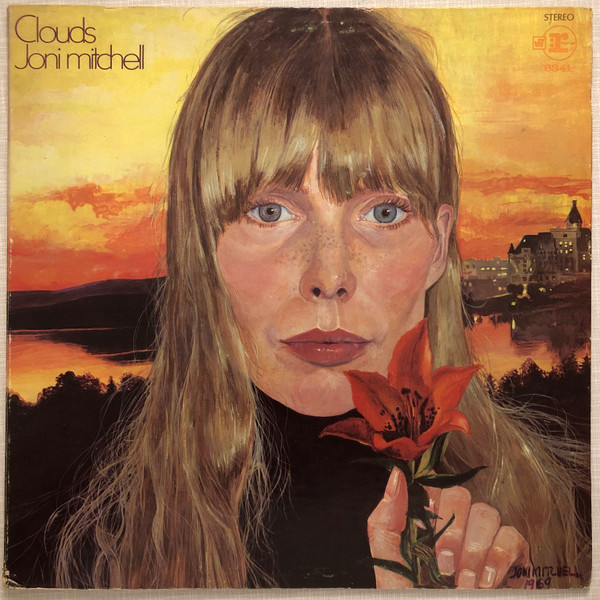
Clouds
1969
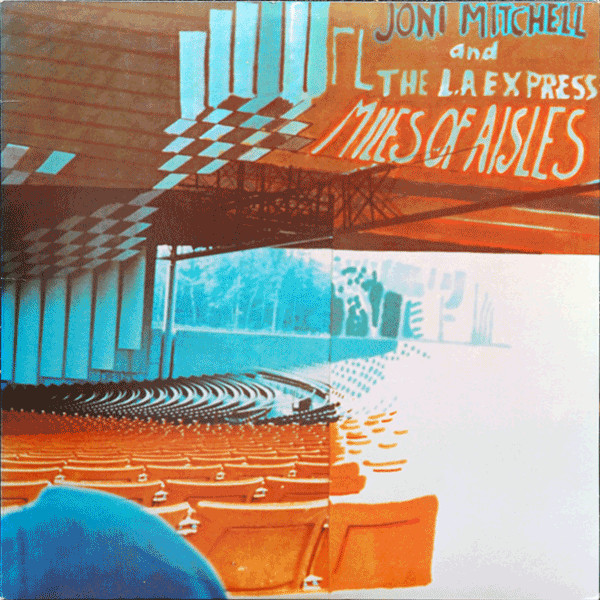
Miles Of Aisles
1974

Mingus
1979
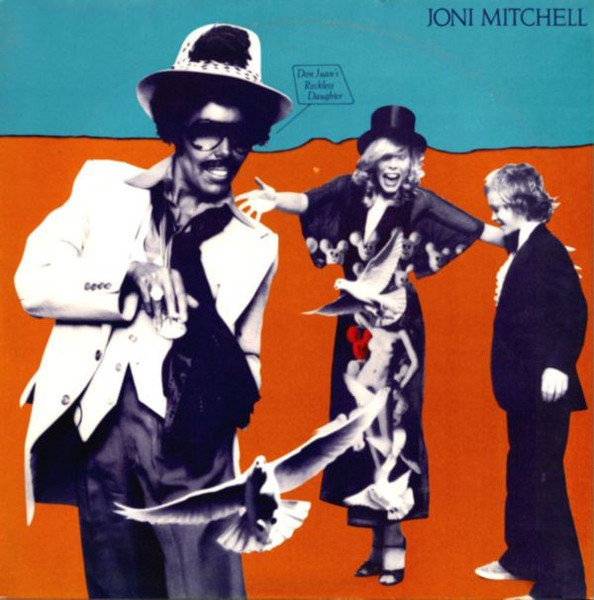
Don Juan's Reckless Daughter
1977
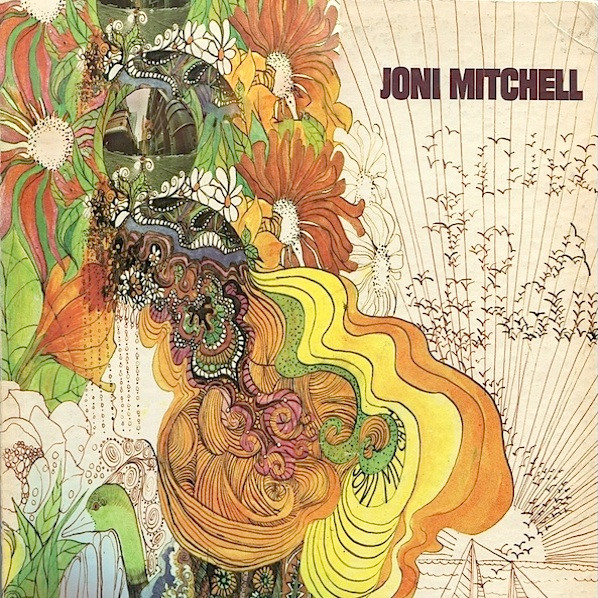
Song To A Seagull
1968
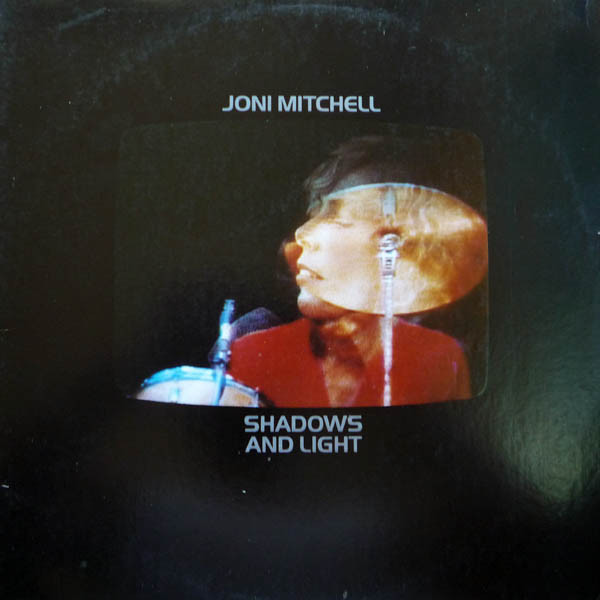
Shadows And Light
1980

Wild Things Run Fast
1982
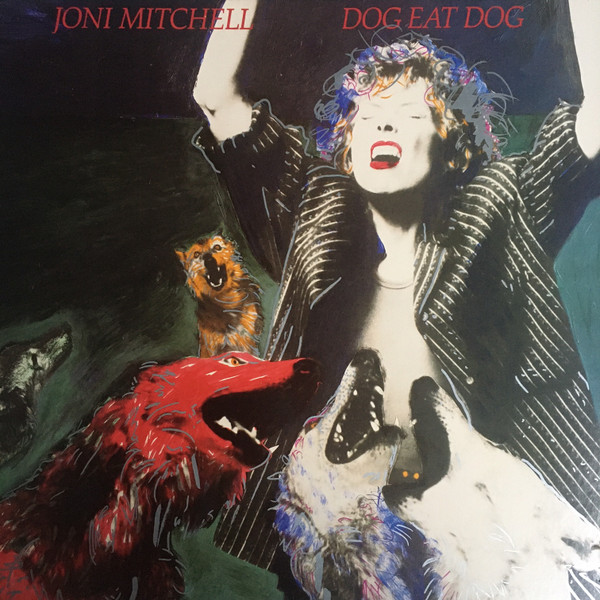
Dog Eat Dog
1985
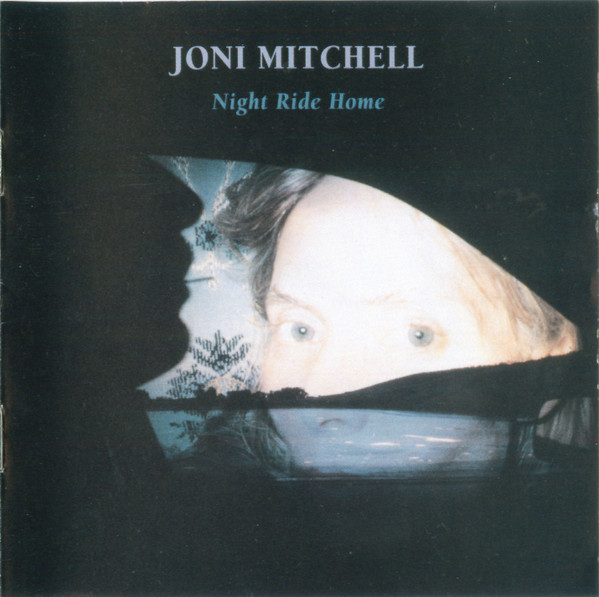
Night Ride Home
1991

The Reprise Albums (1968-1971)
2021

Chalk Mark In A Rain Storm
1988
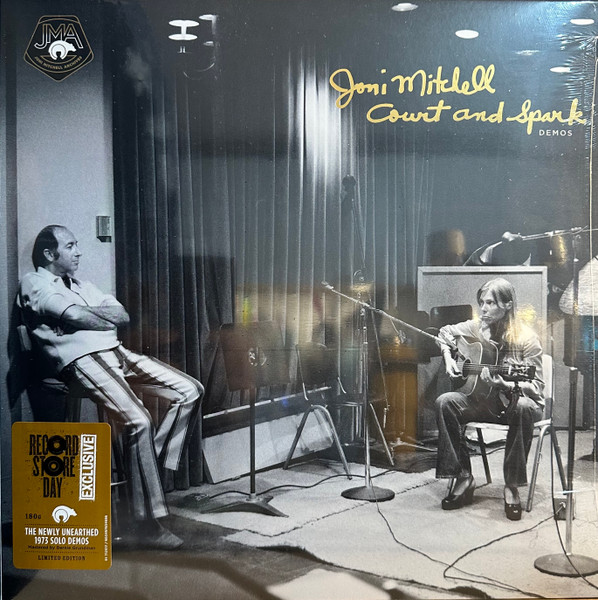
Court And Spark Demos
2023
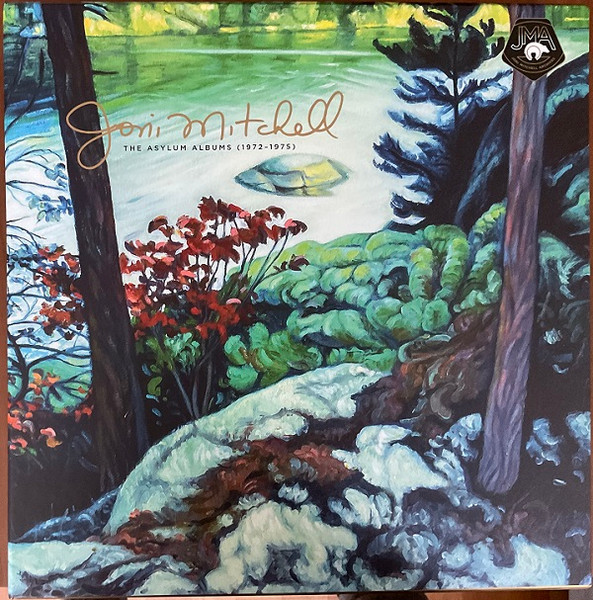
The Asylum Albums (1972-1975)
2022
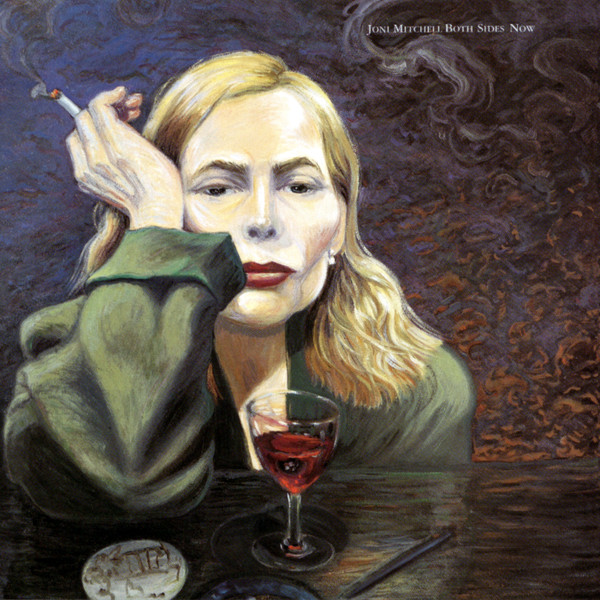
Both Sides Now
2000
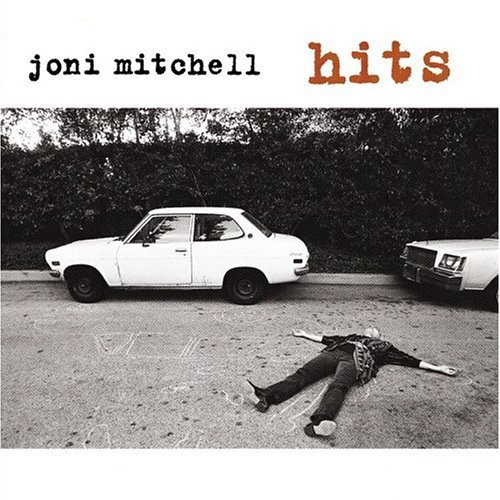
Hits
1996

Turbulent Indigo
1994
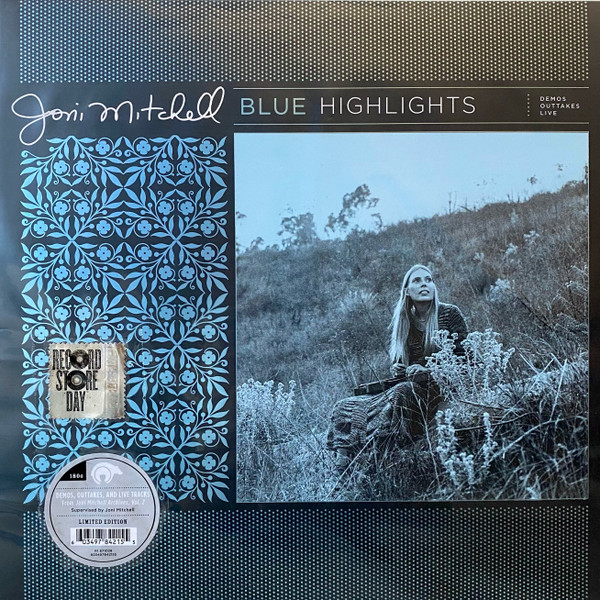
Blue Highlights
2022

Early Joni – 1963
2020
Related artists
Around the web
Follow every record they touch.
Start your shelf and Gatefold tracks Joni Mitchell's new pressings, tour dates, and the whole discography — automatically.
Start your shelf →Free forever. Works with 10 records or 10,000.