
Artist
Buffalo Springfield
Los Angeles, United States · 1966 – 1968
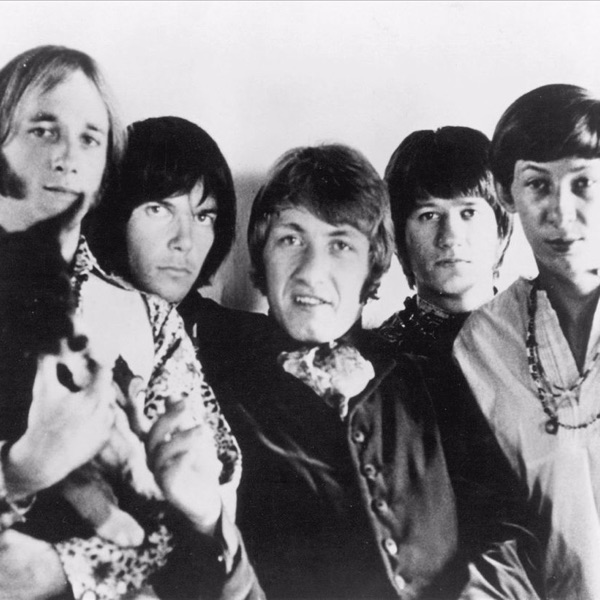
Buffalo Springfield is a music group from Los Angeles, United States, active 1966–1968. Their discography on Gatefold includes 14 records.
14
Albums tracked
159
In collections
1966
Since
Biography
They cut their debut at Gold Star on a 4-track board, and their managers Charles Greene and Brian Stone had no business running a control room. They completely buried the low end and flattened the guitar interplay that was blowing the roof off the Whisky a Go Go every night. The whole band spent roughly two years trying to claw back control from incompetent management, police busts, and their own volatile egos. It was a miracle they lasted twenty-five months. Two alpha songwriters in Stephen Stills and Neil Young who couldn't stand being in the same room, balanced only by Richie Furay's clean tenor and Bruce Palmer's relentless bass grooves. When Palmer caught a marijuana bust and got deported back to Canada, the wheels completely came off. Young walked out, walked back in, and used the studio like a sonic laboratory with Jack Nitzsche while Stills tried to play every instrument on his own tracks out of spite. They broke up before most of America even realized they existed, leaving behind three albums that laid out the entire blueprint for country-rock and Laurel Canyon folk.
Bio from The Clerk
The Arc of Buffalo Springfield
The pivots — what forced Buffalo Springfield to reinvent.
The Sunset Strip Crucible
Greene and Stone rushed the five-piece into Gold Star Studios in mid-1966 to capitalize on their residency at the Whisky. The self-titled debut was recorded too fast with an abysmal mix, missing the live thunder of the Young-Stills dual lead guitars. When Atlantic dropped Stills' protest single 'For What It's Worth' after the Pandora's Box riots, the label recalled the LP, slapped the hit on side one, and put the band on the national map. You hear a band caught between breezy folk-pop polish and raw, serrated garage rock.
The Fractured Masterpiece
Bruce Palmer's deportation in early 1967 derailed the rhythm section, forcing the group into a revolving door of fill-in bassists and studio isolation. Neil Young quit right before Monterey Pop—leaving David Crosby to sit in on guitar—then returned to record 'Expecting to Fly' with arranger Jack Nitzsche, completely freezing out his bandmates. Stephen Stills holed up at Sunset Sound laying down multi-tracked masterpieces like 'Bluebird' with engineer Jim Messina. Against all odds, 'Buffalo Springfield Again' became their defining statement precisely because each songwriter was furiously trying to outdo the other in separate sessions.
Posthumous Assembly
By early 1968, drug arrests and irreconcilable squabbling killed the band after a final show at the Long Beach Arena. Messina was left alone with engineer Wally Heider's session tapes to piece together a contractual obligation record from scrap takes and solo tracks. 'Last Time Around' barely features all five members playing simultaneously on a single track, but it accidentally birthed country-rock via Furay's 'Kind Woman.' The wreckage instantly splintered into Crosby, Stills & Nash, Neil Young's solo run, and Poco.
Influences
- The Byrds — Stephen Stills and Richie Furay explicitly cited 'Mr. Tambourine Man' and Gene Clark's songwriting as the push to fuse folk melodies with electric 12-string bite. You hear it across 'Go and Say Goodbye' and the ringing Rickenbacker chime on their 1966 debut. The Byrds literally paved the Sunset Strip scene that Springfield took over within weeks.
- Bob Dylan — Neil Young grew obsessed with Dylan during his early Toronto coffeehouse days, even learning 'Blowin' in the Wind' and 'Lay Down Your Weary Tune' note-for-note. That nasal, unapologetic vocal delivery and cryptic lyricism bleed straight through 'Nowadays Clancy Can't Even Sing.' Without Dylan breaking the mold of who was allowed to sing on record, Young never makes it to the mic.
- The Shadows — Young spent his formative Canadian years in The Squires aping Hank Marvin's vibrato-drenched, instrumental surf-rock guitar tone. That stark, twangy tremolo became Young's signature lead style, dominating the atmospheric riff on 'For What It's Worth.' It provided the dark, piercing contrast to Stills' fluid, Latin-influenced acoustic picking.
- The Beatles — The band openly studied 'Rubber Soul' in 1965 as the absolute standard for album sequencing, vocal harmony stacks, and studio experimentation. You can track that direct influence into the multi-part vocal arrangements of 'Rock & Roll Woman' and the tape loops on 'Broken Arrow.' It pushed them from a standard club outfit into reckless studio adventurers.
- Otis Redding — Stills was a dedicated R&B and soul fanatic who constantly chased Redding's raw, percussive vocal delivery and syncopated rhythm section grooves. That Stax energy is the engine behind Stills' guitar attack on 'Mr. Soul' and Dewey Martin's driving backbeat on 'Baby Don't Scold Me.' It kept Springfield from ever sounding like polite folkies.
Discography
Their records — most-collected first.
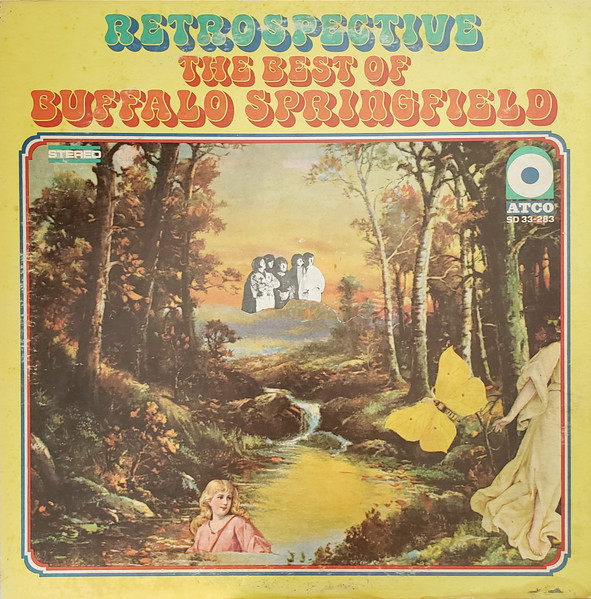
Retrospective - The Best Of Buffalo Springfield
1969
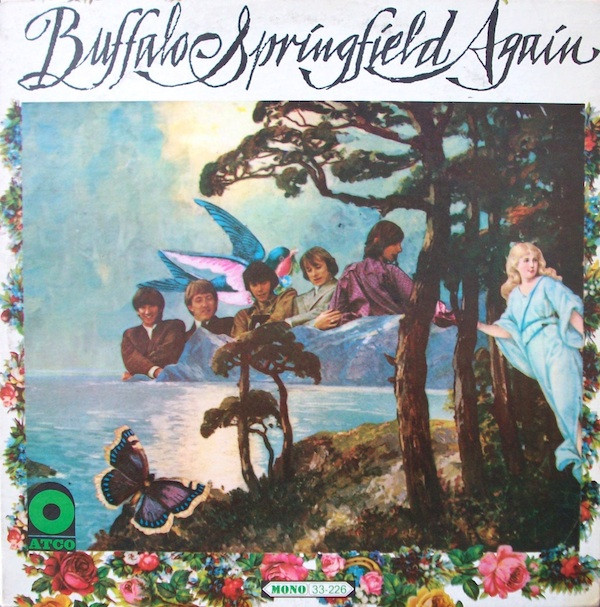
Buffalo Springfield Again
1967
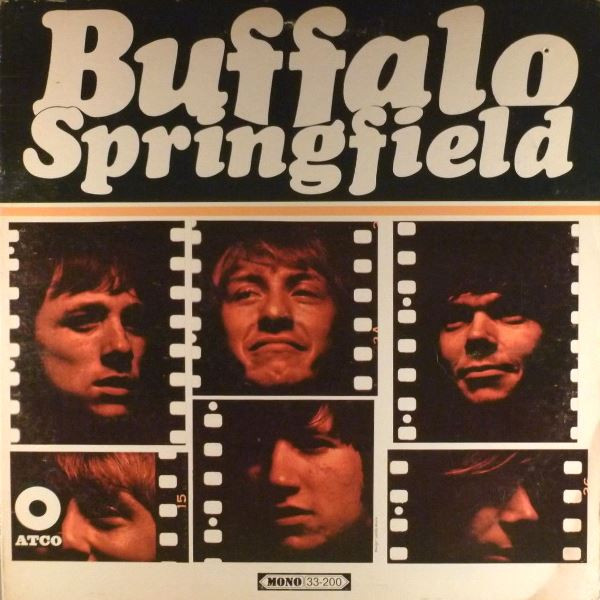
Buffalo Springfield
1966
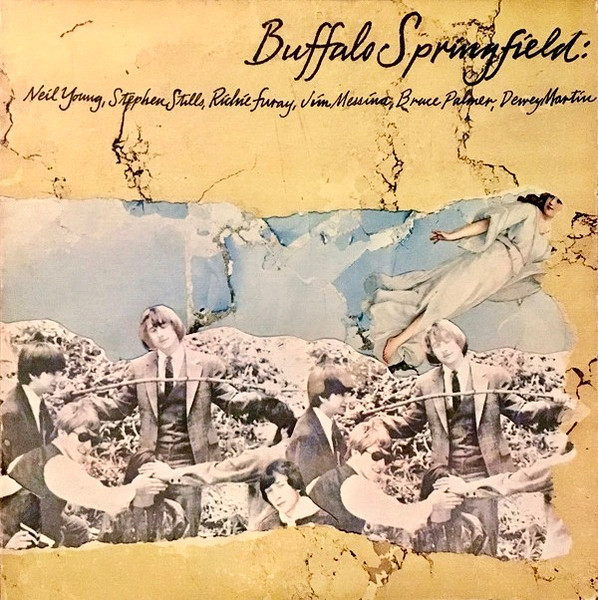
Buffalo Springfield
1973
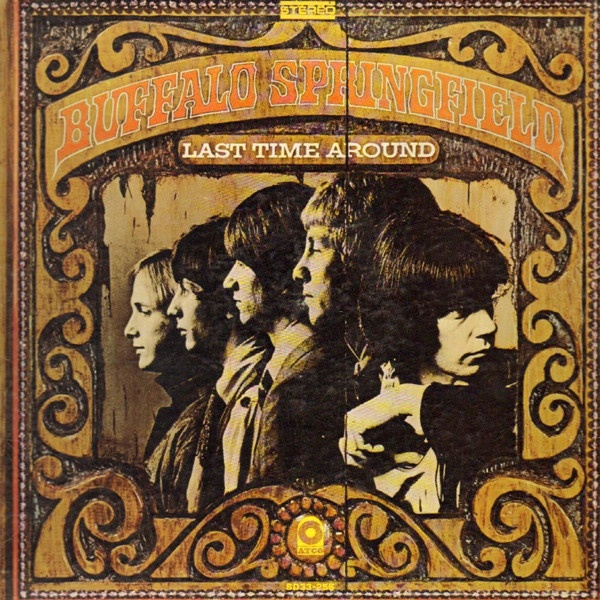
Last Time Around
1968
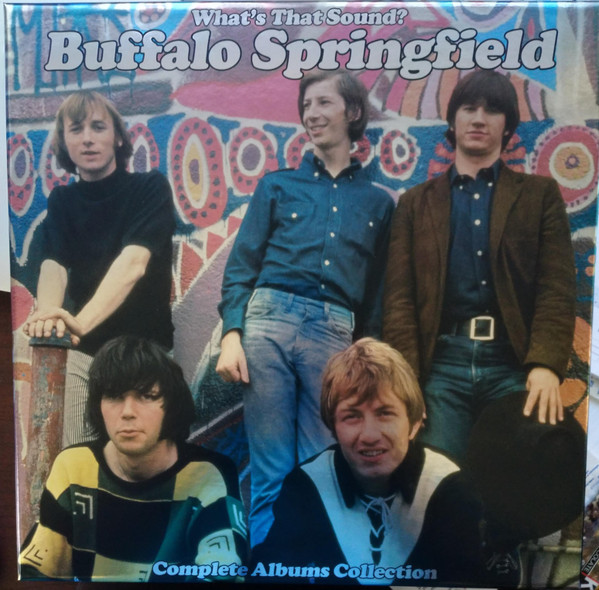
What's That Sound? Complete Albums Collection
2018
Box Set
2001
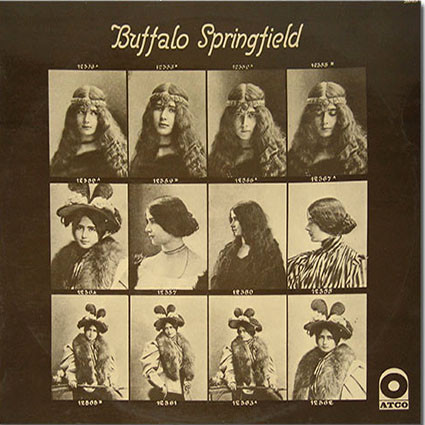
The Best Of Buffalo Springfield
1969
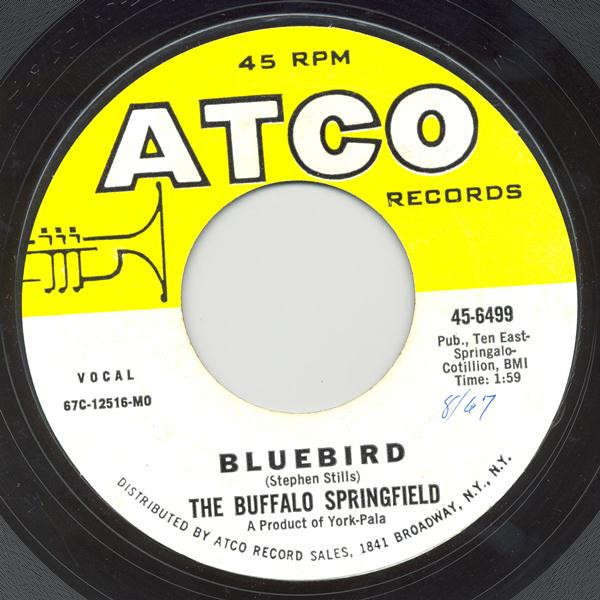
Bluebird / Mr. Soul
1967
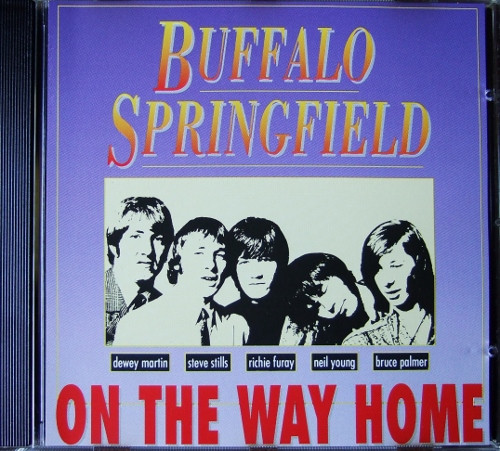
On The Way Home
1990
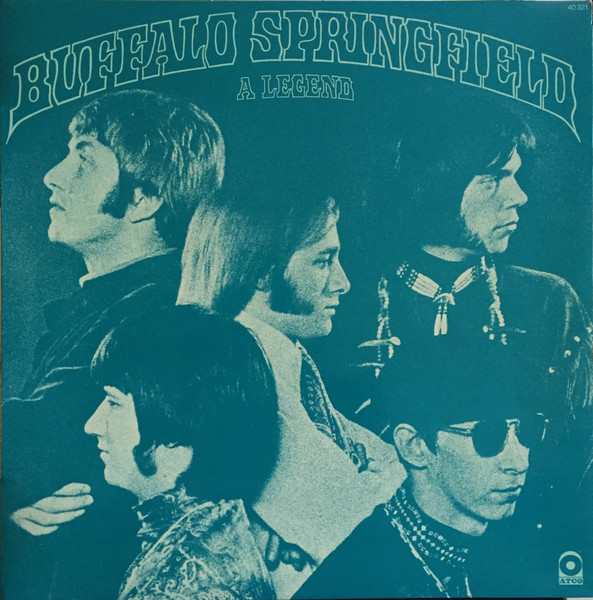
A Legend - The Buffalo Springfield Legend Vol. 1
1972
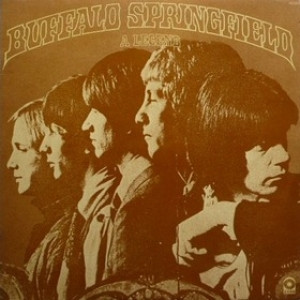
A Legend - The Buffalo Springfield Legend Vol. 2
1972

Fours
1972
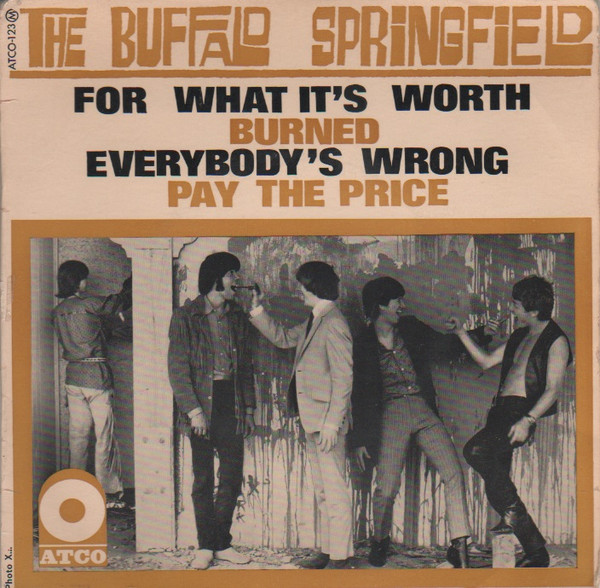
For What It's Worth
1967
Related artists
Around the web
Follow every record they touch.
Start your shelf and Gatefold tracks Buffalo Springfield's new pressings, tour dates, and the whole discography — automatically.
Start your shelf →Free forever. Works with 10 records or 10,000.