
Artist
Robert Plant
of Led Zeppelin
West Bromwich, United Kingdom · b. 1948
Robert Plant is a musician from West Bromwich, United Kingdom, active since 1948. Their discography on Gatefold includes 22 records. They also recorded with Led Zeppelin, The Honeydrippers, Robert Plant and the Strange Sensation and Band of Joy.

72
Albums tracked
2,735
In collections
1948
Since
Biography
Plant spent most of 1968 trying not to get drowned out by Jimmy Page’s Rickenbacker Transonic amps. He was a nineteen-year-old kid with a voice that sounded like a frequency from another planet, but he was still just the hired help for the New Yardbirds. People forget he wasn't the first choice—Page wanted Terry Reid, but Reid pointed him toward a kid screaming in a college basement in Birmingham. By the time they tracked 'Whole Lotta Love' in a handful of North American studios during their second tour, he’d figured out how to use the microphone as a physical instrument, reacting to Eddie Kramer’s stereo panning and tape delays like his life depended on it. The eighties were a mess of shoulder pads and fairlight synths because he was terrified of being a legacy act. He spent a decade trying to bury the ghost of John Bonham, refusing to play the old hits and chasing a pop-rock sheen that felt thin compared to the heavy blues of his youth. It took him twenty years to realize that being a golden god is a heavy cross to bear, eventually ditching the stadiums for West African desert blues and Nashville bluegrass. He stopped trying to hit the high notes he reached in '72 and started whispering, which turned out to be a hell of a lot more interesting.
Bio from The Clerk
The Arc of Robert Plant
The pivots — what forced Robert Plant to reinvent.
The Post-Zeppelin Purge
After Bonham died in 1980, Plant refused to look back and spent his first solo records like Pictures at Eleven trying to prove he didn't need Page's riffs. He hired Phil Collins to drum on his solo debut because he wanted a clean, modern snap rather than the thunderous weight of the seventies. The music became jittery and synth-heavy, a deliberate move away from the 'Hammer of the Gods' tag that followed him everywhere. You can hear the struggle on tracks like 'Big Log,' where he traded the banshee wail for a moody, sleek croon that fit the MTV era.
The Unledded Reunion
In 1994, MTV finally got Page and Plant back together, but instead of a standard Unplugged greatest hits set, they dragged an Egyptian orchestra and a hurdy-gurdy player to Marrakesh. This was the moment Plant reclaimed his obsession with Moroccan Gnawa music and Indian scales that he’d teased on 'Kashmir' twenty years earlier. They reimagined the Zeppelin catalog through North African rhythms and quarter-tone strings, effectively killing the idea that they were just a blues-rock nostalgia act. It proved that his interest in world music wasn't a phase, but the actual foundation of his vocal phrasing.
The T-Bone Burnett Pivot
The biggest shock to the system came in 2007 when Plant teamed up with Alison Krauss and producer T-Bone Burnett for Raising Sand. Burnett stripped away all the ego and volume, forcing Plant to sing in a lower register and share the spotlight with a bluegrass veteran. The record was built on room reverb and skeletal arrangements, moving him into a gothic Americana space that nobody saw coming. It was a massive commercial gamble that won five Grammys and finally gave him a path to age gracefully without becoming a parody of himself.
Influences
- Elvis Presley — Plant obsessed over the Sun Records catalog and frequently cites 'A Big Hunk o' Love' as the reason he started singing. You hear the breathless hiccup and the rockabilly swagger all over the first two Zeppelin records. He never truly lost that Memphis vibrato even when the songs got heavier.
- Howlin' Wolf — The entire lyrical framework for 'Lemon Song' was lifted from Wolf's 'Killing Floor.' Plant wasn't just influenced by the voice; he was mimicking the primal, terrifying grit that Wolf brought to Chess Records. It’s the blueprint for the hyper-masculine blues-shouter persona he occupied for a decade.
- Bukka White — Plant was obsessed with White's 'Shake 'Em On Down,' which Led Zeppelin reworked into 'Hats Off to (Roy) Harper' on their third album. White's percussive, Delta-style bottleneck blues informed the rhythmic way Plant delivered his vocal lines. It’s why his singing often feels more like a drum part than a melody.
- Moby Grape — Before the big riffs took over, Plant was deep into the San Francisco psychedelic scene and claimed Moby Grape was his favorite band. You can hear their three-part harmonies and West Coast folk-rock energy in the acoustic stretches of the 'Bron-Y-Aur' sessions. They showed him how to balance heavy distortion with intricate vocal layering.
- Oum Kalthoum — The legendary Egyptian singer's long, melismatic vocal runs completely changed how Plant approached his phrasing in the mid-seventies. He’s gone on record saying he was mesmerized by how she could hold a single note while shifting the microtones around it. That's the secret sauce behind the 'Kashmir' vocal delivery and his late-career obsession with desert blues.
Robert Plant — solo
Their records — most-collected first.
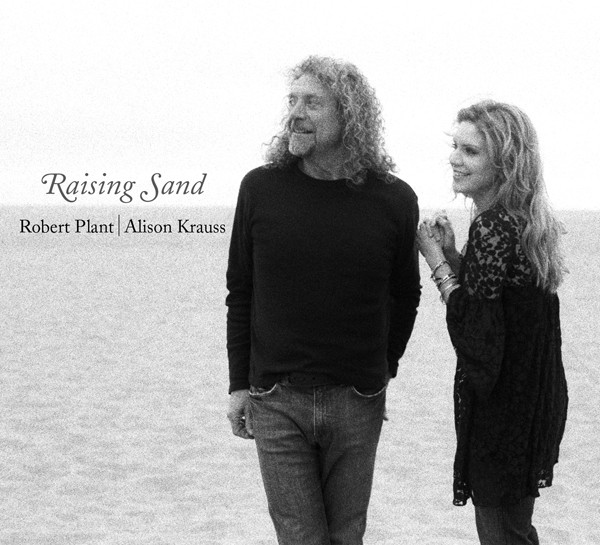
Raising Sand
2007
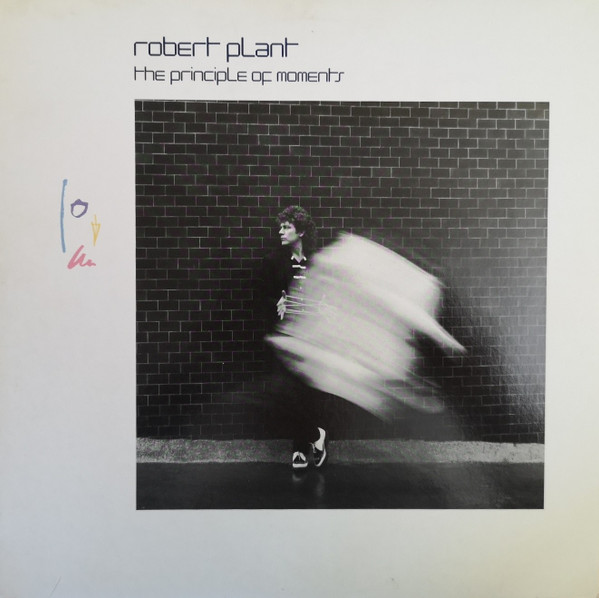
The Principle Of Moments
1983
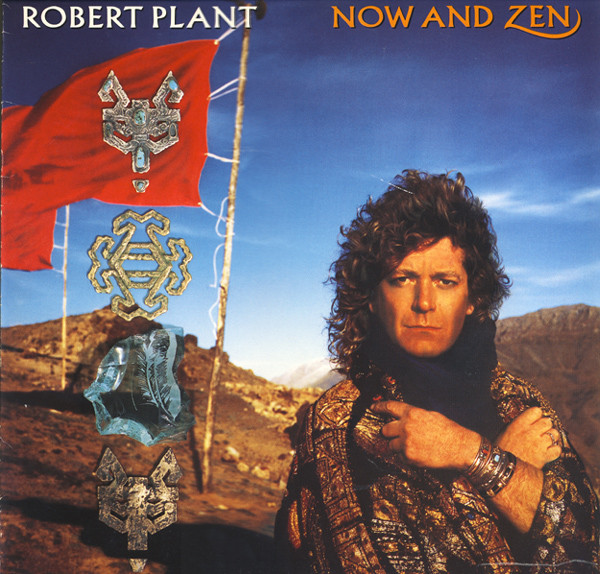
Now And Zen
1988
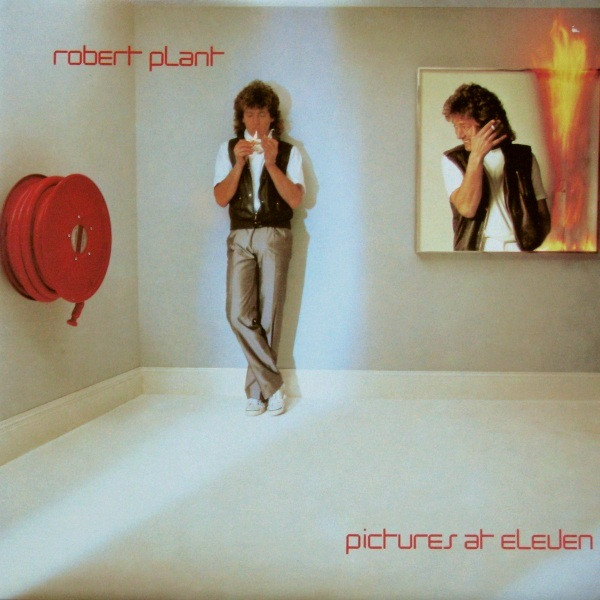
Pictures At Eleven
1982
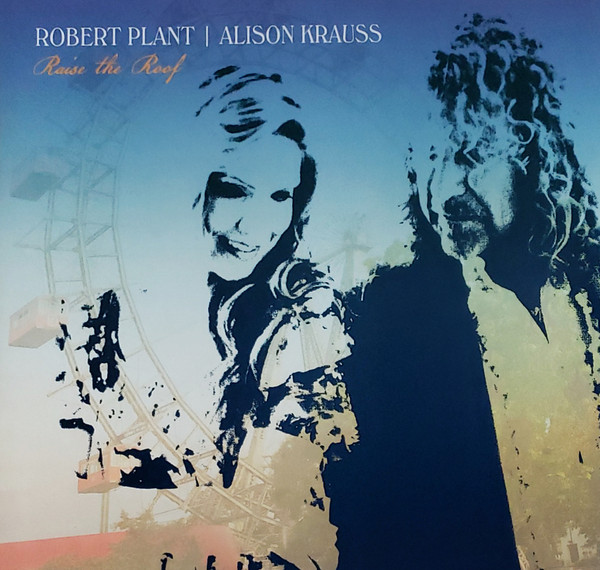
Raise The Roof
2021

Shaken 'N' Stirred
1985
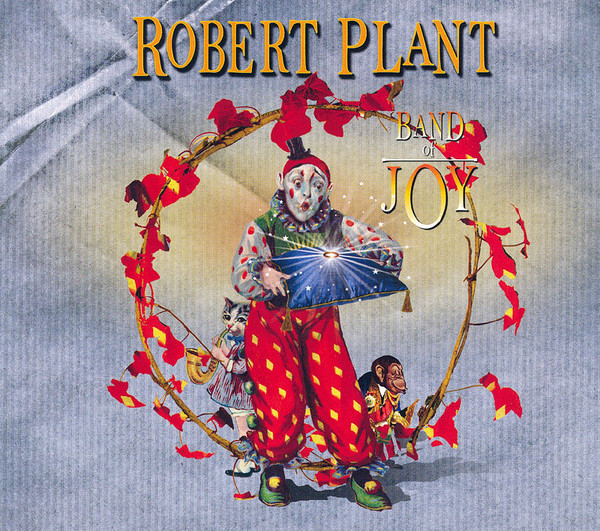
Band Of Joy
2010
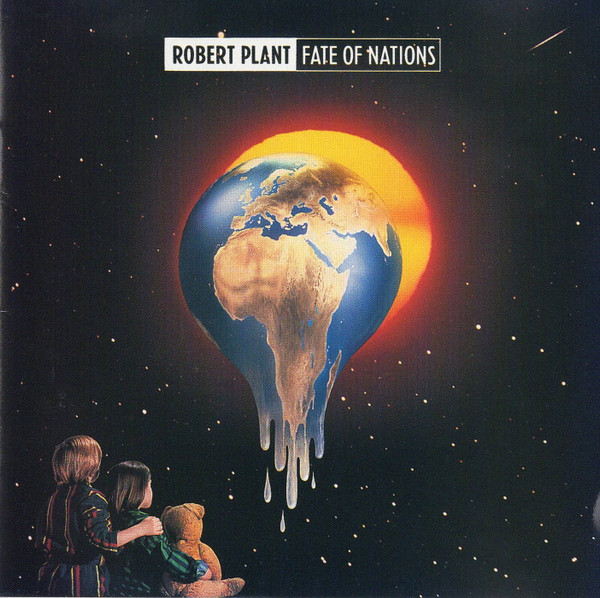
Fate Of Nations
1993
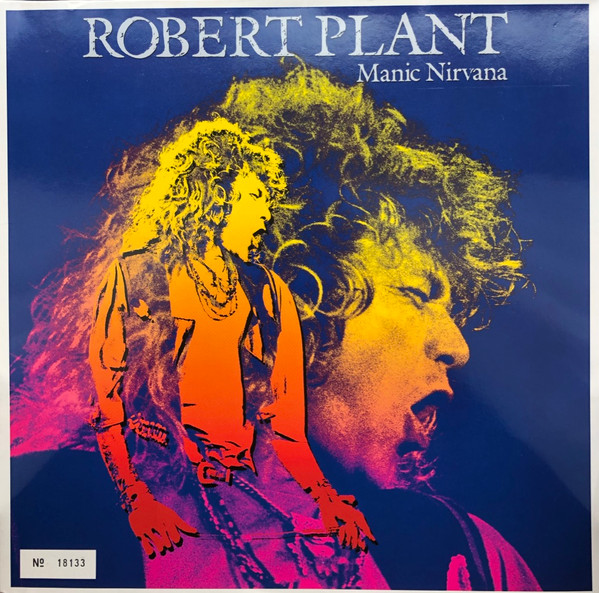
Manic Nirvana
1990
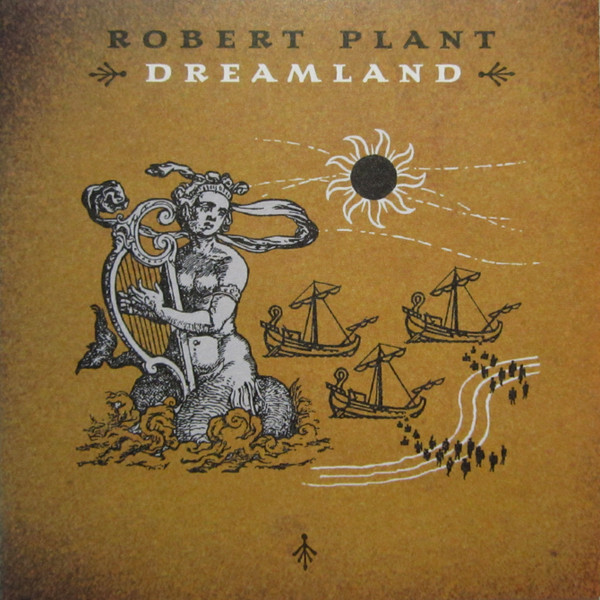
Dreamland
2002

Saving Grace
2025

Tall Cool One
1988

All That Glitters...
2026

Hurting Kind (I've Got My Eyes On You)
1990
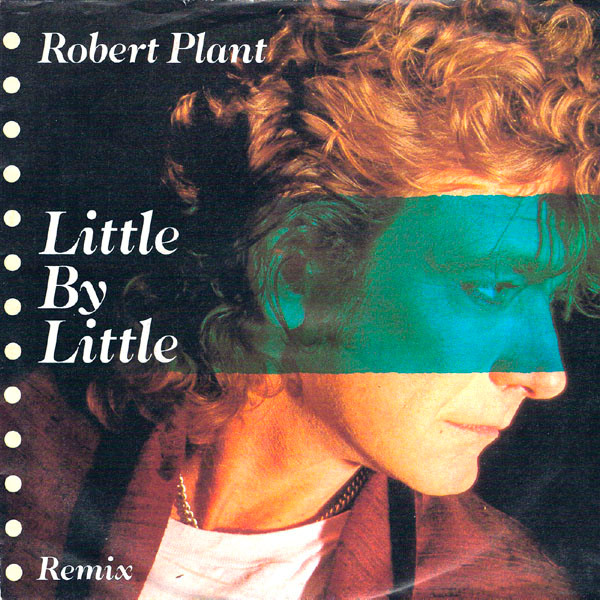
Little By Little
1985
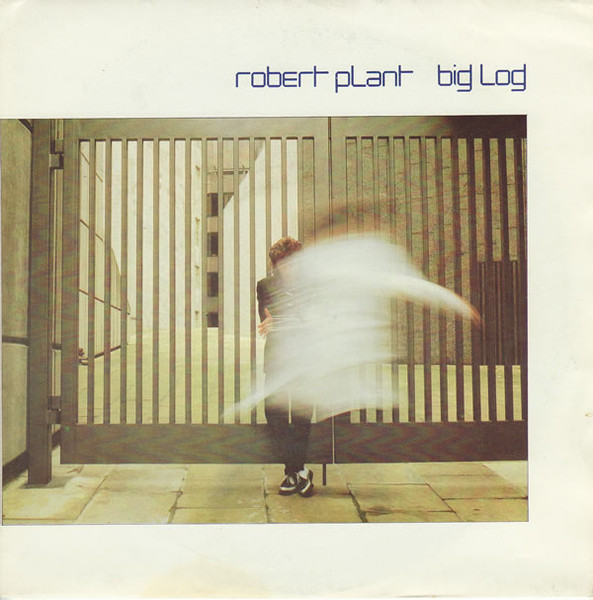
Big Log
1983
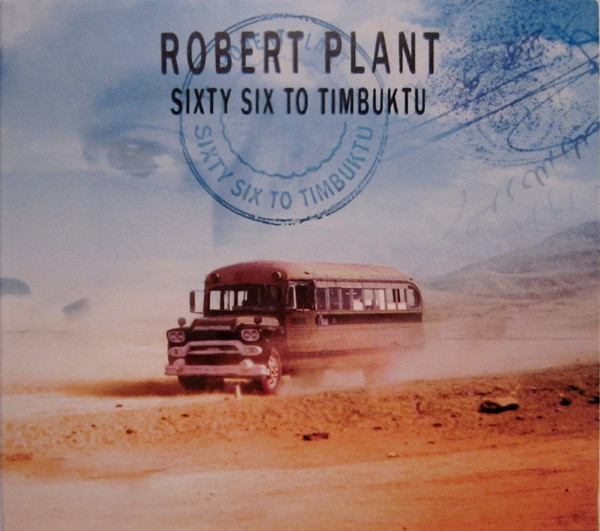
Sixty Six To Timbuktu
2003

Ship Of Fools
1988

Burning Down One Side
1982

Live At Knebworth
2021

Digging Deep : Subterranea
2020
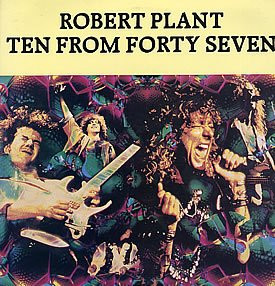
Ten From Forty Seven
1990
Led Zeppelin
A project Robert Plant was part of. Former member.
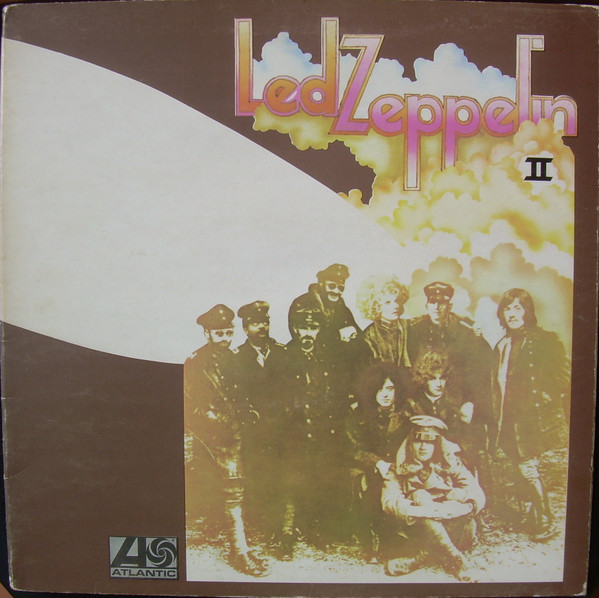
Led Zeppelin II
1969
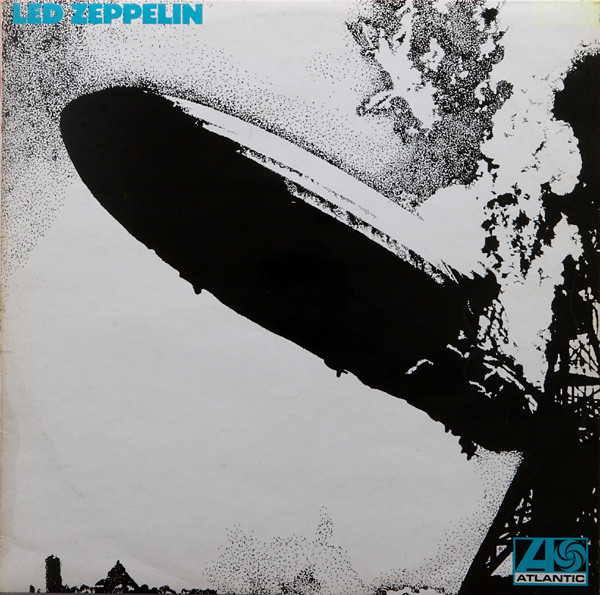
Led Zeppelin
1969
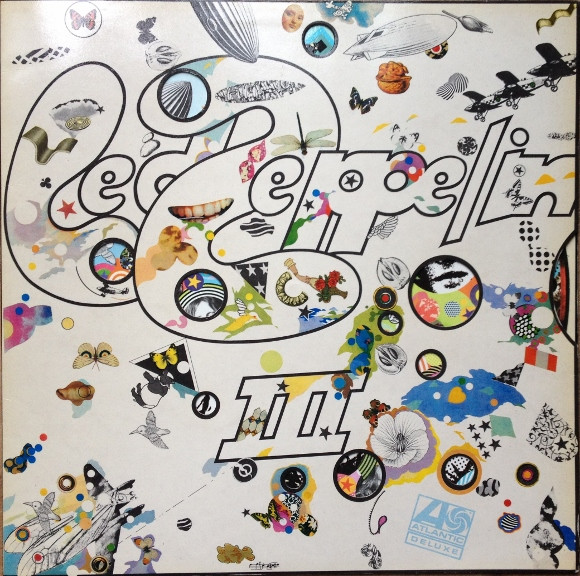
Led Zeppelin III
1970
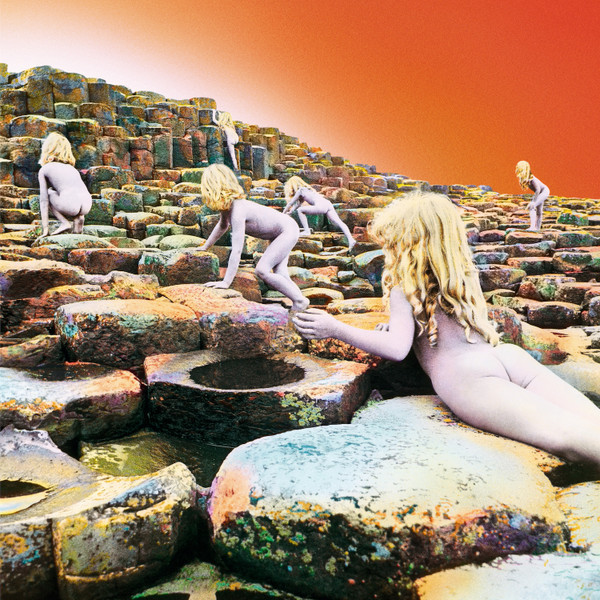
Houses Of The Holy
1973
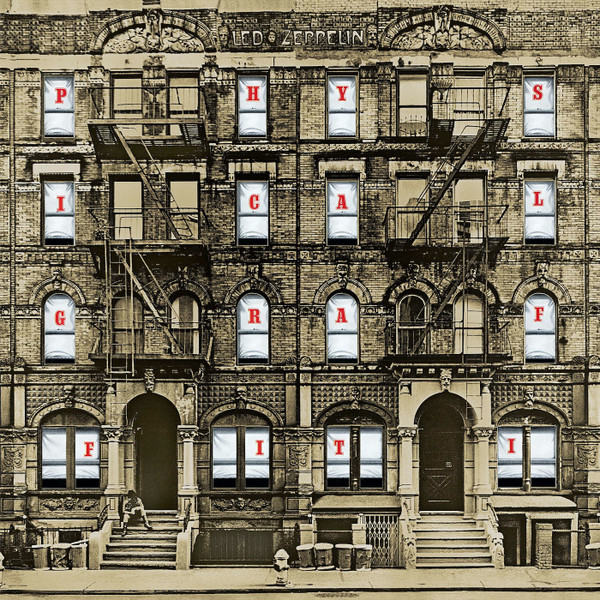
Physical Graffiti
1975
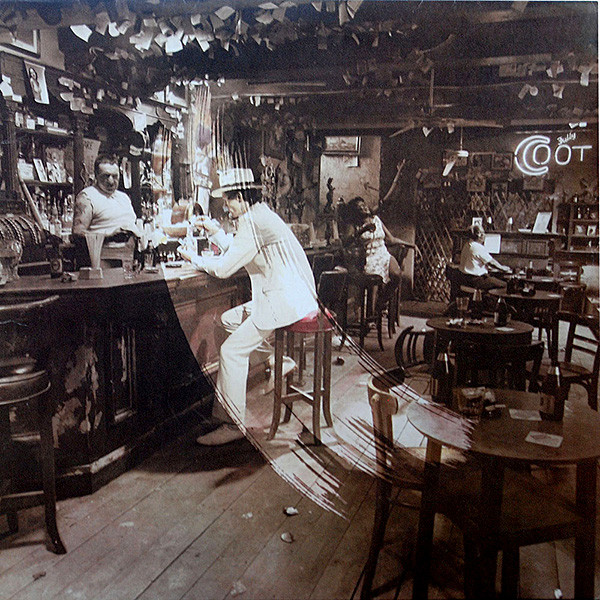
In Through The Out Door
1979
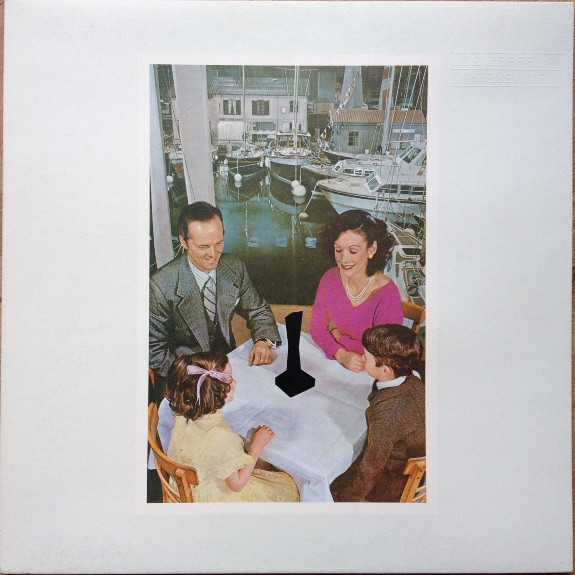
Presence
1976
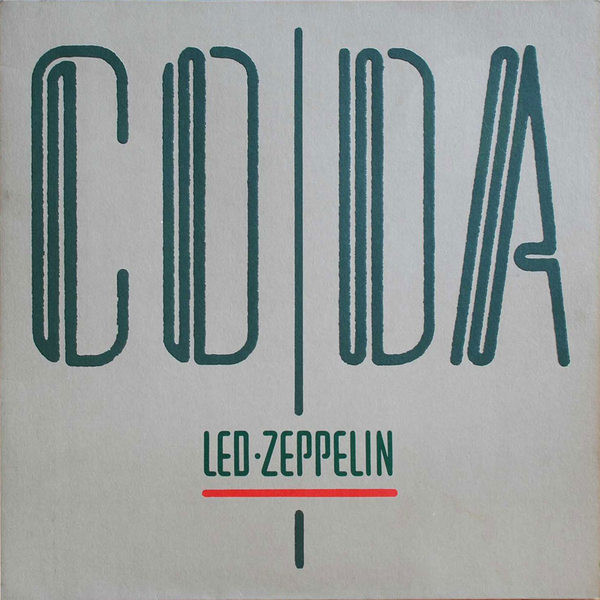
Coda
1982
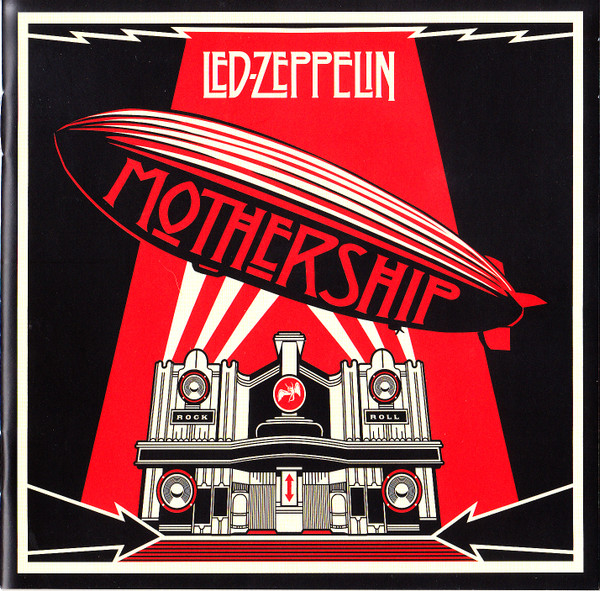
Mothership
2007

Celebration Day
2012
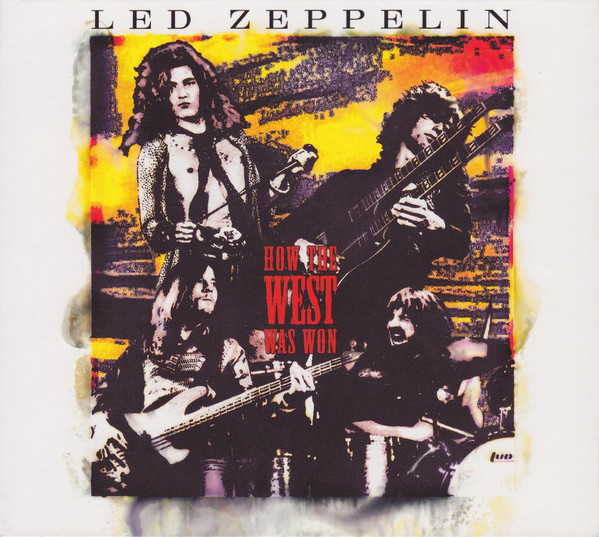
How The West Was Won
2003
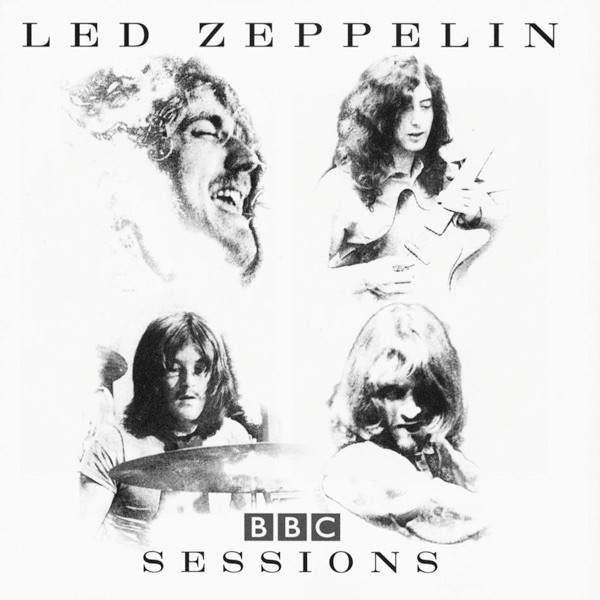
BBC Sessions
1997
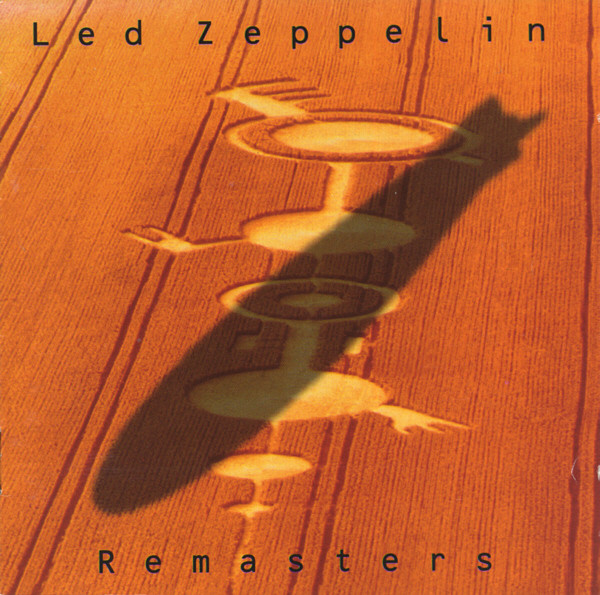
Remasters
1990

Live EP
2025

Trampled Under Foot
1975
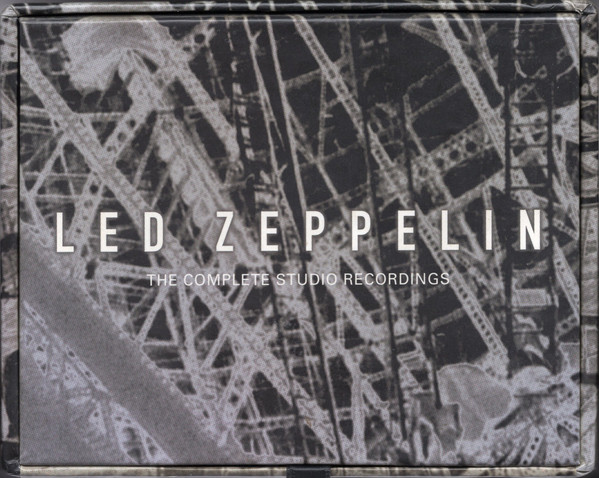
The Complete Studio Recordings
1993

Early Days & Latter Days: The Best Of Led Zeppelin Volumes One And Two
2002
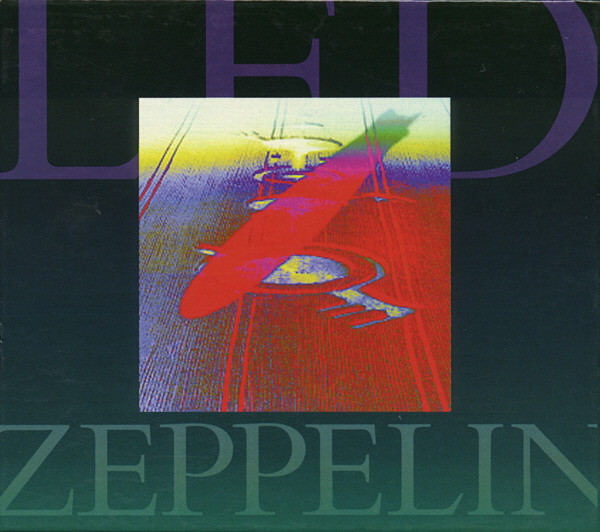
Boxed Set2
1993
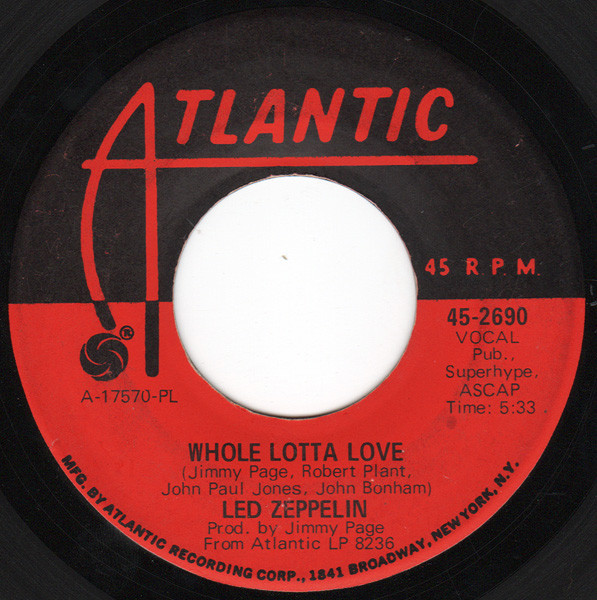
Whole Lotta Love
1969
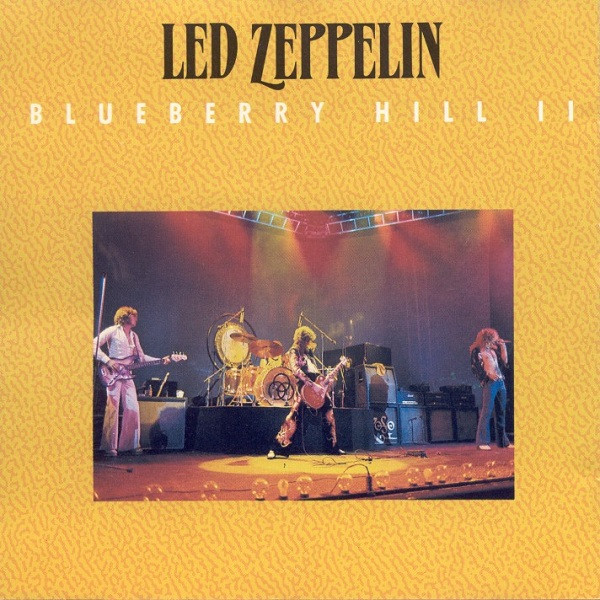
Live On Blueberry Hill
1970
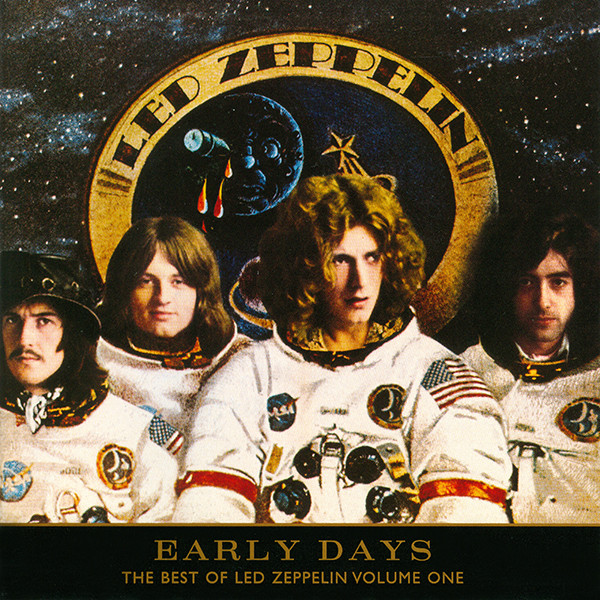
Early Days: The Best Of Led Zeppelin Volume One
1999

Live At Whisky A Go-Go!!
2006
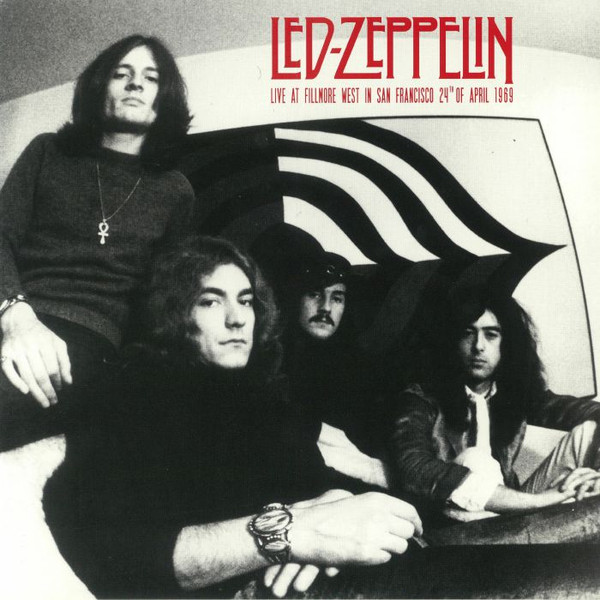
Fillmore West '69
1991
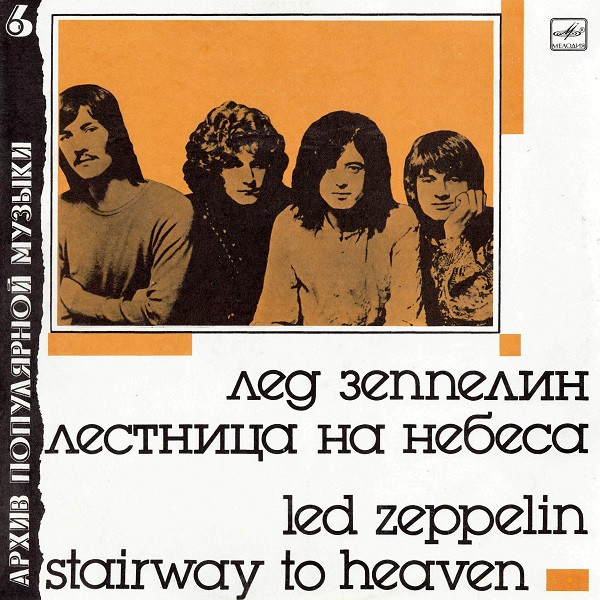
Stairway To Heaven = Лестница На Небеса
1988
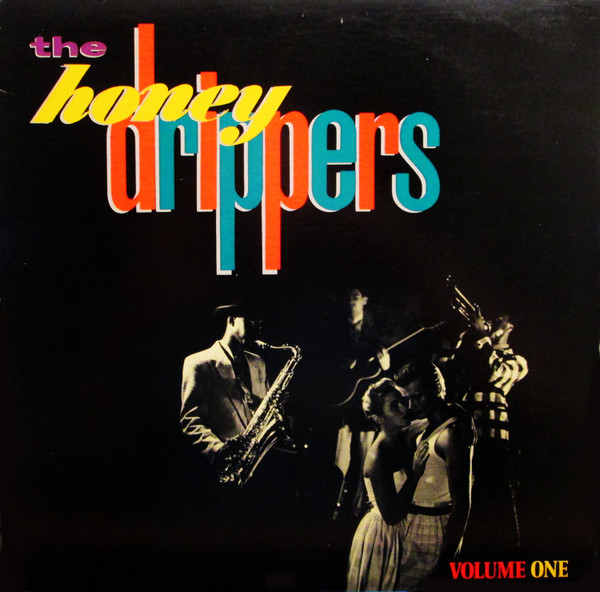
The Honeydrippers
A project Robert Plant was part of. Former member.
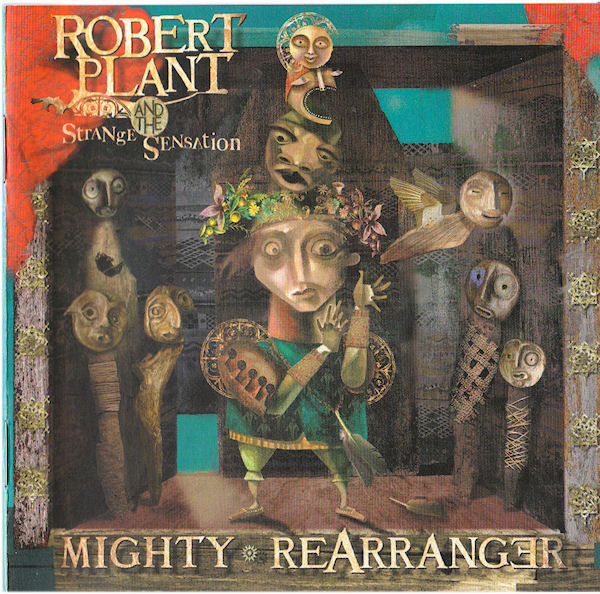
Robert Plant and the Strange Sensation
A project Robert Plant was part of.
Band of Joy
A project Robert Plant was part of.

Related artists
Around the web
Follow every record they touch.
Start your shelf and Gatefold tracks Robert Plant's new pressings, tour dates, and the whole discography — automatically.
Start your shelf →Free forever. Works with 10 records or 10,000.