
Artist
Pet Shop Boys
London, United Kingdom · Formed 1981
Pet Shop Boys is a music group from London, United Kingdom, active since 1981. Their discography on Gatefold includes 24 records.

64
Albums tracked
528
In collections
1981
Since
Biography
Bobby O cut the first version of "West End Girls" in New York on an Oberheim drum machine and cheap synths, but he locked them into a predatory contract that took an army of lawyers to break. Stephen Hague redid the track with an Emulator II and polished the grit into pristine synth-pop machinery. That became the dynamic: Chris Lowe standing stone-faced behind a rack of Roland gear while Neil Tennant delivered deadpan social commentary like an art critic trapped in an illegal warehouse rave. They took the thumping, hedonistic mechanics of New York hi-NRG and turned it into the sharpest, most cynical pop poetry Britain ever produced. Most synth-pop acts from the mid-eighties burned out the second acid house took over the clubs. Pet Shop Boys didn't panic; they just bought better samplers and hired Trevor Horn. Instead of running from club culture, they leaned directly into eleven-minute 12-inch mixes and Latin rhythms, daring radio programmers to edit them down. Even when they strayed into acoustic guitars or overthought concept records, Lowe’s programming kept the floor from collapsing under Tennant’s theatre-kid impulses.
Bio from The Clerk
The Arc of Pet Shop Boys
The pivots — what forced Pet Shop Boys to reinvent.
The Hi-NRG Imperial Phase
Breaking out of Bobby O's production deal let them hook up with Stephen Hague and sign to Parlophone. The result was Please in 1986 and Actually in 1987, delivering immaculate synth-pop that weaponized Fairlight CMI samples and deadpan vocal takes. By 1988's Introspective, they inverted pop radio logic entirely by making an album comprised entirely of extended club mixes. Trevor Horn got behind the desk, blowing up dance tracks into massive, multi-movement pop symphonies.
Munich Melancholy
Tired of the aggressive digital sampling driving late-eighties club music, they headed to Munich to track with Harold Faltermeyer. The 1990 album Behaviour dumped the high-tempo drum programming for vintage analog synths, acoustic textures, and brooding orchestral arrangements. It was an abrupt, down-tempo pivot that alienated casual clubbers but yielded their most sophisticated songwriting. You hear the restraint immediately on tracks that trade dancefloor aggression for lush, muted heartbreak.
Technicolor Camp and Club Grooves
They responded to the early-nineties club explosion by diving headfirst into day-glo eurodance and techno on 1993's Very. Out went the restrained Munich moods, replaced by blazing primary colors, pointed hats, and massive vocal hooks. By 1996's Bilingual, they absorbed the percussion-heavy sway of Latin pop and tribal house into their sequence banks. It was a loud, defiantly queer sonic statement that dominated European floors while grunge held American radio hostage.
The Trevor Horn Reconnection
After a shaky detour into acoustic indie textures on 2002's Release, they needed a hard course correction back to sweeping electronic drama. They reteamed with Trevor Horn to produce 2006's Fundamental, building a dark, heavily orchestrated record aimed squarely at Western foreign policy. Horn brought his signature bombast back into the room, pairing Lowe's sharp sequencer lines with massive, live string sections. It proved they could still deliver huge theatrical electronic music without chasing modern pop charts.
The Stuart Price Dance Trilogy
Walking away from their 28-year tenure at Parlophone in 2013, the duo launched their own imprint and hired producer Stuart Price to strip away the clutter. That kicked off with Electric, a relentless, bass-heavy record built around driving four-on-the-floor club tracks. Price kept Lowe's synths right at the front of the mix across three consecutive records, ending with 2020's Hotspot. It was their leanest, most dancefloor-focused stretch in decades, proving they could out-produce guys half their age.
Influences
- Bobby Orlando — Tennant sought out the New York hi-NRG producer in a diner in 1983 because he obsessed over his raw dance tracks. Orlando produced the initial 1984 single release of "West End Girls" and handed them their signature pulsating synth bassline. That aggressive, fast-paced dance groove remained the foundation of Lowe's keyboard arrangements.
- Kraftwerk — Lowe and Tennant have repeatedly cited Ralf Hütter and Florian Schneider's robotic minimalism as their blueprint for electronic music. You hear it in the rigid drum machine sequencing and deadpan lyrical delivery across their debut album Please. They took the German pioneers' machine precision and wrapped it in British theatrical pop.
- Dusty Springfield — Tennant was obsessed with her dramatic sixties soul arrangements and tracked her down in California to sing on "What Have I Done to Deserve This?" on Actually. Her grand, sweeping delivery shaped Tennant's ambition to marry kitchen-sink lyrical tragedy with lush pop production. It proved their electronic club music was built to carry classic pop gravitas.
- Soft Cell — Marc Almond and Dave Ball established the UK synth duo format that paired cold electronic sequences with melodramatic storytelling. Pet Shop Boys followed that exact room dynamic, borrowing the contrast between a stoic synth operator and an expressive vocalist. Without "Tainted Love" dominating British radios in 1981, Lowe and Tennant would have had no commercial lane.
- Giorgio Moroder — Moroder's driving sequencer work on Donna Summer records showed the duo how electronic arpeggios could maintain an emotional pulse for eight straight minutes. That relentless analog drive directly informed Lowe's keyboard patterns and led them straight to Munich to hire Faltermeyer for Behaviour. Moroder proved dance records didn't need live drummers to swing.
Discography
Their records — most-collected first.
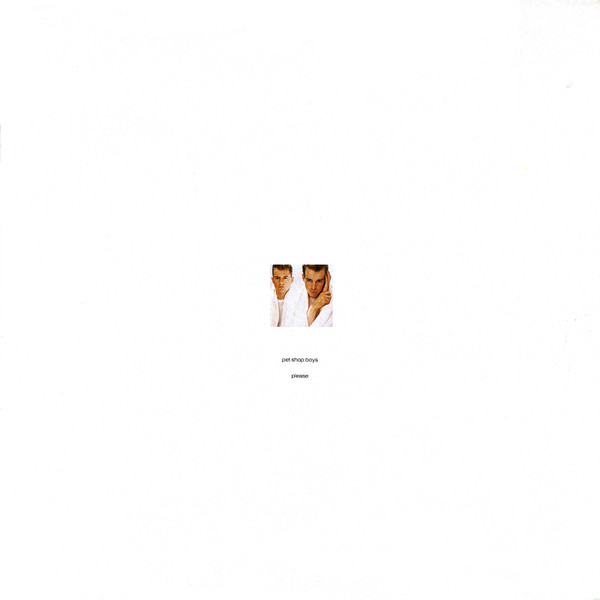
Please
1986
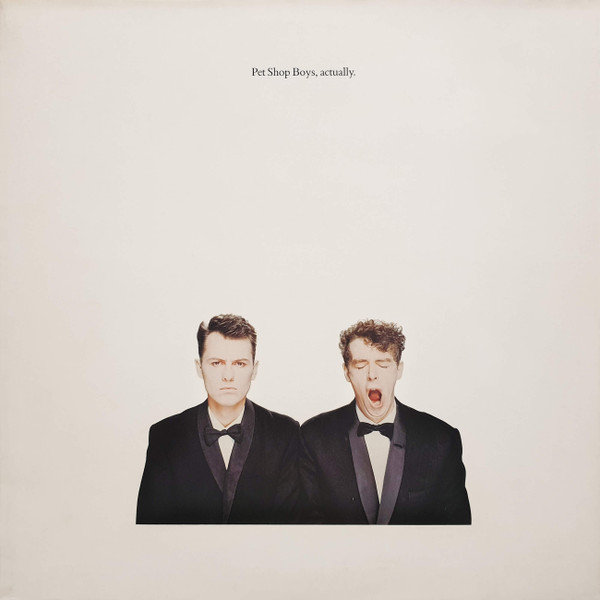
Actually
1987
Introspective
1988
Very
1993
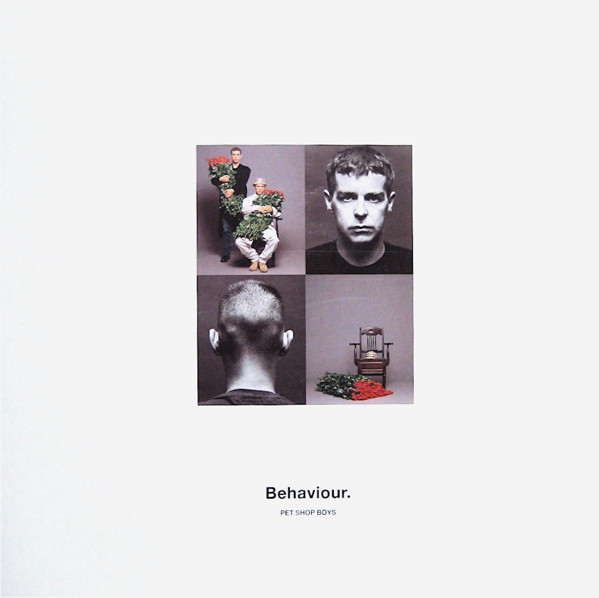
Behaviour
1990
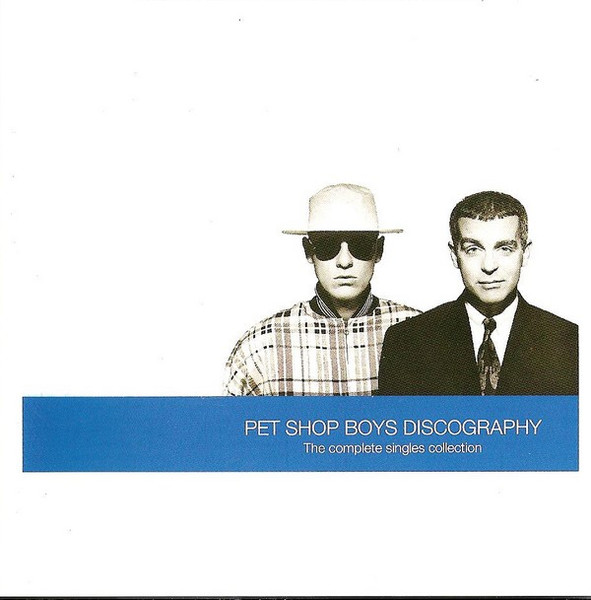
Discography (The Complete Singles Collection)
1991

Disco
1986
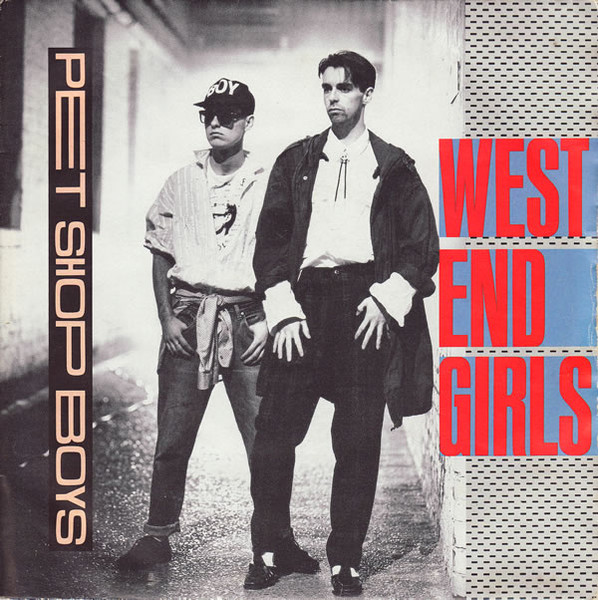
West End Girls
1985
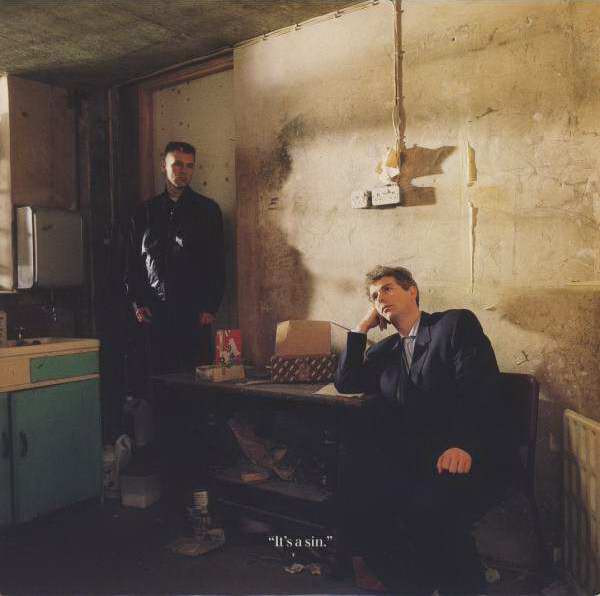
It's A Sin
1987
Always On My Mind
1987
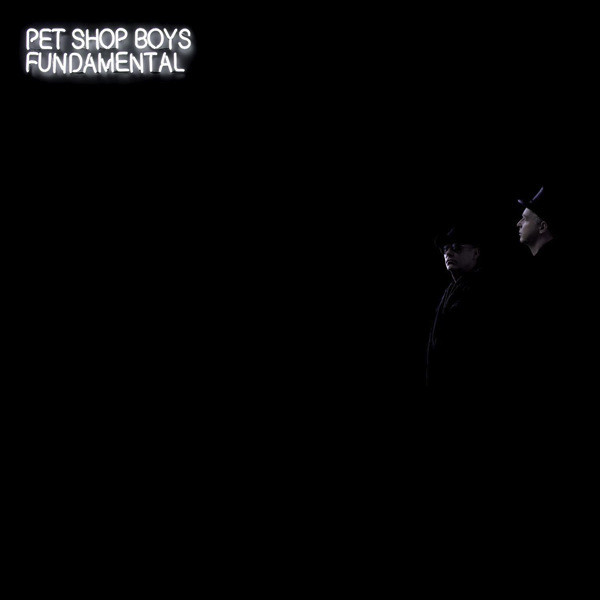
Fundamental
2006

Nonetheless
2024

Release
2002

Yes
2009

Bilingual
1996
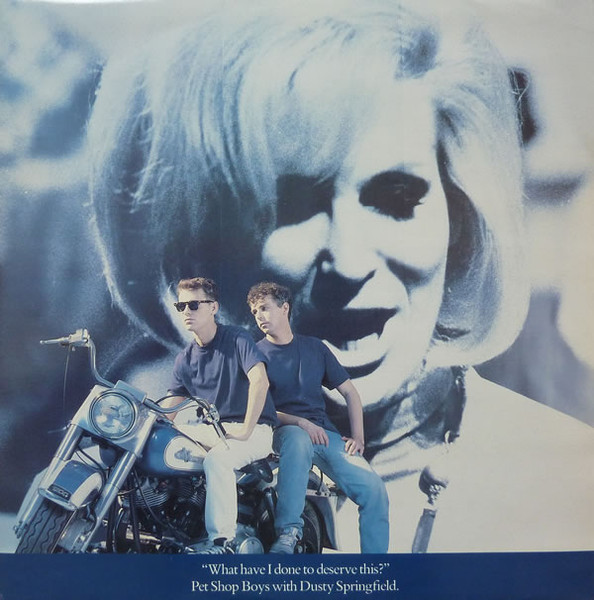
What Have I Done To Deserve This?
1987

Opportunities (Let's Make Lots Of Money)
1986

Electric
2013
PopArt (The Hits)
2003

You Only Tell Me You Love Me When You're Drunk
2000

Hotspot
2020

Super
2016

Nightlife
1999
Domino Dancing
1988
Related artists
Members
Around the web
Follow every record they touch.
Start your shelf and Gatefold tracks Pet Shop Boys's new pressings, tour dates, and the whole discography — automatically.
Start your shelf →Free forever. Works with 10 records or 10,000.