
Artist
Liza Minnelli
Los Angeles, United States · b. 1946
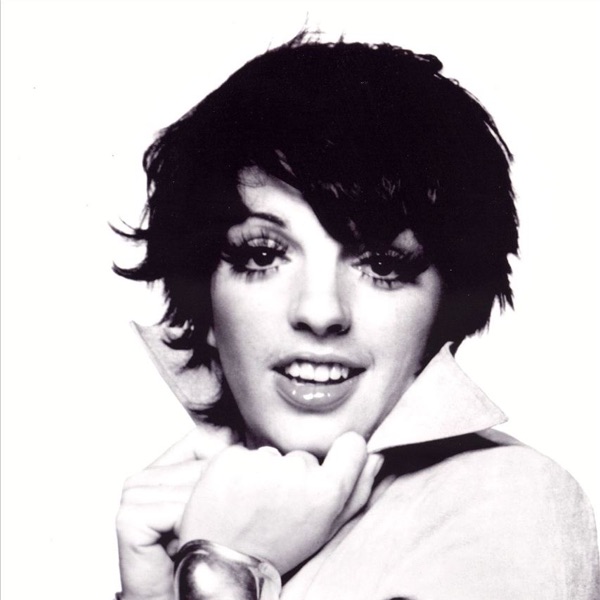
Liza Minnelli is a musician from Los Angeles, United States, active since 1946. Their discography on Gatefold includes 24 records.
37
Albums tracked
27
In collections
1946
Since
Biography
Capitol Records had no clue what to do with a teenager who could belt like an old-school vaudevillian while the British Invasion was actively detonating American pop charts. In 1964, they put her in front of Peter Matz's lush, traditional orchestrations for *Liza! Liza!*, treating her like a museum piece before she even turned twenty. It took Fred Ebb and John Kander stripping away the studio varnish and weaponizing her neurotic, brass-knuckle delivery to reveal what she actually was: a high-wire theatrical powerhouse who sang every note like the rent was due in ten minutes. Her catalog is a wild, fractured ride. She chased soft-rock AM trends in the late sixties, delivered the definitive Bob Fosse-directed soundtrack performance of the seventies, and took a bizarre detour into Casablanca disco with *Tropical Nights*. Most traditionalists wrote her off as pure Broadway royalty until Neil Tennant and Chris Lowe dragged her into a London studio in 1989 and handed her a Fairlight sampler. That tension—between old-world cabaret grit and whatever pop machinery was willing to back her—is where her best work lives.
Bio from The Clerk
The Arc of Liza Minnelli
The pivots — what forced Liza Minnelli to reinvent.
The Capitol Standards Era
Capitol signed her to mine her mother's pedigree, locking her into three studio albums of traditional vocal jazz and Great American Songbook arrangements with arranger Peter Matz. Even surrounded by polite string sections, her raw vibrato kept punching through the clean-cut cocktail-lounge polish. She was a powerhouse singer trapped in a legacy format that was rapidly dying at retail.
The Kander & Ebb Peak
Teaming up with songwriters John Kander and Fred Ebb gave her the razor-sharp theatrical identity she needed. The 1972 film adaptation of *Cabaret* and the subsequent 1977 title track for *New York, New York* transformed her from an industry legacy into an untouchable vocal force. Every take from this window is pure percussive phrasing, huge dynamic swings, and unmatched physical commitment behind the microphone.
The Pet Shop Boys Reinvention
Producer duo Neil Tennant and Chris Lowe took her out of the cabaret room and put her in front of high-BPM synth-pop sequences for 1989's *Results*. Backed by Julian Mendelsohn's glossy dance-floor engineering, tracks like 'Losing My Mind' fused Broadway drama with cold, mechanical European house beats. It proved her massive belting delivery could completely overwhelm contemporary electronic production.
Influences
- Judy Garland — They shared stages before Minnelli ever cut a solo record, documenting their dynamic live on the 1964 *Live at the London Palladium* release. That wide, tremulous vibrato and explosive dynamic control on sustained notes came straight from the source. You hear the shared vocal lineage across every ballad on *Liza! Liza!*.
- Charles Aznavour — Minnelli openly credited the French master as her primary vocal tutor and phrasing mentor after discovering him in New York cabarets. She recorded multiple English translations of his work, including 'There Is a Time' in 1966. Aznavour taught her to approach every vocal performance as a four-minute one-act play rather than just a melody.
- Vic Damone — Damone worked directly with her in early vocal coaching sessions and television variety appearances during her developmental years in the early sixties. His velvet, hyper-precise legato breath control grounded her wild theatricality. You hear his phrasing discipline in the quieter, mid-tempo cuts on *It Amazes Me*.
- Kay Thompson — Her real-life godmother and legendary MGM vocal arranger personally drilled Minnelli on stagecraft, syncopation, and vocal projection. Thompson's aggressive, rhythmic cabaret cadence shaped Minnelli's entire physical presence behind the mic. That sharp, machine-gun delivery is the backbone of her live performance style.
- Ethel Merman — Merman established the brassy, un-mic'd Broadway belter standard that Minnelli adapted for modern recording consoles. Minnelli repeatedly studied Merman's relentless vocal projection and hard-consonant articulation to carry over full brass sections. You hear that sheer chest-voice power driving the climax of 'Maybe This Time'.
Discography
Their records — most-collected first.
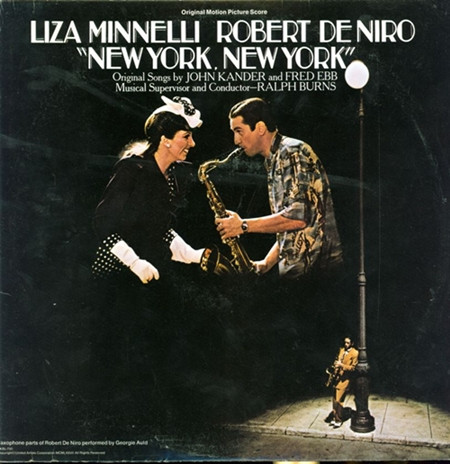
New York, New York (Original Motion Picture Score)
1977
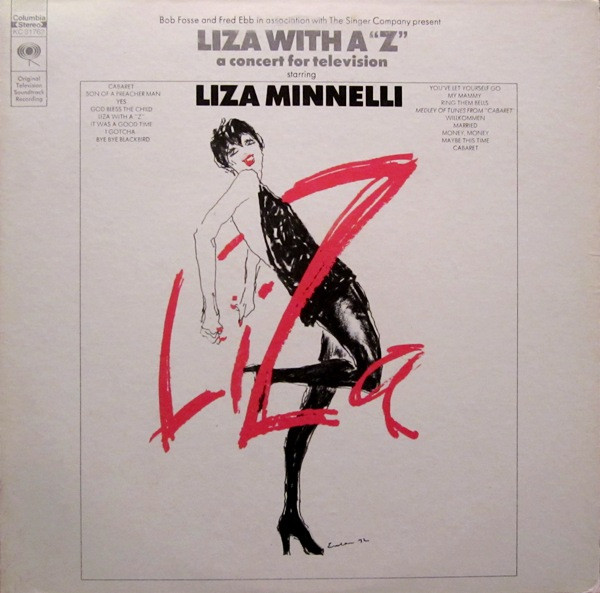
Liza With A "Z" (A Concert For Television)
1972

Results
1989

Liza Minnelli At Carnegie Hall
1987

Live At Carnegie Hall
1981

The Singer
1973
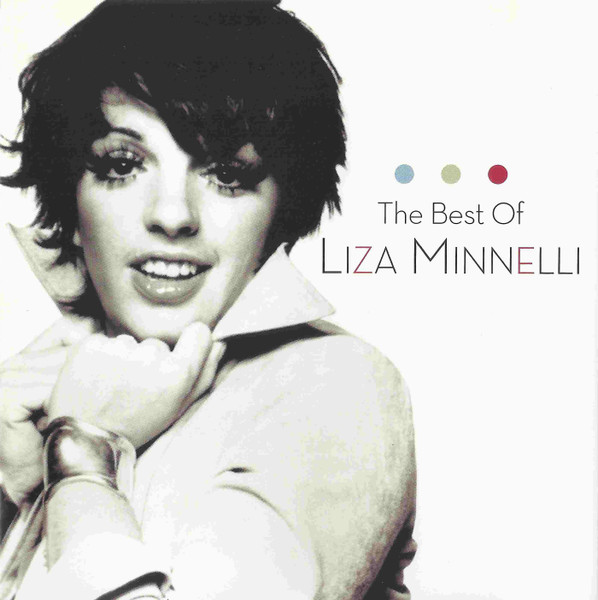
The Best Of
2004

Don't Drop Bombs
1989

So Sorry, I Said
1989

Tropical Nights
1977

Live At The Winter Garden
1974

Live At The Olympia In Paris
1972

It Amazes Me
1965

Liza's Back
2002

The Best Of Liza Minnelli
2001

Grand Collection
2001

The Capitol Years
2001

16 Biggest Hits
2000

Minnelli On Minnelli - Live At The Palace
2000

Gently
1996

The Collection
1995

Cabaret
1995
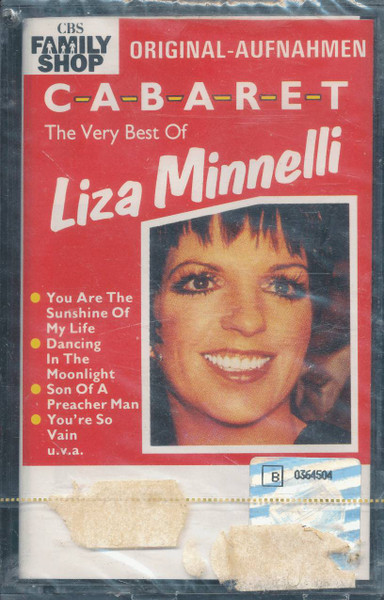
Cabaret The Very Best Of
1994
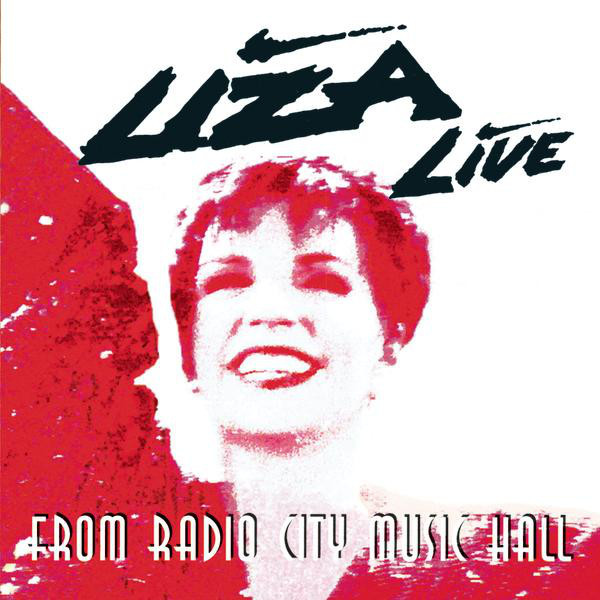
Live From Radio City Music Hall
1992
Related artists
Frequent collaborators
Around the web
Follow every record they touch.
Start your shelf and Gatefold tracks Liza Minnelli's new pressings, tour dates, and the whole discography — automatically.
Start your shelf →Free forever. Works with 10 records or 10,000.