
Artist
Dusty Springfield
London, United Kingdom · 1939 – 1999
Dusty Springfield is a musician from London, United Kingdom, active 1939–1999. Their discography on Gatefold includes 24 records. They also recorded with The Springfields.

44
Albums tracked
140
In collections
1939
Since
Biography
Jerry Wexler almost blew it by getting too inside his own head at American Sound Studio. He had the Sweet Inspirations on backing vocals and the Memphis Boys providing the rhythm, but Dusty was so intimidated by the ghosts of the room that she couldn't lay down a single vocal track in Tennessee. She ended up cutting the vocals later in New York, obsessing over every syllable until she captured that strange, breathy friction. It’s the sound of a perfectionist trying to hide her nerves behind a wall of soul. Before she was the queen of blue-eyed soul, she was Mary O'Brien doing folk harmonies with her brother in the Springfields. She hated the sanitized, polite nature of the UK pop scene and spent her time obsessing over American R&B imports. She wasn't just a singer; she was an uncredited producer who picked her own material, oversaw the arrangements, and fought engineers for the heavy reverb and 'Wall of Sound' density she craved. When she lost that control in the mid-70s, the records went limp, turning into cocaine-dusted session-player mush that didn't recover until the synth-pop kids dragged her back into the light.
Bio from The Clerk
The Arc of Dusty Springfield
The pivots — what forced Dusty Springfield to reinvent.
The British Invasion Professional
After leaving the Springfields, she teamed up with director Johnny Franz to craft a series of massive, dramatic orchestral pop hits. She was chasing the Phil Spector sound but with a cleaner, British precision that prioritized her vocals over the instrumental chaos. You hear it in the frantic energy of 'I Only Want to Be With You,' where the brass and percussion are pushed to the limit to keep up with her phrasing. She was the only one in London who understood how to make a pop record feel like a frantic soul revivial.
The Memphis Pivot
Tired of the cabaret circuit, she signed to Atlantic and headed to 827 Thomas Street to work with Jerry Wexler, Tom Dowd, and Arif Mardin. The result was Dusty in Memphis, an album that traded her massive orchestral swells for the gritty, locked-in pocket of the Memphis Boys. It was a commercial flop at the time, but the record is a masterclass in restraint and southern soul dynamics. Her voice sits lower in the mix, shrouded in that humid, smoky atmosphere that none of her British peers could touch.
The Hi-NRG Revival
By the late 80s, Dusty was effectively retired and living in California until the Pet Shop Boys obsessed over her voice for their track 'What Have I Done to Deserve This?' Neil Tennant and Chris Lowe treated her like the royalty she was, moving her into a world of Fairlight samplers and pulsing club beats. This led to the Reputation album, where Julian Mendelsohn and the Pet Shop Boys updated her melancholic soul for the dance floor. It proved her voice worked just as well against a cold sequencer as it did against a hot horn section.
Influences
- The Exciters — Dusty famously decided to go solo after hearing 'Tell Him' playing in a New York record shop. You can hear that specific brand of high-energy, girl-group percussion all over her early Philips singles. It gave her the blueprint for blending pop hooks with aggressive soul arrangements.
- Peggy Lee — She obsessed over Lee’s breathy, minimalist vocal delivery and her ability to command a room without shouting. On tracks like 'The Look of Love,' she mimics that cool, detached intimacy that Lee perfected in the fifties. It was the counterbalance to her big R&B belts.
- Dionne Warwick — Dusty was a devotee of the Bacharach/David songwriting team long before they were household names, covering 'Anyone Who Had a Heart' shortly after Warwick. She learned how to navigate complex, shifting time signatures and sophisticated melodic leaps by studying Warwick’s early Scepter records. It turned her into a more technical singer than her contemporaries.
- The Shirelles — She often cited 'Will You Love Me Tomorrow' as a foundational text for her understanding of pop-soul vulnerability. The influence shows up in her early B-sides and the way she layered her own backing vocals to create a self-contained girl-group sound. She wanted that New Jersey street-corner grit moved to a London studio.
- Mavis Staples — Dusty grew up worshipping the Staple Singers and the deep, gospel-rooted conviction in Mavis's voice. You hear that influence most clearly during the Memphis sessions when she tries to push her British 'posh' accent into a raspy, soulful growl. She was always chasing that specific spiritual weight.
Dusty Springfield — solo
Their records — most-collected first.
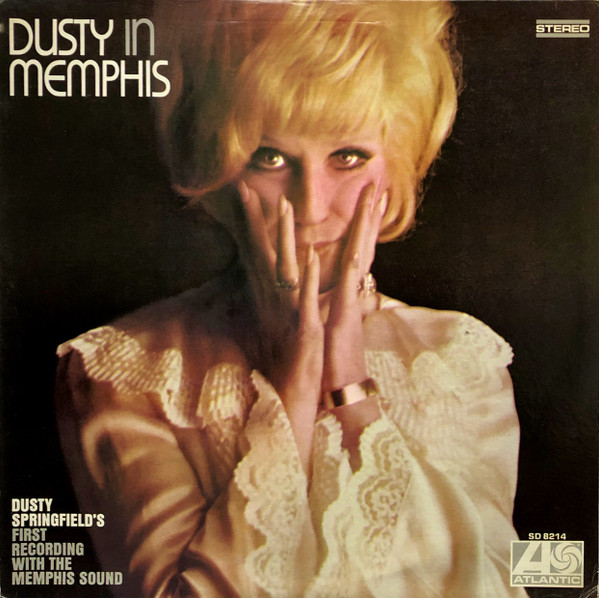
Dusty In Memphis
1969
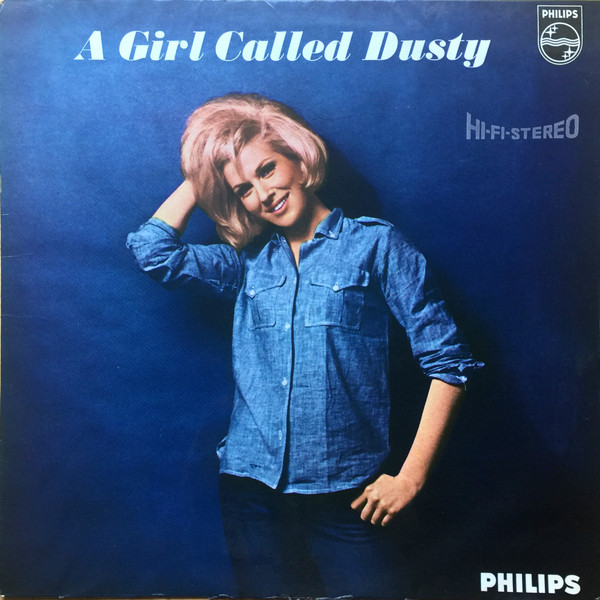
A Girl Called Dusty
1964
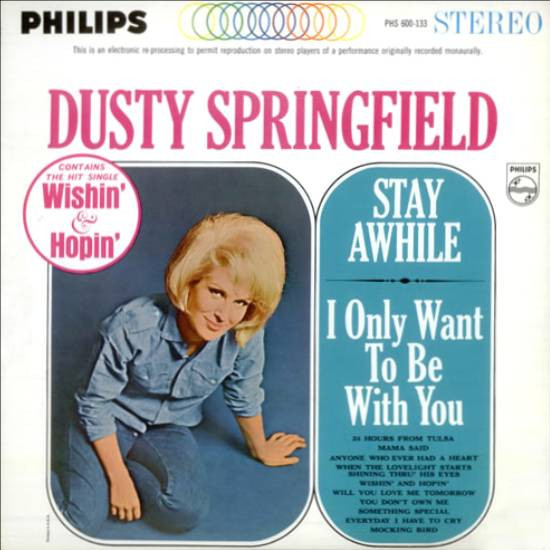
Stay Awhile - I Only Want To Be With You
1964
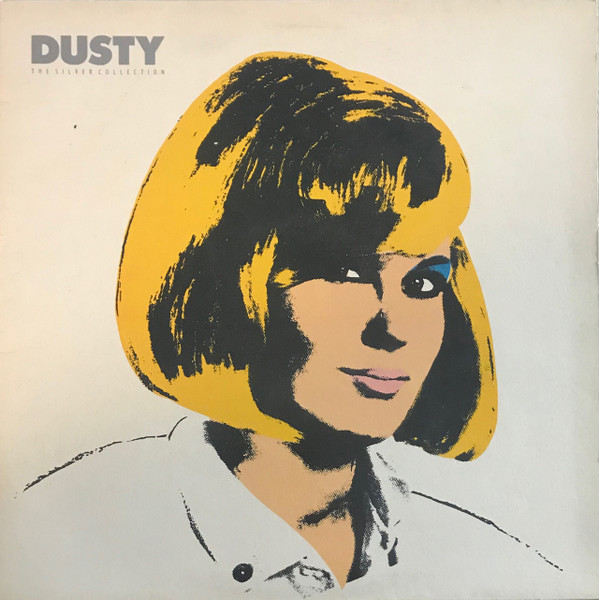
Dusty - The Silver Collection
1988

Golden Hits
1966
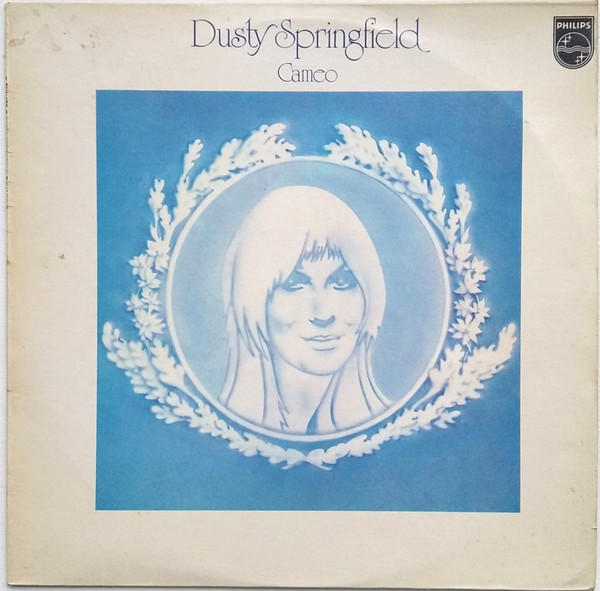
Cameo
1973

Dusty ... Definitely
1968

The Look Of Love
1967
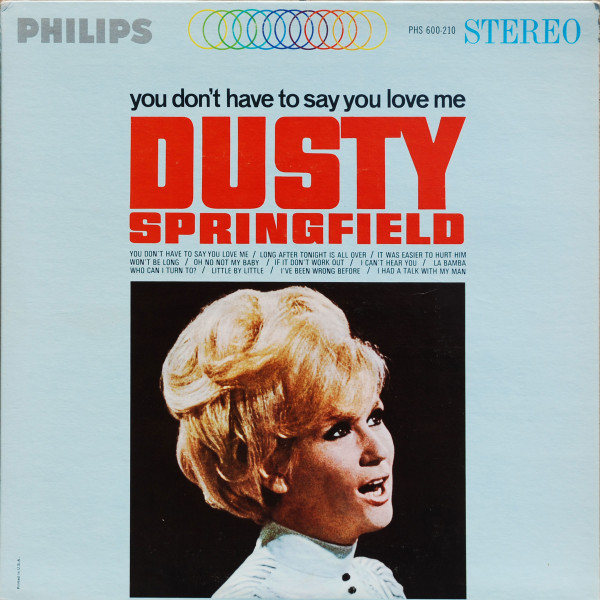
You Don't Have To Say You Love Me
1966

Dusty
1964

The Complete Atlantic Singles 1968-1971
2021

Classic Dusty Springfield
2000
Dusty's Sounds Of The 60's
1981
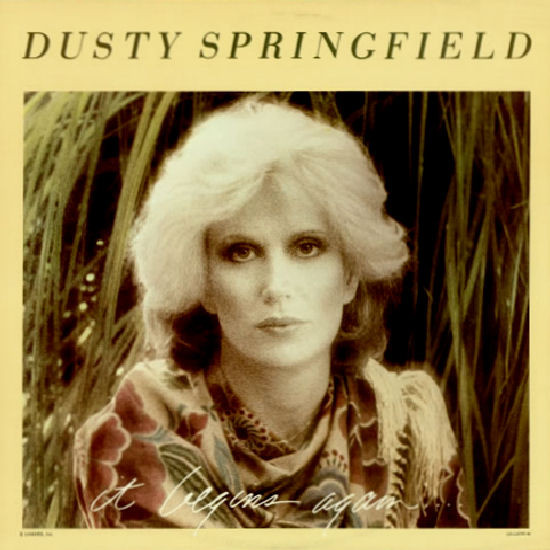
It Begins Again
1978

See All Her Faces
1972

A Brand New Me
1970

Where Am I Going
1967

Dusty Springfield's Golden Hits
1966

You Don't Have To Say You Love Me
1966

OoooooWeeee!!!
1965

The Very Best Of Dusty Springfield
1998

Reputation
1990
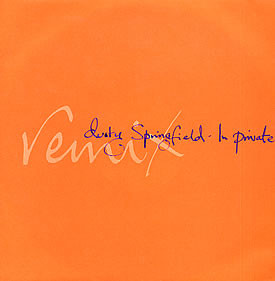
In Private
1989

Greatest Hits
1979
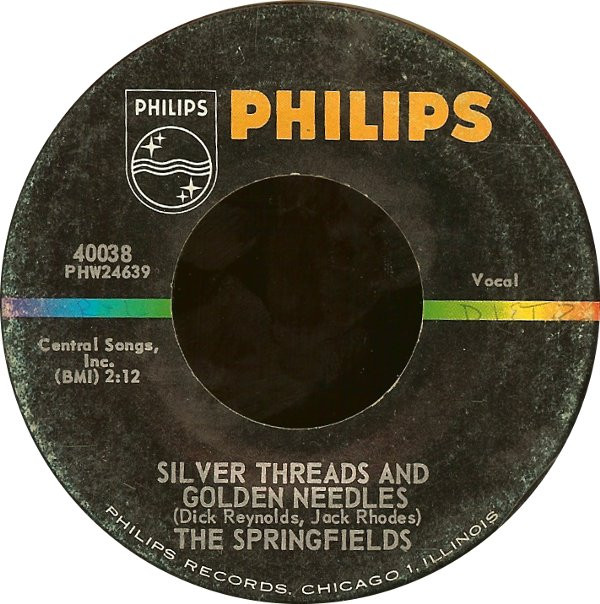
The Springfields
A project Dusty Springfield was part of. Former member.


Related artists
Around the web
Follow every record they touch.
Start your shelf and Gatefold tracks Dusty Springfield's new pressings, tour dates, and the whole discography — automatically.
Start your shelf →Free forever. Works with 10 records or 10,000.