
Artist
Miles Davis
jazz trumpeter, bandleader, songwriter
Alton, United States • 1926 – 1991
Miles Davis is a musician from Alton, United States, active 1926–1991. Their discography on Gatefold includes 24 records.

24
Albums tracked
1,395
In collections
1926
Since
Biography
There are not many artists whose careers can be divided into segments, each one worthy of discussion and analysis, each one with its own small catalog of albums that show progress and innovation in their respective sub-genres. Miles defined jazz as we know it and some would even say that he took the time to defile it. His vision led him through one of the most perfect jazz combos to ever record, but also through every major development to emerge from jazz since the '40s. From the earliest be-bop records to the beginnings of hip-hop, with a few dalliances in jazz-funk and fusion, Miles Davis was there, often at the front of the pack, trumpet in hand.
The Arc of Miles Davis
The pivots — what forced Miles Davis to reinvent.
The Cool Reaction
After the frenetic anxiety of the bebop years, Miles linked up with Gil Evans to strip everything back to its skeleton. They walked into WMGM Studios in 1949 with a nonet and dumped the solo-heavy circus for arrangements that sounded like smoke in a dark room. You hear it on Birth of the Cool, where the tuba and French horn provide a thick, orchestral weight that essentially killed the frantic tempo of the prior decade. It was the moment Miles realized that being the smartest guy in the room mattered more than being the loudest.
The Modal Pivot
By 1959, Miles was bored with the standard chord-heavy structures that defined hard bop. He brought Bill Evans into the studio and handed the band sketches rather than full scores, forcing them to improvise based on scales rather than jumping through chord changes. Kind of Blue was the result of that gamble, creating a sense of suspended time that changed the DNA of improvisational music. The tension in Coltrane’s solos against Miles’s minimalist phrasing proved that less wasn't just more—it was everything.
The Electric Betrayal
Fed up with the jazz audience’s aging demographics, Miles started hanging out with Hendrix and listening to Sly Stone. He ditched the suits for leather, plugged his trumpet into a wah-wah pedal, and dragged two drummers and three keyboardists into the room for Bitches Brew. Producer Teo Macero then acted like a film editor, splicing hours of chaotic jam sessions into the sprawling, psychedelic suites that basically invented jazz-fusion. It was a loud, messy middle finger to the Lincoln Center crowd that still haunts the jazz section today.
Influences
- Charlie Parker — Miles played in Parker's quintet in the mid-40s and got his education on the bandstand. You hear the frantic bebop phrasing in Miles's early Savoy sessions, even if he was struggling to keep up with Bird's velocity. It was the benchmark he eventually had to reject to find his own voice.
- Dizzy Gillespie — Dizzy was the technical blueprint for every trumpeter in the 40s and literally taught Miles how to play the difficult piano-based changes of bebop. You hear the influence in the high-register reach of Miles's earliest recordings before he realized he couldn't beat Dizzy at his own game. He spent the rest of his career playing the opposite of Dizzy’s fire.
- Billie Holiday — Miles famously stated that he tried to make his trumpet sound like Billie’s voice because of the way she manipulated phrasing and timing. On 'Round About Midnight, the way he lags behind the beat and uses silence mimics the vocal intimacy Holiday brought to her ballads. It’s the source of his vulnerability.
- Louis Armstrong — Miles once said you can't play anything on a horn that Louis hasn't played already. Even in his most avant-garde phases, that rhythmic foundation and the concept of the trumpet as a lead storytelling voice comes straight from Pops. It's the DNA of every solo on Milestones.
- Clark Terry — Terry was a neighbor and mentor in St. Louis who taught Miles the value of a clean, melodic vibrato and personality over raw power. You hear that fluidity in the middle register on early Prestige dates like Blue Haze. Terry provided the technical bridge from the swing era to the cool jazz future.
Discography
Their records — most-collected first.
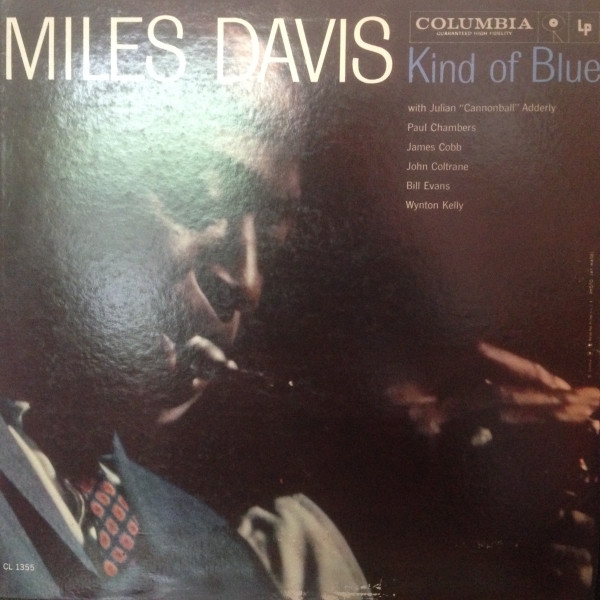
Kind Of Blue
1959
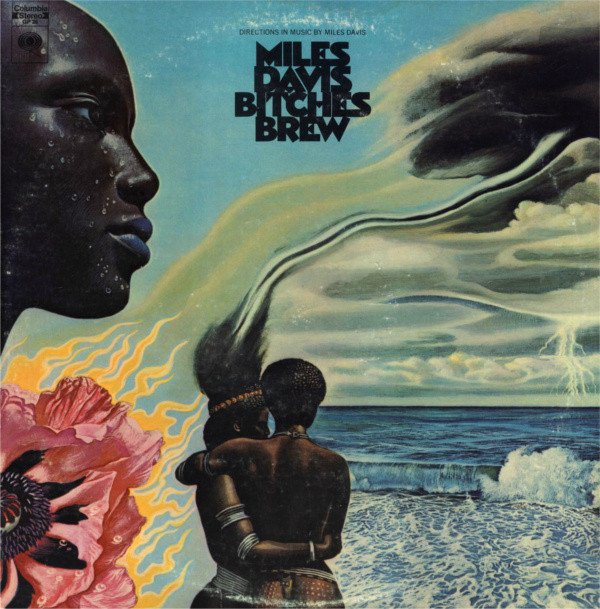
Bitches Brew
1970
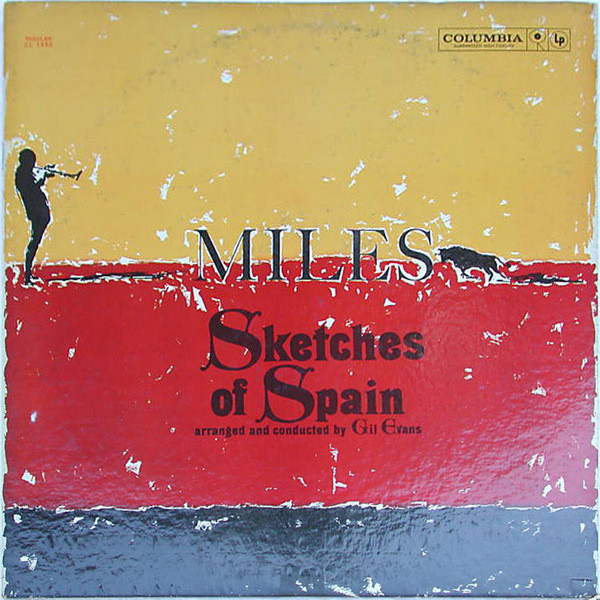
Sketches Of Spain
1960
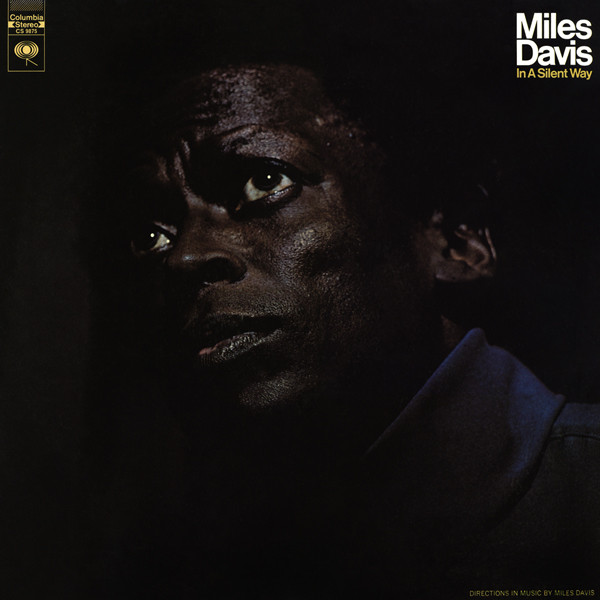
In A Silent Way
1969
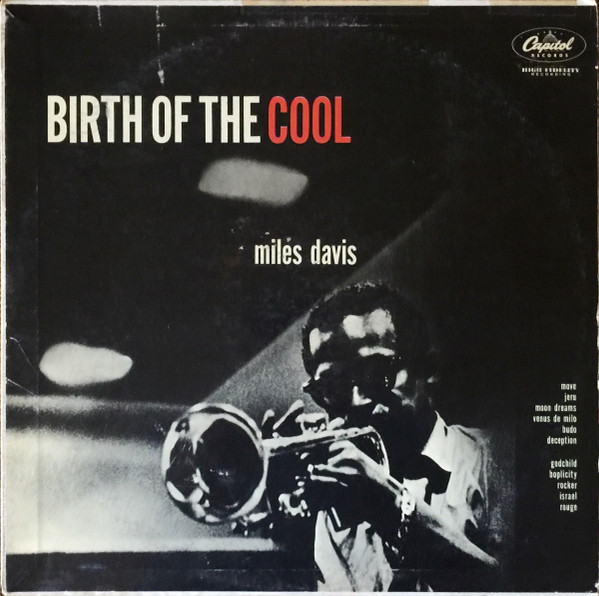
Birth Of The Cool
1957
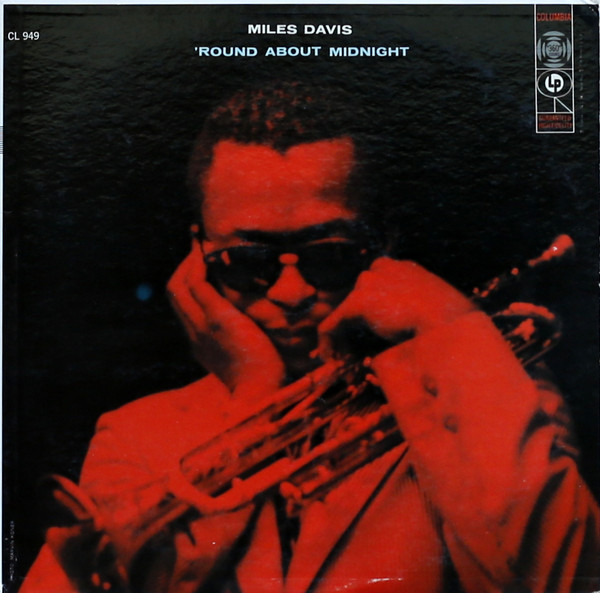
'Round About Midnight
1957
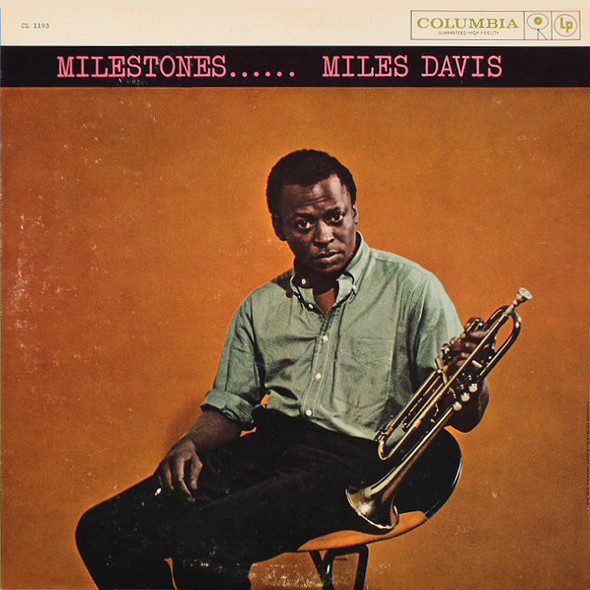
Milestones
1958
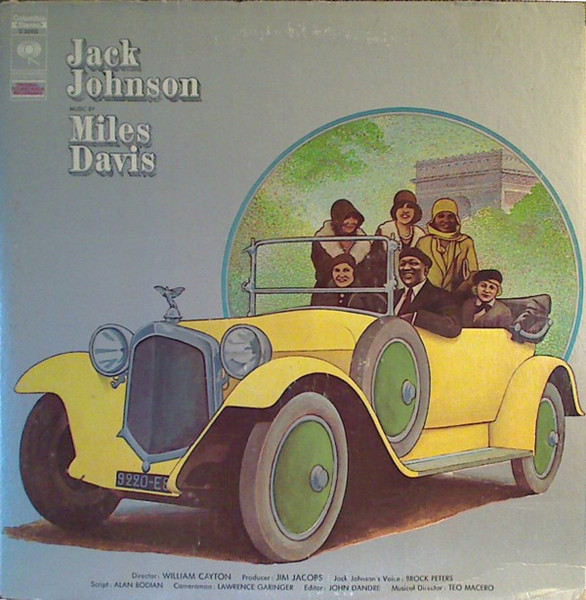
Jack Johnson (Original Soundtrack Recording)
1971
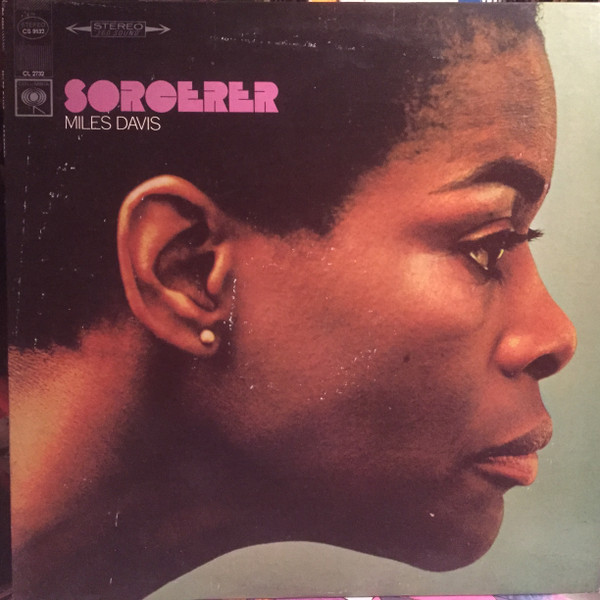
Sorcerer
1967
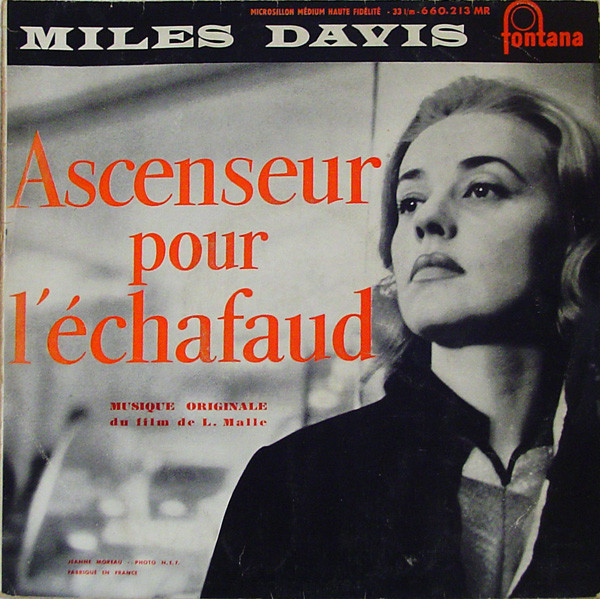
Ascenseur Pour L'Échafaud
1958
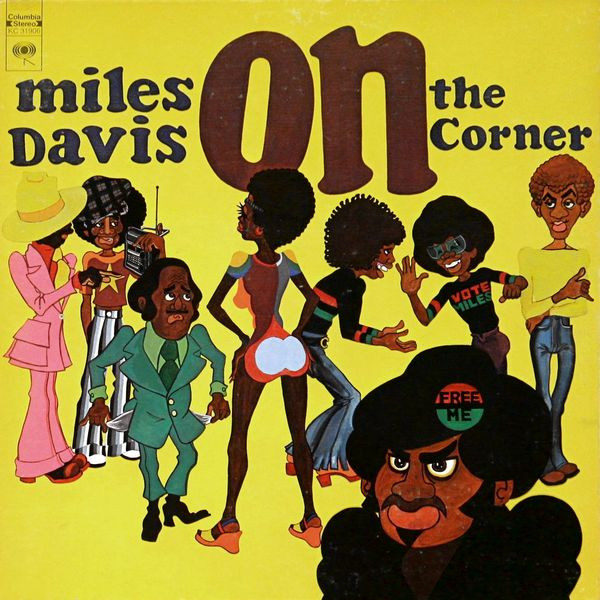
On The Corner
1972
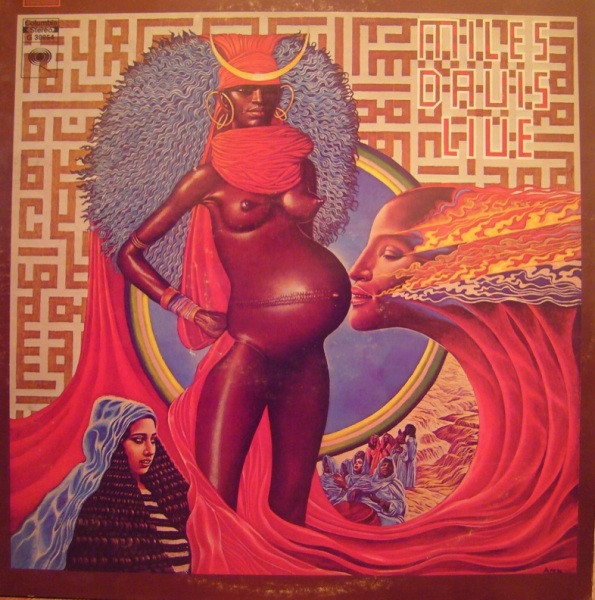
Live-Evil
1971

Porgy And Bess
1959
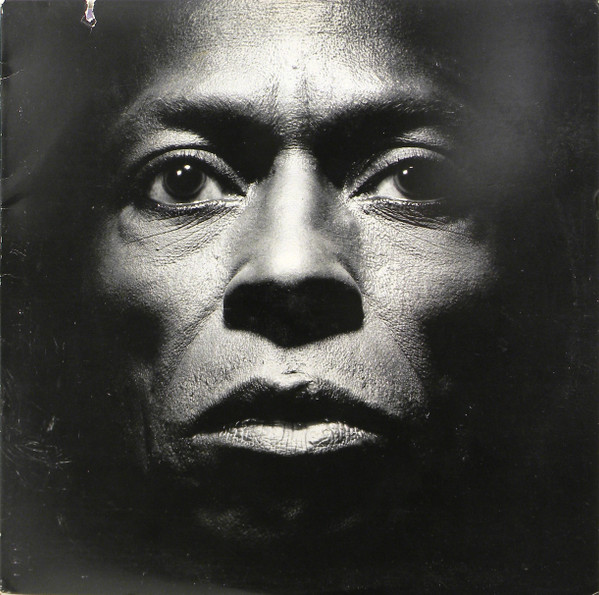
Tutu
1986
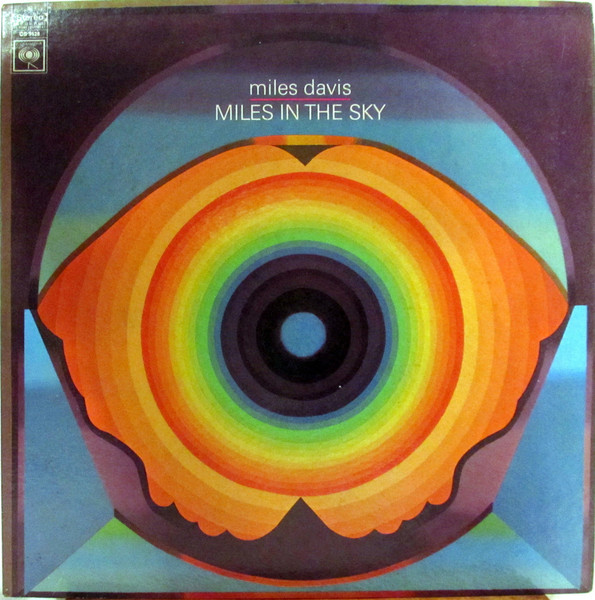
Miles In The Sky
1968
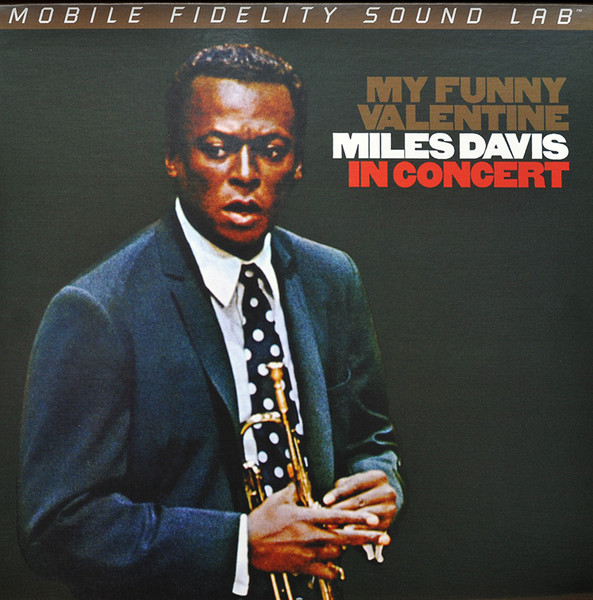
My Funny Valentine - Miles Davis In Concert
1965
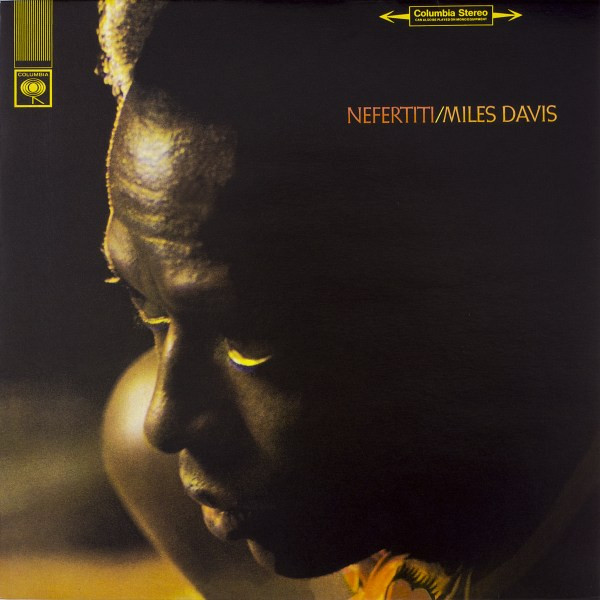
Nefertiti
1968
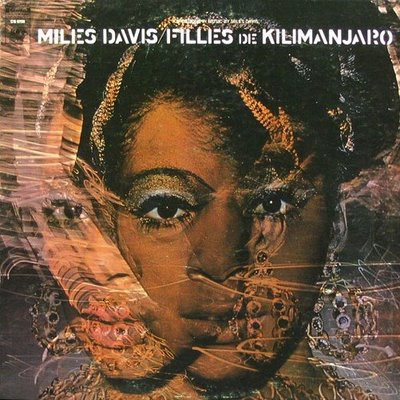
Filles De Kilimanjaro
1969
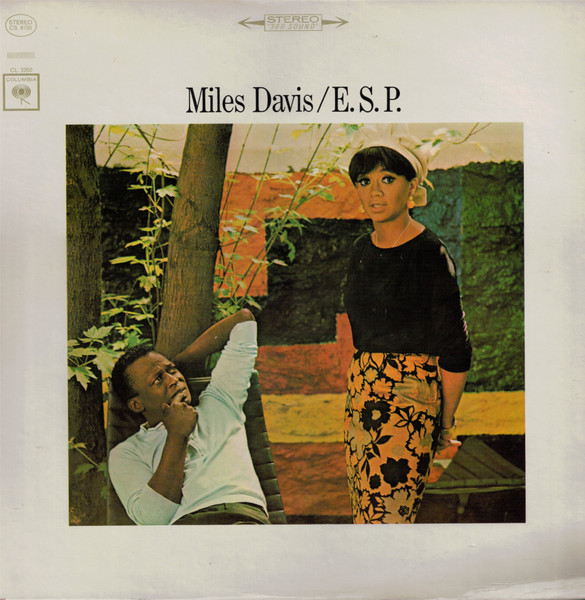
E.S.P.
1965

Seven Steps To Heaven
1963
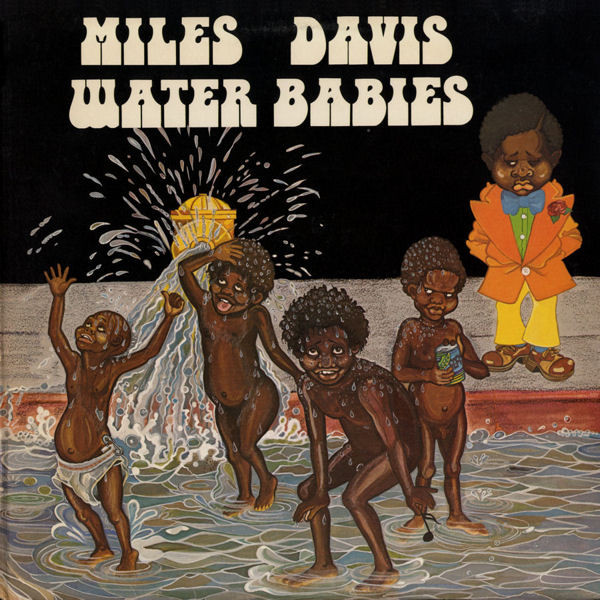
Water Babies
1977

Copenhagen 1960
1989
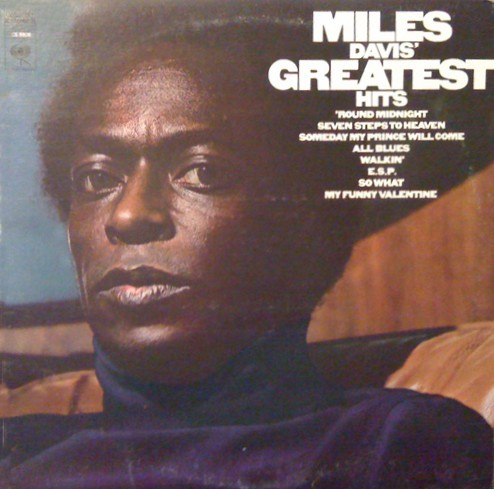
Miles Davis' Greatest Hits
1969
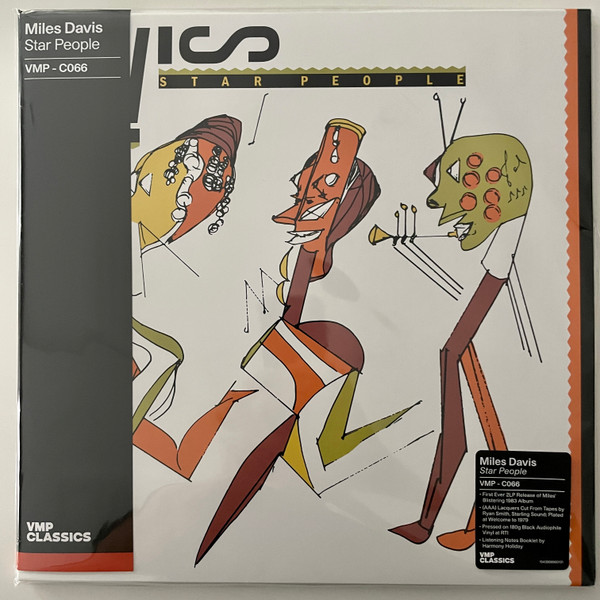
Star People
1983
Related artists
Bands & projects
Around the web
Follow every record they touch.
Start your shelf and Gatefold tracks Miles Davis's new pressings, tour dates, and the whole discography — automatically.
Start your shelf →Free forever. Works with 10 records or 10,000.