
Artist
Sonny Rollins
American saxophonist
Harlem, United States · 1930 – 2026
Sonny Rollins is a musician from Harlem, United States, active 1930–2026. Their discography on Gatefold includes 24 records. They also recorded with Sonny Rollins Quartet, Sonny Rollins Quintet, Thelonious Monk Quartet, Miles Davis Sextet, The Clifford Brown–Max Roach Quintet and Miles Davis All Stars.

86
Albums tracked
523
In collections
1930
Since
Biography
Sonny Rollins spent the summer of 1959 feeling like he wasn’t good enough, so he walked out to the middle of the Williamsburg Bridge and played into the wind for two years. No audience, no paycheck, just a man competing with the sound of the subway and the Brooklyn breeze. Most guys at his level would have cruised on the success of Saxophone Colossus, but Rollins had this obsessive streak that made him treat his own genius like a problem he needed to solve. He’d stand out there for fifteen hours at a clip, practicing overtones until his lip bled, just to see if he could find a higher gear. He’s the heavy hitter who actually stayed heavy. While everyone else was chasing heroin or shifting to fusion, Rollins was busy trying to figure out how to make a trio sound like a goddamn symphony. He didn't need a piano to hold his hand; he liked the open space because it gave him more room to swing the hammer. You get these long, sarcastic solo runs where he quotes ‘Alfie’ or some nursery rhyme, and he’s not being cute—he’s showing you that he can turn any piece of garbage melody into high art through sheer force of will. There’s a stretch in the late 70s where the production gets a bit slick and the R&B influence feels like a mismatch, but the playing never faltered. Even on the 'The Way I Feel' sessions, where the arrangements feel dated as hell, Rollins is still in there blowing holes through the speakers. He’s the last of the titans who actually cared about the architecture of a solo. He doesn't just play notes; he builds a damn house and then tears it down in the final chorus.
Bio from The Clerk
The Arc of Sonny Rollins
The pivots — what forced Sonny Rollins to reinvent.
The Prestige Sprints
Between 1954 and 1956, Rollins was basically the house muscle for Prestige, recording with Miles Davis and Thelonious Monk while cutting his own definitive statements. Working with producer Bob Weinstock, he moved away from the bebop speed-freak template to focus on thematic development on records like Work Time and Saxophone Colossus. You hear it in the way he takes a simple motif and worries it like a dog with a bone, refusing to let go until he's exhausted every harmonic possibility. This was the era where the 'Newk' nickname stuck and his tone became the gold standard for every tenor player on the planet.
The Williamsburg Bridge Hiatus
In 1959, at the absolute height of his powers, Rollins walked away from the scene because he was frustrated with his own technical limitations. He spent two years practicing on the pedestrian walkway of the Williamsburg Bridge to avoid disturbing his neighbors, finally returning in 1962 with The Bridge on RCA Victor. The music was leaner, more muscular, and stripped of any remaining clichés, featuring Jim Hall on guitar instead of a piano to keep the textures transparent. It’s a record that sounds like a man who spent two years talking only to himself and the traffic.
The Impulse Free-Fall
By the mid-60s, the New Thing was happening and Rollins wasn't about to get left behind, leading to a fierce, experimental run on the Impulse! label. On East Broadway Run Down, he brought in Freddie Hubbard and Elvin Jones to push the boundaries of structure, often playing just the mouthpiece or squealing into the upper register. This wasn't chaos for the sake of it; he was reacting to the avant-garde movement by proving he could out-blow anyone in the room while maintaining his ironclad sense of rhythm. It’s some of the most aggressive, physical saxophone playing ever captured on tape.
Influences
- Coleman Hawkins — Rollins explicitly called Hawkins the 'master' and sought him out for the Sonny Meets Hawk! session in '63. You hear it in the heavy, vibrato-rich tone and the aggressive way Rollins attacks the lower register. It's the foundation of his entire physical approach to the horn.
- Louis Armstrong — Rollins grew up obsessed with Armstrong’s sense of drama and melodic clarity, often citing him as his primary influence for solo construction. That sarcastic, playful habit of quoting other songs mid-solo comes directly from Satchmo’s playbook. It’s the art of the wink through a brass tube.
- Lester Young — Young taught Rollins about the 'cool' use of space and how to tell a story without over-playing. While Rollins has more muscle, his rhythmic displacement—the way he hangs behind the beat—is a direct lift from Young’s Prez-era recordings. It's the reason his solos feel like they're leaning back.
- Charlie Parker — Rollins was a protégé who actually sat in with Parker’s band as a teenager, and Bird’s harmonic speed is the engine under Rollins’ hood. You hear it on the early Prestige sides like 'Moving Out' where the bebop architecture is still visible under the granite tone. It's the technical floor he built his own house on.
- Thelonious Monk — Rollins played in Monk’s quartet in the early 50s and absorbed the pianist’s obsession with thematic improvisation. Monk told him to never lose sight of the melody, which is why Rollins can play a twenty-minute solo that never feels lost. It turned a technical player into a structural genius.
Sonny Rollins — solo
Their records — most-collected first.
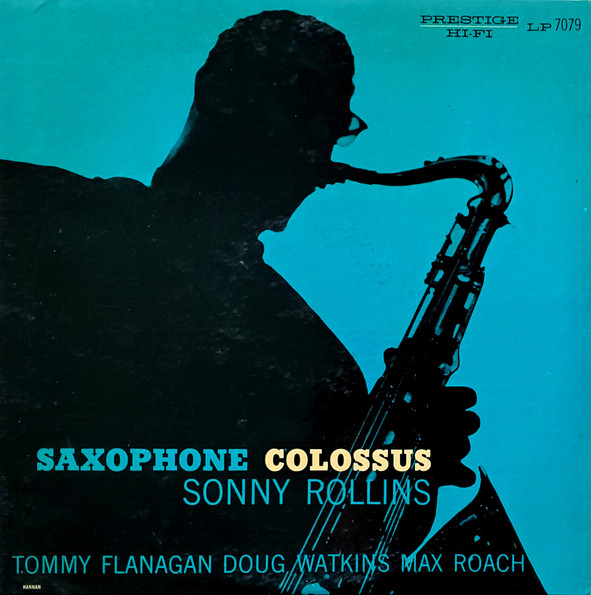
Saxophone Colossus
1957

Way Out West
1957
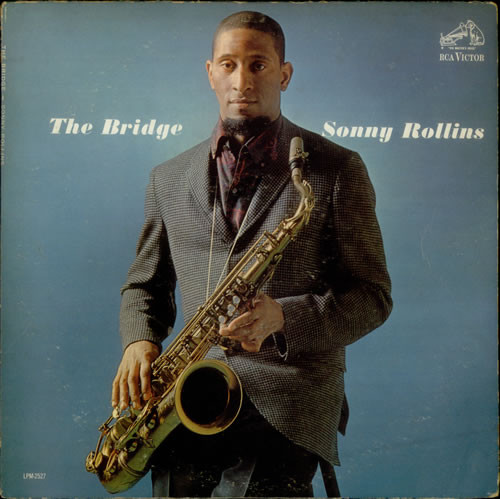
The Bridge
1962
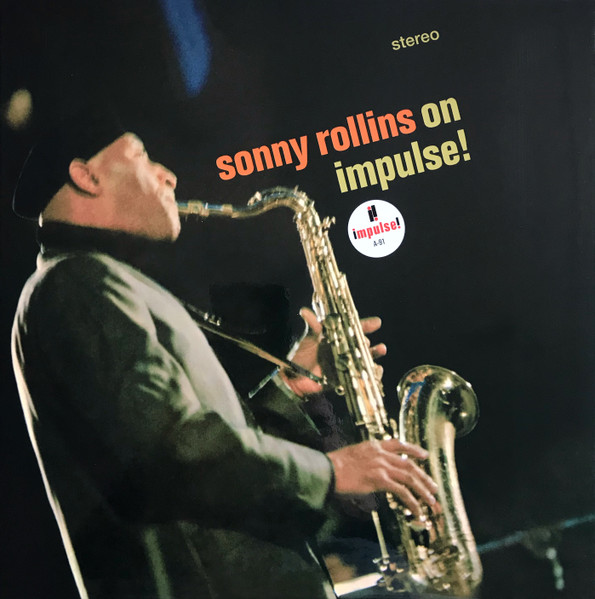
On Impulse!
1965
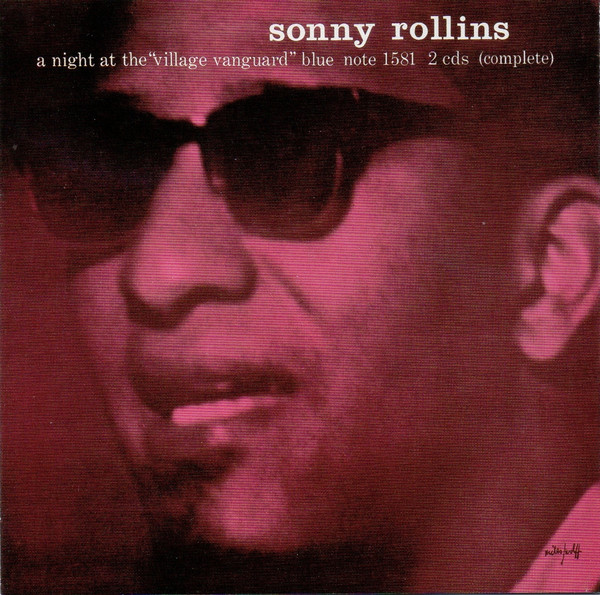
A Night At The Village Vanguard
1999

Sonny Rollins Vol. 2
1957

Newk's Time
1959
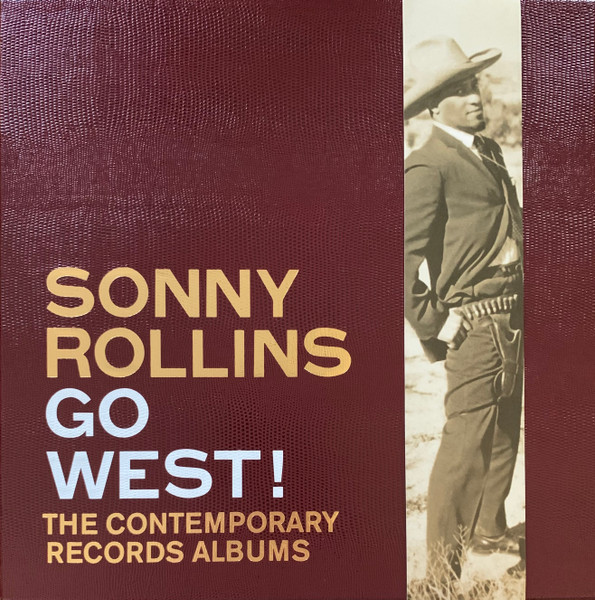
Go West!: The Contemporary Records Albums
2023
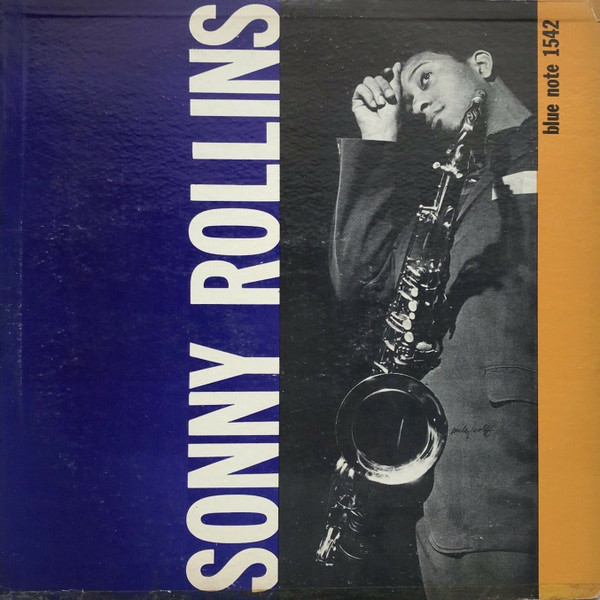
Sonny Rollins
1957
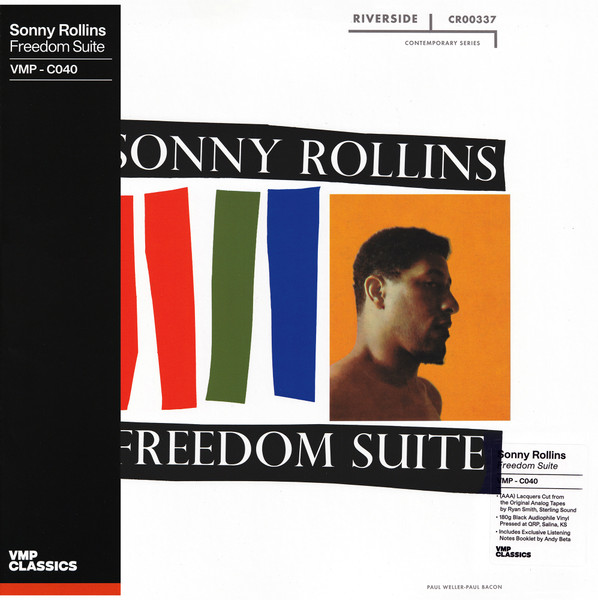
Freedom Suite
1958

Sonny Rollins And The Contemporary Leaders
1959

Plus 4
1956

East Broadway Run Down
1967

Worktime
1956
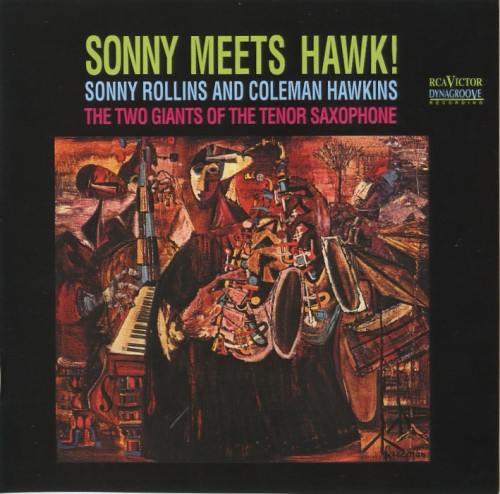
Sonny Meets Hawk!
1963
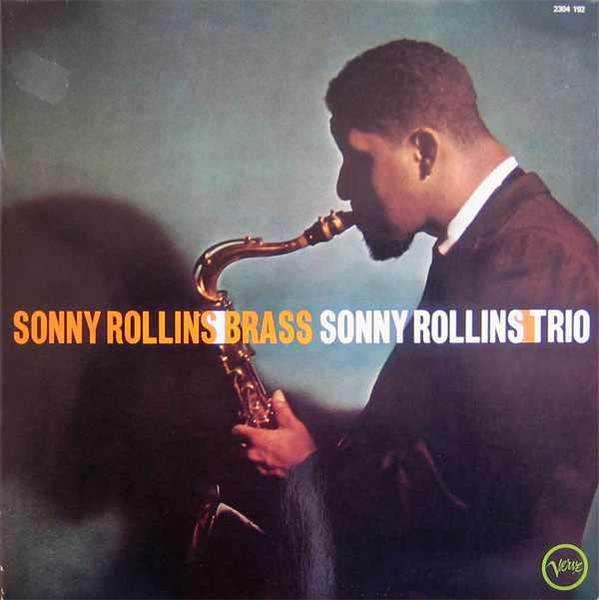
Sonny Rollins And The Big Brass
1958

The Sound Of Sonny
1957
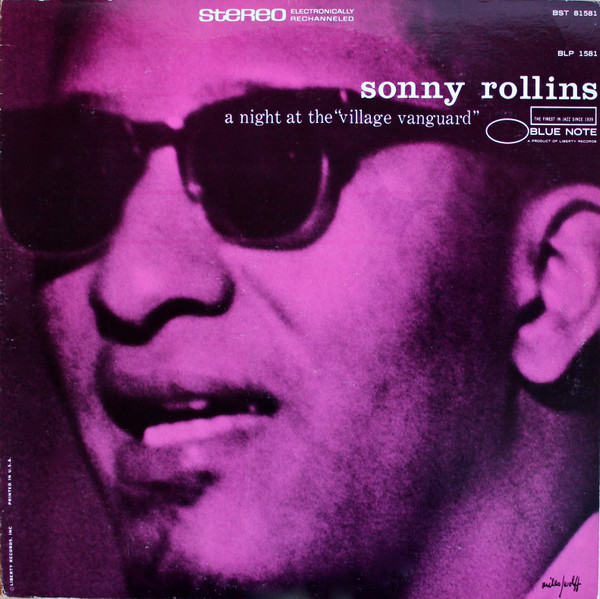
A Night At The "Village Vanguard"
1957

Easy Living
1978

Now's The Time!
1964

What's New?
1962
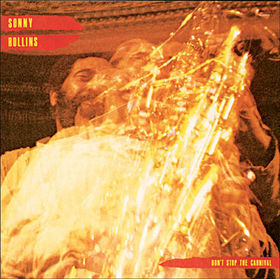
Don't Stop The Carnival
1978

The Freedom Suite Plus
1973

Our Man In Jazz
1963
Sonny Rollins Quartet
Sonny Rollins under another name — MusicBrainz marks this project eponymous.
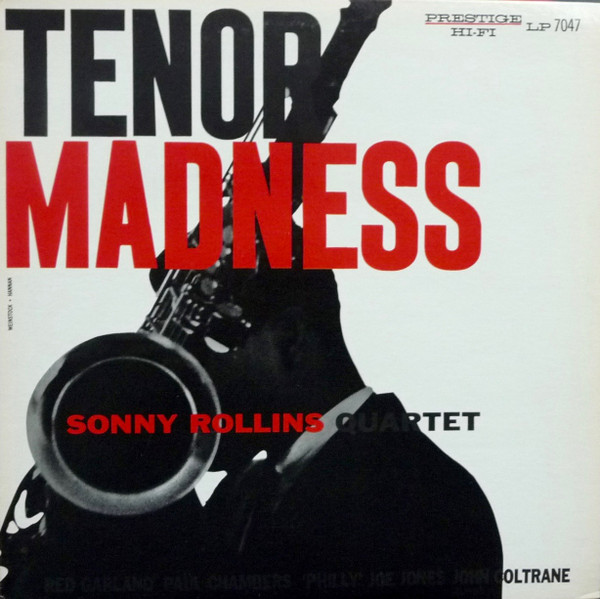
Sonny Rollins Quintet
Sonny Rollins under another name — MusicBrainz marks this project eponymous.
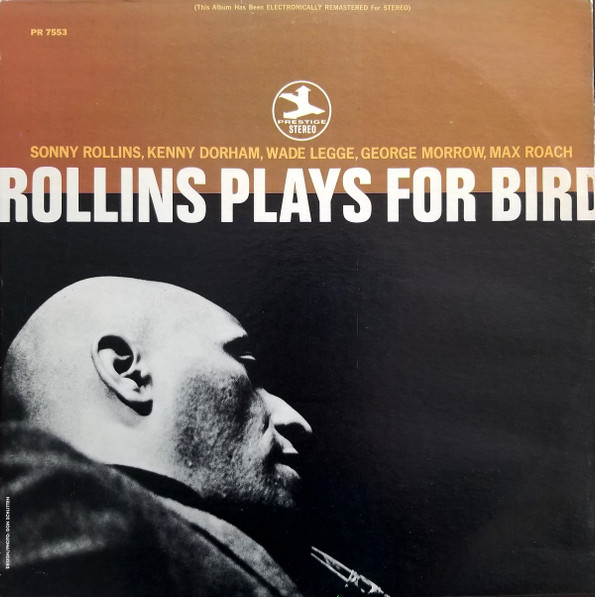

Thelonious Monk Quartet
A project Sonny Rollins was part of. Former member.
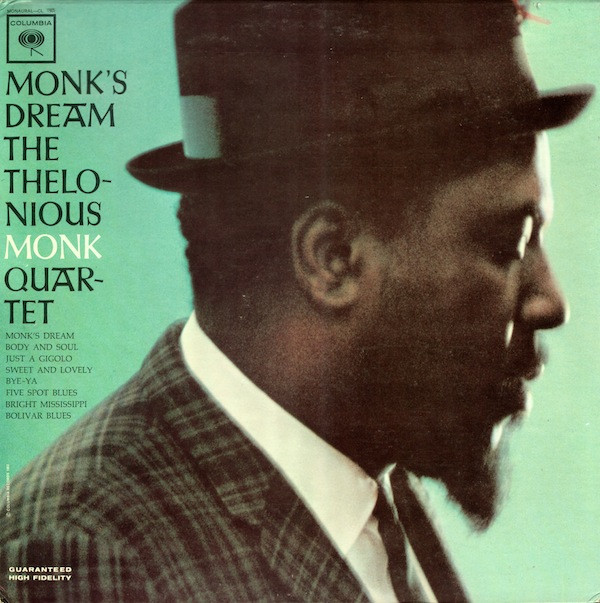


Miles Davis Sextet
A project Sonny Rollins was part of. Former member.
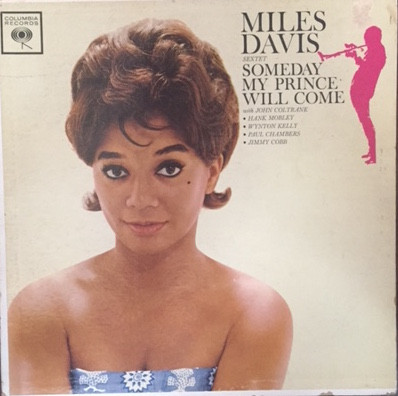

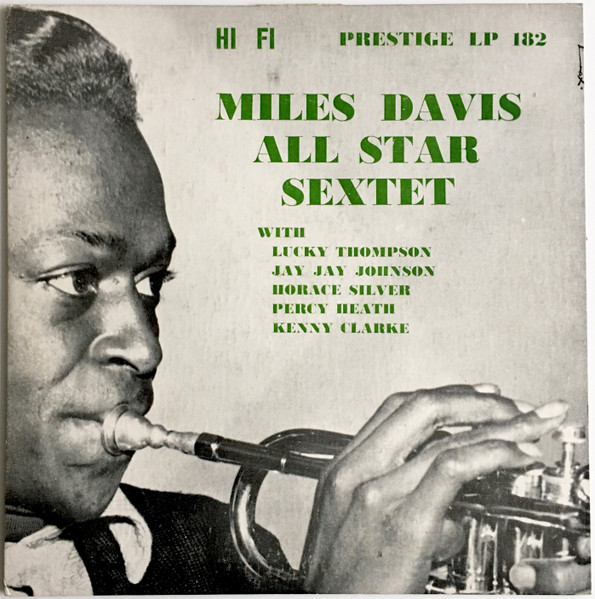
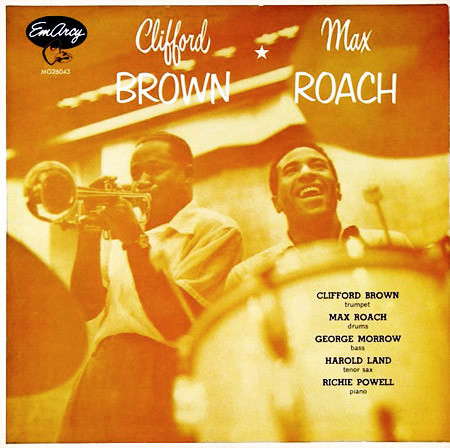
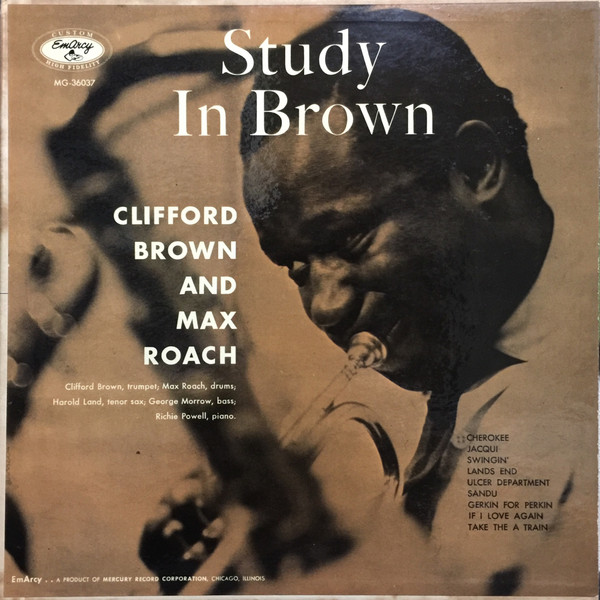
The Clifford Brown–Max Roach Quintet
A project Sonny Rollins was part of. Former member.


Miles Davis All Stars
A project Sonny Rollins was part of. Former member.


Related artists
Around the web
Follow every record they touch.
Start your shelf and Gatefold tracks Sonny Rollins's new pressings, tour dates, and the whole discography — automatically.
Start your shelf →Free forever. Works with 10 records or 10,000.