
Artist
Wes Montgomery
Indianapolis, United States · 1923 – 1968
Wes Montgomery is a musician from Indianapolis, United States, active 1923–1968. Their discography on Gatefold includes 24 records. They also recorded with Wes Montgomery Trio, The Mastersounds and The Montgomery Brothers.

74
Albums tracked
231
In collections
1923
Since
Biography
Wes taught himself to play by listening to Charlie Christian records at 78 RPM and trying to copy the solos. He didn’t use a pick because he was practicing in his house after working long shifts at a milk factory and didn’t want to wake his wife. Using the fleshy part of his thumb changed the physics of the instrument. It took away the sharp attack and replaced it with that heavy, rounded thud that eventually defined the sound of jazz guitar for every player that followed. He was a working-class guy from Indianapolis who spent his prime years on the road with his brothers, Monk and Buddy, before Orrin Keepnews finally got him into a studio for Riverside. For a few years, he was untouchable, playing octaves with a speed that shouldn't have been physically possible for a human hand. Then he signed to Verve and A&M and let Creed Taylor bury his talent under layers of elevator-music strings and pop covers. It paid the bills, and the guy deserved the money, but listening to him play 'California Dreaming' after hearing 'Four on Six' is enough to make a grown man weep into his beer.
Bio from The Clerk
The Arc of Wes Montgomery
The pivots — what forced Wes Montgomery to reinvent.
The Riverside Bop Era
Orrin Keepnews signed Wes in 1959 after Cannonball Adderley raved about a performance in an Indiana club. This period is the gold standard for pure jazz guitar, where Wes recorded 'The Incredible Jazz Guitar' with the Riverside house rhythm section. You can hear his total mastery of the blues-scale and those trademark octaves before commercial pressure started to seep in. He was playing with fire here, treating the guitar like a horn rather than a chordal rhythm instrument.
The Wynton Kelly Partnership
When Wes teamed up with Miles Davis’s former rhythm section—Wynton Kelly, Paul Chambers, and Jimmy Cobb—the music hit a new level of swing. This is best captured on 'Smokin' at the Half Note' in 1965, which Pat Metheny basically calls the greatest jazz guitar album ever made. The interplay is telepathic because these guys were road-hardened professionals who didn't need a map. Wes sounds relaxed but lethal, stretching out his lines over Kelly's perfectly timed block chords.
The Creed Taylor Sellout
Creed Taylor moved Wes over to Verve and later A&M, where the goal shifted from cutting-edge bop to selling units to suburbanites. They paired him with Don Sebesky's orchestral arrangements and told him to play the melody of the week's biggest pop hits. His thumb was still there, and his tone was still gold, but the improvisational danger was completely gone. These records sold like crazy and won Grammys, but they are the reason you find so many cheap, scratched-up copies of 'A Day in the Life' in the dollar bins today.
Influences
- Charlie Christian — Wes spent years transcribing Christian’s solos from Benny Goodman records note-for-note. You hear it in the way he constructs single-note lines that feel like they're leaning forward. He didn't just learn the licks; he learned how to make a guitar command the same respect as a saxophone.
- Django Reinhardt — Wes frequently cited the French Gypsy guitarist as a primary inspiration for his melodic phrasing. On 'So Much Guitar!', the influence of Django’s acoustic bite and percussive attack is buried just under the surface of Wes's electric thumb-style. It’s that same sense of relentless, rhythmic drive.
- Les Paul — Before the gimmicks and multi-tracking, Les Paul was a monster swing player who Wes respected for his technical precision. The clean, direct-to-amp signal Wes used was a nod to that early electric era where the player's fingers did all the work. You hear the lineage in the way they both attacked upbeat tempos without losing clarity.
- Count Basie — Wes modeled his 'block chord' soloing technique after the big band horn sections and Basie’s piano style. Instead of just playing a melody, he’d harmonize it in thick, moving chunks that sounded like a whole brass section. It turned the guitar into a miniature orchestra.
- T-Bone Walker — The blues is the bedrock of everything Wes played, and T-Bone was the one who taught everyone how to make an electric guitar wail. Wes took Walker's blues phrasing and sophisticated it with bebop changes. Even on his most complex tracks, that low-down Texas blues feel never fully leaves the room.
Wes Montgomery — solo
Their records — most-collected first.
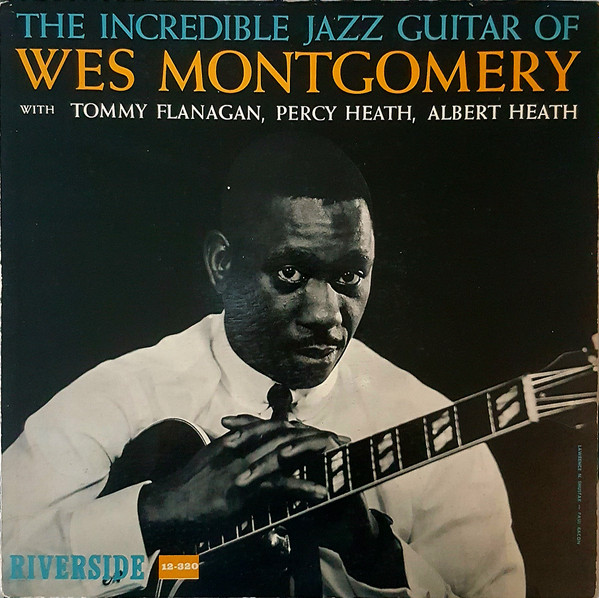
The Incredible Jazz Guitar Of Wes Montgomery
1960
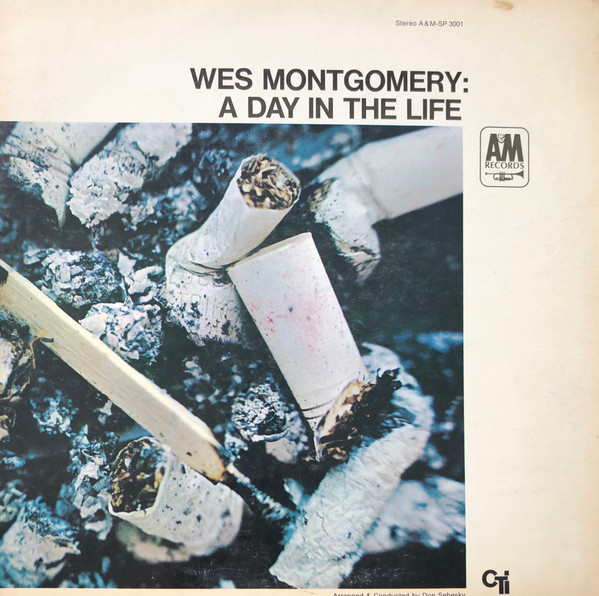
A Day In The Life
1967
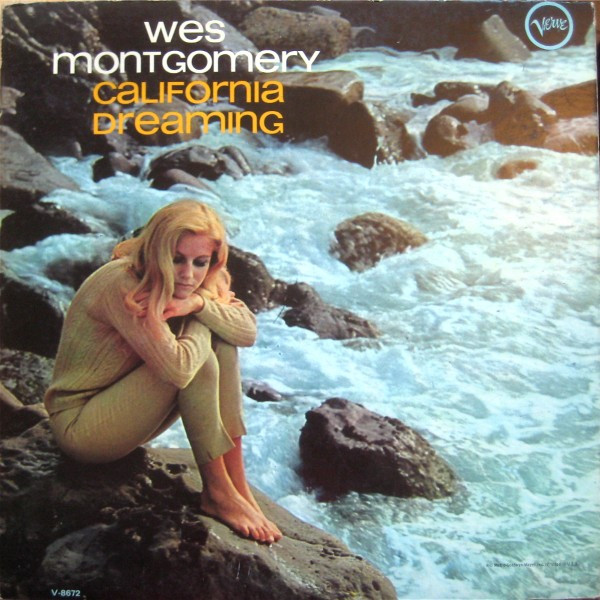
California Dreaming
1967

Bumpin'
1965

The Best Of Wes Montgomery
1967

Full House
1962
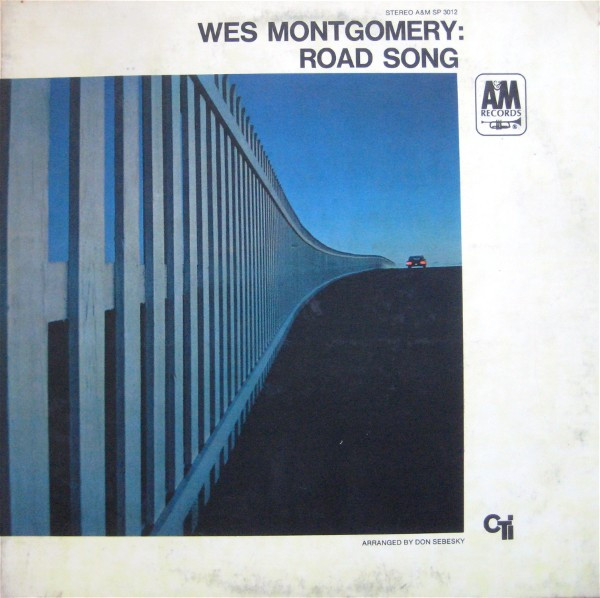
Road Song
1968

Willow Weep For Me
1969
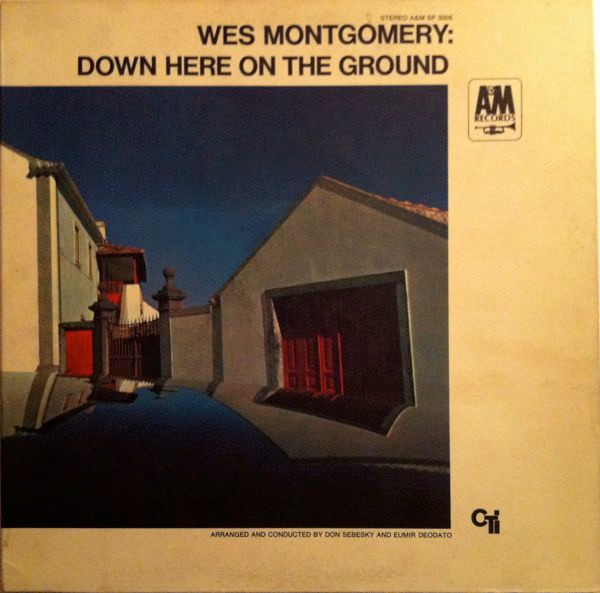
Down Here On The Ground
1968
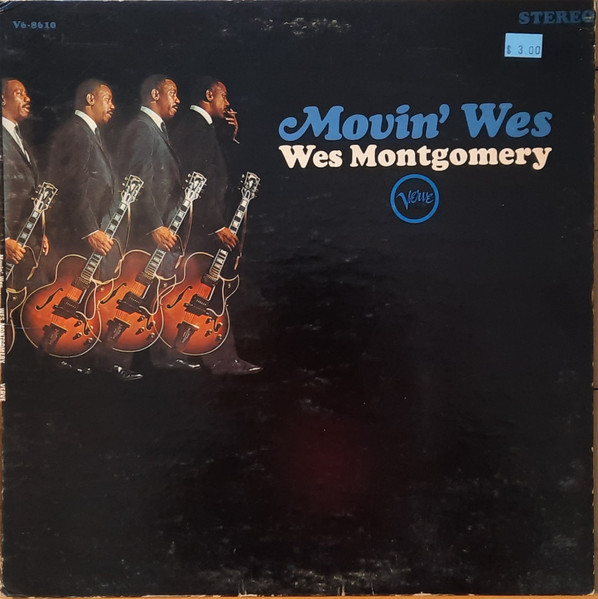
Movin' Wes
1965

Greatest Hits
1970

Goin' Out Of My Head
1966

Boss Guitar
1963

Movin' Along
1961

Tequila
1966

So Much Guitar!
1961

The Small Group Recordings
1976
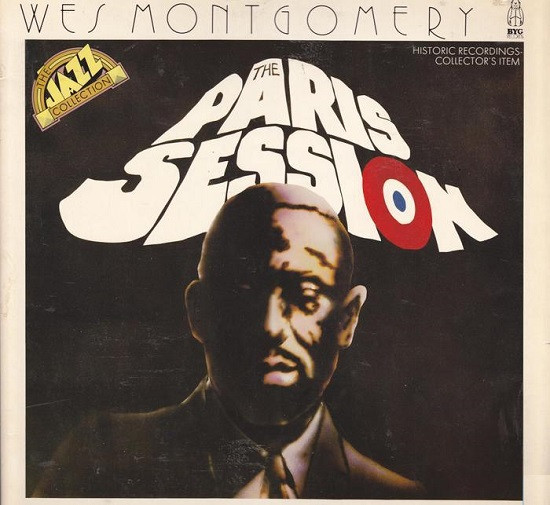
The Paris Session
1975

Return Engagement
1974

Fusion!
1963

Encores
1983
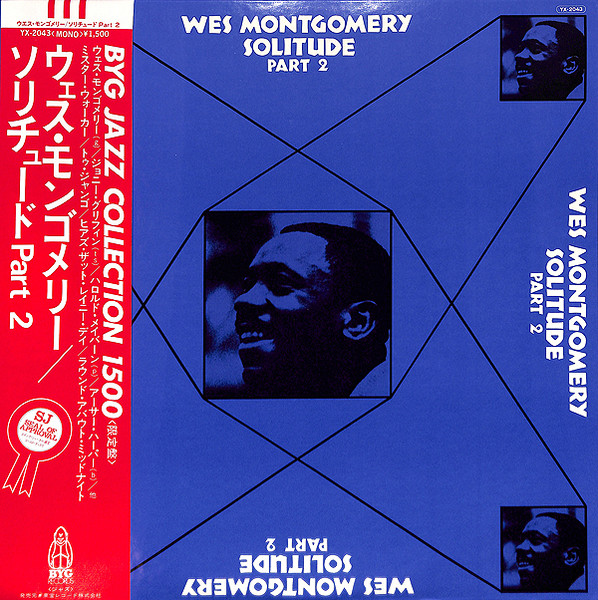
Solitude Part 2
1973

While We're Young
1973

The Best Of Wes Montgomery Vol. 2
1968
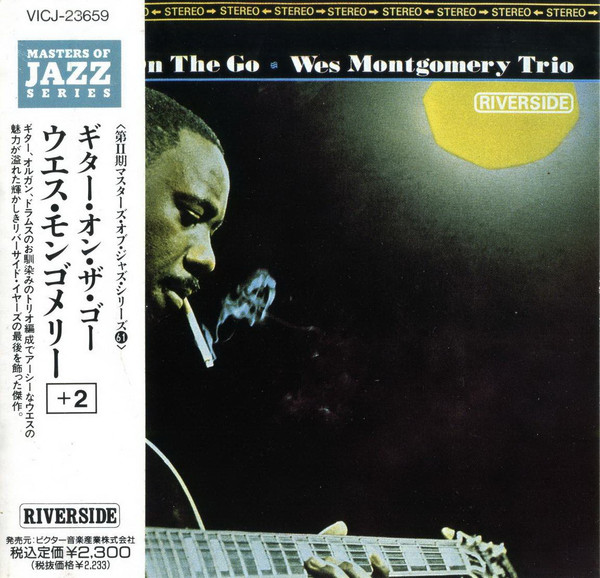
Wes Montgomery Trio
A project Wes Montgomery was part of.


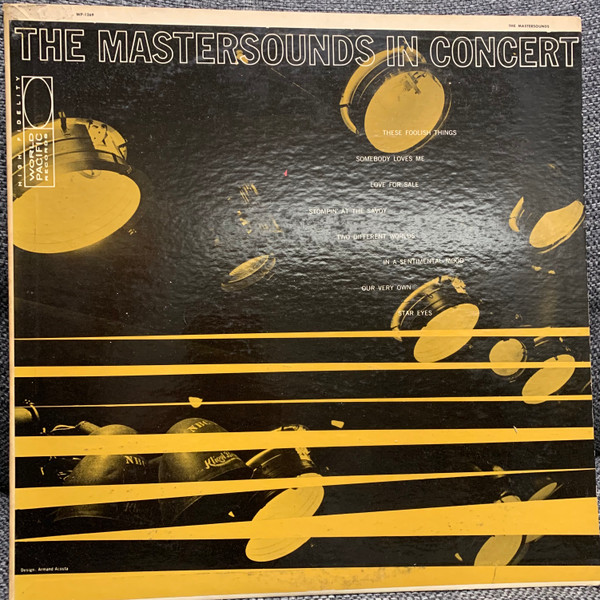
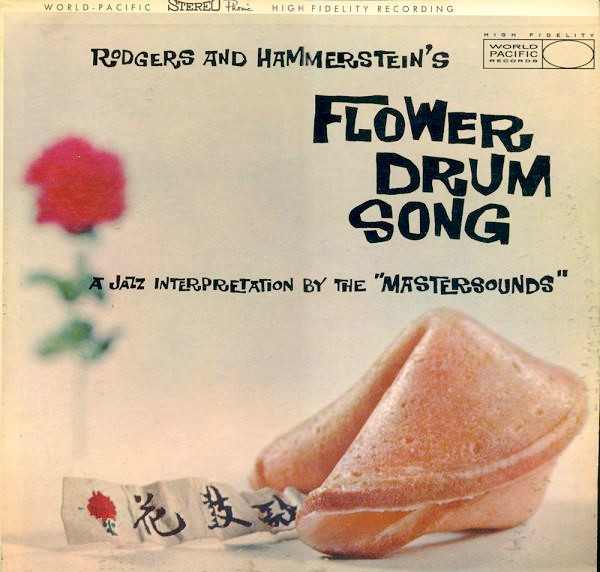
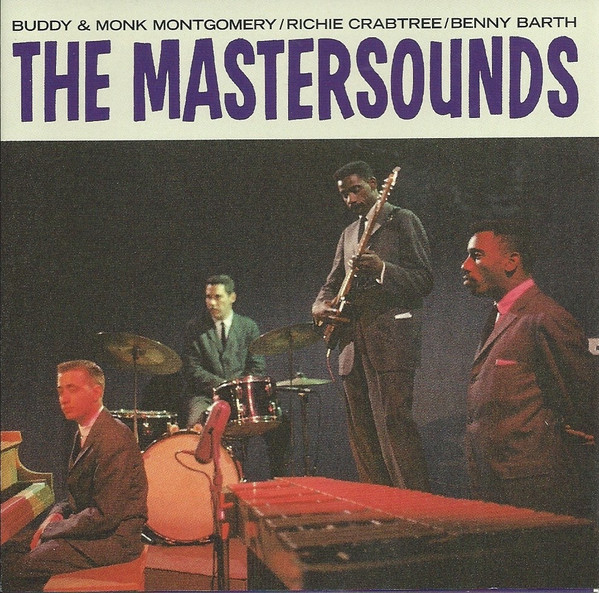
The Mastersounds
A project Wes Montgomery was part of.

The Montgomery Brothers
A project Wes Montgomery was part of.


Related artists
More projects
Around the web
Follow every record they touch.
Start your shelf and Gatefold tracks Wes Montgomery's new pressings, tour dates, and the whole discography — automatically.
Start your shelf →Free forever. Works with 10 records or 10,000.