
Artist
John Coltrane
Hamlet, United States · 1926 – 1967
John Coltrane is a musician from Hamlet, United States, active 1926–1967. Their discography on Gatefold includes 24 records. They also recorded with John Coltrane Quartet, Miles Davis Quintet, Thelonious Monk Quartet, Miles Davis Sextet, Thelonious Monk Septet and Dizzy Gillespie and His Orchestra.

157
Albums tracked
1,676
In collections
1926
Since
Biography
Coltrane got fired by Miles Davis in '57 because he was too strung out on heroin to play the sets properly. He went back to Philadelphia, kicked the habit cold turkey in his bedroom, and came out the other side with a religious intensity that made everyone else on the bandstand look like they were just clocking in. By the time he hit the studio for Blue Train later that year, he wasn't just a sideman anymore; he was a freight train with a tenor sax, playing 'sheets of sound' because he was trying to cram every possible harmonic permutation into a single bar of music. Most people treat A Love Supreme like a holy relic, but the reality of his late-period stuff is a lot messier and more aggressive. He started bringing in two drummers and screaming through the horn because he hit the physical ceiling of what twelve notes could do. It wasn't always 'pretty'—some of those later live sets at the Village Vanguard are fucking exhausting to listen to—but he was the only guy in jazz willing to burn his entire career to the ground just to see what was underneath the ashes.
Bio from The Clerk
The Arc of John Coltrane
The pivots — what forced John Coltrane to reinvent.
The Prestige Workhorse
Before he was a prophet, he was a session shark for Bob Weinstock at Prestige Records, often cutting entire albums in a single afternoon just to keep the lights on. You hear this in the Miles Davis Quintet sessions where he’s playing the foil to Miles's minimalism with a frantic, technical speed that critics called cluttered. This era is defined by the struggle to fit a massive, burgeoning technique into the rigid structures of hard bop. It culminated in Giant Steps, an album that functioned like a final exam for the entire genre, featuring chord changes so dense they famously left pianist Tommy Flanagan stumbling mid-solo.
The Classic Quartet Pivot
Everything changed when he signed to Impulse! and locked in with McCoy Tyner, Jimmy Garrison, and Elvin Jones. They moved away from the complex chord mazes of his earlier work and leaned into modal jazz, allowing the band to drone on a single scale for twenty minutes while Elvin Jones laid down a polyrhythmic barrage that felt like a thunderstorm. This is the sound of My Favorite Things, where he picked up the soprano sax and turned a Rodgers and Hammerstein show tune into a hypnotic, Eastern-influenced raga. It wasn't just jazz anymore; it was a physical endurance test for the players and the audience.
The Final Ascension
In the last two years of his life, Coltrane abandoned melody and structure entirely for the total sonic assault of albums like Ascension and Meditations. He added Pharoah Sanders to the lineup, a guy who could make a saxophone sound like a jet engine, and started incorporating bells, shakers, and non-Western scales. The industry hated it and the old-guard critics thought he’d lost his mind, but he was chasing a pure vibration that moved past the limitations of the Western temperament. It is the sound of a man who knows he is dying and is trying to scream his entire soul into a microphone before the clock runs out.
Influences
- Johnny Hodges — Coltrane played in Hodges' band in the early '50s and obsessed over the Ellington sideman's liquid tone. You hear it in how Coltrane handles a ballad like 'Naima,' mimicking that effortless, sliding portamento. It gave his most aggressive playing a secret foundation of swing.
- Lester Young — Young was the blueprint for the 'cool' school, but Coltrane took his linear, horizontal approach to soloing and cranked the tempo to a breaking point. In early live recordings, Coltrane is clearly trying to replicate Young's phrasing while adding his own vertical harmonic density. He never lost that light, airy Prez-style vibrato even when he was blowing hard.
- Charlie Parker — Every sax player in '45 lived in Parker's shadow, and Coltrane actually gigged with Bird while playing alto in the late '40s. Parker’s use of upper-extension harmony is what gave Coltrane the tools to eventually write 'Giant Steps.' It was the catalyst for his entire obsession with speed and chordal substitution.
- Dizzy Gillespie — Coltrane was a member of Dizzy's big band and small groups during the transition from big band swing to bop. Dizzy’s interest in Afro-Cuban rhythms and complex rhythmic theory is where Coltrane first learned to think outside the standard 4/4 jazz box. It planted the seeds for the polyrhythmic chaos he’d later explore with Elvin Jones.
- Coleman Hawkins — Hawkins was the first guy to treat the tenor sax like a serious harmonic instrument, and Coltrane studied his 'Body and Soul' solo like it was the Bible. You hear Hawkins in the sheer muscularity of Coltrane's tone. He took the Hawkins 'big sound' and stripped away the vibrato to make it sharper and more piercing.
John Coltrane — solo
Their records — most-collected first.
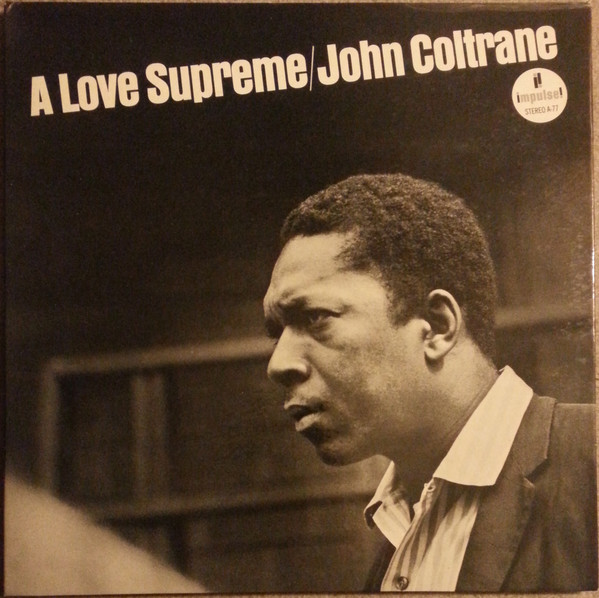
A Love Supreme
1965
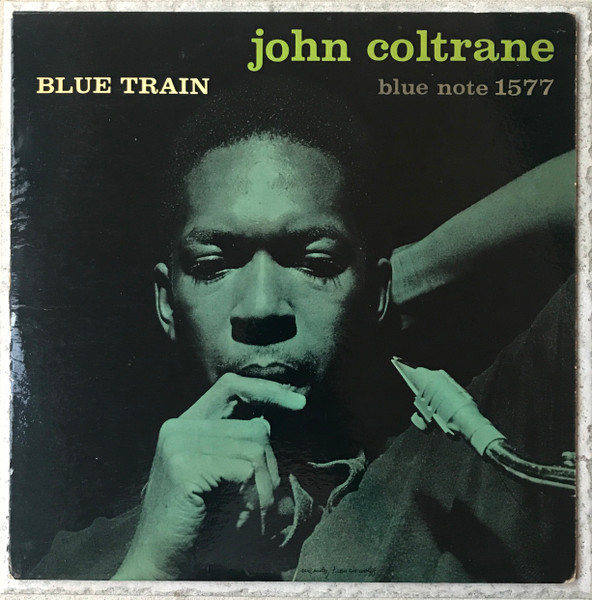
Blue Train
1958
Giant Steps
1960
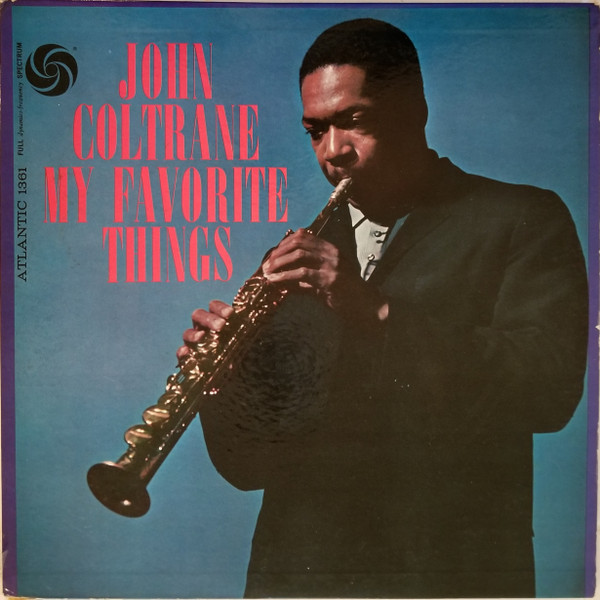
My Favorite Things
1961
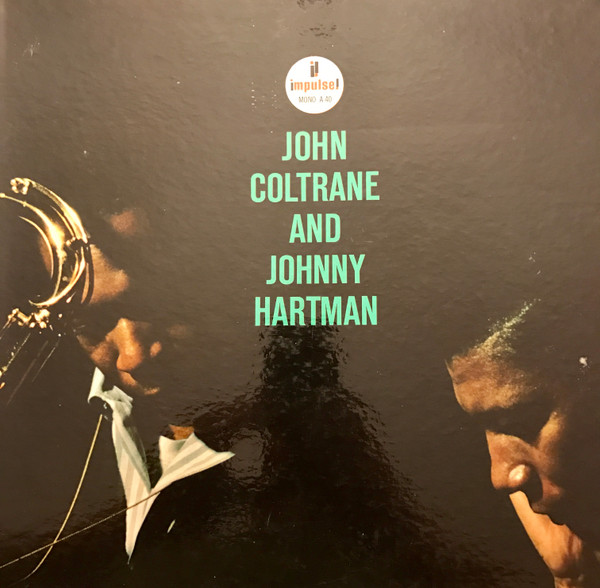
John Coltrane And Johnny Hartman
1963

Olé Coltrane
1961
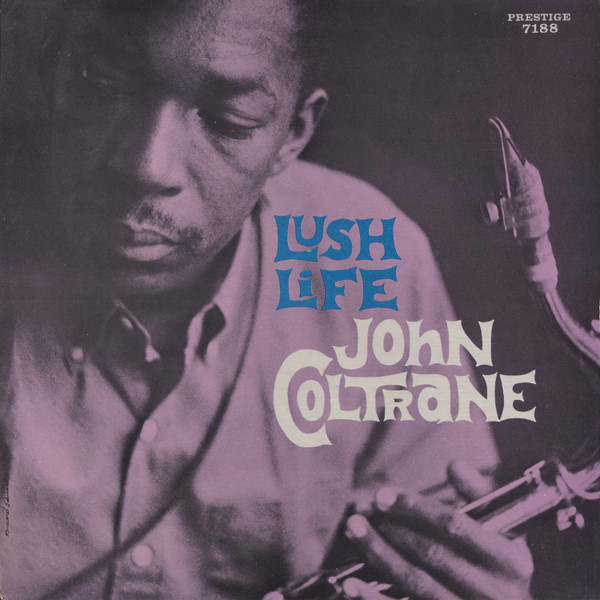
Lush Life
1961
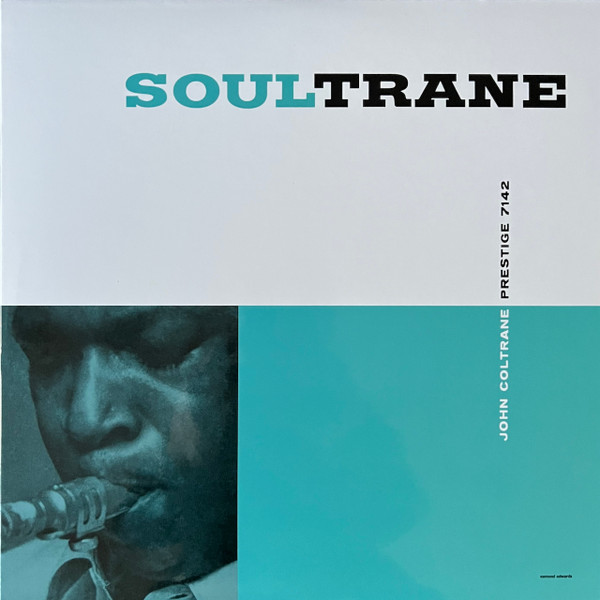
Soultrane
1958
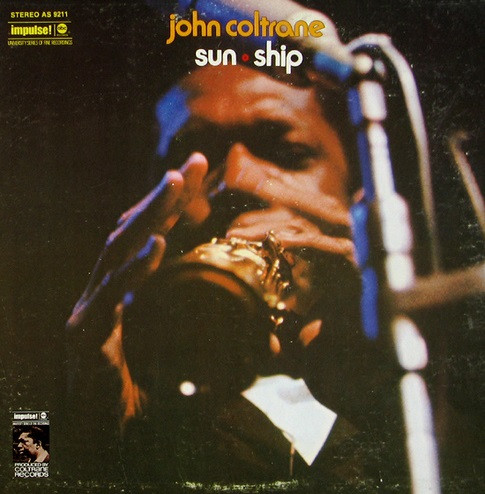
Sun Ship
1971
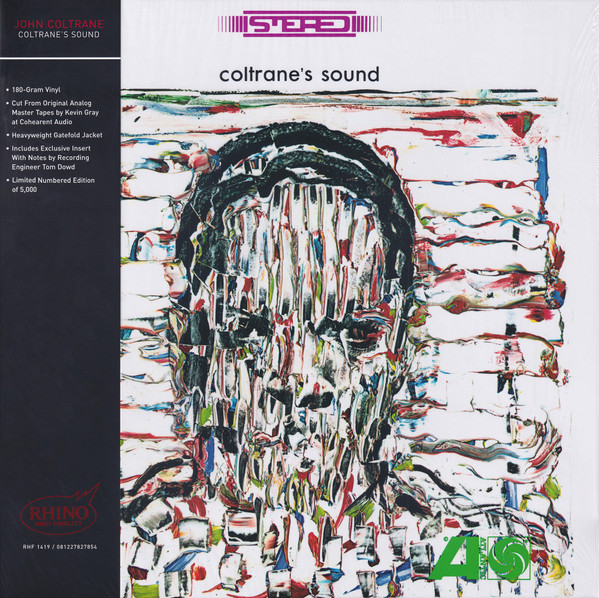
Coltrane's Sound
1964

Coltrane
1957

A Love Supreme: Live In Seattle
2021
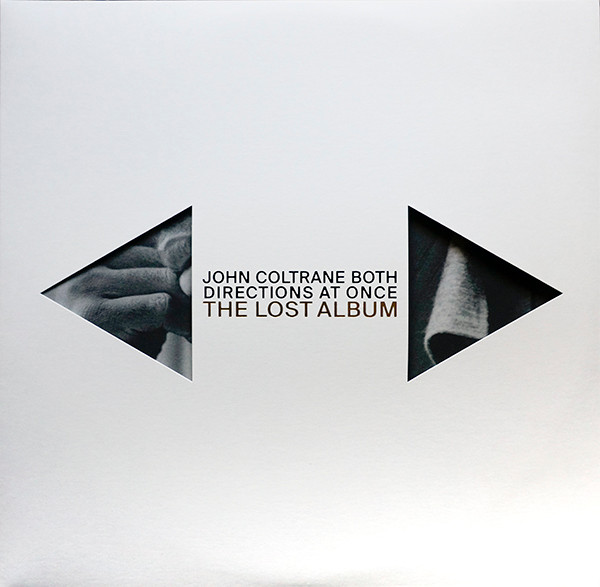
Both Directions At Once: The Lost Album
2018
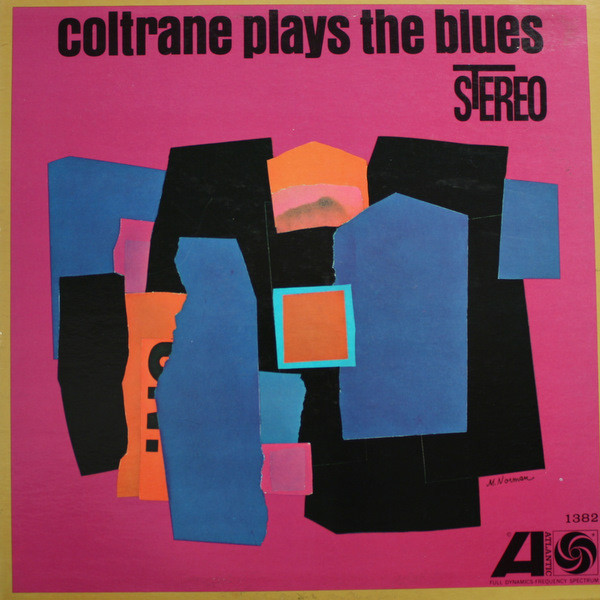
Coltrane Plays The Blues
1962
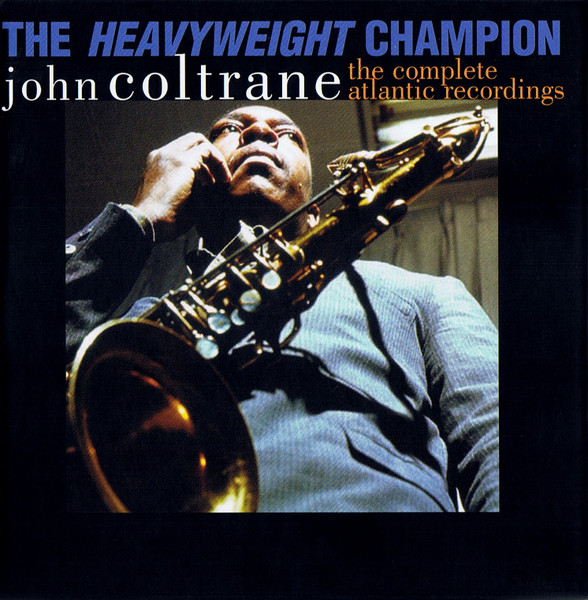
The Heavyweight Champion - The Complete Atlantic Recordings
1995
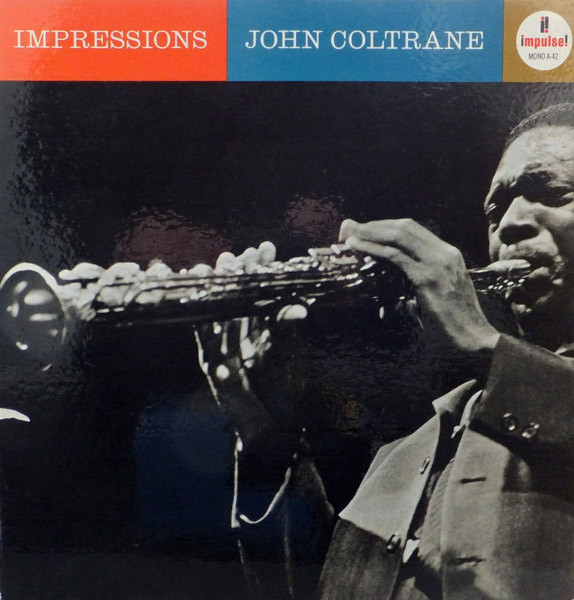
Impressions
1963
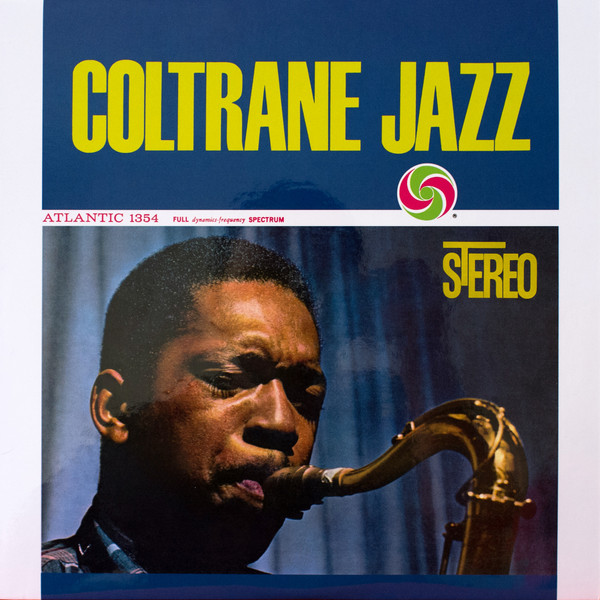
Coltrane Jazz
1961

Meditations
1966

Standard Coltrane
1962
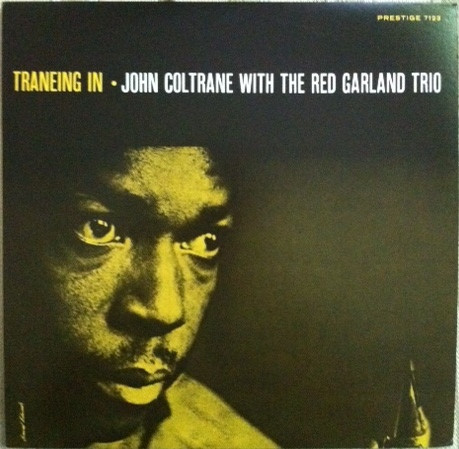
John Coltrane With The Red Garland Trio
1958
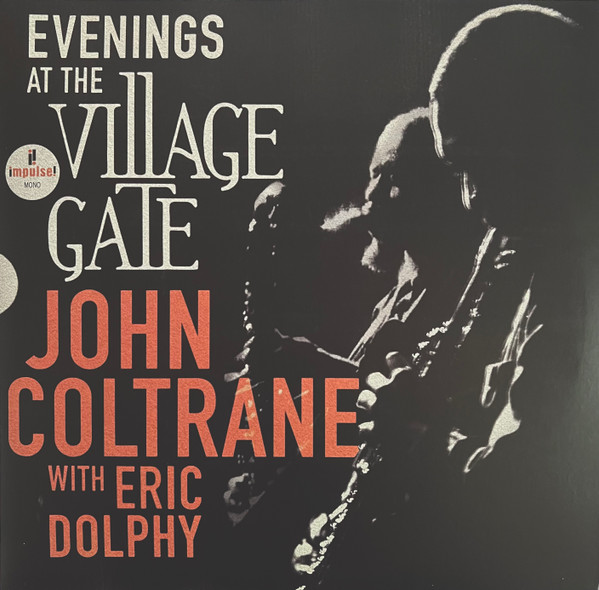
Evenings At The Village Gate
2023
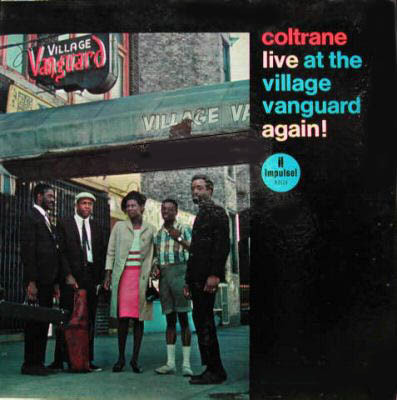
Live At The Village Vanguard Again!
1966
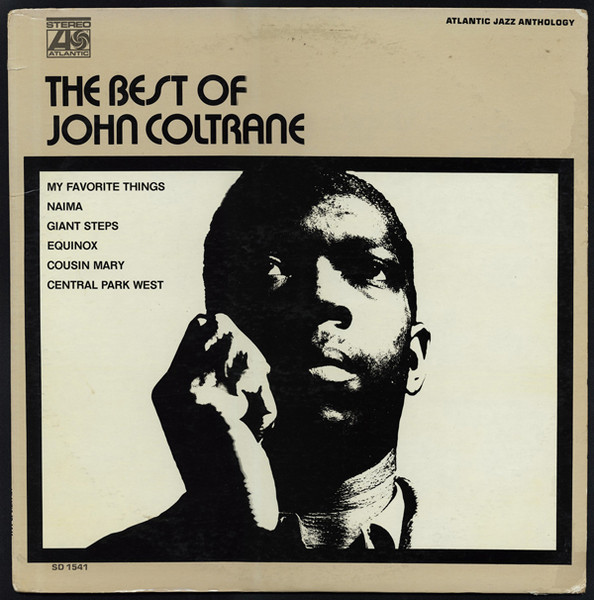
The Best Of John Coltrane
1970

Kulu Sé Mama
1967
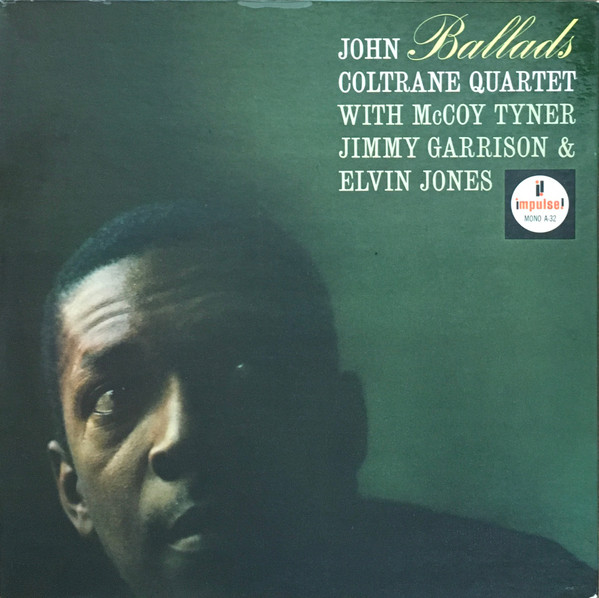
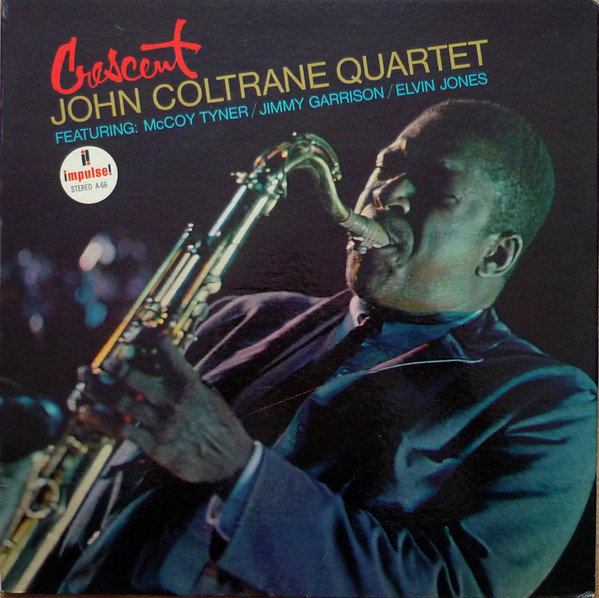
John Coltrane Quartet
John Coltrane under another name — MusicBrainz marks this project eponymous.
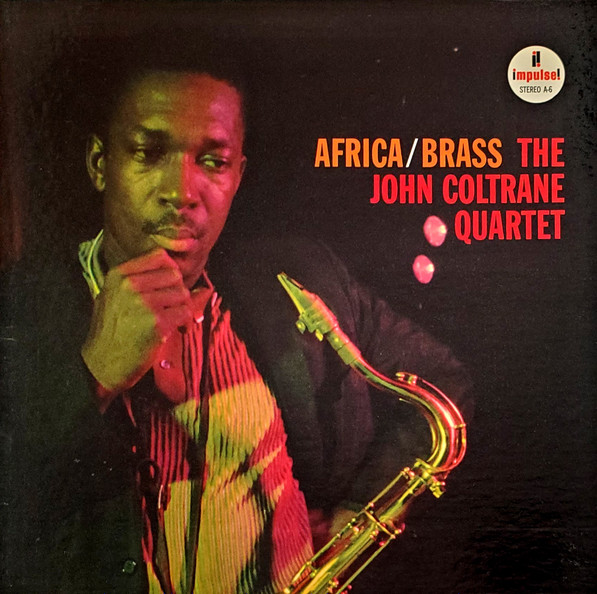

Miles Davis Quintet
A project John Coltrane was part of. Former member.
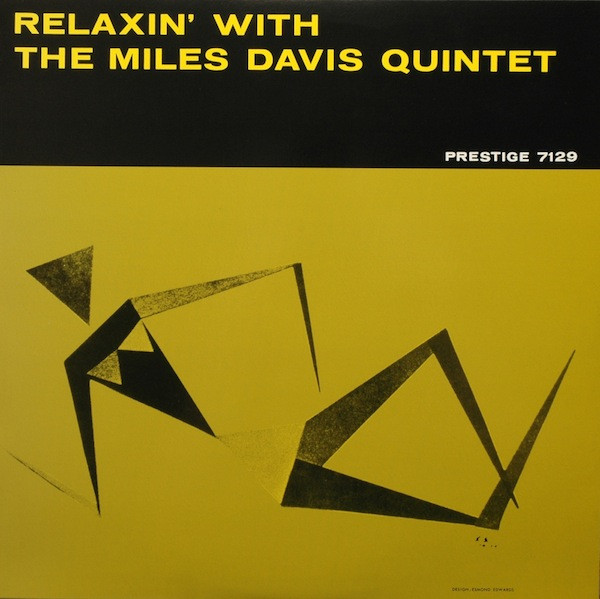
Relaxin' With The Miles Davis Quintet
1958

Cookin' With The Miles Davis Quintet
1957
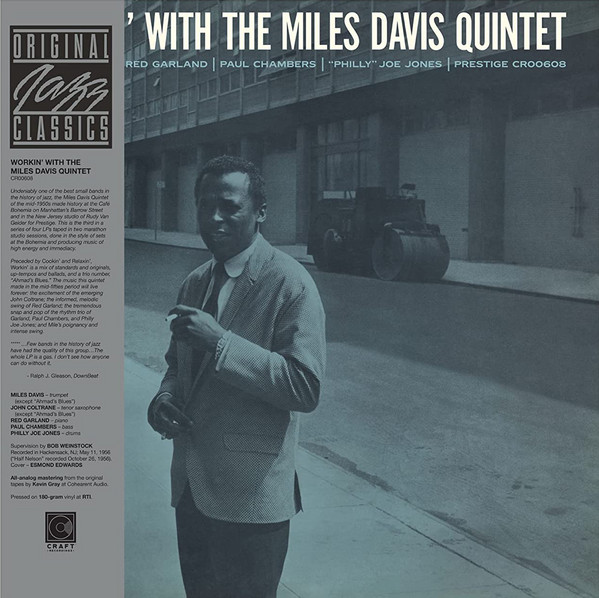
Workin' With The Miles Davis Quintet
1959
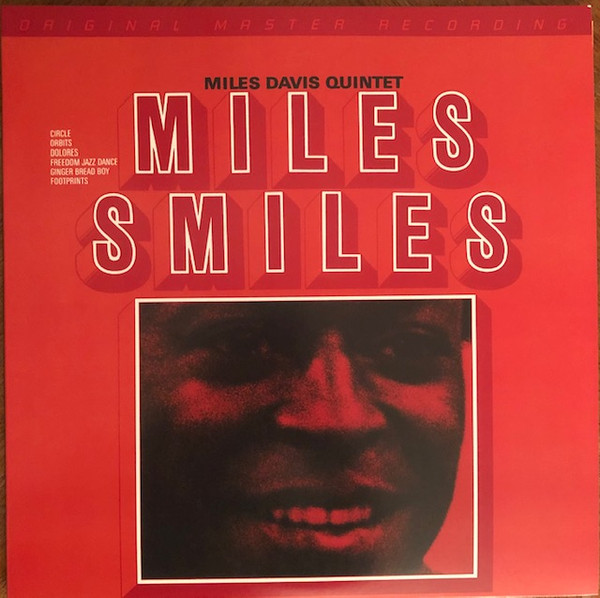
Miles Smiles
1967

Steamin' With The Miles Davis Quintet
1961
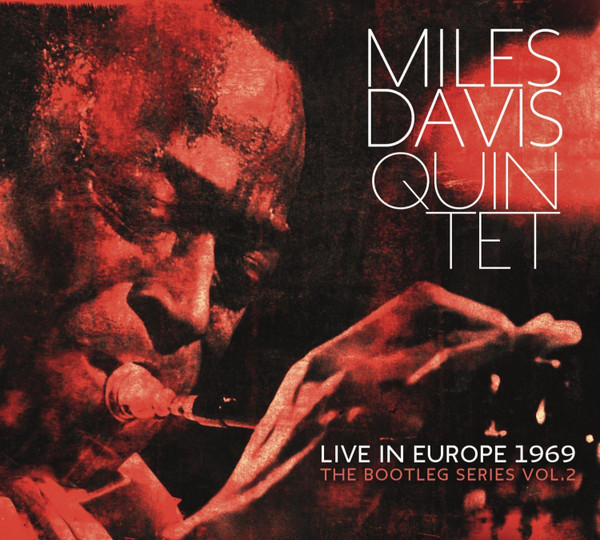
Live In Europe 1969 (The Bootleg Series Vol. 2)
2013

Live In Europe 1967 (The Bootleg Series Vol. 1)
2011
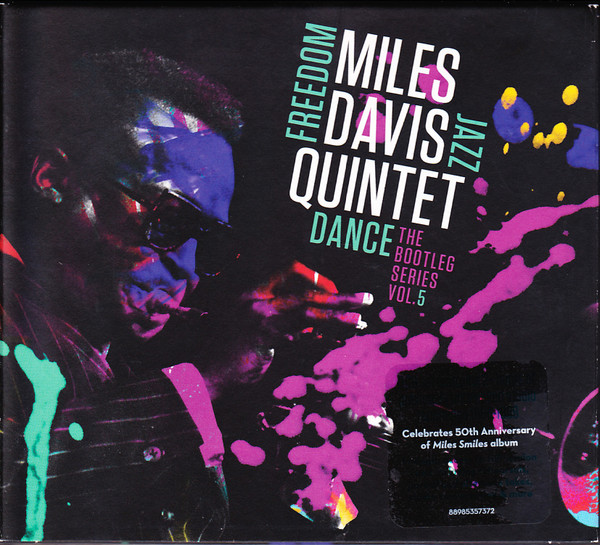
Freedom Jazz Dance (The Bootleg Series Vol. 5)
2016
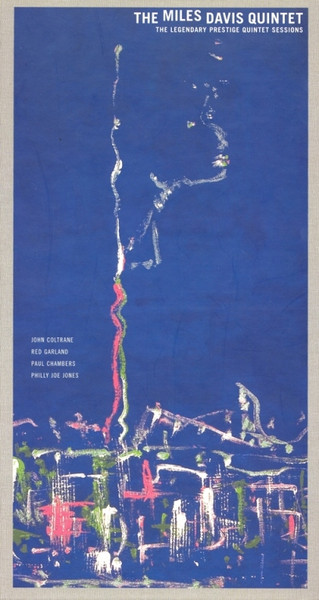
The Legendary Prestige Quintet Sessions
2006
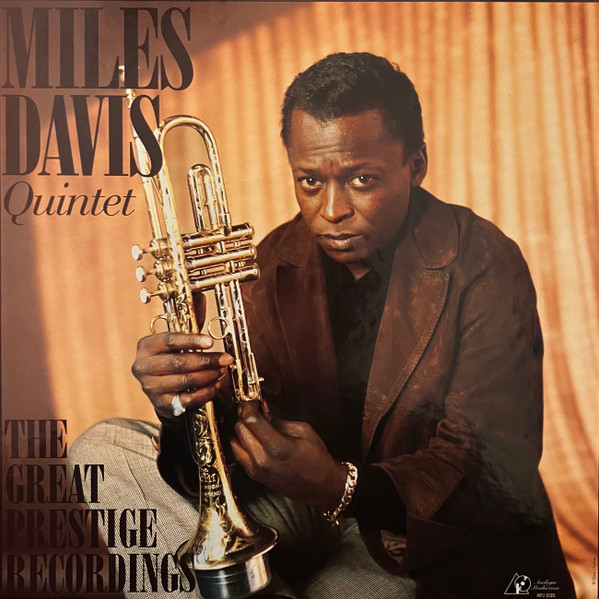
The Great Prestige Recordings
1996
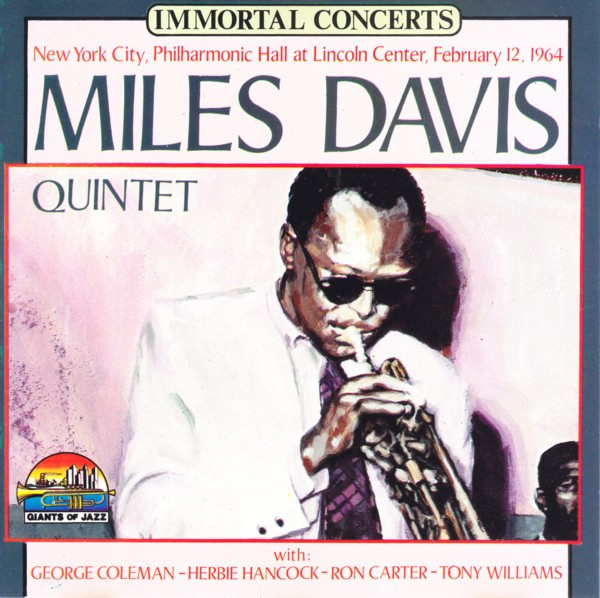
New York City, Philharmonic Hall At Lincoln Center, February 12, 1964
1989

April 11, 1970 Fillmore West
2015
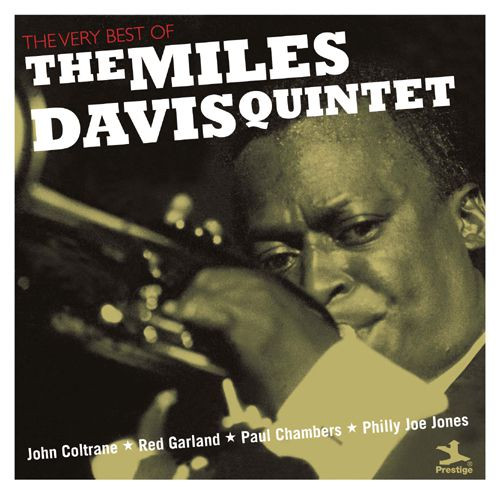
The Very Best Of The Miles Davis Quintet
2012

Live In Berlin 1969
2010
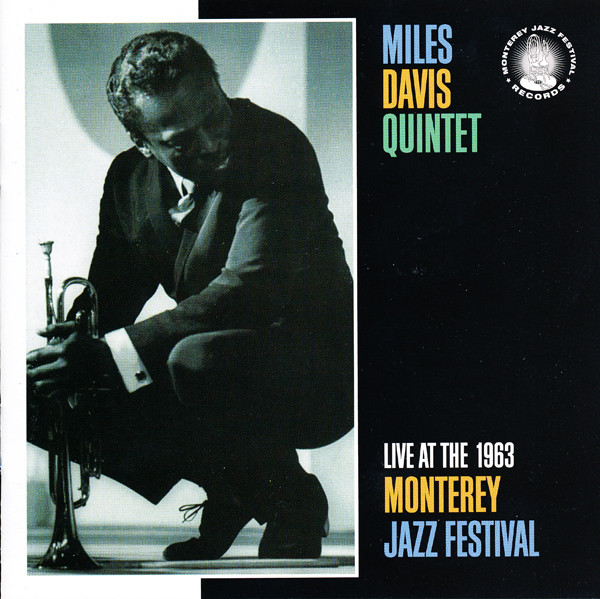
Live At The 1963 Monterey Jazz Festival
2007

Live In Milan 1964
2007
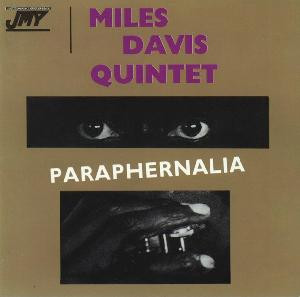
Paraphernalia
1992
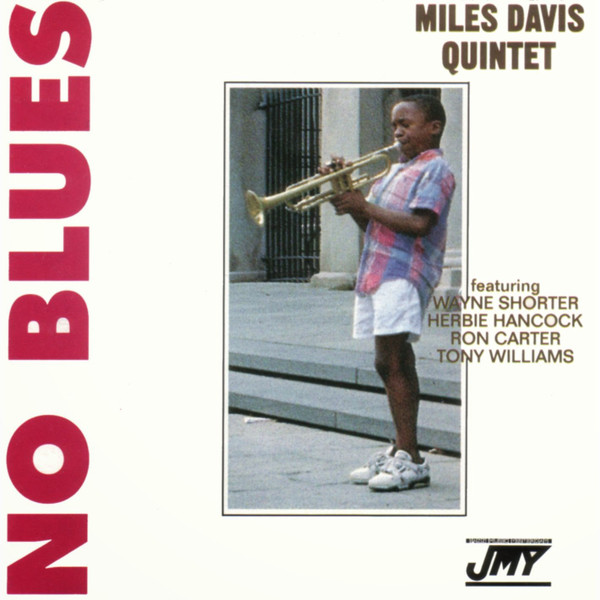
No Blues
1990
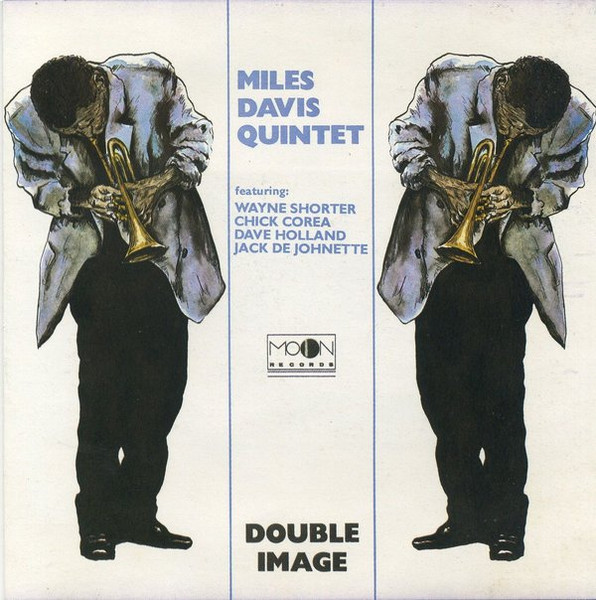
Double Image
1989

Cookin' With Miles Davis Quintet
1958

Relaxin' With The Miles Davis Quintet Vol. 1
1958

The Mastery Of Miles
1956

Davis' Cup

Jazz Gallery
Thelonious Monk Quartet
A project John Coltrane was part of. Former member.


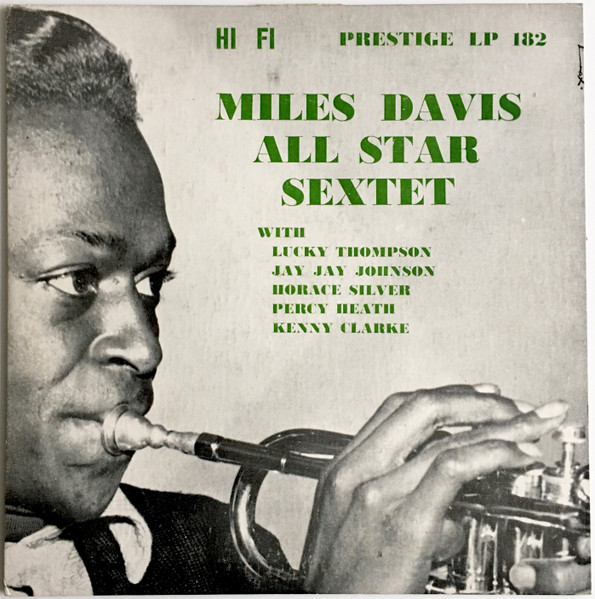
Miles Davis Sextet
A project John Coltrane was part of. Former member.

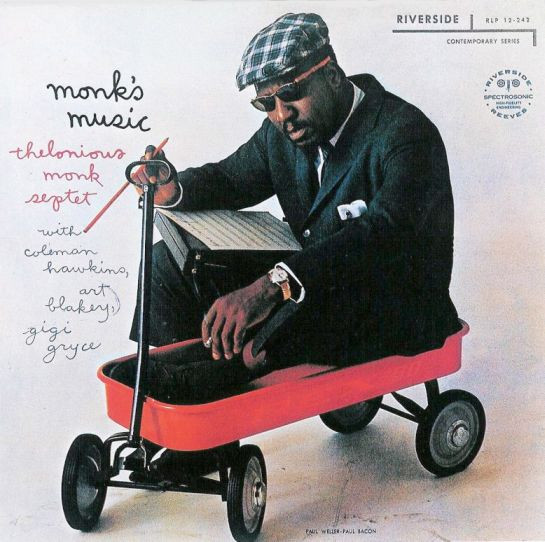
Thelonious Monk Septet
A project John Coltrane was part of. Former member.
Dizzy Gillespie and His Orchestra
A project John Coltrane was part of. Former member.


Related artists
More projects
Around the web
Follow every record they touch.
Start your shelf and Gatefold tracks John Coltrane's new pressings, tour dates, and the whole discography — automatically.
Start your shelf →Free forever. Works with 10 records or 10,000.