
Artist
George Benson
Pittsburgh, United States · b. 1943
George Benson is a musician from Pittsburgh, United States, active since 1943. Their discography on Gatefold includes 24 records. They also recorded with The George Benson Quartet and Fuse One.

68
Albums tracked
347
In collections
1943
Since
Biography
Jack McDuff ran him ragged in organ lounges five nights a week before George Benson ever cut a solo date under his own name. When he finally walked into a studio with McDuff backing him for The New Boss Guitar in '64, he wasn't doing polite jazz-box comping; he was ripping Bebop lines with a pick attack so fast and clean it sounded almost mechanically impossible. The guy held the guitar high on his chest, angled the pick, and played lines that made seasoned uptown hard-bop heads look sideways. He was a monster technician before he ever opened his mouth to sing a note. Then came 1976 and Breezin'. Purists threw a shit-fit because the guitar solos suddenly shared airspace with slick vocal scats, lush orchestral strings, and unabashed radio groove. But that's the snob trap right there: people act like going quadruple-platinum somehow erased the fact that his thumb and pick technique were still running rings around every fusion player on earth. He took the heat for chasing pop dollars, took Quincy Jones into the booth for Give Me the Night, and casually made some of the most lethal funk-pop rhythm records of the era without dropping his jazz chops for a second.
Bio from The Clerk
The Arc of George Benson
The pivots — what forced George Benson to reinvent.
The Soul-Jazz Apprentice
Cutting teeth in Brother Jack McDuff's touring group turned Benson from a raw Pittsburgh prodigy into a bulletproof rhythm machine. Albums like The George Benson Cookbook lean on grease, driving Hammond B-3 grease, and blisteringly fast blues lines cut on cheap tube gear in smoky rooms. You hear a young player locked in mortal combat with the organ pedals, snapping off single-note runs with ferocious precision.
The CTI Fusion Laboratory
Sliding into the CTI Records ecosystem meant bigger budgets, Ron Carter anchoring the low end, and Joe Farrell trading blows over lush, atmospheric charts on records like Beyond the Blue Horizon and Bad Benson. Creed Taylor pushed him toward groove-heavy funk and orchestral covers like The Other Side of Abbey Road, but Benson's guitar remained lethal and front-and-center. The playing on White Rabbit turned jazz heads into fusion converts before the label's signature gloss took over entirely.
The Pop Crossover Machine
Moving to Warner Bros. and dropping Breezin' in 1976 permanently scrambled his trajectory when 'This Masquerade' proved he could sing just as smoothly as he could shred. Teaming up with Quincy Jones for 1980's Give Me the Night shoved him directly onto dancefloors, pairing Rod Temperton grooves with Benson's double-tracked scat-and-guitar unison lines. Traditional jazz reviewers cried treason while the son of a bitch filled arenas playing rhythm guitar cleaner than anyone alive.
Influences
- Wes Montgomery — Benson explicitly studied Montgomery's octave technique and credited him as his primary North Star on the instrument. You hear the fluid thumb strokes and octave runs all over The New Boss Guitar of George Benson. He took Montgomery's swing and weaponized it with faster, modern bebop articulation.
- Charlie Christian — Christian drew the blueprint for single-string electric jazz soloing, and Benson devoured Christian's Benny Goodman Sextet recordings as a kid. The swinging horn-like phrasing on The George Benson Cookbook comes straight out of the Christian playbook. Without Christian's amplified Gibson ES-150, Benson's entire vocabulary doesn't exist.
- Hank Garland — Garland was a monster Nashville studio picker who blew jazz minds with his 1960 record Jazz Winds from a New Direction, which Benson cited for its sheer speed and picking clarity. Benson took Garland's country-honed alternate picking technique and adapted it to urban soul-jazz. You can hear that crisp, percussive string attack driving the tracks on Giblet Gravy.
- Django Reinhardt — Benson was obsessed with Reinhardt's acoustic drive, aggressive right-hand picking, and ability to generate massive speed despite physical limitations. You can hear Django's chromatic runs and unrelenting acoustic propulsion ghosting through Benson's faster tempos on Bad Benson. It gave his post-bop solos a restless, driving snap that separated him from cooler West Coast players.
- Nat King Cole — Before he made the world forget he was a killer pianist, Cole laid the groundwork for the jazz instrumentalist who crosses over on the strength of a silky vocal delivery. Benson studied Cole's vocal phrasing and cool, effortless delivery obsessively before stepping up to the microphone on Breezin'. It is the direct precedent for a virtuoso player dominating the pop charts without looking like he's breaking a sweat.
George Benson — solo
Their records — most-collected first.
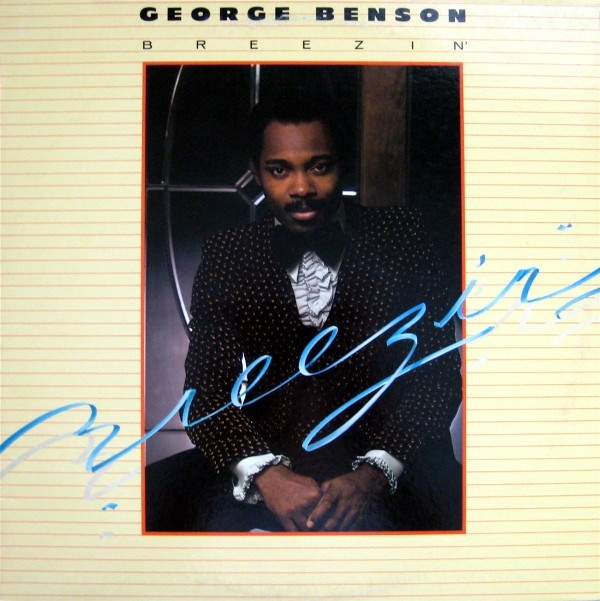
Breezin'
1976

The George Benson Collection
1981
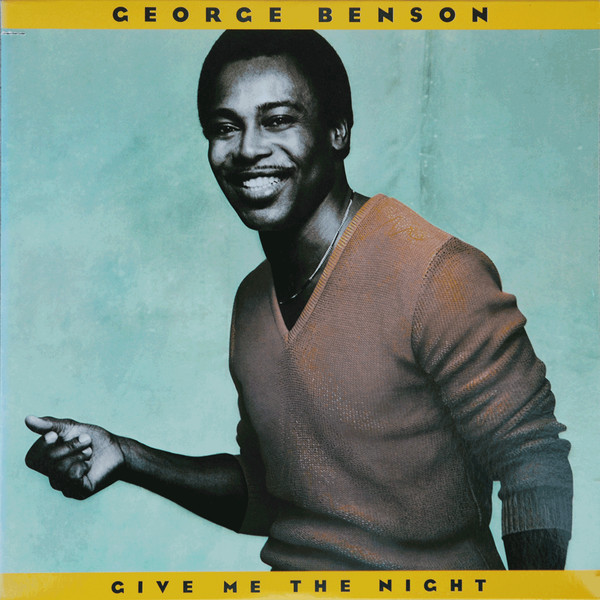
Give Me The Night
1980
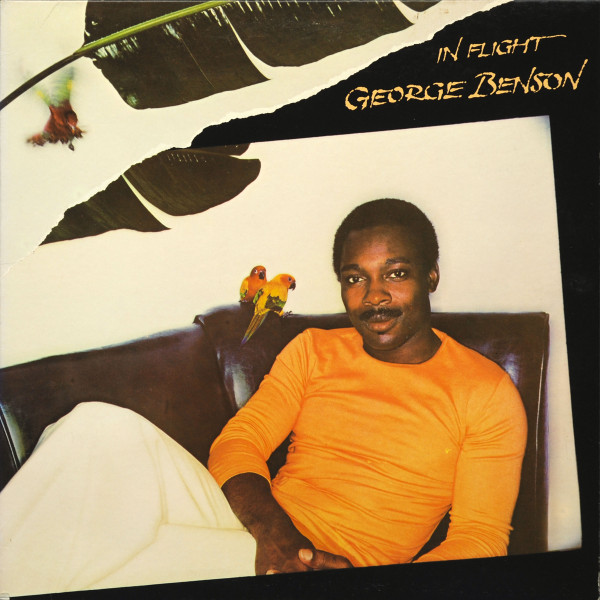
In Flight
1977

In Your Eyes
1983
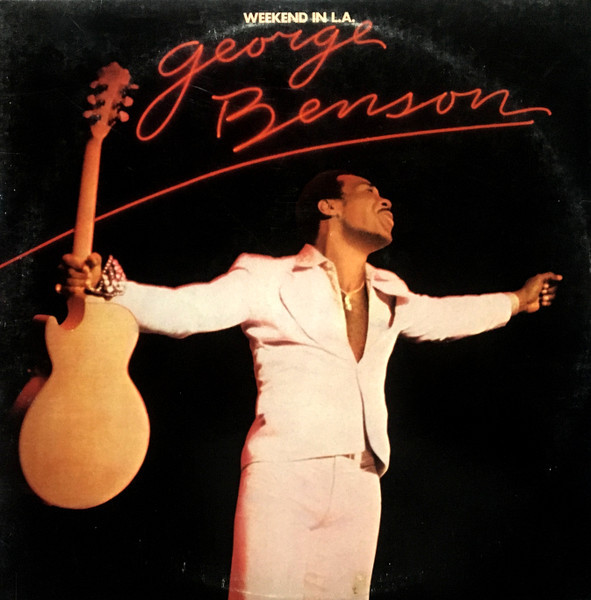
Weekend In L.A.
1978
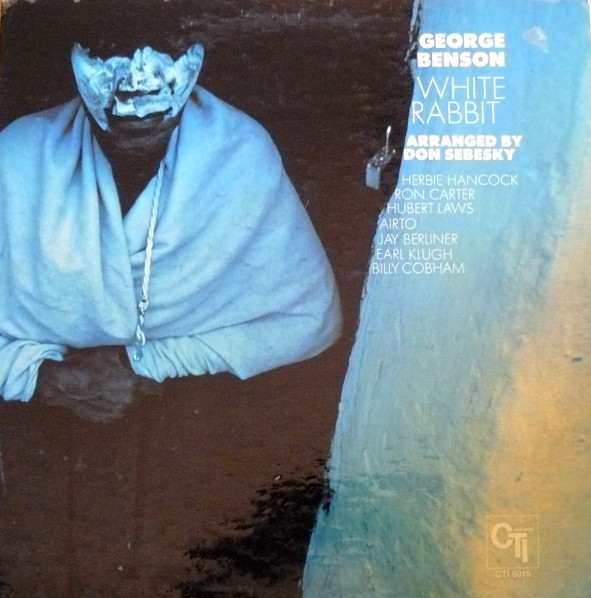
White Rabbit
1972
The Other Side Of Abbey Road
1970
Livin' Inside Your Love
1979

20/20
1985

Beyond The Blue Horizon
1971

Good King Bad
1976

Bad Benson
1974

Space
1978

Give Me The Night
1980

In Concert - Carnegie Hall
1976

Shape Of Things To Come
1968

Tenderly
1989
While The City Sleeps...
1986

The Love Songs
1985
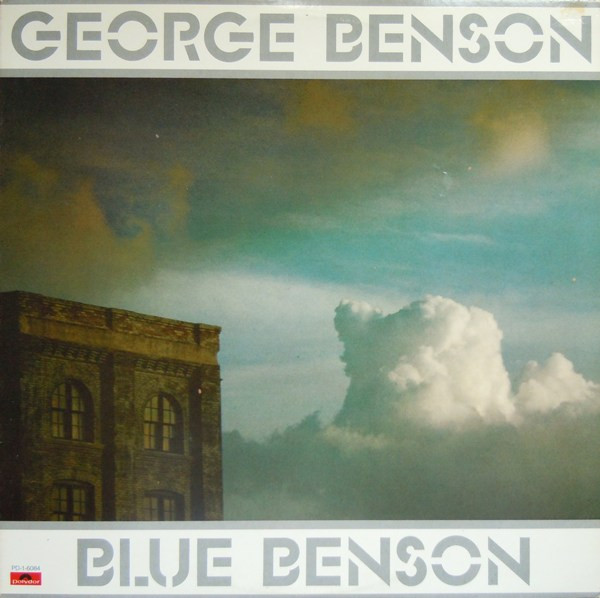
Blue Benson
1976

Body Talk
1973

Twice The Love
1988

Collaboration
1987
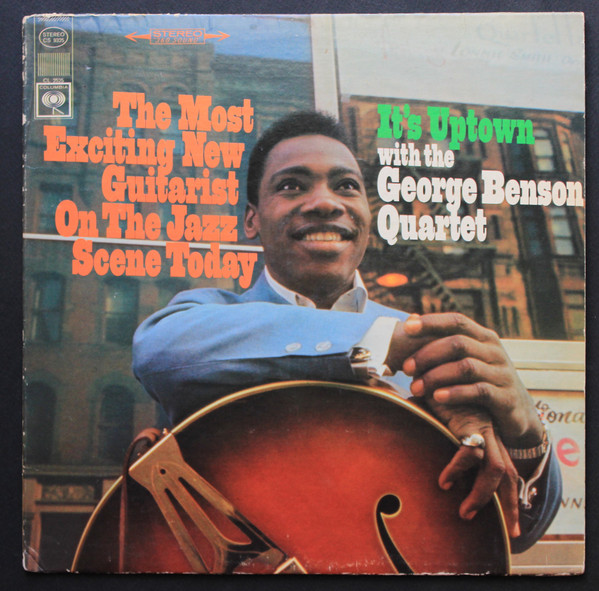
The George Benson Quartet
George Benson under another name — MusicBrainz marks this project eponymous.

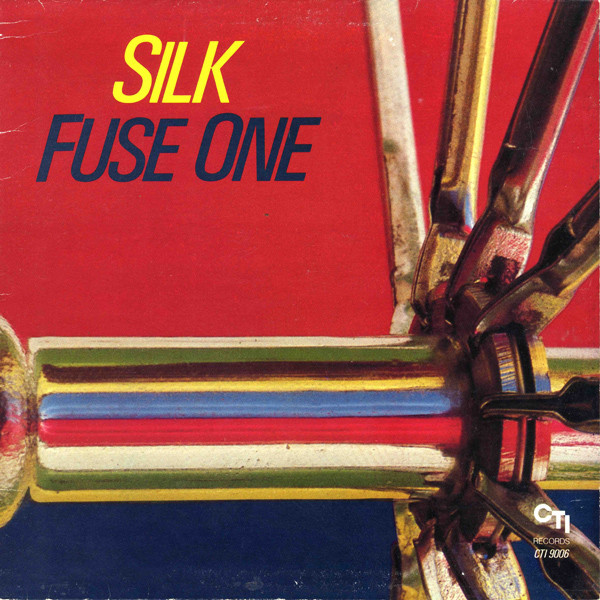
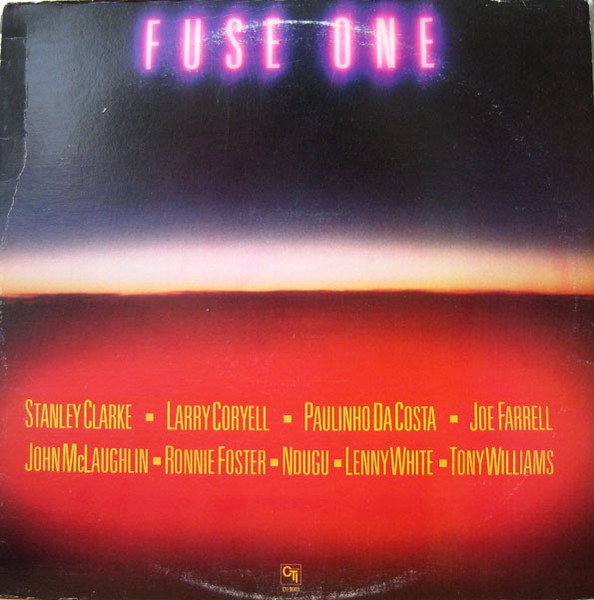
Fuse One
A project George Benson was part of.


Related artists
More projects
Around the web
Follow every record they touch.
Start your shelf and Gatefold tracks George Benson's new pressings, tour dates, and the whole discography — automatically.
Start your shelf →Free forever. Works with 10 records or 10,000.