
Artist
Iron Maiden
Leyton, United Kingdom
Iron Maiden is a music group from Leyton, United Kingdom. Their discography on Gatefold includes 24 records.

68
Albums tracked
1,442
In collections
—
Since
Biography
Steve Harris ran his Fender Precision through a custom preamp and flatwound Rotosound strings to get that clattering, treble-heavy attack because nobody in London could mix bass properly in 1979. He didn't want a warm low-end anchor. He wanted an upfront lead instrument that bullied the guitars out of the way. Pair that with Martin Birch behind the board starting on Killers, and the template was set: dry drums, twin guitars playing harmonized thirds, and zero studio polish burying the grit. They survived losing Paul Di'Anno's punk sneer by hiring Bruce Dickinson, then outgrew the entire NWOBHM scene by leaning hard into historical fiction, prog arrangements, and sheer physical endurance. The wheels came off in the nineties when Dickinson walked and Blaze Bayley was thrown to the wolves with vocal keys he couldn't hit. But the 1999 reunion didn't just stabilize the brand; it turned them into an arena-touring institution that outlived every trend that tried to bury them.
Bio from The Clerk
The Arc of Iron Maiden
The pivots — what forced Iron Maiden to reinvent.
The Di'Anno Pub Years
Between 1978 and 1981, they were a street-level East End outfit cutting demos at Spaceward Studios and surviving off sheer volume. Paul Di'Anno brought a gritty, pub-rock gravel to self-titled and Killers, while Clive Burr's loose, swinging tempos kept them tethered to classic hard rock. Martin Birch came in for Killers to tighten up the rhythm section and isolate the twin guitars of Dave Murray and Adrian Smith. It sounded urgent, fast, and distinctly working-class before the theatrical scale took over.
The Birch & Dickinson Golden Run
Bringing in Bruce Dickinson from Samson for 1982's The Number of the Beast instantly blew open their dynamic range. Nicko McBrain locked in behind the kit for Piece of Mind, replacing Burr's swing with relentless, dead-on kick drum precision. Through Powerslave and the massive World Slavery Tour, Birch pushed them to record almost completely live in the room to capture their road stamina. This run cemented the gallop, the synchronized solos, and the long-form epics.
Synthesizers and Concept Epics
Exhausted from a year of touring, Adrian Smith brought guitar synthesizers into the studio for 1986's Somewhere in Time. Harris embraced the change, doubling down on keys and high-concept narrative for Seventh Son of a Seventh Son in 1988. The production grew colder, cleaner, and massive, alienating purists while giving them their sharpest songwriting peak. It marked the absolute limit of what they could squeeze out of the classic lineup before Smith walked during the next sessions.
The Wilderness and The Three-Guitar Return
The nineties were a grind of stripped-down production choices, Dickinson's departure, and two divisive records with Blaze Bayley fronting the band. The pivot came in 1999 when both Dickinson and Smith returned, turning the band into an unprecedented six-piece machine with three lead guitars. Kevin Shirley took over engineering for Brave New World, capturing a loose, live-in-the-studio take on prog-metal that they have ridden without compromise ever since.
Influences
- Wishbone Ash — Steve Harris and Dave Murray have repeatedly credited 1972's Argus as the exact source for their twin-lead harmony guitar approach. You hear Andy Powell and Ted Turner's melodic counterpoint lifted and sped up across tracks like 'The Trooper' and 'Hallowed Be Thy Name'. It gave British metal a clean, musical backbone instead of just pentatonic blues riffs.
- UFO — Maiden took UFO's 'Doctor Doctor' and made it their permanent pre-show intro tape for decades. Harris built his entire rhythm playing style around Pete Way's low-slung, driving bass runs and Michael Schenker's precise European phrasing. Listen to the verses of 'Wrathchild'—it is straight out of the Phil Mogg and Schenker playbook.
- Deep Purple — Martin Birch engineered Deep Purple's defining run before producing every classic Maiden album from Killers to Fear of the Dark. Dickinson modeled his operatic, chest-voice sustain directly on Ian Gillan's mid-seventies performances. The blueprint for fast, Hammond-driven arrangements was adapted directly to twin Strats.
- Genesis — Steve Harris is an open obsessive of Peter Gabriel-era Genesis, specifically Foxtrot and Selling England by the Pound. That prog influence is why eight-minute story arcs like 'Phantom of the Opera' and 'Rime of the Ancient Mariner' exist alongside short bangers. They took prog structures and played them at double time.
- Jethro Tull — Maiden covered Tull's 'Cross-Eyed Mary' as a B-side for 'The Trooper' single in 1983. Ian Anderson's historical themes, folk time signatures, and dramatic shifts directly shaped Harris's lyrical obsessions with British folklore and war. You can trace every acoustic intro Harris ever wrote right back to Aqualung.
Discography
Their records — most-collected first.
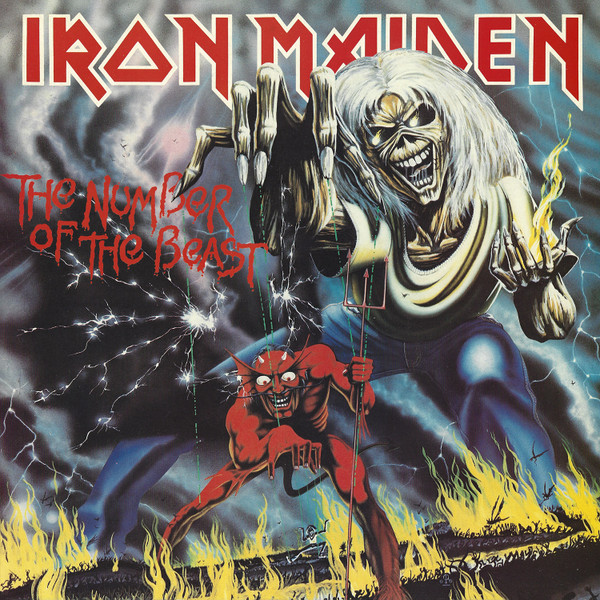
The Number Of The Beast
1982
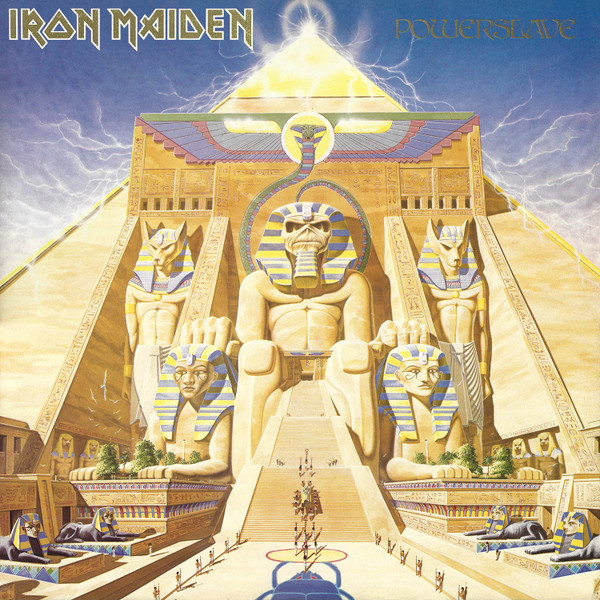
Powerslave
1984
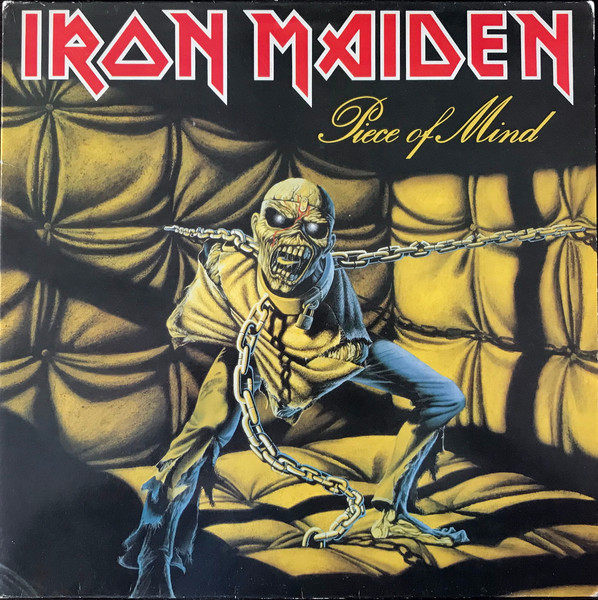
Piece Of Mind
1983
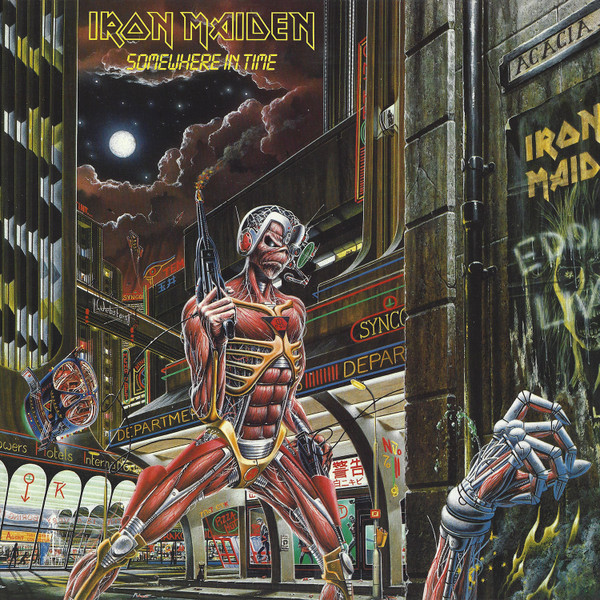
Somewhere In Time
1986
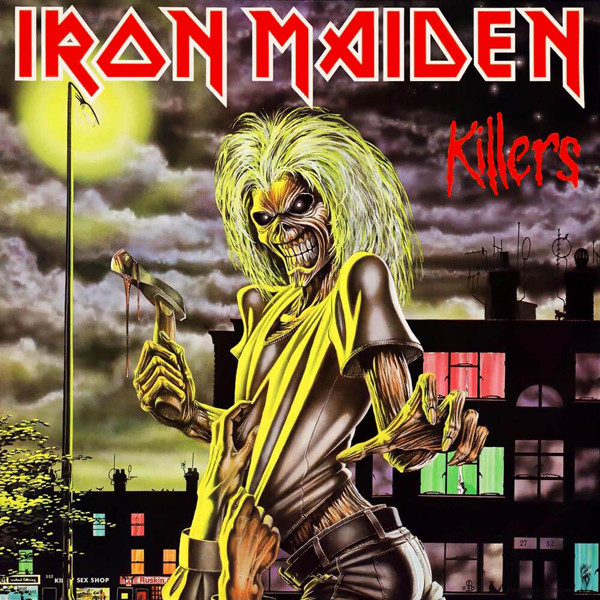
Killers
1981
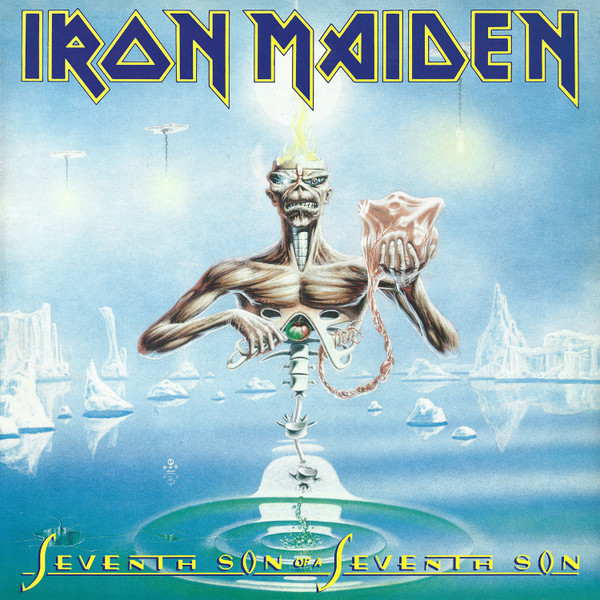
Seventh Son Of A Seventh Son
1988
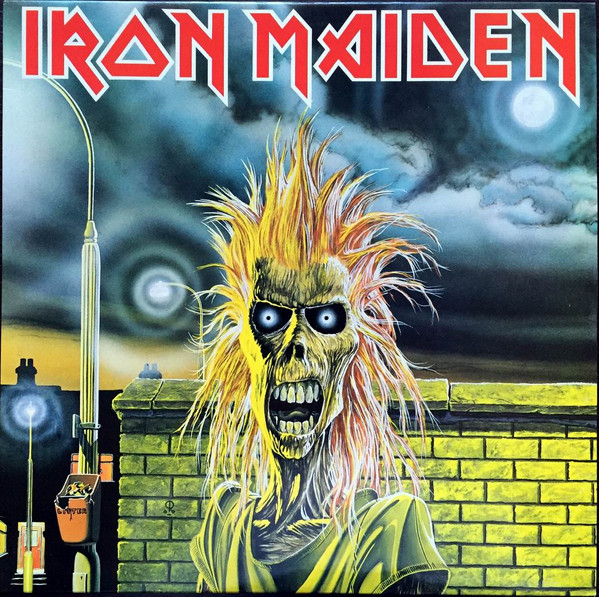
Iron Maiden
1980
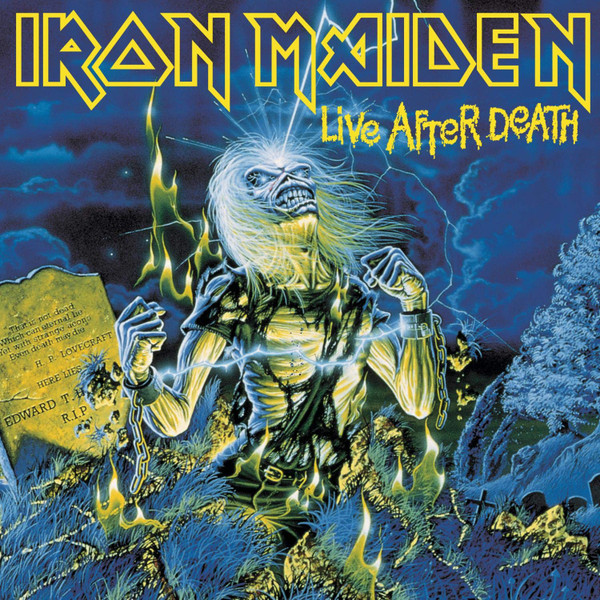
Live After Death
1985
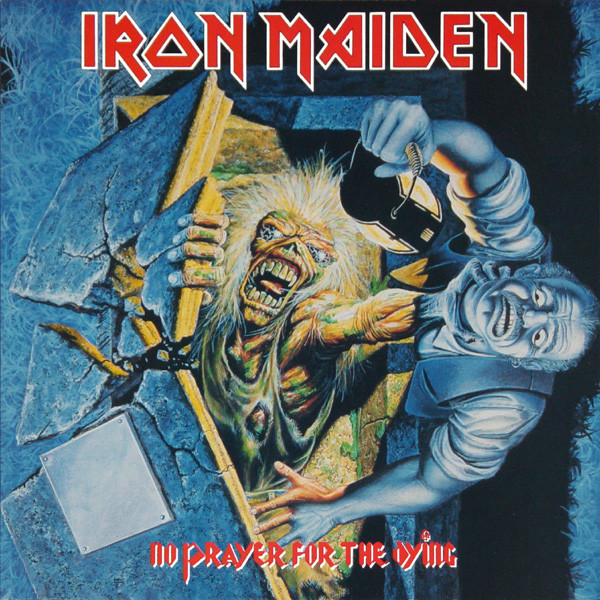
No Prayer For The Dying
1990

Fear Of The Dark
1992
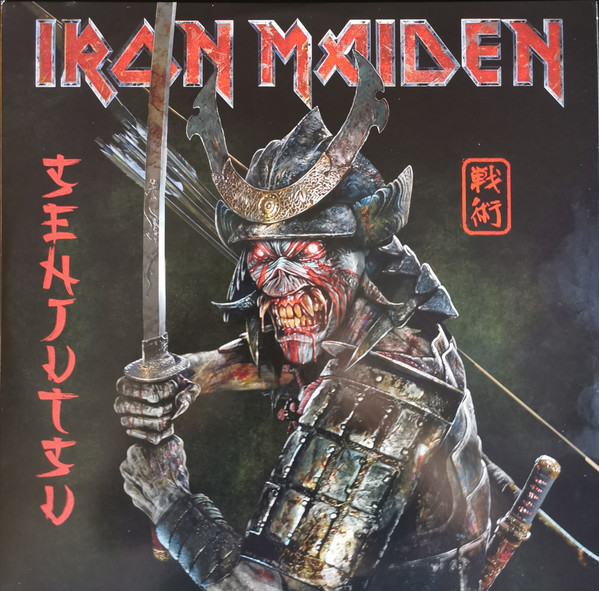
Senjutsu
2021
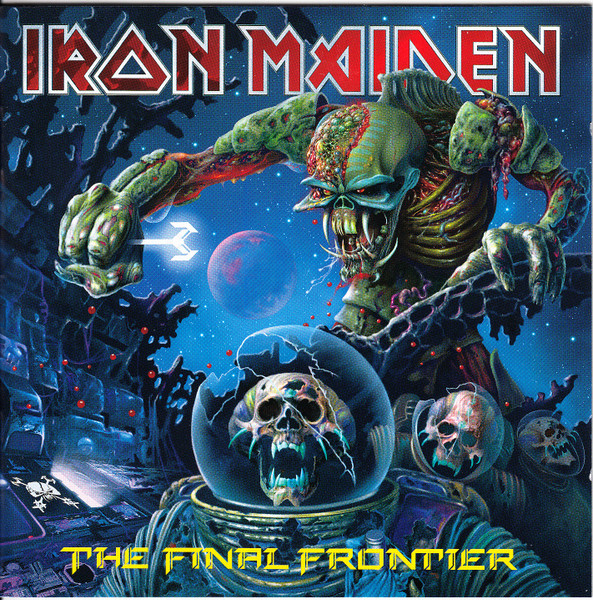
The Final Frontier
2010
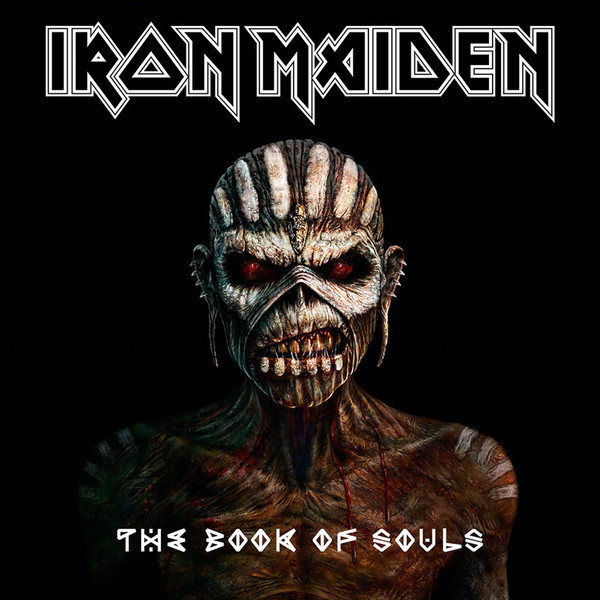
The Book Of Souls
2015
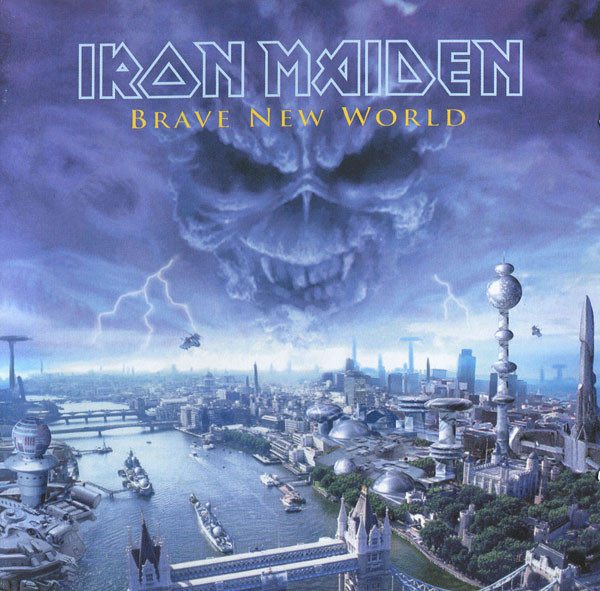
Brave New World
2000
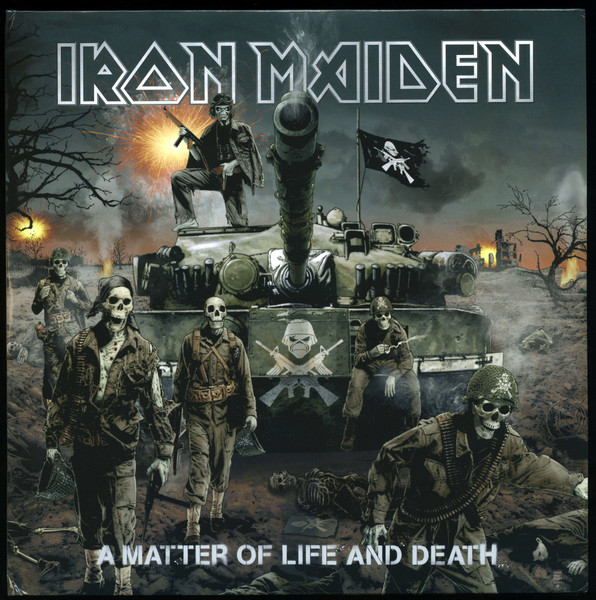
A Matter Of Life And Death
2006

Dance Of Death
2003

Maiden Japan
1981

Virtual XI
1998
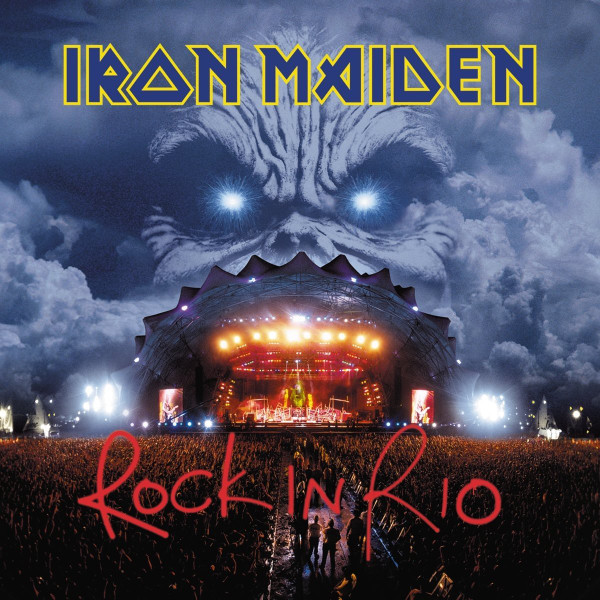
Rock In Rio
2002
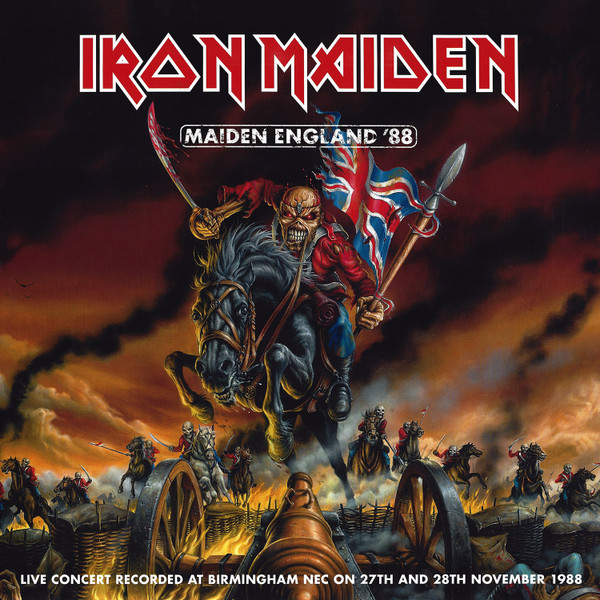
Maiden England
1989

Somewhere Back In Time (The Best Of: 1980-1989)
2008
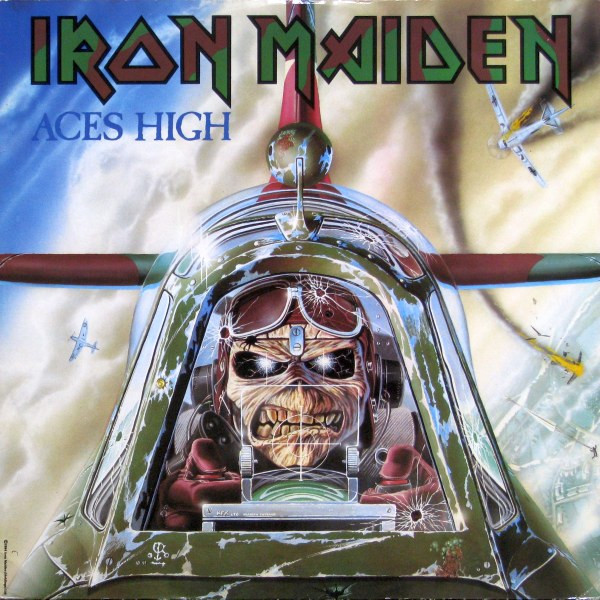
Aces High
1984
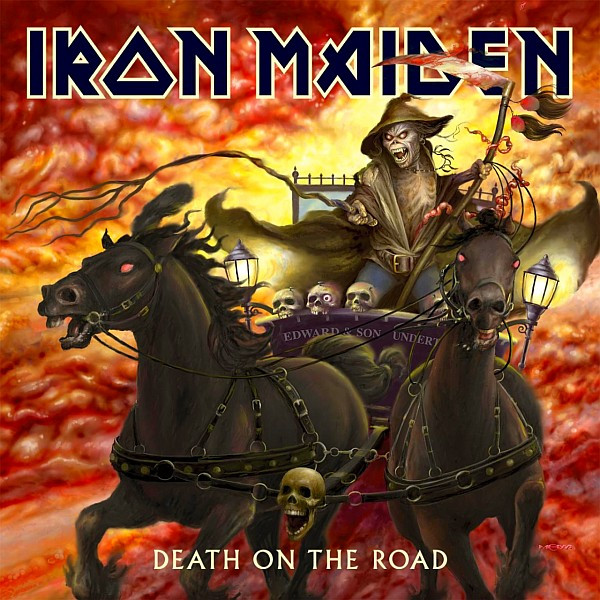
Death On The Road
2005

The X Factor
1995
Related artists
Members
Frequent collaborators
Around the web
Follow every record they touch.
Start your shelf and Gatefold tracks Iron Maiden's new pressings, tour dates, and the whole discography — automatically.
Start your shelf →Free forever. Works with 10 records or 10,000.