
Artist
Rod Stewart
London, United Kingdom · b. 1945
Rod Stewart is a musician from London, United Kingdom, active since 1945. Their discography on Gatefold includes 24 records. They also recorded with Jeff Beck Group, Faces and The Steampacket.

93
Albums tracked
819
In collections
1945
Since
Biography
Ronnie Wood was hacking away on a beat-up acoustic guitar while Rod Stewart was singing his lungs out into an old Neumann mic at Morgan Studios in 1971, entirely unsure if they were tracking a solo record or just cutting loose between Faces gigs. That loose, frayed-collar magic gave us Every Picture Tells a Story, and for a five-year run, nobody on earth could touch his blend of gritty British folk, tavern blues, and pure rock and roll swagger. Then he decamped to Los Angeles, discovered spandex, and spent the late seventies and eighties chasing massive pop paydays. He traded the loose-limbed acoustic mandolins for four-on-the-floor disco kick drums, slick synth patches, and eventually an endless parade of standards that clogged up the CD racks for a decade. It drove the purists insane. But even when he was coasting on sheer celebrity, that sandpaper rasp could still cut through the glossiest production whenever he bothered to care.
Bio from The Clerk
The Arc of Rod Stewart
The pivots — what forced Rod Stewart to reinvent.
The Mercury Folk-Rock Peak
Splitting his time between fronting the Faces and tracking solo cuts for Mercury, Stewart relied on Ronnie Wood, Martin Quittenton, and drummer Mickey Waller to build a loose, acoustic-driven sound. Masterpieces like Gasoline Alley and Every Picture Tells a Story were tracked fast and cheap, combining ragged pub rock with delicate mandolin and acoustic strumming. His vocals were raw, storytelling-heavy, and completely devoid of studio polish.
The Atlantic Tax Exile
Dodging British taxes in 1975, he relocated to the United States and teamed up with legendary producer Tom Dowd for Atlantic Crossing. Dowd split the LP into distinct 'fast' and 'slow' sides and brought in the Muscle Shoals Rhythm Section to tighten up the arrangements. The tavern-band slop vanished overnight, replaced by plush American soul-pop that yielded chart-topping juggernauts.
The Spandex Disco Pivot
By 1978, Stewart dove headfirst into high-gloss dance clubs with Blondes Have More Fun and its runaway single 'Da Ya Think I'm Sexy?'. Drummer Carmine Appice laid down a relentless four-on-the-floor beat over sequenced synths, alienating old-school blues fans while conquering global radio. He leaned into the MTV era with neon hooks, drum machines, and arena-sized pop polish straight through the mid-eighties.
The Great American Songbook Machine
Facing waning rock chart relevance in the early 2000s, Stewart teamed up with Clive Davis to record volumes of pre-rock pop standards backed by traditional orchestral arrangements. The albums were critically savaged as safe elevator music but became multi-platinum commercial monsters that dominated the charts. It permanently repositioned the former rock wildman as an elder statesman crooner for an entirely different demographic.
Influences
- Sam Cooke — Stewart has credited Cooke in practically every interview as the single biggest model for his phrasing and vocal delivery. You hear it front and center on his covers of 'Bring It On Home to Me' and 'Twisting the Night Away'. Cooke provided the soulful blueprint Stewart rasped over for fifty years.
- Bob Dylan — Stewart mined Dylan's catalog early and often, recording definitive versions of 'Tomorrow Is a Long Time' and 'Wicked Messenger' during his Mercury run. Dylan showed him how a ragged, imperfect voice could carry cinematic, folk-tinged storytelling. It stripped the stiff English blues out of his early style and replaced it with rambling acoustic narrative.
- Otis Redding — Stewart spent his mod years frequenting London clubs and studying Stax imports, adopting Redding's raw, unvarnished vocal grit. His cover of Redding's 'Security' on his 1969 debut proves how heavily he borrowed that ragged throat-tearing intensity. Redding was the fuel behind Stewart's transition from folk singer to powerhouse belter.
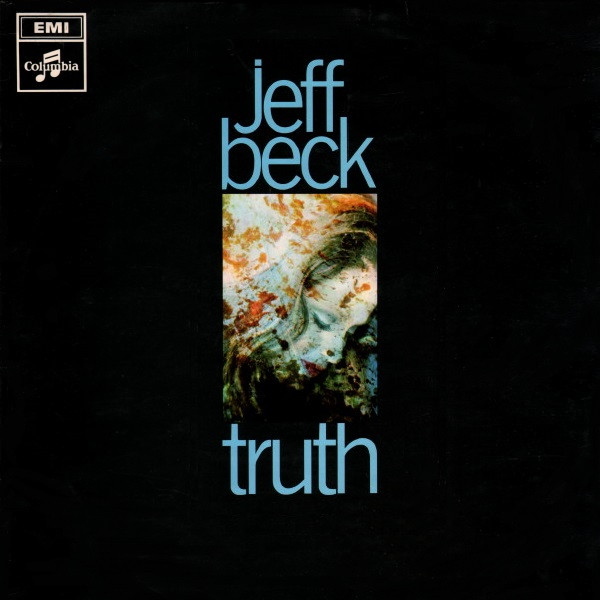
- Muddy Waters — Before going solo, Stewart honed his chops in the British blues boom backing up Alexis Korner and Cyril Davies, where Waters was treated like scripture. You hear that dirty Chicago slide groove all over his early work with the Jeff Beck Group on Truth. Waters gave Stewart his heavy sense of rhythmic push.
- The Everly Brothers — Stewart covered 'Claudette' and studied the duo's clean country-pop harmonies when arranging backing vocals with Ronnie Wood and Ian McLagan. The acoustic underpinning of early Faces tracks pulls directly from the brothers' driving acoustic rhythm style. It taught him that a rock track could hit hard without burying the acoustic guitars.
Rod Stewart — solo
Their records — most-collected first.
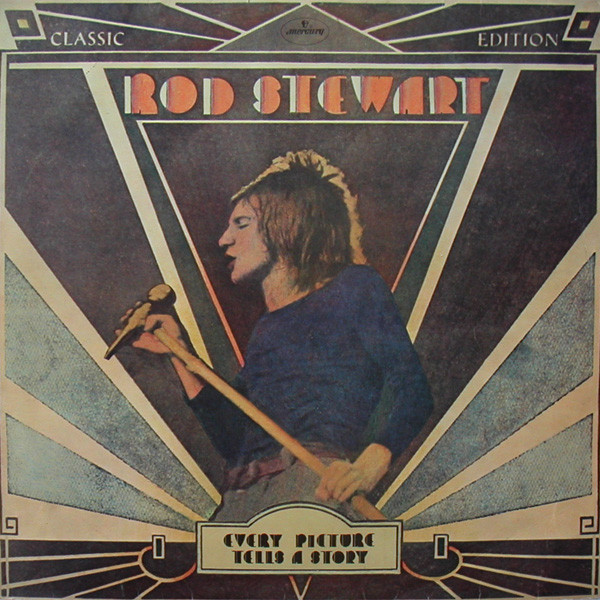
Every Picture Tells A Story
1971
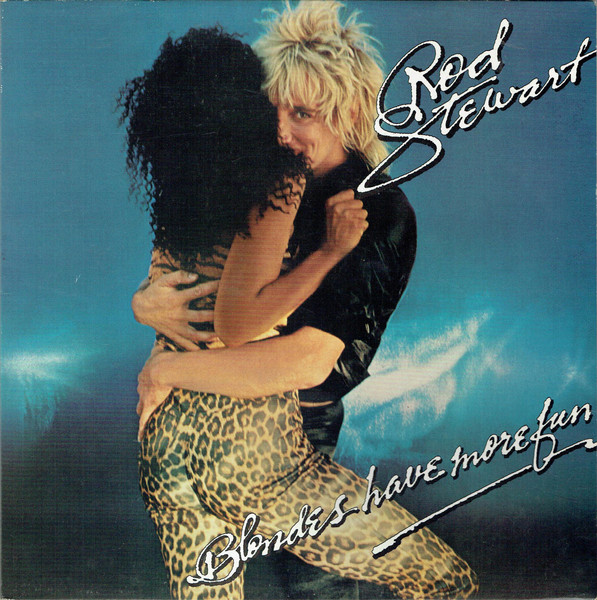
Blondes Have More Fun
1978
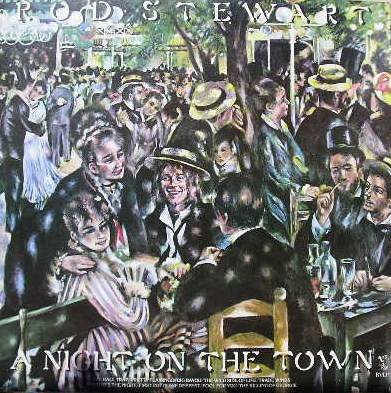
A Night On The Town
1976

Never A Dull Moment
1972

Foot Loose & Fancy Free
1977
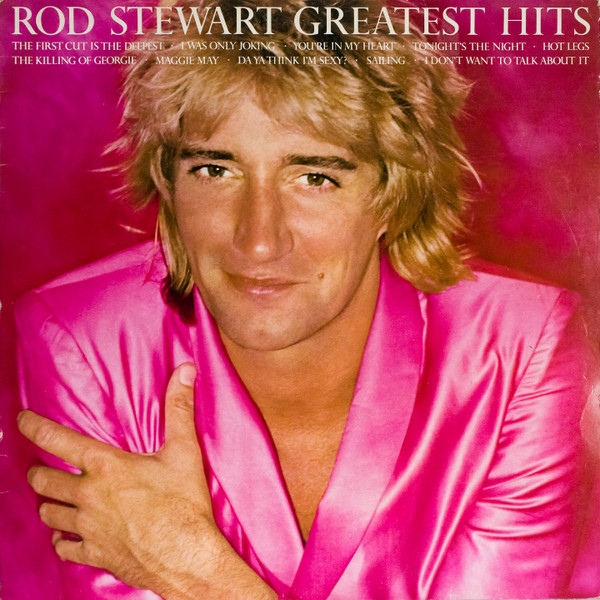
Greatest Hits Vol. 1
1979
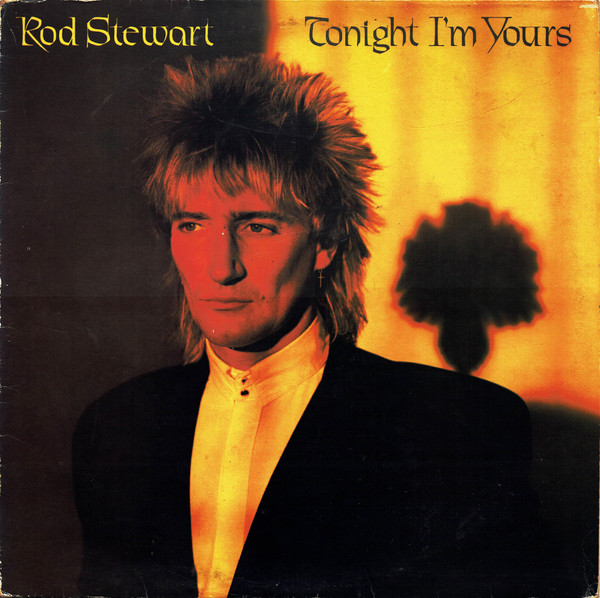
Tonight I'm Yours
1981
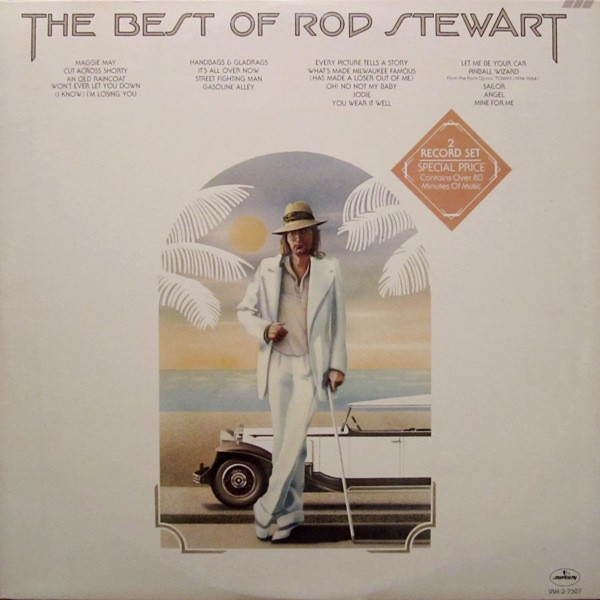
The Best Of Rod Stewart
1976

The Rod Stewart Album
1969
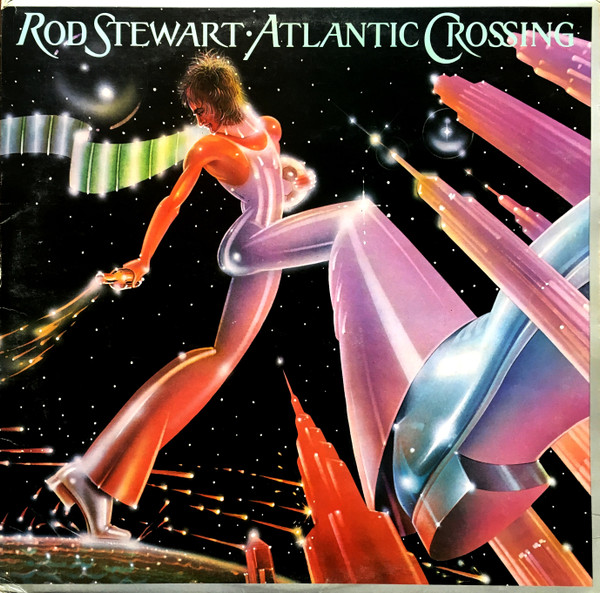
Atlantic Crossing
1975

Foolish Behaviour
1980
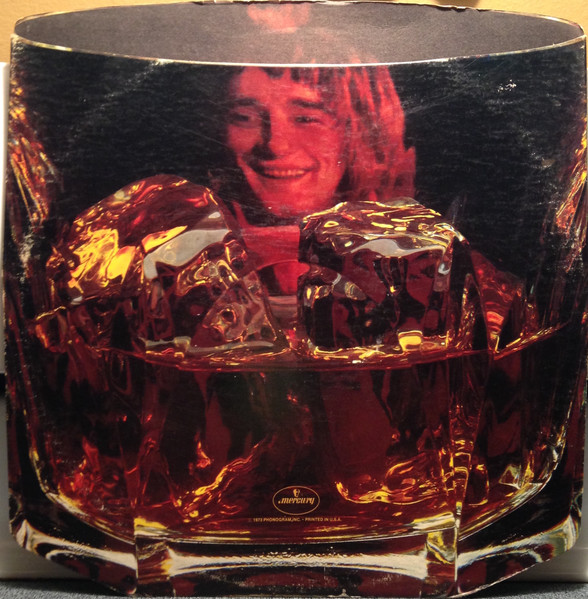
Sing It Again Rod
1973

Gasoline Alley
1970
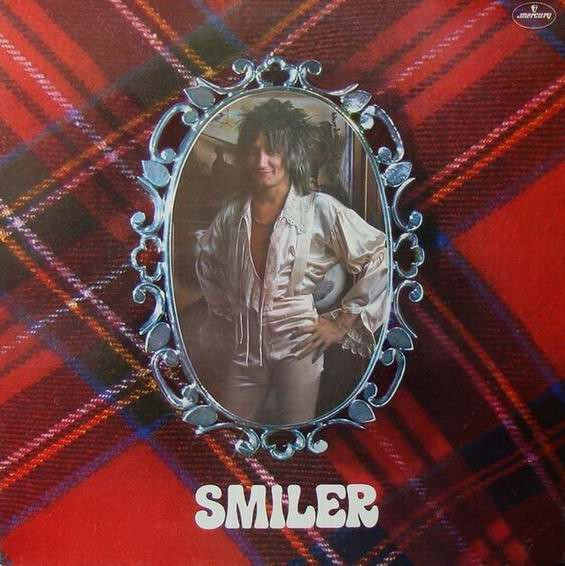
Smiler
1974

Vagabond Heart
1991

The Best Of Rod Stewart
1989
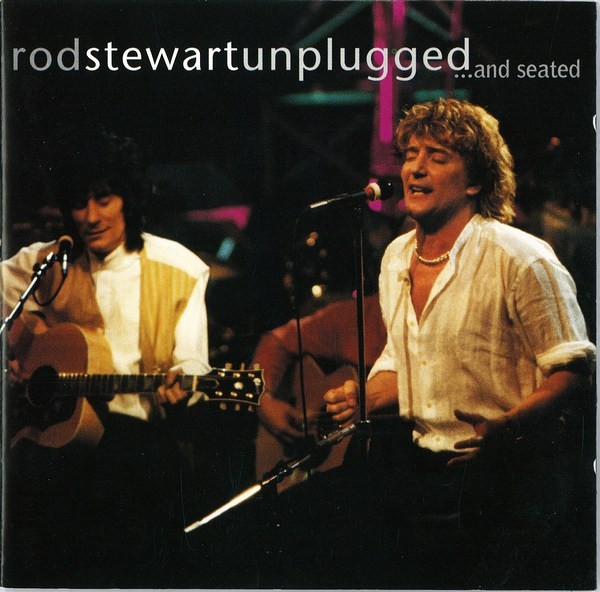
Unplugged ...And Seated
1993
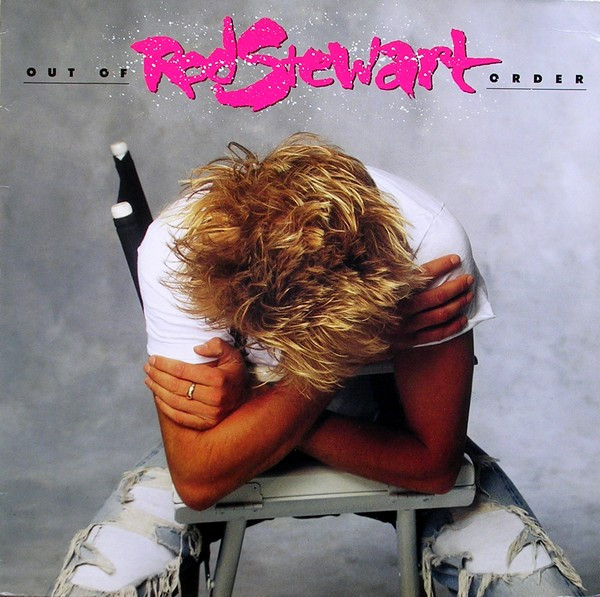
Out Of Order
1988

Absolutely Live
1982

Coast To Coast Overture And Beginners
1973

The Best Of Rod Stewart Vol. 2
1976

The Very Best Of Rod Stewart
1998
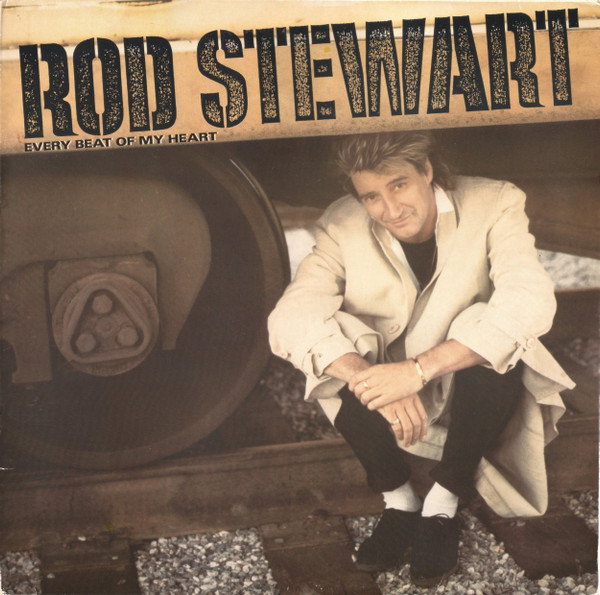
Every Beat Of My Heart
1986
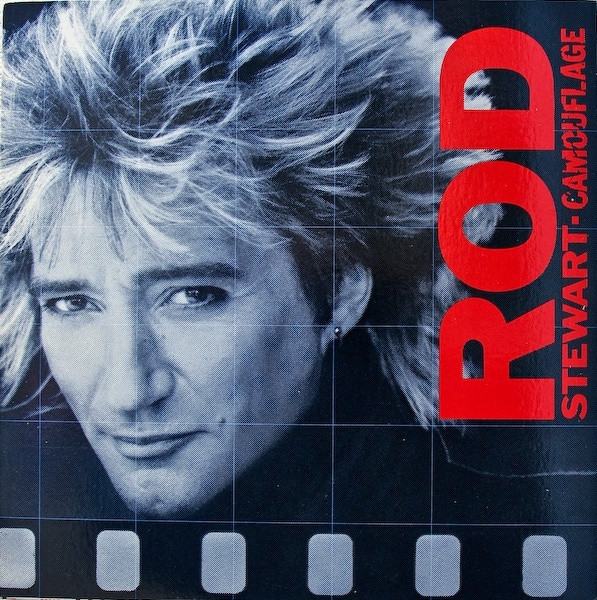
Camouflage
1984
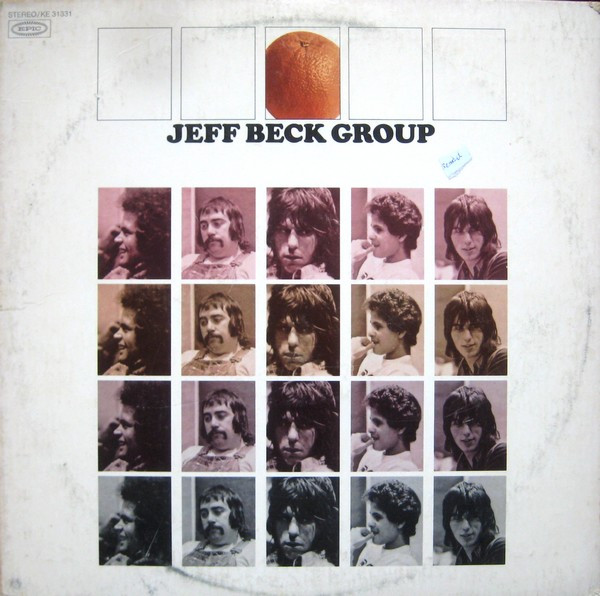
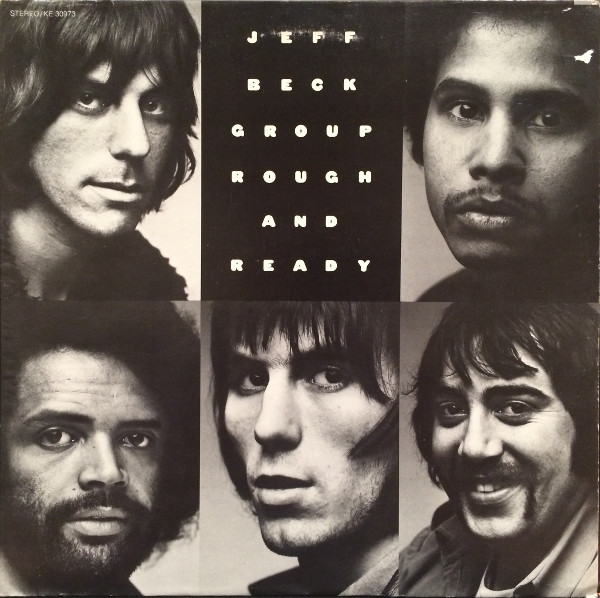
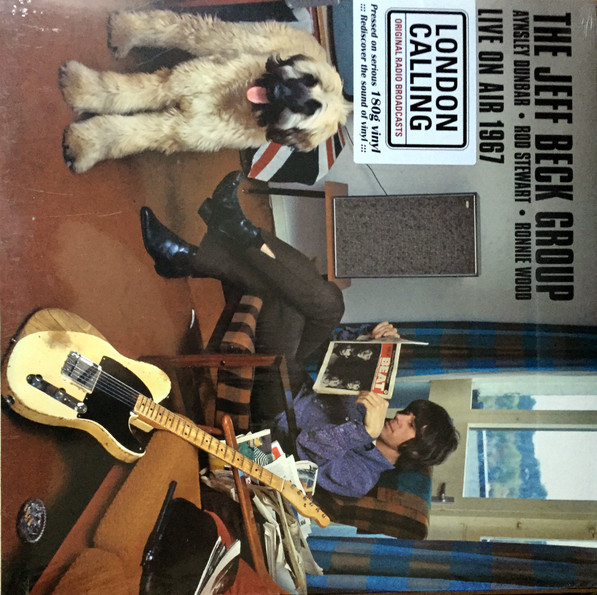
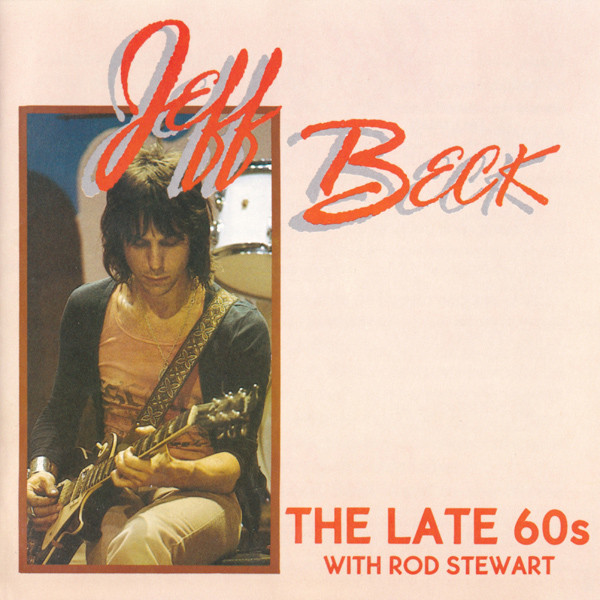
Jeff Beck Group
A project Rod Stewart was part of. Former member.



Faces
A project Rod Stewart was part of. Former member.
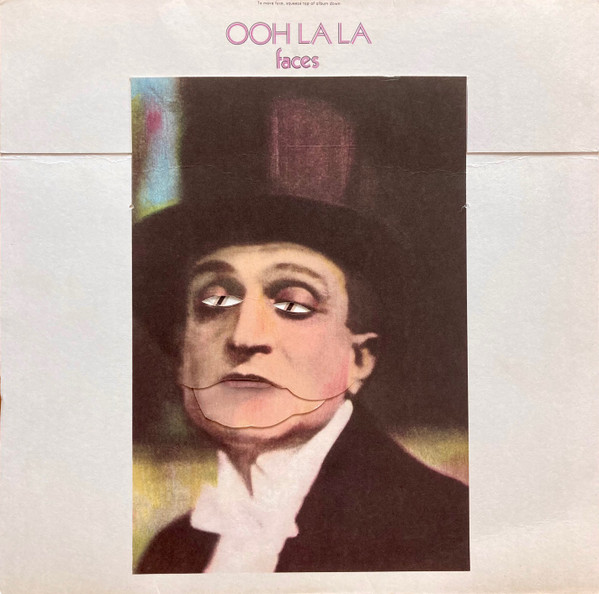
Ooh La La
1973
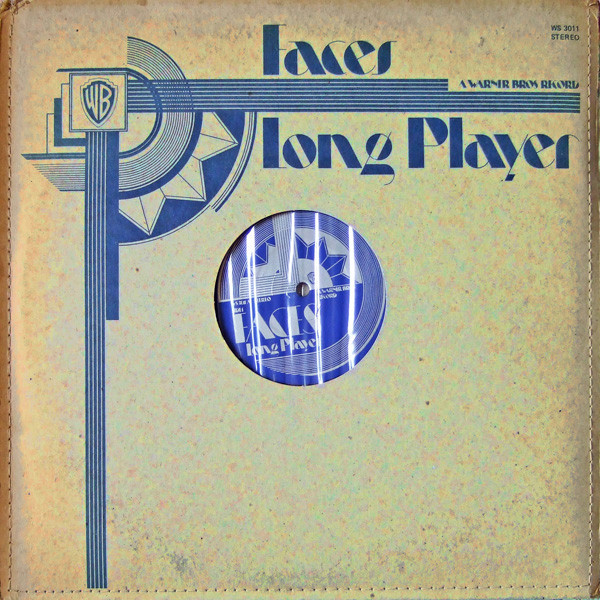
Long Player
1971
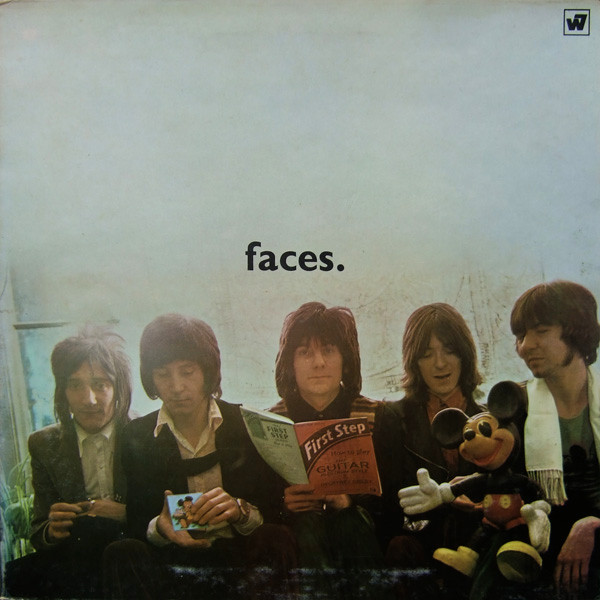
The First Step
1970
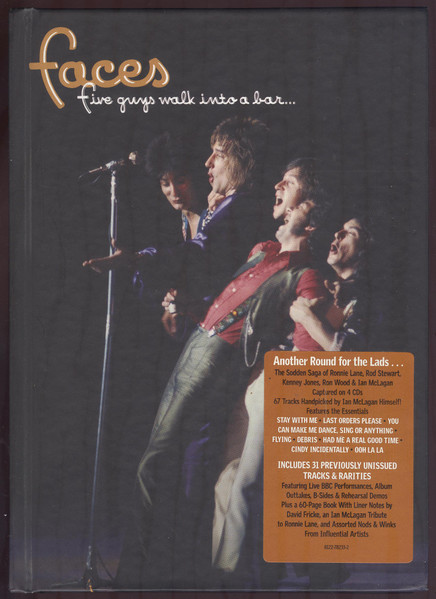
Five Guys Walk Into A Bar...
2004
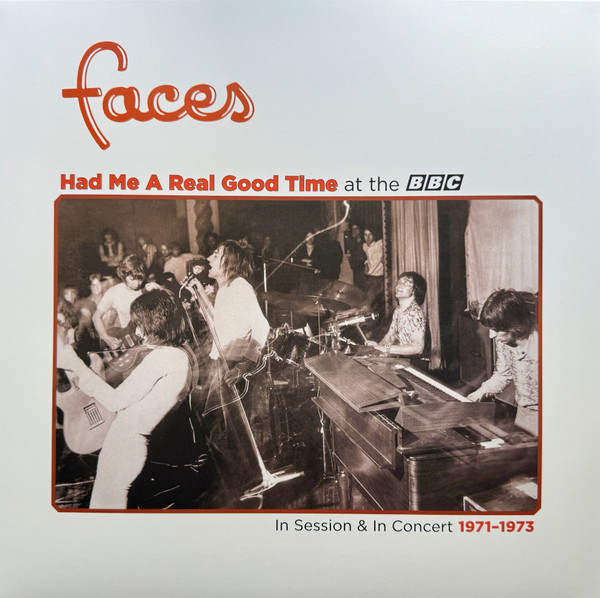
Had Me A Real Good Time At The BBC (In Session & In Concert 1971-1973)
2023

The Best Of Faces: Good Boys... When They're Asleep...
1999
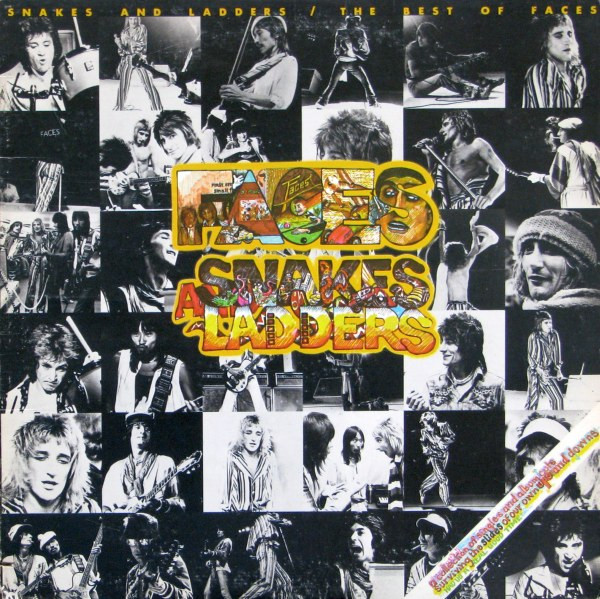
Snakes And Ladders / The Best Of Faces
1976

1970-1975: You Can Make Me Dance, Sing Or Anything...
2015

Early Steps
2025
The Steampacket
A project Rod Stewart was part of.

Related artists
Around the web
Follow every record they touch.
Start your shelf and Gatefold tracks Rod Stewart's new pressings, tour dates, and the whole discography — automatically.
Start your shelf →Free forever. Works with 10 records or 10,000.