
Performance · Other credits
Vincent Youmans
real name Vincent Millie Youmans
New York City, United States · 1898-09-27 – 1946-04-05
Vincent Youmans is credited on 10,911 releases across 3,117 albums tracked on Gatefold, active 1950–2025 — the collector-built map of who actually made the music.

10,911
Credits
3,117
Albums
8
Decades active
871
In collections
Biography
Showing the Discogs bio
American composer and Broadway producer (born September 27, 1898 in New York, New York – died April 5, 1946 in Denver, Colorado).
Youmans started composing songs and producing shows for troop entertainment while serving in the U.S. Navy during World War I. After the war, he worked first as a song-plugger for Jerome H. Remick Music Publishers, but then became a rehearsal pianist for Victor Herbert’s operettas. In 1921, he joined up with Ira Gershwin to write the score for the musical "Two Little Girls in Blue." A song from that musical, "Oh Me! Oh My!", became his first hit. He followed this with two other popular musicals, "Wildflower" (1923, with Otto Harbach and Oscar Hammerstein II) and the even more successful "No, No Nanette" (1925, with Irving Caesar). Two songs from the latter show also became international hits, "Tea for Two" and "I Want to Be Happy."
In 1927, Youmans turned to producing his own Broadway shows. Yet only his very first show, "Hit The Deck!", with the hits "Sometimes I'm Happy" and "Hallelujah", became a major commercial success. Later shows flopped even though some of their songs also became hits, notably "Time On My Hands" from "Smiles" (1930).
Youmans' last great success came with the Fred Astaire-Ginger Rogers movie "Flying Down To Rio." The title song and "The Carioca" again became huge hits. In 1934, however, Youmans was forced to retire because he had contracted tuberculosis. In 1943, he tried a Broadway comeback with the "Vincent Youmans' Ballet Revue," but without success. Three years later, he lost the battle against his illness.
During his relatively short career, Youmans wrote fewer than 100 songs, but 18 of these, an unusually high percentage, are considered standards by ASCAP. In recognition of this fact, Youmans was posthumously inducted into the Songwriter's Hall of Fame in 1970. The subsequent Broadway revival of "No, No, Nanette" (1971) kicked of an entire era of nostalgic revivals on Broadway, and in 1983, Youmans was also inducted into the American Theater Hall of Fame.
Bio from Discogs
Credited work
10,911 releases · 3,117 albums · active 1950–2025
- Performance · 11,763
- Other credits · 469
- Production · 2
Studios: Van Gelder Studio, Hackensack, New Jersey · London House, Chicago · Capitol Studios · Carnegie Hall
Discography
Records they worked on — most-collected first.

Let It Be
1970
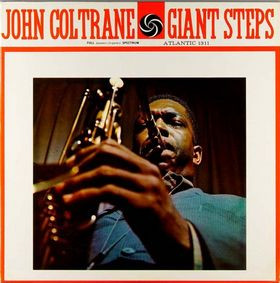
Giant Steps
1960
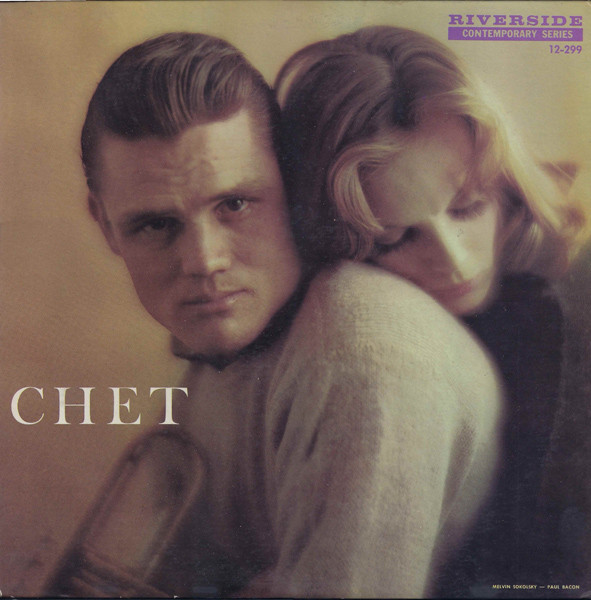
Chet
1959
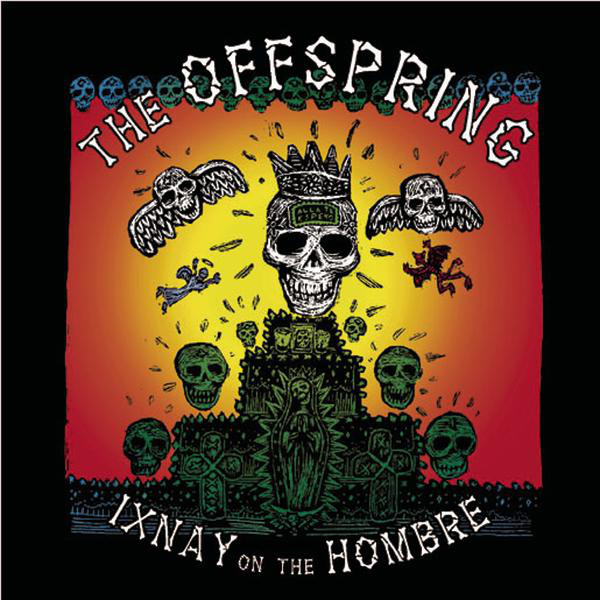
Ixnay On The Hombre
1997
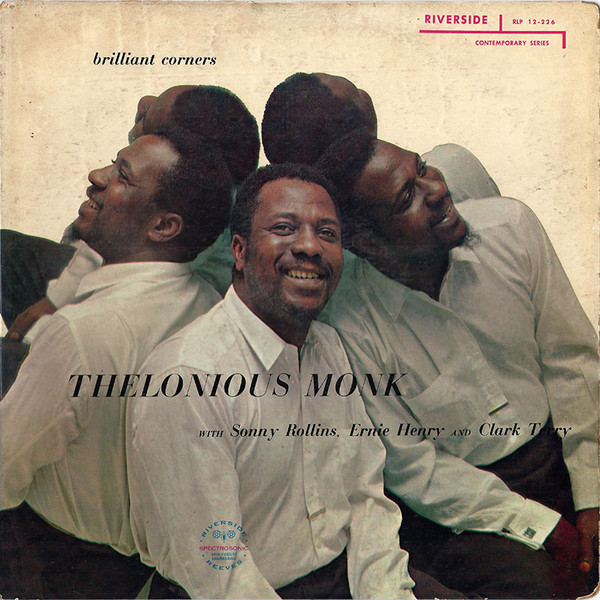
Brilliant Corners
1957
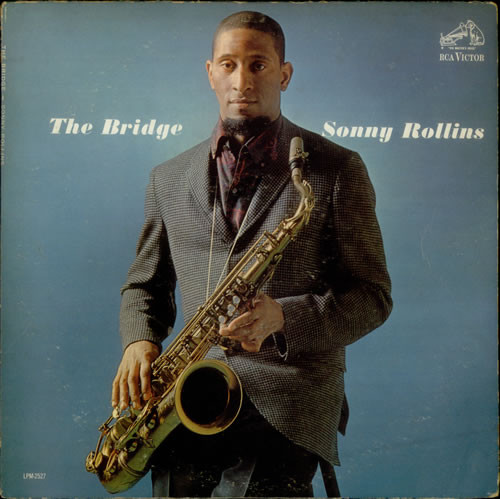
The Bridge
1962
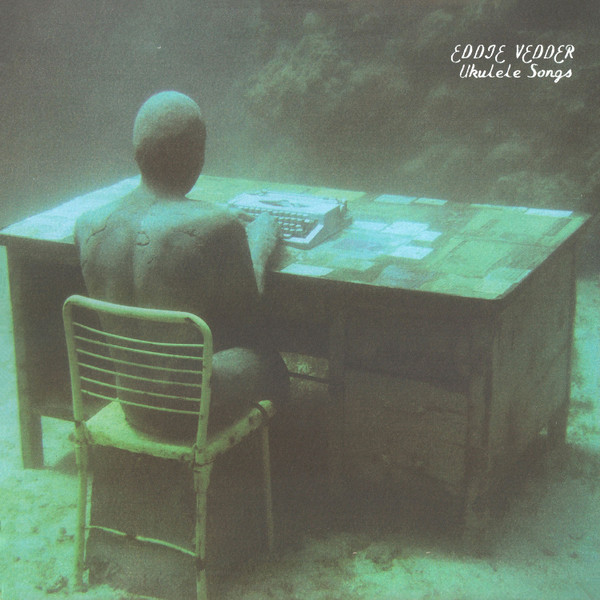
Ukulele Songs
2011

Blossom Dearie
1957

Soulville
1958
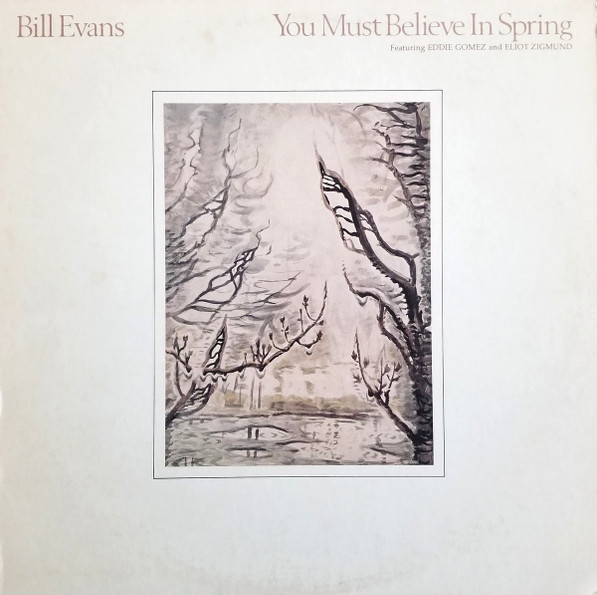
You Must Believe In Spring
1981

I Hear A Symphony
1966

Jazz Goes To College
1954
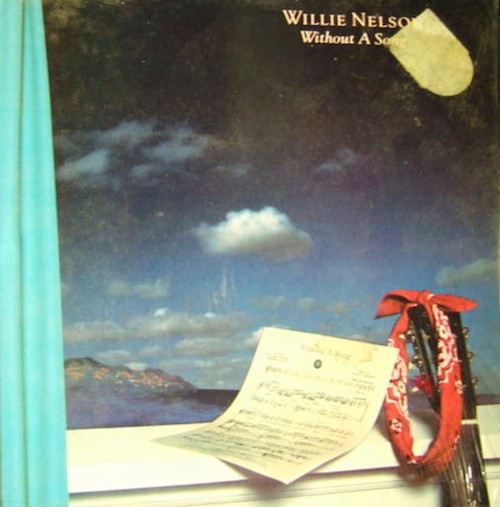
Without A Song
1983

Trilogy: Past, Present & Future
1980

Happy Moods
1960
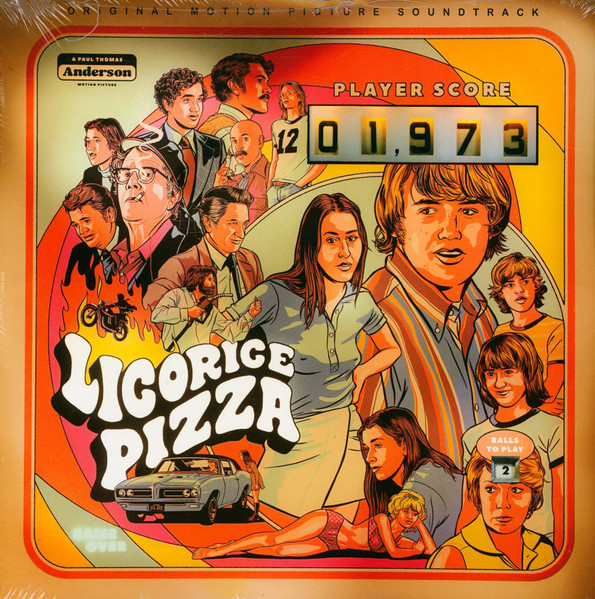
Licorice Pizza (Original Motion Picture Soundtrack)
2021

Jazz: Red Hot And Cool
1955

Jazz At Oberlin
1953

Hits Of Les And Mary
1960

Lea In Love
1957
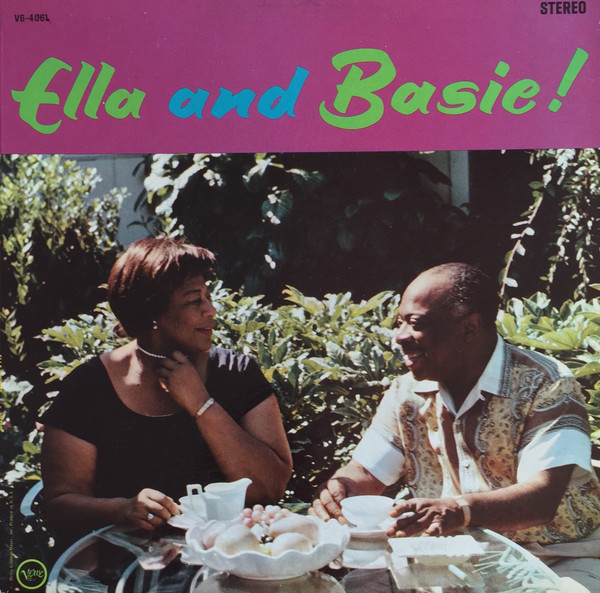
Ella And Basie!
1963

On View At The Five Spot Cafe
1960
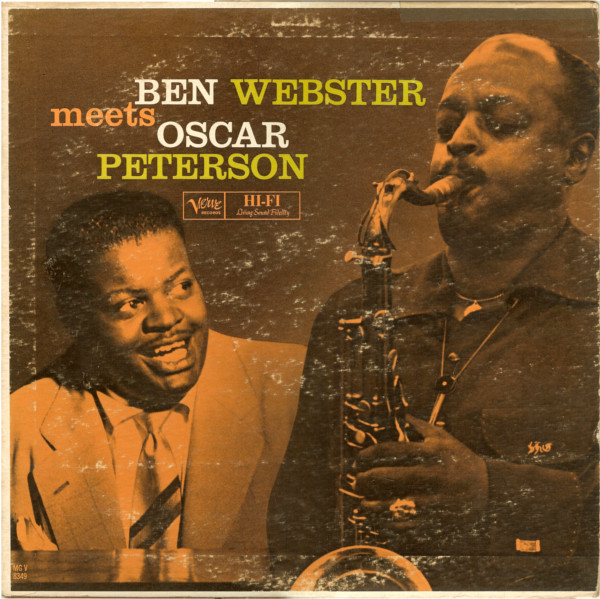
Ben Webster Meets Oscar Peterson
1959

How Long Has This Been Going On?
1978
Frequent collaborators
Around the web
See who really made the music.
Gatefold maps every producer, engineer, and player across your shelf — the credits no one else surfaces.
Start your shelf →Free forever. Works with 10 records or 10,000.