
Performance · Other credits
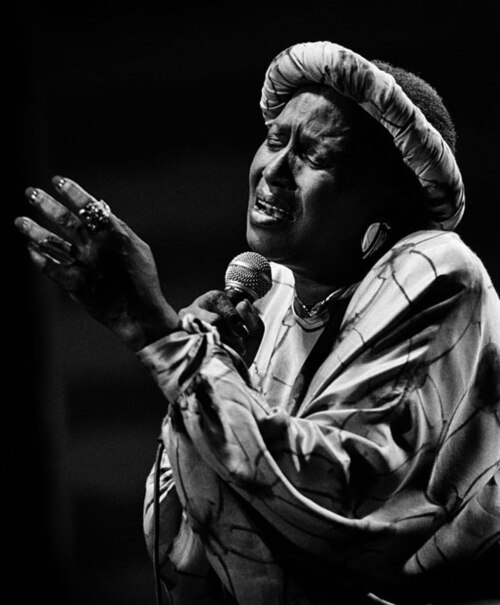
Miriam Makeba
real name Miriam Zenzi Makeba
South African singer-songwriter
Johannesburg, South Africa · 1932-03-04 – 2008-11-10
Miriam Makeba is credited on 1,419 releases across 354 albums tracked on Gatefold, active 1959–2025 — the collector-built map of who actually made the music.
1,419
Credits
354
Albums
8
Decades active
303
In collections
Biography
Showing the Discogs bio
Grammy Award-winning South African singer, also known as "Mama Afrika", born March 4th, 1932, in Johannesburg and died November 10th, 2008, in Castel Volturno, Italy. She sang with The Skylarks and The manhattan brothers, before landing a role in the musical King Kong in 1959. She left for London where she met Harry Belafonte, who invited her to America. Makeba is widely regarded as the first lady of South Africa traditional music. At one time married to Hugh Masekela, she became an international superstar in the USA and the UK, before being able to return to South Africa once the political situation had improved.
Bio from Discogs
Credited work
1,419 releases · 354 albums · active 1959–2025
- Performance · 2,146
- Other credits · 129
- Production · 20
- Engineering · 1
Studios: Carnegie Hall · RCA Studio A · Rosebud Recording Studio · Gold Star Studios
Discography
Records they worked on — most-collected first.
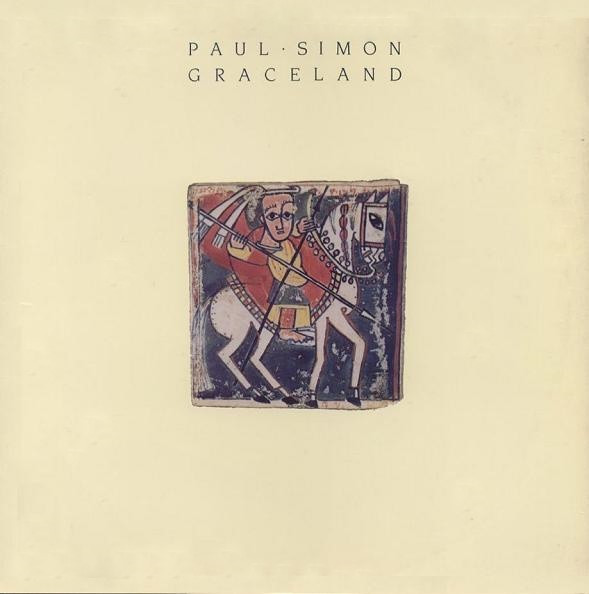
Graceland
1986

Walking In The Shadow Of The Big Man
1984
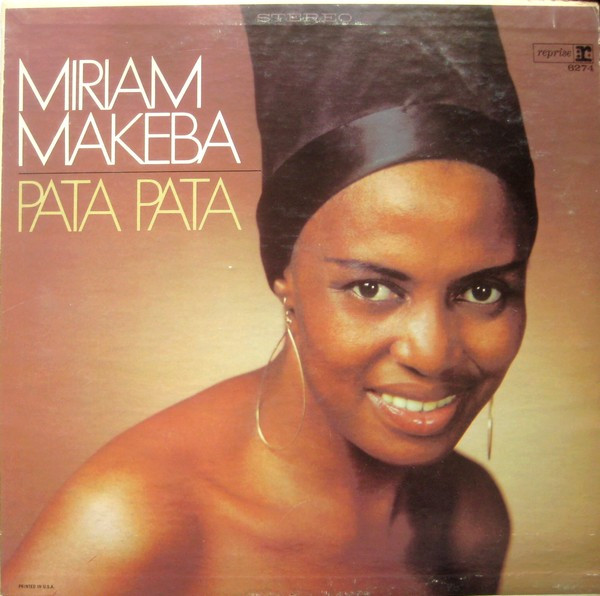
Pata Pata
1967
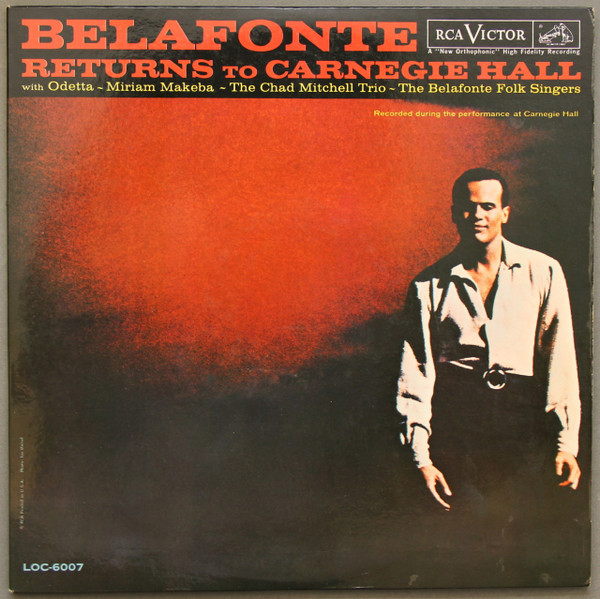
Belafonte Returns To Carnegie Hall
1960

Hope
1994

The Path
1978

Keep Me In Mind
1970

The Voice Of Africa
1964
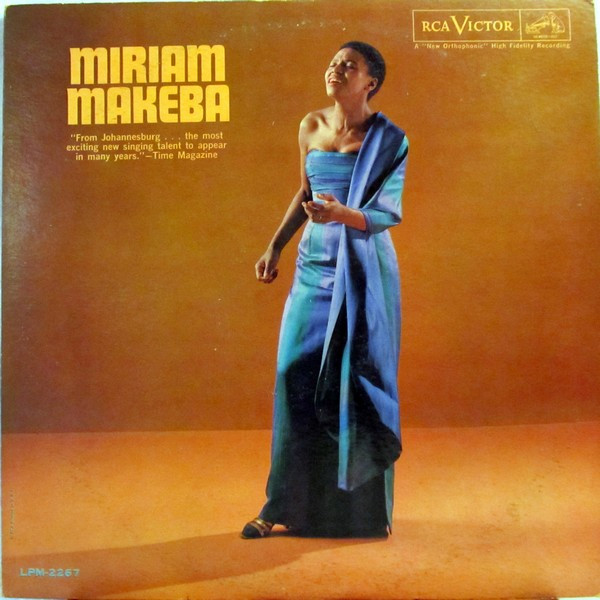
Miriam Makeba
1960

The Promise Of A Future
1968
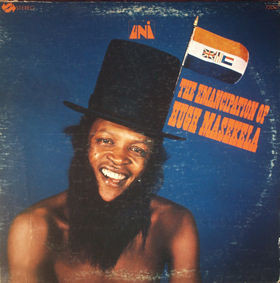
The Emancipation Of Hugh Masekela
1967
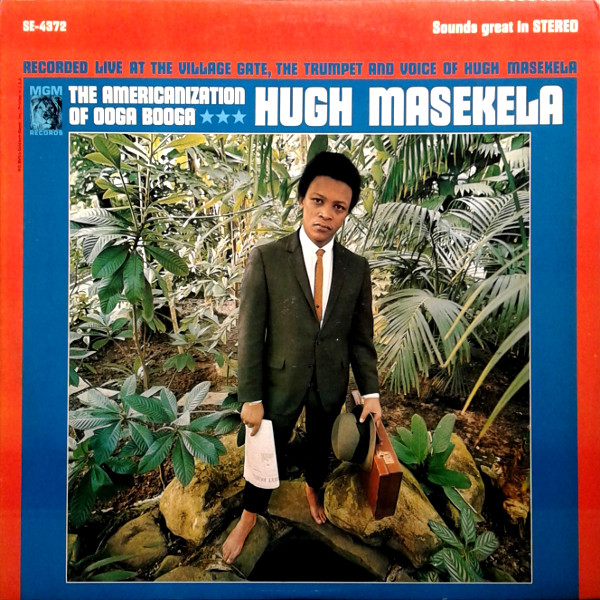
The Americanization Of Ooga Booga
1966

The World Of Miriam Makeba
1963

Belafonte At The Greek Theatre
1963
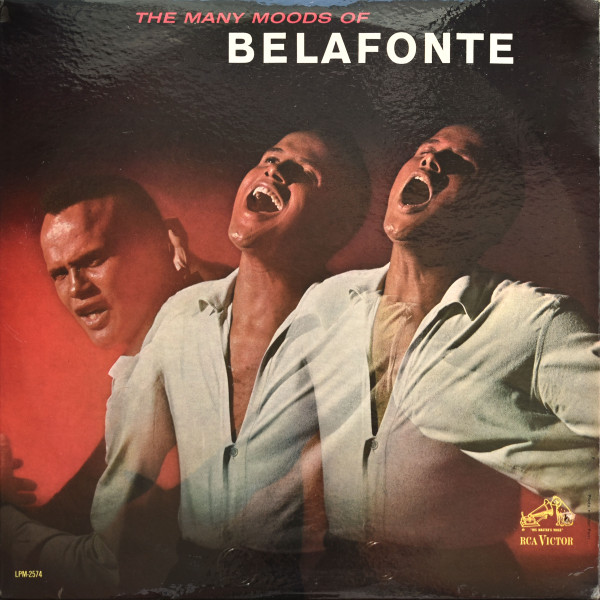
The Many Moods Of Belafonte
1962

Project Hail Mary (Original Motion Picture Score)
2026
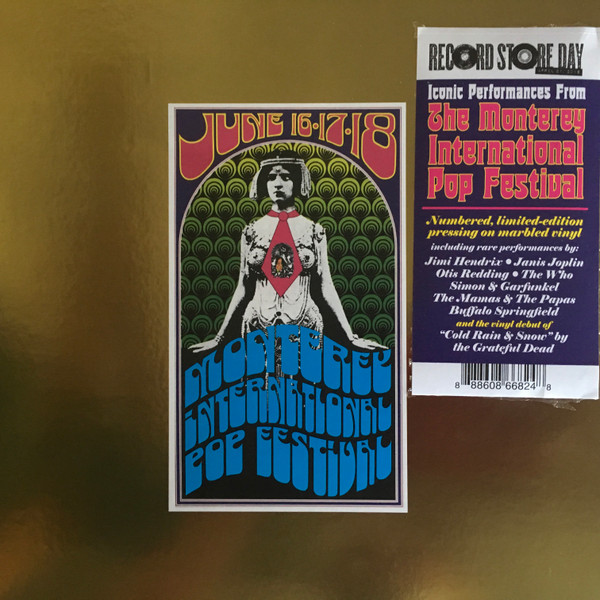
Iconic Performances From The Monterey International Pop Festival
2018

Wakafrika
1994

Sangoma
1988

Makeba!
1968

In Concert
1967

An Evening With Belafonte/Makeba
1965

Mr. Bongo
1956

Udondolo
2021
Frequent collaborators
- Various
- Hugh Masekela
- Harry Belafonte
- Myriam Makeba
- Sylvie Vartan
- Osibisa
- Cher
- Chér
Around the web
See who really made the music.
Gatefold maps every producer, engineer, and player across your shelf — the credits no one else surfaces.
Start your shelf →Free forever. Works with 10 records or 10,000.