
Artist
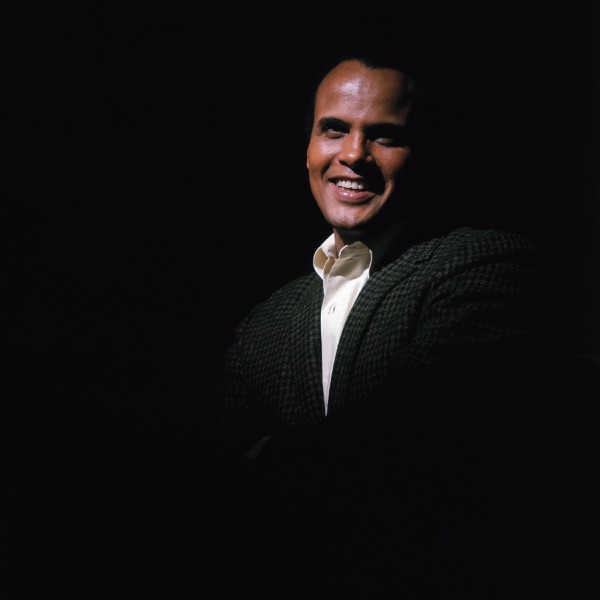
Harry Belafonte
Harlem, United States · 1927 – 2023
Harry Belafonte is a musician from Harlem, United States, active 1927–2023. Their discography on Gatefold includes 24 records.
43
Albums tracked
140
In collections
1927
Since
Biography
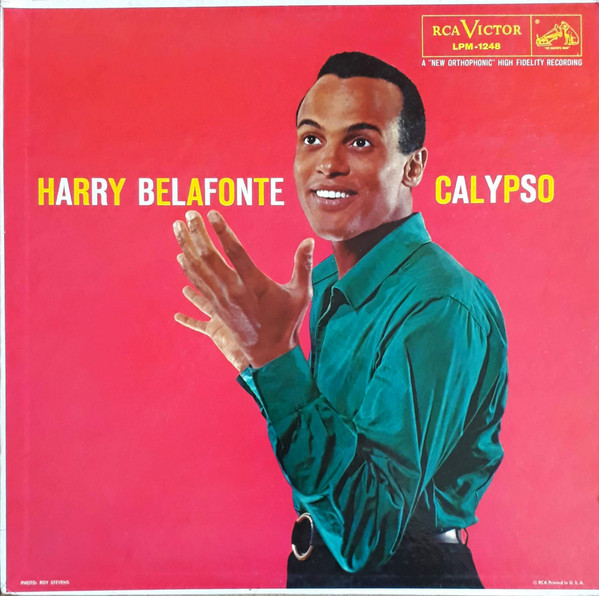
RCA Victor didn't know what the hell they had in 1956. They thought Calypso was a novelty record to pad out the catalog. Instead, it became the first album by a single artist to sell a million copies, keeping Elvis off the top of the charts for weeks. Belafonte wasn't some packaged lounge singer; he was a Harlem kid who learned his trade at the American Negro Theatre alongside Sidney Poitier and funded his early folk gigs by running a Greenwich Village hamburger joint. He understood the power of a stage and the hard realities of the recording studio. When RCA tried to slick up his sound with overly polite orchestral arrangements, Belafonte fought to keep the focus on his rhythm section and his own immaculate phrasing. He was a master of tension. He could take a chain-gang song or a Caribbean work chant and make it sound like a revolutionary threat, all while wearing a silk shirt that drove television censors crazy. His records aren't just easy-listening pop; they're folk music disguised as mainstream entertainment, cut by a guy who was actively funding the civil rights movement with his royalty checks.
Bio from The Clerk
The Arc of Harry Belafonte
The pivots — what forced Harry Belafonte to reinvent.
The Greenwich Village Folk Blueprint
Before the chart-topping smash hits, Belafonte was grinding in the Manhattan club circuit, shedding his early pop-crooner skin. He spent hours in the Library of Congress archives, digging up traditional folk and work songs to build a raw, stripped-down repertoire. Recording his early 10-inch LPs for RCA in the early fifties, he relied on acoustic guitar backing from players like Millard Thomas to keep the sound grounded. You hear it on the 1954 Mark Twain LP, where his voice carries the entire weight of the arrangement without any lush orchestral varnish.
The Calypso Explosion
In 1956, Belafonte went into the studio with guitarist Frantz Casseus and Trinidadian singer Lord Burgess to cut Calypso. The album was a gamble on West Indian folk rhythms that the major labels assumed were too regional for American radio. The record exploded, driven by the percussion work of Danny Barrajanos and Tony Miranda, which bypassed the typical big-band brass of the era. The result was a lean, rhythm-first masterpiece that sold a million copies and forced the industry to take global folk forms seriously.
The Late-Night Blues Turn
Tired of being pigeonholed as a tropical novelty act, Belafonte walked into the RCA studios in 1958 to cut Belafonte Sings the Blues. He ditched the acoustic guitars and hired a heavy jazz band featuring saxophonist Jerome Richardson and trumpeter Roy Eldridge. This was a dark, late-night record recorded on high-fidelity three-track tape, capturing a smoky, intimate room sound. His delivery on tracks like 'A Fool for You' showed he could match the grit of Ray Charles while keeping his own theatrical restraint.
The Global Activist Collaborations
By the mid-sixties, Belafonte used his massive commercial leverage to bypass American radio constraints entirely, bringing international artists into the mainstream. He partnered with exiled South African singer Miriam Makeba for a series of duets that served as an educational tool against apartheid. The 1965 album An Evening with Belafonte/Makeba featured traditional Zulu and Xhosa songs backed by American session players. The production was clean but uncompromising, using authentic rhythms to deliver radical political messages disguised as beautiful vocal harmonies.
Influences
- Lead Belly — Belafonte regularly attended Lead Belly's performances at the Village Vanguard in the late 1940s and studied his repertoire closely. He covered Lead Belly's signature tunes, including 'Midnight Special' and 'Sylvie,' directly copying the driving tempo and dramatic storytelling style. You can hear this influence in the intense, rhythmic vocal delivery Belafonte used to command a room with just an acoustic guitar.
- Josh White — White was the premier Black folk singer of the 1940s, and he personally mentored Belafonte, showing him how to blend traditional blues with a sophisticated stage presence. Belafonte adopted White's precise guitar-vocal phrasing and his knack for using folk songs to deliver subtle social commentary. The DNA of White's dry, clean guitar accompaniment runs directly through Belafonte's early fifties RCA recordings.
- Lord Kitchener — The Trinidadian calypso icon was a major source of Belafonte's musical education during his trips to London in the early fifties. Belafonte studied Kitchener's syncopated vocal phrasing and his ability to turn complex political stories into catchy, melodic hooks. While Belafonte smoothed out the rougher edges for American ears, the syncopation on 'Jump Up Calypso' is a direct nod to Kitchener's style.
- Woody Guthrie — Belafonte met Guthrie in Greenwich Village and was deeply inspired by his commitment to using music as a weapon for working-class struggles. Belafonte recorded several of Guthrie's songs, including 'Pastures of Plenty,' keeping the lyrics unvarnished and the arrangements sparse. You hear Guthrie's influence in Belafonte's refuse-to-bend delivery on his late fifties prison and work songs.
- Paul Robeson — Robeson was Belafonte's ultimate artistic and political North Star, teaching him that fame was useless unless deployed for civil rights activism. Belafonte inherited Robeson's theatrical baritone projection and his belief that folk music from all cultures shared a common, liberating language. The booming, resonant vocal authority on 'Swing Dat Hammer' is a direct emulation of Robeson's commanding concert style.
Discography
Their records — most-collected first.
Calypso
1956
Belafonte At Carnegie Hall (The Complete Concert)
1959
An Evening With Belafonte
1957
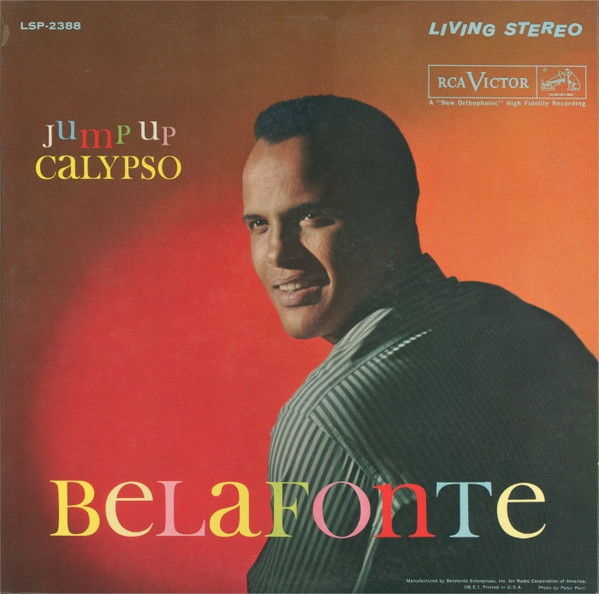
Jump Up Calypso
1961
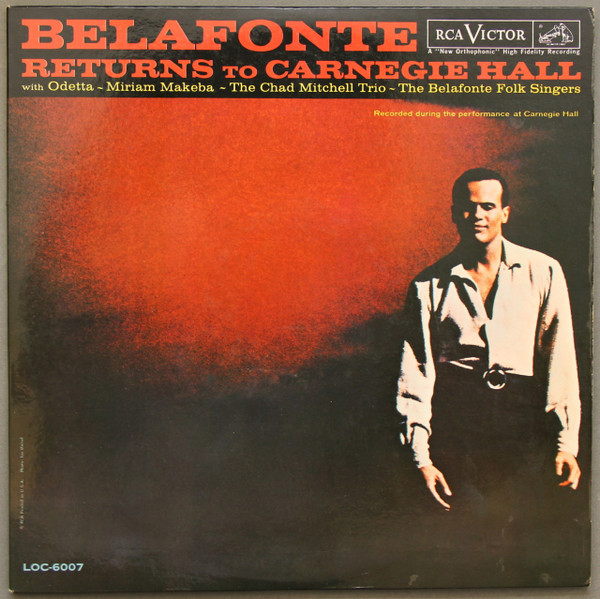
Belafonte Returns To Carnegie Hall
1960

Belafonte Sings The Blues
1958
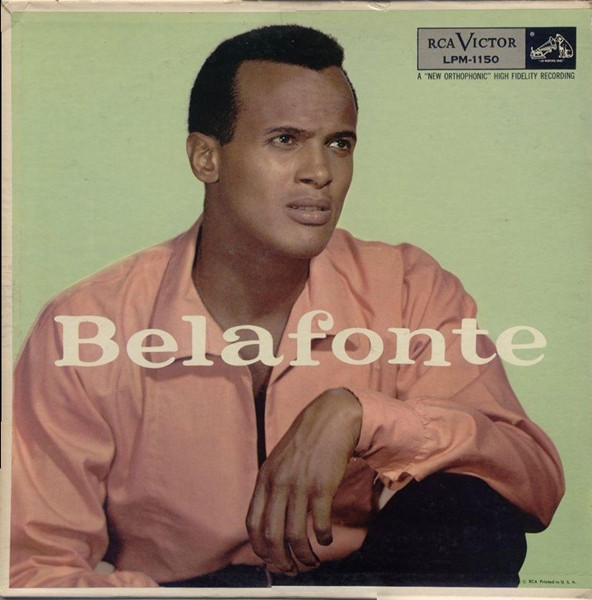
Belafonte
1956

Belafonte Sings Of The Caribbean
1957

Die Großen Erfolge - Golden Records
1964

The Midnight Special
1962

Belafonte At The Greek Theatre
1963
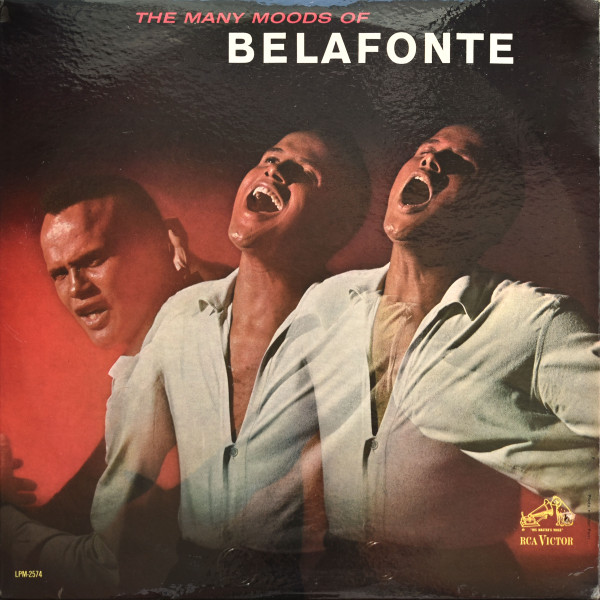
The Many Moods Of Belafonte
1962
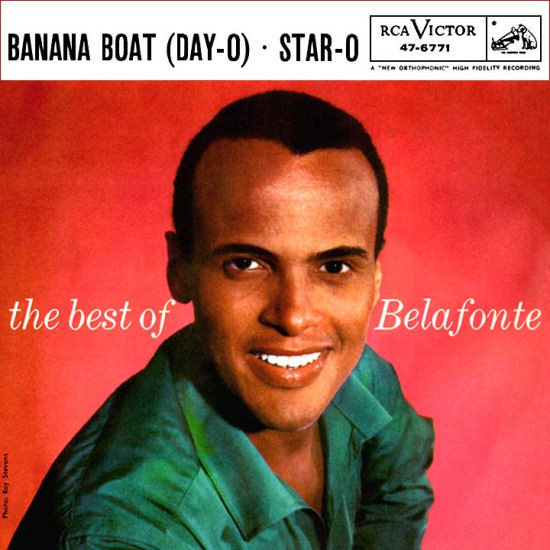
Banana Boat (Day-O) / Star-O
1956

Harry Belafonte Sings Five Early Songs / Calypso In The Sun

Pure Gold
1975

In My Quiet Room
1966

Ballads, Blues And Boasters
1964

Love Is A Gentle Thing
1959

To Wish You A Merry Christmas
1958
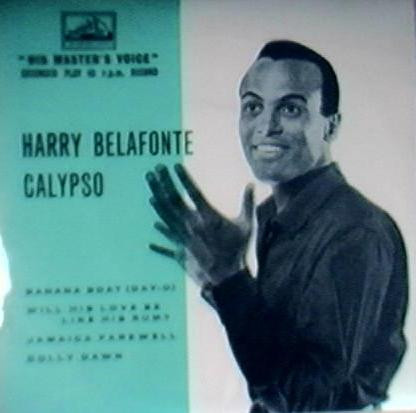
Calypso
1956

"Mark Twain" And Other Folk Favorites
1954

Seine 20 Grössten Hits

Skin To Skin
1988
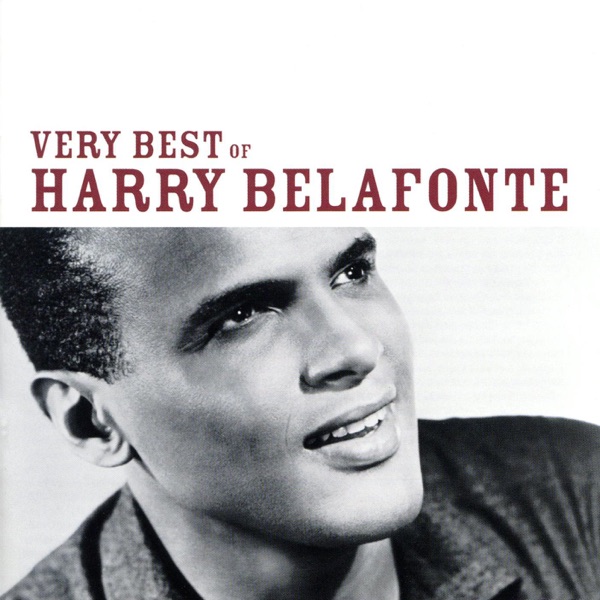
The Very Best Of Harry Belafonte
1984
Related artists
Around the web
Follow every record they touch.
Start your shelf and Gatefold tracks Harry Belafonte's new pressings, tour dates, and the whole discography — automatically.
Start your shelf →Free forever. Works with 10 records or 10,000.