
Artist
Vince Guaraldi
pianist
North Beach, United States · 1928 – 1976
Vince Guaraldi is a musician from North Beach, United States, active 1928–1976. Their discography on Gatefold includes 24 records. They also recorded with Vince Guaraldi Trio, The Cal Tjader Quintet, Cal Tjader Quartet, Cal Tjader Sextet and Cal Tjader Trio.

41
Albums tracked
343
In collections
1928
Since
Biography
Guaraldi was a session guy with big hands and a mustache who spent years in the trenches of the San Francisco jazz scene before the Peanuts checks started rolling in. He was holding down the bench for Cal Tjader in the fifties, playing mambo and hard bop while most people still thought jazz was just for smoke-filled basements. He wasn't some high-concept intellectual; he was a melodicist who knew how to find a hook without sacrificing the swing. Even when he was tracking 'Cast Your Fate to the Wind' as a B-side filler, he was using that specific, percussive touch he picked up from the Latin jazz world. The commercial success of the Christmas special is both a blessing and a curse for his legacy. People hear those chords and think of a cartoon dog, but they miss the fact that he was one of the first guys to bring a Bossa Nova feel to a mass American audience. He brought in Bola Sete, a guitarist from Brazil who could play circles around anyone in the States, and they made some of the most sophisticated acoustic records of the sixties. It wasn't 'light jazz' to them—it was a technical crossover that required perfect timing and a deep understanding of rhythm.
Bio from The Clerk
The Arc of Vince Guaraldi
The pivots — what forced Vince Guaraldi to reinvent.
The Tjader Apprenticeship
Vince spent the fifties as the engine room for vibraphonist Cal Tjader, leaning hard into the Afro-Cuban movement that was taking over the West Coast. This wasn't background music; it was a high-octane education in polyrhythms and percussion-heavy piano voicing that defined his early sound. You can hear that rhythmic backbone even in his later, softer work because he learned how to play piano like a member of the rhythm section first. It gave him a distinct, punchy attack that separated him from the more flowery East Coast ivory-ticklers.
The Latin-Jazz Pivot
After leaving Tjader, Guaraldi doubled down on his obsession with Brazilian sounds, specifically after hearing the soundtrack to Black Orpheus. He recruited the virtuosic guitarist Bola Sete to join his trio, creating a hybrid sound that was far more complex than the 'Easy Listening' bins would suggest. These sessions at Fantasy Records were masterclasses in space and dynamics, proving Vince could lead a group without overplaying. The interplay between Sete's nylon strings and Vince’s bright piano trills turned Bossa Nova into something uniquely San Franciscan.
The Schulz Syndicate
Producer Lee Mendelson heard 'Cast Your Fate to the Wind' on the radio while crossing the Golden Gate Bridge and decided that was the sound of Charlie Brown. This move shifted Vince from the jazz clubs to the television studio, forcing him to write to picture and work within strict time constraints. He didn't dumb it down; he just sharpened the melodies until they were undeniable. The result was a weirdly melancholic, sophisticated jazz soundtrack that became the entry point for millions of kids who didn't know they liked trio music.
Influences
- Art Tatum — Guaraldi frequently cited Tatum as the reason he took the piano seriously, obsessed with his speed and stride technique. You hear it in the way Vince handles fast-moving left-hand patterns even during his more relaxed mid-tempo tracks. He never reached Tatum's level of complexity, but the foundation of his swing is built entirely on that 1940s DNA.
- Billie Holiday — Vince used to tell people he learned how to phrase his piano solos by listening to Lady Day's vocal timing. He treated the keys like a voice, often 'singing' the melody through his fingers with the same behind-the-beat lag she used. It’s why his Peanuts themes feel so conversational and human.
- Bud Powell — Powell was the architect of bebop piano, and Vince's early solo work is a direct disciple of those sparse, horn-like right-hand runs. Before the Bossa Nova influence took over, Vince was trying to capture that jagged, nervous energy found on Powell’s Blue Note recordings. It’s the skeleton underneath his later, smoother compositions.
- Oscar Peterson — Peterson's influence is all over Vince’s blues-inflected work and his ability to maintain a massive groove with just a trio. He admired the way Peterson could make a piano sound like a full orchestra through sheer physical force. You can hear that heavy, confident touch on the more aggressive tracks of Jazz Impressions of Black Orpheus.
- Cal Tjader — Tjader wasn't just a boss; he was the guy who taught Vince how to integrate Latin percussion into a jazz structure. Their years touring together provided the blueprint for every rhythmic experiment Vince would try in the sixties. Without Tjader’s vibraphone leading the way, Vince never would have found that specific, airy California sound.
Vince Guaraldi — solo
Their records — most-collected first.
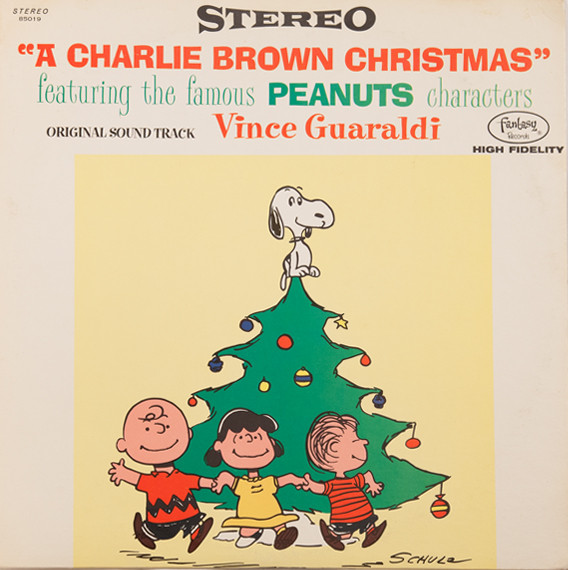
A Charlie Brown Christmas
1965
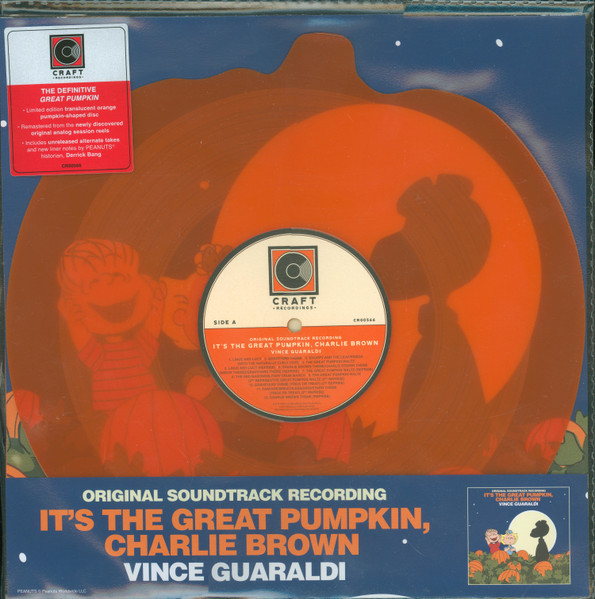
It's The Great Pumpkin, Charlie Brown (Original Soundtrack Recording)
2022
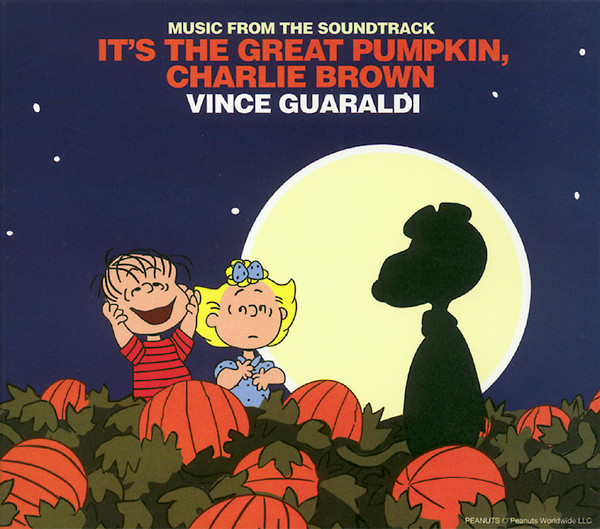
It's The Great Pumpkin, Charlie Brown (Music From The Soundtrack)
2018

Be My Valentine, Charlie Brown (Original Soundtrack Recording)
2025

From All Sides
1964

It's The Easter Beagle, Charlie Brown! (Original Soundtrack Recording)
2025

A Charlie Brown Thanksgiving (Original Soundtrack Recording)
2023

Peanuts Portraits (The Classic Character Themes)
2010

Oh, Good Grief!
1968
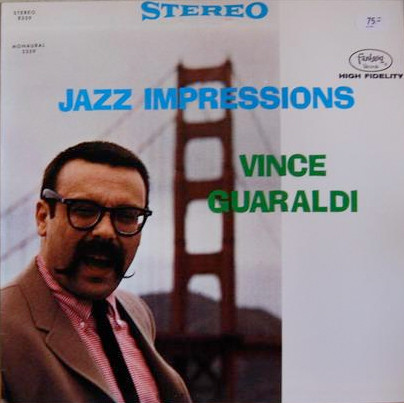
Jazz Impressions
1964

It’s Arbor Day, Charlie Brown / Charlie Brown’s All Stars!
2026
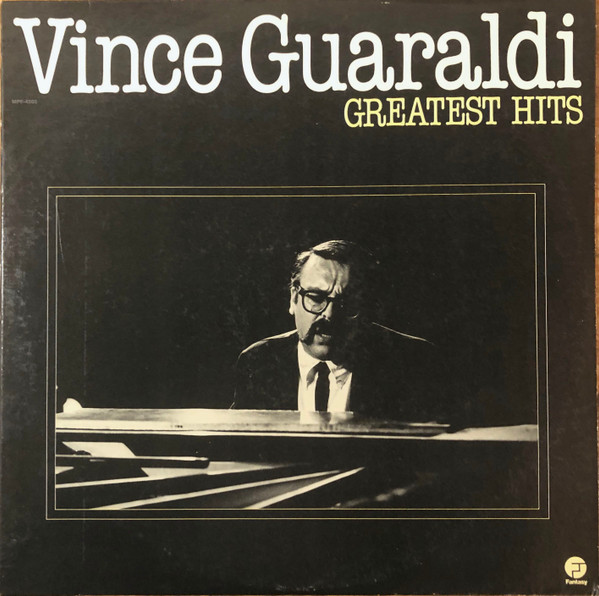
Greatest Hits
1980
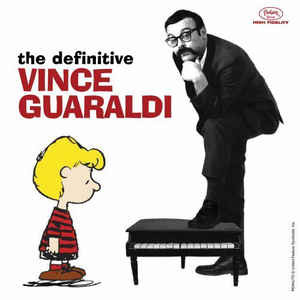
The Definitive Vince Guaraldi
2009

The Eclectic
1969

Vince Guaraldi \ Bola Sete \ And Friends
1963

You're A Good Sport, Charlie Brown (Original Soundtrack Recording - 50th Anniversary Edition)
2025
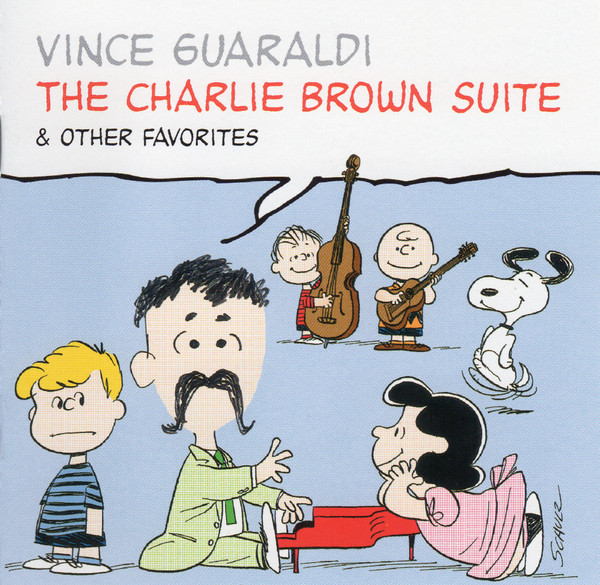
The Charlie Brown Suite & Other Favorites
2003

Vince Guaraldi At Grace Cathedral
1965

In Person
1963

It Was A Short Summer, Charlie Brown (Original Soundtrack Recording)
2024

You're Not Elected, Charlie Brown (Original Soundtrack Recording)
2024
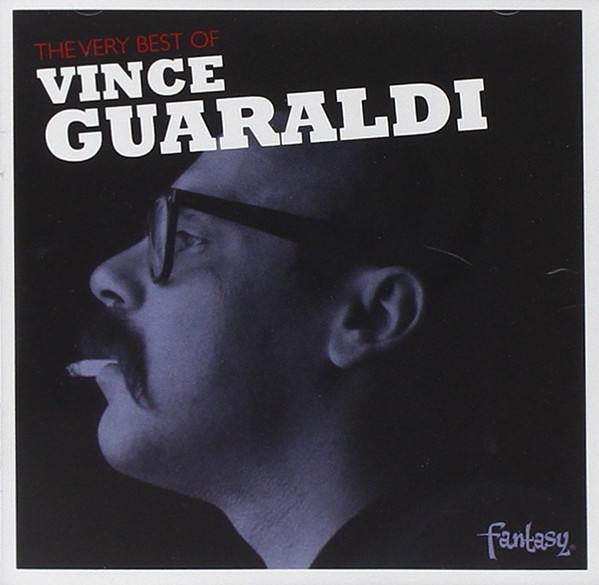
The Very Best of Vince Guaraldi
2012

Vince Guaraldi And The Lost Cues From The Charlie Brown Television Specials, Volume 2
2008
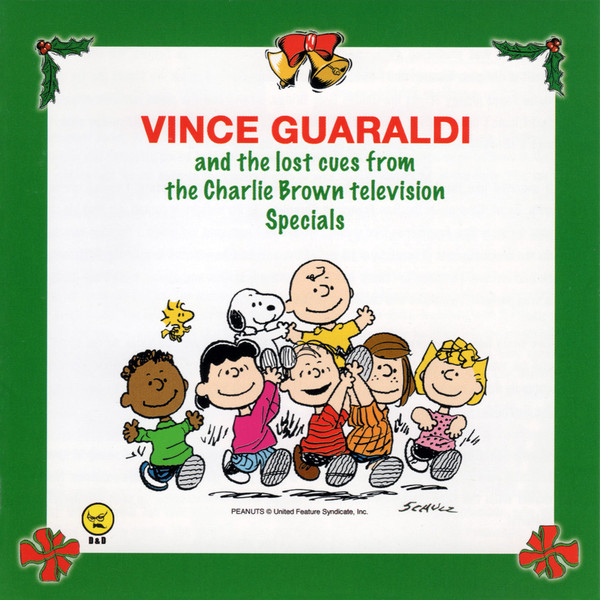
Vince Guaraldi And The Lost Cues From The Charlie Brown Television Specials
2007
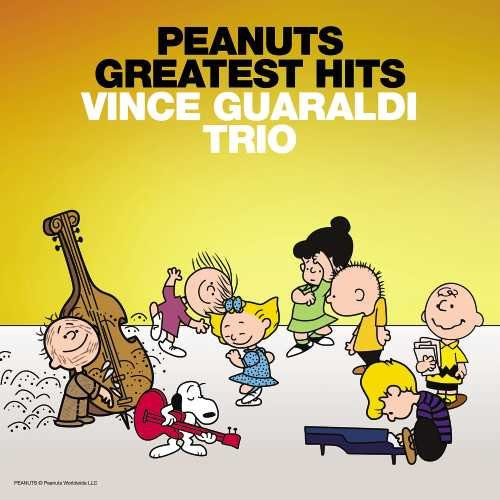
Vince Guaraldi Trio
Vince Guaraldi under another name — MusicBrainz marks this project eponymous.



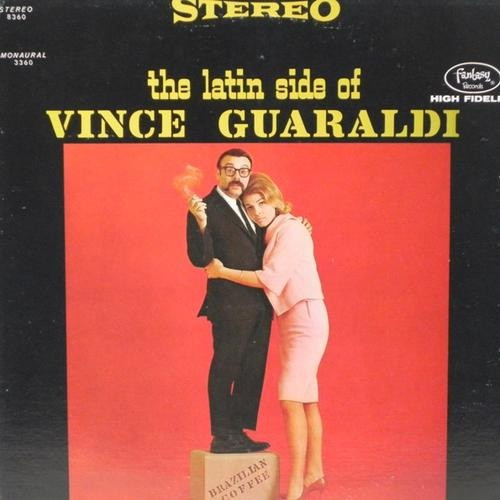
The Cal Tjader Quintet
A project Vince Guaraldi was part of. Former member.


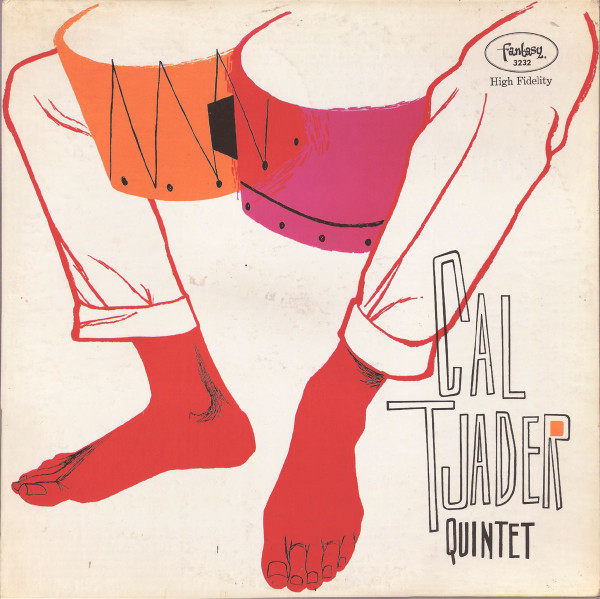
Cal Tjader Quartet
A project Vince Guaraldi was part of.


Cal Tjader Sextet
A project Vince Guaraldi was part of.

Cal Tjader Trio
A project Vince Guaraldi was part of.

Related artists
Around the web
Follow every record they touch.
Start your shelf and Gatefold tracks Vince Guaraldi's new pressings, tour dates, and the whole discography — automatically.
Start your shelf →Free forever. Works with 10 records or 10,000.