
Artist
Cal Tjader
St. Louis, United States · 1925 – 1982
Cal Tjader is a musician from St. Louis, United States, active 1925–1982. Their discography on Gatefold includes 24 records. They also recorded with The George Shearing Quintet, The Cal Tjader Quintet, Cal Tjader Quartet, Cal Tjader Sextet, Cal Tjader Trio and Cal Tjader's Modern Mambo Quintet.

63
Albums tracked
117
In collections
1925
Since
Biography
Cal Tjader was a tap dancer before he was a drummer, and a drummer before he ever touched a vibraphone. That percussive DNA is the only reason his Latin jazz stuff doesn't sound like elevator music. In 1954, he left George Shearing's group because he was tired of the polite, block-chord piano style and wanted to lean into the dirtier, syncopated rhythms coming out of the Palladium. He wasn't some tourist; he hired Mongo Santamaría and Willie Bobo to keep him honest, ensuring the clave was never treated like a suggestion. He spent the sixties chasing the 'Soul Sauce' high, which turned him into a Verve cash cow but also led to some questionable easy-listening fluff. Creed Taylor’s production gave him hits, but it stripped away the sweat of the small-group sessions. By the time he hit the seventies, the guy was essentially a prestige brand for people who wanted to feel sophisticated while drinking martinis. He eventually found his grit again on the Fantasy and Concord Picante labels, proving he could still swing when the corporate polish was stripped away.
Bio from The Clerk
The Arc of Cal Tjader
The pivots — what forced Cal Tjader to reinvent.
The Shearing Graduation
Tjader spent the early fifties playing vibes in George Shearing's quintet, a gig that provided the blueprint for his commercial sensibility but felt musically restrictive. The move to San Francisco and the signing to Fantasy Records allowed him to break the polite jazz mold by forming his own Modern Mambo Quintet. He brought in the Duran brothers to anchor the rhythm section, effectively bridging the gap between West Coast cool and authentic Afro-Cuban heat. You hear it on the early 10-inch records where the vibes act more like a rhythmic lead than a melodic cushion.
The Palladium Pipeline
The real shift happened when Tjader recruited Mongo Santamaría and Willie Bobo directly from Tito Puente’s orbit. This wasn't just a lineup change; it was a total infusion of Nuyorican soul into the Bay Area scene. Suddenly, the records sounded less like jazz rehearsals and more like street parties, with the percussion section driving the bus and Tjader just floating over the top. This era produced 'Soul Sauce,' a massive crossover success that proved a vibraphone lead could actually move units in the pop market.
The Concord Picante Revival
After a decade of drifting through overly produced lounge arrangements and soft-pop covers, Tjader signed with Concord Jazz at the end of the seventies. He stripped the sessions back down to a lean, hungry quintet and brought in a young Poncho Sanchez on congas. This return to the small-group format removed the strings and the studio sheen, focusing once again on the interplay between the vibes and the skin on the drums. It resulted in 'La Onda Va Bien,' which finally scored him a Grammy and proved he hadn't lost his edge before his heart gave out in '82.
Influences
- Lionel Hampton — Tjader grew up watching Hampton’s explosive physical style and modeled his early four-mallet technique on that aggressive attack. You hear the influence in Cal's ability to treat the vibraphone as a percussion instrument rather than a keyboard. It's the difference between tinkling and hitting.
- Tito Puente — Puente was a mentor who literally handed over his best sidemen, including Mongo Santamaría, to help Tjader find the pocket. Cal obsessed over Puente’s arrangements, specifically how the brass and percussion locked together without stepping on the lead. It’s the foundational logic behind every mambo record Tjader ever cut.
- Lester Young — Tjader cited Young as his primary melodic influence, particularly for his use of space and relaxed phrasing. Even when the rhythm section is frantic, Cal stays behind the beat just like Prez did on his tenor sax. It gave his Latin jazz a 'cool' veneer that his East Coast contemporaries lacked.
- George Shearing — Shearing was the boss who taught Cal how to package jazz for a wider audience through specific harmonic voicings. The 'Shearing Sound' of doubled melodies is all over Cal's mid-career work. It was a masterclass in commercial accessibility that Cal used to fund his more adventurous sessions.
- Machito — Machito’s Afro-Cubans were the gold standard for integration between jazz soloing and Cuban rhythm sections. Tjader studied their 1940s recordings to understand how to layer a soloist over a traditional montuno. Without Machito’s template, Tjader would have just been a jazz guy playing over a metronome.
Cal Tjader — solo
Their records — most-collected first.
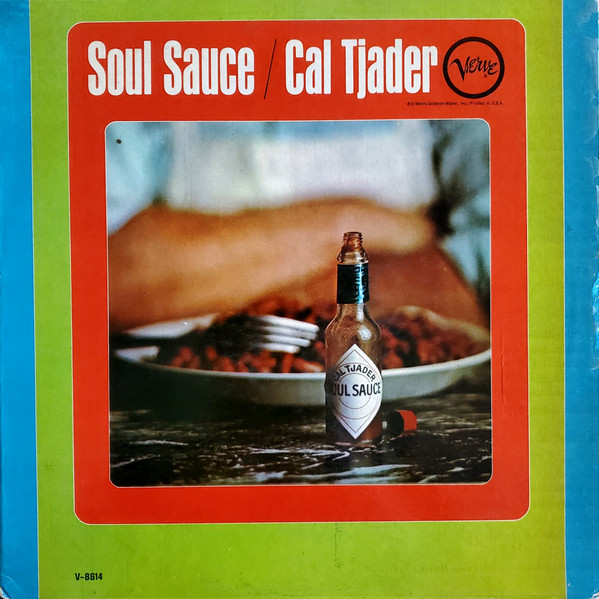
Soul Sauce
1965

Amazonas
1976

Solar Heat
1968

The Best Of Cal Tjader
1967
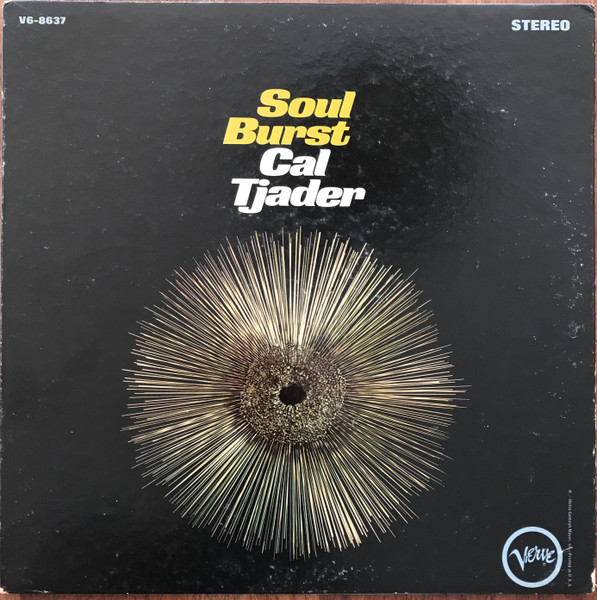
Soul Burst
1966
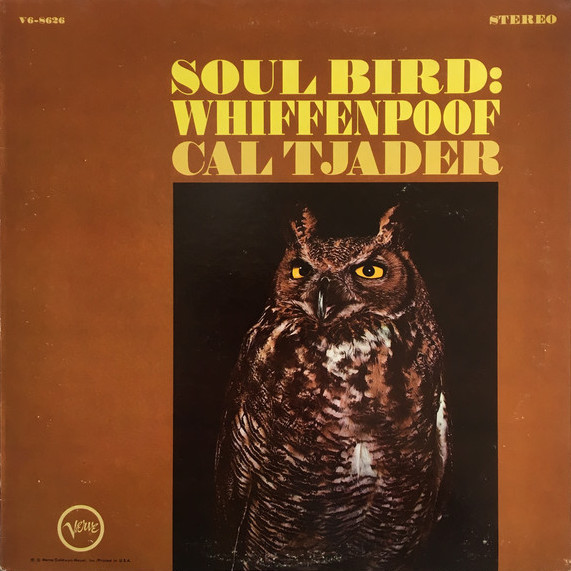
Soul Bird: Whiffenpoof
1965

Plays The Contemporary Music Of Mexico And Brazil
1962

Along Comes Cal
1967

Breeze From The East
1964

Several Shades Of Jade
1963

In A Latin Bag
1961

Latin Kick
1958
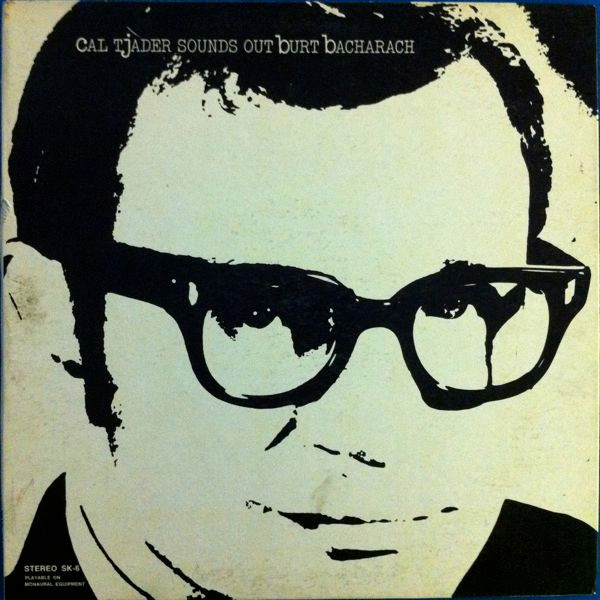
Cal Tjader Sounds Out Burt Bacharach
1968

The Prophet
1968

Cal Tjader's Greatest Hits
1966

Cal Tjader's Greatest Hits - Volume Two
1966

Warm Wave
1964

Soña Libré
1963

West Side Story
1960

Cal Tjader's Latin Concert
1959

Los Ritmos Calientes
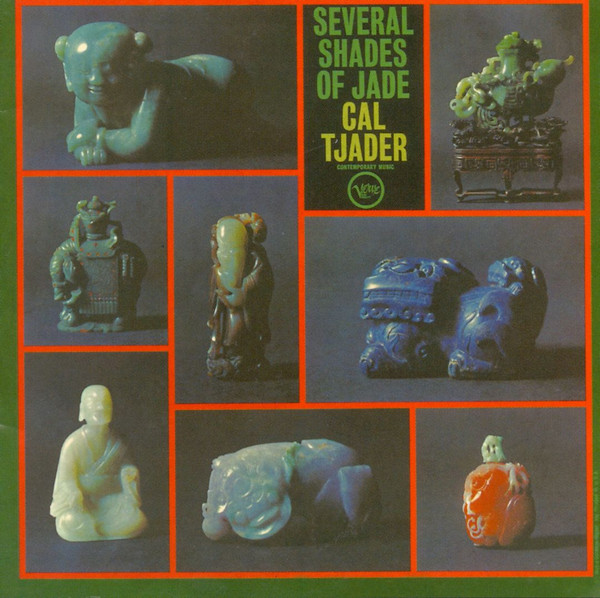
Several Shades Of Jade / Breeze From The East
1997

A Fuego Vivo
1982
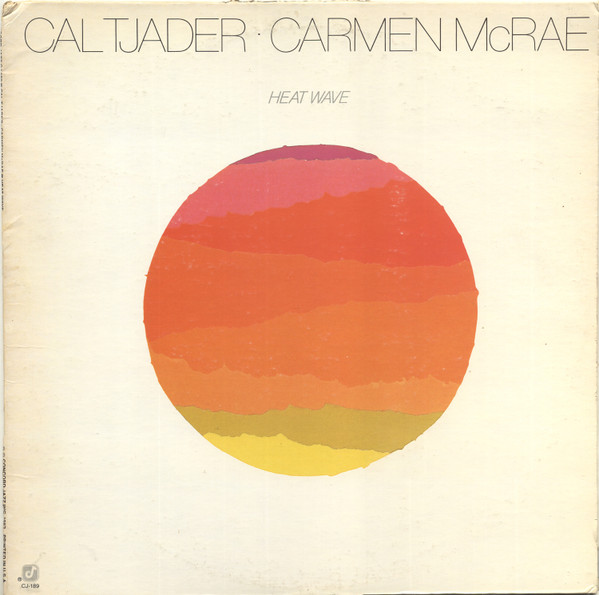
Heat Wave
1982
The George Shearing Quintet
A project Cal Tjader was part of.


The Cal Tjader Quintet
A project Cal Tjader was part of. Former member.


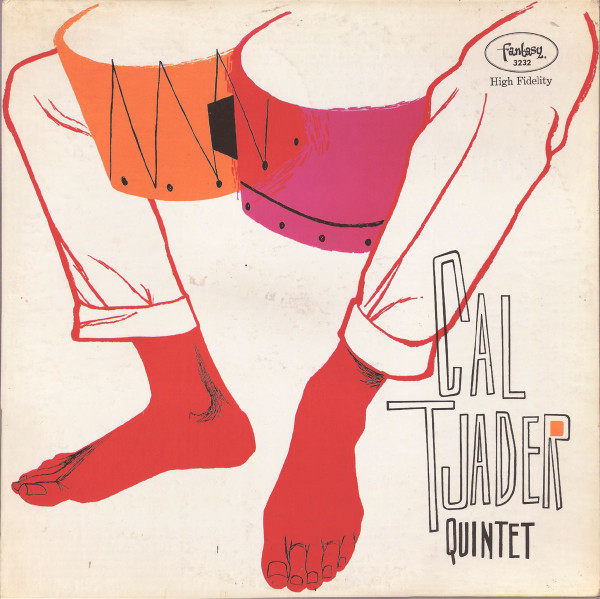
Cal Tjader Quartet
A project Cal Tjader was part of. Former member.


Cal Tjader Sextet
A project Cal Tjader was part of. Former member.

Cal Tjader Trio
A project Cal Tjader was part of. Former member.

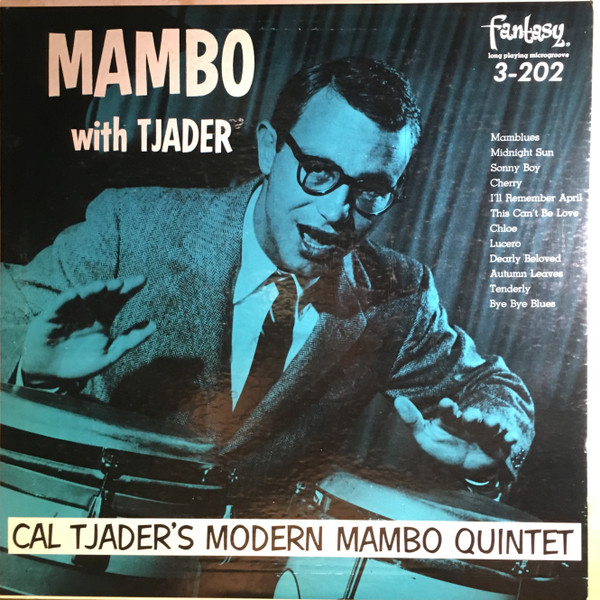
Cal Tjader's Modern Mambo Quintet
A project Cal Tjader was part of. Former member.
Related artists
More projects
Frequent collaborators
Around the web
Follow every record they touch.
Start your shelf and Gatefold tracks Cal Tjader's new pressings, tour dates, and the whole discography — automatically.
Start your shelf →Free forever. Works with 10 records or 10,000.